 Sodate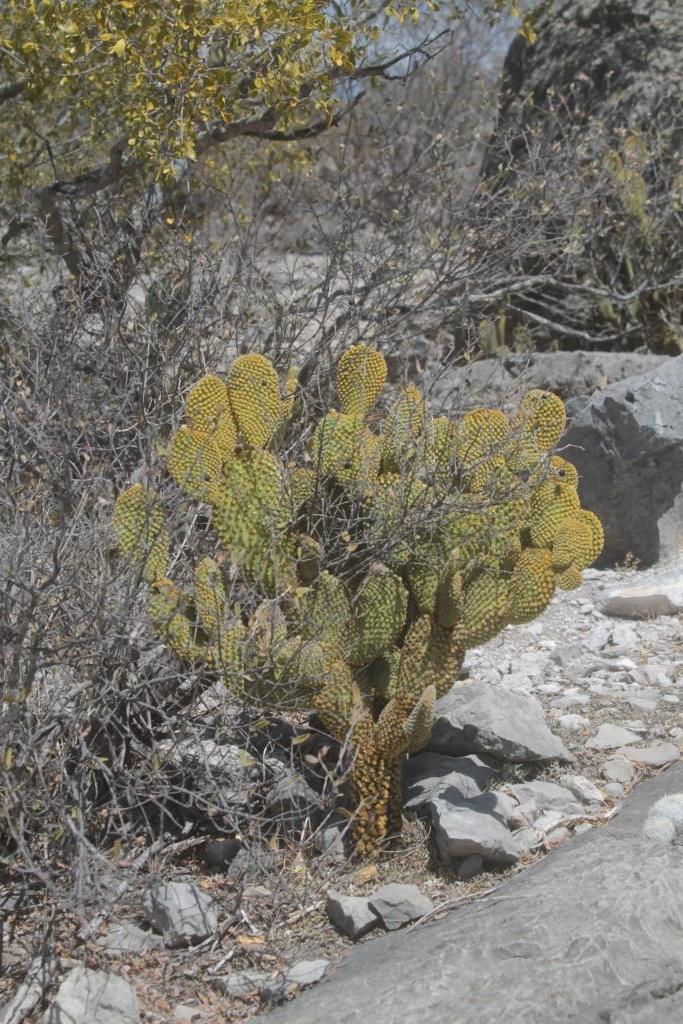
On this page
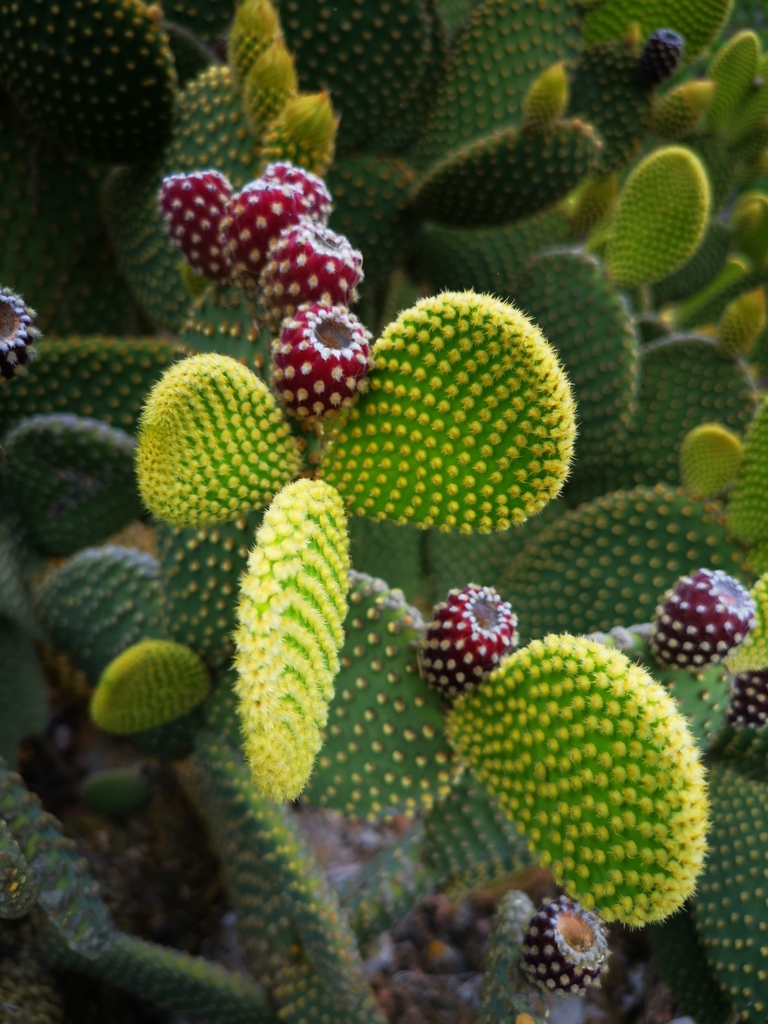
Read the warning before the care: bunny ear cactus has no big spines, but the fuzzy dots covering its pads are glochids, tiny barbed hairs that detach at the lightest brush and embed in skin. They are far worse to remove than ordinary spines, they break when you pull them with tweezers, and they can irritate for days. Never handle this plant bare-handed, and do not put it anywhere people or pets brush past. Care itself is undemanding: full sun, gritty soil, water every 2-4 weeks. Typical price $8-$20.
Key facts
- Glochids are barbed hairs a fraction of a millimetre thick that detach on contact, lodge in skin and are much harder to remove than normal spines, because they snap under tweezers and are hard to see.
- The plant looks safe to touch precisely because it has no long spines, which is why it causes more accidental injuries than spinier cacti.
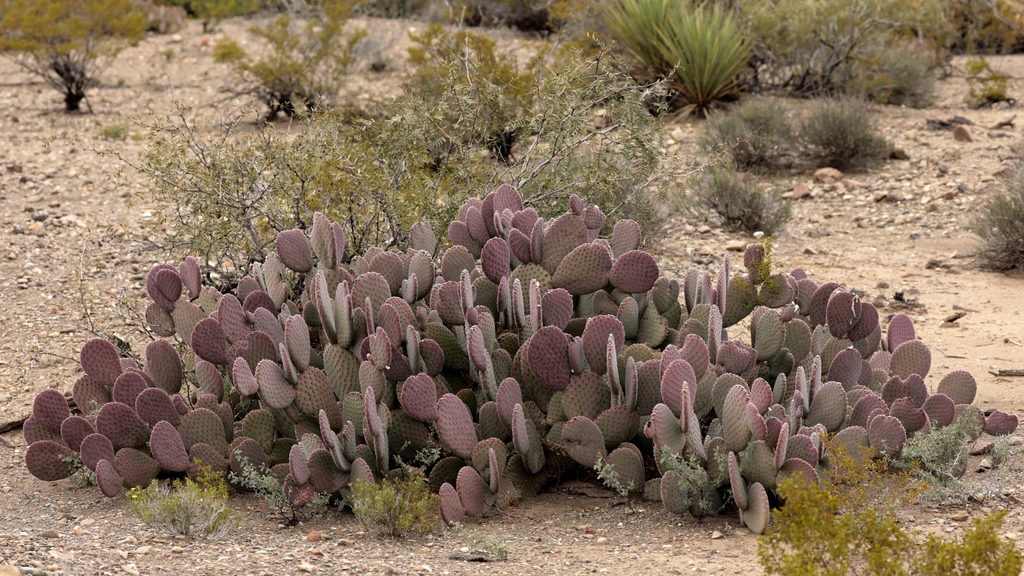
- Native to the Chihuahuan Desert of northern and central Mexico, where it forms low dense clumps up to about 60cm tall.
- The pads grow in pairs at angles that suggest rabbit ears, which is the whole basis of the common name.
Care requirements#
| Plant type | Indoor cactus; suitable outdoors in hot dry frost-free climates |
| Growing medium | Sharp-draining cactus mix with added grit or pumice |
| Light needs | Full sun. The brightest window you have; it will stretch and weaken in medium light |
| Water frequency | Every 2-4 weeks in summer; every 6-8 weeks or not at all in winter |
| Humidity | Low; dry indoor air suits it |
| Temperature range | 18-32°C (65-90°F) in growth; tolerates a cool dry winter down to 5°C (41°F) |
| Fertilizer | Low-nitrogen cactus feed once or twice in spring and summer |
| Soil pH | 6.0-7.5 |
| Drainage needs | Very high; standing moisture rots the pads at soil level |
| Pot recommendation | Heavy terracotta with a drainage hole. It is top-heavy once pads multiply |
| Hardiness zone (outdoor) | USDA 9-11; grown indoors elsewhere |
| Toxicity | Not chemically toxic to cats, dogs or humans, but glochids cause painful skin, eye and mouth injuries |
Growth & propagation#
| Mature size | 40-60cm tall and similarly wide indoors over many years |
| Growth rate | Moderate in full sun; new pads appear through spring and summer |
| Propagation methods | Pad cuttings. Remove a whole pad with tongs, callus it, then set it in dry mix |
| Propagation difficulty | Easy to root, but requires tongs and gloves to do safely |
| Repotting schedule | Every 2-3 years, using folded newspaper or thick leather gloves to hold the plant |
| Pruning needs | Remove damaged pads at the joint; wear eye protection, as glochids become airborne |
Common problems & troubleshooting#
| Symptom | Likely cause | Fix |
|---|---|---|
| Glochids embedded in skin | Contact with the pads, including a light brush | Do not rub the area. Lift what you can with duct tape or apply white PVA glue, let it dry and peel it off; see a doctor for eye contact |
| Soft, brown pads at the base | Overwatering or poor drainage | Stop watering, improve the mix with grit, and remove rotten pads with tongs |
| Pale, narrow, stretched new pads | Insufficient light | Move to the brightest available window; indoor plants often need direct sun to stay compact |
| White cottony patches in the pad joints | Mealybugs, which hide in the areoles | Dab with 70% isopropyl alcohol on a cotton bud, wearing gloves; repeat weekly until clear |
One less reason to touch this plant
Sodate tells you when it actually needs water based on your light and season, so you are not poking the soil of a glochid-covered cactus to check.
Seasonal care#
Varieties & cultivars#
| Variety | Distinguishing trait | Note |
|---|---|---|
| Opuntia microdasys var. albispina | White glochid clusters | The most common form sold as 'bunny ears' |
| Opuntia microdasys var. rufida | Reddish-brown glochids, no white dots | Sometimes treated as its own species, O. rufida |
| Golden-glochid form | Yellow-gold glochid clusters | Also sold as 'angel's wings' |
Buying checklist#
- Pads are firm and evenly coloured, with no soft or shrivelled areas at the joints
- No white cottony mealybug residue in the areoles
- The pot has a drainage hole and the mix is gritty rather than peaty
- You have somewhere to put it where nobody will brush past it
Pricing by region#
| Region | Price range | Typical unit | Basis |
|---|---|---|---|
| US | $8 – $20 | 4in pot | Big-box + nursery retail |
| UK | $7 – $18 | 9-12cm pot | Garden centre retail |
| India | $2 – $6 | 4in pot | Urban nursery retail |
| Australia | $9 – $20 | 100mm pot | Nursery retail (note Opuntia restrictions) |
| Canada | $8 – $18 | 4in pot | Garden centre retail |
USD figures are approximate conversions for comparison; switch the dropdown to see each region's actual local-currency listing price.
Often confused with#
Name confusion warning#
Also sold as "angel's wings" and "polka-dot cactus", both of which make it sound harmless. It is not spineless: the polka dots are glochid clusters. "Polka-dot cactus" is also easy to confuse with the unrelated polka dot plant (Hypoestes phyllostachya), which is a soft-leaved, entirely harmless houseplant.
Where it's actually grown#
Retail bunny ear cactus is nursery-propagated from pads in the US Southwest, Mexico, the Netherlands and China. Opuntia species are declared weeds in parts of Australia and South Africa, so commercial movement of the genus is controlled in several countries even though this species is a small ornamental.
Import & biosecurity restrictions#
| Region | Note |
|---|---|
| Australia | Opuntia species are regulated weeds in several states, with sale and possession restricted or prohibited; check your state list before buying. |
| US | Cacti are CITES Appendix II so commercial imports need permits; domestic nursery sale is unrestricted. |
| UK | CITES paperwork applies to commercial imports; no restriction on retail houseplant sale. |
| India | No restriction on domestic sale; suits hot, dry conditions. |
| Canada | CITES and CFIA permits needed for commercial imports; sold as a houseplant. |
Similar plants
Did you know?
Frequently asked questions
Are bunny ear cactus glochids dangerous?
They are not venomous, but they are genuinely difficult to remove: the barbed hairs detach on contact, break under tweezers and can irritate skin for days. Eye contact needs medical attention.
How do I remove glochids from skin?
Do not rub. Press adhesive tape over the area and lift, or spread white PVA glue, let it dry fully and peel it away. Repeat as needed.
Is bunny ear cactus toxic to cats and dogs?
It is not chemically toxic, but glochids in a paw, nose or mouth cause real injury, so it is a poor choice for a home with curious pets.
How often should I water a bunny ear cactus?
Every 2-4 weeks in summer and rarely or never in winter. Let the mix dry out completely between waterings.
How much does a bunny ear cactus cost?
Usually $8-$20 in the US for a 4-inch potted plant.