 Sodate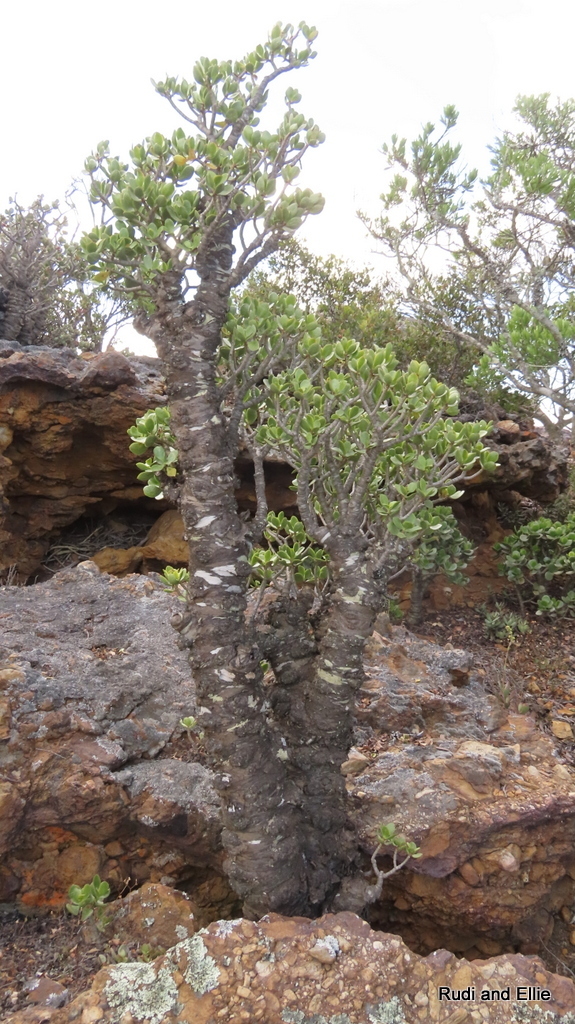
On this page
Jade plants want sun and neglect: a bright window with some direct light, gritty succulent mix, and water only when the soil is fully dry (every 2-3 weeks). They branch into genuine little trees, propagate from a single dropped leaf, and can live 50+ years. Keep away from cats and dogs. Jade is toxic to both. $5-$30 for common sizes; old specimen 'trees' sell for hundreds.
Key facts
- Native to the Eastern Cape and KwaZulu-Natal in South Africa, where it grows as a shrub up to 2.5m on rocky hillsides.
- Toxic to cats and dogs. Chewing causes vomiting, lethargy, and incoordination; keep it above pet height.
- Uses CAM photosynthesis: it opens its pores at night to save water, like cacti.
- A traditional 'money plant' or friendship plant in East Asian custom. Cuttings are gifted for luck and prosperity.
Care requirements#
| Plant type | Indoor / outdoor (year-round outdoors in USDA 10-11) |
| Growing medium | Gritty, fast-draining cactus/succulent mix |
| Light needs | Bright light with at least 4 hours of direct or near-direct sun; a south or west window |
| Water frequency | Every 2-3 weeks; only when the soil is completely dry, less in winter |
| Humidity | Low; dry indoor air is ideal |
| Temperature range | 18-24°C (65-75°F); tolerates down to 7°C (45°F) if kept dry; no frost |
| Fertilizer | Diluted succulent feed monthly in spring-summer only |
| Soil pH | 6.0-6.5 |
| Drainage needs | Very high. Soggy soil rots the trunk from below |
| Pot recommendation | Heavy terracotta with drainage; mature jades get top-heavy and tip light pots |
| Shaping | Pinch or prune growing tips to force branching and a tree-like crown |
| Toxicity | Toxic to cats and dogs; mildly irritating to humans if eaten |
Growth & propagation#
| Mature size | 30-90cm indoors over many years; to 2.5m in the ground |
| Growth rate | Slow: 5-10cm a year, faster with summer sun outdoors |
| Propagation methods | Stem cuttings or single leaves, calloused then set on dry succulent mix |
| Propagation difficulty | Very easy. Jade practically propagates itself from dropped leaves |
| Repotting schedule | Every 2-3 years; mature plants can go longer, refreshed with top-dressing |
| Pruning needs | Prune in spring to thicken the trunk and shape the crown; a favourite beginner bonsai subject |
Common problems & troubleshooting#
| Symptom | Likely cause | Fix |
|---|---|---|
| Leaves dropping while soft and yellowing, trunk soft near soil | Overwatering. Root and stem rot | Stop watering, unpot, cut away rot, and re-root healthy top growth in dry mix if the base is lost |
| Wrinkled, thin leaves that feel bendy | Genuine underwatering (rarer than people think) | Water deeply once; leaves firm up within days |
| Leggy stems, wide gaps between leaf pairs, floppy growth | Too little light | Move to your sunniest window or outdoors for summer; prune leggy stems and re-propagate the cuttings |
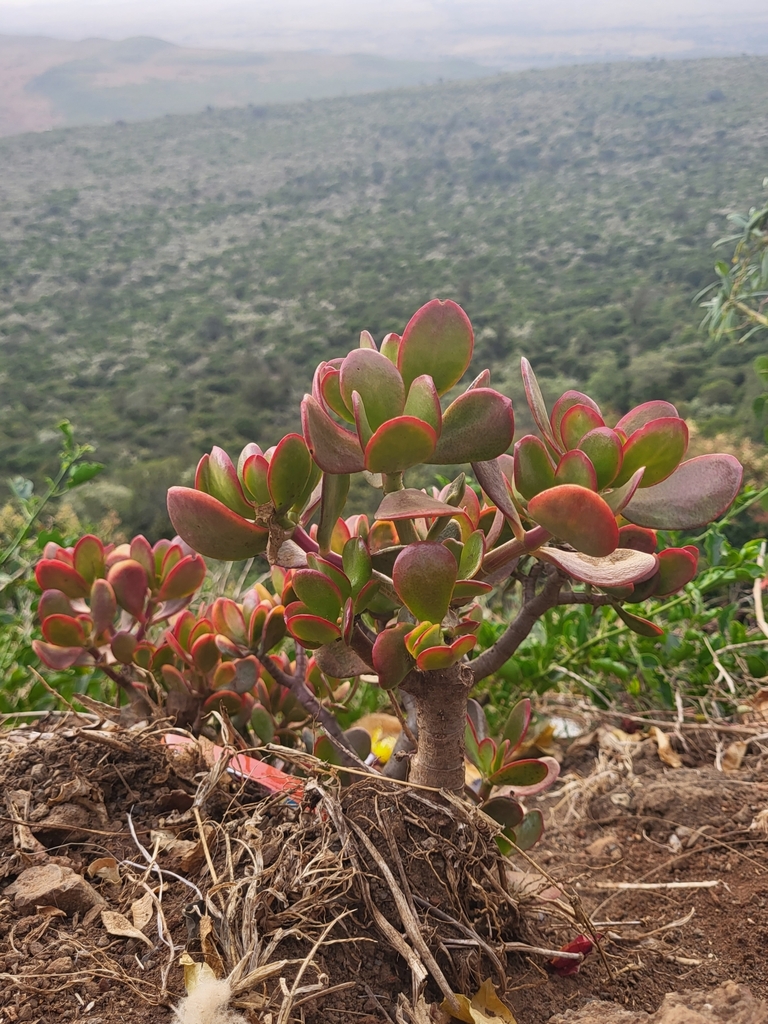
| Red-edged leaves | Sun and cool-night stress colouring. Usually a sign of excellent light | Nothing needed; many growers prize the red edge |
| White cottony tufts at leaf joints | Mealybugs, the jade's most common pest | Dab each cluster with a cotton bud dipped in 70% isopropyl alcohol; repeat weekly until clear |
Built to be ignored
Sodate stretches your jade's watering reminders out to the dry-soil rhythm it evolved for. Most jades die of kindness, not neglect.
Seasonal care#
Varieties & cultivars#
| Variety | Distinguishing trait | Note |
|---|---|---|
| 'Gollum' | Tubular, trumpet-tipped leaves like suction cups | Also sold as ogre ears; same care |
| 'Hobbit' | Curled, spoon-shaped leaves, denser habit | Often confused with 'Gollum' |
| 'Hummel's Sunset' | Gold-and-red flushed leaves in good sun | Award-winning; colour needs bright light |
| 'Tricolor' / variegata | Cream-striped leaves | Slower growing; avoid deep shade |
Buying checklist#
- Trunk firm from soil line to tips. A soft base is rot, walk away
- Plump, glossy leaves with no wrinkling or yellow mush
- Compact spacing between leaf pairs (leggy gaps mean it was grown in poor light)
- No white cottony mealybug tufts in the leaf joints
- For 'bonsai' jades: check the trunk is genuinely thickened, not just a young cutting in a fancy pot
Pricing by region#
| Region | Price range | Typical unit | Basis |
|---|---|---|---|
| US | $5 – $30 | 2in starter to 8in pot | Big-box + succulent nursery retail; old specimens $100+ |
| UK | $5 – $25 | 9cm pot to mature plant | Garden centre retail |
| India | $1 – $5 | small pot to large plant | Local nursery + online |
| Australia | $5 – $26 | 100mm pot to mature plant | Nursery + garden centre |
| Canada | $5 – $29 | 4in pot to mature plant | Garden centre retail |
USD figures are approximate conversions for comparison; switch the dropdown to see each region's actual local-currency listing price.
Often confused with#
Name confusion warning#
"Money plant" means different plants in different countries. In the West it usually means jade; in India and Southeast Asia "money plant" is pothos (Epipremnum aureum), and Pilea peperomioides is the "Chinese money plant". If a care guide for "money plant" seems wrong, you may be reading about a different species.
Where it's actually grown#
Jade plants are mass-produced from cuttings in succulent nurseries in California, Florida, the Netherlands, and across Asia, production is trivial since every stem and leaf roots, while large specimen plants mostly come from private growers and estate sales, because nobody can fake a 30-year trunk.
Import & biosecurity restrictions#
| Region | Note |
|---|---|
| Australia | Live plant imports restricted under biosecurity law; widely grown domestically and naturalised in some coastal areas, don't dump garden waste. |
| US | Domestic sale unrestricted; a common landscape shrub in coastal California. |
| UK | No restriction; a houseplant except in the mildest microclimates. |
| India | No restriction; sold cheaply in every urban nursery. |
| Canada | CFIA permits for commercial imports; strictly indoors. |
Similar plants
Ranked in these guides
Did you know?
Frequently asked questions
Is a jade plant toxic to cats and dogs?
Yes. Jade (Crassula ovata) causes vomiting, lethargy, and incoordination in cats and dogs that chew it. Keep it on high shelves or choose the pet-safe lookalike Portulacaria afra instead.
How often should I water a jade plant?
Every 2-3 weeks in the growing season, only when the soil is completely dry, and about monthly in winter. Overwatering is by far the most common cause of death.
Why is my jade plant dropping leaves?
Soft yellow leaves dropping points to overwatering; shrivelled leaves to drought; and dropping after a move is usually shock or sudden light change. Check the trunk base, softness means rot.
How do I make my jade plant look like a tree?
Give it real sun and pinch or prune the growing tips each spring. Every cut point branches, thickening the crown while the trunk fattens with age.
How long do jade plants live?
Easily 50 years or more with basic care. Jades passed down through families are common, which is part of the plant's 'friendship plant' tradition.