 Sodate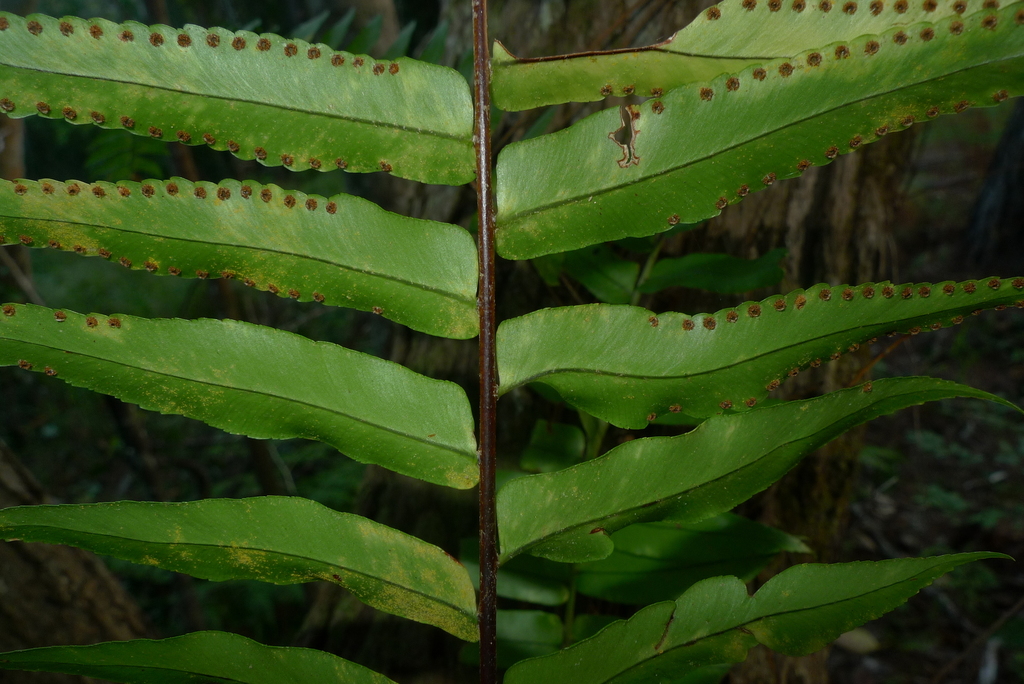
On this page
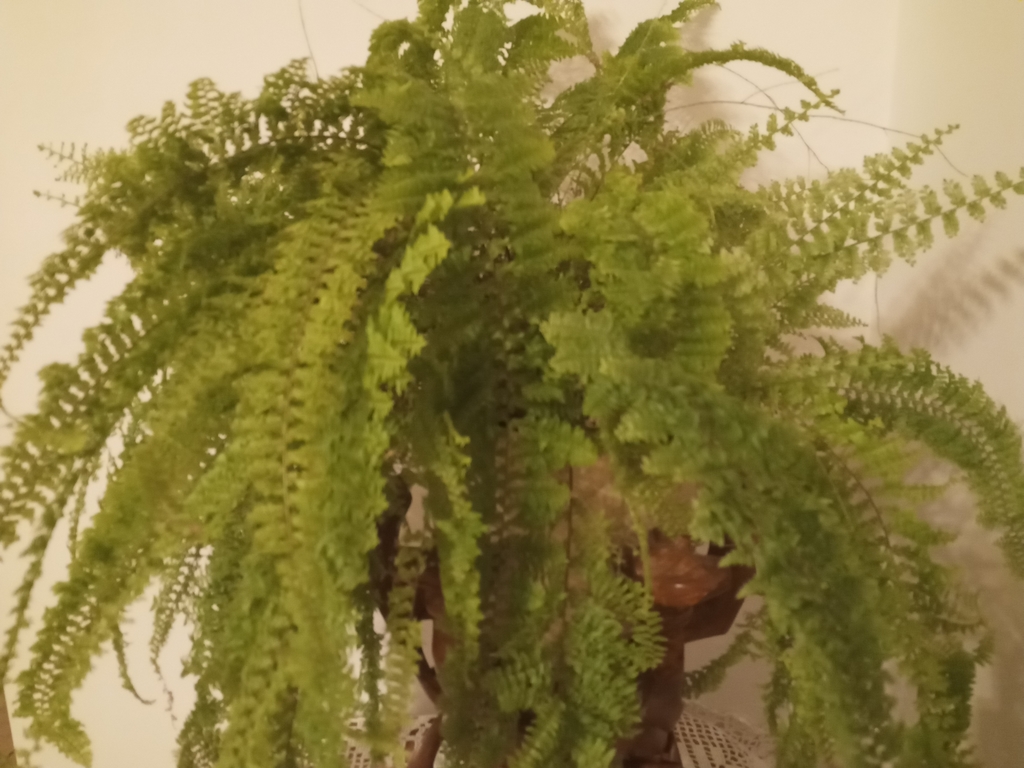
The Kimberly Queen is the fern to buy if a Boston fern has annoyed you. Its fronds grow stiffly upright instead of arching and cascading, it drops far fewer leaflets on the floor, and it copes better with ordinary indoor humidity. It is also non-toxic to cats and dogs. The one non-negotiable is water: it wants consistently moist soil and will brown quickly if it dries out fully. Typical price $15-$35.
Key facts
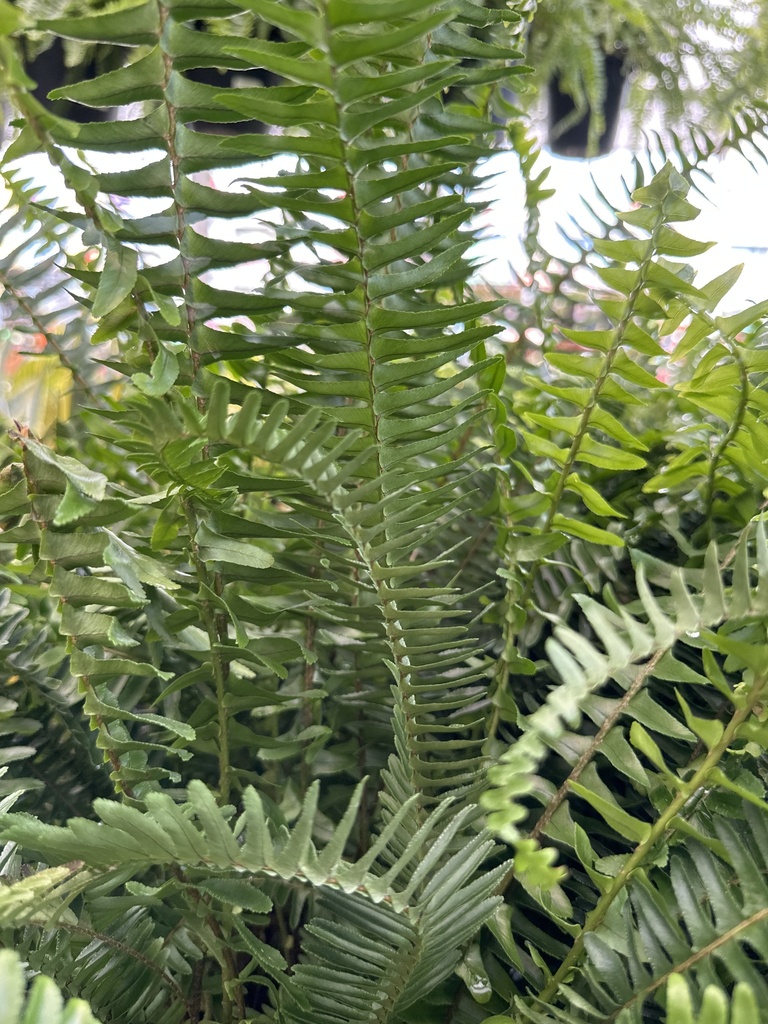
- Fronds grow upright and sword-shaped rather than arching, which makes it a much tidier plant in a room than a Boston fern.
- It sheds noticeably fewer leaflets than Nephrolepis exaltata, the usual complaint about indoor ferns.
- It tolerates drier air and more sun than most indoor ferns, and is commonly used as a summer patio plant.
- Non-toxic to cats, dogs and humans, which is true of Nephrolepis ferns generally.
Care requirements#
| Plant type | Indoor fern; grown outdoors as a patio or shade-bed plant in warm climates |
| Growing medium | Peat-free, moisture-retentive potting mix with perlite for air |
| Light needs | Bright indirect light; tolerates some gentle morning sun, but not hot afternoon sun |
| Water frequency | Every 3-5 days; keep the mix consistently moist and never let it dry out completely |
| Humidity | 40-50% is workable, which is unusually tolerant for a fern; higher is better |
| Temperature range | 16-26°C (60-79°F); keep above 10°C (50°F) |
| Fertilizer | Balanced liquid feed at half strength monthly through spring and summer |
| Soil pH | 5.5-6.5 |
| Drainage needs | Moderate: moist but not standing in water; always use a pot with holes |
| Pot recommendation | Plastic or glazed pot that holds moisture; terracotta dries out too fast |
| Hardiness zone (outdoor) | USDA 9-11; grown indoors or as a summer annual elsewhere |
| Toxicity | Non-toxic to cats, dogs and humans |
Growth & propagation#
| Mature size | 60-90cm tall and about as wide |
| Growth rate | Moderate; a full pot in one or two seasons |
| Propagation methods | Division of the crown in spring; spores are possible but slow and impractical at home |
| Propagation difficulty | Beginner-friendly by division, provided each piece keeps roots and fronds |
| Repotting schedule | Every 1-2 years in spring, or when roots fill the pot |
| Pruning needs | Cut browned or spent fronds off at the base to keep the upright shape clean |
Common problems & troubleshooting#
| Symptom | Likely cause | Fix |
|---|---|---|
| Browning frond tips and crisp leaflets | The rootball dried out, or the air is very dry | Water more consistently, never letting the mix go fully dry, and raise humidity if the room is heated |
| Yellowing fronds throughout | Waterlogged compost or a pot without drainage | Check drainage, empty the cache pot after watering, and let the surface dry slightly before the next water |
| Pale, washed-out fronds | Too much direct sun | Move out of direct afternoon light into bright indirect light |
| Sparse, thin new growth | Not enough light or nutrients | Move somewhere brighter and feed monthly at half strength through the growing season |
| Sticky fronds with small brown bumps | Scale insects, common on ferns brought in from a patio | Wipe off by hand and treat with horticultural oil every 10 days until clear |
Ferns don't forgive a missed week
Sodate builds watering quests from your real light and season, which matters for a plant that browns the moment the rootball dries out.
Seasonal care#
Varieties & cultivars#
| Variety | Distinguishing trait | Note |
|---|---|---|
| Nephrolepis obliterata 'Kimberly Queen' | Upright sword fronds, low shed | The standard retail form |
| Nephrolepis exaltata 'Bostoniensis' | Arching cascading fronds | The classic Boston fern; sheds more |
| Nephrolepis exaltata 'Fluffy Ruffles' | Dense ruffled leaflets | Compact but more humidity-hungry |
Buying checklist#
- Fronds are upright and evenly green, with no browned tips already
- The crown is dense, with new fiddleheads visible in the centre
- The mix is moist, not dust-dry, and the pot has drainage holes
- Check frond undersides: raised orange dots in neat rows are normal spores, not pests
Pricing by region#
| Region | Price range | Typical unit | Basis |
|---|---|---|---|
| US | $15 – $35 | 8-10in pot | Big-box + nursery retail |
| UK | $13 – $32 | 17-21cm pot | Garden centre retail |
| India | $4 – $12 | 8in pot | Urban nursery retail |
| Australia | $15 – $34 | 200mm pot | Nursery + garden centre |
| Canada | $15 – $33 | 8in pot | Garden centre retail |
USD figures are approximate conversions for comparison; switch the dropdown to see each region's actual local-currency listing price.
Often confused with#
Name confusion warning#
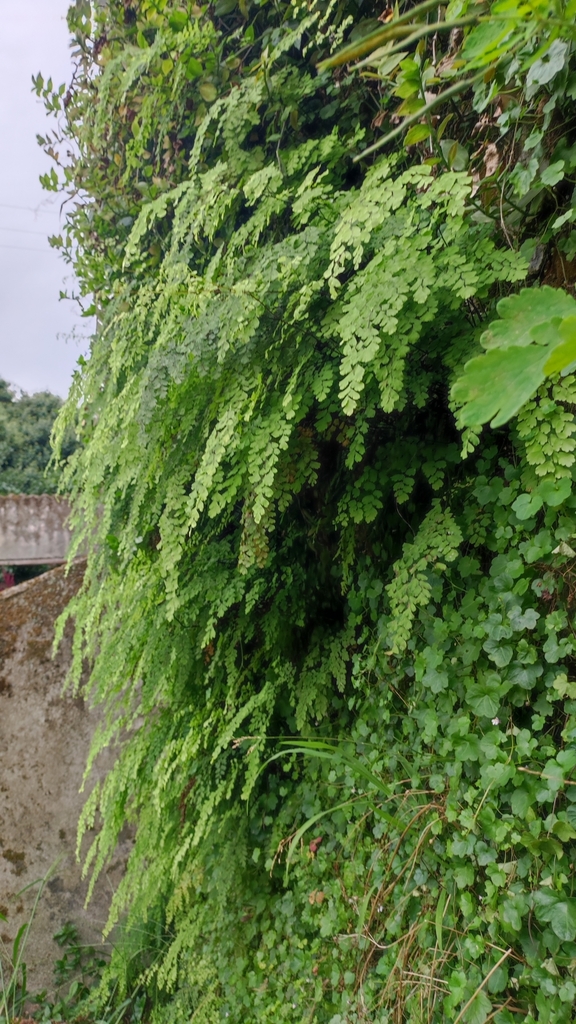
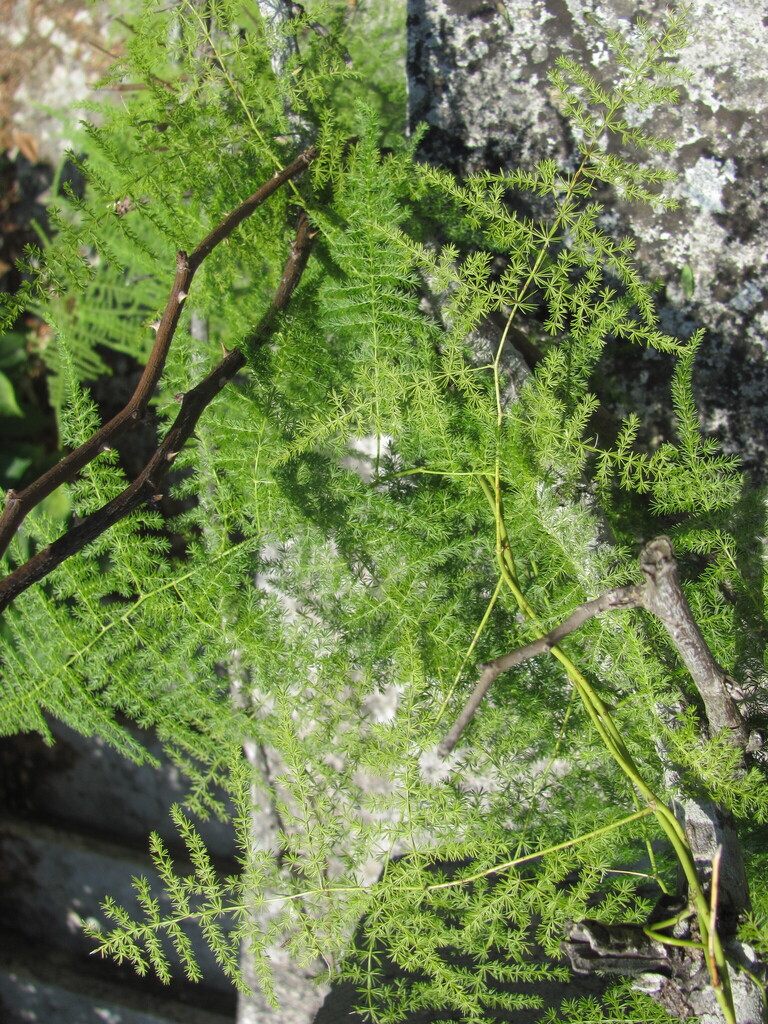
Sold as both Nephrolepis obliterata and the older Nephrolepis biserrata 'Macho' in some markets, which are not the same plant. "Sword fern" is applied to several Nephrolepis species, including the invasive N. cordifolia, so buy on the botanical name if you garden outdoors in a warm climate.
Where it's actually grown#
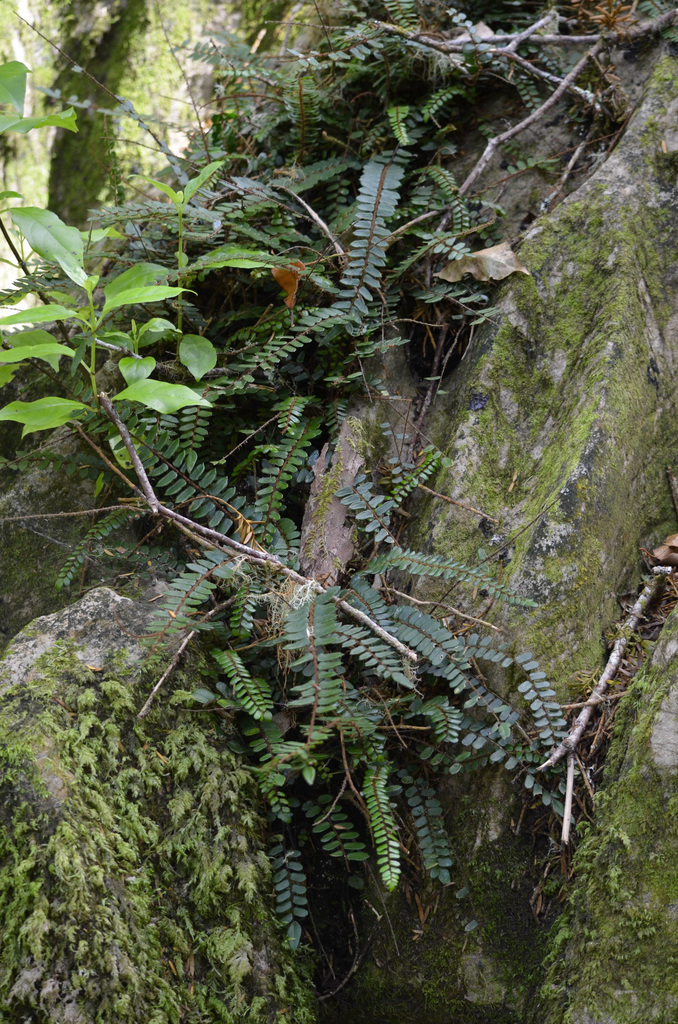
Kimberly Queen is produced by division and tissue culture in Florida, Costa Rica and the Netherlands, and is a mass-market seasonal patio crop in the US. The species is native to northern Queensland and New Guinea, but no trade stock is wild-collected.
Import & biosecurity restrictions#
| Region | Note |
|---|---|
| Australia | Native to northern Australia; sold domestically without restriction, though other Nephrolepis species are declared weeds in some states. |
| US | Domestic sale unrestricted; a very common Florida-grown patio crop. |
| UK | Phytosanitary certificates required for commercial imports; retail sale unrestricted. |
| India | No restriction; does well in humid regions and needs extra watering in dry seasons. |
| Canada | CFIA permits required for commercial imports; widely sold as a houseplant and summer patio plant. |
Similar plants
Ranked in these guides
Did you know?
Frequently asked questions
Is the Kimberly Queen fern safe for cats and dogs?
Yes. Like other Nephrolepis ferns it is non-toxic to cats and dogs.
How is a Kimberly Queen different from a Boston fern?
Its fronds grow stiffly upright rather than arching, it drops far fewer leaflets indoors, and it copes better with drier air.
Why are my Kimberly Queen fern tips turning brown?
The rootball dried out, or the air is too dry. Keep the mix consistently moist and move it away from heating vents.
How often should I water a Kimberly Queen fern?
Roughly every 3-5 days. The soil should stay evenly moist and never dry out completely.
How much does a Kimberly Queen fern cost?
Usually $15-$35 in the US for an 8-10 inch pot.