 Sodate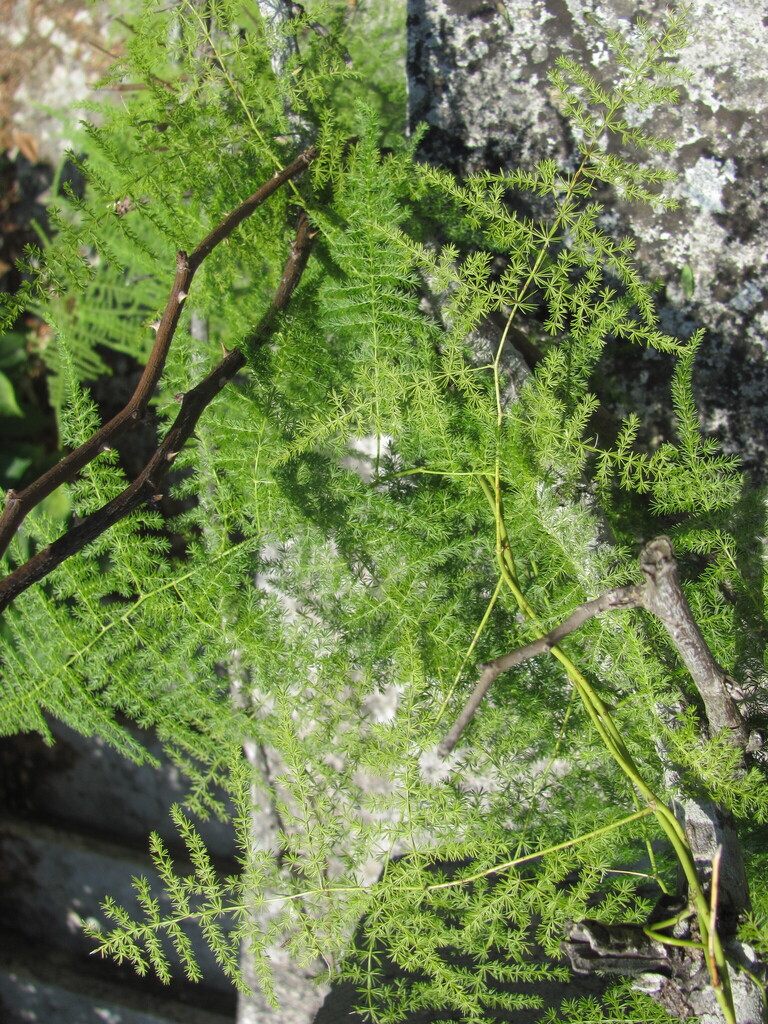
On this page
Asparagus fern gives you fern looks without fern fragility: bright indirect light, water when the top few centimeters dry, and it bounces back from lapses thanks to water-storing tuberous roots. Watch for two surprises. Small thorns on mature stems and long climbing shoots. Mildly toxic: the berries upset pets' stomachs and the sap can irritate skin. Typically $6-$18 in the US.
Key facts
- Not a true fern. It's in the Asparagaceae family with edible asparagus, and reproduces by seed and berry, not spores.
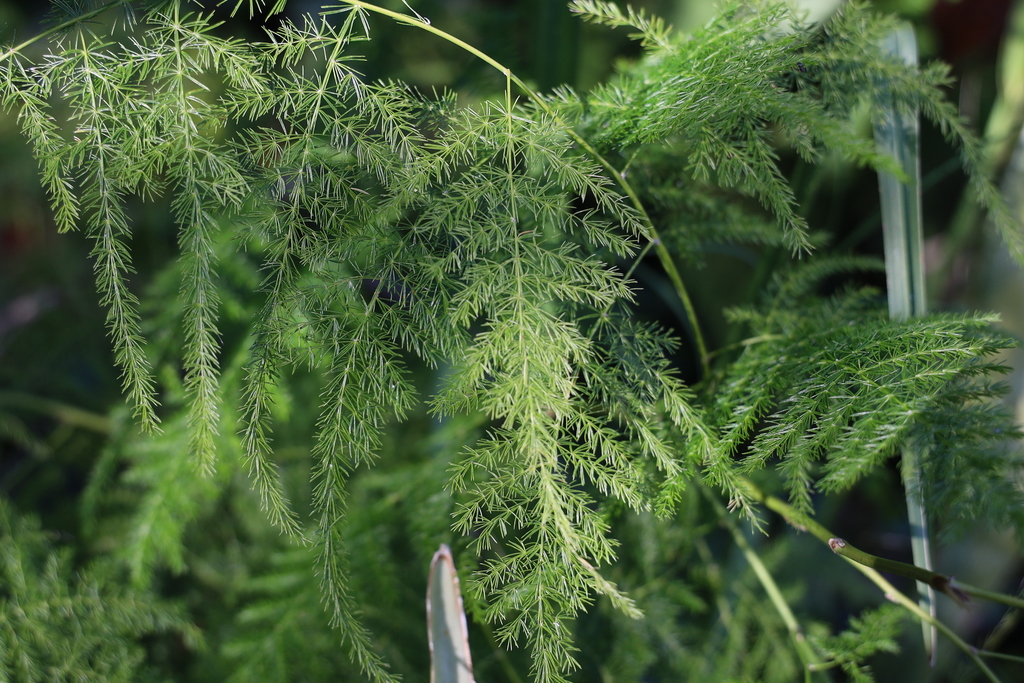
- The 'leaves' are actually cladodes: flattened, needle-like stems doing the work of leaves.
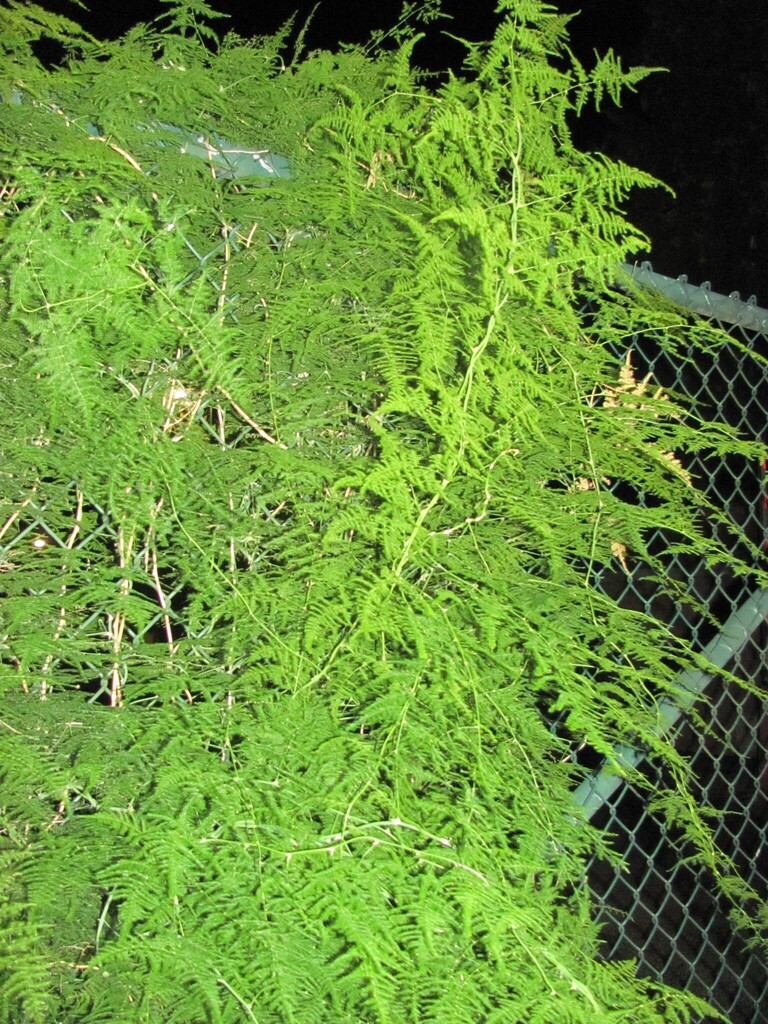
- Left unpruned, it reveals its true nature as a climber, sending wiry shoots 2-3m up any support.
- Mildly toxic: the red berries cause vomiting and abdominal pain in cats and dogs, and repeated skin contact with sap can cause dermatitis.
Care requirements#
| Plant type | Indoor or outdoor (hardy outside in USDA 9-11; invasive in some warm regions) |
| Growing medium | Standard peat-free potting mix with perlite for drainage |
| Light needs | Bright indirect light; tolerates light shade; hot direct sun yellows the foliage |
| Water frequency | When the top 2-3cm of soil dries. Roughly weekly in summer; tuberous roots forgive missed waterings |
| Humidity | Prefers 40-60%; tolerates average rooms far better than true ferns |
| Temperature range | 18-27°C (65-80°F); keep above 10°C (50°F) |
| Fertilizer | Balanced liquid feed monthly through spring-summer |
| Soil pH | 6.0-7.0 |
| Drainage needs | Moderate-high; tubers rot in permanently wet soil |
| Pot recommendation | Sturdy pot with drainage. The tuberous roots are strong enough to crack thin plastic |
| Hardiness zone (outdoor) | USDA 9-11 |
| Toxicity | Mildly toxic: berries cause GI upset in cats and dogs; sap can irritate skin (wear gloves when pruning) |
Growth & propagation#
| Mature size | 50-70cm as a contained pot plant; climbing shoots reach 2-3m if given support |
| Growth rate | Fast in warm months. Can double in a season |
| Propagation methods | Division of the root mass; also grows from seed inside the berries |
| Propagation difficulty | Easy by division. Saw the tuberous clump into sections, each with shoots attached |
| Repotting schedule | Every 1-2 years; the swelling root mass will push the plant up out of its pot when it's time |
| Pruning needs | Cut old yellowed stems at the base and trim wandering climbing shoots. With gloves, mature stems carry small thorns |
Common problems & troubleshooting#
| Symptom | Likely cause | Fix |
|---|---|---|
| Needles yellowing and shedding in showers | Too much direct sun, or drought stress followed by heavy watering | Move to bright indirect light and even out the watering rhythm; cut bare stems to the base to force fresh growth |
| Plant physically rising out of its pot | Tuberous roots have filled the container and are lifting the crown | Repot into a larger, sturdy pot in spring, or divide the clump |
| Long, bare, wiry shoots with no foliage | Normal climbing behavior. These shoots leaf out later or reach for support | Train them onto a support or snip them off to keep the plant bushy |
| Scratched hands after pruning | Small recurved thorns on mature stems that most owners never notice until they grab a handful | Wear gloves; the thorns are tiny but sharp |
| Fine webbing and greyish needles | Spider mites in dry indoor air | Shower the foliage, apply insecticidal soap weekly for 3 weeks, and raise humidity |
Tough plant, better with rhythm
Sodate spaces waterings so your asparagus fern stays lush green instead of cycling through yellow needle-shed.
Seasonal care#
Varieties & cultivars#
| Variety | Distinguishing trait | Note |
|---|---|---|
| Asparagus densiflorus 'Sprengeri' | Arching, bushier fronds with coarser needles | The common hanging-basket 'asparagus fern', a different species |
| Asparagus densiflorus 'Myers' (foxtail fern) | Dense, upright plume-shaped fronds like foxtails | Popular in pots and landscaping |
| Asparagus falcatus (sicklethorn) | Larger sickle-shaped cladodes on a strong climber | For big rooms and conservatories |
Buying checklist#
- Foliage is rich green throughout, not yellowing at the base
- No needle-shed carpet in the nursery pot (sign of stress cycling)
- Crown sits level in the pot, not heaved upward by root pressure
- No webbing between needles (spider mites love this plant)
Pricing by region#
| Region | Price range | Typical unit | Basis |
|---|---|---|---|
| US | $6 – $18 | 4-6in pot | Big-box + garden center retail |
| UK | $6 – $16 | 12cm pot | Garden centre retail |
| India | $1 – $4 | 4-6in pot | Local nursery + online |
| Australia | $6 – $16 | 130mm pot | Nursery retail (check local invasive listings) |
| Canada | $6 – $17 | 4-6in pot | Garden centre retail |
USD figures are approximate conversions for comparison; switch the dropdown to see each region's actual local-currency listing price.
Often confused with#
Name confusion warning#
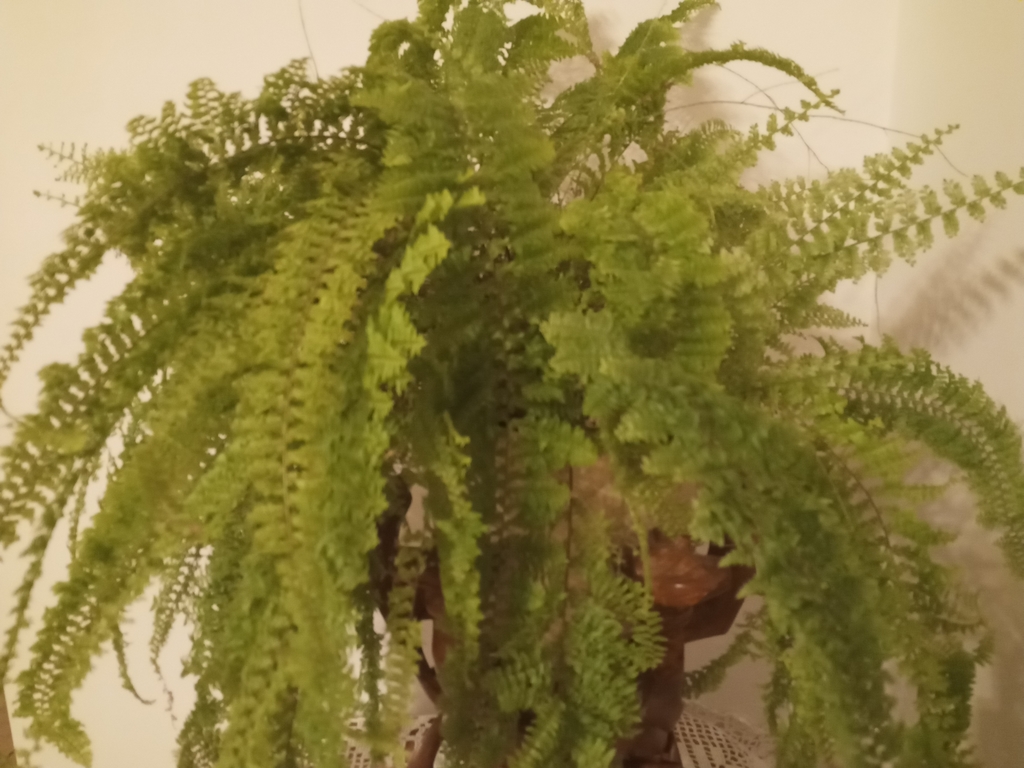
'Asparagus fern' covers several different species. Shops use the name for A. setaceus (lacy, flat sprays), A. densiflorus 'Sprengeri' (arching hanging-basket type), and 'Myers' (foxtail). Care is similar, but size and habit differ a lot. Check the leaf shape before buying.
Where it's actually grown#
Grown from seed and division in volume foliage nurseries in Florida, Central America, and the Netherlands; huge quantities are also farmed as cut 'plumosa' greenery for the floristry trade, particularly in Costa Rica and Kenya.
Import & biosecurity restrictions#
| Region | Note |
|---|---|
| Australia | Live imports restricted by biosecurity law; related A. densiflorus and A. asparagoides are declared environmental weeds in several states, so check local listings before planting outdoors. |
| US | Domestic sale unrestricted as a houseplant, but it naturalizes in Florida and Hawaii. Avoid planting in the ground in frost-free areas. |
| UK | No restriction; strictly a houseplant or summer patio plant. |
| India | No restriction; widely grown in gardens and as florist greenery. |
| Canada | CFIA permits required for commercial imports; no invasiveness concern given winter climate. |
Similar plants
Ranked in these guides
Did you know?
Frequently asked questions
Is asparagus fern toxic to cats and dogs?
Mildly. The red berries cause vomiting, diarrhea, and abdominal pain if eaten, and repeated contact with the sap can irritate skin. It's the berries that pose the main pet risk.
Is asparagus fern a real fern?
No. It's in the asparagus family (Asparagaceae) and reproduces by flowers and berries rather than spores. The fern look comes from flattened needle-like stems.
Why is my asparagus fern turning yellow?
Usually too much direct sun or an erratic watering pattern (bone-dry then soaked). Move it to bright indirect light and water when the top few centimeters dry.
Does asparagus fern have thorns?
Yes. Mature stems carry small, sharp recurved thorns that are easy to miss among the soft foliage. Wear gloves when pruning or repotting.
How much does an asparagus fern cost?
A standard 4-6 inch pot runs $6-$18 in the US; full hanging baskets cost more.