 Sodate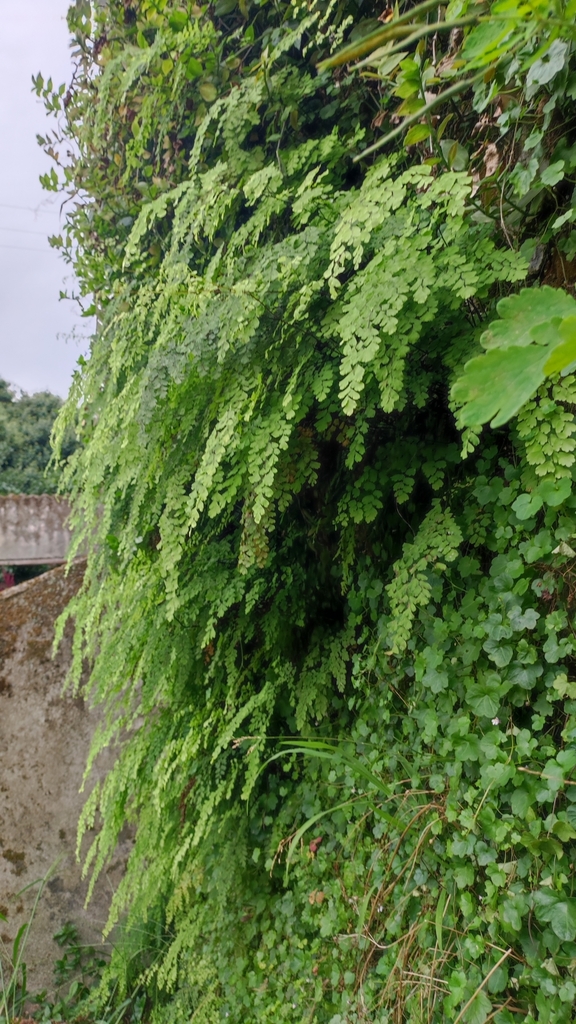
On this page
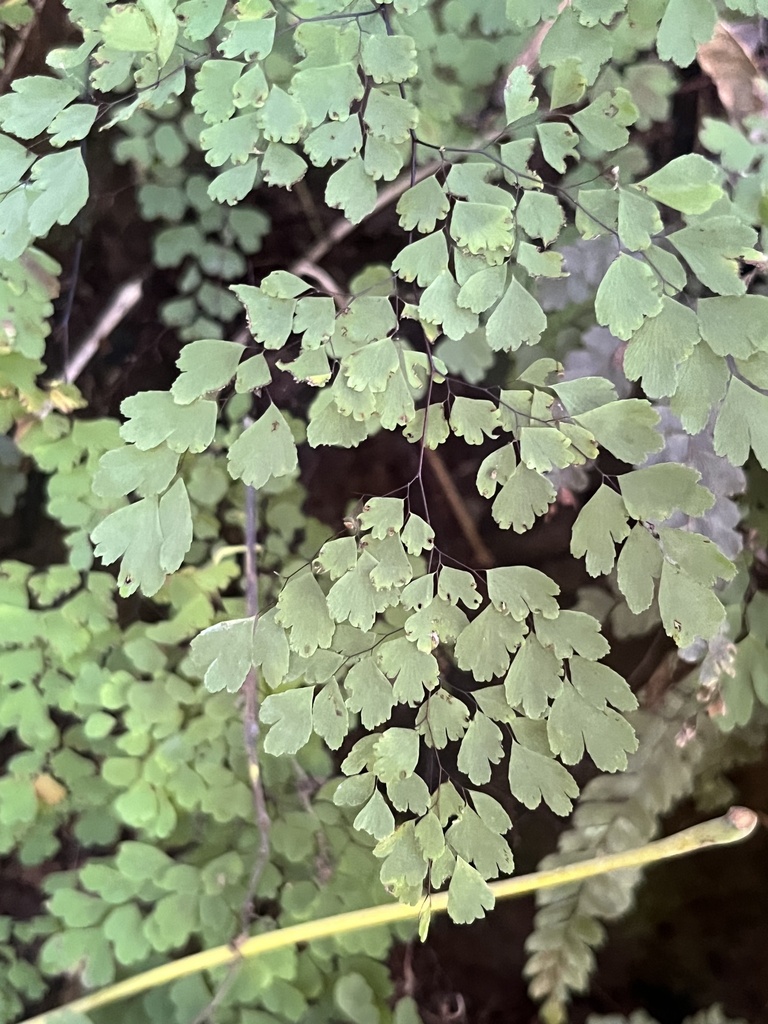
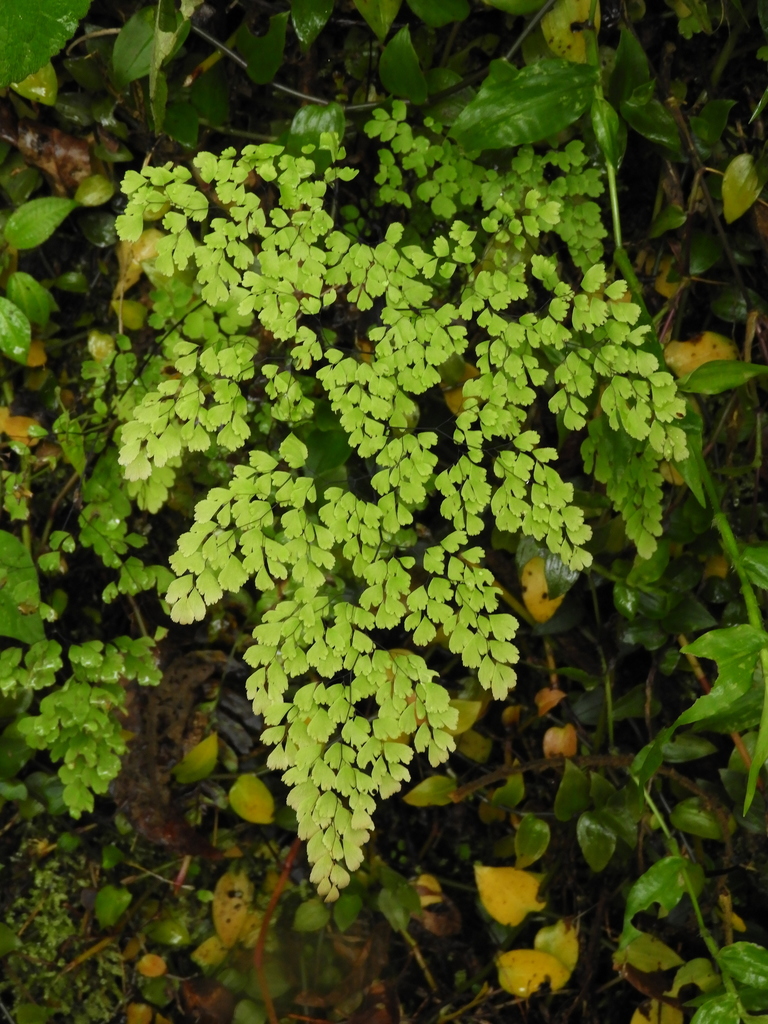
Maidenhair fern is gorgeous and demanding: the soil must stay lightly moist at all times, one full dry-out crisps every frond, plus 50%+ humidity, bright indirect light, and no drafts. The good news: a crisped plant is usually not dead; cut it back and the rhizome re-sprouts. Pet-safe. Typically $8-$18 in the US.
Key facts
- The genus name Adiantum means 'unwetted'. The leaflets shed water so effectively that rain rolls off without soaking them.
- Fronds have almost no waxy cuticle, which is why they desiccate within hours in dry air or dry soil. The least drought-tolerant common houseplant fern.
- A completely crisped plant can usually be saved: cut all fronds to the base, keep the rhizome moist, and new fiddleheads emerge in a few weeks.
- Non-toxic to cats and dogs.
Care requirements#
| Plant type | Indoor (outdoors in shaded, frost-free gardens, USDA 9-11) |
| Growing medium | Rich, moisture-retentive mix. Potting soil with extra coco coir or compost, still free-draining |
| Light needs | Bright indirect light; morning sun at most; hot direct sun scorches fronds in hours |
| Water frequency | Keep soil lightly moist at all times. Often every 2-4 days; never let it dry out completely |
| Humidity | 50-70%; bathrooms, terrariums, cloches, or a humidifier; dry heated air crisps it |
| Temperature range | 16-24°C (60-75°F); avoid cold drafts and heat vents alike |
| Fertilizer | Quarter-strength balanced liquid feed monthly in spring-summer |
| Soil pH | 6.0-7.0 |
| Drainage needs | Moderate: moist is the goal, swampy is not; drainage holes essential |
| Pot recommendation | Plastic or glazed pot (terracotta wicks moisture away too fast for this fern) |
| Hardiness zone (outdoor) | USDA 9-11 (deep shade) |
| Toxicity | Non-toxic to cats and dogs |
Growth & propagation#
| Mature size | 30-50cm tall and wide indoors |
| Growth rate | Moderate: steady fiddleheads through the warm months |
| Propagation methods | Division of the rhizome clump; spores for the patient |
| Propagation difficulty | Moderate: divisions sulk for a few weeks but establish reliably if kept humid |
| Repotting schedule | Every 1-2 years in spring; it likes being slightly snug |
| Pruning needs | Cut spent or crisped fronds at the base; a hard cut-back rejuvenates a tired plant |
Common problems & troubleshooting#
| Symptom | Likely cause | Fix |
|---|---|---|
| Entire plant crisped seemingly overnight | Soil dried out completely once. That's all it takes | Cut all fronds to the base, keep the rhizome lightly moist and humid; new fiddleheads usually appear within 3-6 weeks |
| Brown, papery frond edges | Low humidity or a nearby heat vent/draft | Move away from vents, group with other plants, add a humidifier or pebble tray |
| Yellowing fronds with wet, sour soil | Overcorrecting into waterlogging | Moist ≠ swampy. Ensure drainage, pour off saucer water, and let excess drain after each watering |
| Pale fronds and scorched patches | Direct sun | Move to bright shade; damaged fronds won't recover. Trim and let new growth replace them |
| Sparse, weak new fronds | Depleted soil or a pot packed solid with roots | Repot in spring into fresh rich mix, dividing the clump if it's congested |
One missed watering is all it takes
Sodate is built for exactly this plant: reminders tuned tight enough that the soil never fully dries.
Seasonal care#
Varieties & cultivars#
| Variety | Distinguishing trait | Note |
|---|---|---|
| 'Fragrantissimum' | Vigorous form with larger, slightly fragrant fronds | A common trade cultivar |
| 'Fritz Luth' | Compact, dense growth with overlapping leaflets | Good for terrariums |
| Adiantum capillus-veneris | The 'Venus hair' species with similar fan leaflets | A different, nearly worldwide species also sold as maidenhair |
Buying checklist#
- Soil is moist in the shop. A dry-soiled maidenhair may already be doomed
- Fronds are uniformly green with no crispy edges
- New fiddleheads visible at the base (sign of an establishing plant)
- Avoid plants displayed near heaters or entrance drafts
Pricing by region#
| Region | Price range | Typical unit | Basis |
|---|---|---|---|
| US | $8 – $18 | 4-6in pot | Garden center + online houseplant retail |
| UK | $6 – $16 | 12cm pot | Garden centre retail |
| India | $1 – $4 | 4-6in pot | Local nursery + online |
| Australia | $7 – $16 | 130mm pot | Nursery + garden centre |
| Canada | $7 – $17 | 4-6in pot | Garden centre retail |
USD figures are approximate conversions for comparison; switch the dropdown to see each region's actual local-currency listing price.
Often confused with#
Where it's actually grown#
Mass-propagated from spores and tissue culture in fern nurseries in Florida, the Netherlands, and Southeast Asia; A. raddianum (native to tropical America) is the standard commercial 'maidenhair', though other Adiantum species circulate under the same common name.
Import & biosecurity restrictions#
| Region | Note |
|---|---|
| Australia | Live plant imports restricted under biosecurity law; domestic nursery stock is widely available. |
| US | Domestic sale unrestricted. |
| UK | No restriction; a Victorian-era favorite still widely sold. |
| India | No restriction; grows well in humid regions and shaded gardens. |
| Canada | CFIA permits required for commercial imports; sold as a houseplant. |
Similar plants
Did you know?
Frequently asked questions
Is maidenhair fern safe for cats and dogs?
Yes. True maidenhair ferns (Adiantum) are non-toxic to cats and dogs.
My maidenhair fern dried up completely. Is it dead?
Often not. Cut all fronds down to the base, keep the soil lightly moist and the pot humid, and new fiddleheads usually emerge from the rhizome within 3-6 weeks.
How often should I water a maidenhair fern?
Whenever the surface starts to feel barely dry. Often every 2-4 days indoors. The soil should stay lightly moist at all times; a single complete dry-out crisps the plant.
Why does my maidenhair fern keep getting crispy edges?
Dry air. It wants 50%+ humidity. Keep it away from radiators and vents, and use a humidifier, terrarium, or a bright bathroom.
How much does a maidenhair fern cost?
A standard 4-6 inch plant runs $8-$18 in the US.