 Sodate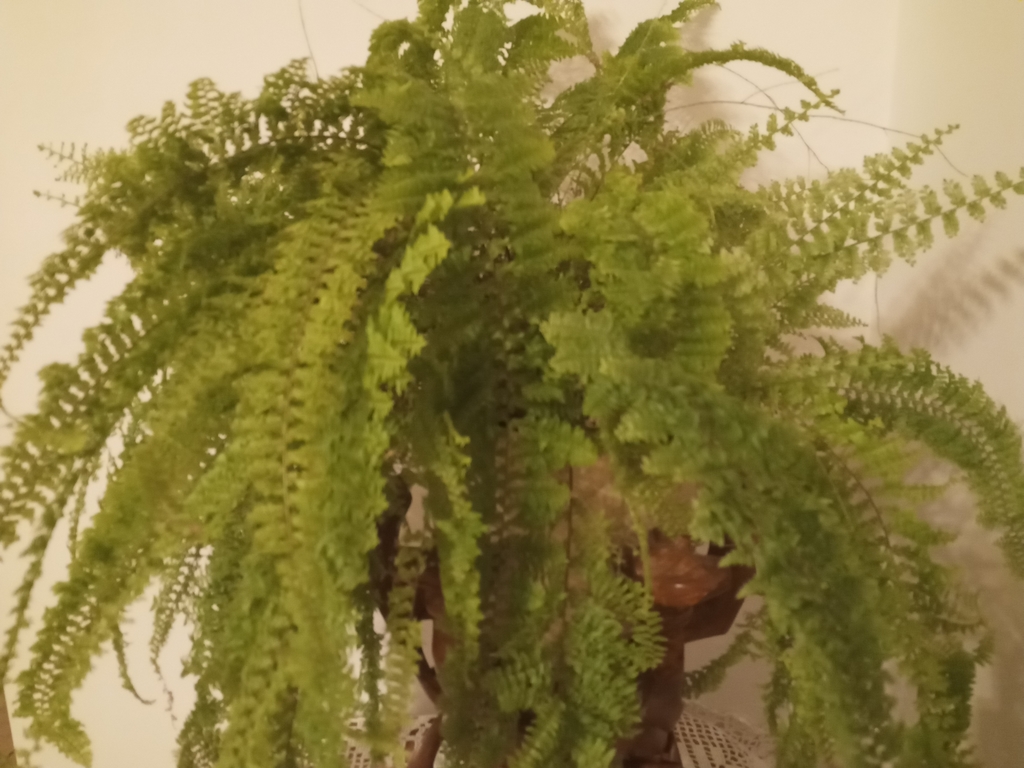
On this page
Boston ferns want two things without fail: evenly moist soil and humidity above 50%. Give both, plus bright indirect light, and they grow into huge, spilling baskets; miss either and they shed dry leaflets all over the floor. Fully pet-safe. Typically $10-$30, and often the best-value big hanging plant at any garden centre.
Key facts
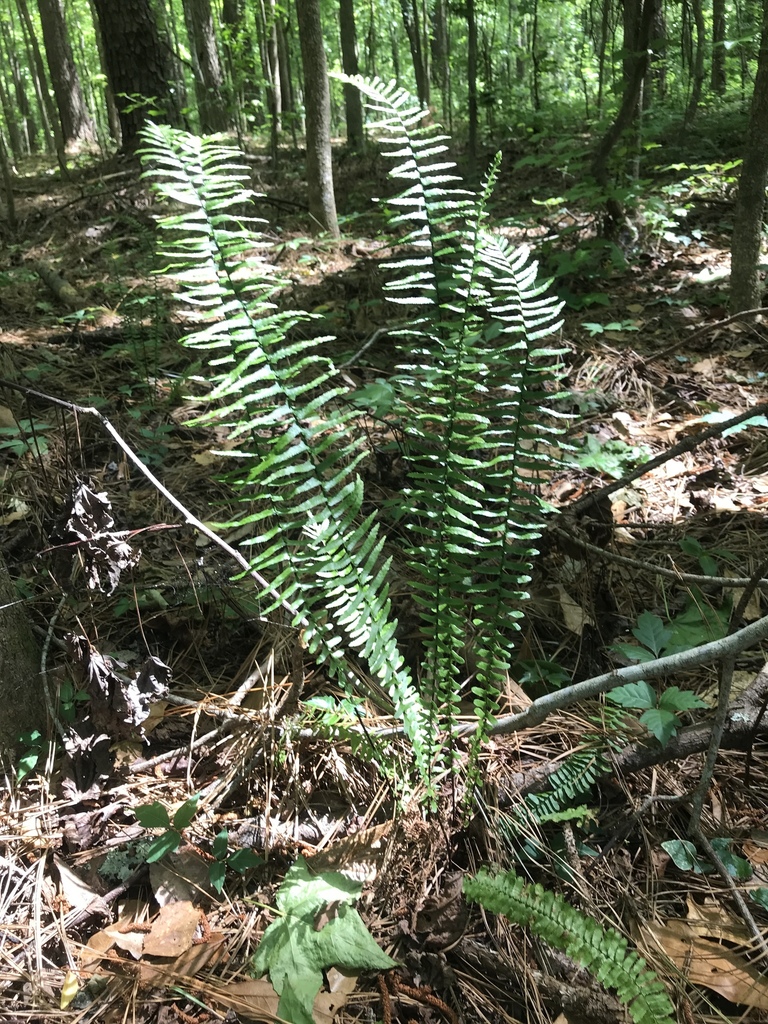
- Native to humid forests and swamps of the Americas, from Florida through the Caribbean to South America.
- The 'Boston' form is a mutation with gracefully drooping fronds, spotted in an 1890s shipment to Boston. It became the parlor fern of the Victorian era.
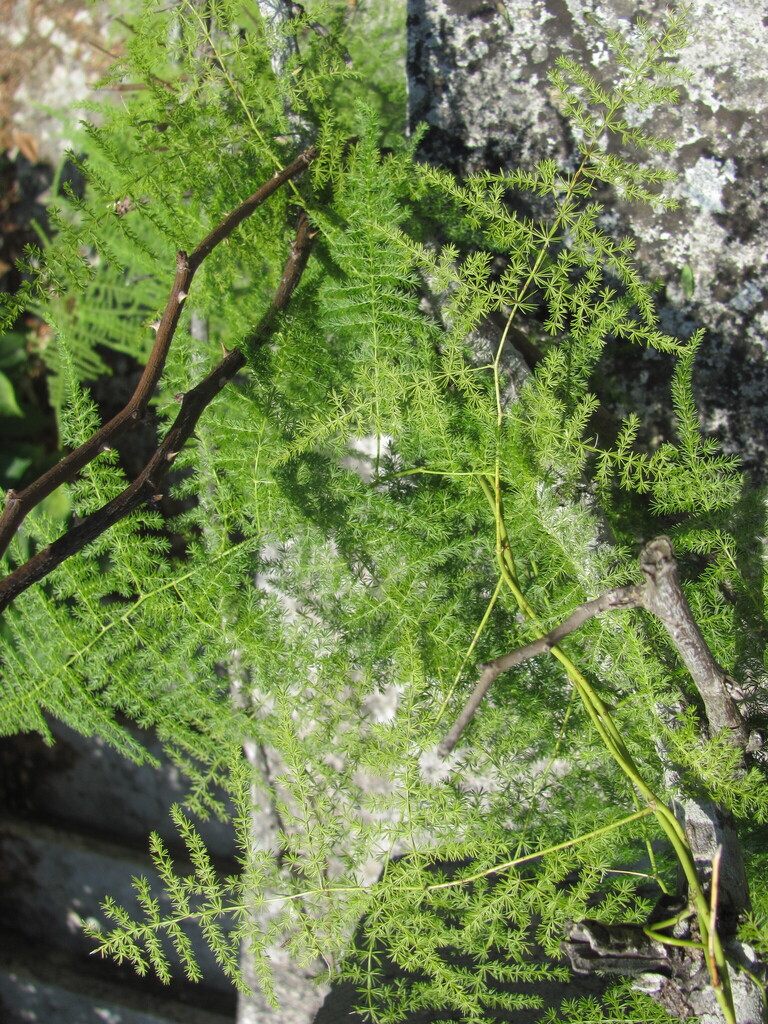
- Completely non-toxic to cats and dogs (true ferns generally are. Unlike 'asparagus fern', which is not a fern and is toxic).
- Shedding dry leaflets indoors in winter is its signature complaint, and it's almost always dry air.
Care requirements#
| Plant type | Indoor / shaded porch (outdoor year-round in USDA 9-11) |
| Growing medium | Peat- or coir-rich mix that holds moisture but drains; add perlite |
| Light needs | Bright indirect light; tolerates medium light; no hot direct sun, which scorches fronds |
| Water frequency | Keep soil consistently moist; water when the surface just starts to dry, often twice a week in summer |
| Humidity | 50%+ preferred; the classic bathroom and covered-porch plant; dry heated air makes it shed |
| Temperature range | 16-24°C (60-75°F); tolerates brief dips to 10°C (50°F); frost kills it |
| Fertilizer | Half-strength balanced feed monthly in spring-summer only; ferns burn easily from overfeeding |
| Soil pH | 5.5-6.5 (slightly acidic) |
| Drainage needs | Moderate: moist but never standing in water |
| Pot recommendation | Hanging basket or plastic pot with drainage; terracotta dries too fast for a fern |
| Grooming | Snip dead fronds at the base and give it an occasional shower to rinse dust |
| Toxicity | Non-toxic to cats, dogs, and humans |
Growth & propagation#
| Mature size | 60-90cm tall with fronds arching to 1m across in baskets |
| Growth rate | Fast in warm, humid conditions; near-dormant in winter |
| Propagation methods | Division of the crown; also sends out furry runners (stolons) that root and form plantlets |
| Propagation difficulty | Easy: divisions and rooted runners establish quickly |
| Repotting schedule | Every 1-2 years in spring, or when roots fill the basket and it dries out daily |
| Pruning needs | Remove browned fronds at the soil line; a hard cut-back in early spring rejuvenates a ratty plant |
Common problems & troubleshooting#
| Symptom | Likely cause | Fix |
|---|---|---|
| Raining dry, tan leaflets all over the floor | Low humidity. The classic winter complaint in heated rooms | Move it to a bathroom or run a humidifier; misting alone won't cut it |
| Fronds yellowing overall, growth pale | Underwatering cycles or the root ball repelling water once fully dry | Soak the whole pot in a bucket for 15 minutes so peat rehydrates, then return to steady moisture |
| Blackening frond bases with a sour-smelling, soggy pot | Overwatering with poor drainage. Crown rot | Improve drainage, remove affected fronds, let the surface dry slightly between waterings |
| Bleached or scorched patches on fronds | Direct sun through glass | Move to bright shade; damaged fronds can be trimmed out |
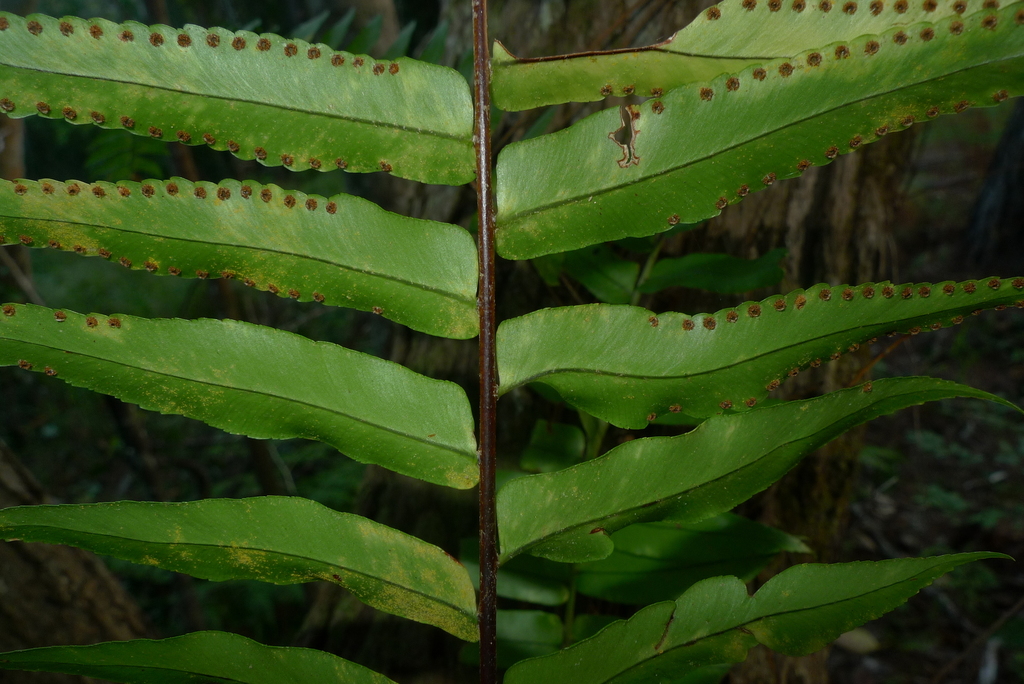
| Grey-brown flat discs along frond stems | Scale insects, common on stressed ferns (note: fern spores on the underside are normal and not pests) | Wipe off scale with a soft cloth and treat with insecticidal soap; avoid oil sprays, which damage fern fronds |
Moist, never soggy, never dry
Sodate keeps you on the short, steady watering cycle a Boston fern needs. The plant that punishes a skipped week.
Seasonal care#
Varieties & cultivars#
| Variety | Distinguishing trait | Note |
|---|---|---|
| 'Bostoniensis' | The original arching-frond Boston fern | The default form sold everywhere |
| 'Dallas' | Compact, denser, more tolerant of dry indoor air | Better pick for heated apartments |
| 'Fluffy Ruffles' | Finely divided, ruffled upright fronds | Slower and smaller |
| 'Rita's Gold' | Chartreuse-gold fronds | Brightens shady corners; slightly less cold-tolerant |
Buying checklist#
- Full, dense crown with new fiddleheads unfurling at the centre
- Fronds green to the tips, minimal browning or shed leaflets in the pot
- Soil evenly moist: a bone-dry fern at the shop has already been stressed
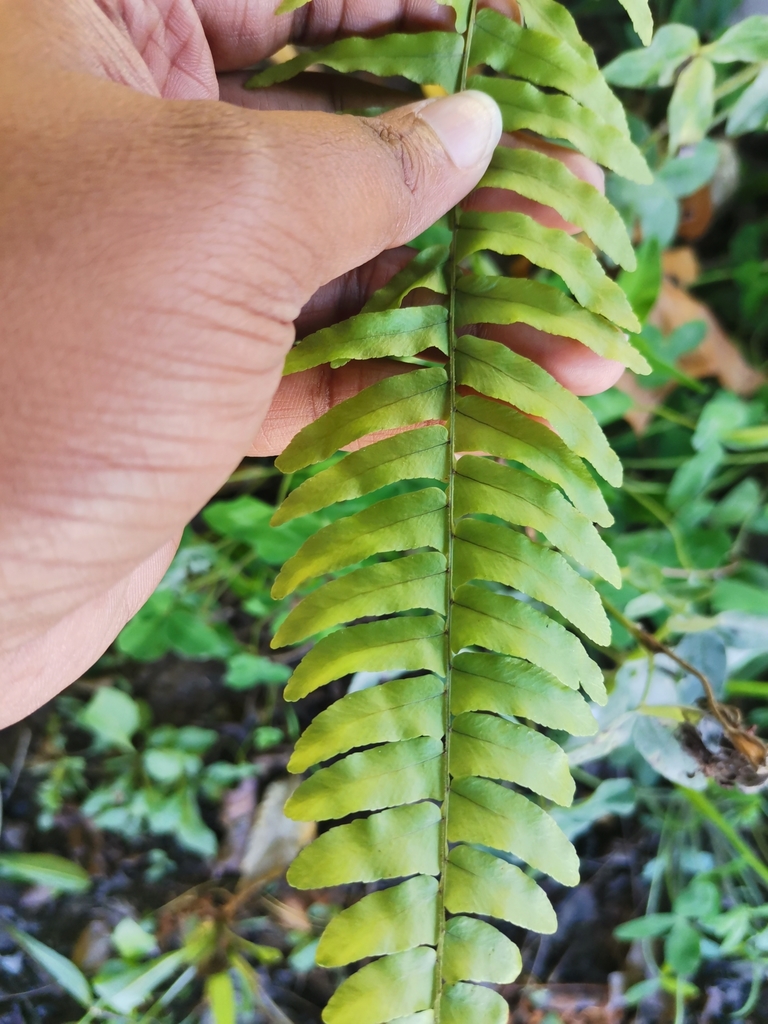
- Check frond undersides: rows of dots (spores) are normal; flat brown discs on stems are scale
- Basket plants: roots not densely circling out of the drainage holes
Pricing by region#
| Region | Price range | Typical unit | Basis |
|---|---|---|---|
| US | $10 – $30 | 6in pot to 10in hanging basket | Big-box + nursery retail |
| UK | $9 – $25 | 12cm pot to hanging basket | Garden centre retail |
| India | $1 – $6 | small pot to basket | Urban nursery + online |
| Australia | $10 – $33 | 140mm pot to hanging basket | Nursery + garden centre |
| Canada | $10 – $29 | 6in pot to hanging basket | Garden centre retail (spring porch season) |
USD figures are approximate conversions for comparison; switch the dropdown to see each region's actual local-currency listing price.
Often confused with#
Name confusion warning#
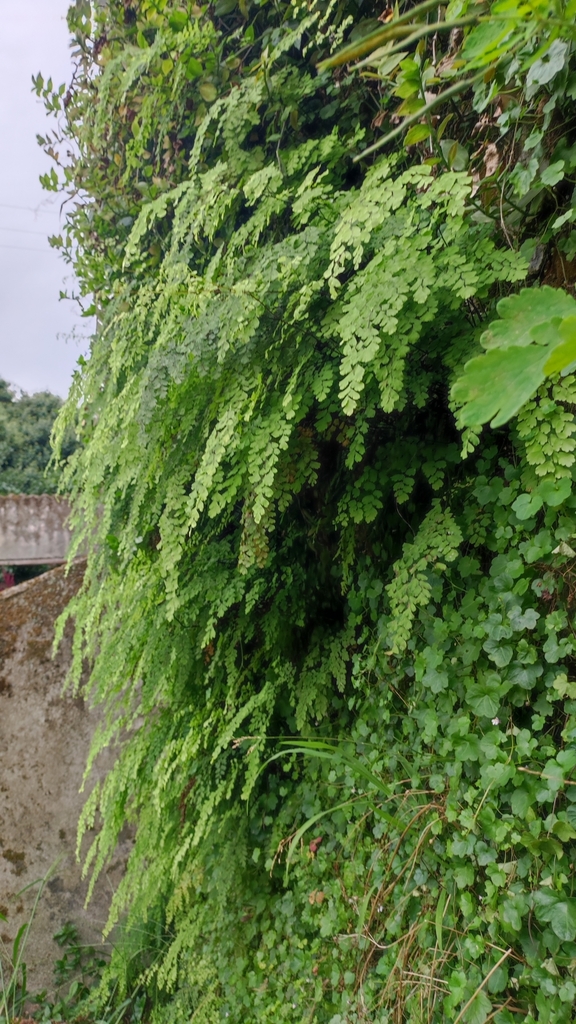
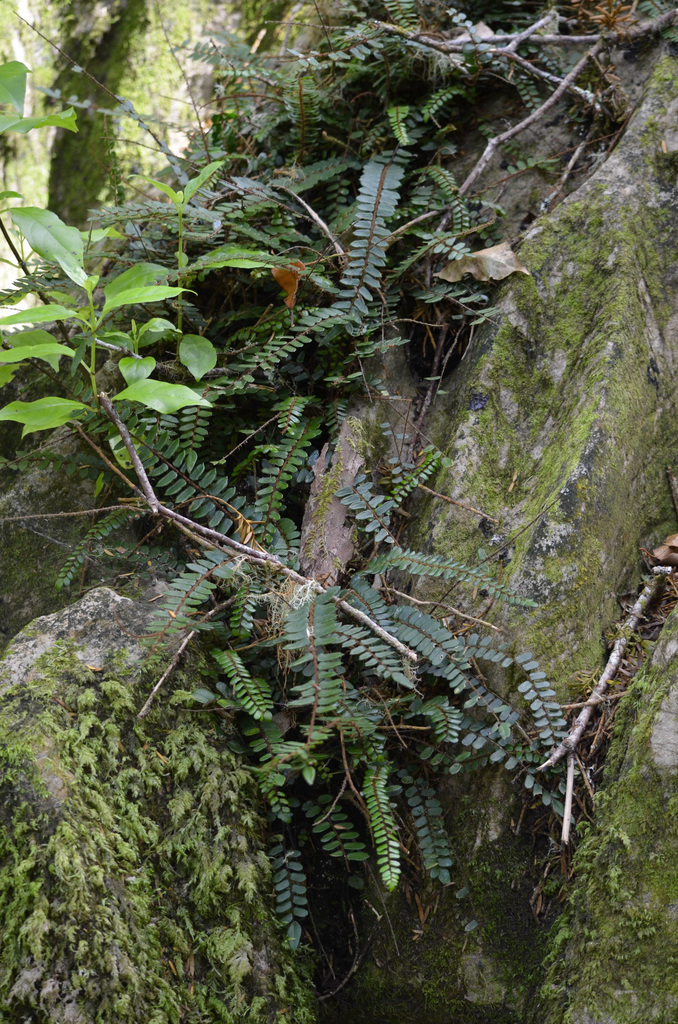
"Fern" on the label doesn't guarantee pet-safe. Boston fern is non-toxic, but the similar-looking asparagus fern (not a true fern) is toxic to cats and dogs and shops shelve them side by side. Check the botanical name: Nephrolepis is safe.
Where it's actually grown#
Boston ferns are one of the highest-volume nursery crops in the world: mass-produced from tissue culture and runners in Florida (the historic centre of the industry) and Central American greenhouses, then finished locally for the spring hanging-basket market.
Import & biosecurity restrictions#
| Region | Note |
|---|---|
| Australia | Live plant imports restricted under biosecurity law; note that Nephrolepis can naturalise in warm, wet regions. Dispose of unwanted plants in the bin, not the bush. |
| US | Domestic sale unrestricted; naturalised (and locally weedy) in Florida. |
| UK | No restriction; strictly a houseplant, frost kills it. |
| India | No restriction; thrives outdoors in shade across most of India. |
| Canada | CFIA permits for commercial imports; sold seasonally as a porch annual, kept indoors over winter. |
Similar plants
Ranked in these guides
Did you know?
Frequently asked questions
Is Boston fern safe for cats and dogs?
Yes. Boston fern is completely non-toxic to cats and dogs. Just don't confuse it with asparagus fern, which is toxic and often sold nearby.
Why is my Boston fern dropping leaves everywhere?
Dry air, almost every time. Especially in heated rooms in winter. Raise humidity with a humidifier or move it to a bathroom; steady soil moisture helps too.
How often should I water a Boston fern?
Whenever the soil surface starts to dry. Often twice a week indoors in summer, daily for outdoor baskets in heat. It should stay evenly moist, never bone dry.
Can Boston ferns live outside?
Yes, in frost-free weather they love a shaded porch. In USDA zones 9-11 they can stay out year-round; elsewhere bring them in before the first frost.
What are the brown dots under the fronds?
Neat rows of round dots are spore cases. The fern's normal reproductive structures, not pests. Scale insects, by contrast, sit scattered along the stems.