 Sodate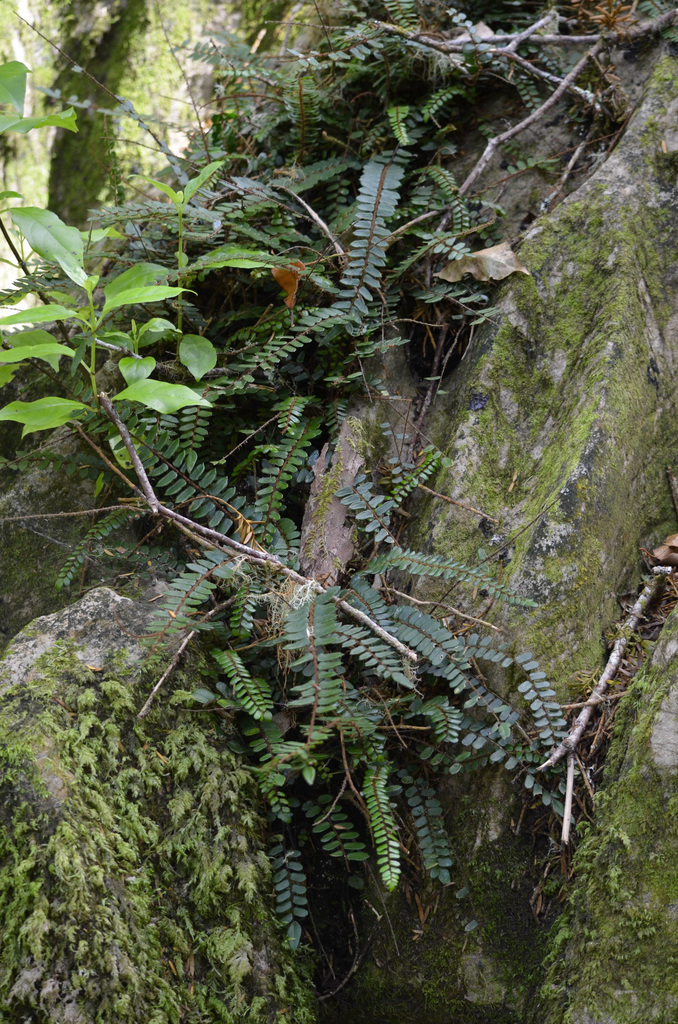
On this page
Button fern is the fern for people whose maidenhairs keep dying: its leathery leaflets tolerate ordinary room humidity, and it actually prefers to dry slightly on top between waterings. Keep it out of direct sun, never let it sit soggy, and it stays a tidy 30cm mound for years. Pet-safe. Typically $6-$15 in the US.
Key facts
- Native to New Zealand, where it grows in rocky, well-drained forest floors. Which explains why it hates the constant sogginess most ferns enjoy.
- The round, leathery leaflets lose water far more slowly than the papery fronds of maidenhair or Boston ferns, so it copes with normal indoor air.
- Stays compact, a low mound around 30cm across, making it one of the few ferns suited to small pots and tight shelves.
- Non-toxic to cats and dogs, like true ferns generally.
Care requirements#
| Plant type | Indoor (outdoors in mild, frost-light climates, roughly USDA 8-10) |
| Growing medium | Well-draining potting mix with added perlite or fine bark. Airier than typical fern mixes |
| Light needs | Medium to bright indirect light; no hot direct sun, which scorches the leaflets |
| Water frequency | When the top 1-2cm of soil dries. Unusually for a fern, don't keep it constantly wet |
| Humidity | 40%+ is fine; appreciates more but doesn't demand a humidifier |
| Temperature range | 13-24°C (55-75°F); cooler-tolerant than tropical ferns |
| Fertilizer | Quarter-strength balanced liquid feed monthly in spring-summer |
| Soil pH | 5.5-7.0 |
| Drainage needs | High: the number-one killer of button ferns is a waterlogged pot |
| Pot recommendation | Small pot with drainage; slightly snug is better than oversized |
| Hardiness zone (outdoor) | USDA 8-10 (sheltered) |
| Toxicity | Non-toxic to cats and dogs |
Growth & propagation#
| Mature size | 15-30cm tall, spreading to about 30-40cm |
| Growth rate | Slow to moderate. A few new fronds per month in season |
| Propagation methods | Division of the rhizome clump in spring; spores possible but slow |
| Propagation difficulty | Easy by division. Cut the clump into sections with fronds and roots attached |
| Repotting schedule | Every 2-3 years; it doesn't mind being a little root-bound |
| Pruning needs | Snip browned fronds at the base to keep the mound tidy |
Common problems & troubleshooting#
| Symptom | Likely cause | Fix |
|---|---|---|
| Fronds yellowing then collapsing, soil stays wet | Overwatering. Treating it like a moisture-loving fern | Let the top of the soil dry between waterings; repot into airier mix if roots have browned |
| Leaflets crisping and dropping like coins | Soil left bone-dry too long, or hot direct sun | Water thoroughly and move out of direct sun; trim dead fronds. New ones emerge from the rhizome |
| Pale, washed-out fronds | Too much light | Move to medium indirect light; color deepens on new growth |
| White cottony tufts at frond bases | Mealybugs hiding in the dense crown | Dab with isopropyl alcohol on a cotton swab and repeat weekly; isolate the plant meanwhile |
| Thin, sparse new growth | Exhausted soil or years without feeding | Repot in fresh mix or begin gentle monthly feeding in the growing season |
The fern that hates wet feet
Sodate spaces reminders so your button fern gets its slight dry-down between drinks. The detail most fern advice gets wrong for this species.
Seasonal care#
Buying checklist#
- Dense mound of fronds with no large bare patches
- Leaflets are deep green and firm, not yellowing or crisping
- Soil is lightly moist, not waterlogged, in the shop
- No cottony mealybug tufts down in the crown
Pricing by region#
| Region | Price range | Typical unit | Basis |
|---|---|---|---|
| US | $6 – $15 | 4in pot | Garden center + online houseplant retail |
| UK | $5 – $14 | 9-12cm pot | Garden centre retail |
| India | $2 – $5 | 4in pot | Urban nursery + online (less common than other ferns) |
| Australia | $6 – $14 | 100-130mm pot | Nursery + garden centre |
| Canada | $6 – $15 | 4in pot | Garden centre retail |
USD figures are approximate conversions for comparison; switch the dropdown to see each region's actual local-currency listing price.
Often confused with#
Name confusion warning#
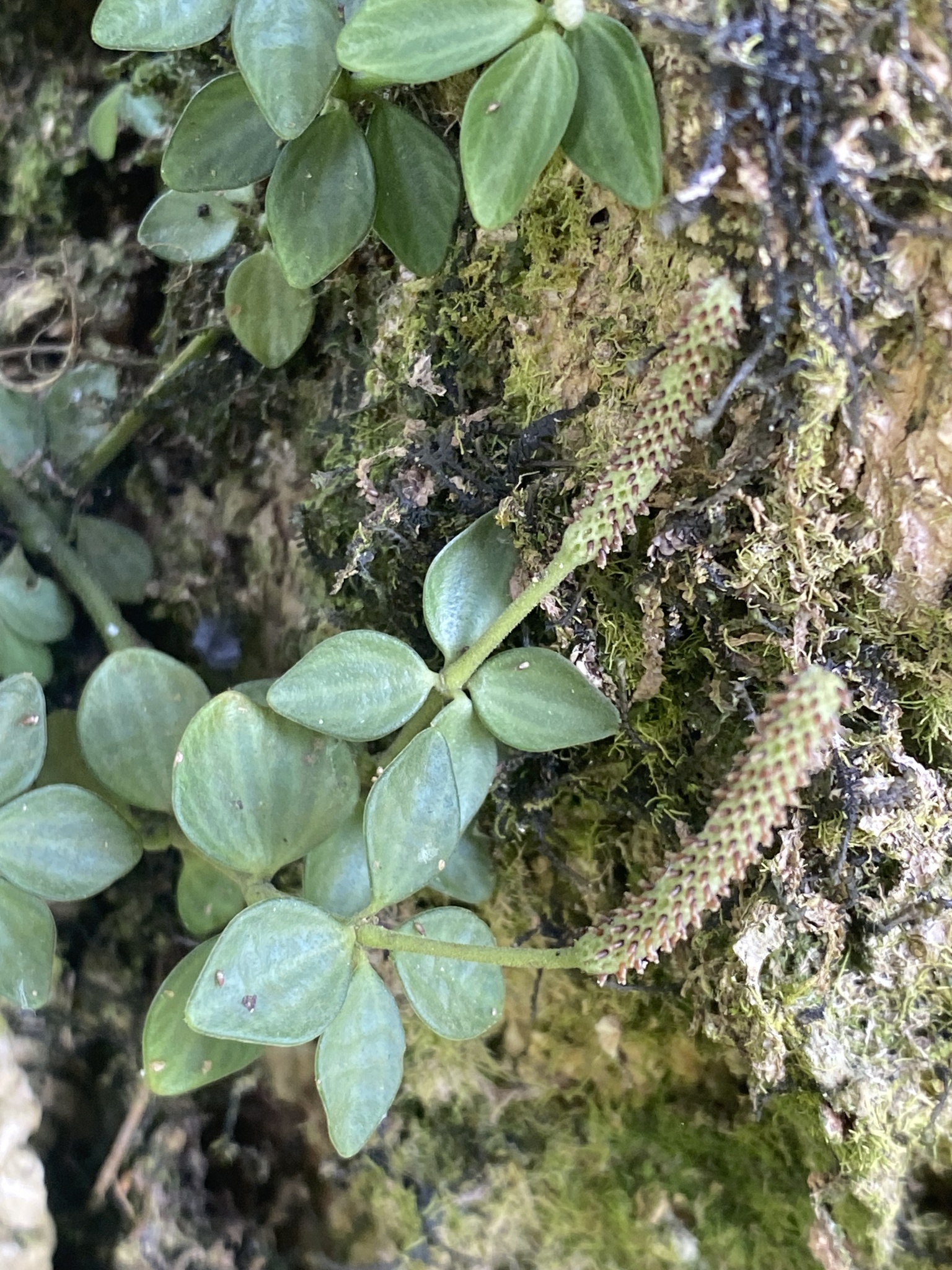
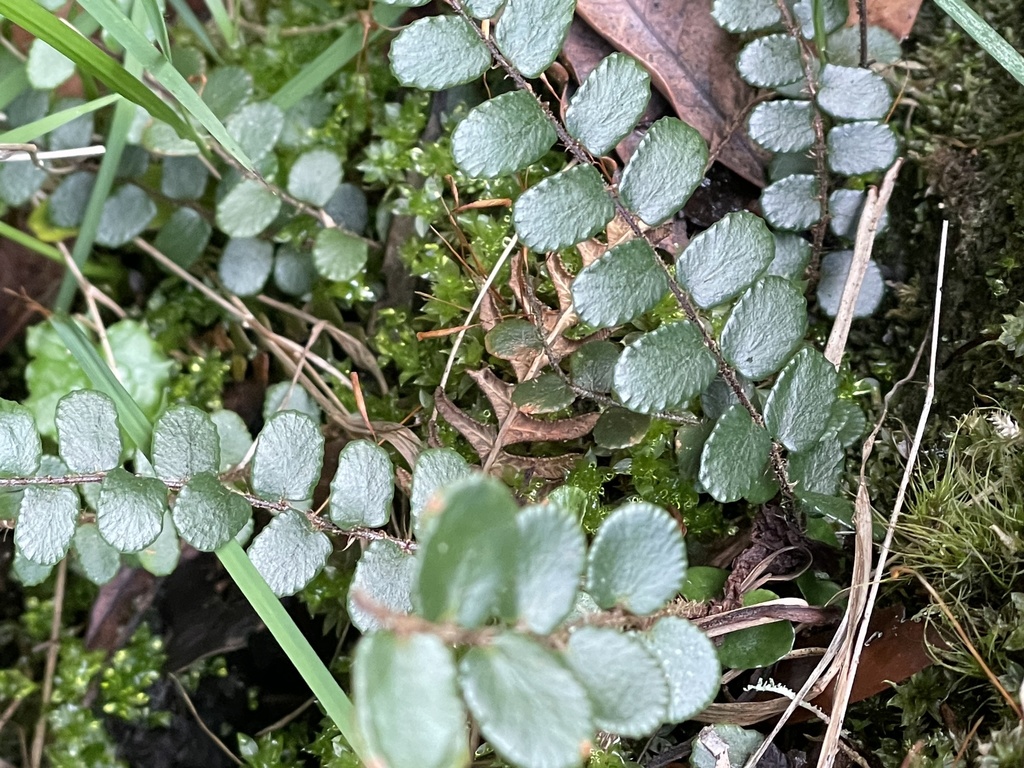
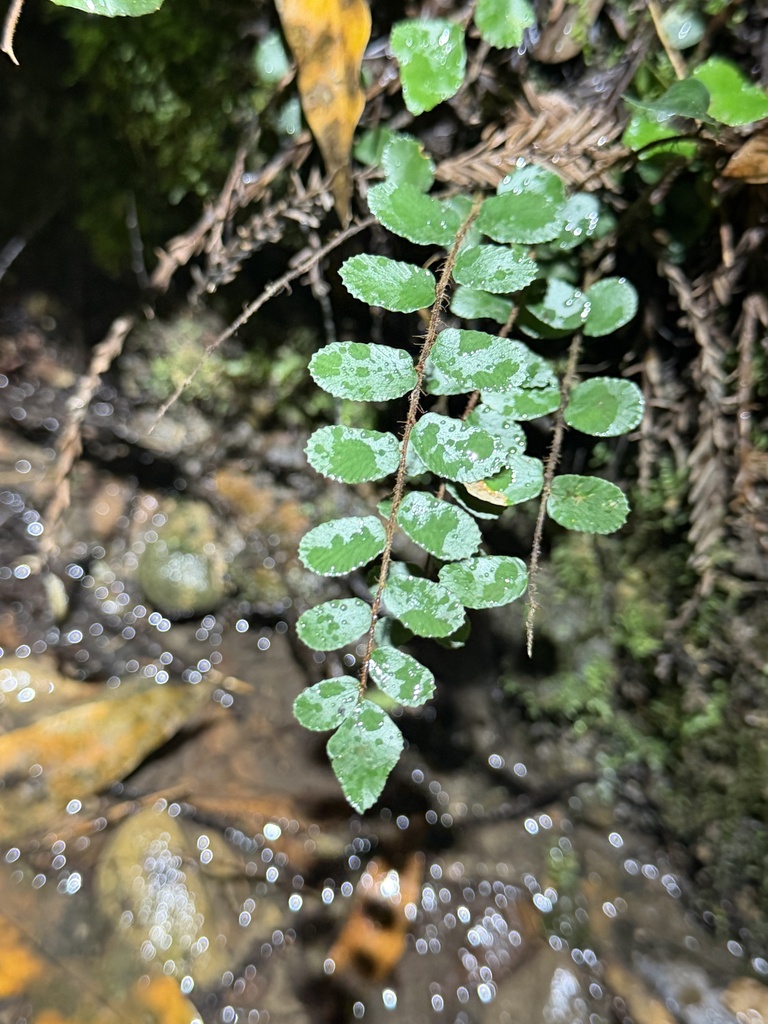
'Button fern' means two different plants. Pellaea rotundifolia (this page) and the lemon button fern (Nephrolepis cordifolia 'Duffii') are routinely mixed up in shops. Care differs: the Pellaea wants a slight dry-down between waterings, the Nephrolepis wants consistently moist soil. Check the frond shape. Pellaea's leaflets are round buttons on near-black wiry stems.
Where it's actually grown#
Grown from spores and division in specialist fern nurseries in the Netherlands, Florida, and New Zealand; supply is steadier in spring and it sells in smaller volumes than Boston or maidenhair ferns.
Import & biosecurity restrictions#
| Region | Note |
|---|---|
| Australia | Live plant imports restricted under biosecurity law; buy domestically grown stock. |
| US | Domestic sale unrestricted. |
| UK | No specific restriction; sold as a houseplant. |
| India | No restriction; less common in the trade than other ferns. |
| Canada | CFIA permits required for commercial imports; sold as a houseplant. |
Similar plants
Ranked in these guides
Did you know?
Frequently asked questions
Is button fern safe for cats and dogs?
Yes. Pellaea rotundifolia is non-toxic to cats and dogs, making it a good pet-safe alternative to trailing vines.
How often should I water a button fern?
When the top centimeter or two of soil has dried. Unlike most ferns, it prefers a slight dry-down and rots in constantly wet soil.
Does a button fern need high humidity?
No. Its leathery leaflets cope with ordinary room humidity (around 40%+), though it appreciates more. It's one of the most dry-air-tolerant indoor ferns.
Why is my button fern dropping its round leaflets?
Usually a watering extreme: bone-dry soil or a waterlogged pot both trigger leaflet drop. Even out the watering and trim spent fronds.
How big does a button fern get?
It stays compact. A low mound roughly 15-30cm tall and 30-40cm across at maturity.