 Sodate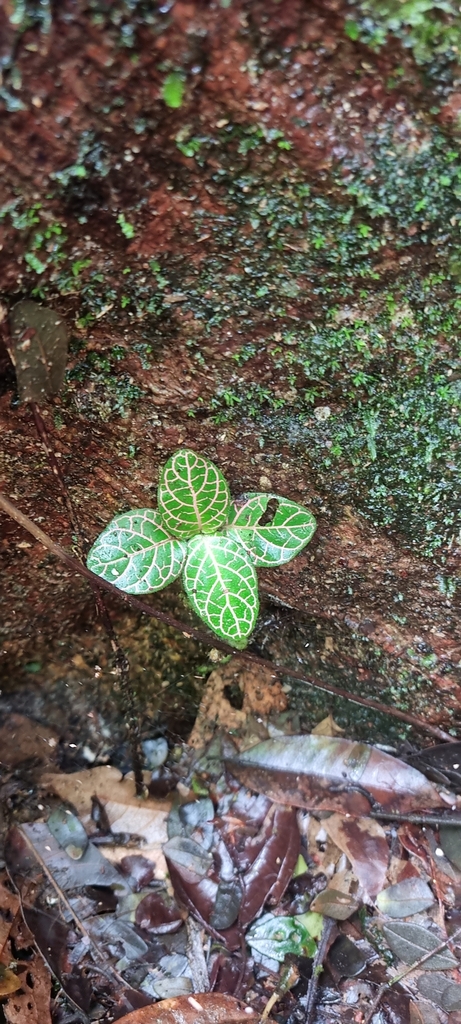
On this page
Fittonia needs consistently moist soil and high humidity, making it a natural fit for terrariums and bathrooms. It dramatically wilts when thirsty but usually recovers within an hour of watering. A useful, if stressful, visual cue. Non-toxic to pets, easy to propagate, and typically costs $6-$15.
Key facts
- Native to the rainforest floor of Peru, where it grows as a low, spreading groundcover in constant shade and humidity.
- Famous for wilting dramatically and quickly when the soil dries out. But usually perks back up within an hour of watering if caught early.
- One of the best houseplants for closed terrariums, since it thrives in the consistently high humidity they provide.
- Non-toxic to cats and dogs, making it a safe choice for low tabletop displays.
Care requirements#
| Plant type | Indoor only |
| Growing medium | Soil, moisture-retentive potting mix |
| Light needs | Medium to bright indirect light; no direct sun |
| Water frequency | Every 3-5 days; keep soil consistently moist, never fully dry |
| Humidity | 60%+ preferred: struggles badly in average home humidity |
| Temperature range | 18-27°C (65-80°F); sensitive to cold drafts |
| Fertilizer | Balanced liquid feed, half strength, monthly through spring-summer |
| Soil pH | 6.0-6.5 (slightly acidic) |
| Drainage needs | Moderate: likes consistent moisture but not standing water |
| Pot recommendation | Terrariums or humidity trays strongly recommended for this plant |
| Hardiness zone (outdoor) | USDA 11-12 (rarely grown outdoors) |
| Toxicity | Non-toxic to cats, dogs, and humans |
Growth & propagation#
| Mature size | 15-30cm spread, low and creeping |
| Growth rate | Slow to moderate |
| Propagation methods | Stem cuttings in water or moist soil |
| Propagation difficulty | Beginner-friendly: roots in 2-3 weeks in warm, humid conditions |
| Repotting schedule | Every 1-2 years |
| Pruning needs | Pinch growing tips to encourage bushier, denser growth |
Common problems & troubleshooting#
| Symptom | Likely cause | Fix |
|---|---|---|
| Dramatic wilting | Soil too dry. This plant's classic distress signal | Water thoroughly; the plant usually recovers within an hour if not left too long |
| Brown, crispy leaf edges | Low humidity, the most common chronic issue for this plant | Move to a terrarium, use a humidity tray, or run a humidifier nearby |
| Soft, mushy stems | Overwatering combined with poor drainage | Check drainage; let the top layer of soil dry slightly between waterings |
| Leggy, sparse growth | Insufficient light | Move to a brighter spot with indirect light |
Get a heads-up before the dramatic wilt
Sodate tracks how fast your fittonia's soil actually dries out and reminds you before it wilts, not after.
Seasonal care#
Varieties & cultivars#
| Variety | Distinguishing trait | Note |
|---|---|---|
| 'Red Vein' | Deep red/pink leaf veins on green leaves | Popular colorful variant |
| 'White Vein' | Classic white/silver leaf veins | Most common form |
| Mini fittonia | Compact miniature size | Ideal for small terrariums |
Buying checklist#
- Leaves are firm and not wilted at time of purchase
- No brown, crispy edges indicating chronic low humidity
- Soil is moist, not dry, when you buy it
- Consider whether you have a suitably humid spot (terrarium, bathroom) before buying
Pricing by region#
| Region | Price range | Typical unit | Basis |
|---|---|---|---|
| US | $6 – $15 | 4in pot | Big-box + nursery retail |
| UK | $5 – $12 | 9-10cm pot | Garden centre retail |
| India | $1 – $2 | 4in pot | Urban nursery retail |
| Australia | $6 – $14 | 100mm pot | Nursery + garden centre |
| Canada | $6 – $13 | 4in pot | Garden centre retail |
USD figures are approximate conversions for comparison; switch the dropdown to see each region's actual local-currency listing price.
Often confused with#
Where it's actually grown#
Fittonia's small size and fast propagation make it a common crop for terrarium and dish-garden suppliers, mostly grown in high-humidity greenhouse operations in Florida, the Netherlands, and Southeast Asia for low-cost mass retail.
Import & biosecurity restrictions#
| Region | Note |
|---|---|
| Australia | Live plant imports restricted under biosecurity law; widely available domestically. |
| US | Domestic sale unrestricted; grown as a houseplant everywhere given its tropical needs. |
| UK | No specific restriction; grown strictly as a houseplant or terrarium plant. |
| India | No restriction; benefits from India's naturally higher ambient humidity in many regions. |
| Canada | CFIA permits required for commercial imports; grown as a houseplant. |
Similar plants
Ranked in these guides
Did you know?
Frequently asked questions
Why does my fittonia wilt so dramatically?
This is its natural response to dry soil. The thin leaves collapse to reduce water loss and usually recover within an hour of watering if caught early.
How much does fittonia cost?
A standard 4-inch potted plant typically runs $6-$15 in the US.
Is fittonia pet-safe?
Yes, it's non-toxic to cats and dogs.
Can fittonia live in a terrarium?
Yes, it's one of the best plants for closed terrariums, since it thrives in the consistently high humidity they provide.
Why are my fittonia's leaf edges browning?
Almost always low humidity. This plant needs 60%+ humidity to avoid chronic leaf-edge browning in average home air.