 Sodate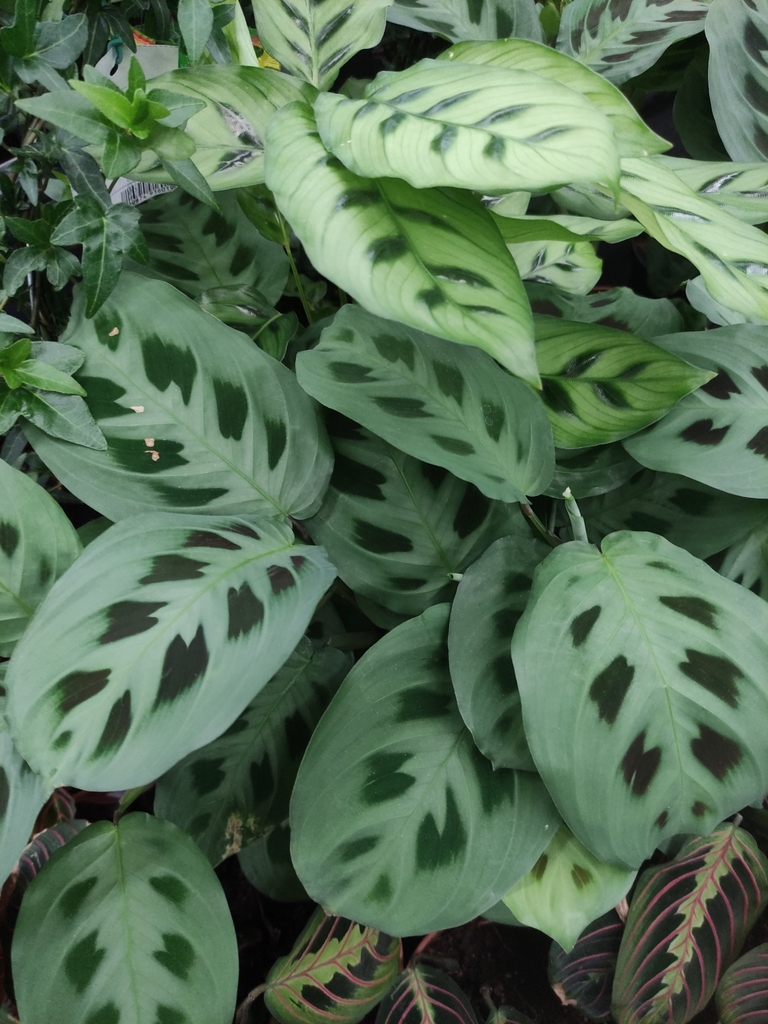
On this page
Prayer plant folds its leaves upward every night. A normal circadian movement, not stress. It needs consistently moist soil, high humidity, and filtered or rain water (tap water minerals cause brown leaf edges). Non-toxic to pets, tolerant of lower light than most patterned plants, and typically costs $10-$25.
Key facts
- Native to Brazilian rainforest floor, growing as a low, spreading plant in shade and humidity.
- Folds its leaves upward each night in a circadian rhythm called nyctinasty. The movement is normal and driven by a small joint (pulvinus) at the base of each leaf.
- Sensitive to fluoride and mineral salts in tap water, which cause brown leaf edges over time. Filtered or rain water prevents this.
- Non-toxic to cats and dogs, and tolerates lower light than most boldly patterned houseplants.
Care requirements#
| Plant type | Indoor only in most climates |
| Growing medium | Soil, moisture-retentive but well-draining potting mix |
| Light needs | Medium to bright indirect light; tolerates lower light better than most patterned plants |
| Water frequency | Every 5-7 days; keep soil consistently moist, never fully dry |
| Humidity | 50-60%+ preferred; brown edges appear in chronically dry air |
| Temperature range | 18-27°C (65-80°F); avoid below 15°C (60°F) |
| Fertilizer | Balanced liquid feed, half strength, monthly through spring-summer |
| Soil pH | 5.5-6.0 (acidic) |
| Drainage needs | Moderate: likes moisture but not standing water |
| Pot recommendation | Shallow, wide pot suits its low, spreading habit |
| Hardiness zone (outdoor) | USDA 11-12 (rarely grown outdoors) |
| Toxicity | Non-toxic to cats, dogs, and humans |
Growth & propagation#
| Mature size | 30cm tall, spreading to 45cm wide |
| Growth rate | Moderate |
| Propagation methods | Division at repotting, or stem cuttings with a node in water |
| Propagation difficulty | Beginner-friendly: divisions establish quickly, cuttings root in 3-4 weeks |
| Repotting schedule | Every 1-2 years in spring |
| Pruning needs | Trim leggy stems to keep the plant compact and encourage fresh growth |
Common problems & troubleshooting#
| Symptom | Likely cause | Fix |
|---|---|---|
| Brown, crispy leaf edges | Tap water minerals (fluoride, salts) or low humidity | Switch to filtered, distilled, or rain water; raise humidity |
| Leaves not folding at night anymore | Severe stress, usually from underwatering or root problems | Check soil moisture and root health; restore consistent care |
| Faded, washed-out leaf pattern | Too much direct light | Move out of direct sun to bright indirect light |
| Curling leaves | Underwatering or low humidity | Water thoroughly and raise ambient humidity |
Never guess when to water this again
Sodate reads your actual light and season, then builds this plant's watering quests around them, not a fixed schedule.
Seasonal care#
Varieties & cultivars#
| Variety | Distinguishing trait | Note |
|---|---|---|
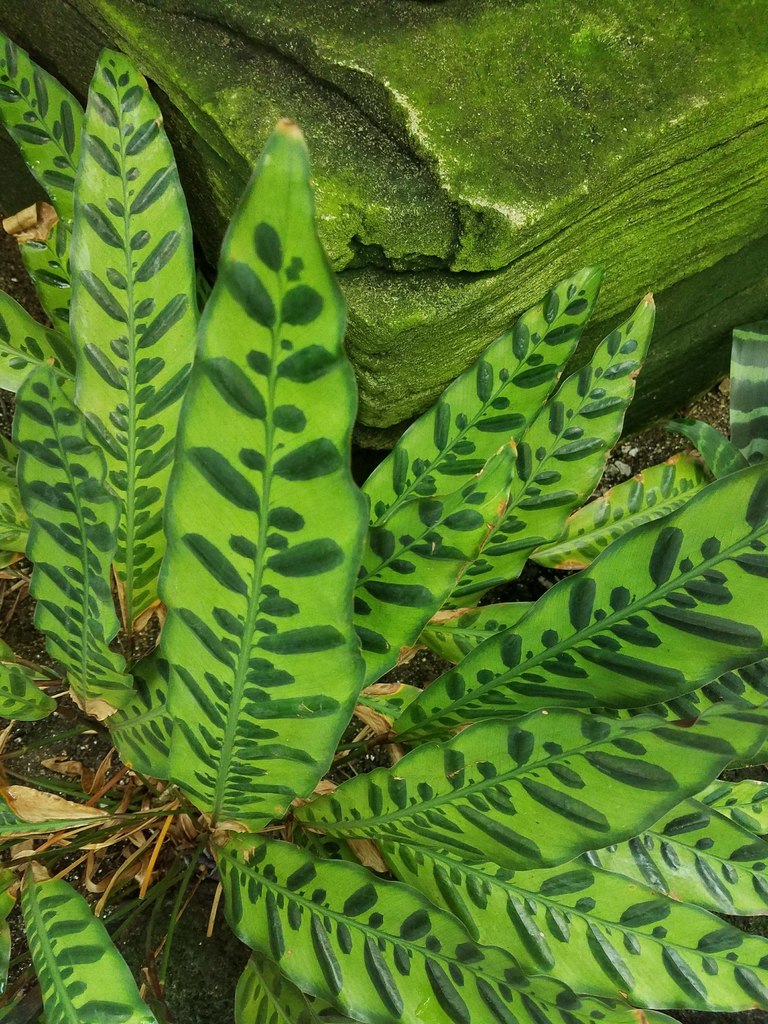
| 'Kerchoveana' (rabbit's foot) | Green leaves with dark blotches between veins | Classic, most common form |
| 'Erythroneura' (red prayer plant) | Bold red veins over dark green leaves | Most colorful and popular variant |
| 'Kim' | Cream-splashed variegation with purple spots | Less common collector form |
Buying checklist#
- Leaves are patterned crisply, not faded or washed out
- Edges are clean, without chronic brown crisping
- Soil is moist at time of purchase
- Watch the plant fold at night in the first days home. Active folding indicates good health
Pricing by region#
| Region | Price range | Typical unit | Basis |
|---|---|---|---|
| US | $10 – $25 | 4-6in pot | Big-box + nursery retail |
| UK | $8 – $20 | 12cm pot | Garden centre retail |
| India | $2 – $4 | 4-6in pot | Urban nursery retail |
| Australia | $9 – $23 | 100-140mm pot | Nursery + garden centre |
| Canada | $10 – $24 | 4-6in pot | Garden centre retail |
USD figures are approximate conversions for comparison; switch the dropdown to see each region's actual local-currency listing price.
Often confused with#
Name confusion warning#
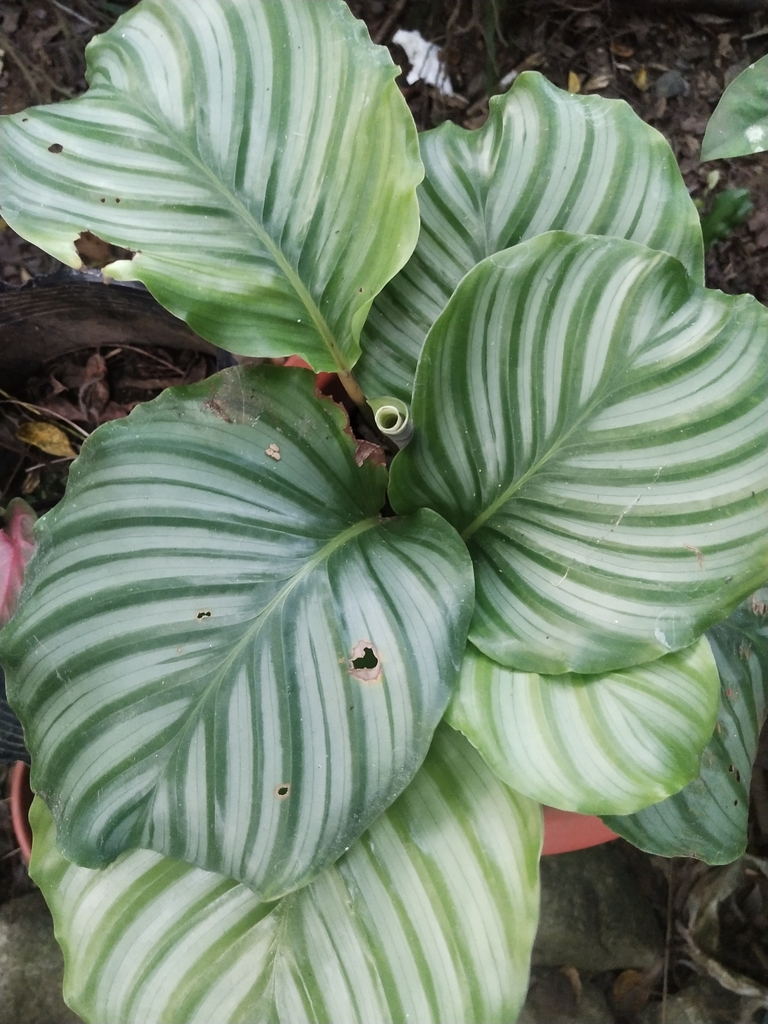
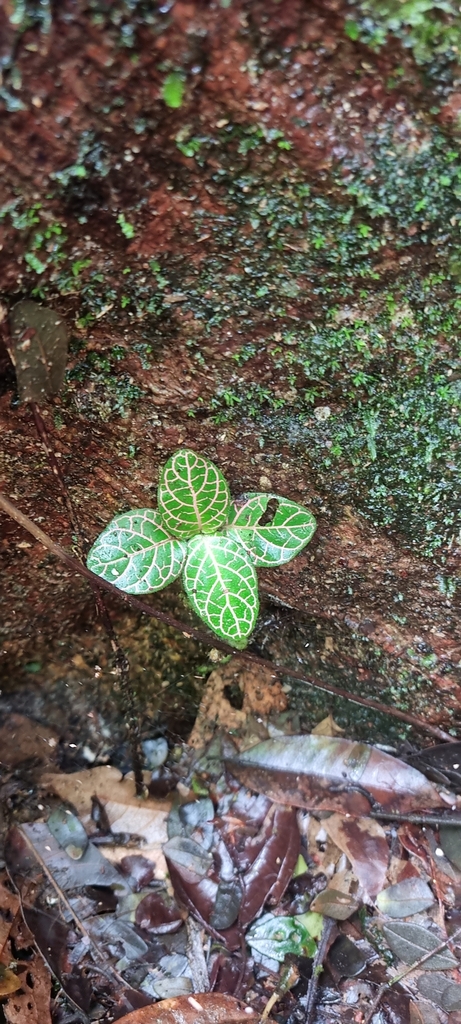
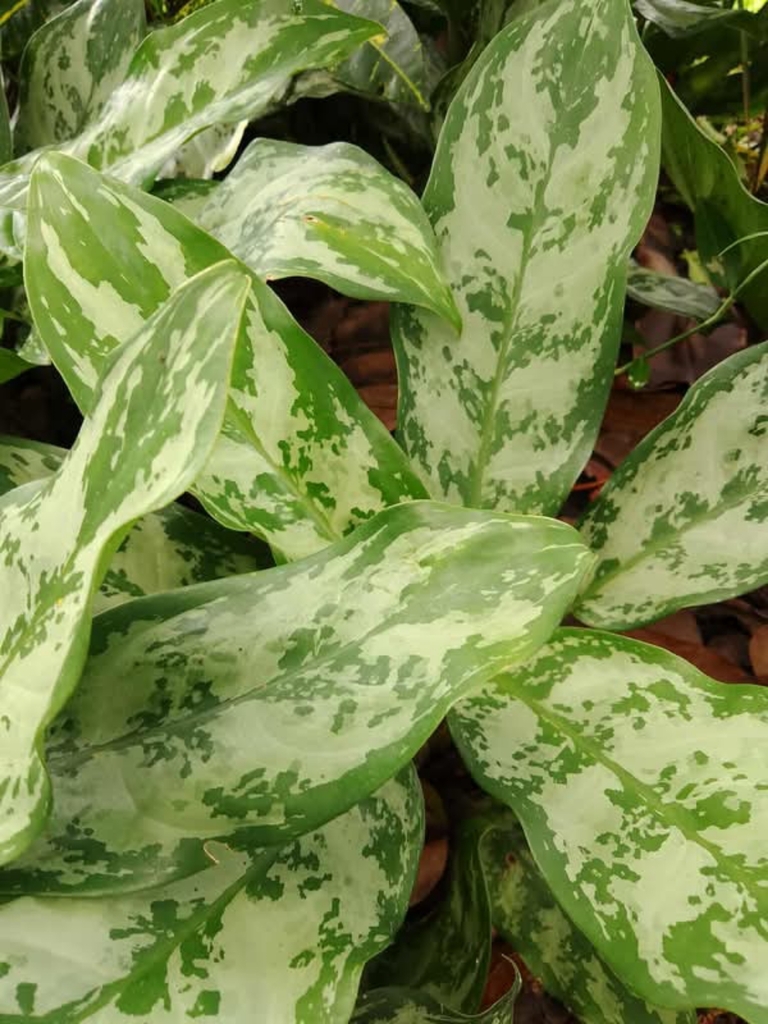
"Prayer plant" is used loosely for several related plants. True prayer plant is Maranta leuconeura, but calatheas and ctenanthes, which also fold their leaves at night, are often sold under the same common name despite having different (usually fussier) care needs. Check the botanical name if care specifics matter to you.
Where it's actually grown#
Prayer plants are propagated by division and tissue culture in commercial greenhouses concentrated in Florida and the Netherlands, with red-veined cultivars dominating retail because their bolder pattern sells better than the subtler classic forms.
Import & biosecurity restrictions#
| Region | Note |
|---|---|
| Australia | Live plant imports restricted under biosecurity law; widely available domestically. |
| US | Domestic sale unrestricted; grown as a houseplant everywhere. |
| UK | No specific restriction; grown strictly as a houseplant. |
| India | No restriction; benefits from naturally humid regions of India. |
| Canada | CFIA permits required for commercial imports; grown as a houseplant. |
Similar plants
Ranked in these guides
Did you know?
Frequently asked questions
Why does my prayer plant fold its leaves at night?
This is nyctinasty, a normal circadian movement driven by a water-pumping joint at each leaf base. It's a sign of health, not stress.
How much does a prayer plant cost?
A standard 4-6 inch potted plant typically runs $10-$25 in the US.
Is prayer plant pet-safe?
Yes, it's non-toxic to cats and dogs.
Why are my prayer plant's leaf edges turning brown?
Usually minerals in tap water or low humidity. Switch to filtered or rain water and raise humidity.
Is prayer plant the same as calathea?
No. They're close relatives in the same family and both fold their leaves at night, but true prayer plant (Maranta) stays lower and spreads wider, and is generally more forgiving than calathea.