 Sodate
Home / Guides / Low-light pet-safe plants
Best Low-Light Pet-Safe Plants: 14 Ranked (2026)
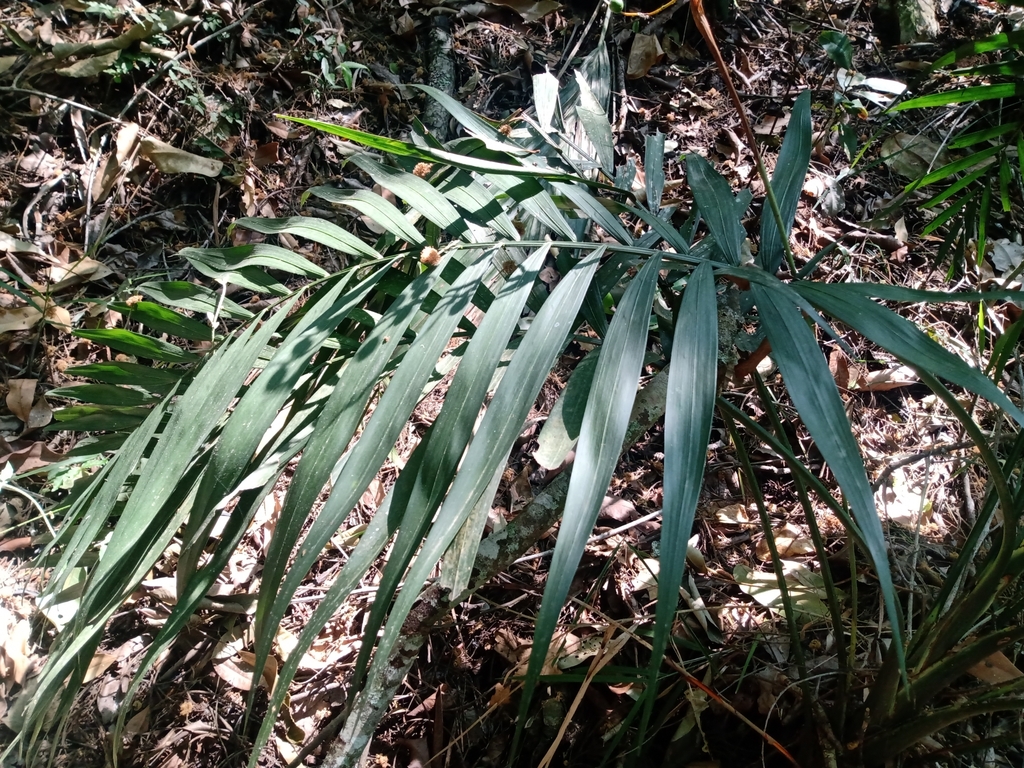
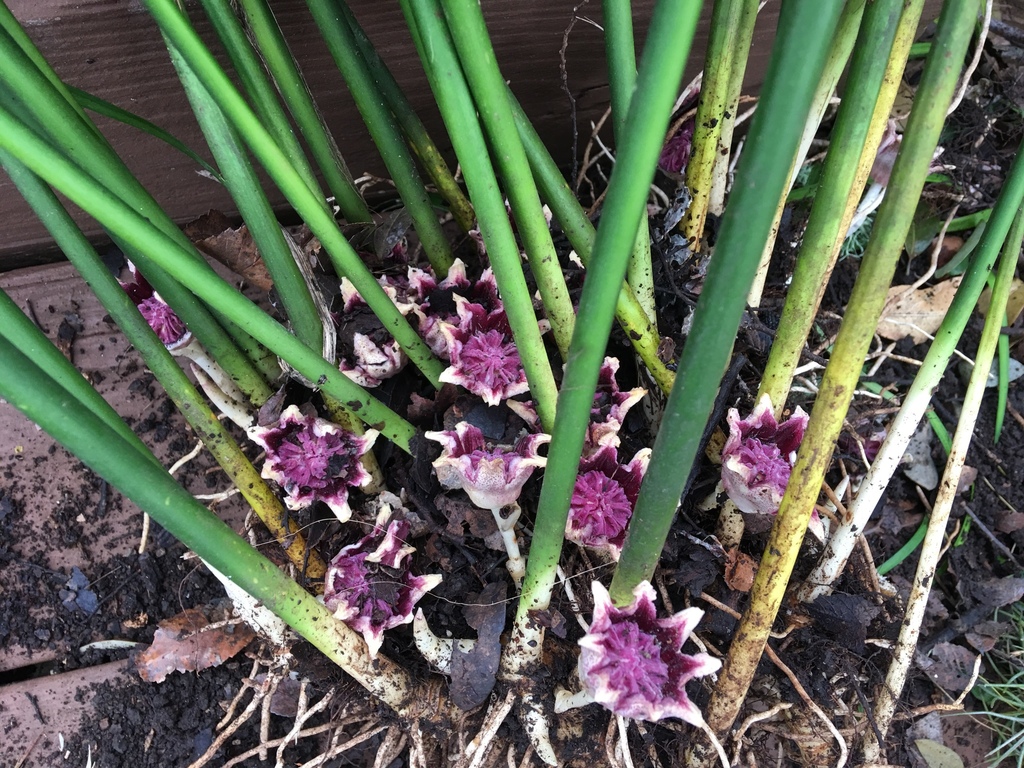
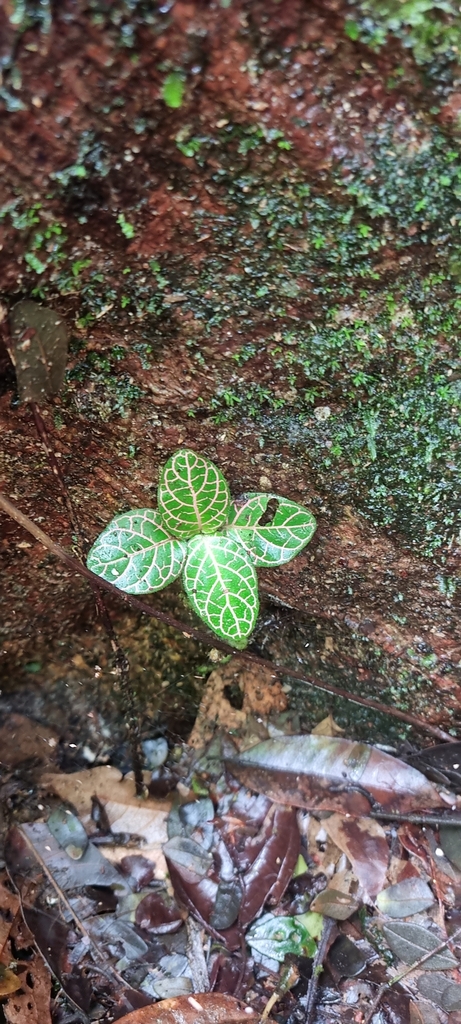
The best low-light pet-safe plants are Parlor palm, Cast Iron Plant, Fittonia. Sodate ranked 14 qualifying plants from a database of 208 profiles on a published 100-point rubric weighted to low-light tolerance (40), care difficulty (25), pet safety (20) and cost (15). Parlor palm scores 100/100, the highest in this group.
Parlor palm, Cast Iron Plant, Fittonia lead this ranking of low-light pet-safe plants. Entry requires full marks only for plants that keep growing in dim rooms, not merely survive. 14 of the 14 listed are non-toxic to cats and dogs. Every score is computed from the same four measures, low-light tolerance, care difficulty, pet safety and cost, and the rubric is published below so you can recompute any ranking yourself.
Why trust this list
Most low-light plant lists repeat the same species without distinguishing between plants that thrive in dim rooms and plants that merely tolerate them for a few months before declining. Every plant here has a full care profile with its light requirement stated in specific terms, and the ranking is generated from that data rather than reordered by hand. Every plant here is non-toxic to cats and dogs, verified per species on its own profile rather than assumed from its plant family. That distinction matters, because toxicity is not consistent within families: some aroids are dangerous and others are not. Non-toxic also does not mean edible, and a cat that eats a large quantity of any plant may still vomit.
At a glance: all 14 ranked
| Rank | Plant | Best for | Score | Low-light tolerance | Pet safety | US price |
|---|---|---|---|---|---|---|
| #1 | Parlor palm | Genuinely dark corners, in a home with pets | 100 | Genuine low light | Pet-safe | $10–$25 |
| #2 | Cast Iron Plant | Genuinely dark corners, in a home with pets | 87 | Genuine low light | Pet-safe | $15–$40 |
| #3 | Fittonia | Medium-light spots: pet-safe and beginner-friendly | 85 | Medium light | Pet-safe | $6–$15 |
| #4 | Peperomia | Medium-light spots: pet-safe and beginner-friendly | 85 | Medium light | Pet-safe | $10–$20 |
| #5 | Prayer Plant | Medium-light spots: pet-safe and beginner-friendly | 85 | Medium light | Pet-safe | $10–$25 |
| #6 | Spider Plant | Medium-light spots: pet-safe and beginner-friendly | 85 | Medium light | Pet-safe | $8–$20 |
| #7 | Zebra Haworthia | Medium-light spots: pet-safe and beginner-friendly | 85 | Medium light | Pet-safe | $6–$15 |
| #8 | Bamboo Palm | Medium-light spots: pet-safe and beginner-friendly | 78 | Medium light | Pet-safe | $30–$80 |
| #9 | Boston Fern | Medium-light spots, in a home with pets | 75 | Medium light | Pet-safe | $10–$30 |
| #10 | Button Fern | Medium-light spots, in a home with pets | 75 | Medium light | Pet-safe | $6–$15 |
| #11 | Calathea | Medium-light spots, in a home with pets | 72 | Medium light | Pet-safe | $15–$35 |
| #12 | Rattlesnake Plant | Medium-light spots, in a home with pets | 72 | Medium light | Pet-safe | $12–$35 |
| #13 | Calathea Medallion | Medium-light spots, in a home with pets | 62 | Medium light | Pet-safe | $15–$35 |
| #14 | Peacock Plant | Medium-light spots, in a home with pets | 62 | Medium light | Pet-safe | $12–$30 |
How we scored these
Every plant is scored out of 100 on four measures, each pulled directly from its care profile. No score is assigned by hand, so the ranking can be reproduced from the data:
Ties are broken alphabetically. Prices are researched typical retail ranges, not live quotes. Check each plant's profile for the regional breakdown.
All 14 low-light pet-safe plants, ranked
Parlor palm
Good luck palm
Best for: Genuinely dark corners, in a home with pets
Elite tier: top-scoring on every measure
✓ Strong signal Light tolerance: Bright indirect light is ideal; genuinely tolerates low light; avoid direct sun which yellows fronds
⚠ Watch out for Brown frond tips: usually dry air, tap water salts, or overfeeding
Our take The parlor palm is the easiest true palm to keep indoors: it tolerates low light, average humidity, and irregular watering, and it is completely pet-safe. It grows slowly to about 1-1.2m, wants water only when the top of the soil dries, and its main enemies are soggy soil and spi
Strengths
- Genuinely tolerates low light, not just 'survives' it
- Non-toxic to cats and dogs
- Beginner-friendly and forgiving of missed waterings
Trade-offs
- Watch for: brown frond tips
Care details
| Light | Bright indirect light is ideal; genuinely tolerates low light; avoid direct sun which yellows fronds |
| Water | When the top 2-3cm of soil dries, roughly every 7-10 days; less in winter |
| Humidity | Average home humidity is fine; higher humidity deters spider mites |
| Temperature | 18-27°C (65-80°F); keep above 10°C (50°F) |
| Toxicity | Non-toxic to cats, dogs, and humans |
| US price | $10–$25 |
Cast Iron Plant
Haran / baran (Japanese)
Best for: Genuinely dark corners, in a home with pets
Elite tier: top-scoring on every measure
✓ Strong signal Light tolerance: Low to medium indirect light; deep shade tolerated; direct sun bleaches and scorches the leaves
⚠ Watch out for Brown, scorched patches on leaves: usually direct sunlight. the one thing this shade plant genuinely can't take
Our take Cast iron plant earns its name: it tolerates deep shade, dry air, cool rooms, and forgotten waterings better than virtually any other houseplant. Water when the top half of the soil dries, keep it out of direct sun, and accept that it grows slowly.
Strengths
- Genuinely tolerates low light, not just 'survives' it
- Non-toxic to cats and dogs
- Inexpensive to start ($15–$40 in the US)
Trade-offs
- Watch for: brown, scorched patches on leaves
Care details
| Light | Low to medium indirect light; deep shade tolerated; direct sun bleaches and scorches the leaves |
| Water | When the top half of the soil is dry. Every 1-2 weeks in summer, monthly in winter |
| Humidity | Anything: dry air is no problem |
| Temperature | 7-29°C (45-85°F); one of the most cold-tolerant common houseplants |
| Toxicity | Non-toxic to cats and dogs |
| US price | $15–$40 |
Fittonia
Fittonia albivenis
Best for: Medium-light spots: pet-safe and beginner-friendly
Elite tier: top-scoring on every measure
✓ Strong signal Non-toxic to cats and dogs. Verified per species, not assumed from its family
⚠ Watch out for Dramatic wilting: usually soil too dry. this plant's classic distress signal
Our take Fittonia needs consistently moist soil and high humidity, making it a natural fit for terrariums and bathrooms. It dramatically wilts when thirsty but usually recovers within an hour of watering.
Strengths
- Handles medium light well
- Non-toxic to cats and dogs
- Beginner-friendly and forgiving of missed waterings
Trade-offs
- Wants higher humidity than most homes provide
- Watch for: dramatic wilting
Care details
| Light | Medium to bright indirect light; no direct sun |
| Water | Every 3-5 days; keep soil consistently moist, never fully dry |
| Humidity | 60%+ preferred: struggles badly in average home humidity |
| Temperature | 18-27°C (65-80°F); sensitive to cold drafts |
| Toxicity | Non-toxic to cats, dogs, and humans |
| US price | $6–$15 |
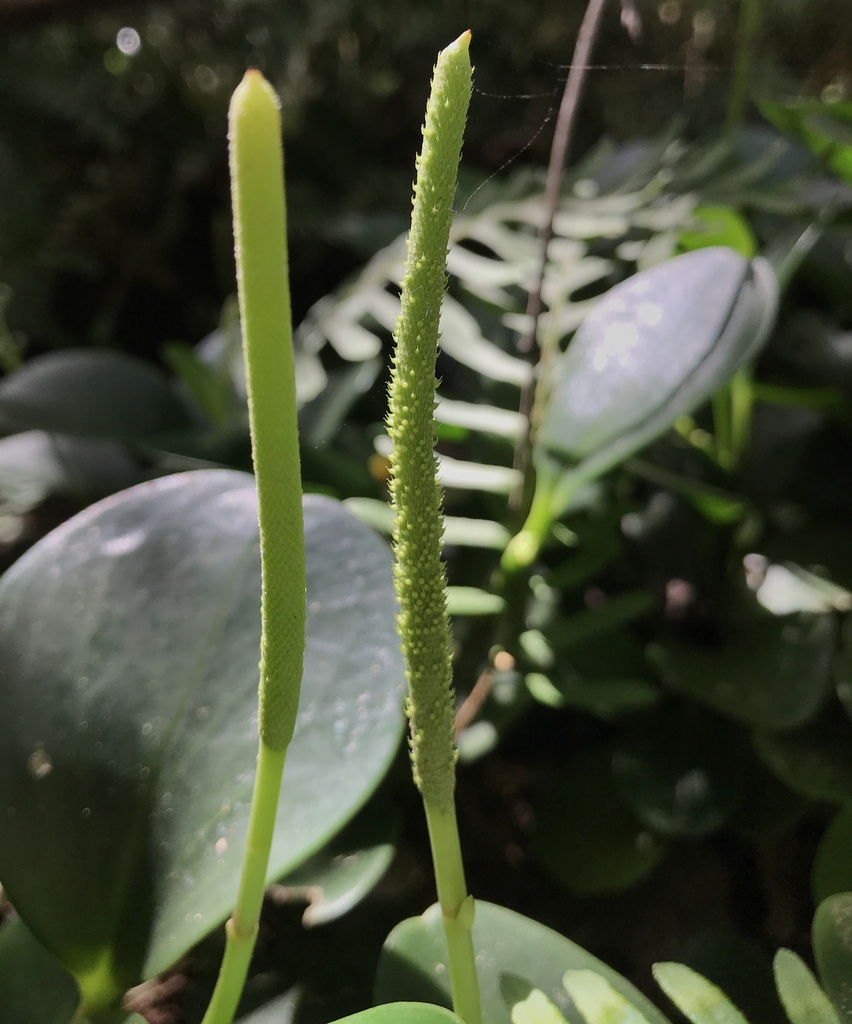
Peperomia
Peperomia obtusifolia
Best for: Medium-light spots: pet-safe and beginner-friendly
Elite tier: top-scoring on every measure
✓ Strong signal Non-toxic to cats and dogs. Verified per species, not assumed from its family
⚠ Watch out for Soft, mushy, translucent leaves: usually overwatering. the most common failure mode
Our take Peperomia is a compact, low-maintenance houseplant with thick, water-storing leaves similar to a succulent. Water only when the soil is mostly dry, keep it in bright indirect light, and avoid overwatering, which is the main way this plant fails.
Strengths
- Handles medium light well
- Non-toxic to cats and dogs
- Beginner-friendly and forgiving of missed waterings
Trade-offs
- Watch for: soft, mushy, translucent leaves
Care details
| Light | Bright, indirect light; tolerates medium light with slower growth |
| Water | Every 10-14 days; let soil dry out substantially between waterings |
| Humidity | Tolerates average home humidity (30-40%) well |
| Temperature | 18-27°C (65-80°F); avoid below 13°C (55°F) |
| Toxicity | Non-toxic to cats, dogs, and humans |
| US price | $10–$20 |
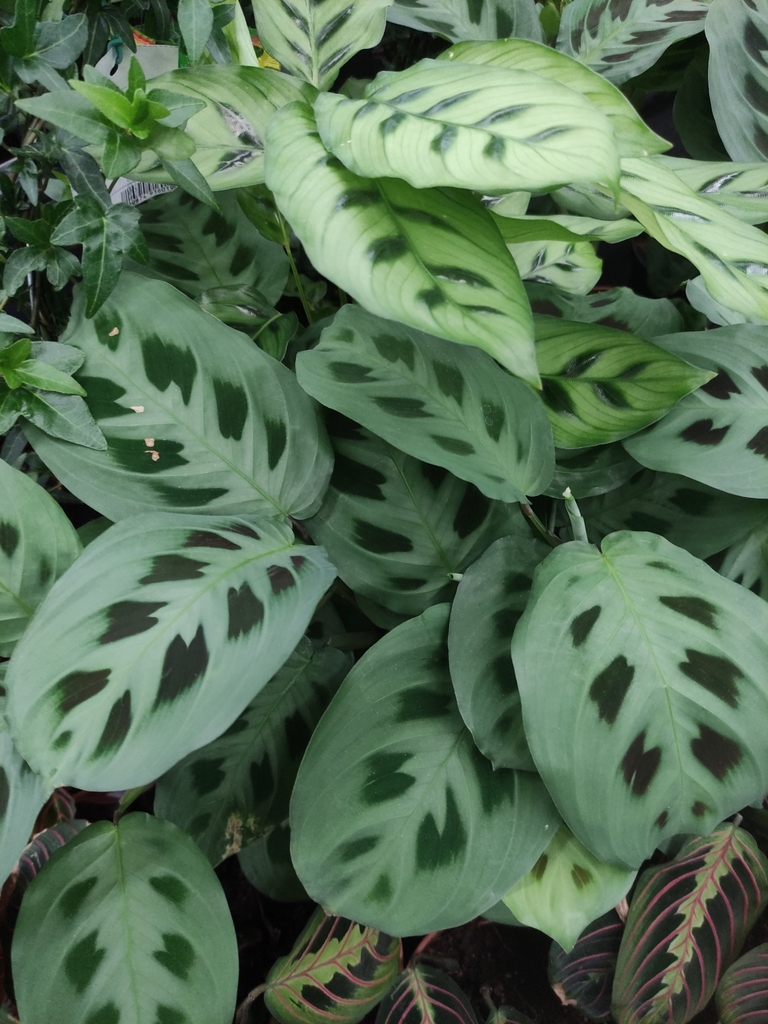
Prayer Plant
Maranta leuconeura
Best for: Medium-light spots: pet-safe and beginner-friendly
Elite tier: top-scoring on every measure
✓ Strong signal Non-toxic to cats and dogs. Verified per species, not assumed from its family
⚠ Watch out for Brown, crispy leaf edges: usually tap water minerals (fluoride, salts) or low humidity
Our take Prayer plant folds its leaves upward every night. A normal circadian movement, not stress.
Strengths
- Handles medium light well
- Non-toxic to cats and dogs
- Beginner-friendly and forgiving of missed waterings
Trade-offs
- Wants higher humidity than most homes provide
- Watch for: brown, crispy leaf edges
Care details
| Light | Medium to bright indirect light; tolerates lower light better than most patterned plants |
| Water | Every 5-7 days; keep soil consistently moist, never fully dry |
| Humidity | 50-60%+ preferred; brown edges appear in chronically dry air |
| Temperature | 18-27°C (65-80°F); avoid below 15°C (60°F) |
| Toxicity | Non-toxic to cats, dogs, and humans |
| US price | $10–$25 |
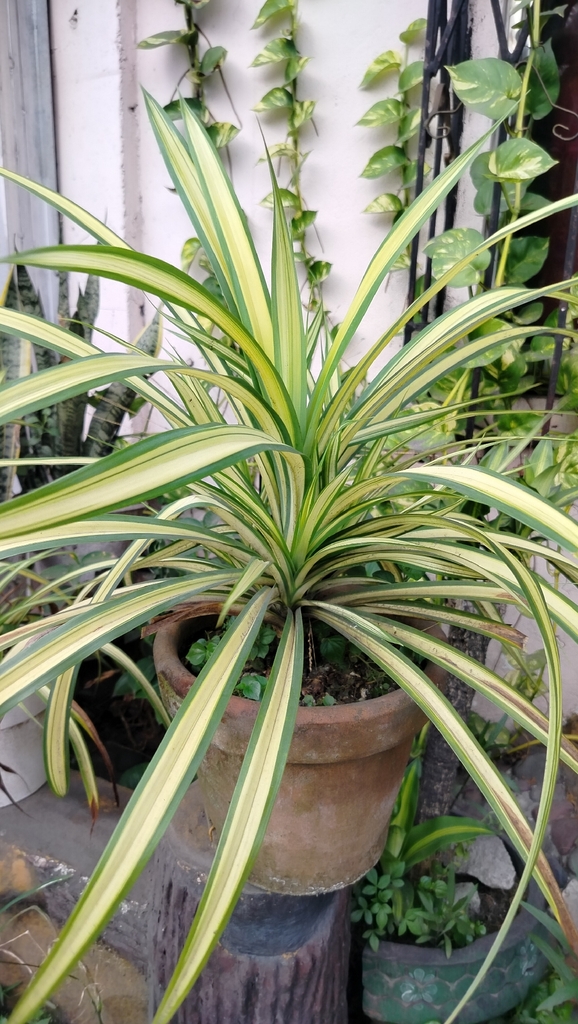
Spider Plant
Chlorophytum comosum
Best for: Medium-light spots: pet-safe and beginner-friendly
Elite tier: top-scoring on every measure
✓ Strong signal Non-toxic to cats and dogs. Verified per species, not assumed from its family
⚠ Watch out for Brown leaf tips: usually fluoride/chlorine in tap water, or fertilizer salt buildup
Our take Spider plant is pet-safe, tolerant of neglect, and multiplies itself. Mature plants send out runners covered in ready-to-root plantlets.
Strengths
- Handles medium light well
- Non-toxic to cats and dogs
- Beginner-friendly and forgiving of missed waterings
Trade-offs
- Watch for: brown leaf tips
Care details
| Light | Bright, indirect light ideal; tolerates medium light; direct sun scorches |
| Water | Every 5-8 days; let the top few centimeters dry between waterings |
| Humidity | Any household humidity |
| Temperature | 13-27°C (55-80°F); tolerates cool rooms well |
| Toxicity | Non-toxic to cats and dogs |
| US price | $8–$20 |
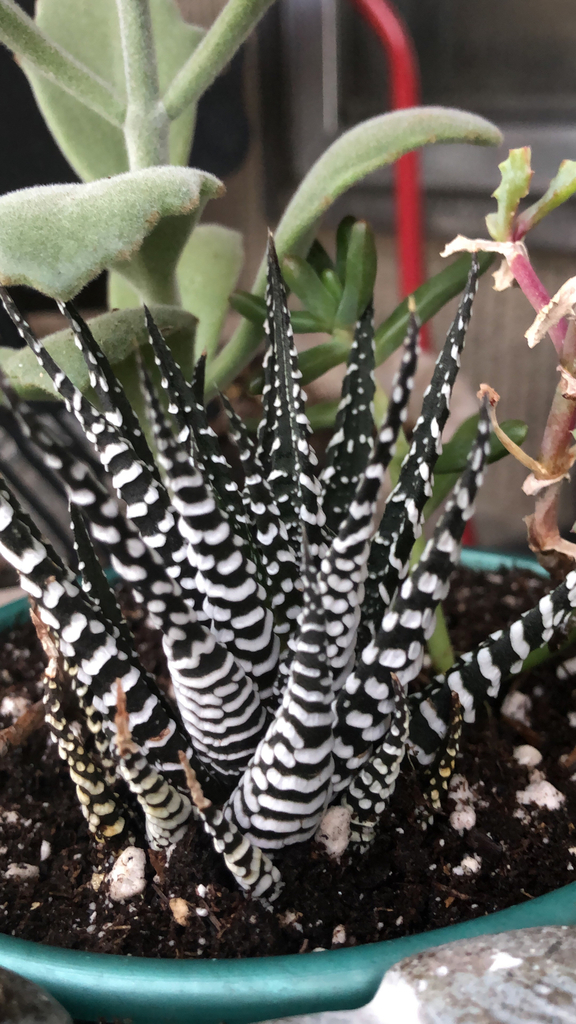
Zebra Haworthia
Zebra plant
Best for: Medium-light spots: pet-safe and beginner-friendly
Elite tier: top-scoring on every measure
✓ Strong signal Non-toxic to cats and dogs. Verified per species, not assumed from its family
⚠ Watch out for Translucent, mushy lower leaves: usually overwatering and rot at the base
Our take Zebra haworthia is a genuinely beginner-friendly succulent: it stays under 15cm, tolerates far less light than an echeveria or aloe, and is hard to kill as long as you let the soil dry out completely between waterings. It is non-toxic to cats and dogs, offsets freely so you get f
Strengths
- Handles medium light well
- Non-toxic to cats and dogs
- Beginner-friendly and forgiving of missed waterings
Trade-offs
- Watch for: translucent, mushy lower leaves
Care details
| Light | Bright indirect light; tolerates medium light, but harsh direct sun reddens and scorches leaves |
| Water | Every 2-3 weeks in summer, every 4-6 weeks in winter; soak, then let dry completely |
| Humidity | Low; normal dry indoor air is ideal |
| Temperature | 15-27°C (59-80°F); keep above 5°C (41°F) |
| Toxicity | Non-toxic to cats, dogs, and humans |
| US price | $6–$15 |
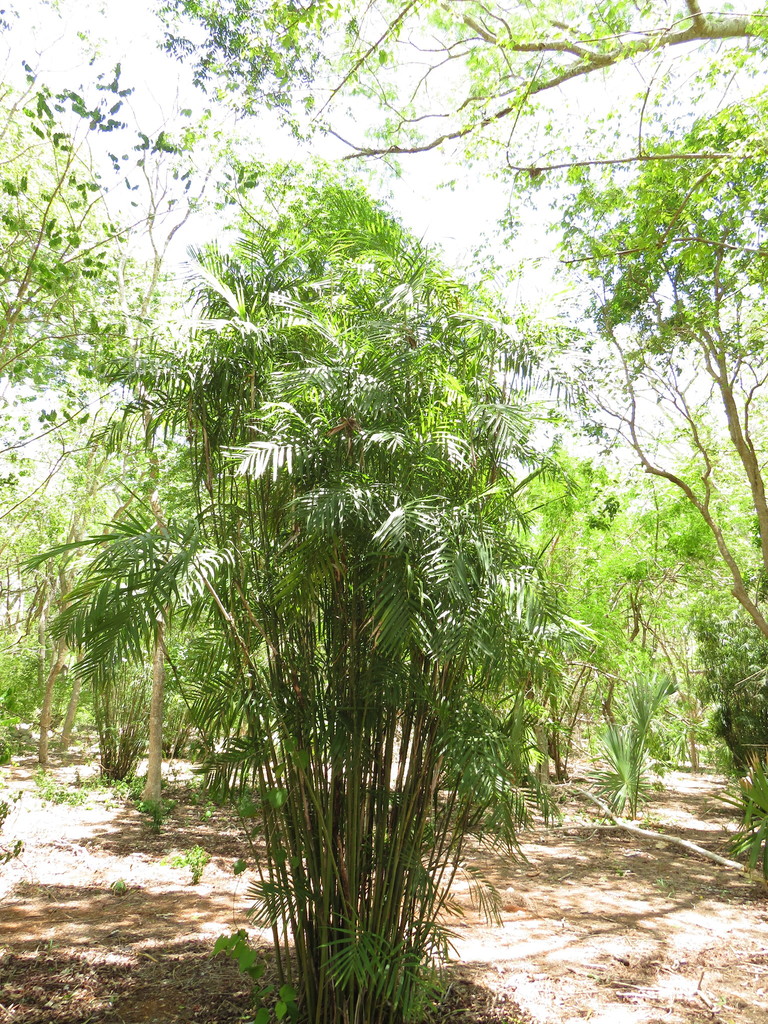
Bamboo Palm
Chamaedorea seifrizii
Best for: Medium-light spots: pet-safe and beginner-friendly
Strong pick: one clear trade-off
✓ Strong signal Non-toxic to cats and dogs. Verified per species, not assumed from its family
⚠ Watch out for Fine webbing and dusty, speckled fronds: usually spider mites. the number-one bamboo palm pest in dry indoor air
Our take The bamboo palm is one of the easiest true palms for real indoor conditions: it tolerates medium and even lowish light, grows as a dense multi-stemmed clump rather than a single trunk, and is non-toxic to pets. Keep the soil lightly moist, watch for spider mites in dry rooms, and
Strengths
- Handles medium light well
- Non-toxic to cats and dogs
- Beginner-friendly and forgiving of missed waterings
Trade-offs
- Watch for: fine webbing and dusty, speckled fronds
Care details
| Light | Medium to bright indirect light; tolerates lower light better than most palms except kentia; avoid direct sun |
| Water | When the top 2-3cm of soil dries. Roughly weekly in summer, every 10-14 days in winter; keep lightly moist |
| Humidity | Average household humidity is fine; 40%+ reduces tip browning |
| Temperature | 18-27°C (65-80°F); protect below 10°C (50°F) |
| Toxicity | Non-toxic to cats, dogs, and humans |
| US price | $30–$80 |
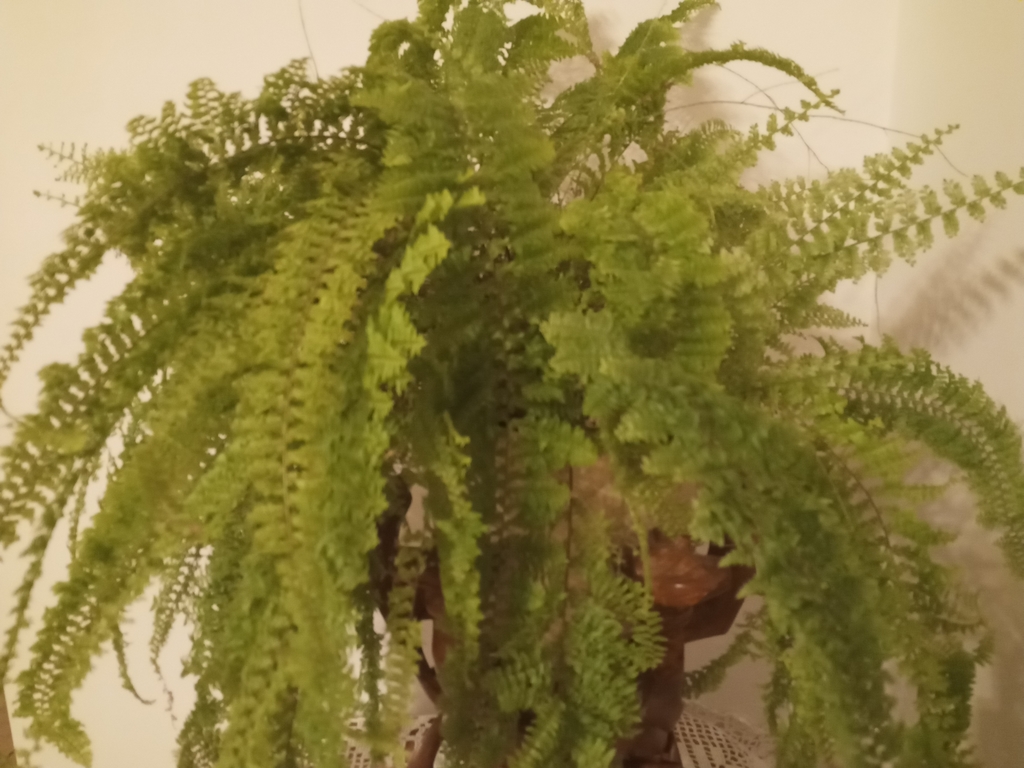
Boston Fern
Nephrolepis
Best for: Medium-light spots, in a home with pets
Strong pick: one clear trade-off
✓ Strong signal Non-toxic to cats and dogs. Verified per species, not assumed from its family
⚠ Watch out for Raining dry, tan leaflets all over the floor: usually low humidity. the classic winter complaint in heated rooms
Our take Boston ferns want two things without fail: evenly moist soil and humidity above 50%. Give both, plus bright indirect light, and they grow into huge, spilling baskets; miss either and they shed dry leaflets all over the floor.
Strengths
- Handles medium light well
- Non-toxic to cats and dogs
- Inexpensive to start ($10–$30 in the US)
Trade-offs
- Wants higher humidity than most homes provide
- Watch for: raining dry, tan leaflets all over the floor
Care details
| Light | Bright indirect light; tolerates medium light; no hot direct sun, which scorches fronds |
| Water | Keep soil consistently moist; water when the surface just starts to dry, often twice a week in summer |
| Humidity | 50%+ preferred; the classic bathroom and covered-porch plant; dry heated air makes it shed |
| Temperature | 16-24°C (60-75°F); tolerates brief dips to 10°C (50°F); frost kills it |
| Toxicity | Non-toxic to cats, dogs, and humans |
| US price | $10–$30 |
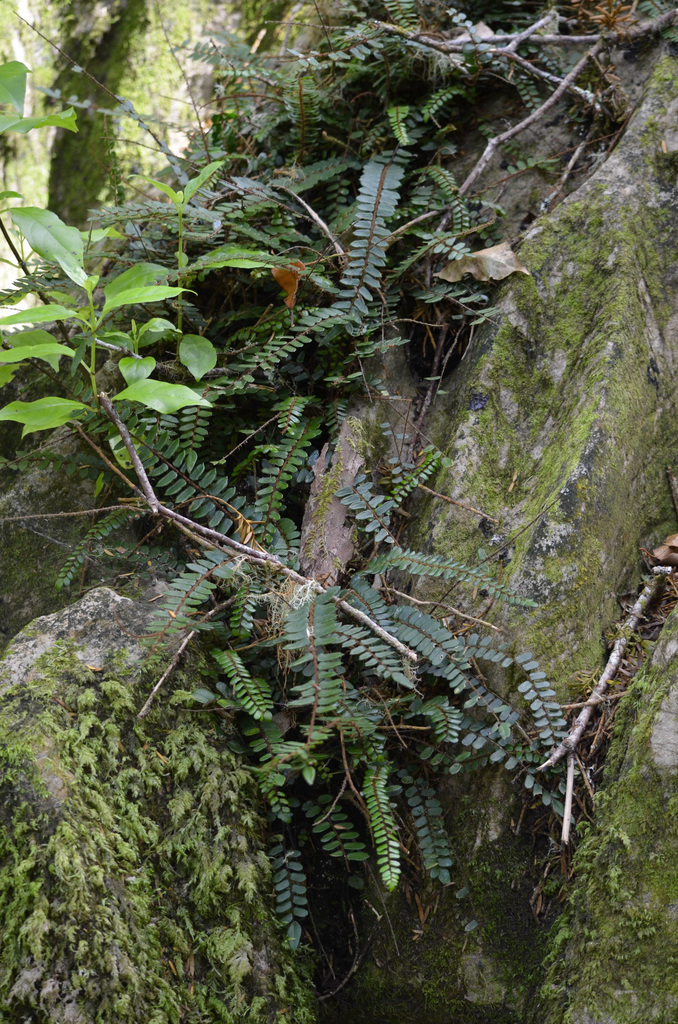
Button Fern
Tarawera (Māori)
Best for: Medium-light spots, in a home with pets
Strong pick: one clear trade-off
✓ Strong signal Non-toxic to cats and dogs. Verified per species, not assumed from its family
⚠ Watch out for Fronds yellowing then collapsing, soil stays wet: usually overwatering. treating it like a moisture-loving fern
Our take Button fern is the fern for people whose maidenhairs keep dying: its leathery leaflets tolerate ordinary room humidity, and it actually prefers to dry slightly on top between waterings. Keep it out of direct sun, never let it sit soggy, and it stays a tidy 30cm mound for years.
Strengths
- Handles medium light well
- Non-toxic to cats and dogs
- Inexpensive to start ($6–$15 in the US)
Trade-offs
- Watch for: fronds yellowing then collapsing, soil stays wet
Care details
| Light | Medium to bright indirect light; no hot direct sun, which scorches the leaflets |
| Water | When the top 1-2cm of soil dries. Unusually for a fern, don't keep it constantly wet |
| Humidity | 40%+ is fine; appreciates more but doesn't demand a humidifier |
| Temperature | 13-24°C (55-75°F); cooler-tolerant than tropical ferns |
| Toxicity | Non-toxic to cats and dogs |
| US price | $6–$15 |
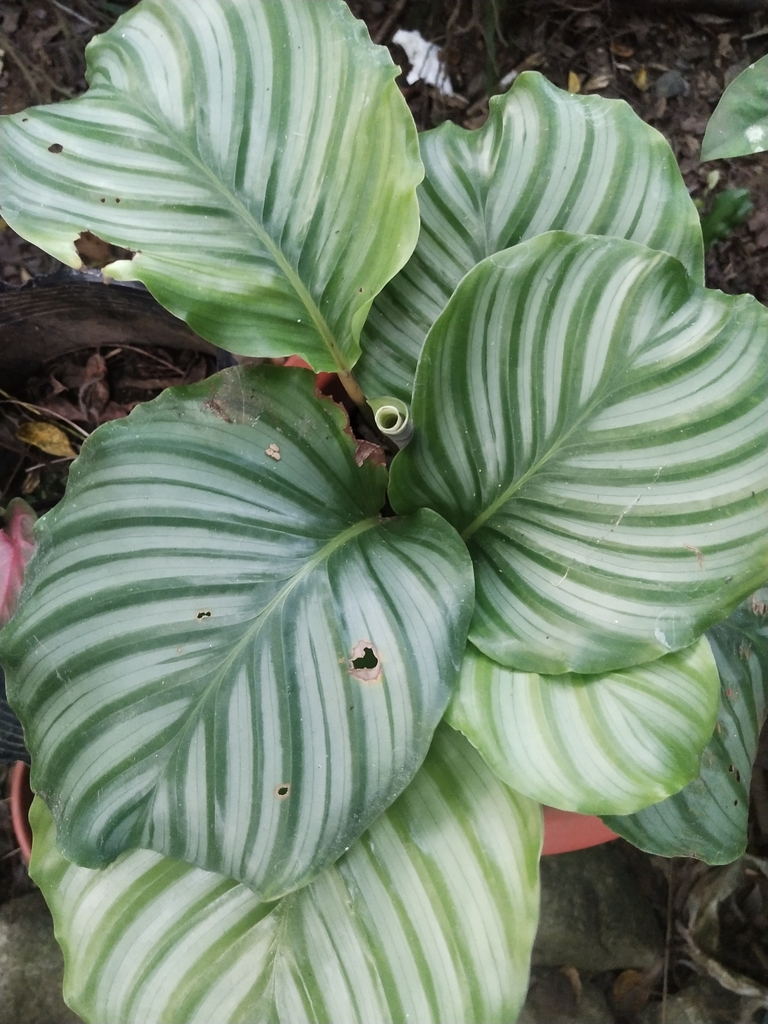
Calathea
Goeppertia orbifolia
Best for: Medium-light spots, in a home with pets
Strong pick: one clear trade-off
✓ Strong signal Non-toxic to cats and dogs. Verified per species, not assumed from its family
⚠ Watch out for Crispy brown leaf edges and tips: usually low humidity or fluoride/mineral buildup from tap water
Our take Calathea orbifolia is the pet-safe showpiece for people willing to work for it: keep soil lightly moist (never soggy, never bone dry), humidity above 50%, and use filtered or rain water. Fluoride and mineral-heavy tap water cause the notorious crispy brown edges.
Strengths
- Handles medium light well
- Non-toxic to cats and dogs
- Inexpensive to start ($15–$35 in the US)
Trade-offs
- Wants higher humidity than most homes provide
- Watch for: crispy brown leaf edges and tips
Care details
| Light | Medium to bright indirect light; no direct sun, which bleaches and scorches the leaves |
| Water | Keep soil lightly moist; water when the top 2-3cm dries, typically every 5-7 days |
| Humidity | 50% minimum, 60%+ ideal; a humidifier or grouped plants help far more than misting |
| Temperature | 18-27°C (65-80°F); keep above 15°C (60°F), away from drafts and heat vents |
| Toxicity | Non-toxic to cats, dogs, and humans |
| US price | $15–$35 |
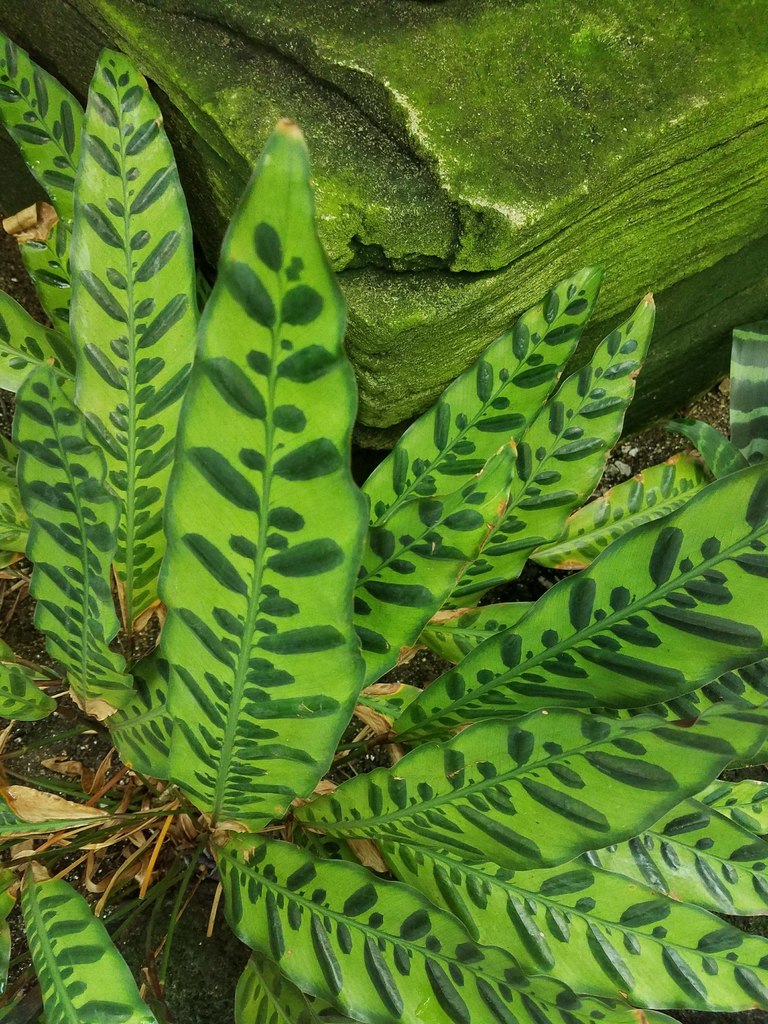
Rattlesnake Plant
Rattlesnake Calathea
Best for: Medium-light spots, in a home with pets
Strong pick: one clear trade-off
✓ Strong signal Non-toxic to cats and dogs. Verified per species, not assumed from its family
⚠ Watch out for Crispy brown edges around otherwise healthy leaves: usually fluoride, chlorine or dissolved salts in tap water, and/or low humidity
Our take The rattlesnake plant is pet-safe and beautiful, but it is chemically sensitive to tap water: fluoride, chlorine and dissolved salts cause the crispy brown edges that this plant is notorious for. Use distilled, filtered or rainwater, keep humidity above 50%, give it medium indire
Strengths
- Handles medium light well
- Non-toxic to cats and dogs
- Inexpensive to start ($12–$35 in the US)
Trade-offs
- Wants higher humidity than most homes provide
- Watch for: crispy brown edges around otherwise healthy leaves
Care details
| Light | Medium to bright indirect light. Direct sun bleaches the pattern and scorches the leaves |
| Water | Every 4-7 days; keep evenly moist, never soggy and never bone dry |
| Humidity | 50-60% minimum; 60%+ is better. Grouping plants or a humidifier works, and pebble trays largely do not |
| Temperature | 18-27°C (65-80°F); no cold draughts, and nothing below 15°C |
| Toxicity | Non-toxic to cats, dogs and humans, safe for pet households |
| US price | $12–$35 |

Calathea Medallion
Medallion calathea
Best for: Medium-light spots, in a home with pets
Situational: works if the trade-offs suit you
✓ Strong signal Non-toxic to cats and dogs. Verified per species, not assumed from its family
⚠ Watch out for Crisp brown leaf edges all around the leaf: usually minerals, chlorine or fluoride in tap water, plus low humidity
Our take Calathea Medallion is a demanding plant and it is worth being honest about that before you buy. It browns at the leaf edges when watered with hard or chlorinated tap water, so distilled water, filtered water or rainwater is effectively mandatory.
Strengths
- Handles medium light well
- Non-toxic to cats and dogs
- Inexpensive to start ($15–$35 in the US)
Trade-offs
- Fussier than average: not a starter plant
- Wants higher humidity than most homes provide
- Watch for: crisp brown leaf edges all around the leaf
Care details
| Light | Medium to bright indirect light; direct sun bleaches the pattern and scorches leaves |
| Water | Every 5-7 days, keeping the top 2cm just moist; use distilled water, filtered water or rainwater |
| Humidity | 60%+ needed; a humidifier is the only reliable way to hold this in a heated home |
| Temperature | 18-27°C (65-80°F); no cold draughts and never below 15°C (59°F) |
| Toxicity | Non-toxic to cats, dogs and humans |
| US price | $15–$35 |
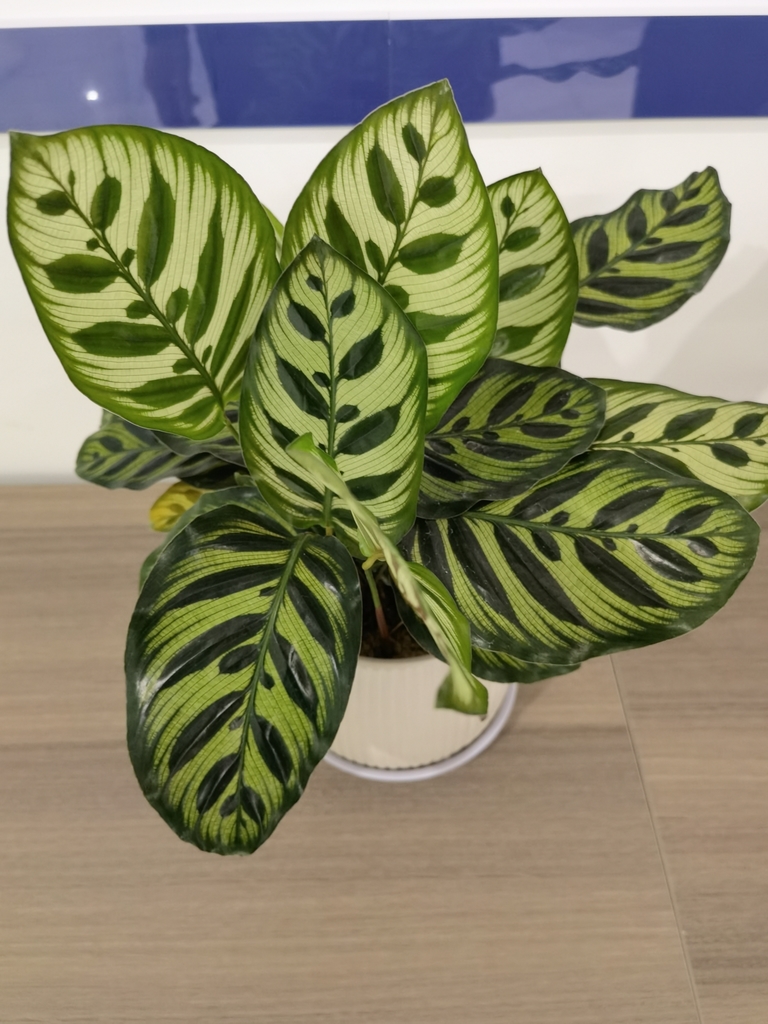
Peacock Plant
Cathedral windows
Best for: Medium-light spots, in a home with pets
Situational: works if the trade-offs suit you
✓ Strong signal Non-toxic to cats and dogs. Verified per species, not assumed from its family
⚠ Watch out for Thin brown crisping around the whole leaf margin: usually tap water minerals and fluoride combined with dry air
Our take The peacock plant is one of the fussier calatheas, and its very thin leaves make every mistake visible. Hard, chlorinated or fluoridated tap water produces crisp brown edges within weeks, so distilled water or rainwater is effectively required, and it wants humidity above 60%.
Strengths
- Handles medium light well
- Non-toxic to cats and dogs
- Inexpensive to start ($12–$30 in the US)
Trade-offs
- Fussier than average: not a starter plant
- Wants higher humidity than most homes provide
- Watch for: thin brown crisping around the whole leaf margin
Care details
| Light | Medium to bright indirect light; direct sun fades the pattern and burns the thin leaves quickly |
| Water | Every 5-7 days, keeping the mix lightly and evenly moist; distilled water, filtered water or rainwater only |
| Humidity | 60%+ needed; a humidifier or a genuinely humid bathroom is the realistic option |
| Temperature | 18-27°C (65-80°F); avoid draughts and anything below 15°C (59°F) |
| Toxicity | Non-toxic to cats, dogs and humans |
| US price | $12–$30 |
Stop guessing whether that corner is bright enough
Sodate measures the actual light where your plant sits and builds its watering schedule from that reading and your season, not a fixed interval. Currently in development.
See Sodate: coming soonWhat to check before buying
- Ask where the plant was grown. Greenhouse-grown stock looks perfect for weeks on stored energy before it shows dim-room stress
- Check leaf spacing on the stem: wide gaps mean it was already stretching for light before you bought it
- Choose plain-green over variegated for genuinely dim spots. Variegated leaves have less chlorophyll and need more light
- Inspect leaf undersides and stem joints for pests, which spread faster on plants stressed by low light
- Confirm pet toxicity yourself if you have cats or dogs, rather than relying on shelf labels
Red flags to walk away from
- Any list that calls a flowering plant low-light. Flowering takes energy, and blooms are the first thing lost in dim rooms.
- Variegated cultivars described as low-light. Variegated leaves have less chlorophyll and need more light than plain-green forms, not less.
- 'Low light' used to mean a room with no windows. Every plant here still needs indirect daylight.
- 'Pet-friendly' applied to a whole plant family. Toxicity varies by species, and family-level claims are how people buy a toxic plant by mistake.
Best time to buy
No seasonal advantage, but avoid buying in midwinter in northern latitudes. A plant moving into a dim room during the darkest weeks of the year has the least margin to adjust.
Frequently asked questions
What counts as low light?
A spot where you could comfortably read a book during the day but that never gets direct sun. Typically several metres from a window, or beside a north-facing one. No houseplant survives a room with no natural light at all.
Will low-light plants grow in an office with only ceiling lights?
Fluorescent and LED ceiling lighting is far dimmer than daylight, but several plants here do persist under it, especially if the office has windows. Growth will be slow.
Do low-light plants grow more slowly?
Yes, all of them. Low-light tolerance means the plant continues rather than declines. Expect a fraction of the growth the same plant would make in bright indirect light.
Does non-toxic mean my cat can eat it?
No. It means ingestion is not expected to cause poisoning. Any plant eaten in quantity can cause vomiting or a blockage, and the fibrous leaves of several plants here will do exactly that.
Which common houseplants are the dangerous ones?
Peace lily, pothos, philodendron, dieffenbachia, dracaena and most aroids are toxic if chewed, and lilies are severely dangerous to cats specifically. None of them appear on this list.
Limitations of this ranking
Stated plainly, so you can judge how much weight to give it:
- No physical testing. Nothing here was grown, timed or measured by us. Every score is computed from the structured care data on this site, which is compiled from the botanical and horticultural sources listed below.
- Prices are researched ranges, not live quotes. They are typical retail for a standard starter size and will drift. Each plant profile carries the regional breakdown for five countries.
- Scores are relative to this directory, which holds 208 profiles. A plant absent from the directory cannot appear here, so this is not a claim about every plant in existence.
- Care data is species-level. Your light, your water and your home will move any of these plants up or down more than the gap between adjacent ranks.
- No credentialed horticulturist has reviewed this. These pages are compiled and edited against a published rubric and cited sources. Where a claim matters, the source is linked below so you can check it rather than take it on authority. Our review panel page lists every section that has no expert reviewer yet and the credential we require to fill it.
Sources
Of the 208 plant profiles in this directory, 14 meet the entry bar for low-light pet-safe plants (7%). 14 of the 14 ranked here are non-toxic to cats and dogs, and the median entry price across the list is $10.
- ASPCA Toxic and Non-Toxic Plant List. Species-level toxicity to cats and dogs, used for every pet-safety score.
- GBIF (Global Biodiversity Information Facility). Accepted botanical names and taxon identifiers for every profile.
- iNaturalist. Source of the CC-licensed photographs, with photographer and licence credited per image.
- RHS Plant Finder. UK cultivation guidance, hardiness ratings and cultivar naming.
- Missouri Botanical Garden Plant Finder. Cross-checked culture notes, mature size and problem diagnosis.
Editorial disclosure: no plant on this page is sponsored, and Sodate takes no payment, commission or affiliate revenue for placement. Rankings are generated from the data by the scoring code in this site's repository, not chosen by hand. Published , last updated .