 Sodate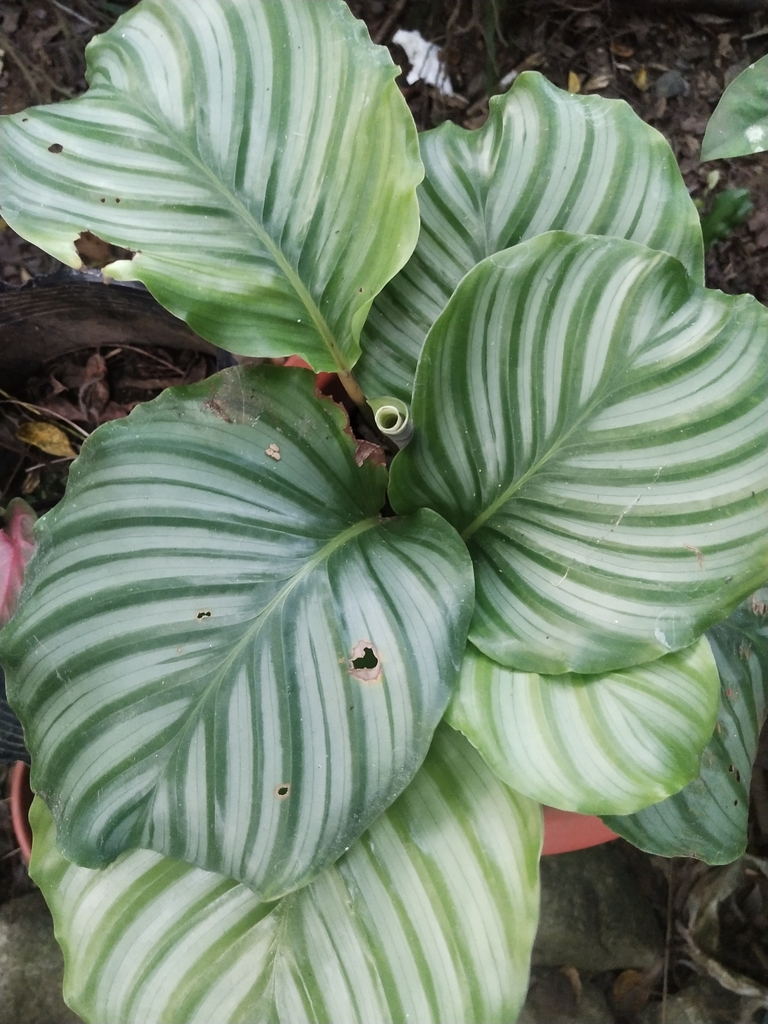
On this page
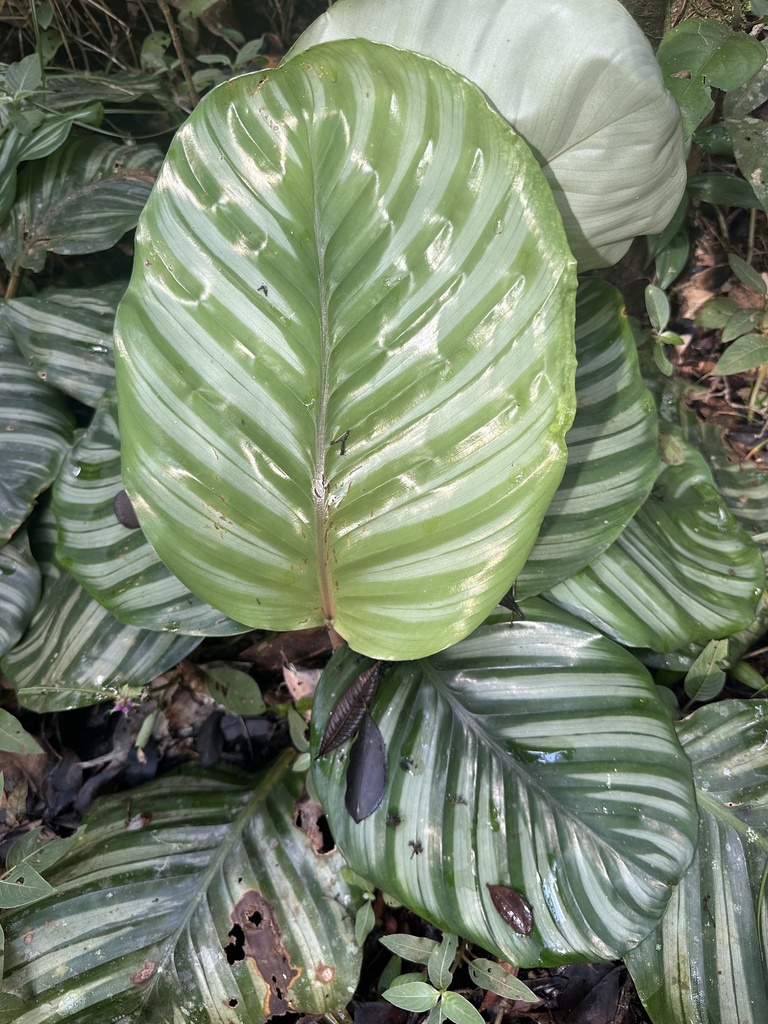
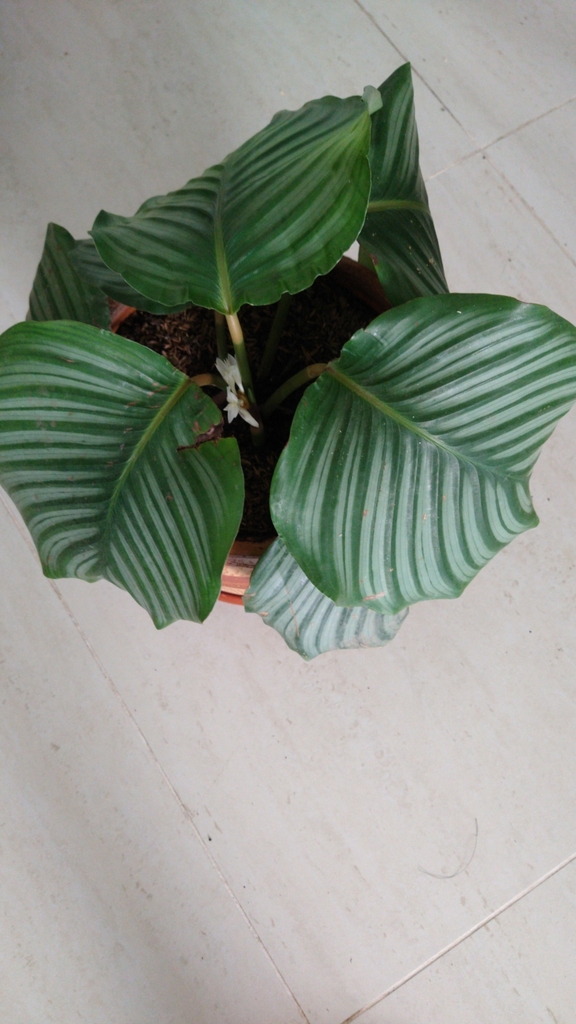
Calathea orbifolia is the pet-safe showpiece for people willing to work for it: keep soil lightly moist (never soggy, never bone dry), humidity above 50%, and use filtered or rain water. Fluoride and mineral-heavy tap water cause the notorious crispy brown edges. Medium indirect light only; sun bleaches the silver stripes. Typically $15-$35.
Key facts
- Native to the understory of Bolivian rainforests, which is why it wants shade, warmth, and constant humidity.
- A member of the prayer plant family (Marantaceae): leaves angle upward at night and flatten by day, driven by a fluid-filled joint called the pulvinus.
- Completely non-toxic to cats and dogs. One of the safest statement plants for pet households.
- Highly sensitive to fluoride, chlorine, and dissolved minerals in tap water; brown leaf edges are usually a water-quality complaint.
Care requirements#
| Plant type | Indoor (outdoor year-round only in USDA 10-12, in full shade) |
| Growing medium | Light, airy peat- or coir-based mix with perlite; retains moisture without waterlogging |
| Light needs | Medium to bright indirect light; no direct sun, which bleaches and scorches the leaves |
| Water frequency | Keep soil lightly moist; water when the top 2-3cm dries, typically every 5-7 days |
| Water quality | Filtered, distilled, or rain water strongly preferred. Tap water fluoride and salts brown the leaf edges |
| Humidity | 50% minimum, 60%+ ideal; a humidifier or grouped plants help far more than misting |
| Temperature range | 18-27°C (65-80°F); keep above 15°C (60°F), away from drafts and heat vents |
| Fertilizer | Quarter-to-half strength balanced feed monthly in spring-summer; salts build up fast, so flush the pot occasionally |
| Soil pH | 6.0-6.5 |
| Drainage needs | Moderate-high: moist but never waterlogged |
| Pot recommendation | Plastic or glazed pot with drainage (terracotta dries the root ball too fast for this species) |
| Toxicity | Non-toxic to cats, dogs, and humans |
Growth & propagation#
| Mature size | 60-90cm tall and wide, with leaves up to 30cm across |
| Growth rate | Moderate in warmth and humidity; slow in dry rooms |
| Propagation methods | Division of the rhizome clump at repotting. Cuttings do not work for calathea |
| Propagation difficulty | Moderate: divisions sulk for a few weeks; keep them warm and humid |
| Repotting schedule | Every 1-2 years in spring, only one pot size up |
| Pruning needs | Trim spent or crispy leaves at the base; no structural pruning needed |
Common problems & troubleshooting#
| Symptom | Likely cause | Fix |
|---|---|---|
| Crispy brown leaf edges and tips | Low humidity or fluoride/mineral buildup from tap water | Switch to filtered or rain water, raise humidity above 50%, and flush the soil every couple of months |
| Leaves curling into tubes | The plant is conserving water. Underwatering, low humidity, or heat stress | Water thoroughly and boost humidity; leaves usually relax within a day or two |
| Yellowing lower leaves with soggy soil | Overwatering or compacted mix suffocating the roots | Let the top layer dry, repot into a lighter mix if it stays wet more than a week |
| Faded, washed-out silver pattern | Too much direct light | Move further from the window or behind a sheer curtain; new leaves will emerge with full contrast |
| Fine webbing and speckled leaves | Spider mites. Calatheas in dry air are a prime target | Shower the foliage, treat with insecticidal soap weekly, and raise humidity to make conditions hostile to mites |
The plant that punishes missed waterings
Sodate reminds you before the soil dries out. The difference between a lush calathea and a crispy one.
Seasonal care#
Varieties & cultivars#
| Variety | Distinguishing trait | Note |
|---|---|---|
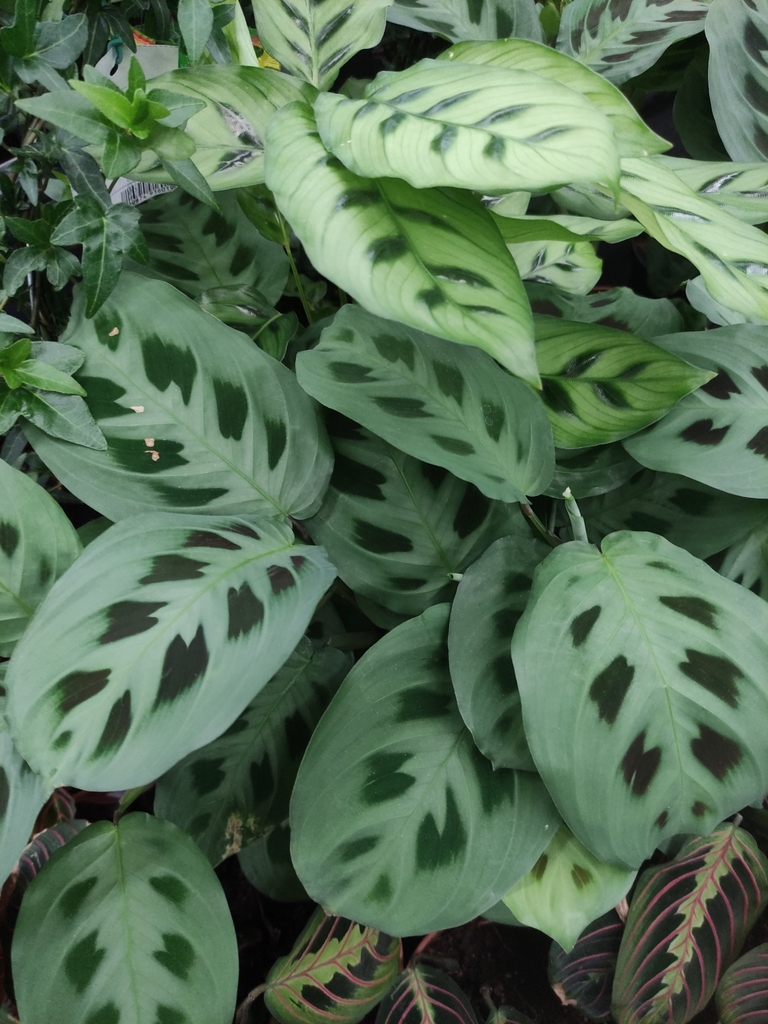
| Calathea orbifolia | Large round leaves with silver banding | The species this page covers; the most architectural calathea |
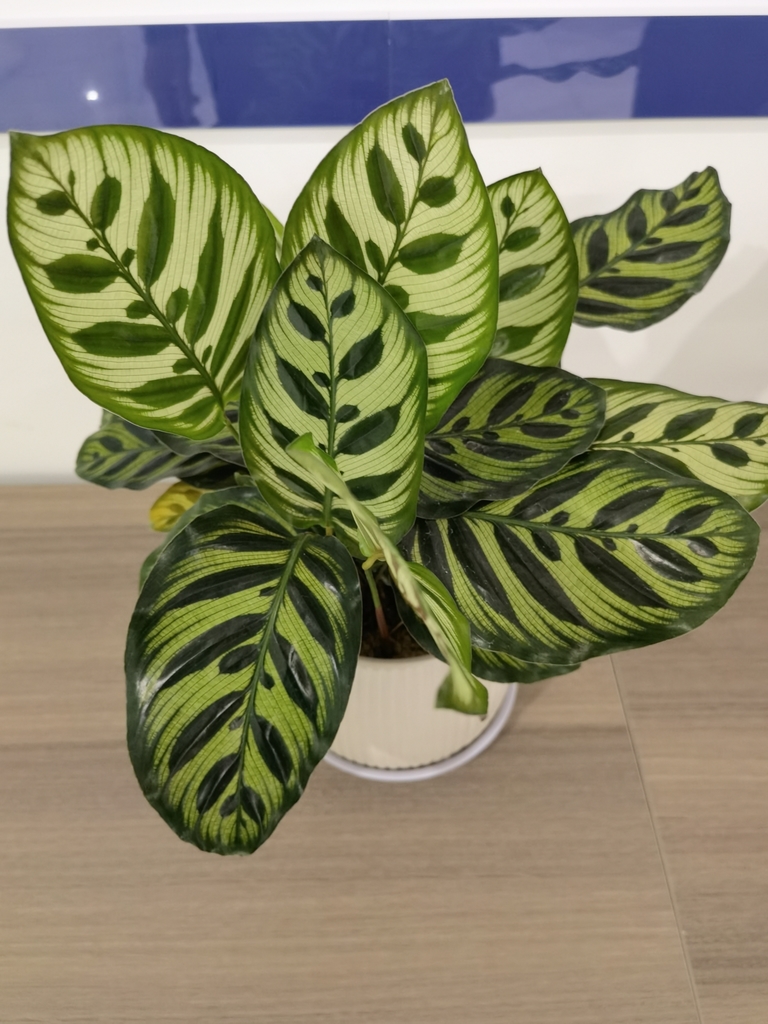
| Calathea (Goeppertia) makoyana | Translucent leaves with dark oval 'peacock' markings | Sold as peacock plant |
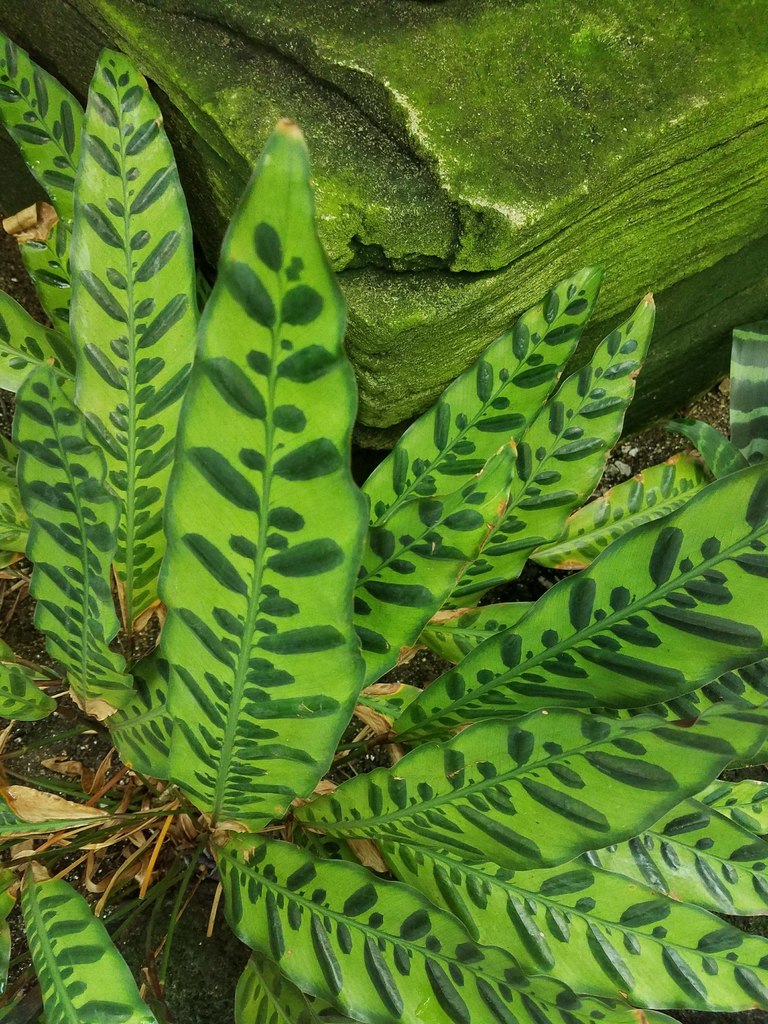
| Calathea lancifolia | Long wavy leaves with dark spots, purple undersides | The rattlesnake plant. One of the more forgiving calatheas |
| Calathea 'White Fusion' | White-marbled variegation | Beautiful and notoriously the fussiest of the lot |
Buying checklist#
- Leaf edges are clean and green. Brown-edged plants signal water/humidity stress that won't reverse on those leaves
- Strong silver striping with good contrast (faded stripes mean light stress)
- New leaf spears emerging from the centre of the clump
- Undersides free of webbing or speckling (spider mites love calathea)
- Soil lightly moist, not swampy
Pricing by region#
| Region | Price range | Typical unit | Basis |
|---|---|---|---|
| US | $15 – $35 | 4-6in pot | Nursery + online plant shop retail |
| UK | $12 – $32 | 12-17cm pot | Garden centre + online retail |
| India | $3 – $12 | 4-6in pot | Urban nursery + online |
| Australia | $13 – $39 | 130-200mm pot | Nursery + garden centre |
| Canada | $15 – $36 | 4-6in pot | Garden centre retail |
USD figures are approximate conversions for comparison; switch the dropdown to see each region's actual local-currency listing price.
Often confused with#
Name confusion warning#
Botanists have moved it. Most plants sold as calathea, including C. orbifolia: were reclassified into the genus Goeppertia in 2012. Shops, books, and care guides still overwhelmingly use calathea, so expect both names for the same plant.
Where it's actually grown#
Commercial calatheas are produced by tissue culture in specialist labs, then grown out in foliage nurseries in Florida, the Netherlands, and across Southeast Asia; orbifolia was scarce and pricey until micropropagation caught up with demand in the late 2010s.
Import & biosecurity restrictions#
| Region | Note |
|---|---|
| Australia | Live plant imports restricted under biosecurity law; buy domestically grown stock. |
| US | Domestic sale unrestricted; most plants ship from Florida foliage nurseries. |
| UK | No consumer restriction; trade imports from EU glasshouses need phytosanitary paperwork. |
| India | No restriction; the humid Indian climate actually suits calathea better than heated Western homes. |
| Canada | CFIA permits for commercial imports; winter shipping requires heat packs. Buy locally in cold months. |
Similar plants
Ranked in these guides
Did you know?
Frequently asked questions
Is calathea safe for cats and dogs?
Yes. Calathea (including orbifolia) is completely non-toxic to cats and dogs, making it one of the best statement plants for pet households.
Why do my calathea's leaf edges turn brown?
Usually low humidity or the fluoride and mineral salts in tap water. Switch to filtered or rain water and keep humidity above 50%; damaged edges won't heal but new leaves will come in clean.
Why do calathea leaves move up and down?
It's a prayer plant family trait: a joint at each leaf base raises the leaves at night and lowers them by day, following an internal circadian rhythm.
Does calathea need misting?
Misting raises humidity for only a few minutes, so it barely helps. A humidifier, a pebble tray, or grouping plants together works far better.
How do I propagate calathea?
Only by dividing the root clump in spring. Gently split the rhizomes into sections with leaves and roots attached. Stem or leaf cuttings will not root.