 Sodate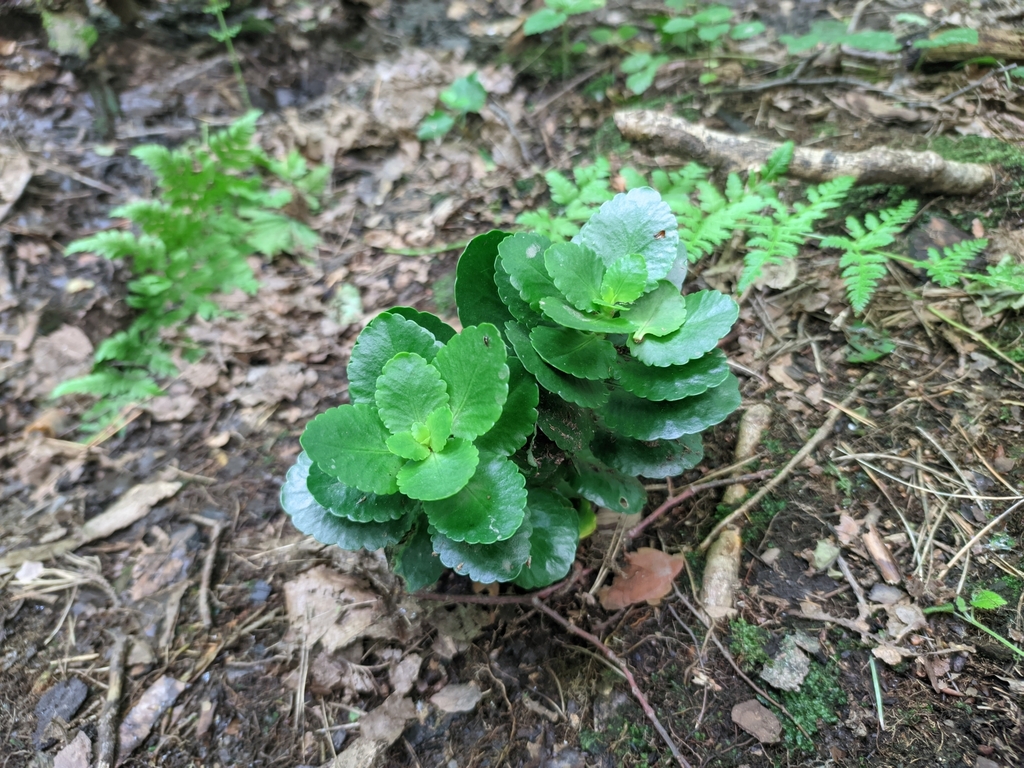
On this page
Kalanchoe is a compact, drought-tolerant succulent that flowers heavily in bright light. Water only when the soil is fully dry, since its thick leaves store water and rot easily if overwatered. It needs a period of shorter days to rebloom after its first flush of flowers fades. It's toxic to pets if ingested and typically costs $8-$18.
Key facts
- Native to Madagascar, where it grows on rocky, well-drained slopes in full sun.
- Thick, water-storing leaves make it highly drought-tolerant. Overwatering is a far bigger risk than underwatering.
- Like Christmas cactus, needs a period of shorter days (roughly 12-14 hours of darkness) to trigger reblooming after its first flush fades.
- All parts of the plant contain cardiac glycosides, making it toxic to cats and dogs if ingested, with symptoms ranging from vomiting to heart rhythm changes in serious cases.
Care requirements#
| Plant type | Indoor (can grow outdoors year-round in USDA 10-12) |
| Growing medium | Well-draining succulent or cactus soil mix |
| Light needs | Bright light, including some direct sun; low light prevents flowering |
| Water frequency | Every 10-14 days; let soil dry out fully between waterings |
| Humidity | Tolerates low humidity well, typical of a succulent |
| Temperature range | 18-27°C (65-80°F); avoid below 10°C (50°F) |
| Fertilizer | Balanced liquid feed, half strength, monthly during active growth |
| Soil pH | 6.0-7.0 (adaptable) |
| Drainage needs | High: this is the single most important factor for keeping kalanchoe alive |
| Pot recommendation | Terracotta pot with drainage holes suits its drought-tolerant nature |
| Hardiness zone (outdoor) | USDA 10-12 |
| Toxicity | Toxic to cats and dogs if ingested, contains cardiac glycosides |
Growth & propagation#
| Mature size | 20-45cm tall |
| Growth rate | Moderate |
| Propagation methods | Leaf or stem cuttings, allowed to callous before planting |
| Propagation difficulty | Beginner-friendly: cuttings root readily in 2-3 weeks |
| Repotting schedule | Every 1-2 years, or when rootbound |
| Pruning needs | Deadhead spent flower clusters to encourage reblooming |
Common problems & troubleshooting#
| Symptom | Likely cause | Fix |
|---|---|---|
| Soft, mushy leaves and stems | Overwatering. The most common failure mode | Let soil dry out completely; repot in fresh, well-draining mix if rot has set in |
| No flowers after the first bloom fades | Needs a period of shorter days to trigger reblooming | Give it 12-14 hours of uninterrupted darkness nightly for several weeks |
| Leggy, stretched growth | Insufficient light | Move to a brighter spot, ideally with some direct sun |
| Shriveled, wrinkled leaves | Underwatering (less common than overwatering) | Water thoroughly and resume a normal schedule |
Never guess when to water this again
Sodate reads your actual light and season, then builds this plant's watering quests around them, not a fixed schedule.
Seasonal care#
Varieties & cultivars#
| Variety | Distinguishing trait | Note |
|---|---|---|
| 'Calandiva' | Fully double, rose-like flowers | Premium ornamental hybrid, longer-lasting blooms |
| Standard single-flower | Simple four-petaled flowers in clusters | Most common and cheapest form |
| Kalanchoe tomentosa (panda plant) | Fuzzy, felted leaves, non-flowering foliage type | Different species, grown for foliage not blooms |
Buying checklist#
- Leaves are firm and plump, not soft or wrinkled
- Multiple unopened flower buds present for longer-lasting display
- No mushy or blackened tissue at the base
- Soil is not waterlogged at time of purchase
Pricing by region#
| Region | Price range | Typical unit | Basis |
|---|---|---|---|
| US | $8 – $18 | 4-6in pot | Big-box + nursery retail |
| UK | $6 – $14 | 10-12cm pot | Garden centre retail |
| India | $1 – $3 | 4in pot | Urban nursery retail |
| Australia | $8 – $16 | 100-140mm pot | Nursery + garden centre |
| Canada | $8 – $17 | 4-6in pot | Garden centre retail |
USD figures are approximate conversions for comparison; switch the dropdown to see each region's actual local-currency listing price.
Often confused with#
Where it's actually grown#
Kalanchoe is one of the most heavily commercially bred flowering succulents, with most retail plants grown in large-scale greenhouse operations in the Netherlands, Germany, and North America under controlled photoperiod lighting to force blooming for year-round retail sale, regardless of natural season.
Import & biosecurity restrictions#
| Region | Note |
|---|---|
| Australia | Live plant imports restricted under biosecurity law; widely available domestically. |
| US | Domestic sale unrestricted; grows outdoors year-round only in frost-free zones. |
| UK | No specific restriction; grown strictly as a houseplant. |
| India | No restriction; well-suited to warm Indian climates. |
| Canada | CFIA permits required for commercial imports; grown as a houseplant. |
Similar plants
Ranked in these guides
Did you know?
Frequently asked questions
Is kalanchoe pet-safe?
No, it's toxic to cats and dogs if ingested. It contains cardiac glycosides that can cause vomiting and, in serious cases, heart rhythm changes.
How much does kalanchoe cost?
A standard 4-6 inch potted plant typically runs $8-$18 in the US.
Why did my kalanchoe stop flowering?
After its first bloom fades, it needs a period of shorter days (12-14 hours of darkness nightly) to set new flower buds and rebloom.
How often should I water kalanchoe?
Every 10-14 days, letting the soil dry out fully between waterings. Overwatering is the most common way this plant dies.
Is kalanchoe the same as jade plant?
No. Both are succulents in the same family, but jade plant grows as a woody shrub and rarely flowers indoors, while kalanchoe is compact and blooms heavily.