 Sodate
Home / Guides / Flowering indoor plants
Best Flowering Indoor Plants: 15 Ranked (2026)
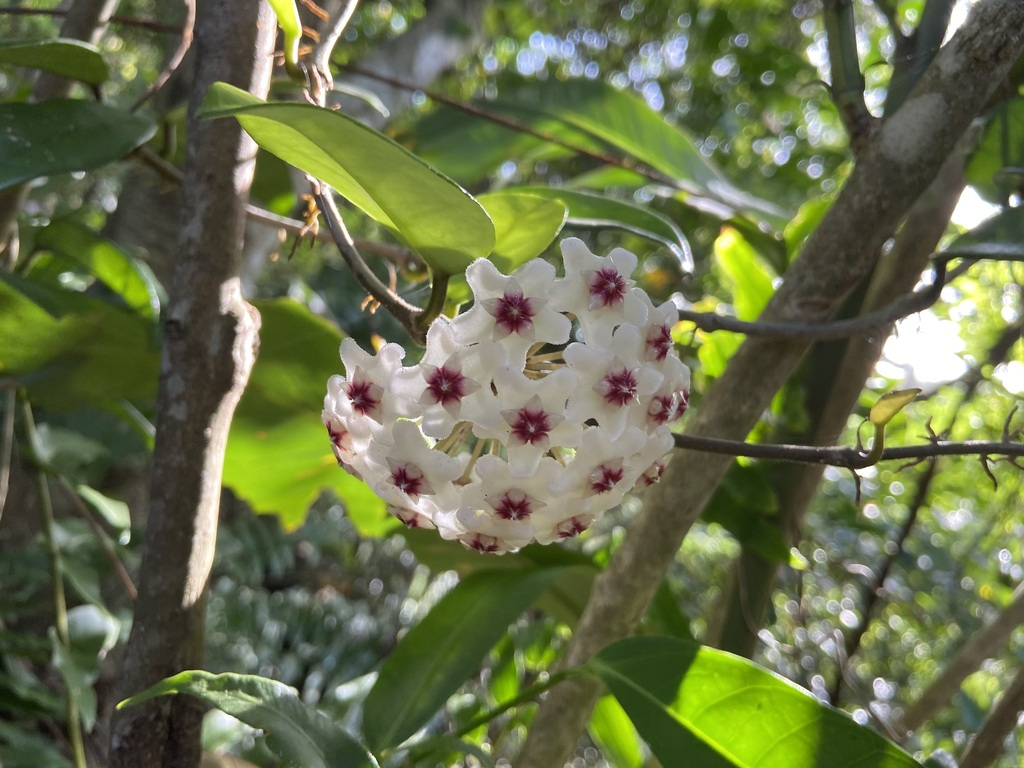
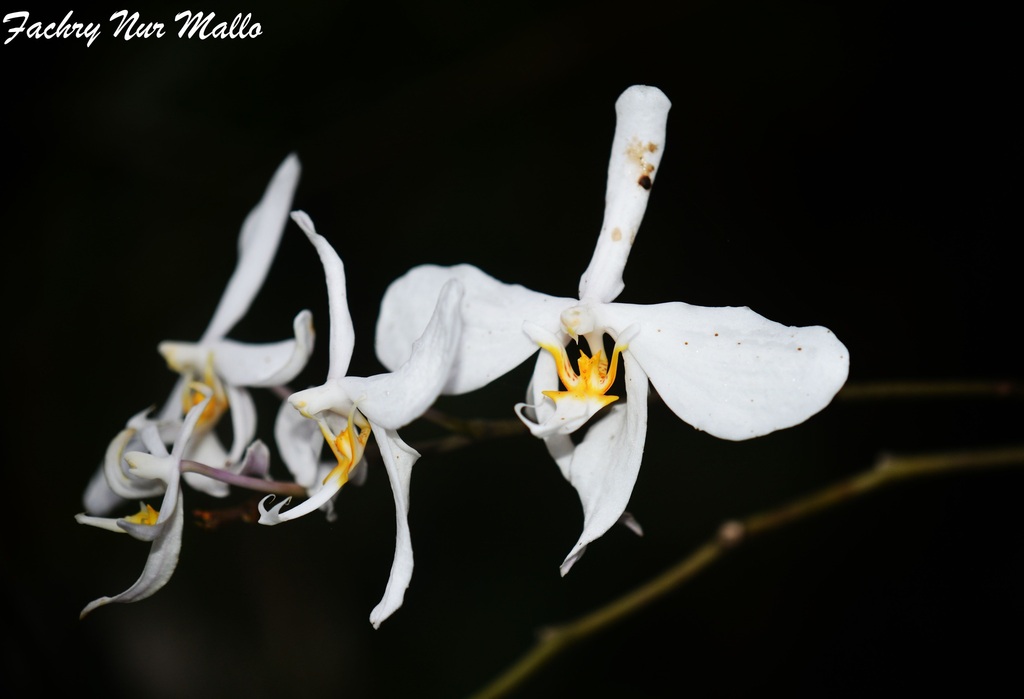
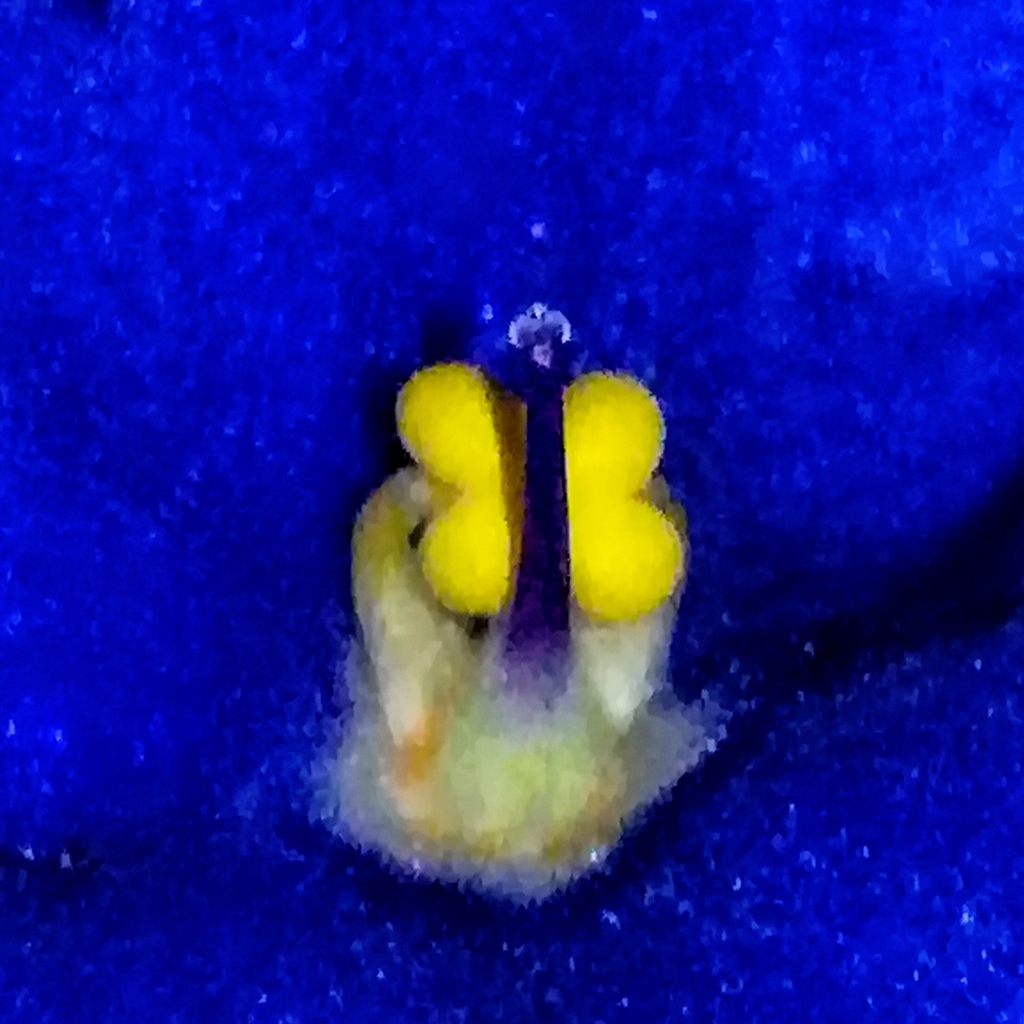
The best flowering indoor plants are Hoya, Phalaenopsis Orchid, African Violet. Sodate ranked 18 qualifying plants from a database of 208 profiles on a published 100-point rubric weighted to flowering reliability (40), care difficulty (25), pet safety (20) and cost (15). Hoya scores 97/100, the highest in this group.
Hoya, Phalaenopsis Orchid, African Violet lead this ranking of flowering indoor plants. Entry requires full marks for plants documented to bloom reliably or repeatedly, rather than merely being capable of flowering. 11 of the 15 listed are non-toxic to cats and dogs. Every score is computed from the same four measures, flowering reliability, care difficulty, pet safety and cost, and the rubric is published below so you can recompute any ranking yourself.
Why trust this list
Almost any plant can flower; the useful question is whether it will flower for you, in your light, without intervention. Full marks here go only to plants documented to bloom reliably or repeatedly. The single biggest reason a flowering plant stops flowering is insufficient light, because blooms cost the plant far more energy than leaves, and they are the first thing it drops when short of it. Everything here is an indoor plant profiled on this site, which means light is the binding constraint rather than temperature or rainfall. Check the light row on any plant before buying it, because indoors the difference between a north and a south window is larger than the difference between most of the plants on this list.
At a glance: all 15 ranked
| Rank | Plant | Best for | Score | Flowering reliability | Pet safety | US price |
|---|---|---|---|---|---|---|
| #1 | Hoya | Wanting actual flowers, not just foliage, in a home with pets | 97 | Blooms reliably | Pet-safe | $15–$40 |
| #2 | Phalaenopsis Orchid | Wanting actual flowers, not just foliage, in a home with pets | 87 | Blooms reliably | Pet-safe | $15–$35 |
| #3 | African Violet | Foliage first, flowers as a bonus: pet-safe and beginner-friendly | 85 | Flowers occasionally | Pet-safe | $6–$15 |
| #4 | Polka Dot Plant | Foliage first, flowers as a bonus: pet-safe and beginner-friendly | 85 | Flowers occasionally | Pet-safe | $5–$12 |
| #5 | Spider Plant | Foliage first, flowers as a bonus: pet-safe and beginner-friendly | 85 | Flowers occasionally | Pet-safe | $8–$20 |
| #6 | Christmas Cactus | Foliage first, flowers as a bonus: pet-safe and beginner-friendly | 82 | Flowers occasionally | Pet-safe | $12–$25 |
| #7 | Orchid Cactus | Foliage first, flowers as a bonus: pet-safe and beginner-friendly | 82 | Flowers occasionally | Pet-safe | $15–$40 |
| #8 | Hoya Kerrii | Foliage first, flowers as a bonus, in a home with pets | 75 | Flowers occasionally | Pet-safe | $8–$40 |
| #9 | Coleus | Foliage first, flowers as a bonus: forgiving of mistakes | 73 | Flowers occasionally | Toxic | $4–$12 |
| #10 | Cast Iron Plant | Foliage first, flowers as a bonus, in a home with pets | 72 | Flowers occasionally | Pet-safe | $15–$40 |
| #11 | Guzmania | Foliage first, flowers as a bonus, in a home with pets | 72 | Flowers occasionally | Pet-safe | $12–$30 |
| #12 | Anthurium (Flamingo Flower) | Foliage first, flowers as a bonus: forgiving of mistakes | 70 | Flowers occasionally | Toxic | $15–$40 |
| #13 | Kalanchoe | Wanting actual flowers, not just foliage | 68 | Blooms reliably | Toxic | $8–$18 |
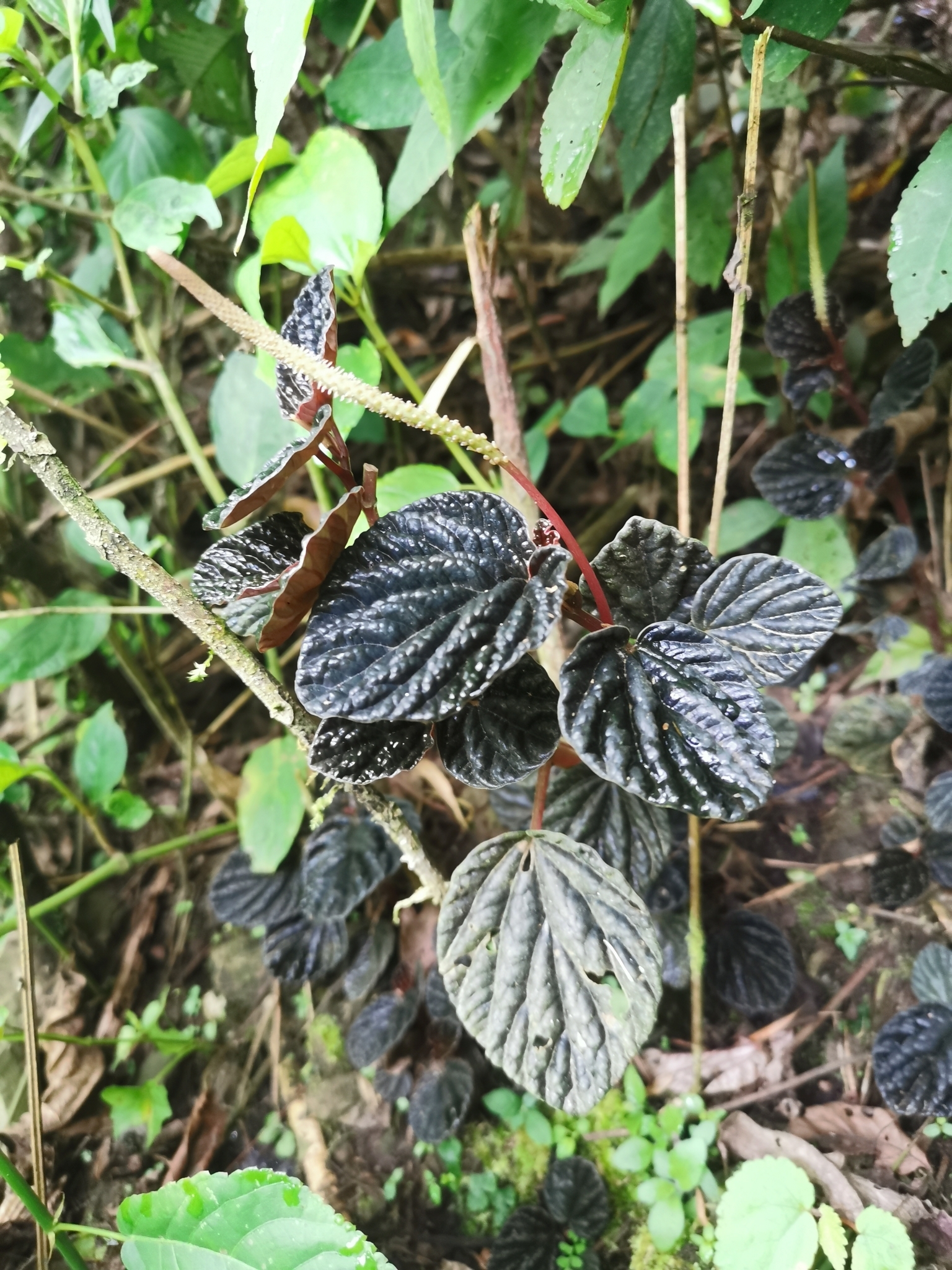
| #14 | Peperomia 'Rosso' | Foliage first, flowers as a bonus, in a home with pets | 65 | Flowers occasionally | Pet-safe | $8–$22 |
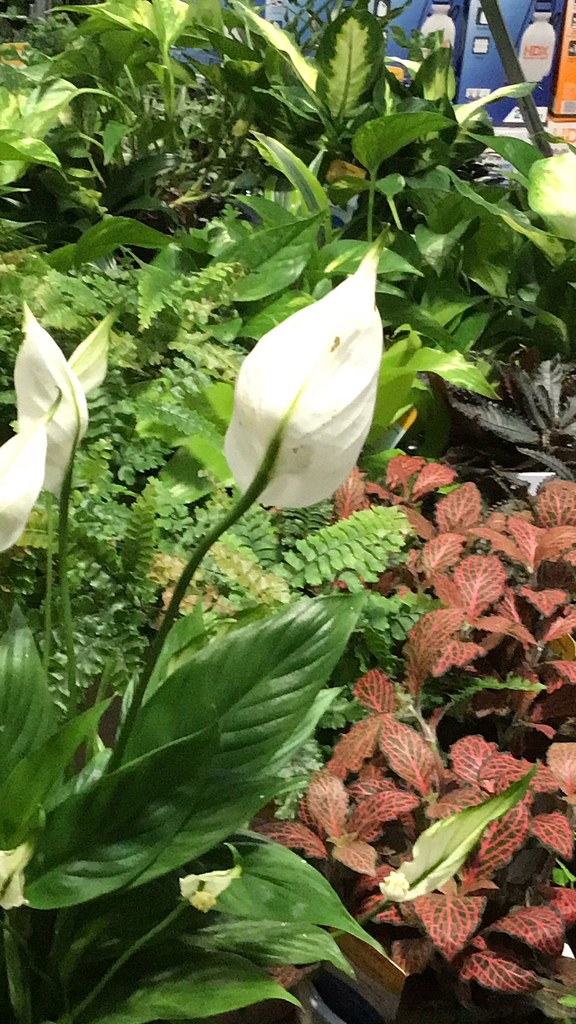
| #15 | Peace Lily | Foliage first, flowers as a bonus | 60 | Flowers occasionally | Toxic | $12–$35 |
How we scored these
Every plant is scored out of 100 on four measures, each pulled directly from its care profile. No score is assigned by hand, so the ranking can be reproduced from the data:
Ties are broken alphabetically. Prices are researched typical retail ranges, not live quotes. Check each plant's profile for the regional breakdown. 18 plants in the directory met the entry bar; the top 15 are listed here.
All 15 flowering indoor plants, ranked
Hoya
Hoya carnosa
Best for: Wanting actual flowers, not just foliage, in a home with pets
Elite tier: top-scoring on every measure
✓ Strong signal Light tolerance: Bright, indirect light; a little direct morning sun encourages blooming
⚠ Watch out for Never flowers: usually insufficient light, too-frequent repotting, or plant still juvenile
Our take Hoya carnosa is a long-lived trailing vine with thick waxy leaves that flowers best when rootbound and slightly stressed. Water when the soil dries out fully, give it bright indirect light, and never cut off the leafless flower spurs.
Strengths
- Blooms reliably rather than occasionally
- Non-toxic to cats and dogs
- Beginner-friendly and forgiving of missed waterings
Trade-offs
- Wants higher humidity than most homes provide
- Watch for: never flowers
Care details
| Light | Bright, indirect light; a little direct morning sun encourages blooming |
| Water | Every 10-14 days; let soil dry out fully between waterings |
| Humidity | 40-60% preferred; tolerates average home humidity |
| Temperature | 18-27°C (65-80°F); avoid below 13°C (55°F) |
| Toxicity | Non-toxic to cats and dogs |
| US price | $15–$40 |
Phalaenopsis Orchid
Phalaenopsis amabilis hybrids
Best for: Wanting actual flowers, not just foliage, in a home with pets
Elite tier: top-scoring on every measure
✓ Strong signal Light tolerance: Bright, indirect light; an east-facing window is ideal
⚠ Watch out for Roots turning brown and mushy: usually overwatering or planted in soil instead of bark
Our take Moth orchids grow in bark, not soil. Repotting into regular potting mix kills them.
Strengths
- Blooms reliably rather than occasionally
- Non-toxic to cats and dogs
- Inexpensive to start ($15–$35 in the US)
Trade-offs
- Watch for: roots turning brown and mushy
Care details
| Light | Bright, indirect light; an east-facing window is ideal |
| Water | Weekly: soak the bark thoroughly, then let roots dry to silvery-green before rewatering |
| Humidity | 50-70% preferred; tolerates average home humidity with good watering habits |
| Temperature | 18-29°C (65-85°F); a 5-8°C night drop in autumn helps trigger reblooming |
| Toxicity | Non-toxic to cats, dogs, and humans |
| US price | $15–$35 |
African Violet
Saintpaulia ionantha
Best for: Foliage first, flowers as a bonus: pet-safe and beginner-friendly
Elite tier: top-scoring on every measure
✓ Strong signal Non-toxic to cats and dogs. Verified per species, not assumed from its family
⚠ Watch out for Brown spots or rings on leaves: usually water droplets on leaves acting as sun-focusing lenses, or cold water shock
Our take African violet needs bright, indirect light and consistent moisture, but water must never touch the fuzzy leaves. Wet leaves cause permanent brown spotting.
Strengths
- Flowers under the right conditions
- Non-toxic to cats and dogs
- Beginner-friendly and forgiving of missed waterings
Trade-offs
- Wants higher humidity than most homes provide
- Watch for: brown spots or rings on leaves
Care details
| Light | Bright, indirect light; direct sun scorches leaves |
| Water | Every 5-7 days; water at the soil line or from below, never on the leaves |
| Humidity | 40-50% preferred; average home humidity is usually sufficient |
| Temperature | 18-24°C (65-75°F); sensitive to cold drafts |
| Toxicity | Non-toxic to cats, dogs, and humans |
| US price | $6–$15 |
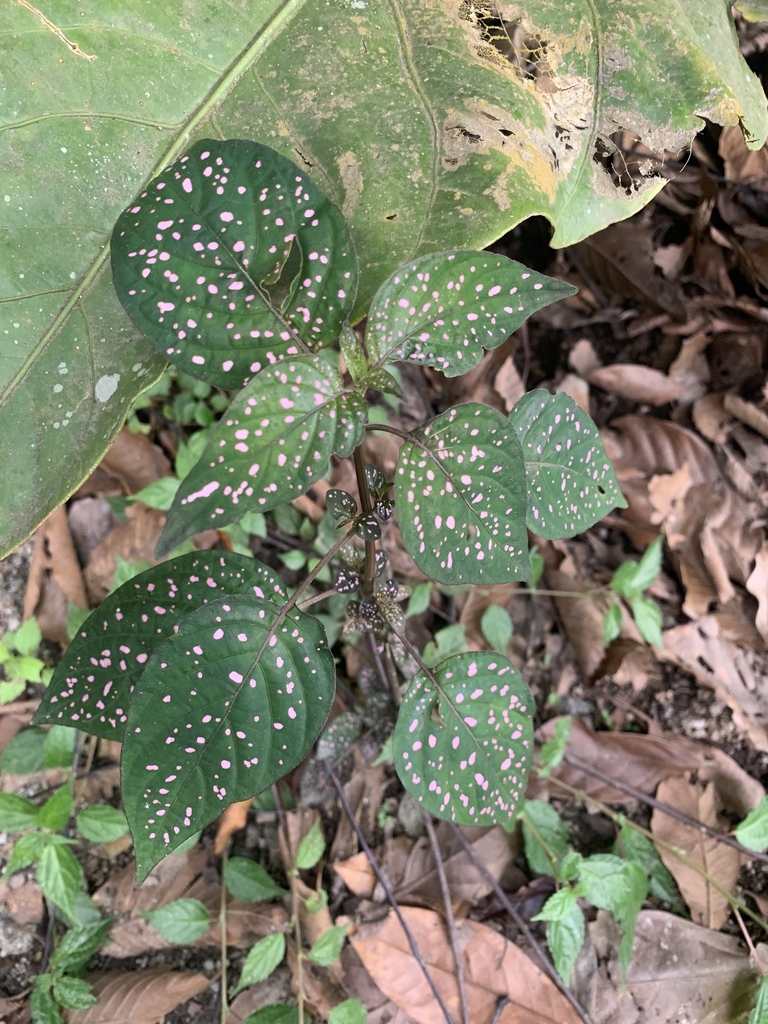
Polka Dot Plant
Confetti plant
Best for: Foliage first, flowers as a bonus: pet-safe and beginner-friendly
Elite tier: top-scoring on every measure
✓ Strong signal Non-toxic to cats and dogs. Verified per species, not assumed from its family
⚠ Watch out for Whole plant collapsed and limp: usually the pot dried out
Our take The polka dot plant is an easy, cheap, colourful little plant that is non-toxic to cats and dogs, which makes it a good pick for a pet household. Two things to know: it needs bright indirect light to keep its speckles (in shade it reverts towards plain green), and it wilts fast w
Strengths
- Flowers under the right conditions
- Non-toxic to cats and dogs
- Beginner-friendly and forgiving of missed waterings
Trade-offs
- Wants higher humidity than most homes provide
- Watch for: whole plant collapsed and limp
Care details
| Light | Bright indirect light; the speckling fades in shade and bleaches in direct sun |
| Water | Every 3-5 days; keep evenly moist and do not let the pot dry out fully |
| Humidity | 50%+ preferred; browning leaf tips are the first sign the air is too dry |
| Temperature | 18-27°C (65-80°F); keep above 13°C (55°F) |
| Toxicity | Non-toxic to cats, dogs and humans |
| US price | $5–$12 |
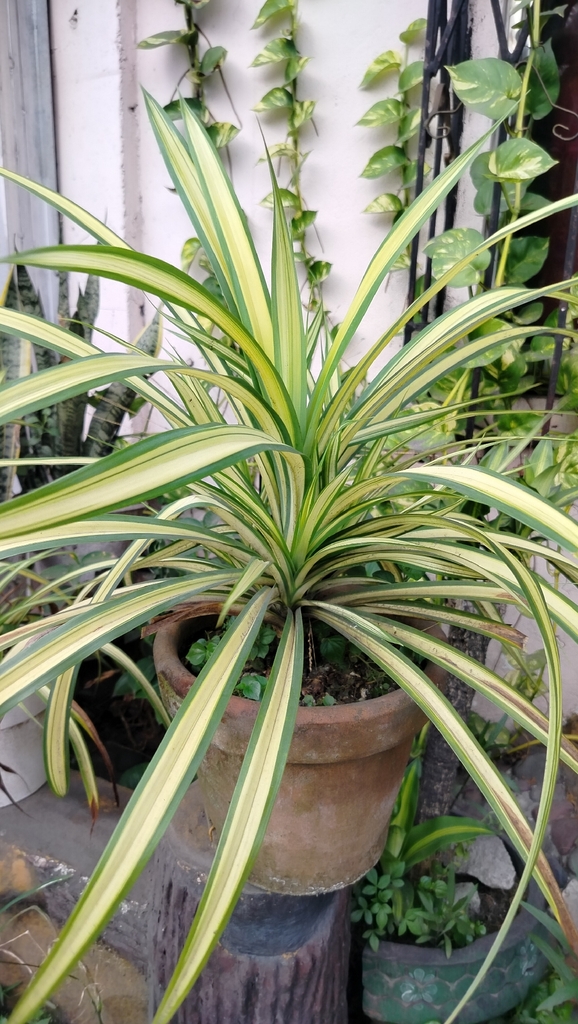
Spider Plant
Chlorophytum comosum
Best for: Foliage first, flowers as a bonus: pet-safe and beginner-friendly
Elite tier: top-scoring on every measure
✓ Strong signal Non-toxic to cats and dogs. Verified per species, not assumed from its family
⚠ Watch out for Brown leaf tips: usually fluoride/chlorine in tap water, or fertilizer salt buildup
Our take Spider plant is pet-safe, tolerant of neglect, and multiplies itself. Mature plants send out runners covered in ready-to-root plantlets.
Strengths
- Flowers under the right conditions
- Non-toxic to cats and dogs
- Beginner-friendly and forgiving of missed waterings
Trade-offs
- Watch for: brown leaf tips
Care details
| Light | Bright, indirect light ideal; tolerates medium light; direct sun scorches |
| Water | Every 5-8 days; let the top few centimeters dry between waterings |
| Humidity | Any household humidity |
| Temperature | 13-27°C (55-80°F); tolerates cool rooms well |
| Toxicity | Non-toxic to cats and dogs |
| US price | $8–$20 |
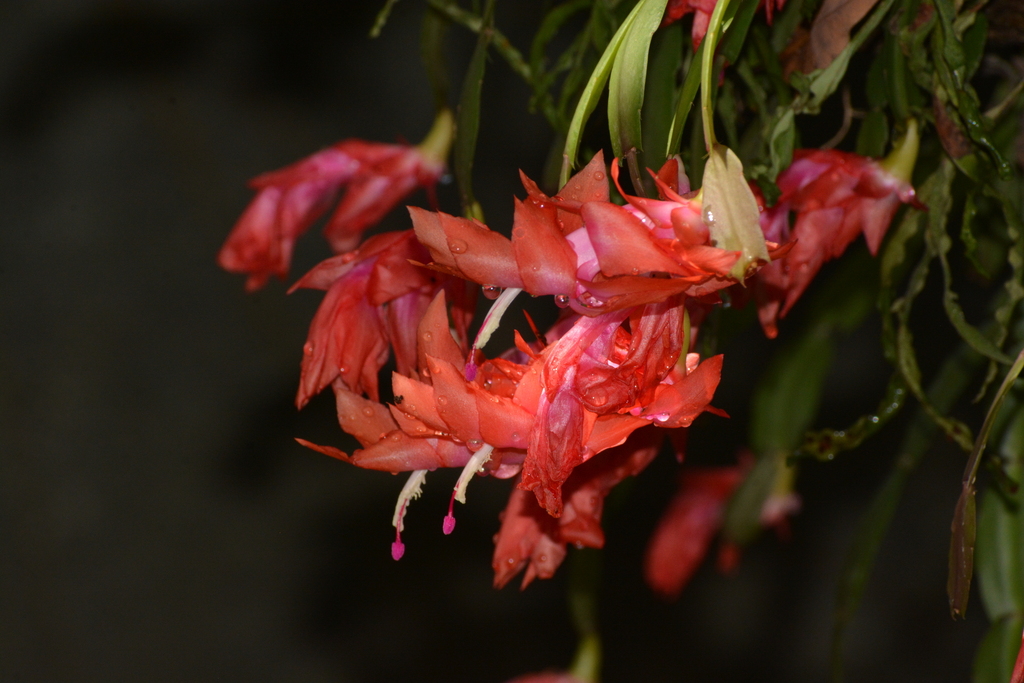
Christmas Cactus
Schlumbergera bridgesii
Best for: Foliage first, flowers as a bonus: pet-safe and beginner-friendly
Strong pick: one clear trade-off
✓ Strong signal Non-toxic to cats and dogs. Verified per species, not assumed from its family
⚠ Watch out for Flower buds dropping before opening: usually sudden temperature changes, drafts, or being moved during bud set
Our take Christmas cactus needs bright indirect light, water when the top inch of soil is dry, and a period of shorter days and cooler nights in autumn to trigger its winter blooms. Unlike desert cacti, it's an epiphyte that prefers more humidity and consistent moisture.
Strengths
- Flowers under the right conditions
- Non-toxic to cats and dogs
- Beginner-friendly and forgiving of missed waterings
Trade-offs
- Watch for: flower buds dropping before opening
Care details
| Light | Bright, indirect light year-round; avoid direct hot sun |
| Water | Every 7-10 days; water when the top inch of soil is dry |
| Humidity | 40%+ preferred, higher than typical desert cacti |
| Temperature | 18-24°C (65-75°F) most of the year; cooler nights (10-15°C/50-59°F) in autumn trigger blooming |
| Toxicity | Non-toxic to cats, dogs, and humans |
| US price | $12–$25 |

Orchid Cactus
Dutchman's pipe cactus
Best for: Foliage first, flowers as a bonus: pet-safe and beginner-friendly
Strong pick: one clear trade-off
✓ Strong signal Non-toxic to cats and dogs. Verified per species, not assumed from its family
⚠ Watch out for Healthy plant that never flowers: usually no cool dry winter rest, too little light, or the plant is simply too young
Our take The orchid cactus is a jungle epiphyte, not a desert plant: it grows on tree branches in humid forest, so it wants a bark-based mix, bright indirect light and more water than a normal cactus. Its reward is the flower.
Strengths
- Flowers under the right conditions
- Non-toxic to cats and dogs
- Beginner-friendly and forgiving of missed waterings
Trade-offs
- Wants higher humidity than most homes provide
- Watch for: healthy plant that never flowers
Care details
| Light | Bright indirect light; direct midday sun yellows and scorches the stems |
| Water | Every 7-10 days in growth; water when the top few centimetres dry, and reduce sharply in winter |
| Humidity | 50-60% preferred, reflecting its forest origins |
| Temperature | 18-27°C (65-80°F) in growth; a 10-15°C (50-59°F) winter rest triggers flowering |
| Toxicity | Non-toxic to cats, dogs and humans |
| US price | $15–$40 |
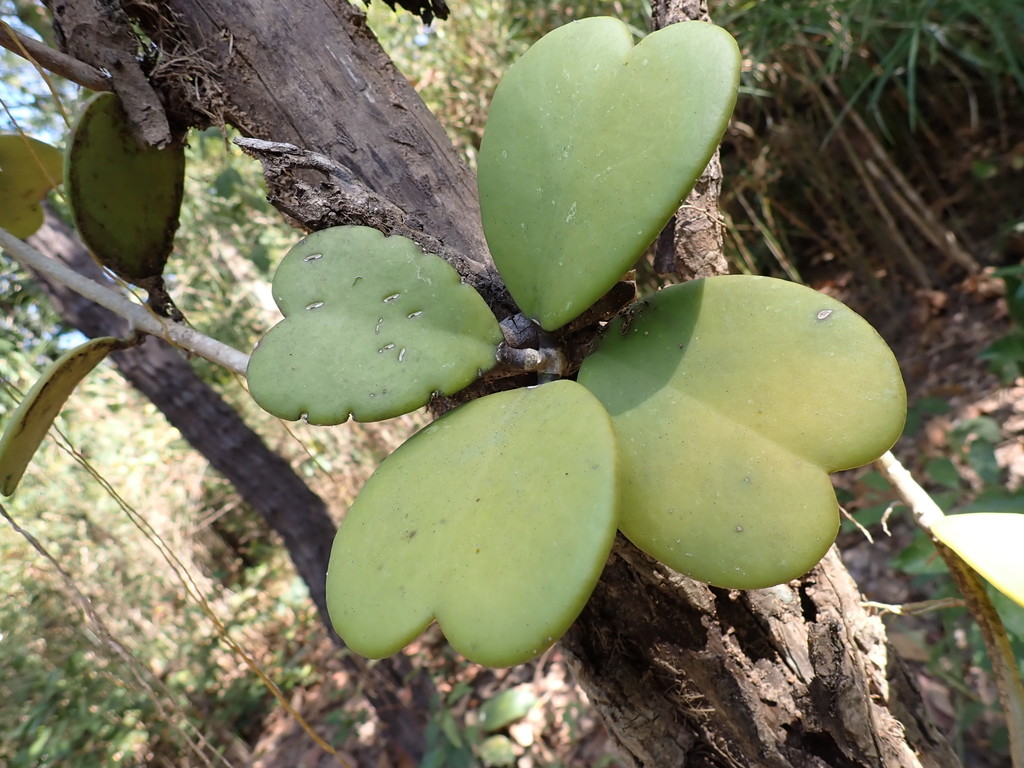
Hoya Kerrii
Lucky heart
Best for: Foliage first, flowers as a bonus, in a home with pets
Strong pick: one clear trade-off
✓ Strong signal Non-toxic to cats and dogs. Verified per species, not assumed from its family
⚠ Watch out for Single leaf healthy but never grows: usually no stem node. the leaf physically cannot produce a vine
Our take The single most important fact: a single-leaf 'sweetheart' hoya sold in a little pot usually has NO stem node. It will root and stay alive for years, but it will never grow a vine or a second leaf.
Strengths
- Flowers under the right conditions
- Non-toxic to cats and dogs
- Inexpensive to start ($8–$40 in the US)
Trade-offs
- Wants higher humidity than most homes provide
- Watch for: single leaf healthy but never grows
Care details
| Light | Bright indirect light with some gentle direct sun. More light than most hoyas; too dark and it simply stops |
| Water | Every 2-3 weeks, only when the mix is fully dry and leaves lose a little firmness |
| Humidity | 40-60% ideal; tolerates average homes thanks to succulent leaves |
| Temperature | 18-30°C (65-86°F); keep above 10°C (50°F) |
| Toxicity | Non-toxic to cats and dogs |
| US price | $8–$40 |
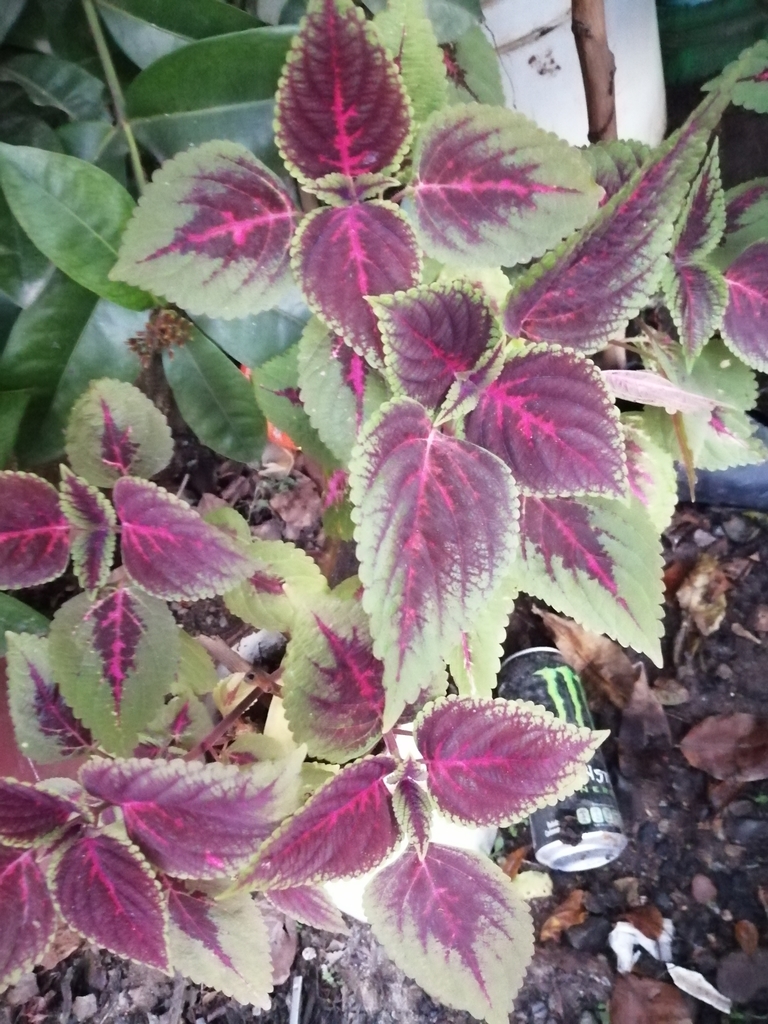
Coleus
Painted nettle
Best for: Foliage first, flowers as a bonus: forgiving of mistakes
Strong pick: one clear trade-off
✓ Strong signal Care difficulty: Beginner-friendly; roots in water within about a week
⚠ Watch out for Tall bare stems with leaves only at the tips: usually insufficient light, or no pinching
Our take Coleus is fast, cheap and colourful, and it is one of the easiest plants to propagate: a cutting in a glass of water roots in about a week. Indoors it needs a bright spot and steady moisture, and it wants pinching every few weeks or it turns leggy and flowers, at which point the
Strengths
- Flowers under the right conditions
- Beginner-friendly and forgiving of missed waterings
- Inexpensive to start ($4–$12 in the US)
Trade-offs
- Toxic to pets if chewed
- Wants higher humidity than most homes provide
- Watch for: tall bare stems with leaves only at the tips
Care details
| Light | Bright indirect light indoors, with some direct morning sun; deep colours need good light, but hot afternoon sun scorches |
| Water | Every 3-5 days; keep evenly moist, as it wilts dramatically when dry |
| Humidity | 40-60% preferred; average indoor air is usually acceptable |
| Temperature | 18-27°C (65-80°F); frost-tender and damaged below 10°C (50°F) |
| Toxicity | Toxic to cats and dogs; sap may irritate human skin |
| US price | $4–$12 |
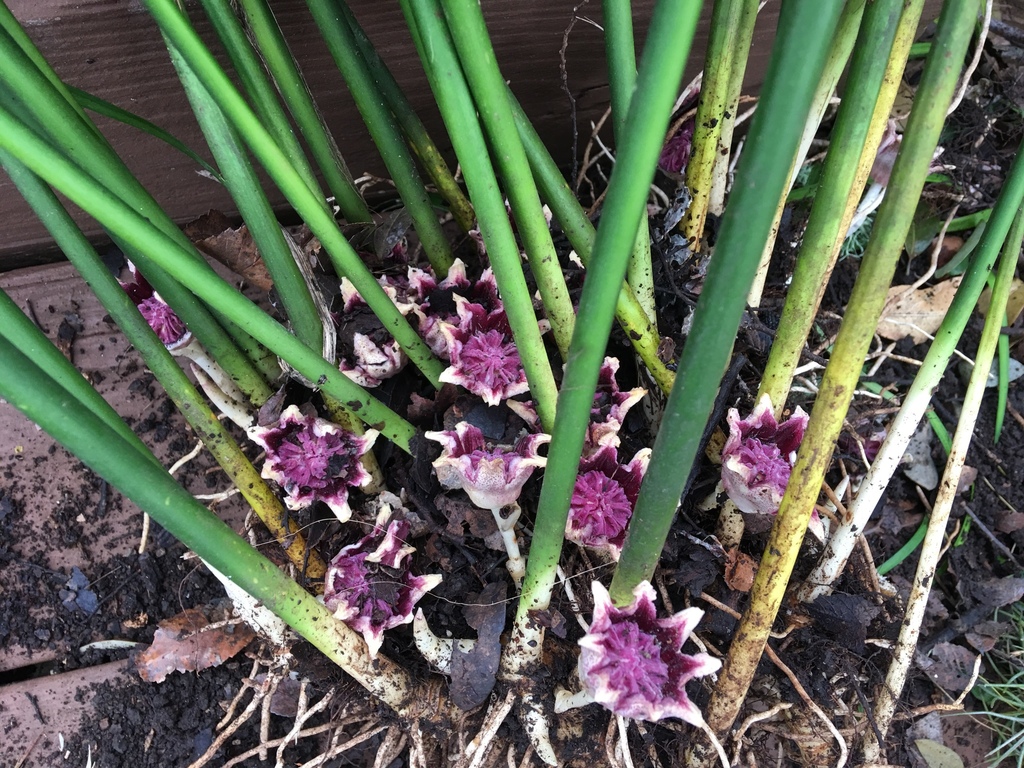
Cast Iron Plant
Haran / baran (Japanese)
Best for: Foliage first, flowers as a bonus, in a home with pets
Strong pick: one clear trade-off
✓ Strong signal Non-toxic to cats and dogs. Verified per species, not assumed from its family
⚠ Watch out for Brown, scorched patches on leaves: usually direct sunlight. the one thing this shade plant genuinely can't take
Our take Cast iron plant earns its name: it tolerates deep shade, dry air, cool rooms, and forgotten waterings better than virtually any other houseplant. Water when the top half of the soil dries, keep it out of direct sun, and accept that it grows slowly.
Strengths
- Flowers under the right conditions
- Non-toxic to cats and dogs
- Inexpensive to start ($15–$40 in the US)
Trade-offs
- Watch for: brown, scorched patches on leaves
Care details
| Light | Low to medium indirect light; deep shade tolerated; direct sun bleaches and scorches the leaves |
| Water | When the top half of the soil is dry. Every 1-2 weeks in summer, monthly in winter |
| Humidity | Anything: dry air is no problem |
| Temperature | 7-29°C (45-85°F); one of the most cold-tolerant common houseplants |
| Toxicity | Non-toxic to cats and dogs |
| US price | $15–$40 |
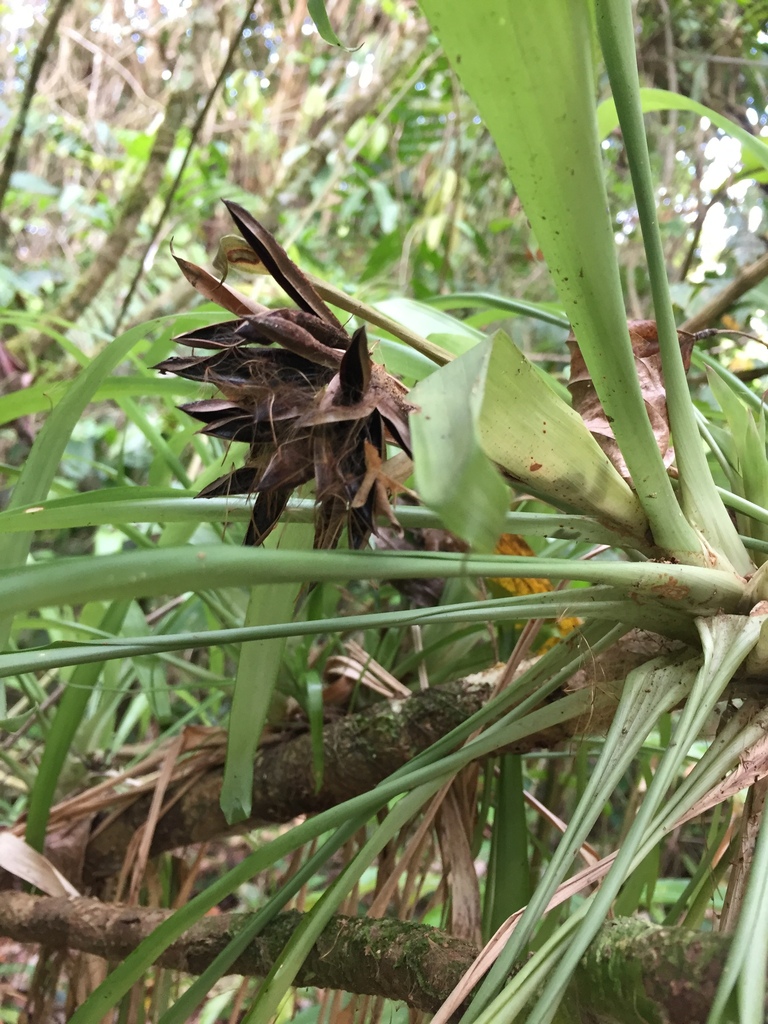
Guzmania
Guzmania lingulata
Best for: Foliage first, flowers as a bonus, in a home with pets
Strong pick: one clear trade-off
✓ Strong signal Non-toxic to cats and dogs. Verified per species, not assumed from its family
⚠ Watch out for Mother plant declining after bloom: usually natural monocarpic life cycle. every bromeliad does this
Our take Guzmania is watered mainly through the central cup (tank) formed by its leaves. Keep it a quarter full with filtered water, flushed monthly.
Strengths
- Flowers under the right conditions
- Non-toxic to cats and dogs
- Inexpensive to start ($12–$30 in the US)
Trade-offs
- Wants higher humidity than most homes provide
- Watch for: mother plant declining after bloom
Care details
| Light | Bright, indirect light; direct sun bleaches the leaves |
| Water | Keep central cup ¼ full with filtered/rain water; flush and refill monthly. Lightly moisten the mix weekly |
| Humidity | 50%+ preferred: a bright bathroom is ideal |
| Temperature | 18-27°C (65-80°F); avoid below 13°C (55°F) |
| Toxicity | Non-toxic to cats, dogs, and humans |
| US price | $12–$30 |
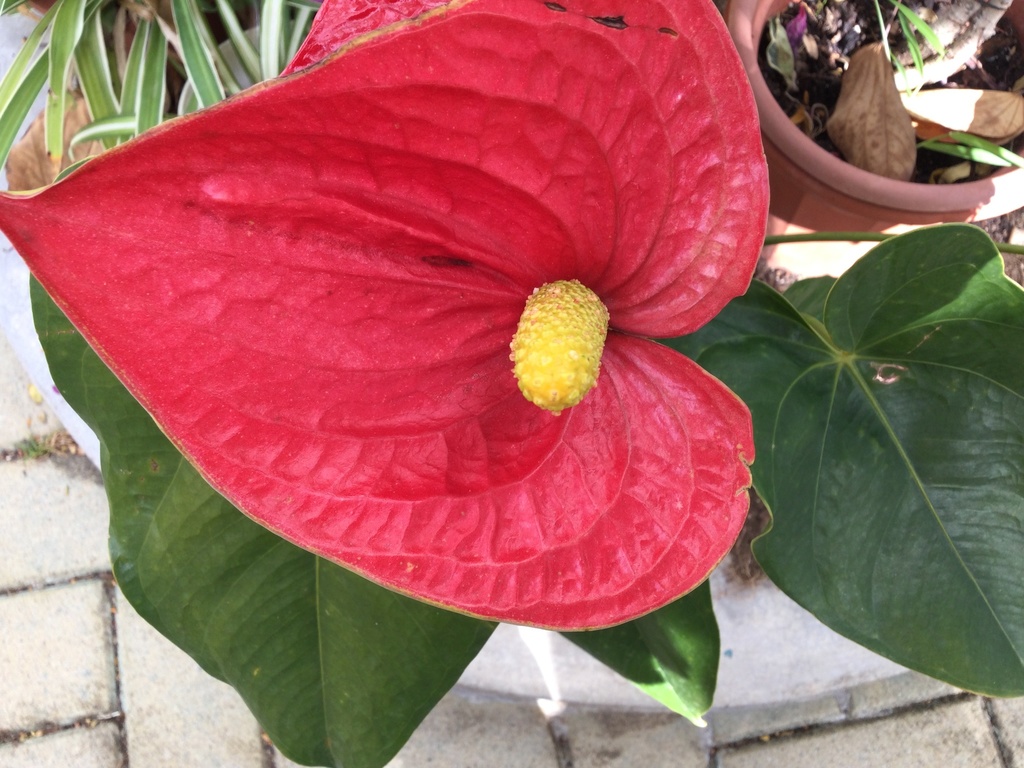
Anthurium (Flamingo Flower)
Laceleaf
Best for: Foliage first, flowers as a bonus: forgiving of mistakes
Strong pick: one clear trade-off
✓ Strong signal Care difficulty: Moderate: divisions establish reliably; keep warm and humid
⚠ Watch out for No flowers, just leaves, for months: usually not enough light. the most common anthurium complaint
Our take Anthurium is the easiest way to keep real colour in the house year-round: bright indirect light, chunky orchid-style mix, water when the top few centimetres dry (about weekly), and it cycles through long-lasting red spathes continuously. The whole plant contains calcium oxalate c
Strengths
- Flowers under the right conditions
- Beginner-friendly and forgiving of missed waterings
- Inexpensive to start ($15–$40 in the US)
Trade-offs
- Toxic to pets if chewed
- Wants higher humidity than most homes provide
- Watch for: no flowers, just leaves, for months
Care details
| Light | Bright indirect light for reliable blooming; tolerates medium light but flowers taper off; no harsh direct sun |
| Water | About weekly; water when the top 2-3cm of mix is dry, and let it drain fully |
| Humidity | 50%+ preferred; tolerates average homes but leaf tips brown in very dry air |
| Temperature | 18-29°C (65-85°F); keep above 15°C (60°F); hates cold drafts |
| Toxicity | Toxic to cats, dogs, and humans (calcium oxalate crystals in all parts) |
| US price | $15–$40 |
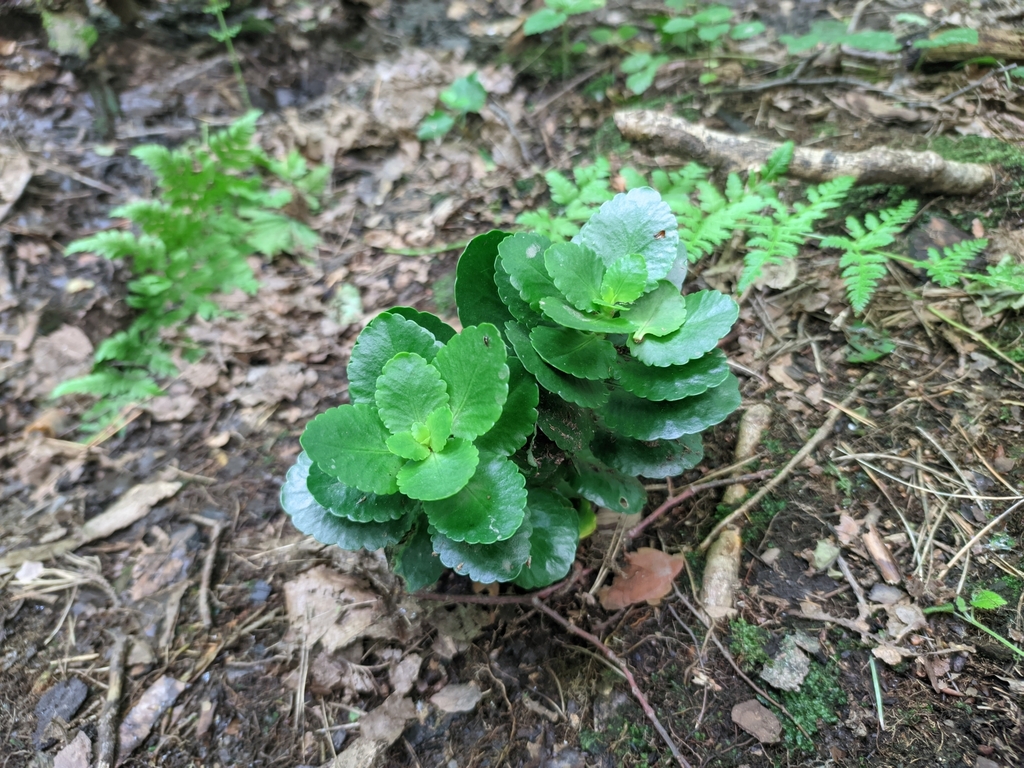
Kalanchoe
Kalanchoe blossfeldiana
Best for: Wanting actual flowers, not just foliage
Situational: works if the trade-offs suit you
✓ Strong signal Light tolerance: Bright light, including some direct sun; low light prevents flowering
⚠ Watch out for Soft, mushy leaves and stems: usually overwatering. the most common failure mode
Our take Kalanchoe is a compact, drought-tolerant succulent that flowers heavily in bright light. Water only when the soil is fully dry, since its thick leaves store water and rot easily if overwatered.
Strengths
- Blooms reliably rather than occasionally
- Inexpensive to start ($8–$18 in the US)
Trade-offs
- Toxic to pets if chewed
- Fussier than average: not a starter plant
- Watch for: soft, mushy leaves and stems
Care details
| Light | Bright light, including some direct sun; low light prevents flowering |
| Water | Every 10-14 days; let soil dry out fully between waterings |
| Humidity | Tolerates low humidity well, typical of a succulent |
| Temperature | 18-27°C (65-80°F); avoid below 10°C (50°F) |
| Toxicity | Toxic to cats and dogs if ingested, contains cardiac glycosides |
| US price | $8–$18 |
Peperomia 'Rosso'
Red Ripple Peperomia
Best for: Foliage first, flowers as a bonus, in a home with pets
Situational: works if the trade-offs suit you
✓ Strong signal Non-toxic to cats and dogs. Verified per species, not assumed from its family
⚠ Watch out for Red undersides fade to a dull green-bronze: usually insufficient light. anthocyanin production needs bright conditions
Our take Rosso is the red-undersided sibling of Peperomia 'Frost', same species, opposite colouring. Its red pigment is anthocyanin, which develops properly only in bright indirect light, so a Rosso grown too dark has dull greenish undersides and stretched stalks.
Strengths
- Flowers under the right conditions
- Non-toxic to cats and dogs
- Inexpensive to start ($8–$22 in the US)
Trade-offs
- Fussier than average: not a starter plant
- Wants higher humidity than most homes provide
- Watch for: red undersides fade to a dull green-bronze
Care details
| Light | Bright indirect light. This directly controls the red intensity: dim light gives dull bronze undersides, direct midday sun scorches the leaves |
| Water | Every 7-14 days, only when the top half of the pot is dry. Water at the soil line, never into the crowded rosette |
| Humidity | 40-50%; ordinary room humidity is adequate |
| Temperature | 18-26°C (65-79°F); keep above 12°C |
| Toxicity | Non-toxic to cats, dogs and humans |
| US price | $8–$22 |
Peace Lily
Spathiphyllum wallisii
Best for: Foliage first, flowers as a bonus
Situational: works if the trade-offs suit you
✓ Strong signal Care difficulty: Easy: separate crowns with roots attached
⚠ Watch out for Whole plant drooping: usually thirst. its trademark signal
Our take Peace lily thrives in low light where most flowering plants fail, and communicates clearly: it droops dramatically when thirsty and perks up within hours of watering. Keep soil lightly moist, expect white spathes in spring-summer, and note the white 'flower' is really a modified
Strengths
- Flowers under the right conditions
- Inexpensive to start ($12–$35 in the US)
Trade-offs
- Toxic to pets if chewed
- Wants higher humidity than most homes provide
- Watch for: whole plant drooping
Care details
| Light | Low to medium indirect light; more light means more flowers, but no direct sun |
| Water | Every 5-7 days; keep soil lightly moist. It wilts fast when dry but recovers |
| Humidity | 40-60% preferred; tolerates average homes |
| Temperature | 18-27°C (65-80°F); avoid below 13°C (55°F) |
| Toxicity | Toxic to cats and dogs if chewed |
| US price | $12–$35 |
Stop guessing whether that corner is bright enough
Sodate measures the actual light where your plant sits and builds its watering schedule from that reading and your season, not a fixed interval. Currently in development.
See Sodate: coming soonWhat to check before buying
- Ask where the plant was grown. Greenhouse-grown stock looks perfect for weeks on stored energy before it shows dim-room stress
- Check leaf spacing on the stem: wide gaps mean it was already stretching for light before you bought it
- Choose plain-green over variegated for genuinely dim spots. Variegated leaves have less chlorophyll and need more light
- Inspect leaf undersides and stem joints for pests, which spread faster on plants stressed by low light
- Confirm pet toxicity yourself if you have cats or dogs, rather than relying on shelf labels
Red flags to walk away from
- Flowering plants marketed as low-light. Flowering is energy-expensive and blooms are the first casualty of a dim room.
- Plants bought in full bloom with no buds behind the open flowers. You are buying the last week of a display.
- Forced or dyed blooms, common in orchids and bromeliads. The colour is not the plant's, and it will not repeat.
- Plants photographed in bright greenhouse conditions and sold for dim rooms. Ask how long the plant was grown under that light.
Best time to buy
Buy in bud, at the start of that plant's stated bloom season, which each profile lists. Buying at the end of a season means paying full price for the tail of a display.
Frequently asked questions
Why won't my plant flower?
Light, in the great majority of cases. After that, the wrong season, too much nitrogen fertiliser driving leaf growth at the expense of buds, or a plant not yet mature enough to bloom.
Should I buy a plant already in flower?
Buy one in bud rather than in full bloom. You get the whole display rather than its final week, and buds indicate the plant is happy enough to be setting them.
Do flowering plants need special fertiliser?
A high-phosphorus 'bloom' feed helps some species, but the more common problem is too much nitrogen, which pushes leafy growth instead of flowers. Follow the fertiliser row on each profile.
How do I judge the light in my room?
Look at the shadow cast on a bright day. A sharp-edged shadow means direct sun, a soft but definite shadow means bright indirect, and a barely visible shadow means low light.
Should I rotate my indoor plants?
Yes, a quarter turn every week or two. Indoor light is directional in a way outdoor light is not, and rotating prevents the lopsided growth that follows.
Limitations of this ranking
Stated plainly, so you can judge how much weight to give it:
- No physical testing. Nothing here was grown, timed or measured by us. Every score is computed from the structured care data on this site, which is compiled from the botanical and horticultural sources listed below.
- Prices are researched ranges, not live quotes. They are typical retail for a standard starter size and will drift. Each plant profile carries the regional breakdown for five countries.
- Scores are relative to this directory, which holds 208 profiles. A plant absent from the directory cannot appear here, so this is not a claim about every plant in existence.
- Care data is species-level. Your light, your water and your home will move any of these plants up or down more than the gap between adjacent ranks.
- No credentialed horticulturist has reviewed this. These pages are compiled and edited against a published rubric and cited sources. Where a claim matters, the source is linked below so you can check it rather than take it on authority. Our review panel page lists every section that has no expert reviewer yet and the credential we require to fill it.
Sources
Of the 208 plant profiles in this directory, 18 meet the entry bar for flowering indoor plants (9%). 11 of the 15 ranked here are non-toxic to cats and dogs, and the median entry price across the list is $12.
- ASPCA Toxic and Non-Toxic Plant List. Species-level toxicity to cats and dogs, used for every pet-safety score.
- GBIF (Global Biodiversity Information Facility). Accepted botanical names and taxon identifiers for every profile.
- iNaturalist. Source of the CC-licensed photographs, with photographer and licence credited per image.
- RHS Plant Finder. UK cultivation guidance, hardiness ratings and cultivar naming.
- Missouri Botanical Garden Plant Finder. Cross-checked culture notes, mature size and problem diagnosis.
Editorial disclosure: no plant on this page is sponsored, and Sodate takes no payment, commission or affiliate revenue for placement. Rankings are generated from the data by the scoring code in this site's repository, not chosen by hand. Published , last updated .