 Sodate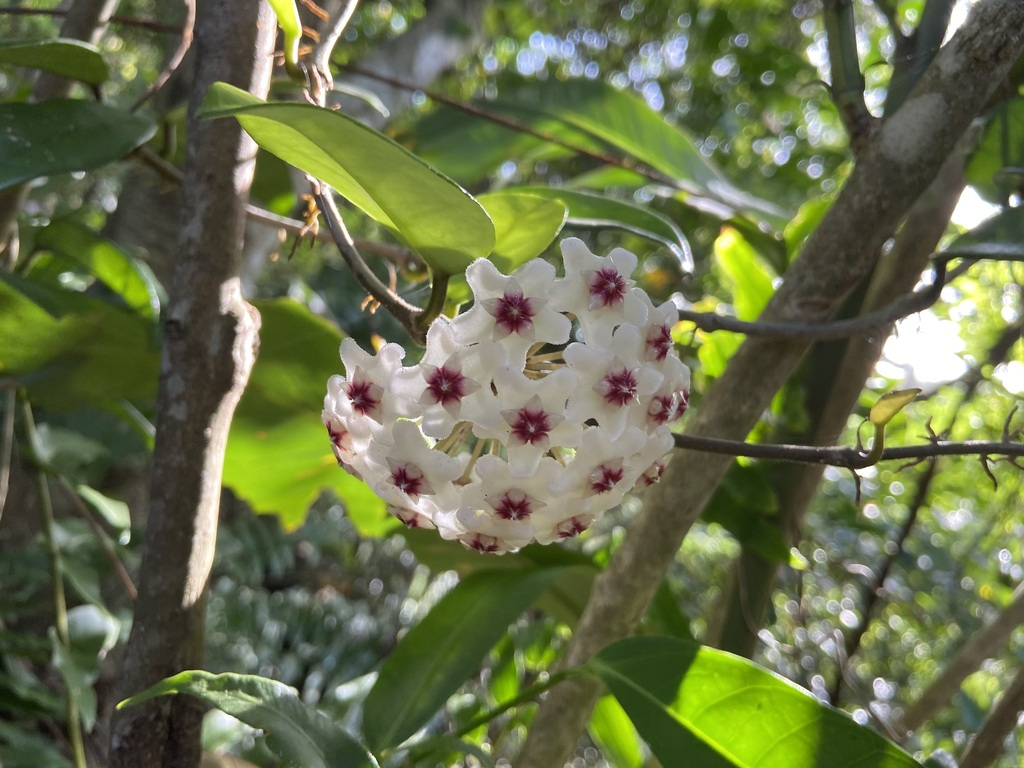
On this page
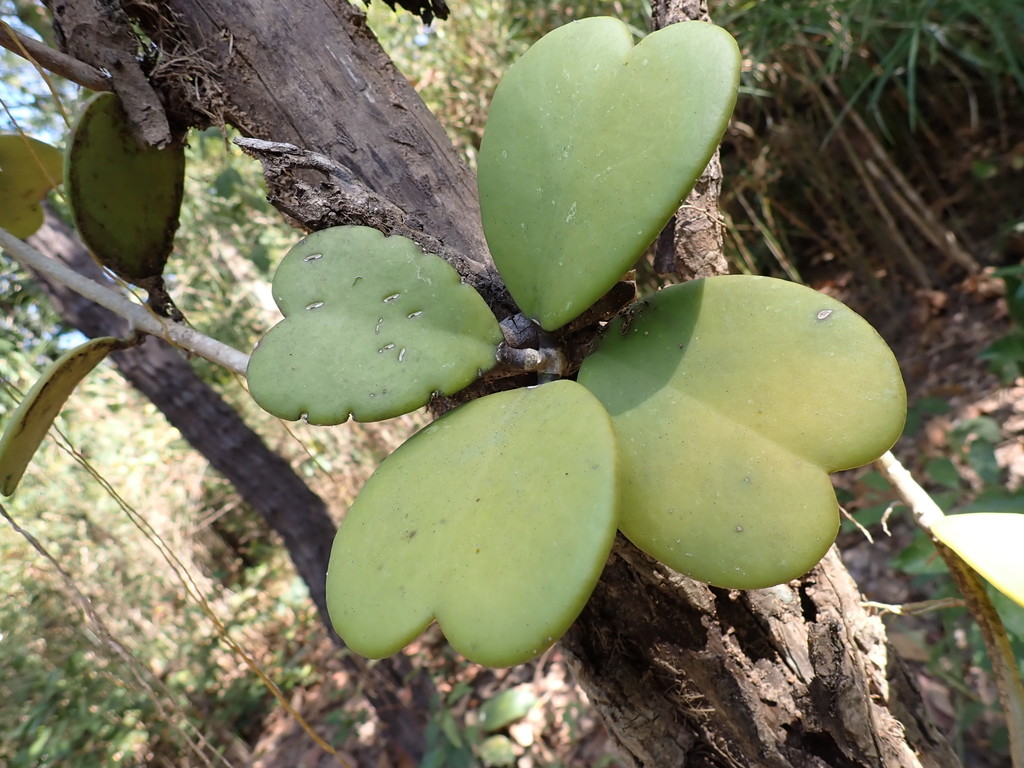
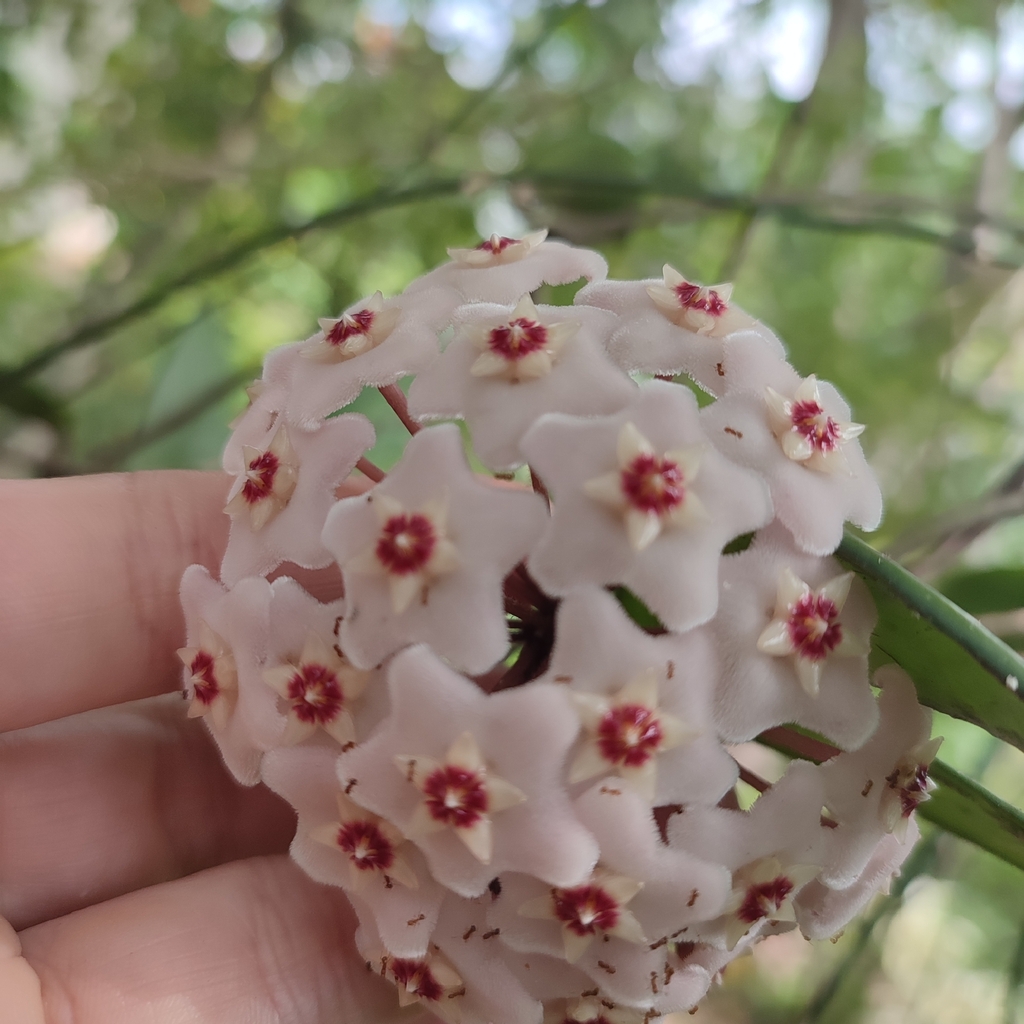
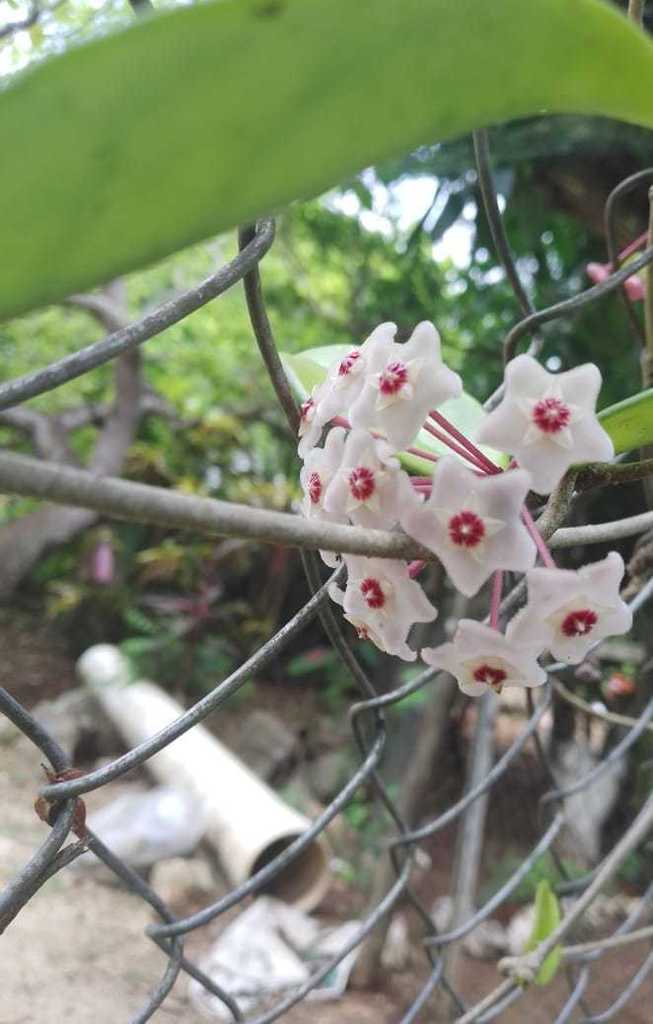
Hoya carnosa is a long-lived trailing vine with thick waxy leaves that flowers best when rootbound and slightly stressed. Water when the soil dries out fully, give it bright indirect light, and never cut off the leafless flower spurs. Blooms return on the same spurs year after year. Non-toxic to pets and typically costs $15-$40.
Key facts
- Native to East Asia and Australia, growing as an epiphytic vine on trees.
- Reblooms from the same woody spurs (peduncles) every year. Cutting off spent flower stems removes all future flowers from that spot.
- Flowers best when rootbound, and can take 2-3+ years to bloom for the first time.
- Non-toxic to cats and dogs, and can live for decades. Hoyas are commonly passed down through families.
Care requirements#
| Plant type | Indoor (can grow outdoors year-round in USDA 10-12) |
| Growing medium | Chunky, airy epiphyte mix. Orchid bark blended with potting soil |
| Light needs | Bright, indirect light; a little direct morning sun encourages blooming |
| Water frequency | Every 10-14 days; let soil dry out fully between waterings |
| Humidity | 40-60% preferred; tolerates average home humidity |
| Temperature range | 18-27°C (65-80°F); avoid below 13°C (55°F) |
| Fertilizer | Balanced liquid feed, half strength, monthly through spring-summer |
| Soil pH | 6.0-7.0 |
| Drainage needs | Very high. Epiphytic roots rot quickly in dense, wet soil |
| Pot recommendation | Small pot relative to plant size, being rootbound encourages flowering |
| Hardiness zone (outdoor) | USDA 10-12 |
| Toxicity | Non-toxic to cats and dogs |
Growth & propagation#
| Mature vine length | 2-4m indoors over years |
| Growth rate | Slow to moderate |
| Propagation methods | Stem cuttings with 1-2 nodes in water, sphagnum, or perlite |
| Propagation difficulty | Beginner-friendly: roots in 2-4 weeks |
| Repotting schedule | Every 3+ years only, it flowers best rootbound |
| Pruning needs | Minimal; never remove the leafless flower spurs (peduncles) |
Common problems & troubleshooting#
| Symptom | Likely cause | Fix |
|---|---|---|
| Never flowers | Insufficient light, too-frequent repotting, or plant still juvenile | More bright light with some morning sun, keep it rootbound, and be patient. First bloom can take 2-3 years |
| Buds form then drop before opening | Moving the plant or letting soil dry severely during bud development | Don't move or drought-stress the plant once buds appear |
| Yellowing, dropping leaves | Overwatering | Let soil dry fully; check roots and switch to a chunkier mix |
| Wrinkled, thin leaves | Underwatering or root problems | Water thoroughly; if soil is moist but leaves stay wrinkled, inspect roots |
| Cottony white clusters | Mealybugs. Hoya's most common pest | Wipe with isopropyl-alcohol swab; treat weekly with insecticidal soap |
Track the conditions that trigger blooming
Sodate logs your hoya's light and watering history so you can see exactly what changed the year it finally flowered.
Seasonal care#
Varieties & cultivars#
| Variety | Distinguishing trait | Note |
|---|---|---|
| 'Krimson Queen' | Cream-edged variegated leaves | Popular variegated form |
| 'Krimson Princess' | Cream-centered leaves with green margins | Reverse variegation of Krimson Queen |
| 'Compacta' (Hindu rope hoya) | Twisted, curled rope-like leaves | Distinctive form, slower growing |
| Standard Hoya carnosa | Plain green waxy leaves, pink flower clusters | The classic, most vigorous form |
Buying checklist#
- Leaves are firm and waxy, not wrinkled or yellowing
- Look for existing flower spurs (small leafless stubs). A plant with spurs will rebloom sooner
- No cottony mealybug clusters at leaf joints
- Rootbound plants are fine, even preferable for flowering
Pricing by region#
| Region | Price range | Typical unit | Basis |
|---|---|---|---|
| US | $15 – $40 | 6in pot or hanging basket | Nursery + big-box retail |
| UK | $12 – $32 | 14cm pot | Garden centre retail |
| India | $3 – $9 | 6in pot | Urban nursery + online |
| Australia | $14 – $38 | 150mm pot | Nursery + garden centre |
| Canada | $15 – $38 | 6in pot | Garden centre retail |
USD figures are approximate conversions for comparison; switch the dropdown to see each region's actual local-currency listing price.
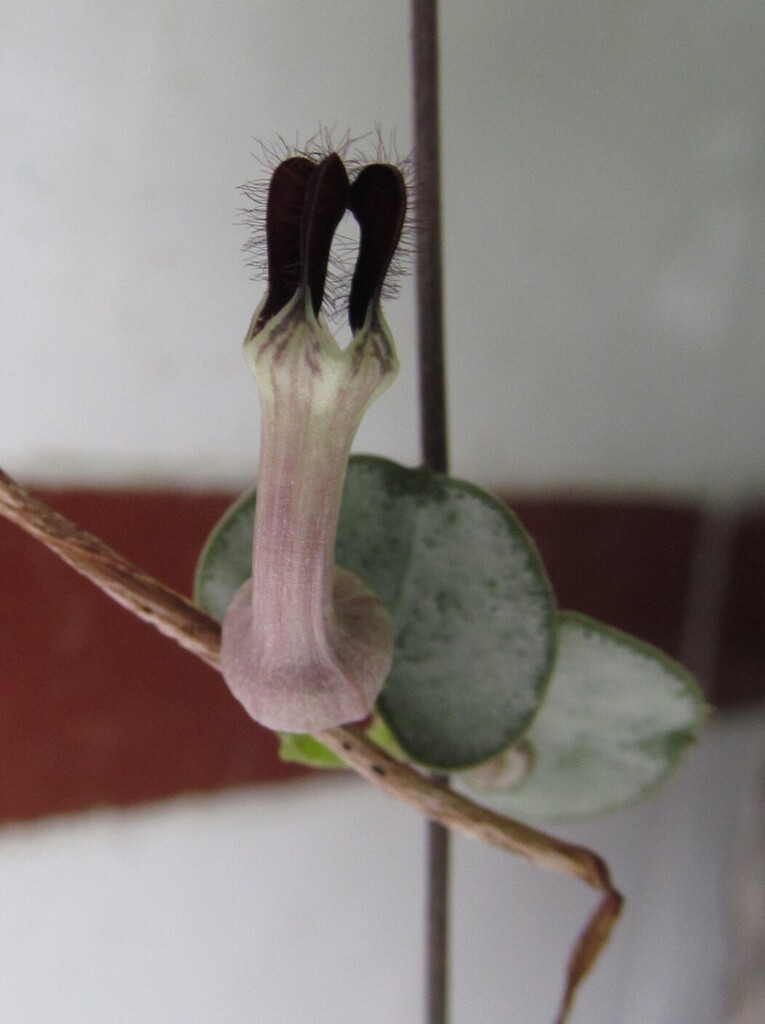
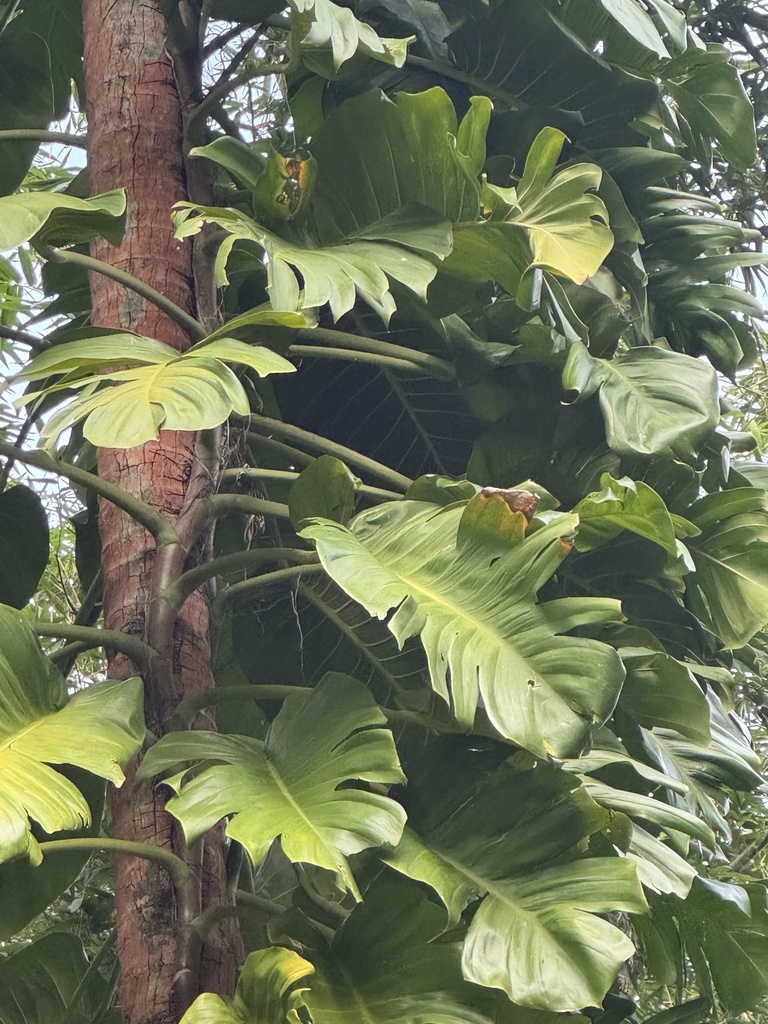
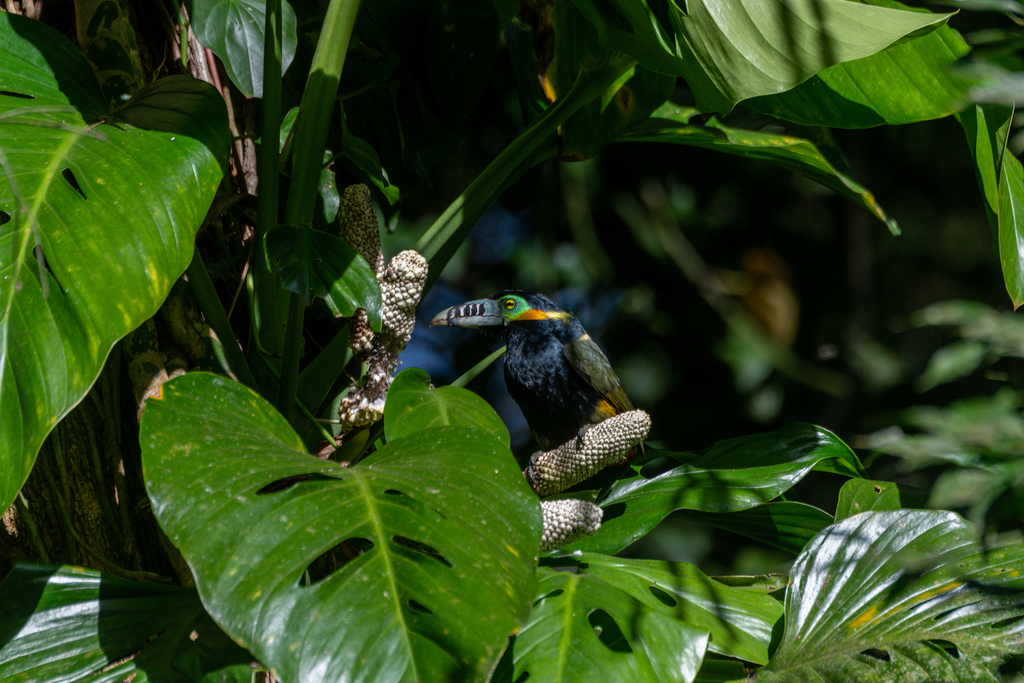
Often confused with#
Where it's actually grown#
Hoyas are propagated from cuttings in specialist nurseries concentrated in Thailand, the Philippines, and Florida. The deep collector market for rare hoya species operates largely through small specialist growers and imports rather than mass-market channels.
Import & biosecurity restrictions#
| Region | Note |
|---|---|
| Australia | Live plant imports restricted under biosecurity law; many hoya species available from domestic specialist growers. |
| US | Domestic sale unrestricted; personal imports of rare species from Asia require USDA phytosanitary paperwork. |
| UK | No specific restriction; imports from EU need phytosanitary certificates post-Brexit. |
| India | No restriction; native hoya species also grow wild in Northeast India. |
| Canada | CFIA permits required for commercial imports. |
Similar plants
Ranked in these guides
Did you know?
Frequently asked questions
Why won't my hoya flower?
Usually a combination of insufficient light, too much root space, and youth. Hoyas flower best rootbound, in bright light with some morning sun, and often not until 2-3 years old.
Should I cut off spent hoya flowers?
Remove only the dead flowers themselves, never the leafless spur they grew from. Hoyas rebloom from the same spurs every year.
Is hoya pet-safe?
Yes, hoya carnosa is non-toxic to cats and dogs.
How much does a hoya cost?
A standard 6-inch pot typically runs $15-$40 in the US; rare species and highly variegated forms can cost far more.
How often should I water hoya?
Every 10-14 days, letting the soil dry out completely between waterings. Its waxy leaves store water like a semi-succulent.