 Sodate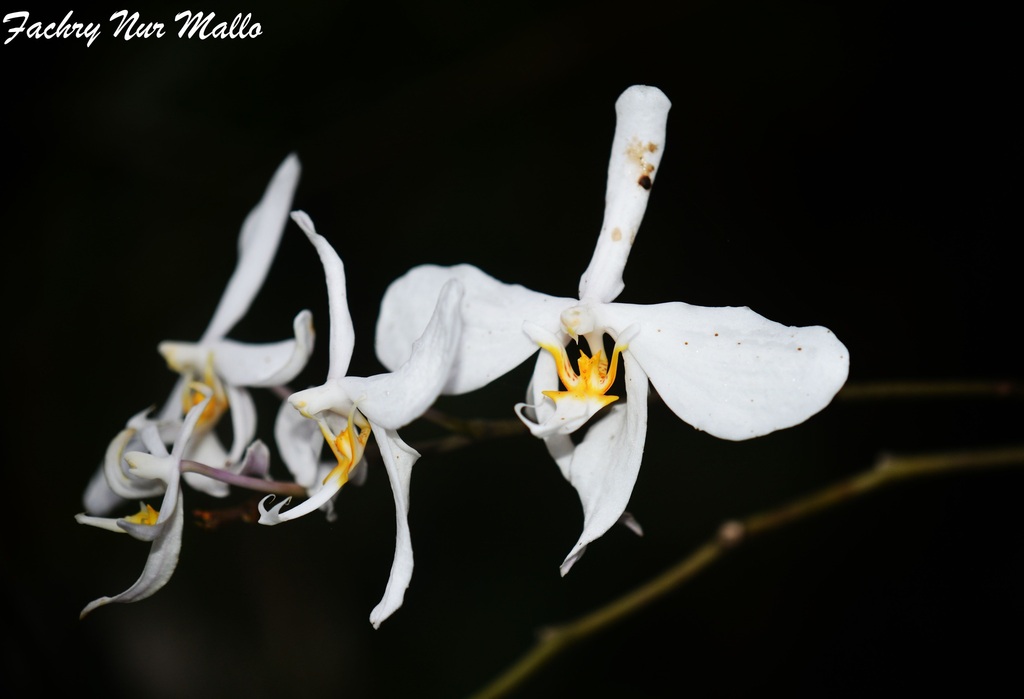
On this page
Moth orchids grow in bark, not soil. Repotting into regular potting mix kills them. Water thoroughly once a week letting the roots dry between, give bright indirect light, and expect blooms to last 2-4 months. After flowering, cut the spike above a node and it may rebloom. Non-toxic to pets and typically costs $15-$35.
Key facts
- An epiphyte that grows on tree bark in nature. Its thick silver-green roots photosynthesize and must never sit in dense, wet soil.
- Flower displays routinely last 2-4 months, the longest of any common flowering houseplant.
- The popular 'water with ice cubes' advice is a marketing simplification. Room-temperature water is closer to what a tropical epiphyte evolved with.
- Non-toxic to cats and dogs.
Care requirements#
| Plant type | Indoor epiphyte |
| Growing medium | Orchid bark mix or sphagnum moss, never regular potting soil |
| Light needs | Bright, indirect light; an east-facing window is ideal |
| Water frequency | Weekly: soak the bark thoroughly, then let roots dry to silvery-green before rewatering |
| Humidity | 50-70% preferred; tolerates average home humidity with good watering habits |
| Temperature range | 18-29°C (65-85°F); a 5-8°C night drop in autumn helps trigger reblooming |
| Fertilizer | Orchid-specific feed at quarter strength, weekly-weakly through active growth |
| Soil pH | 5.5-6.5 (bark medium) |
| Drainage needs | Absolute: roots must dry between waterings; standing water is fatal |
| Pot recommendation | Clear plastic orchid pot inside a decorative cachepot. Clear walls let you monitor root health |
| Hardiness zone (outdoor) | Not grown outdoors except in humid tropics |
| Toxicity | Non-toxic to cats, dogs, and humans |
Growth & propagation#
| Mature size | 30-60cm tall in bloom |
| Growth rate | Slow: one to two new leaves per year |
| Propagation methods | Keikis (baby plants on flower spikes). Rare on healthy plants; division not applicable |
| Propagation difficulty | Difficult for home growers; most people buy rather than propagate |
| Repotting schedule | Every 1-2 years when bark breaks down, after flowering ends |
| Pruning needs | After blooms drop, cut the spike above the second node for possible reblooming, or at the base for stronger future flowering |
Common problems & troubleshooting#
| Symptom | Likely cause | Fix |
|---|---|---|
| Roots turning brown and mushy | Overwatering or planted in soil instead of bark | Repot into fresh orchid bark, trim dead roots, water only when roots turn silvery |
| Wrinkled, leathery leaves | Underwatering or root loss | Check root health; if roots are plump, increase watering frequency slightly |
| Buds shrivel and drop before opening | Bud blast from temperature swings, drafts, or ethylene from nearby fruit | Keep away from drafts, heating vents, and fruit bowls once budded |
| No reblooming | Insufficient light or missing autumn night-temperature drop | Brighter indirect light; move to a cooler room (night drop of 5-8°C) for a few weeks in autumn |
| Limp, floppy leaves | Root rot from waterlogged medium | Unpot, trim rotten roots, repot in fresh bark, hold off watering a week |
Never guess when to water this again
Sodate reads your actual light and season, then builds this orchid's watering quests around them, not a fixed schedule.
Seasonal care#
Varieties & cultivars#
| Variety | Distinguishing trait | Note |
|---|---|---|
| Standard hybrids | Large blooms in white, pink, purple, spotted | The supermarket staple, bred for bloom size and longevity |
| Mini phalaenopsis | Compact plants with smaller flowers | Good for small spaces, same care |
| Novelty/fragrant types | Scented species crosses like P. bellina hybrids | Collector segment, often pricier |
Buying checklist#
- Roots visible in the clear pot are plump and green-silver, not brown and mushy
- Leaves are firm and leathery, not wrinkled or limp
- Some buds still unopened. You get months more bloom than a fully open plant
- Bark medium is intact, not degraded into mush
Pricing by region#
| Region | Price range | Typical unit | Basis |
|---|---|---|---|
| US | $15 – $35 | Blooming plant, 5in pot | Supermarket + garden centre retail |
| UK | $12 – $28 | 12cm pot in bloom | Supermarket + garden centre retail |
| India | $6 – $18 | Blooming plant | Urban nursery + online |
| Australia | $14 – $33 | Blooming plant | Nursery + supermarket retail |
| Canada | $15 – $33 | Blooming plant, 5in pot | Supermarket + garden centre |
USD figures are approximate conversions for comparison; switch the dropdown to see each region's actual local-currency listing price.
Often confused with#
Where it's actually grown#
Nearly all retail moth orchids are cloned in vast tissue-culture labs in Taiwan and the Netherlands, Taiwan alone exports tens of millions annually, then grown out and force-bloomed in climate-controlled greenhouses before shipping to supermarkets worldwide.
Import & biosecurity restrictions#
| Region | Note |
|---|---|
| Australia | Live plant imports restricted under biosecurity law; wide domestic availability. CITES rules apply to wild-collected orchid species (not commercial hybrids). |
| US | Commercial hybrids unrestricted domestically; all orchids are CITES-listed, so international personal imports need permits. |
| UK | CITES applies to international orchid trade; commercial hybrids from EU need phytosanitary certificates post-Brexit. |
| India | Wild orchid collection is restricted under Indian law; commercial hybrids freely sold. |
| Canada | CITES + CFIA rules for imports; commercial hybrids widely available domestically. |
Similar plants
Ranked in these guides
Did you know?
Frequently asked questions
Should I water my orchid with ice cubes?
It's a marketing simplification that works as a rough dosing guide, but room-temperature water is closer to what a tropical epiphyte evolved with. Soak the bark weekly and let it drain fully instead.
How much does a phalaenopsis orchid cost?
A blooming plant typically runs $15-$35 in the US, remarkably cheap given each plant represents 2-3 years of lab and greenhouse production.
Is phalaenopsis pet-safe?
Yes, moth orchids are non-toxic to cats and dogs.
Will my orchid rebloom?
Yes, with bright indirect light and a few weeks of cooler nights in autumn; cut the old spike above the second node or at the base after flowering.
Why can't I plant my orchid in potting soil?
It's an epiphyte whose roots need air circulation. Dense soil suffocates and rots them within weeks. Always use orchid bark or sphagnum.