 Sodate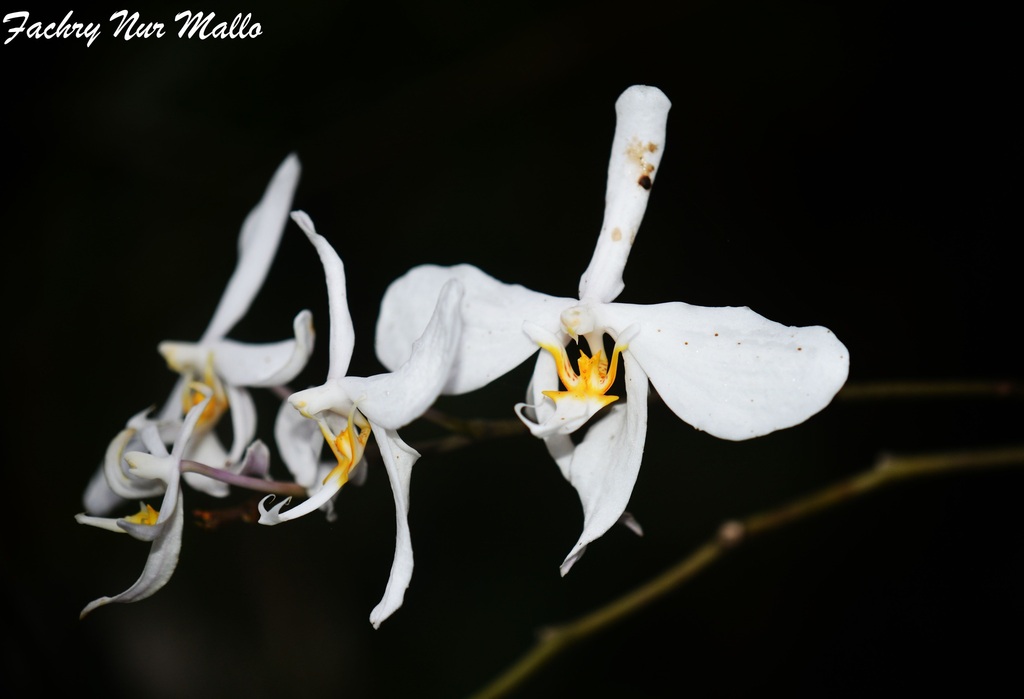
On this page
Mounting flips phalaenopsis care upside down: rot becomes nearly impossible, but drying out becomes the daily risk. Strap the orchid bare-root to cork or hardwood with a small sphagnum pad, hang it in bright indirect light and 50-70% humidity, and drench the roots every 1-2 days (daily in summer) until they turn green. It's the closest thing to how the plant grows wild. And unlike potted culture, you can't overwater it. Pet-safe. Expect $25-$70 for an established mount.
Key facts
- In the wild, Phalaenopsis amabilis grows on tree trunks in Southeast Asian rainforests. Roots fully exposed to air, rain, and light. A pot is the artificial condition; the mount is the natural one.
- The silvery root coating (velamen) absorbs water in minutes and shows hydration at a glance: silver means dry, green means watered.
- Mounted roots dry within hours, so root rot, the top killer of potted phals, essentially disappears; dehydration replaces it as the main risk.
- Aerial roots photosynthesize, so a mounted phal's roots contribute energy, not just water uptake.
- Non-toxic to cats and dogs, like all phalaenopsis.
Care requirements#
| Plant type | Epiphytic orchid, mounted bare-root (indoor; outdoors year-round only in USDA 10-12) |
| Mounting medium | Cork bark, hardwood slab, or tree-fern plaque with a thin pad of sphagnum moss behind the roots; leaves angled downward so water sheds from the crown |
| Light needs | Bright indirect light. An east window or 30-50cm from a bright window; no hot midday sun on the leaves |
| Watering method | Drench roots at a sink or with a spray bottle until velamen turns green, every 1-2 days; soak the whole mount 10-15 minutes weekly in dry homes |
| Watering signal | Silvery-white roots = water now; green roots = hydrated |
| Humidity | 50-70%: the make-or-break factor for mounts; use a humidifier, orchidarium, or bright bathroom in dry climates |
| Air circulation | Constant gentle airflow keeps the crown dry and roots healthy |
| Water quality | Rain, RO, or low-mineral tap water; water in the morning so the crown dries by night |
| Temperature range | 18-29°C (65-85°F); a 5°C night drop in autumn helps trigger flower spikes |
| Fertilizer | Weakly, weekly: 1/4-strength orchid feed in the drench during growth; flush plain water every few weeks |
| Remounting | Rarely needed: only if the mount rots; the orchid can outlive the slab |
| Toxicity | Non-toxic to cats, dogs, and humans |
Growth & propagation#
| Mature size | 20-35cm leafspan; flower spikes 30-60cm, arching downward naturally on a mount |
| Growth rate | Slow: 1-2 new leaves a year; roots run enthusiastically across the mount |
| Bloom cycle | Once a year (often winter-spring); sprays of white flowers lasting 2-3 months |
| Propagation methods | Keikis (plantlets) on old flower spikes. Leave until they have 3+ roots, then mount separately |
| Propagation difficulty | Moderate: keikis are occasional and take years to bloom |
| Establishment | Freshly mounted plants take 2-4 months to grip the slab with new roots |
Common problems & troubleshooting#
| Symptom | Likely cause | Fix |
|---|---|---|
| Leaves limp and leathery, roots shriveled and grey | Dehydration. The default failure mode of mounts, from missed drenches or low humidity | Soak the whole mount 15-30 minutes, then move to daily drenching and raise humidity; leaves replump over weeks |
| New roots grow away from the slab into the air | Normal for a mount. But if none grip the slab, the moss pad is staying too dry | Keep the sphagnum pad just moist during establishment so roots are drawn to it |
| Crown turning black and soft | Water sitting in the crown overnight. Usually from mounting the plant face-up instead of angled down | Water mornings only, blot the crown, and remount angled so the crown sheds water; advanced crown rot is fatal |
| Plant wobbles or drops off the mount | Ties removed before new roots gripped the slab | Re-strap firmly with fishing line or soft ties and leave them until several roots are visibly attached (2-4 months) |
| Buds form, then yellow and drop before opening | Bud blast. A dry spell, cold draft, or move while in bud | Keep watering, humidity, and position stable from spike emergence through flowering |
Daily-ish watering without the mental load
Sodate keeps the drench rhythm going. The one thing a mounted orchid can't forgive is a forgotten week.
Seasonal care#
Varieties & cultivars#
| Variety | Distinguishing trait | Note |
|---|---|---|
| Phalaenopsis amabilis (species) | Elegant white flowers, the classic wild moth orchid | Parent of most white hybrids |
| Mini/compact hybrids | Small leafspan, light weight | The easiest phals to mount and keep hydrated |
| Phalaenopsis schilleriana | Mottled leaves, pink sprays | Another species that thrives mounted |
Buying checklist#
- For pre-mounted plants: several roots visibly gripping the slab, not just ties holding it on
- Firm, plump leaves without accordion pleating (a dehydration record)
- Silvery-green roots with live green tips. Brown hollow roots mean neglect
- If mounting yourself, buy a healthy potted phal with a strong root system and mount in spring
Pricing by region#
| Region | Price range | Typical unit | Basis |
|---|---|---|---|
| US | $25 – $70 | established mount | Orchid nursery + online (potted phals from $15 to self-mount) |
| UK | $25 – $76 | established mount | Orchid specialist retail |
| India | $10 – $30 | mounted or bare-root plant | Orchid nurseries (NE India, Kerala) + online |
| Australia | $26 – $65 | established mount | Orchid society sales + specialist nurseries |
| Canada | $26 – $73 | established mount | Orchid specialist + online |
USD figures are approximate conversions for comparison; switch the dropdown to see each region's actual local-currency listing price.
Often confused with#
Where it's actually grown#
The phalaenopsis themselves come from the vast hybrid greenhouses of Taiwan and the Netherlands; mounting is done downstream by specialist orchid nurseries and hobbyists, so most mounts are local conversions of potted stock onto Portuguese or Spanish cork bark.
Import & biosecurity restrictions#
| Region | Note |
|---|---|
| US | All orchids are CITES-listed, but trade in artificially propagated phalaenopsis hybrids is routine; domestic purchase involves no paperwork. |
| UK | CITES rules apply to orchid imports; retail stock is pre-cleared and unrestricted domestically. |
| Australia | Live plant imports restricted under biosecurity law on top of CITES; buy from Australian orchid nurseries. |
| India | Orchid imports need CITES and plant-quarantine clearance; domestic nurseries supply mounted phals. |
| Canada | CITES plus CFIA permits for imports; domestic retail is unrestricted. |
Similar plants
Did you know?
Frequently asked questions
How is mounted phalaenopsis care different from potted care?
It inverts the risk: bare roots dry in hours, so you drench every 1-2 days and can essentially never overwater. Whereas potted phals are watered weekly and usually die of rot. See our potted phalaenopsis guide for the conventional method.
How often do I water a mounted orchid?
Drench the roots every 1-2 days until they turn from silver to green, daily in summer or dry rooms, plus a 10-15 minute weekly soak of the whole mount if humidity is low.
Is a mounted phalaenopsis pet-safe?
Yes. Phalaenopsis orchids are non-toxic to cats and dogs, and mounting them on a wall conveniently keeps them out of reach anyway.
Can I mount a regular store-bought phalaenopsis?
Yes. That's how most mounts are made: remove all potting media, strap the plant to cork over a thin sphagnum pad with the crown angled downward, and keep it humid while new roots grip the slab over 2-4 months.
Why mount an orchid at all?
It matches how the plant grows in the wild, makes root rot nearly impossible, displays the arching flower spikes naturally, and lets the photosynthetic roots work in the light.