 Sodate
Home / Guides / Dry-air-tolerant plants for beginners
Best Dry-Air-Tolerant Plants for Beginners: 15 Ranked (2026)
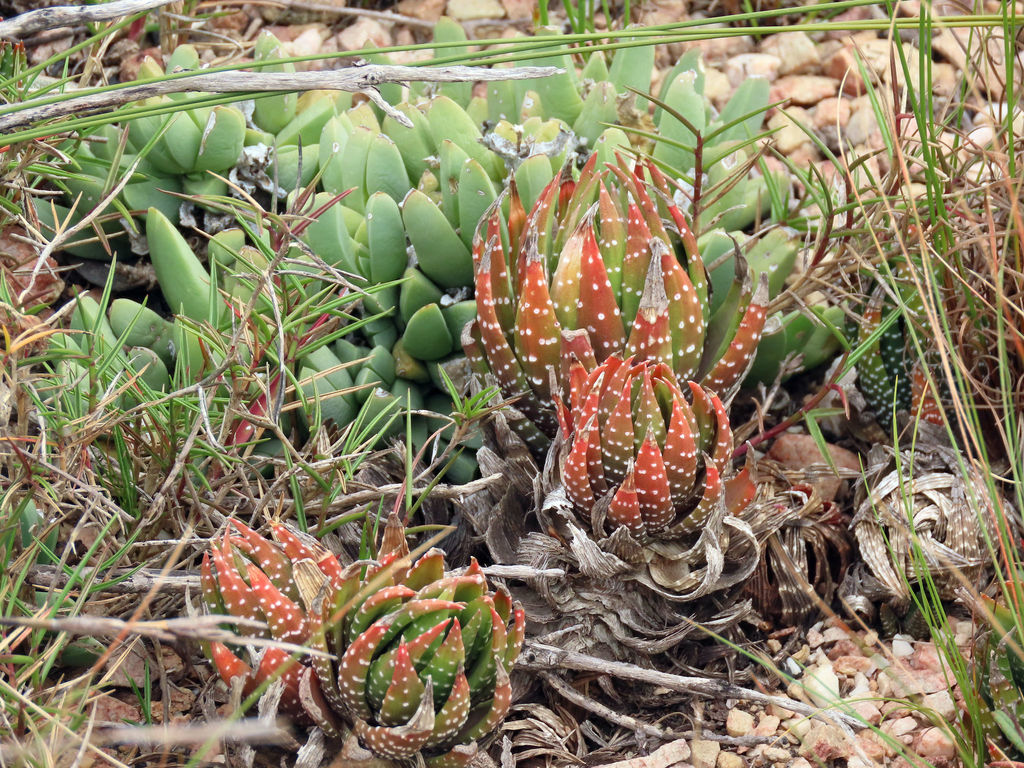
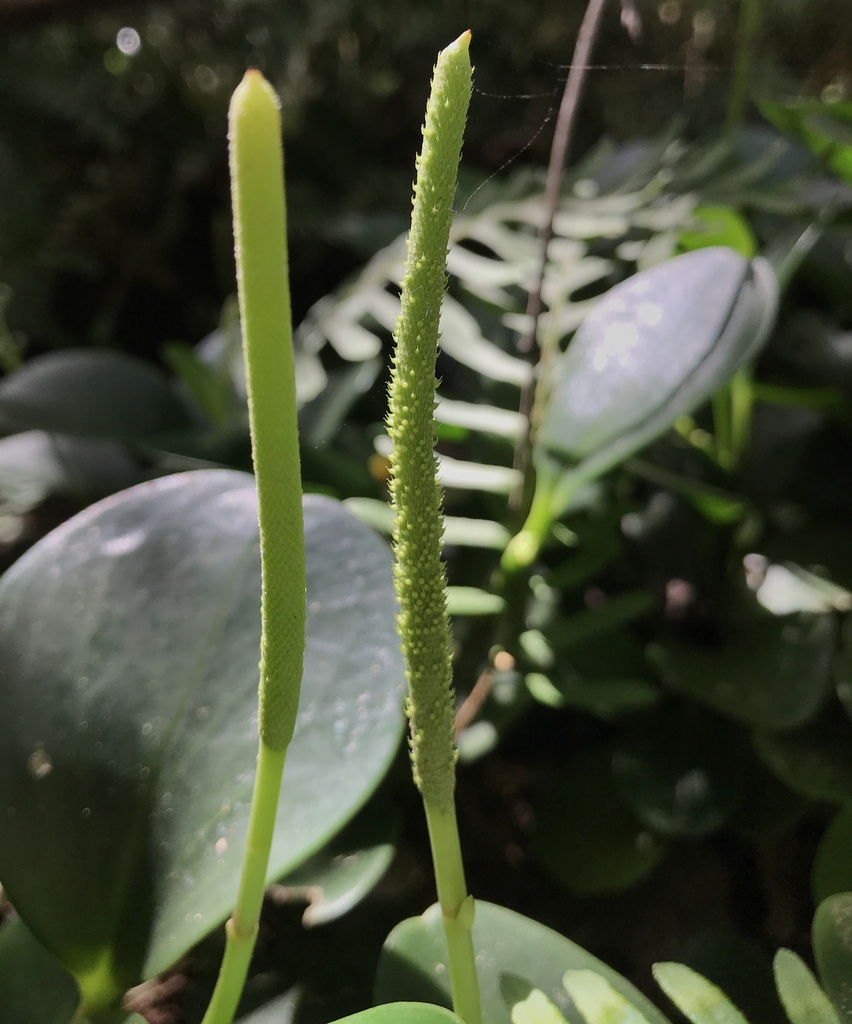
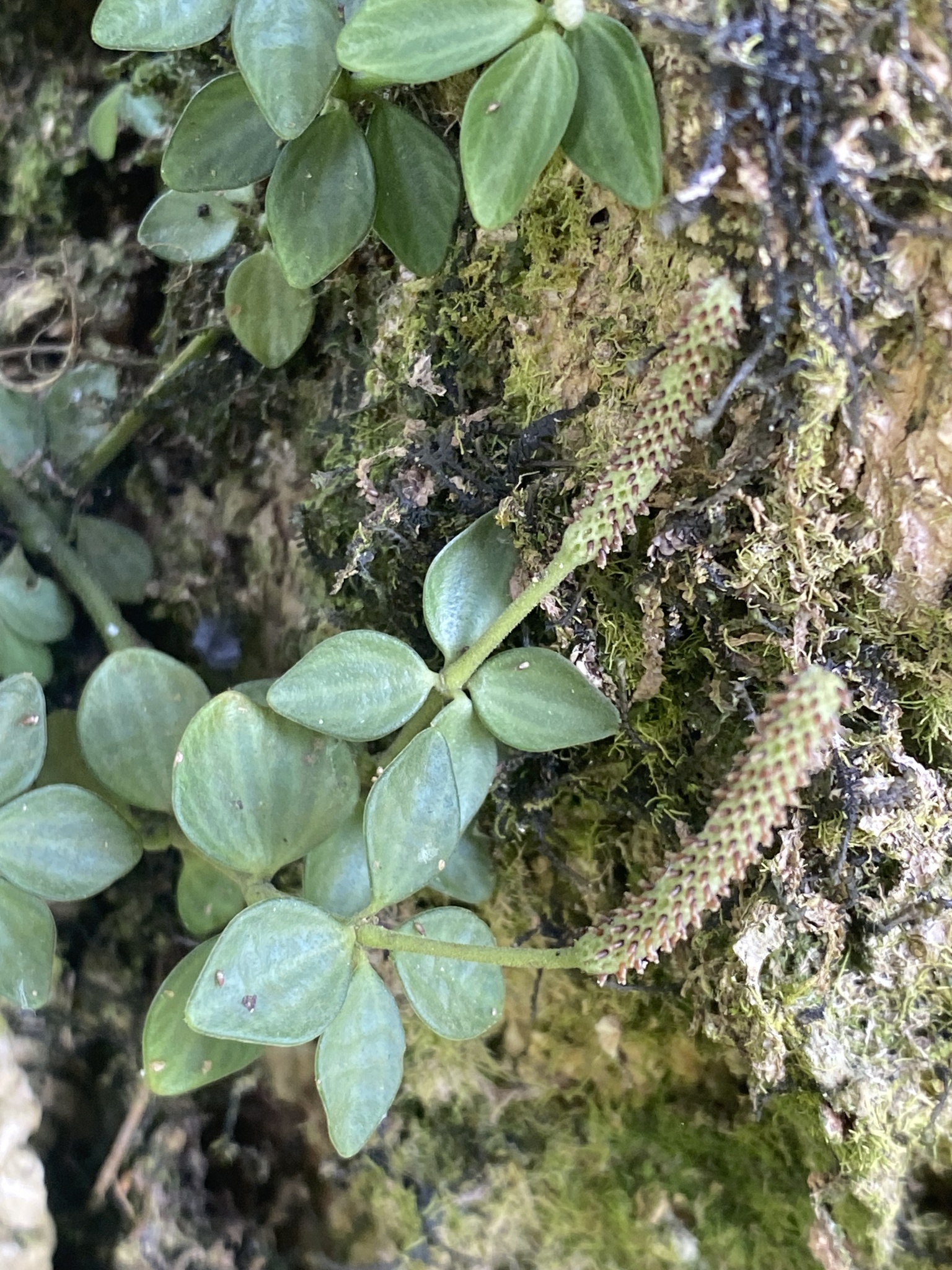
The best dry-air-tolerant plants for beginners are Haworthia, Peperomia, Peperomia 'Hope'. Sodate ranked 17 qualifying plants from a database of 208 profiles on a published 100-point rubric weighted to dry-air tolerance (40), care difficulty (25), pet safety (20) and cost (15). Haworthia scores 100/100, the highest in this group.
Haworthia, Peperomia, Peperomia 'Hope' lead this ranking of dry-air-tolerant plants for beginners. Entry requires full marks where the care profile states low or ordinary room humidity is genuinely fine, with no humidifier or misting. 7 of the 15 listed are non-toxic to cats and dogs. Every score is computed from the same four measures, dry-air tolerance, care difficulty, pet safety and cost, and the rubric is published below so you can recompute any ranking yourself.
Why trust this list
Central heating and air conditioning both drive indoor humidity well below what most tropical houseplants evolved in, and it is the single most common reason a plant that looked perfect in the shop develops crisp brown edges at home. This list scores on what each plant's care profile says about humidity, and full marks go only to plants that need no humidifier, no pebble tray and no misting. Misting, incidentally, raises humidity for a few minutes at most, so it is not a fix for any plant that genuinely needs damp air. Every plant here is one whose own care profile describes it as forgiving, with plants whose profiles warn that they die easily excluded even where the word 'beginner' appears in the warning. The intent is a list you can buy from without needing to already know which recommendations are wrong.
At a glance: all 15 ranked
| Rank | Plant | Best for | Score | Dry-air tolerance | Pet safety | US price |
|---|---|---|---|---|---|---|
| #1 | Haworthia | Centrally heated or air-conditioned rooms, in a home with pets | 100 | No humidifier needed | Pet-safe | $5–$15 |
| #2 | Peperomia | Centrally heated or air-conditioned rooms, in a home with pets | 100 | No humidifier needed | Pet-safe | $10–$20 |
| #3 | Peperomia 'Hope' | Centrally heated or air-conditioned rooms, in a home with pets | 100 | No humidifier needed | Pet-safe | $10–$25 |
| #4 | Watermelon Peperomia | Centrally heated or air-conditioned rooms, in a home with pets | 100 | No humidifier needed | Pet-safe | $8–$20 |
| #5 | Zebra Haworthia | Centrally heated or air-conditioned rooms, in a home with pets | 100 | No humidifier needed | Pet-safe | $6–$15 |
| #6 | Hoya | Centrally heated or air-conditioned rooms, in a home with pets | 97 | No humidifier needed | Pet-safe | $15–$40 |
| #7 | Ponytail Palm | Centrally heated or air-conditioned rooms, in a home with pets | 97 | No humidifier needed | Pet-safe | $15–$45 |
| #8 | Coleus | Centrally heated or air-conditioned rooms, if you forget to water | 88 | No humidifier needed | Toxic | $4–$12 |
| #9 | Jade Plant | Centrally heated or air-conditioned rooms, if you forget to water | 88 | No humidifier needed | Toxic | $5–$30 |
| #10 | Philodendron | Centrally heated or air-conditioned rooms, if you forget to water | 88 | No humidifier needed | Toxic | $8–$22 |
| #11 | Philodendron Micans | Centrally heated or air-conditioned rooms, if you forget to water | 88 | No humidifier needed | Toxic | $10–$25 |
| #12 | Pothos | Centrally heated or air-conditioned rooms, if you forget to water | 88 | No humidifier needed | Toxic | $10–$25 |
| #13 | Anthurium (Flamingo Flower) | Centrally heated or air-conditioned rooms, if you forget to water | 85 | No humidifier needed | Toxic | $15–$40 |
| #14 | Dieffenbachia | Centrally heated or air-conditioned rooms, if you forget to water | 85 | No humidifier needed | Toxic | $15–$40 |
| #15 | Grevillea | Centrally heated or air-conditioned rooms, if you forget to water | 85 | No humidifier needed | Toxic | $15–$45 |
How we scored these
Every plant is scored out of 100 on four measures, each pulled directly from its care profile. No score is assigned by hand, so the ranking can be reproduced from the data:
Ties are broken alphabetically. Prices are researched typical retail ranges, not live quotes. Check each plant's profile for the regional breakdown. 17 plants in the directory met the entry bar; the top 15 are listed here.
All 15 dry-air-tolerant plants for beginners, ranked
Haworthia
Haworthia fasciata
Best for: Centrally heated or air-conditioned rooms, in a home with pets
Elite tier: top-scoring on every measure
✓ Strong signal Light tolerance: Bright indirect light; tolerates medium light better than most succulents; avoid harsh midday sun
⚠ Watch out for Mushy, translucent leaves: usually overwatering. the main killer of haworthia
Our take Haworthia is one of the most forgiving succulents: small, slow-growing, tolerant of lower light than most succulents, and non-toxic to pets. Water only when the soil is completely dry (every 2-3 weeks), and use a gritty, fast-draining mix.
Strengths
- Thrives in dry, heated or air-conditioned air
- Non-toxic to cats and dogs
- Beginner-friendly and forgiving of missed waterings
Trade-offs
- Watch for: mushy, translucent leaves
Care details
| Light | Bright indirect light; tolerates medium light better than most succulents; avoid harsh midday sun |
| Water | Every 2-3 weeks; only when soil is completely dry |
| Humidity | Low humidity preferred, typical of succulents |
| Temperature | 18-27°C (65-80°F); tolerates brief dips to 5°C (40°F) |
| Toxicity | Non-toxic to cats, dogs, and humans |
| US price | $5–$15 |
Peperomia
Peperomia obtusifolia
Best for: Centrally heated or air-conditioned rooms, in a home with pets
Elite tier: top-scoring on every measure
✓ Strong signal Light tolerance: Bright, indirect light; tolerates medium light with slower growth
⚠ Watch out for Soft, mushy, translucent leaves: usually overwatering. the most common failure mode
Our take Peperomia is a compact, low-maintenance houseplant with thick, water-storing leaves similar to a succulent. Water only when the soil is mostly dry, keep it in bright indirect light, and avoid overwatering, which is the main way this plant fails.
Strengths
- Thrives in dry, heated or air-conditioned air
- Non-toxic to cats and dogs
- Beginner-friendly and forgiving of missed waterings
Trade-offs
- Watch for: soft, mushy, translucent leaves
Care details
| Light | Bright, indirect light; tolerates medium light with slower growth |
| Water | Every 10-14 days; let soil dry out substantially between waterings |
| Humidity | Tolerates average home humidity (30-40%) well |
| Temperature | 18-27°C (65-80°F); avoid below 13°C (55°F) |
| Toxicity | Non-toxic to cats, dogs, and humans |
| US price | $10–$20 |
Peperomia 'Hope'
Acorn Peperomia
Best for: Centrally heated or air-conditioned rooms, in a home with pets
Elite tier: top-scoring on every measure
✓ Strong signal Light tolerance: Bright indirect light. In low light the internodes stretch and the tidy whorls space out into a sparse vine
⚠ Watch out for Long bare stems with widely spaced whorls: usually insufficient light causing the internodes to stretch
Our take Hope is the trailing peperomia: thick coin-shaped leaves in whorls of three or four on stems that reach 30-45cm. It is a hybrid, not a species, so it is propagated only from cuttings.
Strengths
- Thrives in dry, heated or air-conditioned air
- Non-toxic to cats and dogs
- Beginner-friendly and forgiving of missed waterings
Trade-offs
- Watch for: long bare stems with widely spaced whorls
Care details
| Light | Bright indirect light. In low light the internodes stretch and the tidy whorls space out into a sparse vine |
| Water | Every 10-14 days, longer than for broad-leaved peperomias, because the thick coin leaves store water. Let the pot dry out most of the way first |
| Humidity | 40%+; ordinary room humidity is fine and no misting is needed |
| Temperature | 18-26°C (65-79°F); keep above 12°C |
| Toxicity | Non-toxic to cats, dogs and humans |
| US price | $10–$25 |
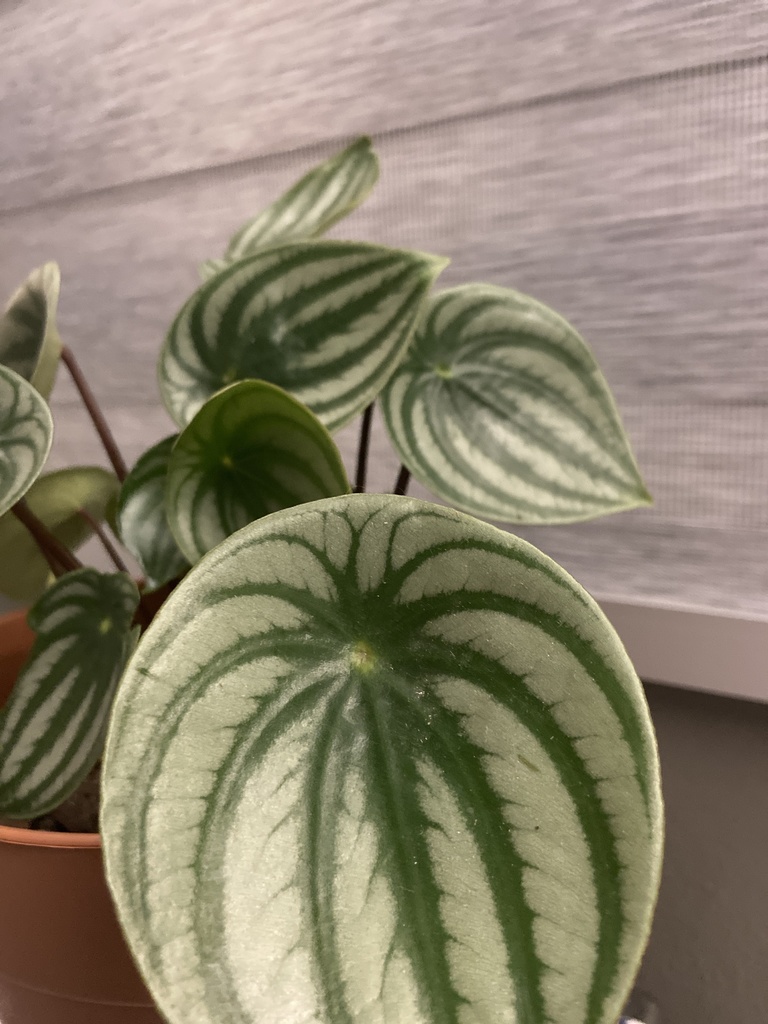
Watermelon Peperomia
Watermelon Begonia
Best for: Centrally heated or air-conditioned rooms, in a home with pets
Elite tier: top-scoring on every measure
✓ Strong signal Light tolerance: Bright indirect light. Too little and the silver banding fades and the stalks stretch; direct midday sun scorches the le
⚠ Watch out for Leaves suddenly go limp and stems turn dark and mushy at soil level: usually overwatering and stem rot. by far the most common cause of death
Our take Watermelon peperomia is pet-safe, stays under 30cm, and stores water in its thick leaves. Which means the fastest way to kill it is overwatering.
Strengths
- Thrives in dry, heated or air-conditioned air
- Non-toxic to cats and dogs
- Beginner-friendly and forgiving of missed waterings
Trade-offs
- Wants higher humidity than most homes provide
- Watch for: leaves suddenly go limp and stems turn dark and mushy at soil level
Care details
| Light | Bright indirect light. Too little and the silver banding fades and the stalks stretch; direct midday sun scorches the leaves |
| Water | Every 7-14 days. Only when the top half of the pot is dry. Water less in winter |
| Humidity | 40-50%; ordinary room humidity is fine, unlike calatheas |
| Temperature | 18-26°C (65-79°F); keep above 12°C and away from cold glass |
| Toxicity | Non-toxic to cats, dogs and humans |
| US price | $8–$20 |
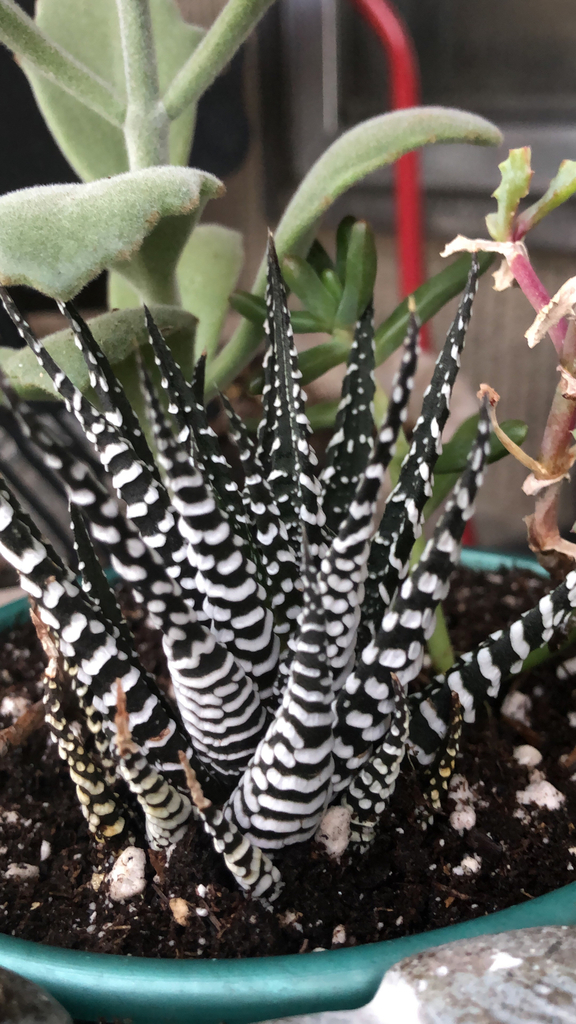
Zebra Haworthia
Zebra plant
Best for: Centrally heated or air-conditioned rooms, in a home with pets
Elite tier: top-scoring on every measure
✓ Strong signal Light tolerance: Bright indirect light; tolerates medium light, but harsh direct sun reddens and scorches leaves
⚠ Watch out for Translucent, mushy lower leaves: usually overwatering and rot at the base
Our take Zebra haworthia is a genuinely beginner-friendly succulent: it stays under 15cm, tolerates far less light than an echeveria or aloe, and is hard to kill as long as you let the soil dry out completely between waterings. It is non-toxic to cats and dogs, offsets freely so you get f
Strengths
- Thrives in dry, heated or air-conditioned air
- Non-toxic to cats and dogs
- Beginner-friendly and forgiving of missed waterings
Trade-offs
- Watch for: translucent, mushy lower leaves
Care details
| Light | Bright indirect light; tolerates medium light, but harsh direct sun reddens and scorches leaves |
| Water | Every 2-3 weeks in summer, every 4-6 weeks in winter; soak, then let dry completely |
| Humidity | Low; normal dry indoor air is ideal |
| Temperature | 15-27°C (59-80°F); keep above 5°C (41°F) |
| Toxicity | Non-toxic to cats, dogs, and humans |
| US price | $6–$15 |
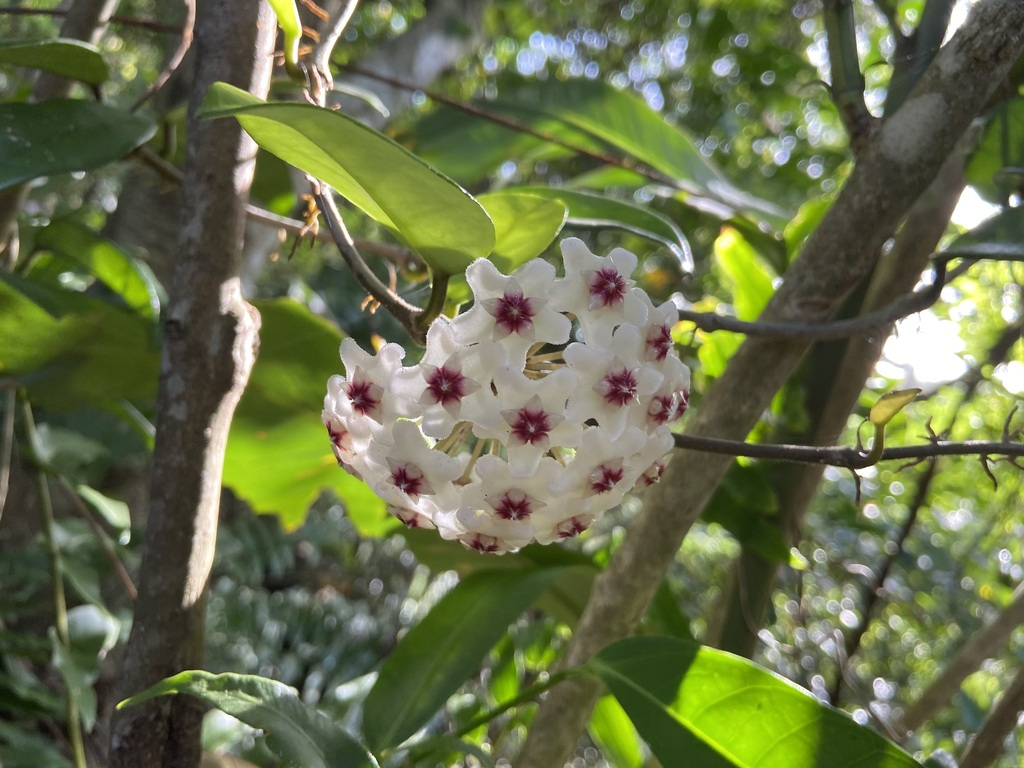
Hoya
Hoya carnosa
Best for: Centrally heated or air-conditioned rooms, in a home with pets
Elite tier: top-scoring on every measure
✓ Strong signal Light tolerance: Bright, indirect light; a little direct morning sun encourages blooming
⚠ Watch out for Never flowers: usually insufficient light, too-frequent repotting, or plant still juvenile
Our take Hoya carnosa is a long-lived trailing vine with thick waxy leaves that flowers best when rootbound and slightly stressed. Water when the soil dries out fully, give it bright indirect light, and never cut off the leafless flower spurs.
Strengths
- Thrives in dry, heated or air-conditioned air
- Non-toxic to cats and dogs
- Beginner-friendly and forgiving of missed waterings
Trade-offs
- Wants higher humidity than most homes provide
- Watch for: never flowers
Care details
| Light | Bright, indirect light; a little direct morning sun encourages blooming |
| Water | Every 10-14 days; let soil dry out fully between waterings |
| Humidity | 40-60% preferred; tolerates average home humidity |
| Temperature | 18-27°C (65-80°F); avoid below 13°C (55°F) |
| Toxicity | Non-toxic to cats and dogs |
| US price | $15–$40 |
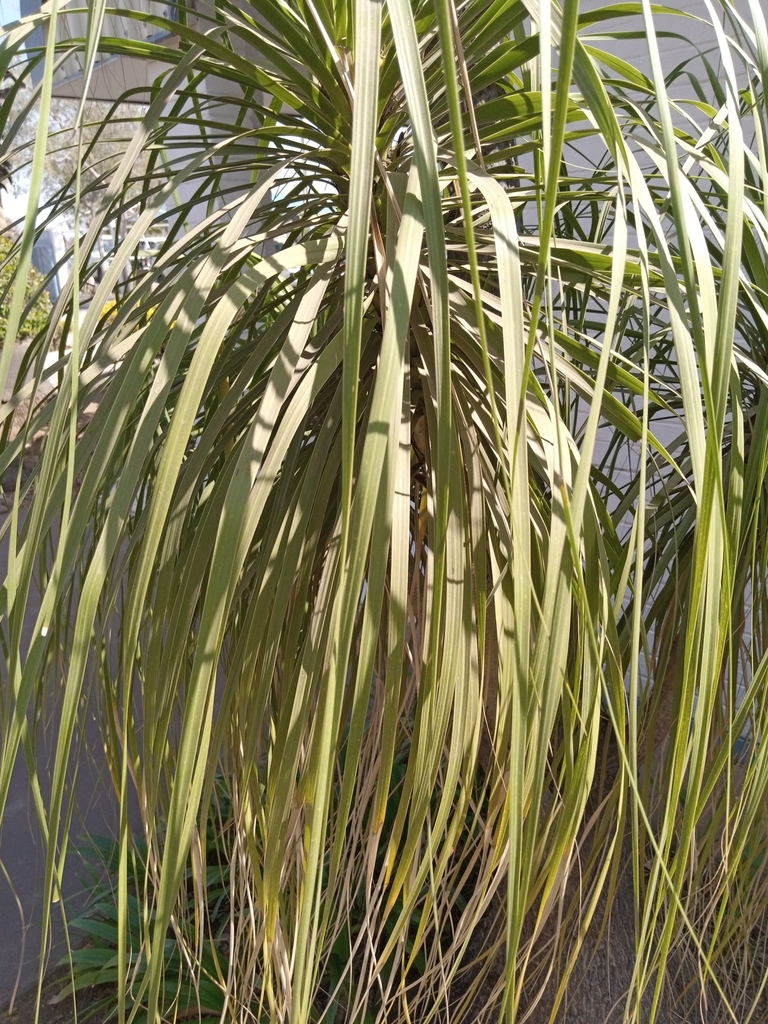
Ponytail Palm
Beaucarnea recurvata
Best for: Centrally heated or air-conditioned rooms, in a home with pets
Elite tier: top-scoring on every measure
✓ Strong signal Light tolerance: Bright light, including direct sun; tolerates some lower light with slower growth
⚠ Watch out for Soft, mushy trunk base: usually overwatering. by far the most common failure mode
Our take Ponytail palm is an extremely drought-tolerant succulent, not a true palm, that stores water in its swollen trunk base. Water only when the soil is completely dry, give it bright light, and expect it to tolerate weeks of neglect without issue.
Strengths
- Thrives in dry, heated or air-conditioned air
- Non-toxic to cats and dogs
- Beginner-friendly and forgiving of missed waterings
Trade-offs
- Watch for: soft, mushy trunk base
Care details
| Light | Bright light, including direct sun; tolerates some lower light with slower growth |
| Water | Every 2-3 weeks; water only when soil is completely dry |
| Humidity | Tolerates low humidity well, typical of a desert-adapted succulent |
| Temperature | 18-29°C (65-85°F); tolerates brief cooler dips better than most tropical houseplants |
| Toxicity | Non-toxic to cats, dogs, and humans |
| US price | $15–$45 |
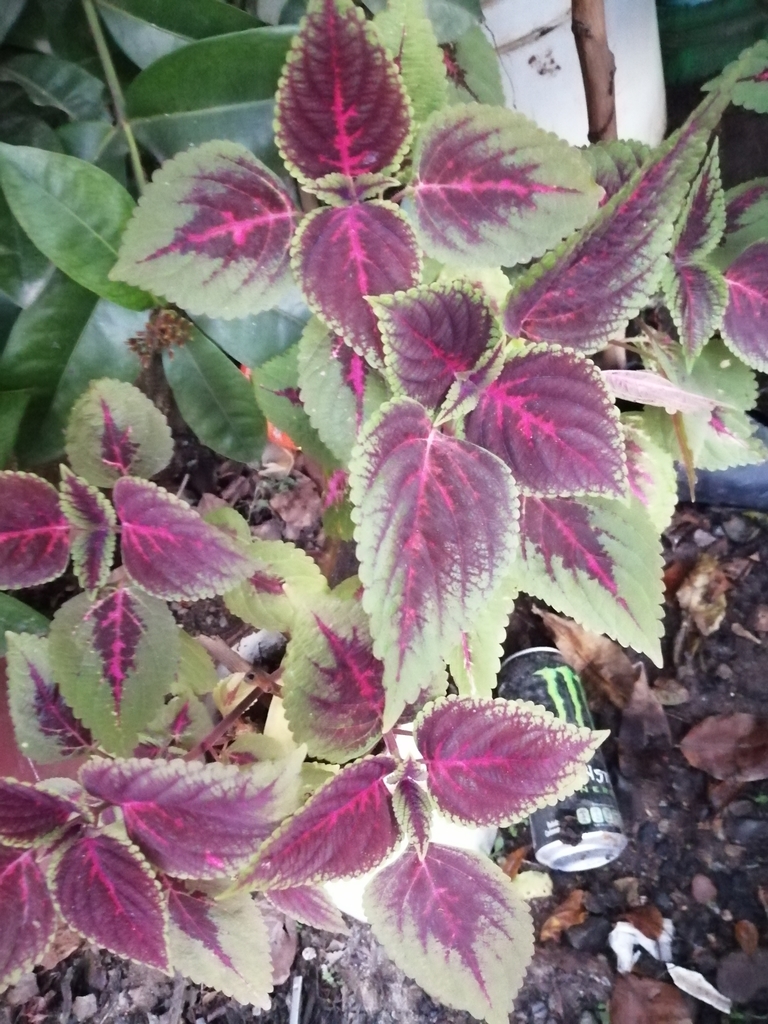
Coleus
Painted nettle
Best for: Centrally heated or air-conditioned rooms, if you forget to water
Elite tier: top-scoring on every measure
✓ Strong signal Light tolerance: Bright indirect light indoors, with some direct morning sun; deep colours need good light, but hot afternoon sun scorche
⚠ Watch out for Tall bare stems with leaves only at the tips: usually insufficient light, or no pinching
Our take Coleus is fast, cheap and colourful, and it is one of the easiest plants to propagate: a cutting in a glass of water roots in about a week. Indoors it needs a bright spot and steady moisture, and it wants pinching every few weeks or it turns leggy and flowers, at which point the
Strengths
- Thrives in dry, heated or air-conditioned air
- Beginner-friendly and forgiving of missed waterings
- Inexpensive to start ($4–$12 in the US)
Trade-offs
- Toxic to pets if chewed
- Wants higher humidity than most homes provide
- Watch for: tall bare stems with leaves only at the tips
Care details
| Light | Bright indirect light indoors, with some direct morning sun; deep colours need good light, but hot afternoon sun scorches |
| Water | Every 3-5 days; keep evenly moist, as it wilts dramatically when dry |
| Humidity | 40-60% preferred; average indoor air is usually acceptable |
| Temperature | 18-27°C (65-80°F); frost-tender and damaged below 10°C (50°F) |
| Toxicity | Toxic to cats and dogs; sap may irritate human skin |
| US price | $4–$12 |
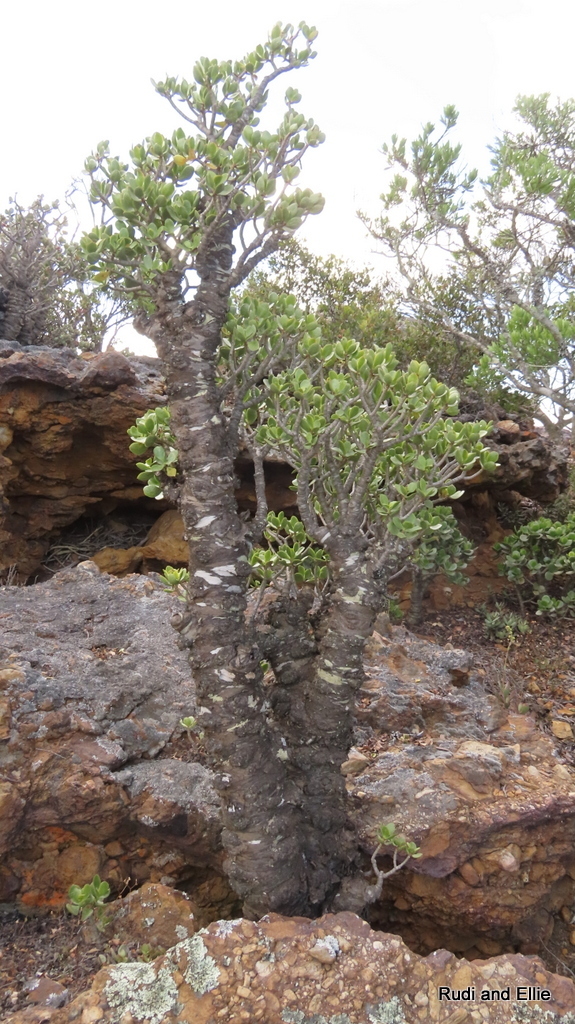
Jade Plant
Crassula
Best for: Centrally heated or air-conditioned rooms, if you forget to water
Elite tier: top-scoring on every measure
✓ Strong signal Light tolerance: Bright light with at least 4 hours of direct or near-direct sun; a south or west window
⚠ Watch out for Leaves dropping while soft and yellowing, trunk soft near soil: usually overwatering. root and stem rot
Our take Jade plants want sun and neglect: a bright window with some direct light, gritty succulent mix, and water only when the soil is fully dry (every 2-3 weeks). They branch into genuine little trees, propagate from a single dropped leaf, and can live 50+ years.
Strengths
- Thrives in dry, heated or air-conditioned air
- Beginner-friendly and forgiving of missed waterings
- Inexpensive to start ($5–$30 in the US)
Trade-offs
- Toxic to pets if chewed
- Watch for: leaves dropping while soft and yellowing, trunk soft near soil
Care details
| Light | Bright light with at least 4 hours of direct or near-direct sun; a south or west window |
| Water | Every 2-3 weeks; only when the soil is completely dry, less in winter |
| Humidity | Low; dry indoor air is ideal |
| Temperature | 18-24°C (65-75°F); tolerates down to 7°C (45°F) if kept dry; no frost |
| Toxicity | Toxic to cats and dogs; mildly irritating to humans if eaten |
| US price | $5–$30 |
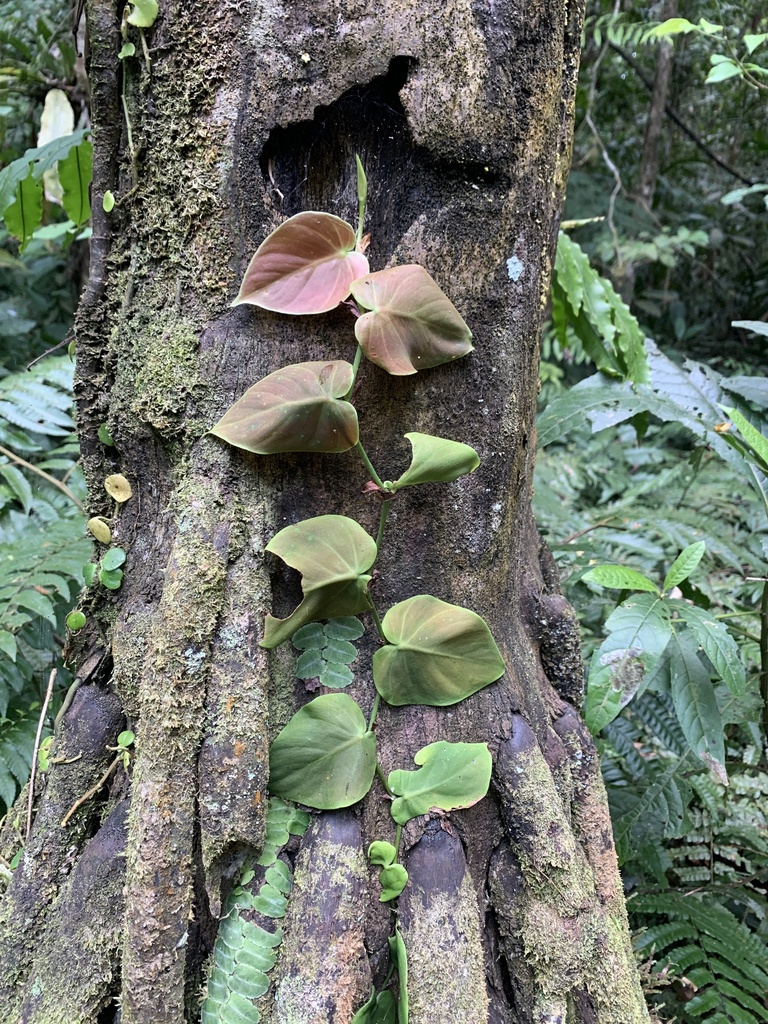
Philodendron
Philodendron hederaceum
Best for: Centrally heated or air-conditioned rooms, if you forget to water
Elite tier: top-scoring on every measure
✓ Strong signal Light tolerance: Low to bright indirect light; more light = faster, fuller growth
⚠ Watch out for Yellow leaves: usually overwatering
Our take Heartleaf philodendron is as easy as houseplants get: tolerates low light, forgives missed waterings, and trails or climbs for meters. Water when the top few centimeters dry (roughly weekly), pinch stems to keep it bushy, and root cuttings in water in under three weeks.
Strengths
- Thrives in dry, heated or air-conditioned air
- Beginner-friendly and forgiving of missed waterings
- Inexpensive to start ($8–$22 in the US)
Trade-offs
- Toxic to pets if chewed
- Wants higher humidity than most homes provide
- Watch for: yellow leaves
Care details
| Light | Low to bright indirect light; more light = faster, fuller growth |
| Water | Every 7-10 days; when the top 2-3cm of soil are dry |
| Humidity | Tolerates average home humidity; grows lusher above 50% |
| Temperature | 18-27°C (65-80°F); avoid below 13°C (55°F) |
| Toxicity | Toxic to cats and dogs if chewed |
| US price | $8–$22 |
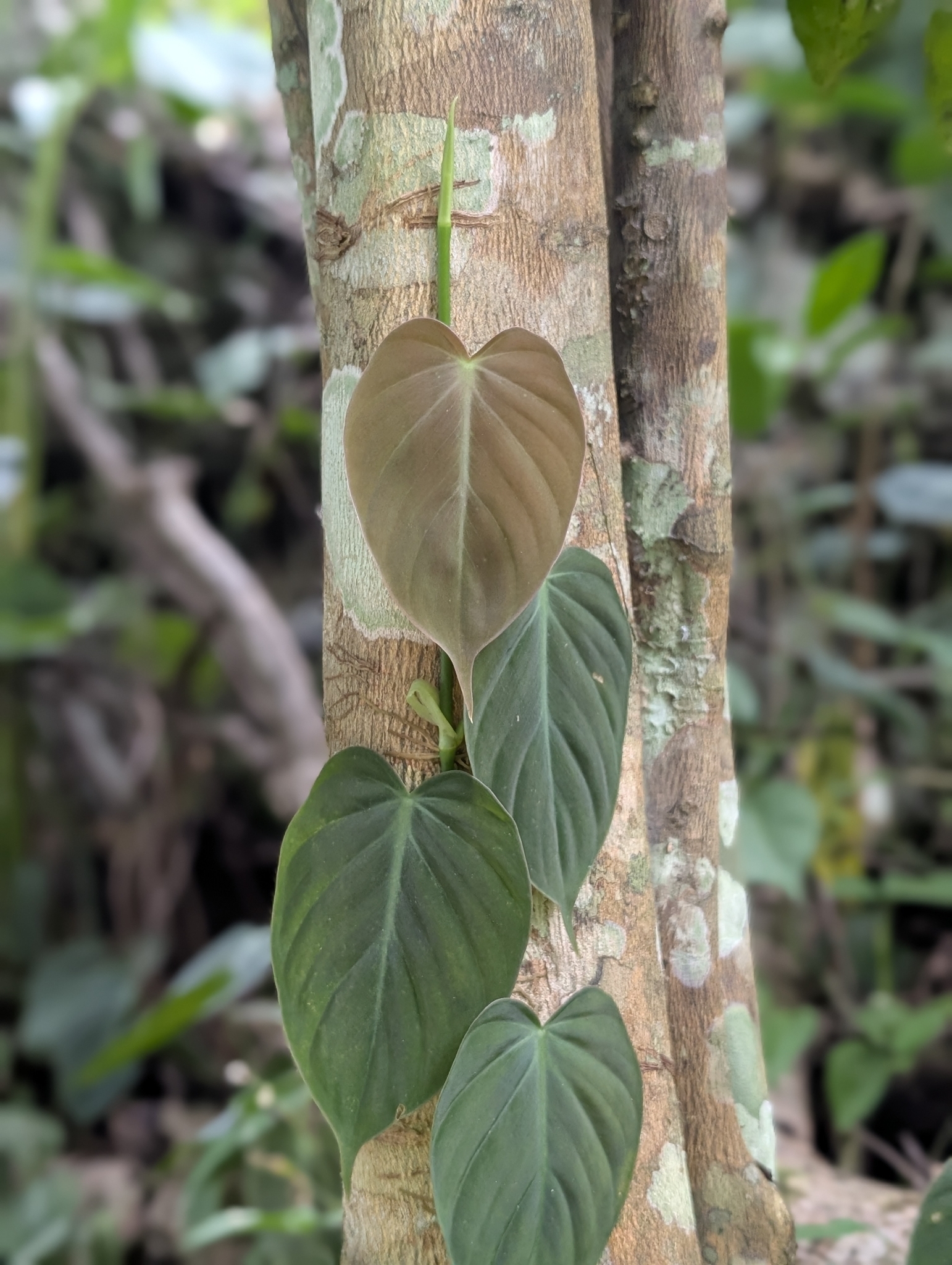
Philodendron Micans
Philodendron scandens micans
Best for: Centrally heated or air-conditioned rooms, if you forget to water
Elite tier: top-scoring on every measure
✓ Strong signal Light tolerance: Bright indirect light; tolerates medium light with slower, greener growth, but direct midday sun burns the velvet surfac
⚠ Watch out for Long bare stems with widely spaced small leaves: usually too little light
Our take Micans is the velvet form of the heartleaf philodendron, and it keeps that plant's forgiving nature: bright indirect light, water when the top few centimetres dry out, and it will trail a metre or more. New leaves emerge pinkish-bronze and darken to deep green with an iridescent
Strengths
- Thrives in dry, heated or air-conditioned air
- Beginner-friendly and forgiving of missed waterings
- Inexpensive to start ($10–$25 in the US)
Trade-offs
- Toxic to pets if chewed
- Wants higher humidity than most homes provide
- Watch for: long bare stems with widely spaced small leaves
Care details
| Light | Bright indirect light; tolerates medium light with slower, greener growth, but direct midday sun burns the velvet surface |
| Water | Every 7-10 days; water when the top 3-4cm of mix is dry |
| Humidity | 50%+ preferred; tolerates average indoor humidity better than a calathea |
| Temperature | 18-27°C (65-80°F); keep above 13°C (55°F) |
| Toxicity | Toxic to cats and dogs; irritating to humans if chewed or if sap contacts skin |
| US price | $10–$25 |
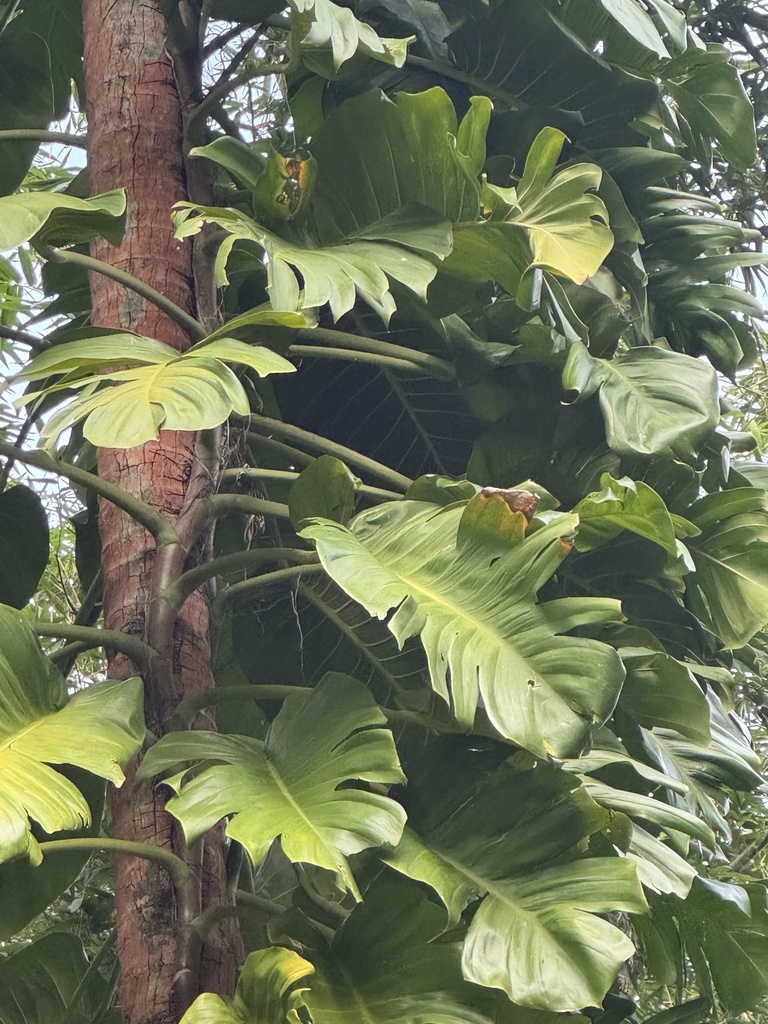
Pothos
Epipremnum aureum
Best for: Centrally heated or air-conditioned rooms, if you forget to water
Elite tier: top-scoring on every measure
✓ Strong signal Light tolerance: Tolerates low light; bright indirect light produces faster growth and stronger variegation
⚠ Watch out for Yellow leaves: usually overwatering
Our take Pothos is one of the easiest houseplants to grow: it tolerates low light, irregular watering, and neglect better than almost any other common indoor plant. Water every 7-14 days when the soil is dry, keep it out of direct sun, and expect vigorous trailing growth.
Strengths
- Thrives in dry, heated or air-conditioned air
- Beginner-friendly and forgiving of missed waterings
- Inexpensive to start ($10–$25 in the US)
Trade-offs
- Toxic to pets if chewed
- Watch for: yellow leaves
Care details
| Light | Tolerates low light; bright indirect light produces faster growth and stronger variegation |
| Water | Every 7-14 days; let the top 2-3in of soil dry out between waterings |
| Humidity | Tolerates average home humidity (30-40%) without issue |
| Temperature | 18-29°C (65-85°F); avoid below 10°C (50°F) |
| Toxicity | Toxic to cats, dogs, and humans if ingested. Calcium oxalate crystals cause oral irritation, drooling, and vomiting |
| US price | $10–$25 |
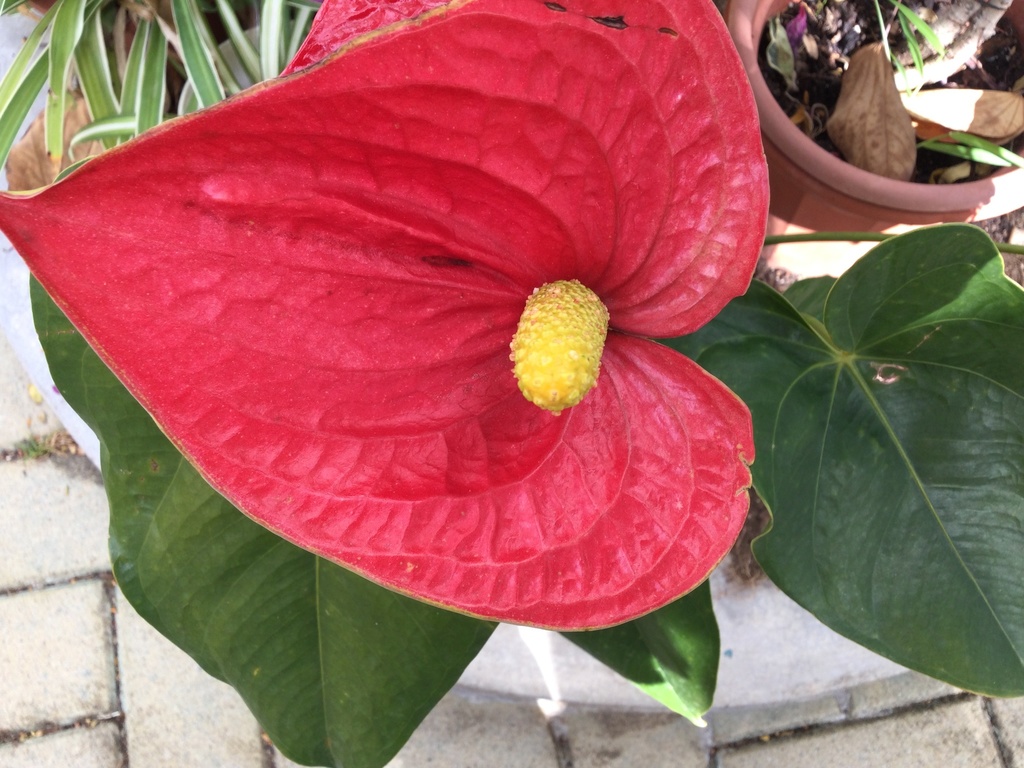
Anthurium (Flamingo Flower)
Laceleaf
Best for: Centrally heated or air-conditioned rooms, if you forget to water
Elite tier: top-scoring on every measure
✓ Strong signal Light tolerance: Bright indirect light for reliable blooming; tolerates medium light but flowers taper off; no harsh direct sun
⚠ Watch out for No flowers, just leaves, for months: usually not enough light. the most common anthurium complaint
Our take Anthurium is the easiest way to keep real colour in the house year-round: bright indirect light, chunky orchid-style mix, water when the top few centimetres dry (about weekly), and it cycles through long-lasting red spathes continuously. The whole plant contains calcium oxalate c
Strengths
- Thrives in dry, heated or air-conditioned air
- Beginner-friendly and forgiving of missed waterings
- Inexpensive to start ($15–$40 in the US)
Trade-offs
- Toxic to pets if chewed
- Wants higher humidity than most homes provide
- Watch for: no flowers, just leaves, for months
Care details
| Light | Bright indirect light for reliable blooming; tolerates medium light but flowers taper off; no harsh direct sun |
| Water | About weekly; water when the top 2-3cm of mix is dry, and let it drain fully |
| Humidity | 50%+ preferred; tolerates average homes but leaf tips brown in very dry air |
| Temperature | 18-29°C (65-85°F); keep above 15°C (60°F); hates cold drafts |
| Toxicity | Toxic to cats, dogs, and humans (calcium oxalate crystals in all parts) |
| US price | $15–$40 |
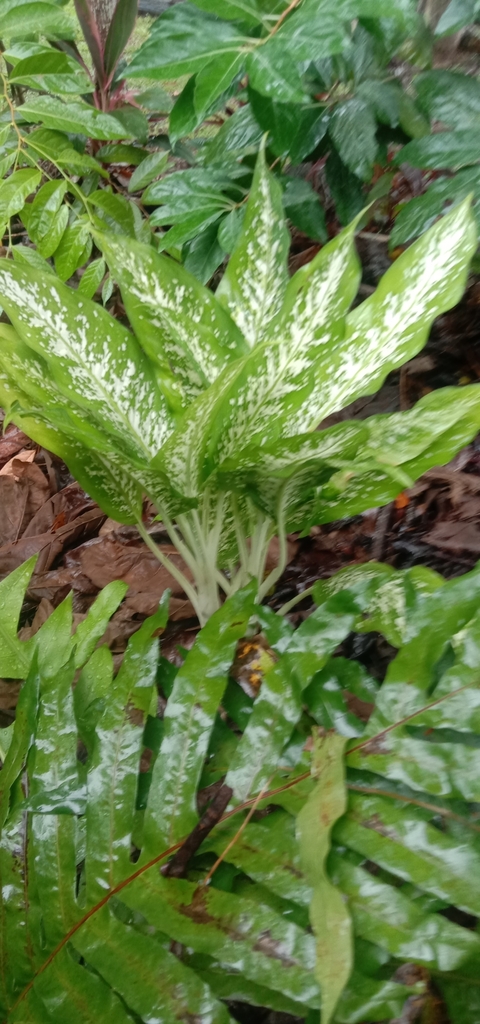
Dieffenbachia
Dieffenbachia seguine
Best for: Centrally heated or air-conditioned rooms, if you forget to water
Elite tier: top-scoring on every measure
✓ Strong signal Light tolerance: Bright, indirect light; tolerates medium light with slower growth
⚠ Watch out for Yellow lower leaves: usually natural aging or overwatering
Our take Dieffenbachia needs bright indirect light and water when the top 2 inches of soil dry out. Its sap is significantly toxic.
Strengths
- Thrives in dry, heated or air-conditioned air
- Beginner-friendly and forgiving of missed waterings
- Inexpensive to start ($15–$40 in the US)
Trade-offs
- Toxic to pets if chewed
- Wants higher humidity than most homes provide
- Watch for: yellow lower leaves
Care details
| Light | Bright, indirect light; tolerates medium light with slower growth |
| Water | Every 7-10 days; water when the top 2in of soil is dry |
| Humidity | 50%+ preferred; tolerates average home humidity |
| Temperature | 18-27°C (65-80°F); avoid below 15°C (60°F) |
| Toxicity | Seriously toxic to pets and humans if chewed. Causes painful mouth and throat swelling |
| US price | $15–$40 |
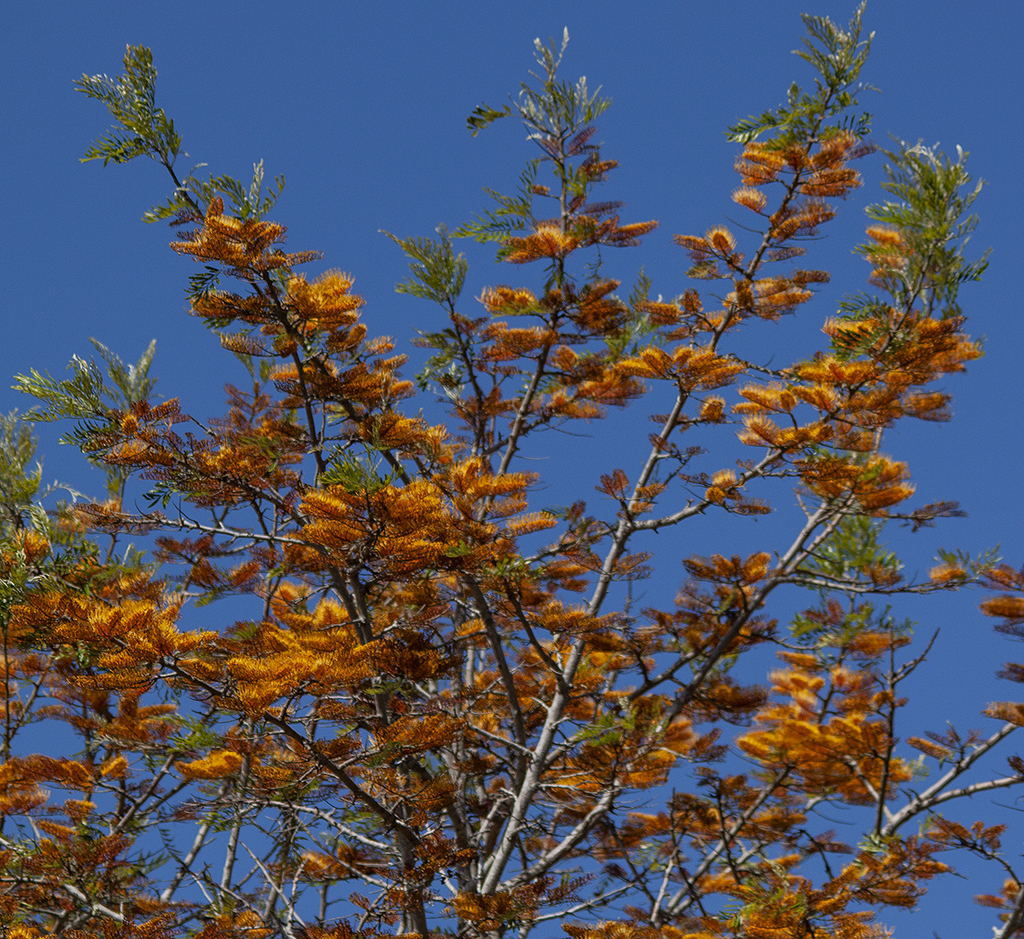
Grevillea
Toothbrush plant
Best for: Centrally heated or air-conditioned rooms, if you forget to water
Elite tier: top-scoring on every measure
✓ Strong signal Light tolerance: Full sun for dense growth and heavy flowering; tolerates very light shade
⚠ Watch out for Whole plant yellows and collapses weeks after feeding: usually phosphorus toxicity from standard fertilizer. the classic grevillea death
Our take Grevilleas thrive on neglect in full sun and fast-draining soil. The one thing that reliably kills them is ordinary fertilizer.
Strengths
- Thrives in dry, heated or air-conditioned air
- Beginner-friendly and forgiving of missed waterings
- Inexpensive to start ($15–$45 in the US)
Trade-offs
- Toxic to pets if chewed
- Watch for: whole plant yellows and collapses weeks after feeding
Care details
| Light | Full sun for dense growth and heavy flowering; tolerates very light shade |
| Water | Weekly while establishing; established plants are largely rain-fed |
| Humidity | Dry to moderate; humid climates favour scale and sooty mould |
| Temperature | Most hybrids happy 5-40°C; many tolerate light frost to about -3°C once established |
| Toxicity | Skin irritant for sensitive people; flowers/foliage of some species mildly toxic if chewed. Keep pets and children from eating them |
| US price | $15–$45 |
Stop guessing whether that corner is bright enough
Sodate measures the actual light where your plant sits and builds its watering schedule from that reading and your season, not a fixed interval. Currently in development.
See Sodate: coming soonWhat to check before buying
- Ask where the plant was grown. Greenhouse-grown stock looks perfect for weeks on stored energy before it shows dim-room stress
- Check leaf spacing on the stem: wide gaps mean it was already stretching for light before you bought it
- Choose plain-green over variegated for genuinely dim spots. Variegated leaves have less chlorophyll and need more light
- Inspect leaf undersides and stem joints for pests, which spread faster on plants stressed by low light
- Confirm pet toxicity yourself if you have cats or dogs, rather than relying on shelf labels
Red flags to walk away from
- Any seller recommending misting as the humidity solution. It raises local humidity for minutes and does nothing measurable.
- Calatheas, marantas and most ferns marketed as easy. They are lovely, but they are humidity-dependent and will brown in a dry room.
- Plants displayed in a misted, enclosed shop bench. They look flawless there and decline within weeks in a heated living room.
- Starter bundles of several tiny plants. Small pots dry out fastest and are hardest to read, which is the opposite of beginner-friendly.
Best time to buy
Buy in spring if you can. A plant bought in midwinter goes straight from a humid greenhouse into the driest indoor air of the year, which is the harshest possible transition and the reason so many Christmas houseplants look poor by February.
Frequently asked questions
What humidity does a normal home actually have?
Roughly 30-50% in most homes, dropping to 20-30% in winter with central heating running. Many popular houseplants want 60% or more, which is the mismatch this list is built around.
Do pebble trays work?
Barely. They raise humidity in a very small zone immediately above the tray, and the effect is largely gone by the height of the leaves. A room humidifier works; a pebble tray is mostly reassurance.
Why does my plant get brown crispy leaf tips?
Most often dry air, though fluoride or salt build-up from tap water causes an identical symptom in dracaenas and spider plants. If several plants in the same room show it, humidity is the likely cause.
How many plants should I start with?
One or two. The common failure is buying six at once, discovering they want different things, and treating them all the same.
What tool actually helps a beginner?
Your finger. Push it two to three centimetres into the soil before watering. Moisture meters are unreliable and cost more than the plant.
Limitations of this ranking
Stated plainly, so you can judge how much weight to give it:
- No physical testing. Nothing here was grown, timed or measured by us. Every score is computed from the structured care data on this site, which is compiled from the botanical and horticultural sources listed below.
- Prices are researched ranges, not live quotes. They are typical retail for a standard starter size and will drift. Each plant profile carries the regional breakdown for five countries.
- Scores are relative to this directory, which holds 208 profiles. A plant absent from the directory cannot appear here, so this is not a claim about every plant in existence.
- Care data is species-level. Your light, your water and your home will move any of these plants up or down more than the gap between adjacent ranks.
- No credentialed horticulturist has reviewed this. These pages are compiled and edited against a published rubric and cited sources. Where a claim matters, the source is linked below so you can check it rather than take it on authority. Our review panel page lists every section that has no expert reviewer yet and the credential we require to fill it.
Sources
Of the 208 plant profiles in this directory, 17 meet the entry bar for dry-air-tolerant plants for beginners (8%). 7 of the 15 ranked here are non-toxic to cats and dogs, and the median entry price across the list is $10.
- ASPCA Toxic and Non-Toxic Plant List. Species-level toxicity to cats and dogs, used for every pet-safety score.
- GBIF (Global Biodiversity Information Facility). Accepted botanical names and taxon identifiers for every profile.
- iNaturalist. Source of the CC-licensed photographs, with photographer and licence credited per image.
- RHS Plant Finder. UK cultivation guidance, hardiness ratings and cultivar naming.
- Missouri Botanical Garden Plant Finder. Cross-checked culture notes, mature size and problem diagnosis.
Editorial disclosure: no plant on this page is sponsored, and Sodate takes no payment, commission or affiliate revenue for placement. Rankings are generated from the data by the scoring code in this site's repository, not chosen by hand. Published , last updated .