 Sodate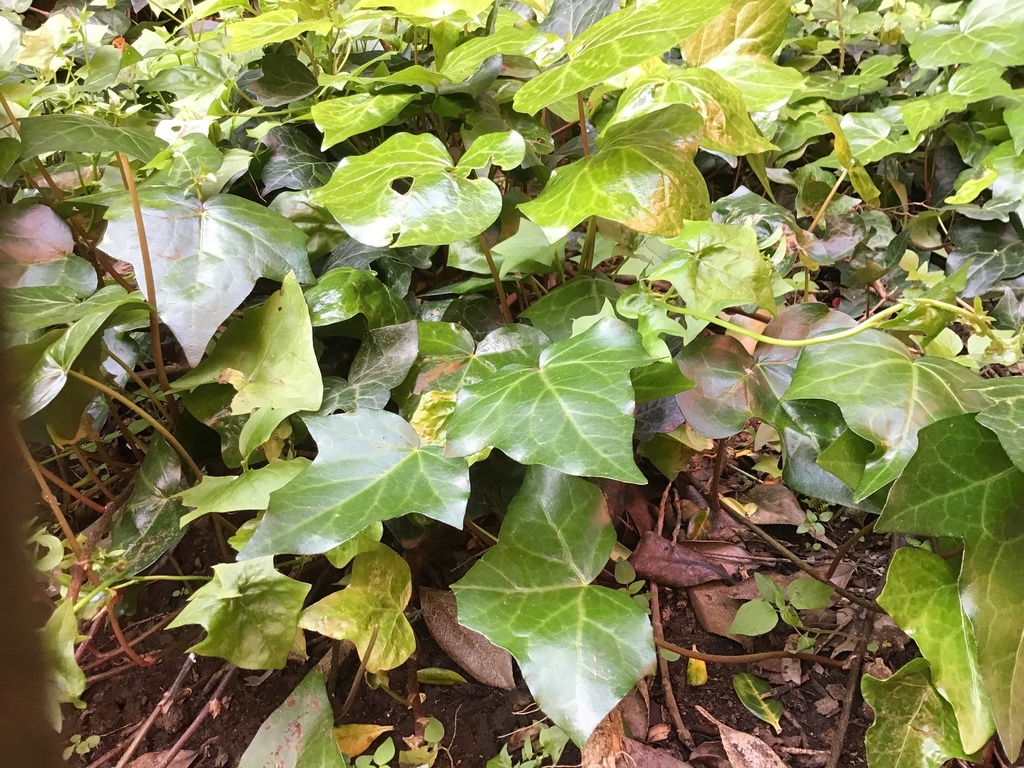
On this page
English ivy is an easy, fast-growing trailing or climbing vine that tolerates low light and average home humidity. Water when the top inch of soil dries out, keep it out of direct sun, and prune regularly to control its spread. It's toxic to pets, propagates easily from cuttings, and is classified as invasive outdoors in much of the US and parts of Australia. Grow it in containers, not open ground, in those regions.
Key facts
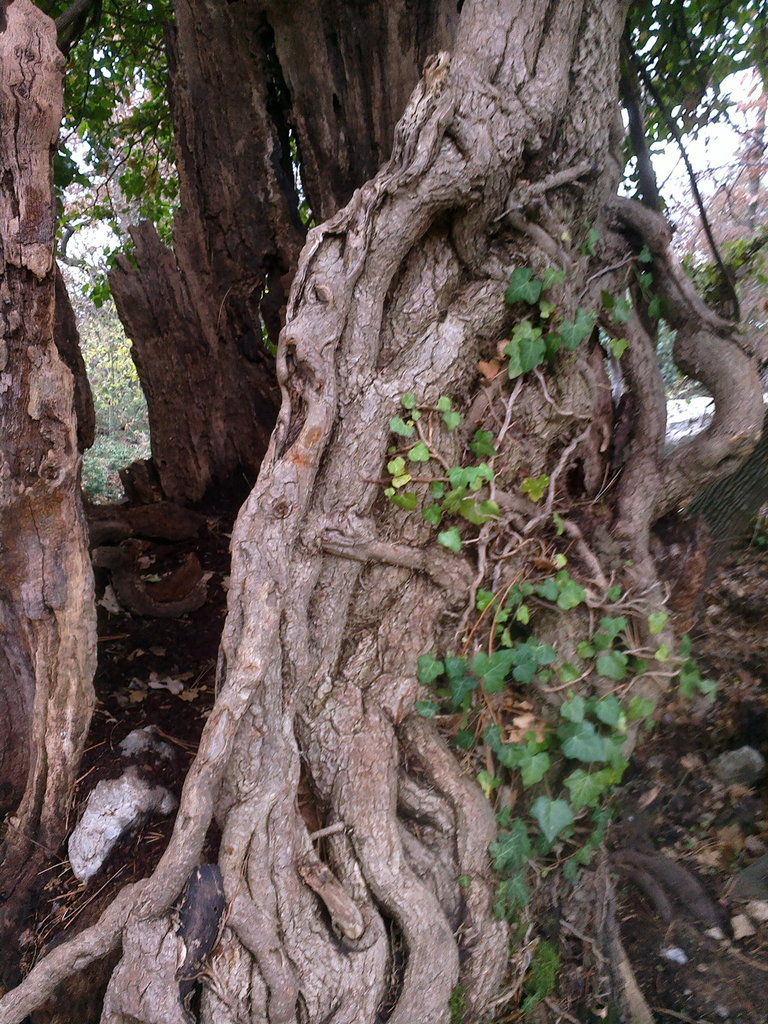
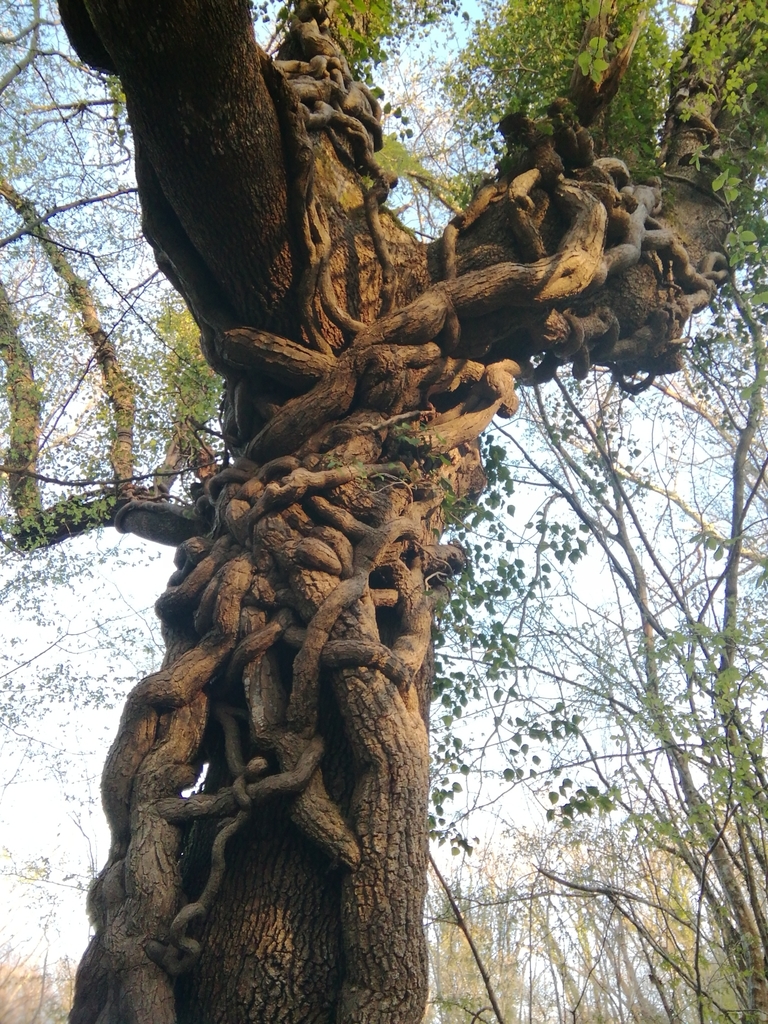
- Native to Europe and western Asia, where it climbs trees and stone walls using aerial rootlets that cling but don't penetrate.
- Classified as an invasive species in large parts of the US (especially the Pacific Northwest) and parts of Australia. Check local regulations before planting outdoors.
- One of the most effective houseplants tested by NASA's Clean Air Study for filtering airborne mold spores and toxins.
- Mildly to moderately toxic to cats, dogs, and humans if ingested, and can cause skin irritation on contact for sensitive people.
Care requirements#
| Plant type | Indoor houseplant or outdoor ground cover/climber (check invasive status locally) |
| Growing medium | Soil, well-draining potting mix |
| Light needs | Tolerates low light indoors; variegated types need brighter light to keep their pattern |
| Water frequency | Every 7-10 days; water when the top inch of soil is dry |
| Humidity | Prefers 40%+ humidity; dry indoor air causes brown leaf tips |
| Temperature range | 13-24°C (55-75°F); tolerates cooler temperatures better than most houseplants |
| Fertilizer | Balanced liquid feed monthly through spring-summer |
| Soil pH | 6.0-7.5 (adaptable) |
| Drainage needs | Moderate: dislikes sitting in waterlogged soil |
| Pot recommendation | Hanging baskets showcase trailing growth; any well-draining pot works |
| Hardiness zone (outdoor) | USDA 4-9 |
| Toxicity | Toxic to pets and humans if ingested; sap can irritate skin |
Growth & propagation#
| Mature vine length | Up to 30m outdoors climbing a support; 1-2m trailing indoors |
| Growth rate | Fast: 20cm+ of new vine per month in good conditions |
| Propagation methods | Stem cuttings in water or soil; each cutting needs at least one node |
| Propagation difficulty | Beginner-friendly: roots readily in water within 3-4 weeks |
| Repotting schedule | Every 1-2 years, or when roots fill the pot |
| Pruning needs | Regular pruning recommended to control size and encourage bushiness |
Common problems & troubleshooting#
| Symptom | Likely cause | Fix |
|---|---|---|
| Brown, crispy leaf tips | Low humidity or underwatering | Increase humidity with a pebble tray or humidifier; water more consistently |
| Yellow leaves and stem rot | Overwatering | Let soil dry out more between waterings; check for root rot |
| Fine webbing between leaves | Spider mites, common in dry indoor air | Increase humidity, rinse leaves, treat with insecticidal soap |
| Sparse, leggy growth | Insufficient light | Move to a brighter spot with indirect light |
| White cottony spots on stems | Mealybugs | Wipe with isopropyl-alcohol swab; follow up with insecticidal soap weekly |
Never guess when to water this again
Sodate reads your actual light and season, then builds this ivy's watering quests around them, not a fixed schedule.
Seasonal care#
Varieties & cultivars#
| Variety | Distinguishing trait | Note |
|---|---|---|
| 'Glacier' | Grey-green leaves with white margins | Popular variegated houseplant type |
| 'Needlepoint' | Small, narrow, pointed lobes | Compact, good for small pots |
| 'Gold Child' | Bright yellow leaf margins | Needs bright light to maintain color |
| Standard English ivy | Solid green, classic lobed leaves | Most common and cheapest form |
Buying checklist#
- Leaves are firm and free of yellowing, brown spots, or webbing (check for spider mites)
- No white cottony residue on stems or leaf joints
- Stems are not mushy or blackened at the soil line
- If buying variegated types, confirm the pattern is stable, not reverting to solid green
Pricing by region#
| Region | Price range | Typical unit | Basis |
|---|---|---|---|
| US | $8 – $20 | 4-6in pot | Garden centre + nursery retail |
| UK | $6 – $15 | 12cm pot | Garden centre retail |
| India | $1 – $3 | 4in pot | Urban nursery retail |
| Australia | $7 – $18 | 140mm pot | Nursery + garden centre |
| Canada | $8 – $19 | 4-6in pot | Garden centre retail |
USD figures are approximate conversions for comparison; switch the dropdown to see each region's actual local-currency listing price.
Often confused with#
Name confusion warning#
Not all "ivy" plants are related. "Ivy" is used loosely for many unrelated trailing plants. Swedish ivy, poison ivy, and Boston ivy are all different genera entirely. Always confirm the botanical name Hedera helix before buying if you specifically want English ivy.
Where it's actually grown#
English ivy propagates so easily from cuttings that most nursery stock is grown regionally rather than shipped long distances. In regions where it's classified as invasive, some nurseries have voluntarily stopped selling it outdoors. Check with local garden centres for region-specific availability.
Import & biosecurity restrictions#
| Region | Note |
|---|---|
| Australia | Restricted or banned in several states/territories due to invasive weed status; check state biosecurity rules before buying. |
| US | Classified as a noxious weed in Oregon and Washington; banned from sale in some counties. Legal to grow indoors everywhere. |
| UK | Native to the UK. No restrictions; often considered beneficial for wildlife. |
| India | No restriction; grown as an ornamental houseplant. |
| Canada | No federal restriction; check provincial invasive-species lists before planting outdoors. |
Similar plants
Ranked in these guides
Did you know?
Frequently asked questions
Is English ivy invasive?
Yes, in much of the US (especially the Pacific Northwest) and parts of Australia, where it escapes cultivation and smothers native vegetation. Check local regulations before planting it outdoors.
How much does English ivy cost?
A starter 4-6 inch potted plant typically runs $8-$20 in the US.
Is English ivy pet-safe?
No, it's toxic to cats and dogs if ingested, and the sap can irritate skin on contact.
Why are my ivy's leaf tips turning brown?
Usually low humidity or inconsistent watering. Increase humidity and check your watering schedule.
Can English ivy grow in low light?
Yes, solid green English ivy tolerates low light well, though variegated cultivars need brighter light to maintain their pattern.