 Sodate
Home / Guides / Air-purifying plants
Best Air-Purifying Plants: 12 Ranked (2026)
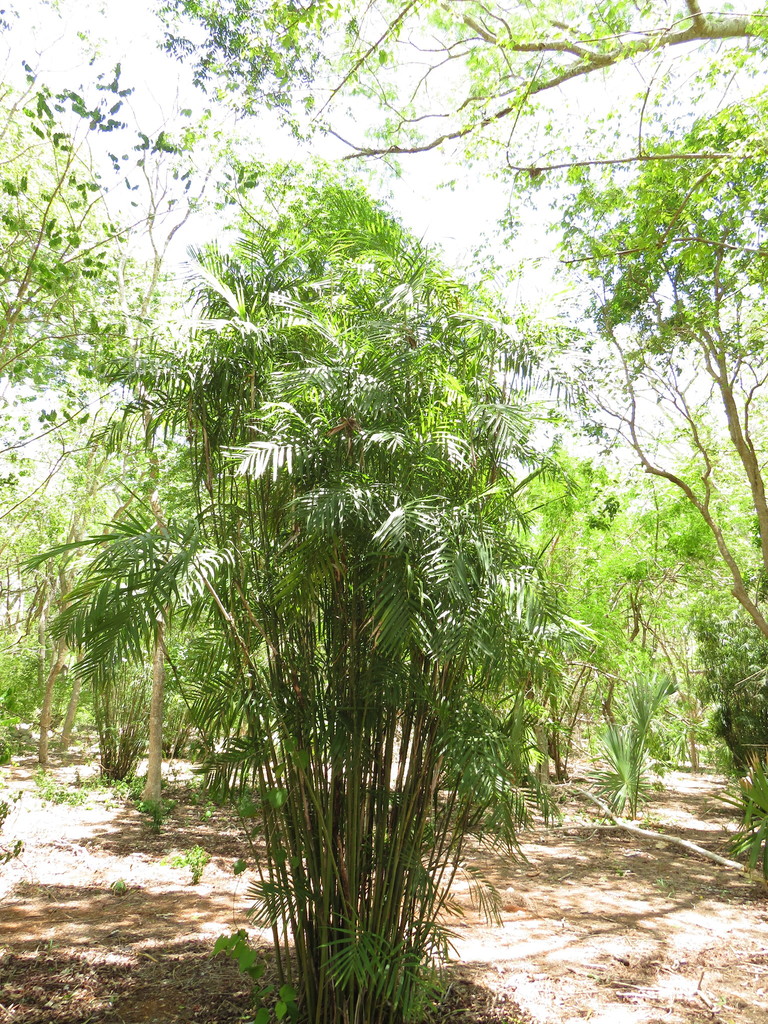
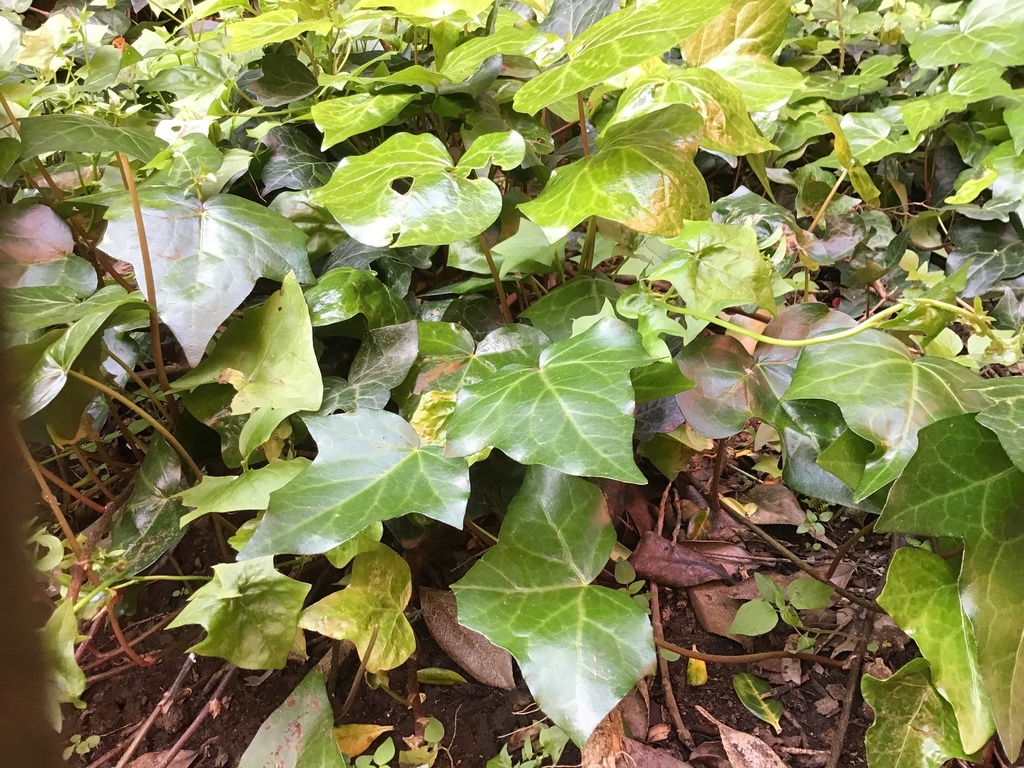
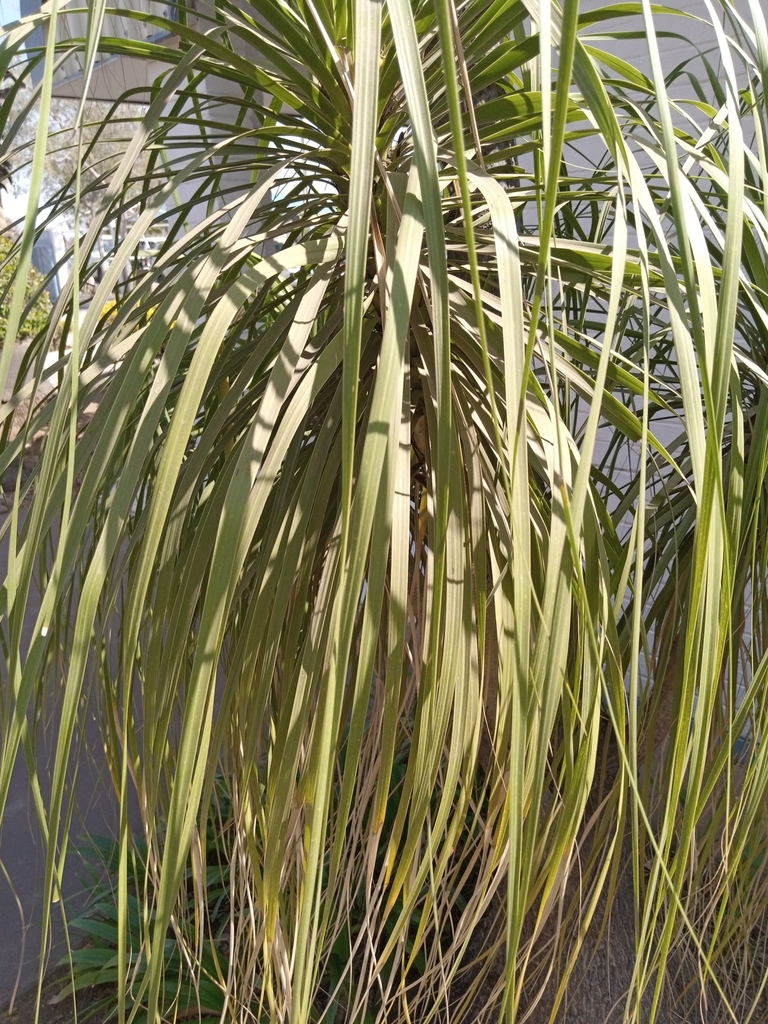
The best air-purifying plants are Bamboo Palm, English Ivy, Ponytail Palm. Sodate ranked 12 qualifying plants from a database of 208 profiles on a published 100-point rubric weighted to air-study evidence (40), care difficulty (25), pet safety (20) and cost (15). Bamboo Palm scores 93/100, the highest in this group.
Bamboo Palm, English Ivy, Ponytail Palm lead this ranking of air-purifying plants. Entry requires documented inclusion in published air-filtration research, plus leaf area, not marketing claims. 3 of the 12 listed are non-toxic to cats and dogs. Every score is computed from the same four measures, air-study evidence, care difficulty, pet safety and cost, and the rubric is published below so you can recompute any ranking yourself.
Why trust this list
This is the rare plant list that will talk you out of the premise. The famous 1989 NASA Clean Air Study sealed single plants in chambers a fraction the size of a room; a widely-cited 2019 re-analysis of that body of work concluded you would need something on the order of 10–1,000 plants per square metre to match the air exchange of simply opening a window. These plants are still worth owning, they are handsome, forgiving, and genuinely appeared in the research, but if clean air is the actual goal, ventilation or a HEPA filter will out-perform any number of pots.
At a glance: all 12 ranked
| Rank | Plant | Best for | Score | Air-study evidence | Pet safety | US price |
|---|---|---|---|---|---|---|
| #1 | Bamboo Palm | Anyone who wants the research-backed pick, in a home with pets | 93 | In published research | Pet-safe | $30–$80 |
| #2 | English Ivy | Anyone who wants the research-backed pick, if you forget to water | 88 | In published research | Toxic | $8–$20 |
| #3 | Ponytail Palm | Maximum leaf area per pot: pet-safe and beginner-friendly | 79 | Large leaf area only | Pet-safe | $15–$45 |
| #4 | Dracaena (Corn Plant) | Anyone who wants the research-backed pick | 75 | In published research | Toxic | $15–$100 |
| #5 | Dracaena Warneckii | Anyone who wants the research-backed pick | 75 | In published research | Toxic | $15–$40 |
| #6 | Dieffenbachia | Maximum leaf area per pot: forgiving of mistakes | 67 | Large leaf area only | Toxic | $15–$40 |
| #7 | Rubber Plant | Maximum leaf area per pot: forgiving of mistakes | 67 | Large leaf area only | Toxic | $15–$60 |
| #8 | Snake Plant | Maximum leaf area per pot: forgiving of mistakes | 67 | Large leaf area only | Toxic | $15–$40 |
| #9 | Areca Palm | Maximum leaf area per pot, in a home with pets | 65 | Large leaf area only | Pet-safe | $30–$80 |
| #10 | Monstera Deliciosa | Maximum leaf area per pot: forgiving of mistakes | 63 | Large leaf area only | Toxic | $25–$75 |
| #11 | Dragon Tree | Maximum leaf area per pot | 57 | Large leaf area only | Toxic | $20–$60 |
| #12 | Bird of Paradise | Maximum leaf area per pot | 49 | Large leaf area only | Toxic | $40–$150 |
How we scored these
Every plant is scored out of 100 on four measures, each pulled directly from its care profile. No score is assigned by hand, so the ranking can be reproduced from the data:
Ties are broken alphabetically. Prices are researched typical retail ranges, not live quotes. Check each plant's profile for the regional breakdown.
All 12 air-purifying plants, ranked
Bamboo Palm
Chamaedorea seifrizii
Best for: Anyone who wants the research-backed pick, in a home with pets
Elite tier: top-scoring on every measure
✓ Strong signal Light tolerance: Medium to bright indirect light; tolerates lower light better than most palms except kentia; avoid direct sun
⚠ Watch out for Fine webbing and dusty, speckled fronds: usually spider mites. the number-one bamboo palm pest in dry indoor air
Our take The bamboo palm is one of the easiest true palms for real indoor conditions: it tolerates medium and even lowish light, grows as a dense multi-stemmed clump rather than a single trunk, and is non-toxic to pets. Keep the soil lightly moist, watch for spider mites in dry rooms, and
Strengths
- Appears in the published air-filtration research, not just marketing lists
- Non-toxic to cats and dogs
- Beginner-friendly and forgiving of missed waterings
Trade-offs
- Watch for: fine webbing and dusty, speckled fronds
Care details
| Light | Medium to bright indirect light; tolerates lower light better than most palms except kentia; avoid direct sun |
| Water | When the top 2-3cm of soil dries. Roughly weekly in summer, every 10-14 days in winter; keep lightly moist |
| Humidity | Average household humidity is fine; 40%+ reduces tip browning |
| Temperature | 18-27°C (65-80°F); protect below 10°C (50°F) |
| Toxicity | Non-toxic to cats, dogs, and humans |
| US price | $30–$80 |
English Ivy
Hedera helix
Best for: Anyone who wants the research-backed pick, if you forget to water
Elite tier: top-scoring on every measure
✓ Strong signal Light tolerance: Tolerates low light indoors; variegated types need brighter light to keep their pattern
⚠ Watch out for Brown, crispy leaf tips: usually low humidity or underwatering
Our take English ivy is an easy, fast-growing trailing or climbing vine that tolerates low light and average home humidity. Water when the top inch of soil dries out, keep it out of direct sun, and prune regularly to control its spread.
Strengths
- Appears in the published air-filtration research, not just marketing lists
- Beginner-friendly and forgiving of missed waterings
- Inexpensive to start ($8–$20 in the US)
Trade-offs
- Toxic to pets if chewed
- Watch for: brown, crispy leaf tips
Care details
| Light | Tolerates low light indoors; variegated types need brighter light to keep their pattern |
| Water | Every 7-10 days; water when the top inch of soil is dry |
| Humidity | Prefers 40%+ humidity; dry indoor air causes brown leaf tips |
| Temperature | 13-24°C (55-75°F); tolerates cooler temperatures better than most houseplants |
| Toxicity | Toxic to pets and humans if ingested; sap can irritate skin |
| US price | $8–$20 |
Ponytail Palm
Beaucarnea recurvata
Best for: Maximum leaf area per pot: pet-safe and beginner-friendly
Strong pick: one clear trade-off
✓ Strong signal Non-toxic to cats and dogs. Verified per species, not assumed from its family
⚠ Watch out for Soft, mushy trunk base: usually overwatering. by far the most common failure mode
Our take Ponytail palm is an extremely drought-tolerant succulent, not a true palm, that stores water in its swollen trunk base. Water only when the soil is completely dry, give it bright light, and expect it to tolerate weeks of neglect without issue.
Strengths
- Non-toxic to cats and dogs
- Beginner-friendly and forgiving of missed waterings
- Inexpensive to start ($15–$45 in the US)
Trade-offs
- Watch for: soft, mushy trunk base
Care details
| Light | Bright light, including direct sun; tolerates some lower light with slower growth |
| Water | Every 2-3 weeks; water only when soil is completely dry |
| Humidity | Tolerates low humidity well, typical of a desert-adapted succulent |
| Temperature | 18-29°C (65-85°F); tolerates brief cooler dips better than most tropical houseplants |
| Toxicity | Non-toxic to cats, dogs, and humans |
| US price | $15–$45 |
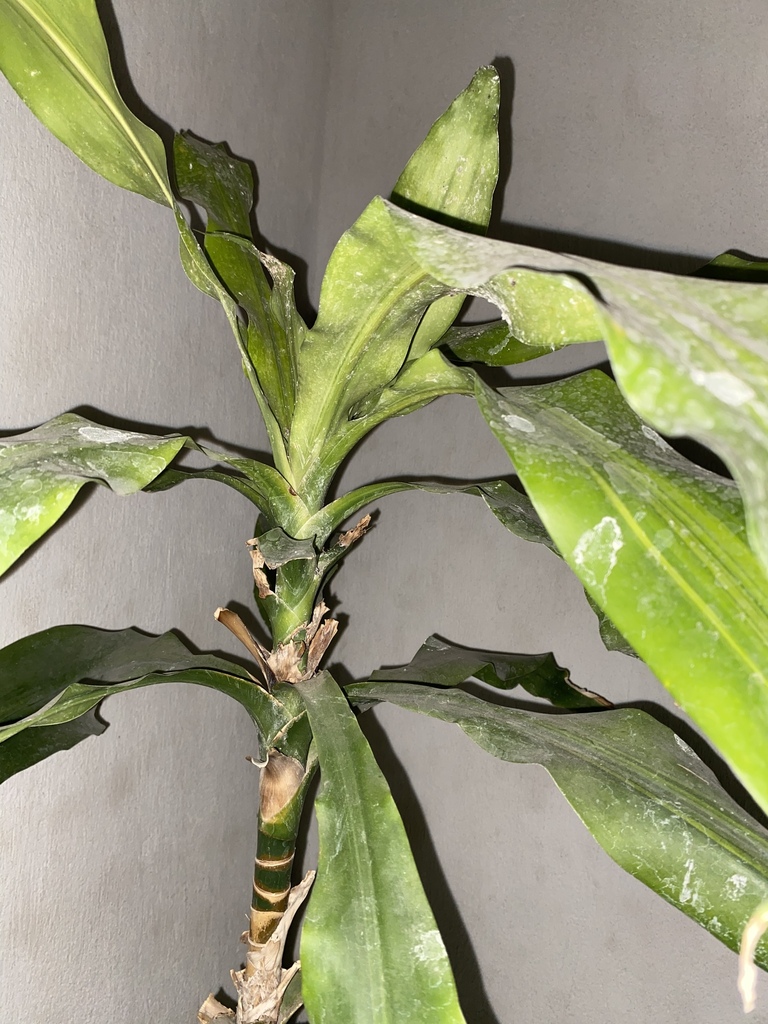
Dracaena (Corn Plant)
Massangeana cane
Best for: Anyone who wants the research-backed pick
Strong pick: one clear trade-off
✓ Strong signal Light tolerance: Medium indirect light is ideal; tolerates low light (growth slows and stripes fade); avoid direct sun
⚠ Watch out for Brown, dry leaf tips: usually fluoride/salt buildup from tap water or fertilizer, or very dry air
Our take The corn plant is the cheapest way to put a tolerant, tree-sized plant in a dim corner: it handles low light, dry air, and forgetfulness. Water when the top half of the soil is dry (every 1-2 weeks), use filtered water if your tap is fluoridated (fluoride browns the leaf tips), a
Strengths
- Appears in the published air-filtration research, not just marketing lists
- Inexpensive to start ($15–$100 in the US)
Trade-offs
- Toxic to pets if chewed
- Watch for: brown, dry leaf tips
Care details
| Light | Medium indirect light is ideal; tolerates low light (growth slows and stripes fade); avoid direct sun |
| Water | Every 1-2 weeks; water when the top half of the pot is dry. It prefers slightly dry to wet |
| Humidity | Average home humidity (40%+) is fine; very dry air browns tips |
| Temperature | 16-27°C (60-80°F); damage below 10°C (50°F); keep off cold windowsills |
| Toxicity | Toxic to cats and dogs (saponins); mildly irritating to humans if ingested |
| US price | $15–$100 |
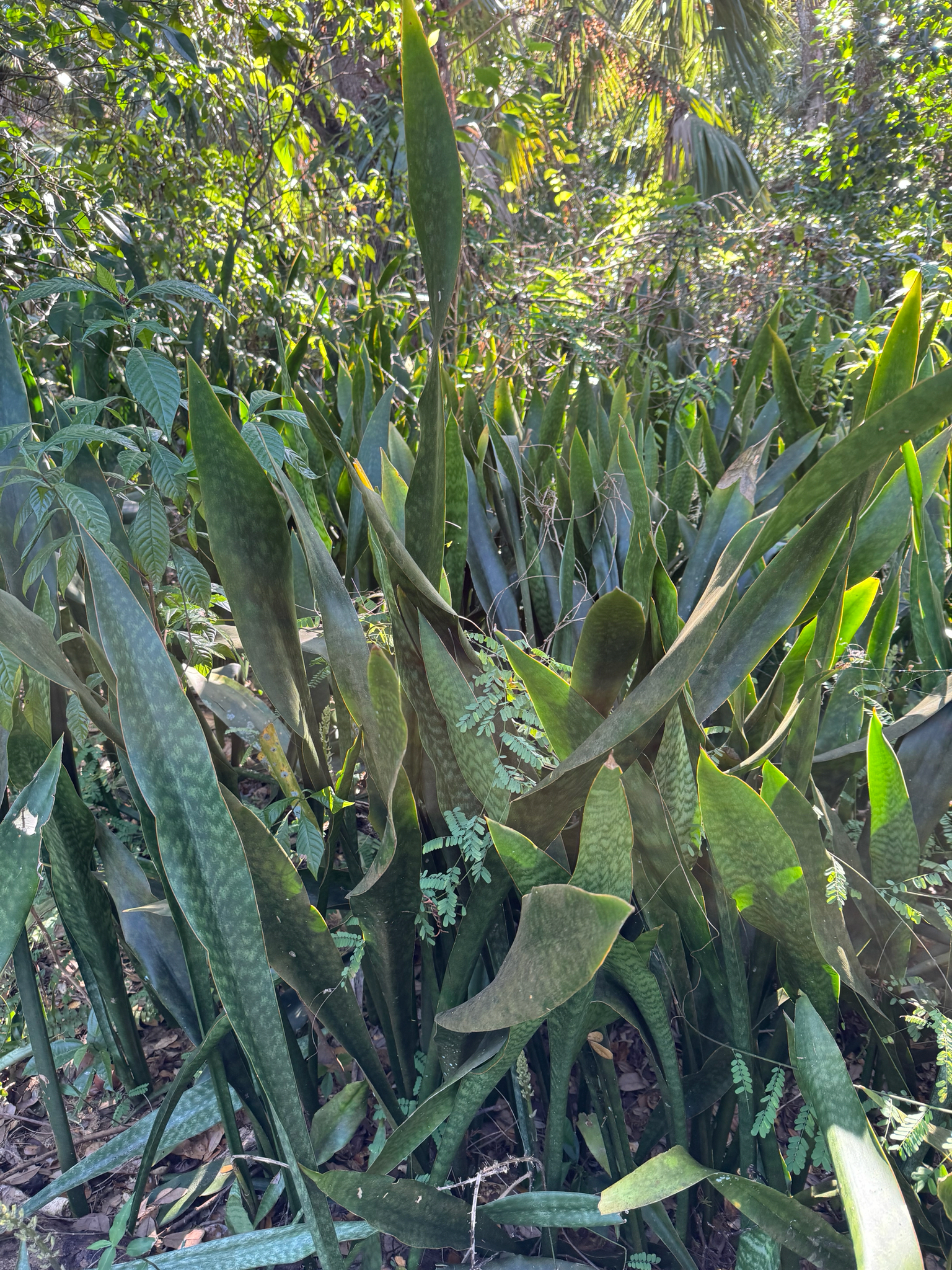
Dracaena Warneckii
Dracaena deremensis 'Warneckii'
Best for: Anyone who wants the research-backed pick
Strong pick: one clear trade-off
✓ Strong signal Light tolerance: Bright indirect light. Noticeably more than a plain green dracaena needs; stripes fade and growth thins in low light
⚠ Watch out for Brown, crispy leaf tips: usually fluoride/chlorine in tap water or dry air. the classic dracaena complaint, extra visible on white stripes
Our take Warneckii is the white-striped dracaena cultivar. Care is the same as the base dracaena, infrequent watering, fluoride sensitivity, toxic to pets, with one delta: the white-striped leaves have less chlorophyll, so it needs brighter light than a plain green dracaena and grows noti
Strengths
- Appears in the published air-filtration research, not just marketing lists
- Inexpensive to start ($15–$40 in the US)
Trade-offs
- Toxic to pets if chewed
- Watch for: brown, crispy leaf tips
Care details
| Light | Bright indirect light. Noticeably more than a plain green dracaena needs; stripes fade and growth thins in low light |
| Water | Every 10-14 days, when the top half of the soil is dry; use filtered or rain water where tap water is fluoridated |
| Humidity | Tolerates ordinary home humidity; 40%+ keeps leaf tips cleaner |
| Temperature | 18-27°C (65-80°F); keep above 12°C (55°F) |
| Toxicity | Toxic to cats and dogs (saponins); vomiting and drooling if chewed |
| US price | $15–$40 |
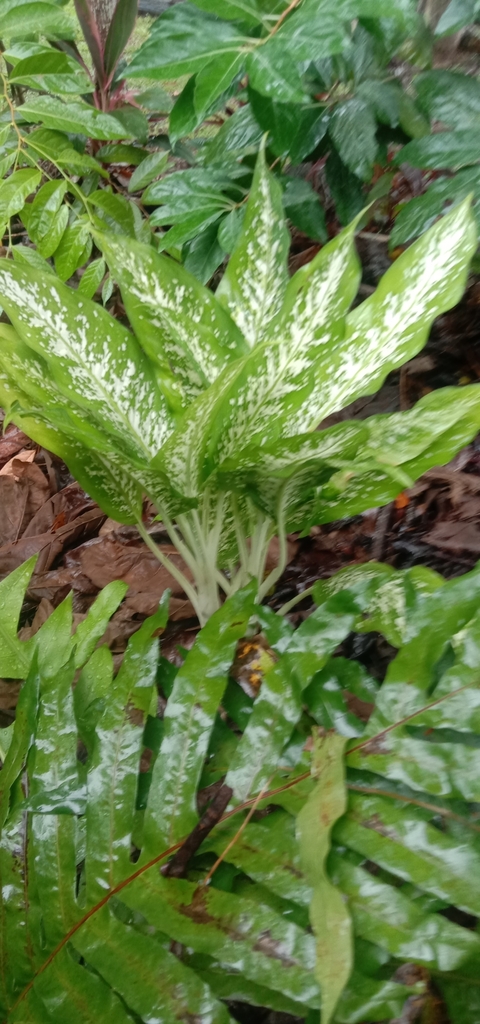
Dieffenbachia
Dieffenbachia seguine
Best for: Maximum leaf area per pot: forgiving of mistakes
Situational: works if the trade-offs suit you
✓ Strong signal Care difficulty: Moderate: cuttings root in water or soil within 3-4 weeks
⚠ Watch out for Yellow lower leaves: usually natural aging or overwatering
Our take Dieffenbachia needs bright indirect light and water when the top 2 inches of soil dry out. Its sap is significantly toxic.
Strengths
- Beginner-friendly and forgiving of missed waterings
- Inexpensive to start ($15–$40 in the US)
Trade-offs
- Toxic to pets if chewed
- Wants higher humidity than most homes provide
- Watch for: yellow lower leaves
Care details
| Light | Bright, indirect light; tolerates medium light with slower growth |
| Water | Every 7-10 days; water when the top 2in of soil is dry |
| Humidity | 50%+ preferred; tolerates average home humidity |
| Temperature | 18-27°C (65-80°F); avoid below 15°C (60°F) |
| Toxicity | Seriously toxic to pets and humans if chewed. Causes painful mouth and throat swelling |
| US price | $15–$40 |
Rubber Plant
Ficus elastica
Best for: Maximum leaf area per pot: forgiving of mistakes
Situational: works if the trade-offs suit you
✓ Strong signal Care difficulty: Moderate: cuttings root in 3-5 weeks with warmth
⚠ Watch out for Lower leaves yellowing and dropping: usually overwatering
Our take Rubber plant is one of the easiest indoor trees: bright indirect light, water when the top few centimeters dry (roughly weekly in summer, fortnightly in winter), and wipe the big glossy leaves so they can breathe. Its milky sap is irritating and it's toxic to pets.
Strengths
- Beginner-friendly and forgiving of missed waterings
- Inexpensive to start ($15–$60 in the US)
Trade-offs
- Toxic to pets if chewed
- Watch for: lower leaves yellowing and dropping
Care details
| Light | Bright, indirect light; variegated forms need more light, deep green forms tolerate less |
| Water | Every 7-10 days in summer, 10-14 in winter; when the top 3-5cm are dry |
| Humidity | Average home humidity is fine |
| Temperature | 16-27°C (60-80°F); avoid cold drafts below 12°C |
| Toxicity | Toxic to cats and dogs; sap irritates skin, wear gloves when pruning |
| US price | $15–$60 |
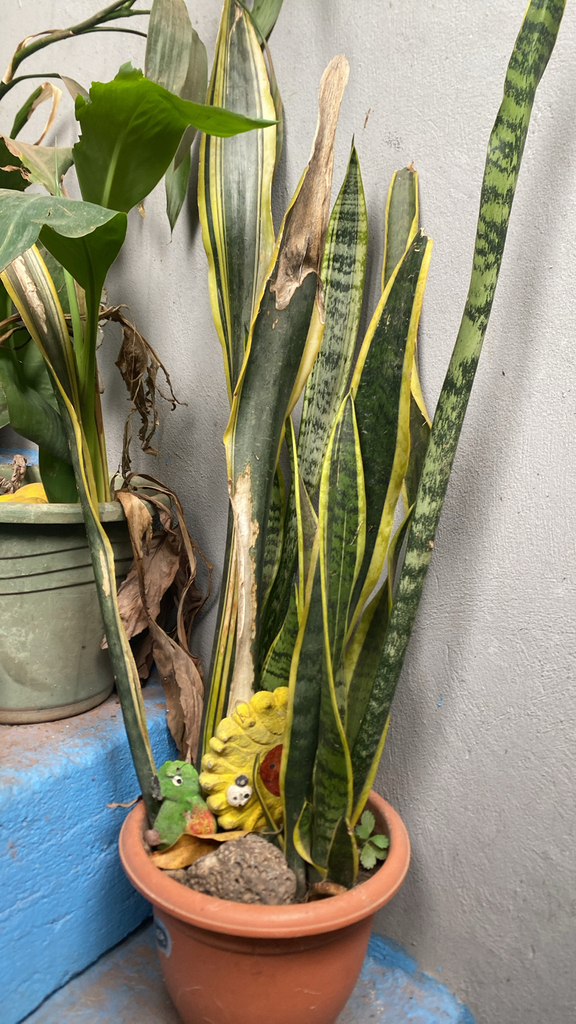
Snake Plant
Dracaena trifasciata
Best for: Maximum leaf area per pot: forgiving of mistakes
Situational: works if the trade-offs suit you
✓ Strong signal Care difficulty: Easy via division; leaf cuttings are slow (months)
⚠ Watch out for Mushy, collapsing leaves at the base: usually overwatering. effectively the only way this plant dies
Our take Snake plant tolerates nearly everything: low light, missed waterings, dry air, and neglect. Water every 2-6 weeks depending on season, only when soil is fully dry, and give it any light from dim to bright.
Strengths
- Beginner-friendly and forgiving of missed waterings
- Inexpensive to start ($15–$40 in the US)
Trade-offs
- Toxic to pets if chewed
- Watch for: mushy, collapsing leaves at the base
Care details
| Light | Tolerates everything from low light to direct sun; grows fastest in bright indirect light |
| Water | Every 2-4 weeks in the growing season, up to 6 weeks in winter; only when soil is fully dry |
| Humidity | Any household humidity is fine, including very dry air |
| Temperature | 15-29°C (60-85°F); avoid prolonged cold below 10°C (50°F) |
| Toxicity | Mildly toxic to cats and dogs if chewed |
| US price | $15–$40 |
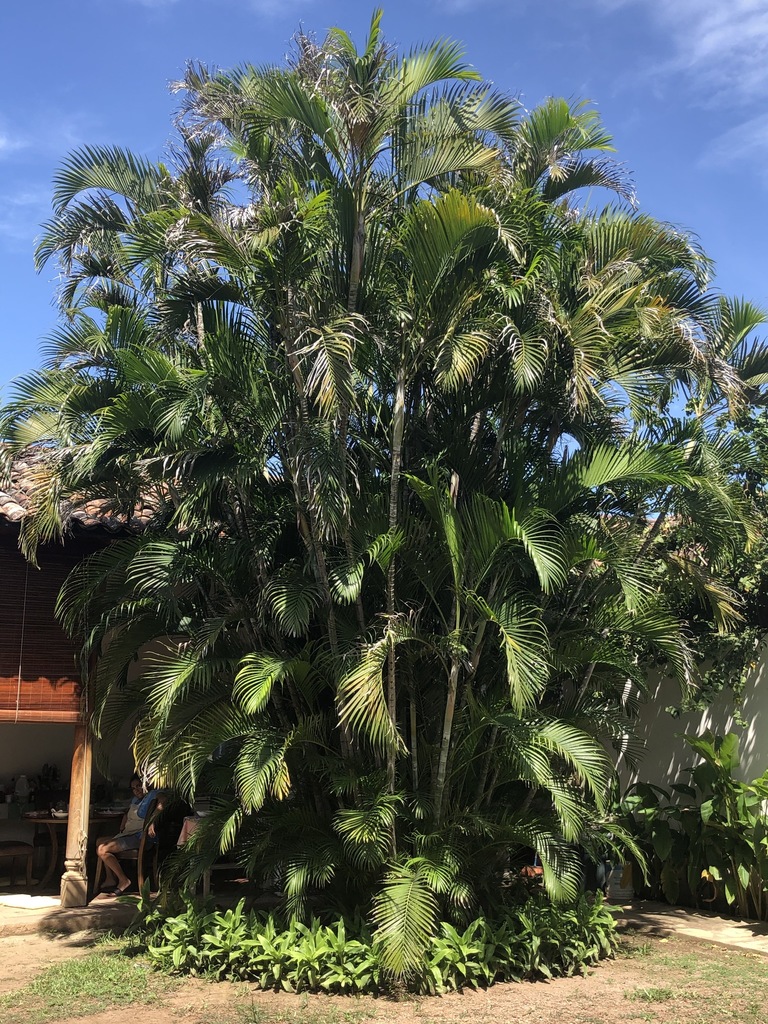
Areca Palm
Dypsis lutescens
Best for: Maximum leaf area per pot, in a home with pets
Situational: works if the trade-offs suit you
✓ Strong signal Non-toxic to cats and dogs. Verified per species, not assumed from its family
⚠ Watch out for Brown, crispy leaf tips: usually low humidity, fluoride/boron in tap water, or underwatering
Our take Areca palm needs bright indirect light, consistent moisture (never fully dry, never soggy), and higher humidity than most homes naturally provide. It's non-toxic to pets, slow to grow from seed so almost always bought as an established plant, and typically costs $30-$80 for a flo
Strengths
- Non-toxic to cats and dogs
Trade-offs
- Wants higher humidity than most homes provide
- Watch for: brown, crispy leaf tips
Care details
| Light | Bright, indirect light; tolerates some direct morning sun |
| Water | Every 5-7 days; keep soil consistently moist but never soggy |
| Humidity | 50%+ preferred; dry air causes brown leaf tips |
| Temperature | 18-24°C (65-75°F); avoid cold drafts below 15°C (60°F) |
| Toxicity | Non-toxic to cats, dogs, and humans |
| US price | $30–$80 |
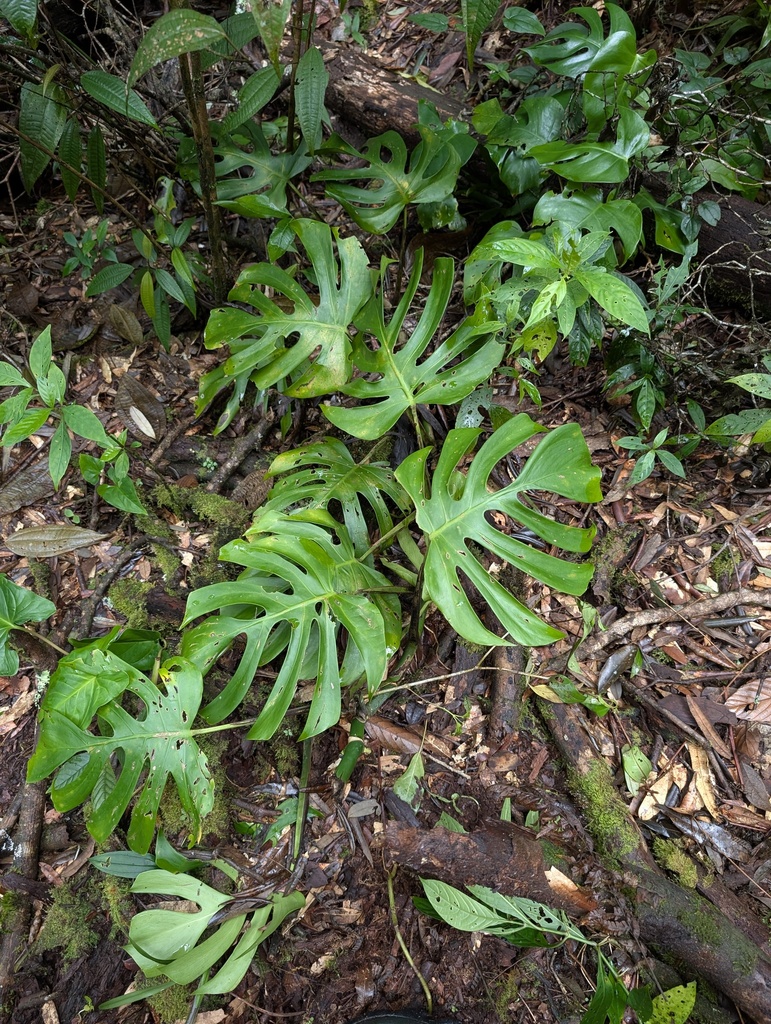
Monstera Deliciosa
Monstera deliciosa
Best for: Maximum leaf area per pot: forgiving of mistakes
Situational: works if the trade-offs suit you
✓ Strong signal Care difficulty: Beginner-friendly: cuttings root in water in 3-6 weeks
⚠ Watch out for Yellow leaves: usually overwatering or poor drainage
Our take Monstera deliciosa is a fast-growing, beginner-friendly houseplant that needs bright indirect light, water every 7-10 days, and a well-draining pot. It's toxic to pets, propagates easily from stem cuttings, and typically costs $25-$75 (non-variegated).
Strengths
- Beginner-friendly and forgiving of missed waterings
Trade-offs
- Toxic to pets if chewed
- Wants higher humidity than most homes provide
- Watch for: yellow leaves
Care details
| Light | Bright, indirect light; tolerates medium light but grows and fenestrates slower |
| Water | Every 7-10 days; let the top 2-3in of soil dry out between waterings |
| Humidity | 50%+ preferred; tolerates average home humidity (30-40%) |
| Temperature | 18-29°C (65-85°F); avoid below 13°C (55°F) |
| Toxicity | Toxic to cats, dogs, and humans if ingested. Calcium oxalate crystals cause oral irritation, drooling, and vomiting |
| US price | $25–$75 |
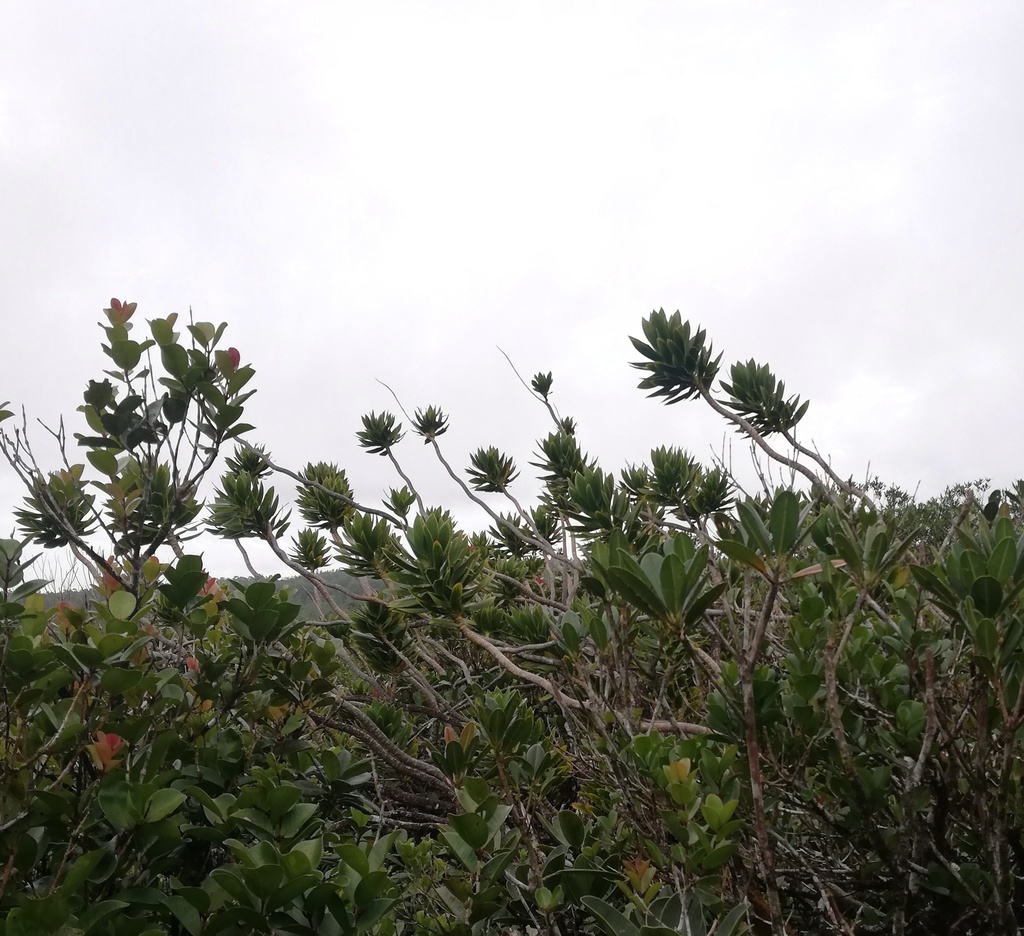
Dragon Tree
Dracaena marginata
Best for: Maximum leaf area per pot
Situational: works if the trade-offs suit you
✓ Strong signal Care difficulty: Moderate: cuttings take 4-6 weeks to root
⚠ Watch out for Brown, crispy leaf tips: usually fluoride or chlorine in tap water, or low humidity
Our take Dragon tree is a slow-growing, drought-tolerant houseplant that needs bright indirect light and water only when the top half of the soil is dry. It's sensitive to fluoride in tap water, which causes brown leaf-tip burn over time.
Strengths
- Inexpensive to start ($20–$60 in the US)
Trade-offs
- Toxic to pets if chewed
- Watch for: brown, crispy leaf tips
Care details
| Light | Bright, indirect light; tolerates medium light with slower growth |
| Water | Every 10-14 days; water when the top half of soil is dry |
| Humidity | Tolerates average home humidity (30-40%) well |
| Temperature | 18-27°C (65-80°F); avoid below 13°C (55°F) |
| Toxicity | Toxic to cats and dogs if ingested |
| US price | $20–$60 |

Bird of Paradise
Strelitzia nicolai
Best for: Maximum leaf area per pot
Niche: only under the right conditions
✓ Strong signal Care difficulty: Moderate: division requires a mature plant with multiple stems
⚠ Watch out for No new leaf growth: usually insufficient light
Our take Bird of paradise needs bright light, ideally including some direct sun, and consistent moisture without waterlogging to thrive indoors. It's a large plant that needs real floor space and rarely flowers indoors due to insufficient light.
Strengths
Trade-offs
- Toxic to pets if chewed
- Pricier entry point ($40–$150 in the US)
- Watch for: no new leaf growth
Care details
| Light | Bright light, including some direct sun; low light prevents new leaf growth |
| Water | Every 5-7 days; keep soil evenly moist but not waterlogged |
| Humidity | 40%+ preferred |
| Temperature | 18-27°C (65-80°F); avoid below 10°C (50°F) |
| Toxicity | Toxic to cats and dogs if ingested |
| US price | $40–$150 |
Stop guessing whether that corner is bright enough
Sodate measures the actual light where your plant sits and builds its watering schedule from that reading and your season, not a fixed interval. Currently in development.
See Sodate: coming soonWhat to check before buying
- Ask where the plant was grown. Greenhouse-grown stock looks perfect for weeks on stored energy before it shows dim-room stress
- Check leaf spacing on the stem: wide gaps mean it was already stretching for light before you bought it
- Choose plain-green over variegated for genuinely dim spots. Variegated leaves have less chlorophyll and need more light
- Inspect leaf undersides and stem joints for pests, which spread faster on plants stressed by low light
- Confirm pet toxicity yourself if you have cats or dogs, rather than relying on shelf labels
Red flags to walk away from
- Any product page claiming a single plant 'purifies the air in a room'. The chamber studies do not support that at room scale.
- Lists citing NASA without mentioning the study used sealed containers, not homes.
- Sellers quoting a percentage of toxins removed with no timeframe or volume attached. The numbers are meaningless without both.
- 'Removes 87% of toxins in 24 hours'. The widely-copied stat from a sealed-chamber test that says nothing about your living room.
Best time to buy
There is no seasonal advantage for this group specifically. Buy when you'll actually care for them. If your real goal is air quality, spend the money on ventilation or a HEPA unit first and buy these because you like them.
Frequently asked questions
Do houseplants actually purify indoor air?
Not meaningfully at room scale. The sealed-chamber studies that produced the claim don't translate to real rooms. A 2019 re-analysis estimated you'd need 10 to 1,000 plants per square metre to match the effect of ordinary ventilation. Plants are worth owning for other reasons.
Which plant is best if I still want the most air-active one?
Larger-leaved plants with high transpiration move the most air per plant, so a big peace lily or areca palm does more than a small succulent. The difference is still small relative to opening a window.
Do these plants remove mould or allergens?
No. Damp potting soil can actually increase mould spores and fungus gnats indoors, so over-watering an 'air-purifying' plant can make indoor air quality slightly worse, not better.
What actually improves indoor air quality?
Ventilation, source control (removing what's off-gassing), and a HEPA or activated-carbon filter. Those are the interventions with real measured effects at room scale.
Are air-purifying plants safe for pets?
Many of the commonly-listed ones are not. Peace lily, pothos and dracaena are all toxic if chewed. The pet-safety column in the table above flags each one.
Limitations of this ranking
Stated plainly, so you can judge how much weight to give it:
- No physical testing. Nothing here was grown, timed or measured by us. Every score is computed from the structured care data on this site, which is compiled from the botanical and horticultural sources listed below.
- Prices are researched ranges, not live quotes. They are typical retail for a standard starter size and will drift. Each plant profile carries the regional breakdown for five countries.
- Scores are relative to this directory, which holds 208 profiles. A plant absent from the directory cannot appear here, so this is not a claim about every plant in existence.
- Care data is species-level. Your light, your water and your home will move any of these plants up or down more than the gap between adjacent ranks.
- No credentialed horticulturist has reviewed this. These pages are compiled and edited against a published rubric and cited sources. Where a claim matters, the source is linked below so you can check it rather than take it on authority. Our review panel page lists every section that has no expert reviewer yet and the credential we require to fill it.
Sources
Of the 208 plant profiles in this directory, 12 meet the entry bar for air-purifying plants (6%). 3 of the 12 ranked here are non-toxic to cats and dogs, and the median entry price across the list is $15.
- Cummings & Waring (2020), Potted plants do not improve indoor air quality. The re-analysis of 12 studies concluding that ventilation vastly outperforms potted plants.
- Wolverton et al. (1989), Interior Landscape Plants for Indoor Air Pollution Abatement. The original NASA sealed-chamber study behind the air-purifying claim.
- ASPCA Toxic and Non-Toxic Plant List. Species-level toxicity to cats and dogs, used for every pet-safety score.
- GBIF (Global Biodiversity Information Facility). Accepted botanical names and taxon identifiers for every profile.
- iNaturalist. Source of the CC-licensed photographs, with photographer and licence credited per image.
- RHS Plant Finder. UK cultivation guidance, hardiness ratings and cultivar naming.
- Missouri Botanical Garden Plant Finder. Cross-checked culture notes, mature size and problem diagnosis.
Editorial disclosure: no plant on this page is sponsored, and Sodate takes no payment, commission or affiliate revenue for placement. Rankings are generated from the data by the scoring code in this site's repository, not chosen by hand. Published , last updated .