 Sodate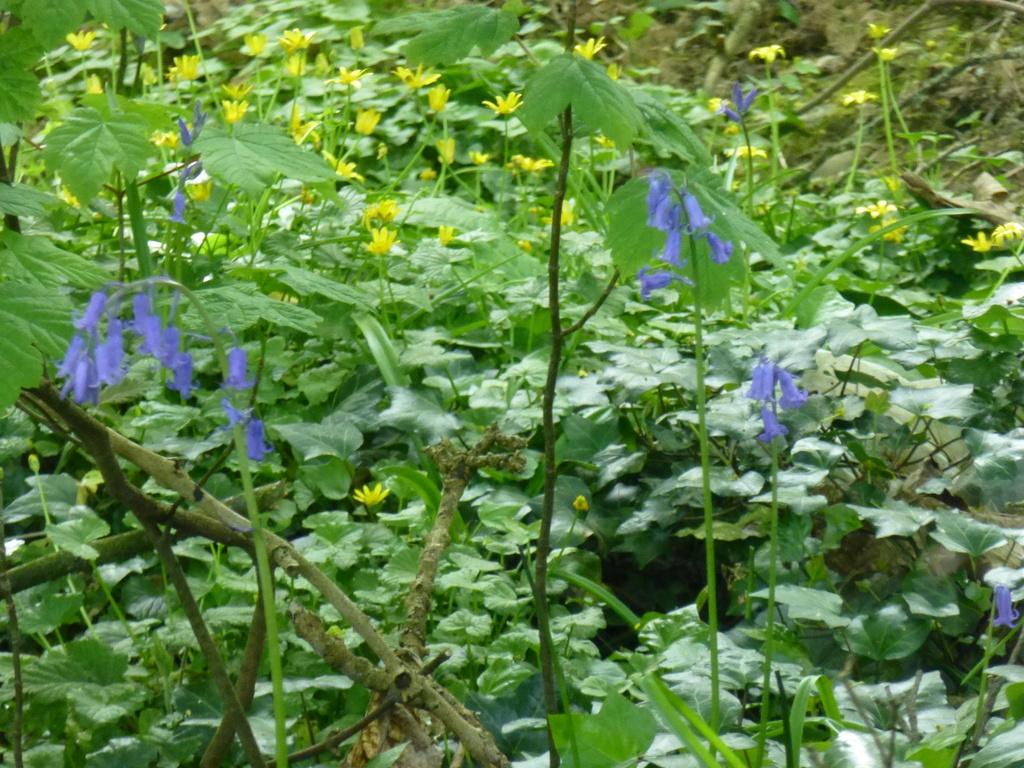
On this page
The English bluebell is protected under the UK Wildlife and Countryside Act 1981: it is illegal to dig bulbs from the wild, and trading wild-collected bulbs is a criminal offence, so buy only cultivated stock labelled Hyacinthoides non-scripta from a reputable supplier. Plant bulbs 10cm deep in autumn (or 'in the green' in spring) under deciduous trees, and never plant Spanish bluebells nearby. They hybridise with and genetically swamp the native. Cultivated bulbs cost roughly £8-£15 per 25.
Key facts
- Legally protected in the UK: under the Wildlife and Countryside Act 1981 it is illegal to uproot wild bluebells, and (since 1998) illegal to sell or trade wild-collected bulbs or seed. Offences carry fines of up to £5,000 per bulb in serious trade cases. Buy cultivated stock only.
- Britain holds roughly half the world's population of this species, which is why its conservation is treated as a national responsibility.
- The biggest threat is genetic: the Spanish bluebell (Hyacinthoides hispanica), a common garden escape, cross-breeds freely with the native, producing fertile hybrids that dilute wild populations near towns.
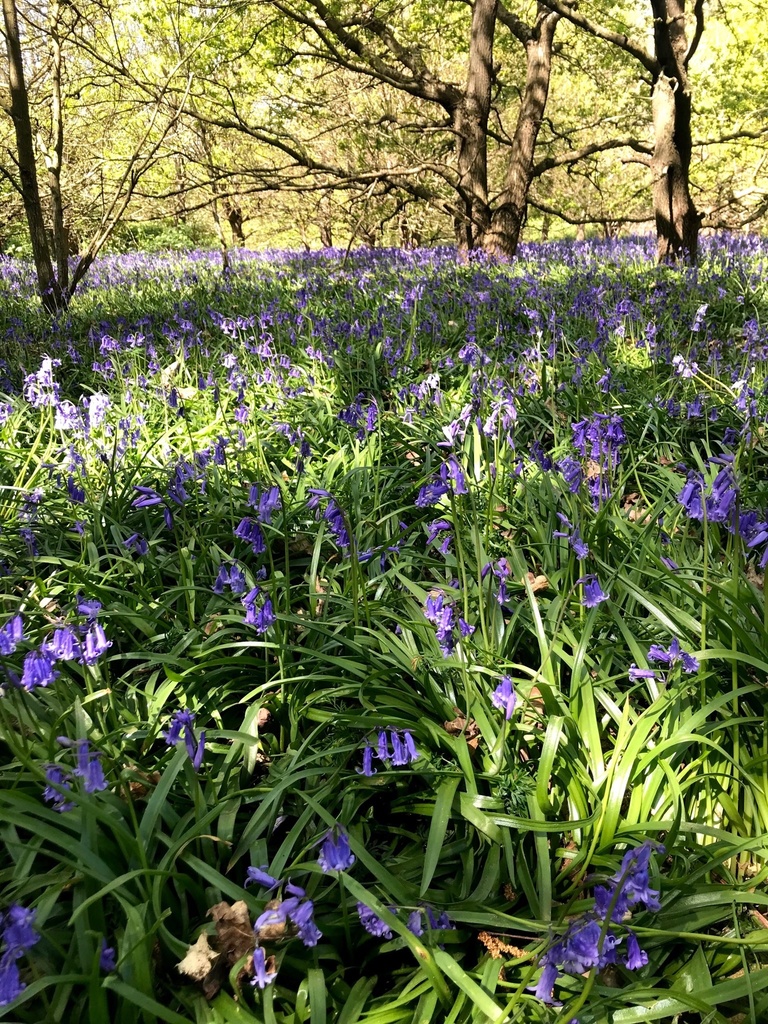
- ID the true native by its nodding, one-sided spike of narrow deep violet-blue bells with strongly curled-back petal tips, cream-white pollen, and sweet scent; Spanish and hybrid plants are upright, paler, broader-belled, blue-pollened, and scentless.
- All parts contain toxic glycosides. Mildly poisonous to people, dogs, cats, and horses if eaten, and the sap can irritate skin.
Care requirements#
| Plant type | Outdoor perennial bulb (spring ephemeral) |
| Growing medium | Humus-rich, moist but drained soil with leaf mould, mimicking a woodland floor |
| Light needs | Dappled or part shade under deciduous trees; spring sun before the canopy closes is what it actually uses |
| Water frequency | Rain is usually enough; keep soil from fully drying while in leaf (spring) |
| Planting depth | 10cm deep, 10cm apart, pointed end up; plant dry bulbs early autumn or 'in the green' after flowering |
| Temperature range | Fully hardy in the UK; needs cold winters, poor in warm climates |
| Fertilizer | None needed; an autumn mulch of leaf mould is the ideal feed |
| Soil pH | 5.5-7.5, unfussy |
| Drainage needs | Moderate: moist woodland soil, not waterlogged clay |
| Aftercare | Let foliage die down naturally (about 6 weeks after flowering); never mow or tie it early |
| Hardiness zone (outdoor) | USDA 5-8 / fully hardy UK |
| Toxicity | All parts toxic if eaten (glycosides). Mildly poisonous to dogs, cats, horses, and humans; sap can irritate skin |
Growth & propagation#
| Mature size | 30-40cm flower spikes above strappy leaves |
| Growth rate | Slow to establish. Seed takes about 5 years to reach flowering size |
| Propagation methods | Bulb offsets, division of clumps 'in the green', or fresh seed sown at once |
| Propagation difficulty | Easy but slow; naturalises steadily where happy |
| Spread | Forms expanding carpets over decades under deciduous trees |
| Pruning needs | None: just leave foliage to die back fully |
Common problems & troubleshooting#
| Symptom | Likely cause | Fix |
|---|---|---|
| Upright, pale, scentless flowers appearing in your 'native' patch | Spanish bluebells or hybrids. From mislabelled stock or garden escape | Dig out impostors bulb-and-all while in flower (easiest to ID), dispose in green waste, and buy replacements only from suppliers guaranteeing cultivated H. non-scripta |
| Planted bulbs never come up | Bulbs dried out before planting. Bluebell bulbs have no protective tunic and die if left in storage | Plant within days of arrival; better still, buy plants 'in the green' in late spring |
| Leaves but no flowers | Too little spring light, congested clumps, or foliage cut down early in previous years | Thin overhead evergreen shade, divide congested clumps after flowering, and always let leaves die back naturally |
| Bulbs rotting | Waterlogged ground or bulbs planted damaged | Improve drainage with leaf mould and grit; plant on a slope or raised woodland bed |
| Dog vomiting after digging in the bulb patch | Bluebell bulbs are toxic (glycosides) | Fence new plantings from digging dogs; contact a vet if quantities were eaten |
Plant once, naturalise forever
Sodate reminds you of the autumn planting window and the leave-the-foliage rule that lets bluebells build into a carpet.
Seasonal care#
Varieties & cultivars#
| Variety | Distinguishing trait | Note |
|---|---|---|
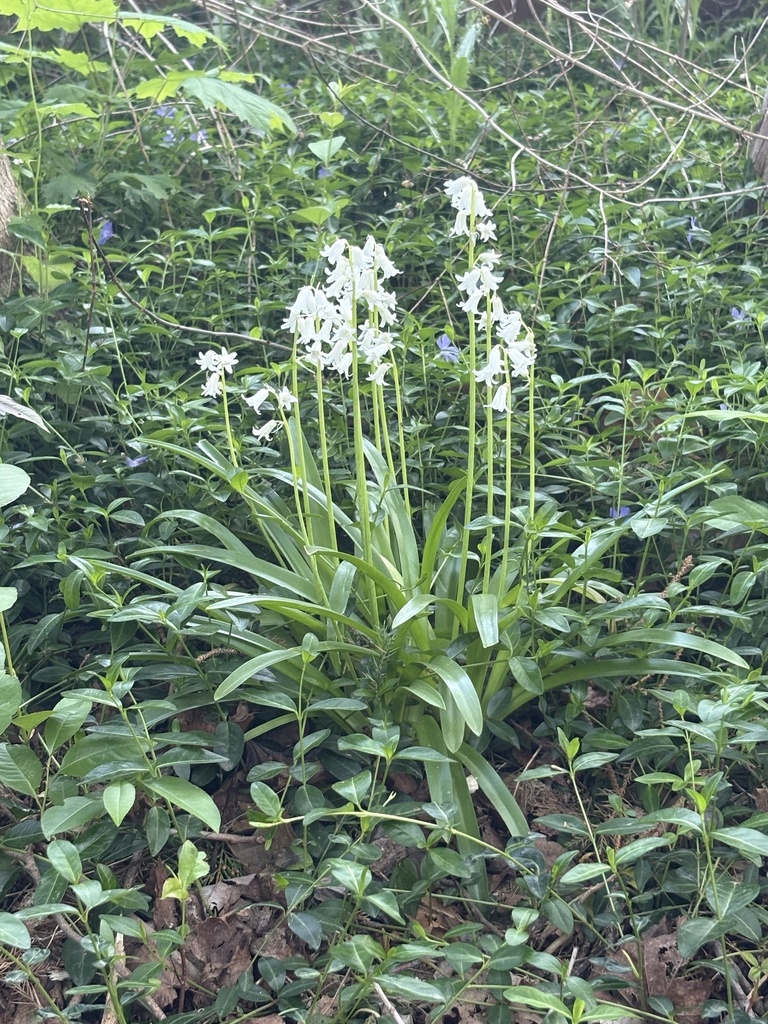
| 'Alba' (white form) | Naturally occurring white-flowered variant | Sold as cultivated stock; rare in the wild |
| Straight species | Deep violet-blue, nodding, scented | The one to plant. Avoid anything labelled just 'bluebell mix' |
Buying checklist#
- Label says Hyacinthoides non-scripta AND 'cultivated stock' or 'nursery-grown'. Wild-collected bulbs are illegal to trade in the UK
- Bulbs plump and firm, not papery-dry (bluebell bulbs die quickly in storage)
- For guaranteed purity, buy 'in the green' plants in flower so you can verify nodding, scented, one-sided spikes
- Refuse cheap unlabelled 'bluebell' bulbs. They are almost always Spanish or hybrid
Pricing by region#
| Region | Price range | Typical unit | Basis |
|---|---|---|---|
| US | $15 – $35 | per 25 bulbs | Specialty bulb catalogues (often substituted with hispanica, check!) |
| UK | $10 – $20 | per 25 cultivated bulbs | Reputable native-bulb suppliers; 'in the green' costs a little more |
| India | $6 – $15 | per 10 bulbs (import) | Rarely offered; unsuited to the climate |
| Australia | $10 – $25 | per 10-25 bulbs | Cool-climate bulb specialists |
| Canada | $15 – $32 | per 25 bulbs | Specialty bulb catalogues |
USD figures are approximate conversions for comparison; switch the dropdown to see each region's actual local-currency listing price.
Often confused with#
Name confusion warning#
"Bluebell" means different plants in different places. In Scotland the harebell (Campanula rotundifolia) is the traditional bluebell; in Australia "bluebells" are Wahlenbergia; and most garden-centre "bluebells" abroad are actually Spanish H. hispanica. For the protected English woodland species, insist on Hyacinthoides non-scripta.
Where it's actually grown#
Legitimate stock comes from a small number of licensed UK growers who bulk up bulbs in cultivated fields over several years. One reason true native bulbs cost more than mass-produced Dutch Spanish bluebells. Any 'bargain' wild-flavoured offer should raise suspicion of illegal wild collection.
Import & biosecurity restrictions#
| Region | Note |
|---|---|
| UK | Wild plants protected under the Wildlife and Countryside Act 1981: uprooting wild bulbs is illegal, and selling wild-collected bulbs/seed is a criminal offence. Cultivated stock trades freely. |
| US | No federal restriction; standard phytosanitary rules for bulb imports. Verify species: hispanica substitution is rampant. |
| Australia | Live bulb imports restricted under biosecurity law; small domestic cool-climate supply exists. |
| India | No specific restriction, but the species needs cold winters and cool springs it will rarely get. |
| Canada | CFIA phytosanitary rules for bulb imports; grows well in mild, moist regions like coastal BC. |
Similar plants
Ranked in these guides
Did you know?
Frequently asked questions
Is it illegal to pick or dig up bluebells in the UK?
Digging up wild bluebell bulbs is illegal under the Wildlife and Countryside Act 1981, and trading wild-collected bulbs is a criminal offence. Picking a few flowers for personal use isn't an offence on land where you have permission, but uprooting is.
How do I tell English from Spanish bluebells?
English: nodding one-sided spike, narrow deep-blue bells with curled-back tips, cream pollen, sweet scent. Spanish/hybrid: upright stem, paler broader bells all around it, blue pollen, no scent.
Why shouldn't I plant Spanish bluebells?
They cross-breed with the native English bluebell and the fertile hybrids spread, genetically diluting wild populations. A documented conservation threat near towns and woods.
Are bluebells poisonous to dogs?
Yes, mildly. All parts contain glycosides that can cause vomiting and stomach upset, with bulbs the most toxic part. Serious poisoning is rare but keep digging dogs away.
When do I plant English bluebells?
Dry cultivated bulbs in early autumn, 10cm deep in part shade. Or buy plants 'in the green' in late spring, which establish more reliably.