 Sodate
On this page
Sugar maple is the maple syrup tree: it takes roughly 40 litres of sap to make 1 litre of syrup, and a tree needs about 40 years and a 25cm trunk before it can be tapped at all. It is slow-growing, very long-lived, and gives the best autumn colour of any North American hardwood, but it needs cool summers, moist well-drained soil and space. Native to eastern North America. Non-toxic to dogs and humans, though maples of this group can harm horses.
Key facts
- Sap runs at roughly 2% sugar, so about 40 litres of sap boil down to 1 litre of maple syrup.
- Native to eastern North America, from Nova Scotia and Quebec through the Great Lakes to the Appalachians.
- It is slow-growing and long-lived, commonly reaching 200-300 years and taking about 40 years before it is large enough to tap.
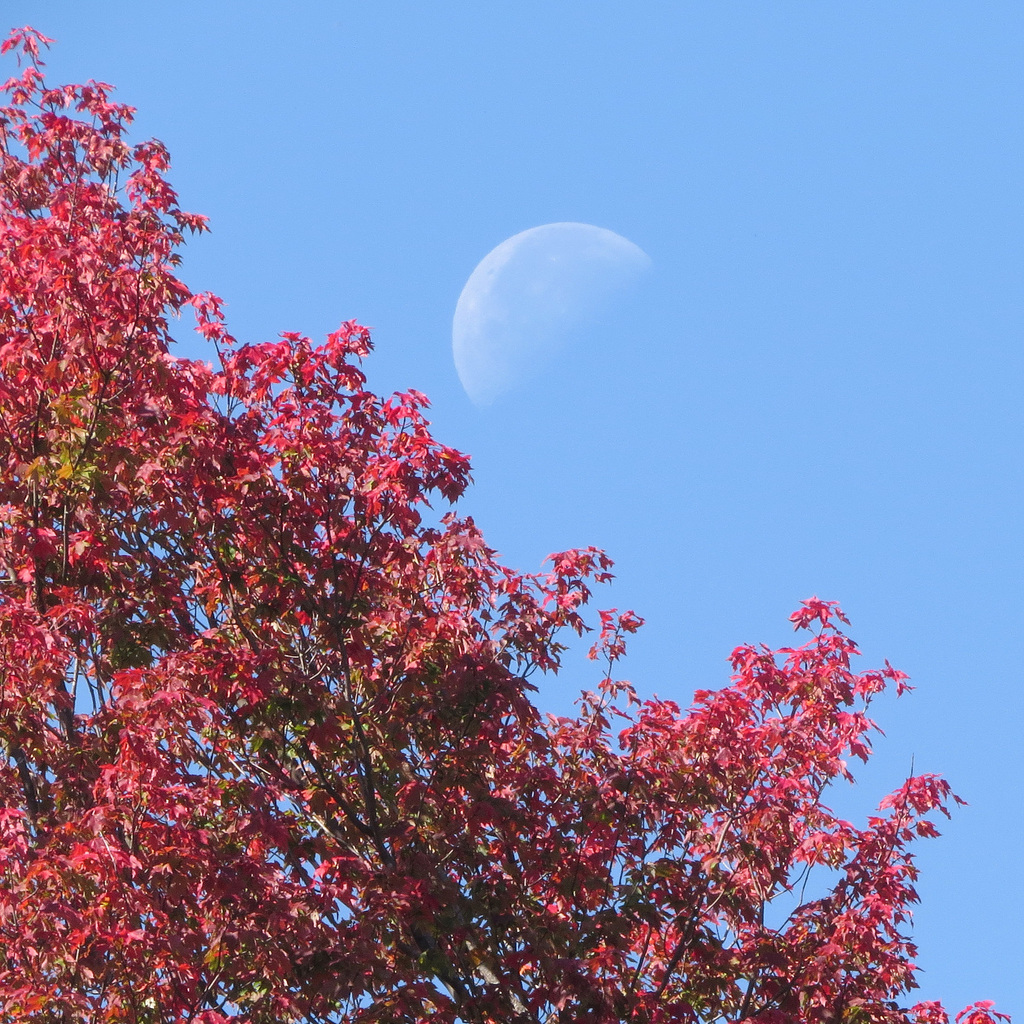
- Its autumn colour is the most intense of the North American maples, shifting through yellow, orange and scarlet on the same tree.
- It is highly sensitive to road salt, soil compaction and drought, which is why urban street plantings often fail.
Care requirements#
| Plant type | Deciduous hardwood shade tree; hardy USDA 3-8 |
| Native range | Eastern North America. Eastern Canada, New England, the Great Lakes and the Appalachians |
| Light needs | Full sun to part shade; unusually shade-tolerant when young, then needs full sun to develop a good crown |
| Soil | Deep, moist, well-drained loam; dislikes heavy clay, compaction and waterlogging |
| Soil pH | 5.5-7.3, tolerating slightly acidic to neutral soils |
| Water needs | Water deeply through the first three summers; mature trees are drought-sensitive and suffer in prolonged dry spells |
| Salt tolerance | Very poor. One of the main reasons sugar maples decline along treated roads |
| Spacing | Plant at least 10-12m from buildings and other large trees |
| Fertilizer | Rarely needed in decent soil; mulch with leaf litter instead |
| Pruning | Prune in summer or late autumn, never in late winter or spring when the sap runs heavily |
| Wildlife value | Seeds feed squirrels and birds, and the early flowers are an important nectar source for spring bees |
| Toxicity | Non-toxic to humans and dogs; note that wilted leaves of red maple and related maples are toxic to horses, so keep prunings out of paddocks |
Growth & propagation#
| Mature size | 25-35m tall with a 12-15m crown spread |
| Growth rate | Slow: roughly 30cm a year, much slower than silver or red maple |
| Lifespan | 200-300 years, sometimes far longer |
| Propagation methods | Seed, which needs 60-90 days of cold moist stratification over winter |
| Propagation difficulty | Moderate: seed germinates readily after proper cold stratification |
| Tapping maturity | About 40 years, or a trunk diameter of at least 25cm at chest height |
Common problems & troubleshooting#
| Symptom | Likely cause | Fix |
|---|---|---|
| Scorched brown leaf margins in midsummer | Drought stress, heat, or road salt in the soil | Mulch widely, water deeply during dry spells, and avoid planting near salted roads or paths |
| Large black tar-like spots on leaves | Tar spot fungus, a cosmetic leaf disease | Rake and remove fallen leaves; it looks alarming but rarely harms the tree |
| Thinning crown and dieback in mature trees | Maple decline from compaction, salt, drought or root damage | Relieve compaction, mulch out to the drip line, and stop any root-zone construction |
| Seedlings fail to appear from collected seed | Seed was not cold-stratified | Sow outdoors in autumn or give 60-90 days in damp medium in a fridge before spring sowing |
| Bleeding sap from spring pruning cuts | Pruning during the heavy sap flow of late winter and early spring | Not fatal, but prune in summer or late autumn instead |
A tree you plant for the next generation
Sodate tracks establishment watering and seasonal care through a young tree's critical first years.
Seasonal care#
Varieties & cultivars#
| Variety | Distinguishing trait | Note |
|---|---|---|
| 'Green Mountain' | Heat and drought tolerant, dense crown | A better urban choice than the plain species |
| 'Legacy' | Thick leathery leaves resistant to scorch | Good where summers are hot |
| 'Bonfire' | Faster growing with reliable orange-red autumn colour | Popular landscape selection |
| Acer saccharum subsp. nigrum (black maple) | Darker, drooping leaves | Closely related and also tapped for syrup |
Buying checklist#
- A single straight central leader rather than competing forks
- No girdling roots circling the root ball
- Bark free of sunscald cracks or mechanical wounds
- For syrup ambitions, buy the true species or a proven cultivar, not a Norway maple mislabelled as maple
Pricing by region#
| Region | Price range | Typical unit | Basis |
|---|---|---|---|
| US | $30 – $120 | 1.5-2.5m sapling | Nursery + native plant sales |
| UK | $35 – $110 | 1.5-2m whip | Tree nursery (uncommon) |
| India | $25 – $80 | sapling | Rare; hill-station nurseries only |
| Australia | $35 – $110 | sapling | Cool-climate nursery retail |
| Canada | $28 – $110 | 1.5-2.5m sapling | Nursery retail (native) |
USD figures are approximate conversions for comparison; switch the dropdown to see each region's actual local-currency listing price.
Often confused with#
Name confusion warning#
The maple leaf on the Canadian flag is a stylised generic maple, not specifically a sugar maple. More practically, 'maple' saplings sold cheaply in Europe and Asia are often Norway or field maple, which will never produce worthwhile syrup.
Where it's actually grown#
Nursery sugar maples are grown from seed and grafted cultivars by tree nurseries across the northeastern US and eastern Canada; commercial syrup comes overwhelmingly from Quebec, which produces the large majority of the world's supply.
Import & biosecurity restrictions#
| Region | Note |
|---|---|
| US | Native and unrestricted; check state rules on moving hardwood nursery stock in areas under wood-boring pest quarantine. |
| Canada | Native and unrestricted; the backbone of the national maple syrup industry. |
| UK | Imports need phytosanitary paperwork; grows adequately but rarely colours as well in the mild damp climate. |
| Australia | Live plant imports restricted under biosecurity law; grown domestically in cool-climate regions such as Tasmania and the highlands. |
| India | No specific restriction; only viable in Himalayan hill stations, and effectively absent from the trade. |
Similar plants
Ranked in these guides
Did you know?
Frequently asked questions
How much sap does it take to make maple syrup?
Roughly 40 litres of sugar maple sap boil down to about 1 litre of syrup, since the sap is only around 2% sugar.
How old does a sugar maple need to be before tapping?
About 40 years, or until the trunk is at least 25cm across at chest height. Tapping a younger tree damages it.
How fast does a sugar maple grow?
Slowly. Around 30cm a year, considerably slower than red or silver maple, but it lives for 200-300 years.
Is sugar maple toxic to pets?
It is non-toxic to dogs and humans. Wilted leaves of red maple and closely related maples are toxic to horses, so keep prunings away from paddocks.
Why is my sugar maple's leaves browning at the edges?
Usually drought, heat, or road salt in the soil. Sugar maples are particularly intolerant of de-icing salt and compacted urban soils.