 Sodate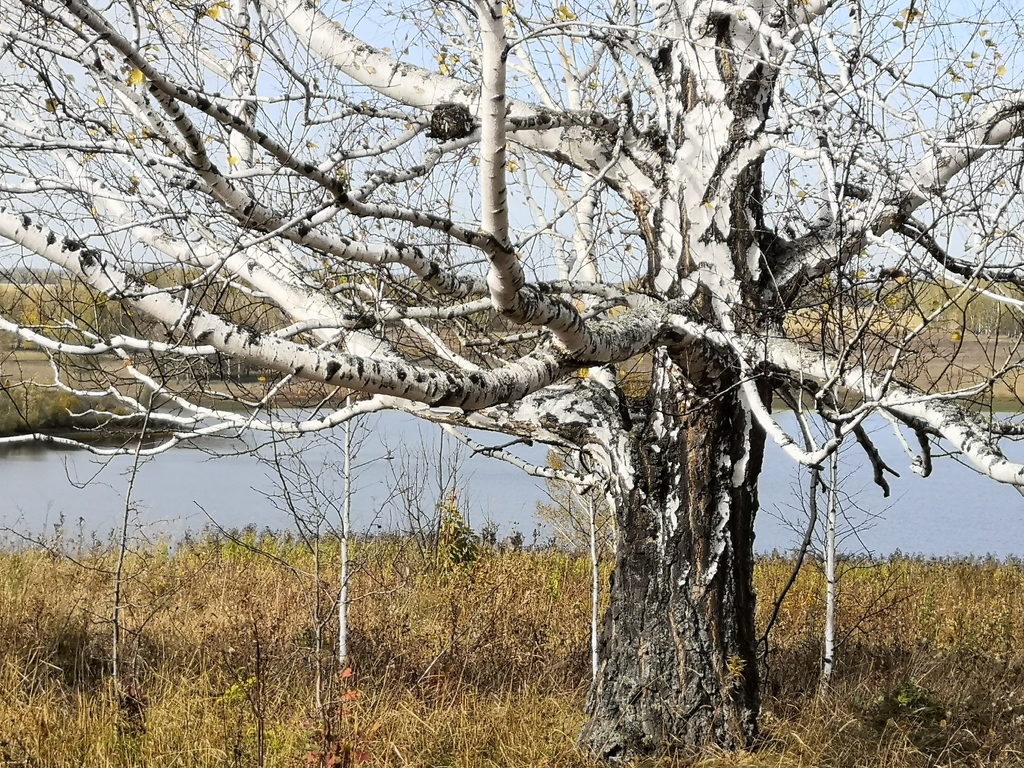
On this page
Silver birch is a UK native pioneer: it colonises open ground quickly, tolerates poor sandy soil, and supports over 300 insect species, making it one of the highest-value wildlife trees you can plant. It is short-lived for a tree at 60-90 years, casts only light shade so planting can continue beneath it, and drops leaf litter that improves the soil. Prune only in summer, since birches bleed heavily from late-winter cuts. Non-toxic.
Key facts
- A UK and northern European native that supports more than 300 insect species, plus specialist fungi and birds.
- It is a pioneer species: fast to colonise bare and burnt ground, short-lived, and it improves the soil for the longer-lived trees that succeed it.
- Lifespan is only about 60-90 years, short compared with oak or beech.
- Its light, airy canopy casts dappled rather than dense shade, so underplanting works well.
- Non-toxic to cats, dogs and humans; birch sap is traditionally tapped and drunk in spring.
Care requirements#
| Plant type | Deciduous pioneer tree; hardy USDA 2-7 and across the whole UK |
| Native range | Britain, Ireland and northern Europe through to Siberia, on heath, moorland edge and light woodland |
| Light needs | Full sun; it is a light-demanding pioneer and will not persist under a closed canopy |
| Soil | Tolerates poor, sandy, acidic and thin soils that defeat most trees; dislikes heavy waterlogged clay |
| Soil pH | 4.0-7.0, thriving on acidic ground |
| Water needs | Water through the first two or three summers; shallow-rooted so it suffers in prolonged drought |
| Spacing | 6-8m apart, or plant in a close group of three for the classic multi-stem effect |
| Fertilizer | None needed; it grows on soils too poor for most trees |
| Pruning | Prune only in mid to late summer. Birches bleed sap heavily from cuts made in late winter or spring |
| Root behaviour | Shallow, wide-spreading roots. Keep it away from drains and shallow foundations |
| Wildlife value | Supports 300+ insect species, feeds redpolls and siskins on its seed, and partners with specialist fungi including fly agaric |
| Toxicity | Non-toxic to cats, dogs, and humans |
Growth & propagation#
| Mature size | 15-25m tall with an 8-10m spread |
| Growth rate | Fast: often 40-60cm a year when young |
| Lifespan | 60-90 years, short for a forest tree |
| Propagation methods | Seed from ripe autumn catkins, surface-sown; it germinates readily with light |
| Propagation difficulty | Easy: birch self-sows enthusiastically onto bare ground |
| Self-seeding | Seeds prolifically and can colonise neglected ground within a few years |
Common problems & troubleshooting#
| Symptom | Likely cause | Fix |
|---|---|---|
| Heavy sap bleeding from pruning cuts | Pruned in late winter or spring during the sap rise | Prune birches only in mid to late summer; the bleeding itself is rarely fatal but weakens the tree |
| Sudden dieback in the upper crown | Bronze birch borer, or drought stress in shallow-rooted trees | Keep the tree well watered and mulched; remove and destroy infested wood |
| Bracket fungi on the trunk | Birch polypore or other decay fungi, usually on ageing trees | Often terminal for an old birch; assess for safety, since decayed birch limbs shed readily |
| Drains or paving lifting nearby | Shallow, wide-spreading root system | Site birches well away from drains, paths and shallow foundations from the outset |
| Leaves yellowing and dropping early in summer | Drought stress | Water deeply and mulch to the drip line; birches are among the first trees to shed in a dry summer |
Fast trees still need a careful first few years
Sodate tracks establishment watering and the narrow summer pruning window for a young birch.
Seasonal care#
Varieties & cultivars#
| Variety | Distinguishing trait | Note |
|---|---|---|
| B. pendula (species) | The true UK native with weeping twig tips | The right choice for wildlife and native planting |
| 'Youngii' | Small weeping dome form | Suits small gardens where the species would be too large |
| 'Purpurea' | Purple-black foliage | Ornamental, and less vigorous than the species |
| Betula utilis var. jacquemontii | Brilliant chalk-white bark | A Himalayan species, not a UK native, widely planted for its bark |
Buying checklist#
- Buy Betula pendula specifically if you want the UK native, not the Himalayan white-barked birch
- A single straight leader, or a deliberate multi-stem clump if that is the effect you want
- Bare-root stock in winter is far cheaper and establishes better than containerised trees
- UK-grown stock reduces the risk of importing tree pests and disease
Pricing by region#
| Region | Price range | Typical unit | Basis |
|---|---|---|---|
| UK | $19 – $75 | 1.5-3m bare-root or potted | Tree nursery + garden centre |
| US | $30 – $100 | 1.5-2.5m sapling | Nursery retail (non-native) |
| India | $20 – $60 | sapling | Rare; Himalayan nurseries only |
| Australia | $30 – $90 | sapling | Cool-climate nursery retail |
| Canada | $28 – $95 | 1.5-2.5m sapling | Nursery retail |
USD figures are approximate conversions for comparison; switch the dropdown to see each region's actual local-currency listing price.
Often confused with#
Name confusion warning#
Many garden centres sell Betula utilis var. jacquemontii simply as 'white birch' or 'silver birch'. If you are planting for UK native wildlife value, insist on Betula pendula.
Where it's actually grown#
UK nursery birches are seed-grown by forestry and tree nurseries across Britain and the Netherlands. Buying UK-grown stock is strongly recommended to limit the spread of imported tree pests and diseases.
Import & biosecurity restrictions#
| Region | Note |
|---|---|
| UK | Native and unrestricted; buy UK-grown stock under plant health rules to reduce imported pest and disease risk. |
| US | Non-native and widely planted, though it is highly susceptible to bronze birch borer; native river birch is often a better choice. |
| Australia | Live plant imports restricted under biosecurity law; grown domestically in cool-climate regions. |
| India | No specific restriction; viable only in Himalayan regions, where the related Betula utilis is native. |
| Canada | CFIA permits required for imports; hardy and widely planted, with native birches available as alternatives. |
Similar plants
Ranked in these guides
Did you know?
Frequently asked questions
How many insect species does silver birch support?
More than 300, making it one of the highest-value native trees for UK wildlife, alongside the fungi and birds that depend on it.
How long does a silver birch live?
Around 60-90 years, short for a tree. It is a pioneer species that colonises open ground quickly and is later succeeded by longer-lived trees.
When should I prune a silver birch?
Only in mid to late summer. Birches bleed sap heavily from cuts made in late winter or spring during the sap rise.
Is silver birch safe for pets?
Yes, Betula pendula is non-toxic to cats, dogs and humans, and its spring sap is traditionally tapped and drunk.
Can I plant a silver birch in a small garden?
The species reaches 15-25m, so it is often too large. The compact weeping cultivar 'Youngii' is a better fit for small spaces.