 Sodate
Home / Guides / Compact native plants
Best Compact Native Plants: 15 Ranked (2026)
The best compact native plants are Black-eyed Susan, Bottlebrush, Foxglove. Sodate ranked 19 qualifying plants from a database of 208 profiles on a published 100-point rubric weighted to compact size (40), care difficulty (25), pet safety (20) and cost (15). Black-eyed Susan scores 85/100, the highest in this group.
Black-eyed Susan, Bottlebrush, Foxglove lead this ranking of compact native plants. Entry requires scored from the mature size stated in each profile, not the size of the plant in the pot you buy. 7 of the 15 listed are non-toxic to cats and dogs. Every score is computed from the same four measures, compact size, care difficulty, pet safety and cost, and the rubric is published below so you can recompute any ranking yourself.
Why trust this list
The size on the label is the size today, not the size in three years, and this is how people end up with a fiddle-leaf fig touching the ceiling. Every score here comes from the mature size in each plant's own profile, so a plant that is small in the shop but eventually two metres tall scores badly no matter how compact it looks now. These are species native to one of the regions this site covers, and the reason to plant them is ecological rather than horticultural: they support insects and birds that non-native ornamentals do not. Native status is regional, so a plant native to one country on this list may be invasive in another. Each profile states where it belongs and where it should not be planted.
At a glance: all 15 ranked
| Rank | Plant | Best for | Score | Compact size | Pet safety | US price |
|---|---|---|---|---|---|---|
| #1 | Black-eyed Susan | Moderate spaces: pet-safe and beginner-friendly | 85 | Under 90cm | Pet-safe | $6–$18 |
| #2 | Bottlebrush | Moderate spaces: pet-safe and beginner-friendly | 82 | Under 90cm | Pet-safe | $15–$50 |
| #3 | Foxglove | Tight spaces and small containers | 78 | Stays under 45cm | Toxic | $5–$15 |
| #4 | Milkweed | Tight spaces and small containers | 78 | Stays under 45cm | Toxic | $8–$20 |
| #5 | English bluebell | Tight spaces and small containers | 75 | Stays under 45cm | Toxic | $15–$35 |
| #6 | Heather | Moderate spaces, in a home with pets | 75 | Under 90cm | Pet-safe | $8–$20 |
| #7 | Kangaroo paw | Moderate spaces, in a home with pets | 72 | Under 90cm | Pet-safe | $12–$30 |
| #8 | Grevillea | Moderate spaces: forgiving of mistakes | 70 | Under 90cm | Toxic | $15–$45 |
| #9 | Eastern redbud | Moderate spaces, in a home with pets | 68 | Under 90cm | Pet-safe | $30–$90 |
| #10 | Silver birch | Moderate spaces, in a home with pets | 68 | Under 90cm | Pet-safe | $30–$100 |
| #11 | Sugar maple | Moderate spaces, in a home with pets | 68 | Under 90cm | Pet-safe | $30–$120 |
| #12 | Banyan | Moderate spaces: forgiving of mistakes | 66 | Under 90cm | Toxic | $25–$70 |
| #13 | Red Maple | Moderate spaces: forgiving of mistakes | 66 | Under 90cm | Toxic | $30–$100 |
| #14 | Eucalyptus | Moderate spaces | 60 | Under 90cm | Toxic | $15–$45 |
| #15 | Golden wattle | Moderate spaces | 60 | Under 90cm | Toxic | $20–$60 |
How we scored these
Every plant is scored out of 100 on four measures, each pulled directly from its care profile. No score is assigned by hand, so the ranking can be reproduced from the data:
Ties are broken alphabetically. Prices are researched typical retail ranges, not live quotes. Check each plant's profile for the regional breakdown. 19 plants in the directory met the entry bar; the top 15 are listed here.
All 15 compact native plants, ranked
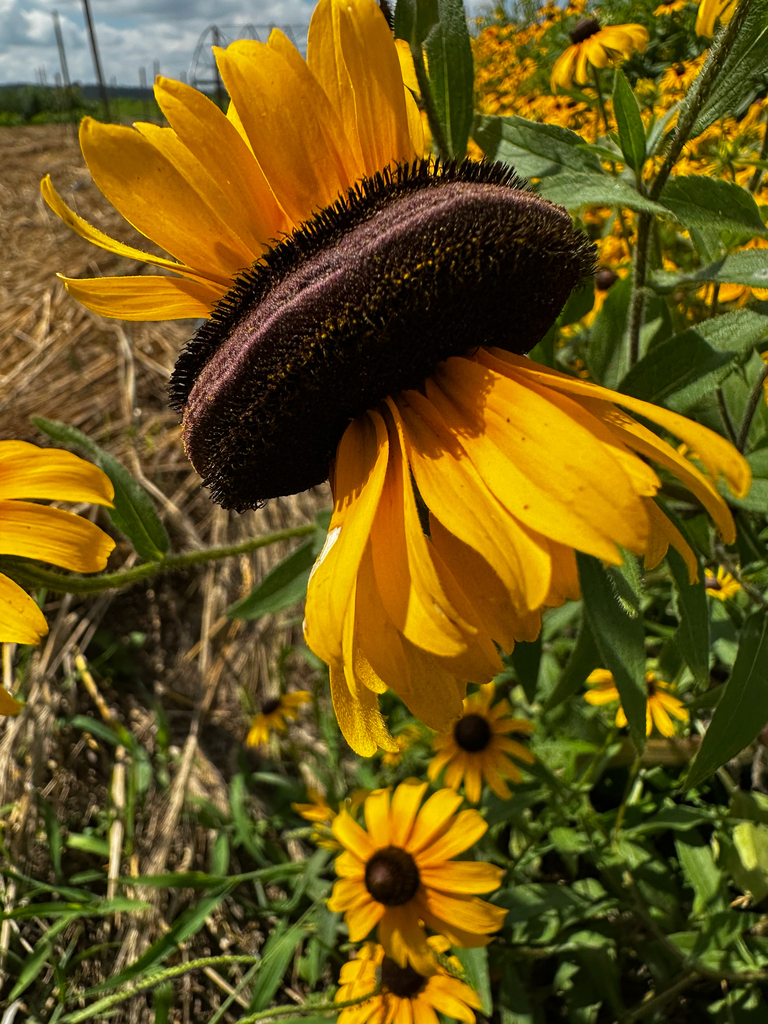
Black-eyed Susan
Brown-eyed Susan
Best for: Moderate spaces: pet-safe and beginner-friendly
Elite tier: top-scoring on every measure
✓ Strong signal Non-toxic to cats and dogs. Verified per species, not assumed from its family
⚠ Watch out for Dark brown or black leaf spots spreading upward: usually septoria or angular leaf spot, common in humid summers
Our take Black-eyed Susan is a prairie native that thrives on neglect: full sun, ordinary or poor well-drained soil, no feeding, and little water once established. It flowers from midsummer to frost and is a heavy pollinator draw, then feeds finches on its seed heads over winter.
Strengths
- Moderate final size, manageable indoors
- Non-toxic to cats and dogs
- Beginner-friendly and forgiving of missed waterings
Trade-offs
- Watch for: dark brown or black leaf spots spreading upward
Care details
| Light | Full sun. At least six hours; it stretches and flops in shade |
| Water | : |
| Humidity | : |
| Temperature | : |
| Toxicity | Non-toxic to cats, dogs, and humans |
| US price | $6–$18 |
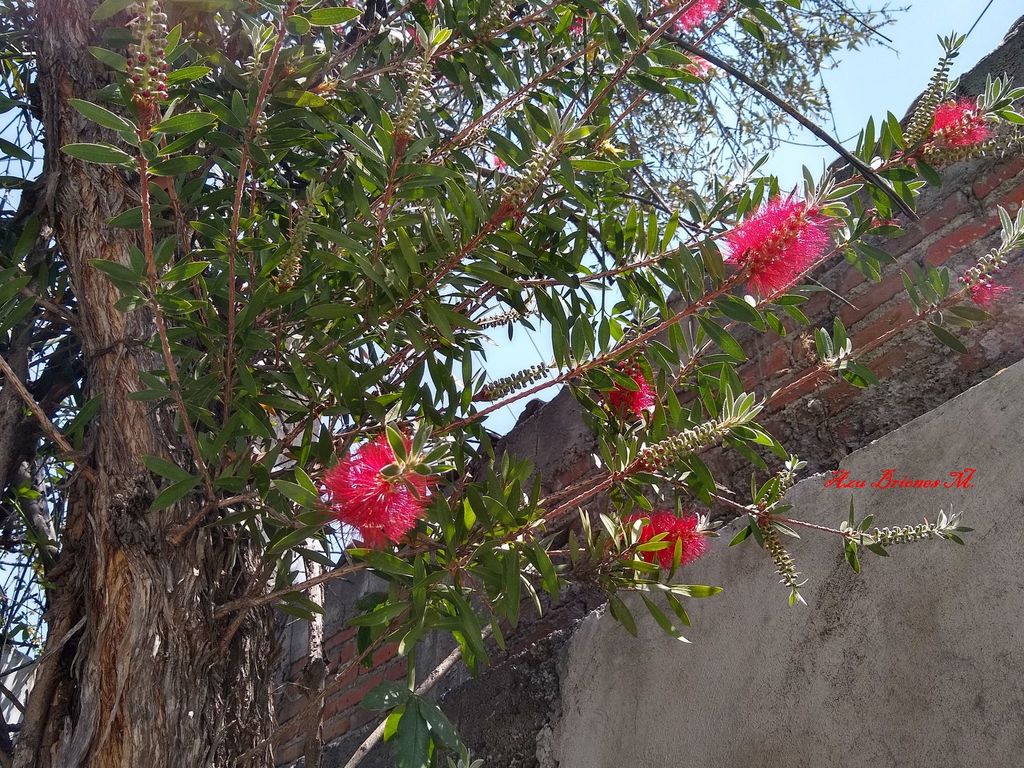
Bottlebrush
Melaleuca (revised name)
Best for: Moderate spaces: pet-safe and beginner-friendly
Strong pick: one clear trade-off
✓ Strong signal Non-toxic to cats and dogs. Verified per species, not assumed from its family
⚠ Watch out for Leaves yellow with blackened tips soon after fertilising: usually phosphorus toxicity from standard garden fertiliser
Our take Bottlebrush is one of the easiest Australian natives: full sun, tolerant of poor, wet or dry soil, and it responds well to hard pruning. The critical care fact is shared with other Australian natives: it is phosphorus-sensitive, and standard garden fertiliser can kill it, so use
Strengths
- Moderate final size, manageable indoors
- Non-toxic to cats and dogs
- Beginner-friendly and forgiving of missed waterings
Trade-offs
- Watch for: leaves yellow with blackened tips soon after fertilising
Care details
| Light | Full sun for best flowering; tolerates light shade with fewer blooms |
| Water | : |
| Humidity | : |
| Temperature | : |
| Toxicity | Non-toxic to cats, dogs, and humans |
| US price | $15–$50 |
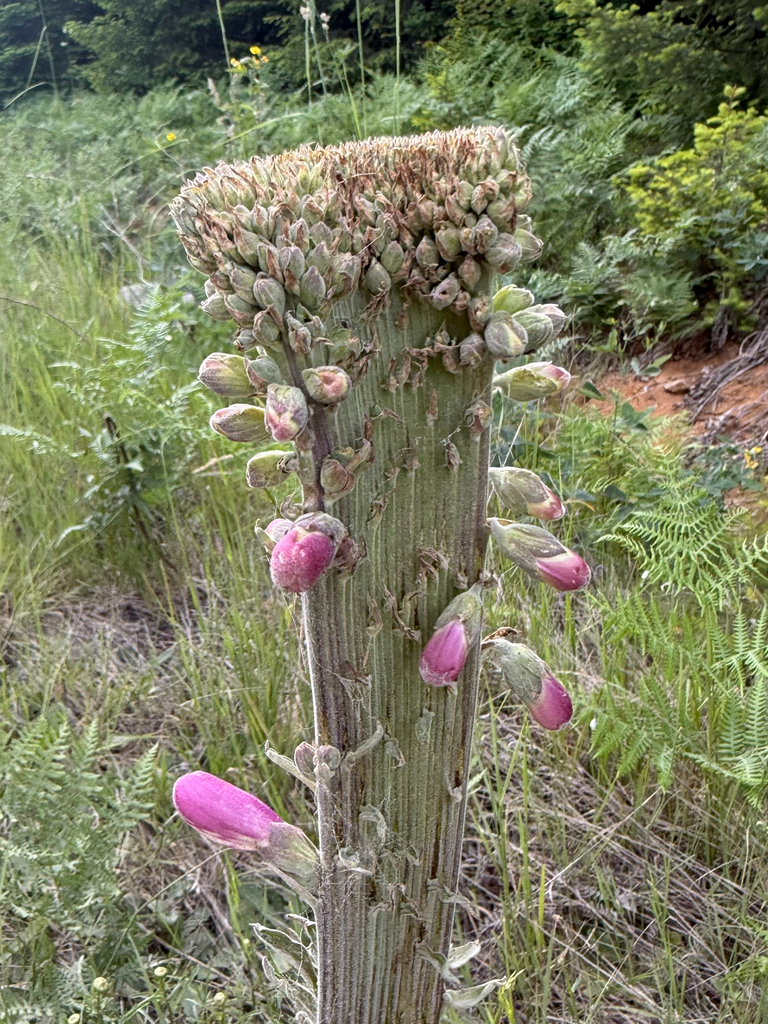
Foxglove
Digitalis
Best for: Tight spaces and small containers
Strong pick: one clear trade-off
✓ Strong signal Light tolerance: Part shade to dappled woodland-edge light; tolerates full sun in cool climates if soil stays moist
⚠ Watch out for Pet or child has chewed any part of the plant: usually cardiac glycoside poisoning risk. this is an emergency, not a gardening problem
Our take Safety first: every part of a foxglove, leaves, flowers, seeds, sap, even the water in a vase of cut stems, contains cardiac glycosides, the compounds refined into the heart drug digoxin. Ingestion can cause vomiting, visual disturbance, and dangerous heart-rhythm changes in peop
Strengths
- Stays genuinely small at maturity
- Inexpensive to start ($5–$15 in the US)
Trade-offs
- Toxic to pets if chewed
- Watch for: pet or child has chewed any part of the plant
Care details
| Light | Part shade to dappled woodland-edge light; tolerates full sun in cool climates if soil stays moist |
| Water | Keep rosettes from drying out in year one; established plants need water only in drought |
| Humidity | : |
| Temperature | Fully hardy in the UK; USDA 4-9 |
| Toxicity | SEVERELY toxic to humans, dogs, cats, and horses. Every part, fresh or dried; keep away from children, pets, and forage |
| US price | $5–$15 |
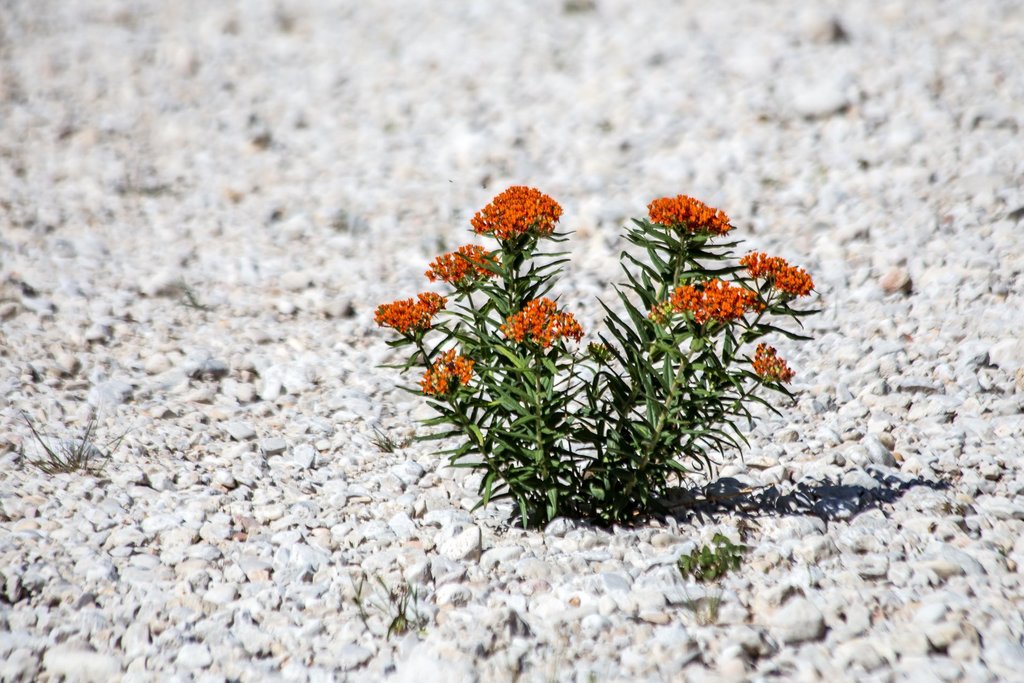
Milkweed
Silkweed
Best for: Tight spaces and small containers
Strong pick: one clear trade-off
✓ Strong signal Light tolerance: Full sun for nearly all species; at least six hours
⚠ Watch out for Dense orange aphid colonies on stems: usually oleander aphids, a milkweed specialist
Our take Milkweed is the only plant monarch caterpillars can eat, so it is the single highest-value plant in a monarch garden. Plant species native to your own region, not tropical milkweed (Asclepias curassavica).
Strengths
- Stays genuinely small at maturity
- Inexpensive to start ($8–$20 in the US)
Trade-offs
- Toxic to pets if chewed
- Watch for: dense orange aphid colonies on stems
Care details
| Light | Full sun for nearly all species; at least six hours |
| Water | : |
| Humidity | : |
| Temperature | : |
| Toxicity | Toxic to cats, dogs, horses and livestock if eaten; the sap irritates skin and can seriously damage eyes |
| US price | $8–$20 |
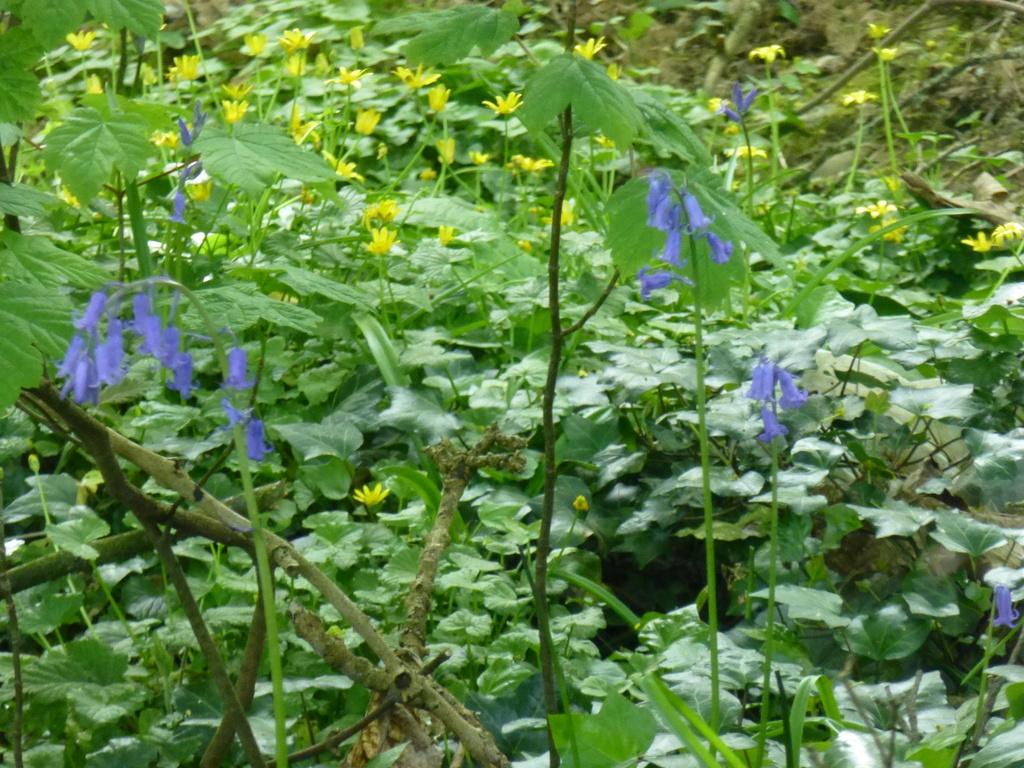
English bluebell
Wood bell
Best for: Tight spaces and small containers
Strong pick: one clear trade-off
✓ Strong signal Light tolerance: Dappled or part shade under deciduous trees; spring sun before the canopy closes is what it actually uses
⚠ Watch out for Upright, pale, scentless flowers appearing in your 'native' patch: usually spanish bluebells or hybrids. from mislabelled stock or garden escape
Our take The English bluebell is protected under the UK Wildlife and Countryside Act 1981: it is illegal to dig bulbs from the wild, and trading wild-collected bulbs is a criminal offence, so buy only cultivated stock labelled Hyacinthoides non-scripta from a reputable supplier. Plant bul
Strengths
- Stays genuinely small at maturity
- Inexpensive to start ($15–$35 in the US)
Trade-offs
- Toxic to pets if chewed
- Watch for: upright, pale, scentless flowers appearing in your 'native' patch
Care details
| Light | Dappled or part shade under deciduous trees; spring sun before the canopy closes is what it actually uses |
| Water | Rain is usually enough; keep soil from fully drying while in leaf (spring) |
| Humidity | : |
| Temperature | Fully hardy in the UK; needs cold winters, poor in warm climates |
| Toxicity | All parts toxic if eaten (glycosides). Mildly poisonous to dogs, cats, horses, and humans; sap can irritate skin |
| US price | $15–$35 |
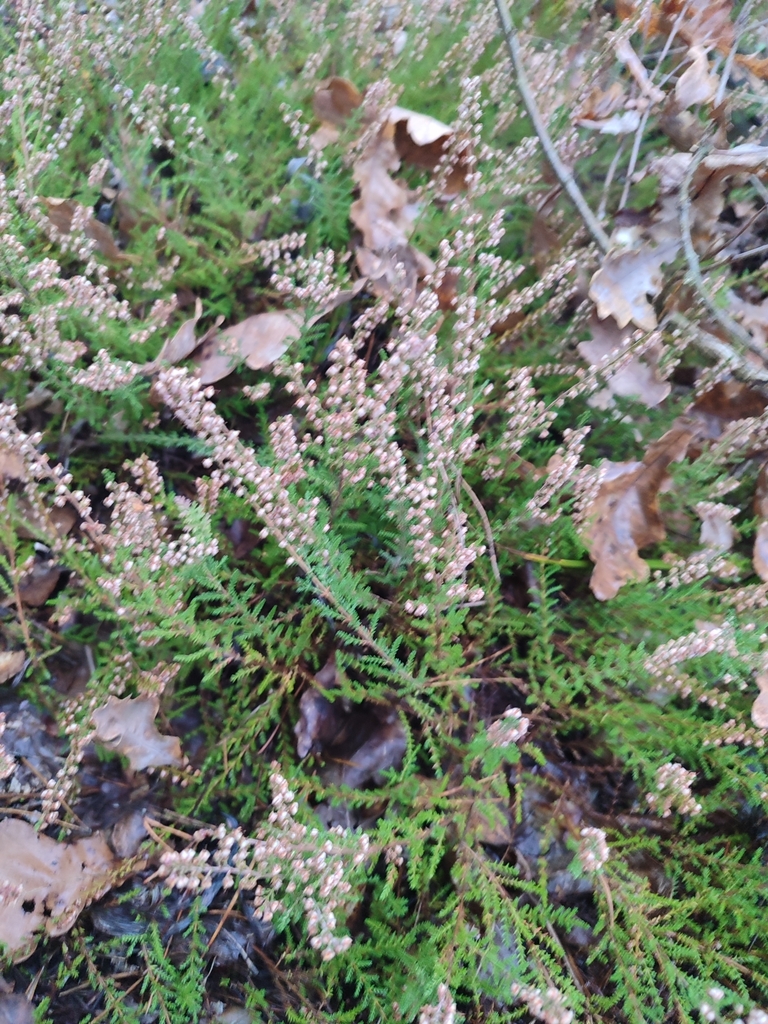
Heather
Scotch heather
Best for: Moderate spaces, in a home with pets
Strong pick: one clear trade-off
✓ Strong signal Non-toxic to cats and dogs. Verified per species, not assumed from its family
⚠ Watch out for Leaves yellow, growth weakens, plant slowly fades: usually alkaline soil causing iron chlorosis, the classic heather failure
Our take Heather lives or dies on one factor: acidic soil (pH 4.5-6). Given that plus full sun and sharp drainage, it is a tough, hardy (to -25°C), bee-magnet shrub needing only an annual spring trim.
Strengths
- Moderate final size, manageable indoors
- Non-toxic to cats and dogs
- Inexpensive to start ($8–$20 in the US)
Trade-offs
- Watch for: leaves yellow, growth weakens, plant slowly fades
Care details
| Light | Full sun (6+ hours); tolerates the lightest shade at the cost of flowers |
| Water | : |
| Humidity | : |
| Temperature | Fully hardy to about -25°C (USDA 4) |
| Toxicity | Non-toxic to cats, dogs, and humans |
| US price | $8–$20 |
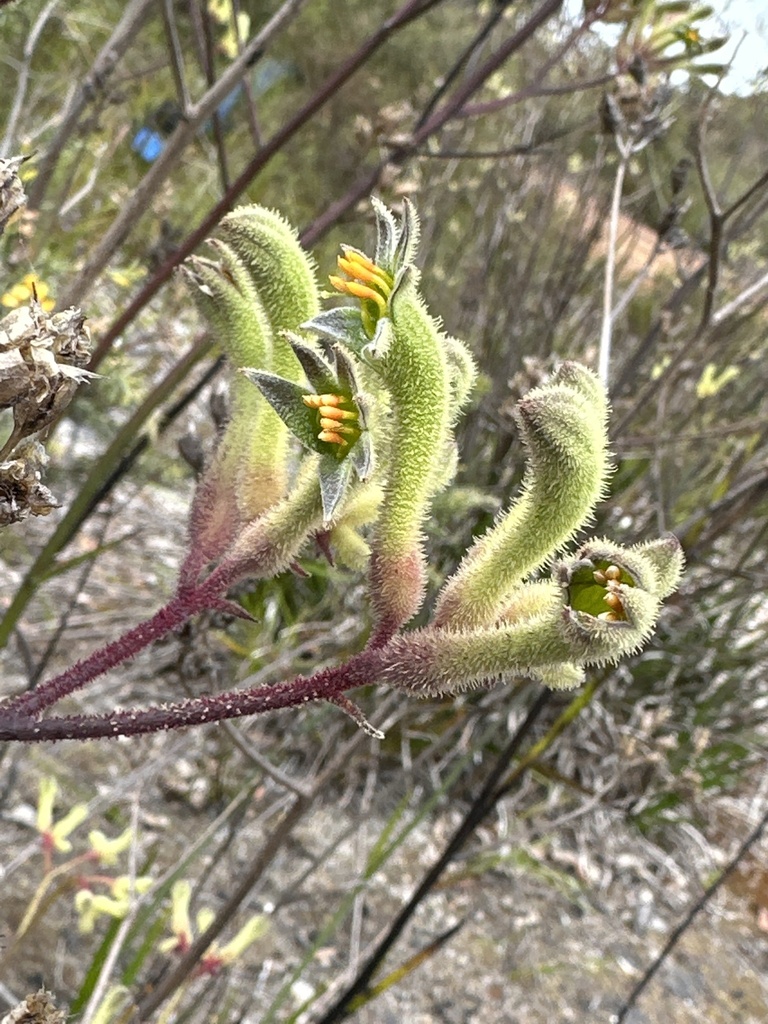
Kangaroo paw
Catspaw (related species)
Best for: Moderate spaces, in a home with pets
Strong pick: one clear trade-off
✓ Strong signal Non-toxic to cats and dogs. Verified per species, not assumed from its family
⚠ Watch out for Black splotches spreading down leaves: usually ink spot (fungal, alternaria). worst in humid, crowded, shaded plantings
Our take Kangaroo paw wants what Western Australia gave it: full sun, sandy fast-draining soil, dryish summers, and almost no phosphorus. Feed only with a native/low-P fertilizer, cut old flowered fans to the ground each year, and watch for ink spot disease in humid weather.
Strengths
- Moderate final size, manageable indoors
- Non-toxic to cats and dogs
- Inexpensive to start ($12–$30 in the US)
Trade-offs
- Watch for: black splotches spreading down leaves
Care details
| Light | Full sun. 6+ hours; flowering and disease resistance both drop in shade |
| Water | Moderate while establishing and in flower; keep lean and let soil dry between waterings |
| Humidity | Prefers dry air; humid summers invite ink spot disease |
| Temperature | Best 10-35°C; tall hybrids tolerate light frost to about -2°C |
| Toxicity | Non-toxic to cats and dogs |
| US price | $12–$30 |
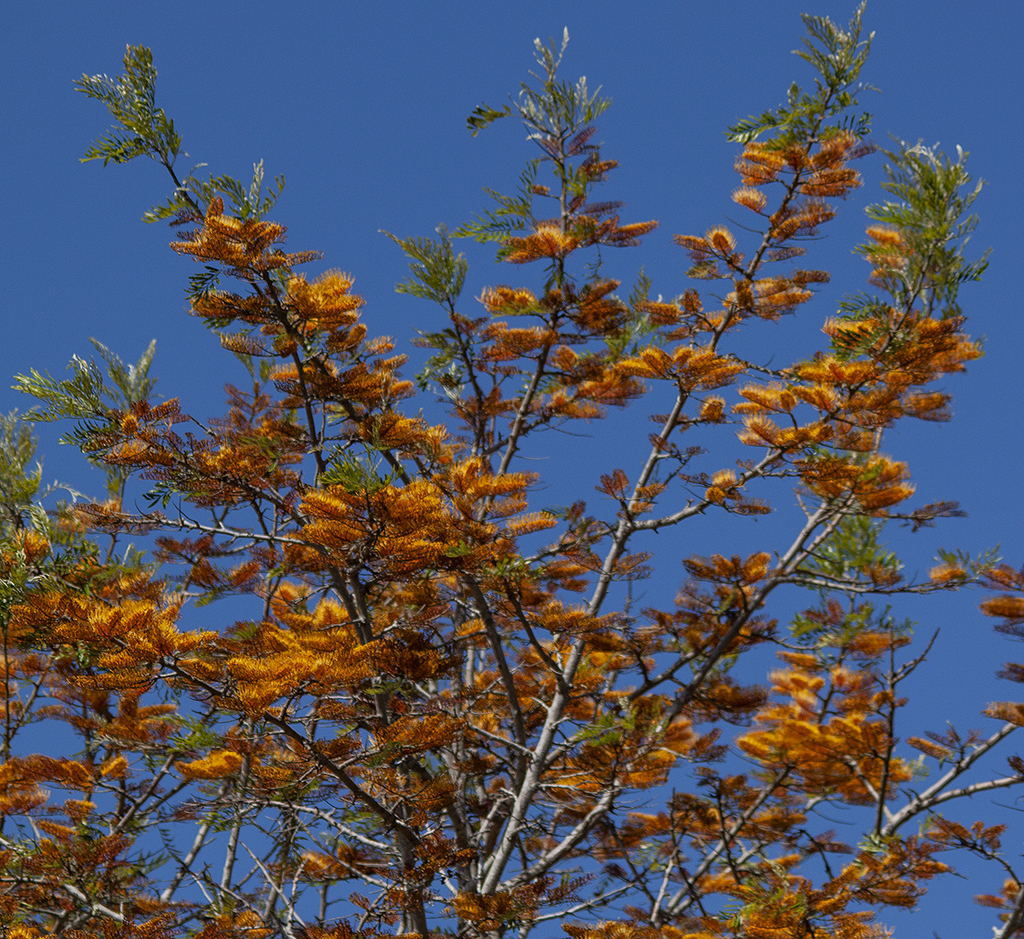
Grevillea
Toothbrush plant
Best for: Moderate spaces: forgiving of mistakes
Strong pick: one clear trade-off
✓ Strong signal Care difficulty: Moderate: cuttings strike reliably with bottom heat; hybrids must be cutting-grown
⚠ Watch out for Whole plant yellows and collapses weeks after feeding: usually phosphorus toxicity from standard fertilizer. the classic grevillea death
Our take Grevilleas thrive on neglect in full sun and fast-draining soil. The one thing that reliably kills them is ordinary fertilizer.
Strengths
- Moderate final size, manageable indoors
- Beginner-friendly and forgiving of missed waterings
- Inexpensive to start ($15–$45 in the US)
Trade-offs
- Toxic to pets if chewed
- Watch for: whole plant yellows and collapses weeks after feeding
Care details
| Light | Full sun for dense growth and heavy flowering; tolerates very light shade |
| Water | Weekly while establishing; established plants are largely rain-fed |
| Humidity | Dry to moderate; humid climates favour scale and sooty mould |
| Temperature | Most hybrids happy 5-40°C; many tolerate light frost to about -3°C once established |
| Toxicity | Skin irritant for sensitive people; flowers/foliage of some species mildly toxic if chewed. Keep pets and children from eating them |
| US price | $15–$45 |
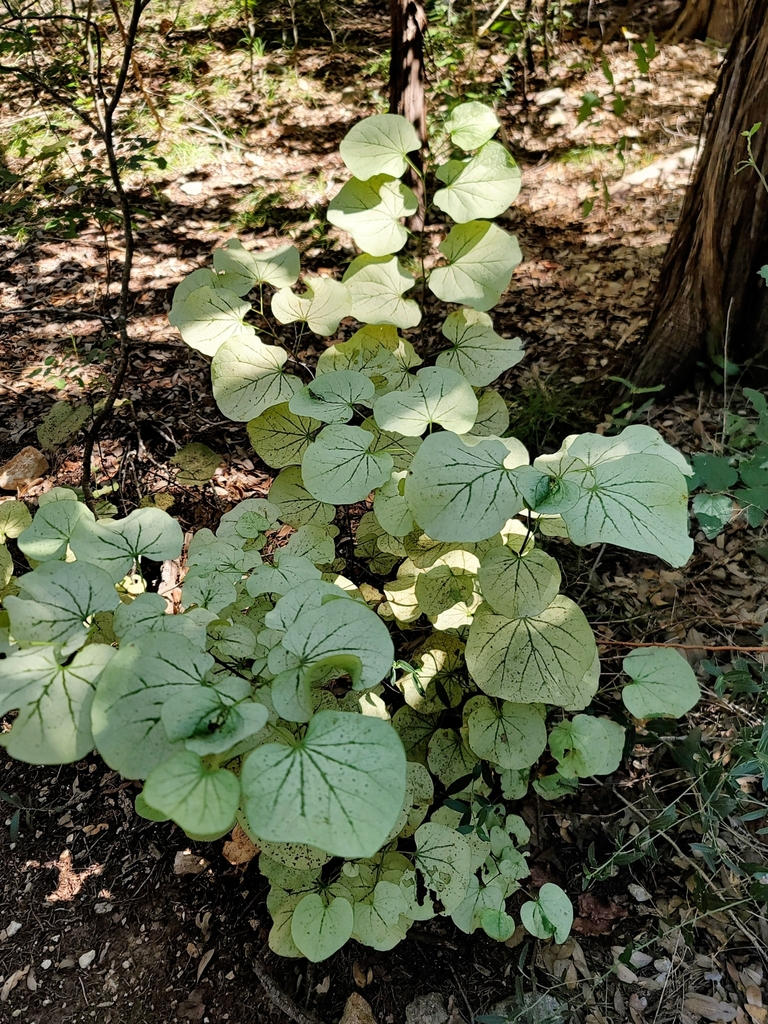
Eastern redbud
Judas tree (North American)
Best for: Moderate spaces, in a home with pets
Situational: works if the trade-offs suit you
✓ Strong signal Non-toxic to cats and dogs. Verified per species, not assumed from its family
⚠ Watch out for Branches wilt suddenly and die back: usually verticillium wilt or canker, both common in redbuds
Our take Redbud's signature trick is cauliflory: it flowers directly on bare old wood, including the trunk, before the leaves come out. The pea-like flowers are edible, mildly tart, and good raw in salads.
Strengths
- Moderate final size, manageable indoors
- Non-toxic to cats and dogs
Trade-offs
- Watch for: branches wilt suddenly and die back
Care details
| Light | Full sun to part shade; it flowers best in sun but naturally grows at woodland edges |
| Water | : |
| Humidity | : |
| Temperature | : |
| Toxicity | Non-toxic to cats, dogs, and humans; flowers are edible raw |
| US price | $30–$90 |
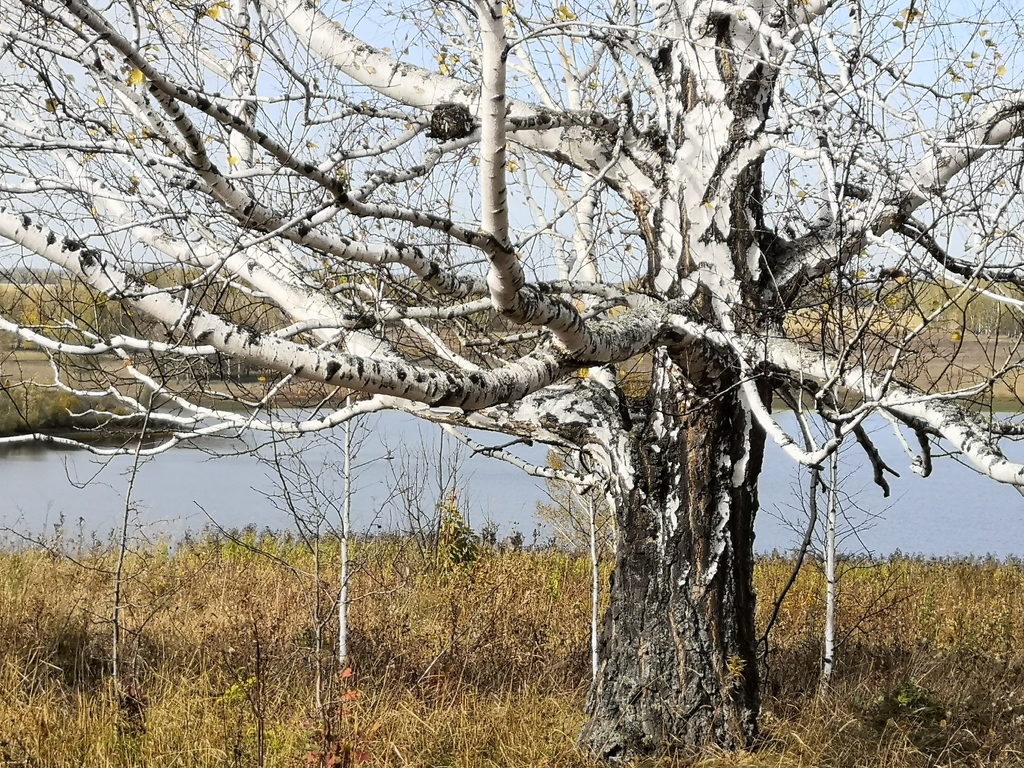
Silver birch
Warty birch
Best for: Moderate spaces, in a home with pets
Situational: works if the trade-offs suit you
✓ Strong signal Non-toxic to cats and dogs. Verified per species, not assumed from its family
⚠ Watch out for Heavy sap bleeding from pruning cuts: usually pruned in late winter or spring during the sap rise
Our take Silver birch is a UK native pioneer: it colonises open ground quickly, tolerates poor sandy soil, and supports over 300 insect species, making it one of the highest-value wildlife trees you can plant. It is short-lived for a tree at 60-90 years, casts only light shade so planting
Strengths
- Moderate final size, manageable indoors
- Non-toxic to cats and dogs
Trade-offs
- Watch for: heavy sap bleeding from pruning cuts
Care details
| Light | Full sun; it is a light-demanding pioneer and will not persist under a closed canopy |
| Water | : |
| Humidity | : |
| Temperature | : |
| Toxicity | Non-toxic to cats, dogs, and humans |
| US price | $30–$100 |
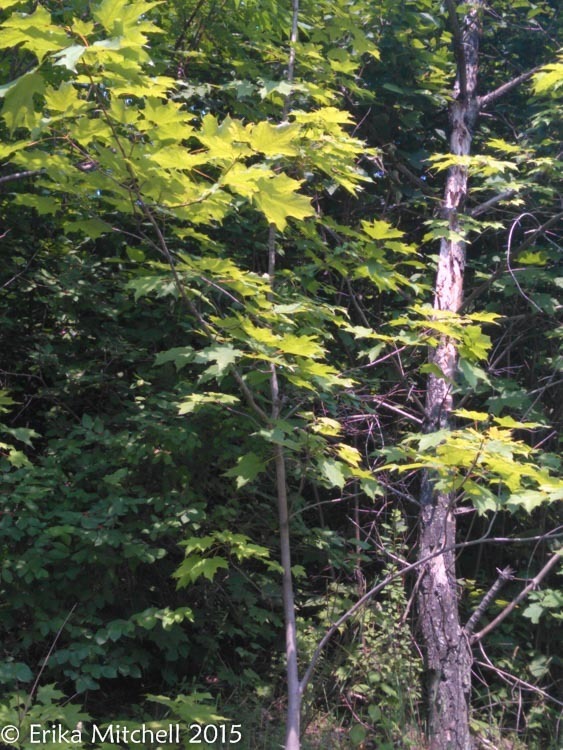
Sugar maple
Hard maple
Best for: Moderate spaces, in a home with pets
Situational: works if the trade-offs suit you
✓ Strong signal Non-toxic to cats and dogs. Verified per species, not assumed from its family
⚠ Watch out for Scorched brown leaf margins in midsummer: usually drought stress, heat, or road salt in the soil
Our take Sugar maple is the maple syrup tree: it takes roughly 40 litres of sap to make 1 litre of syrup, and a tree needs about 40 years and a 25cm trunk before it can be tapped at all. It is slow-growing, very long-lived, and gives the best autumn colour of any North American hardwood,
Strengths
- Moderate final size, manageable indoors
- Non-toxic to cats and dogs
Trade-offs
- Watch for: scorched brown leaf margins in midsummer
Care details
| Light | Full sun to part shade; unusually shade-tolerant when young, then needs full sun to develop a good crown |
| Water | : |
| Humidity | : |
| Temperature | : |
| Toxicity | Non-toxic to humans and dogs; note that wilted leaves of red maple and related maples are toxic to horses, so keep prunings out of paddocks |
| US price | $30–$120 |
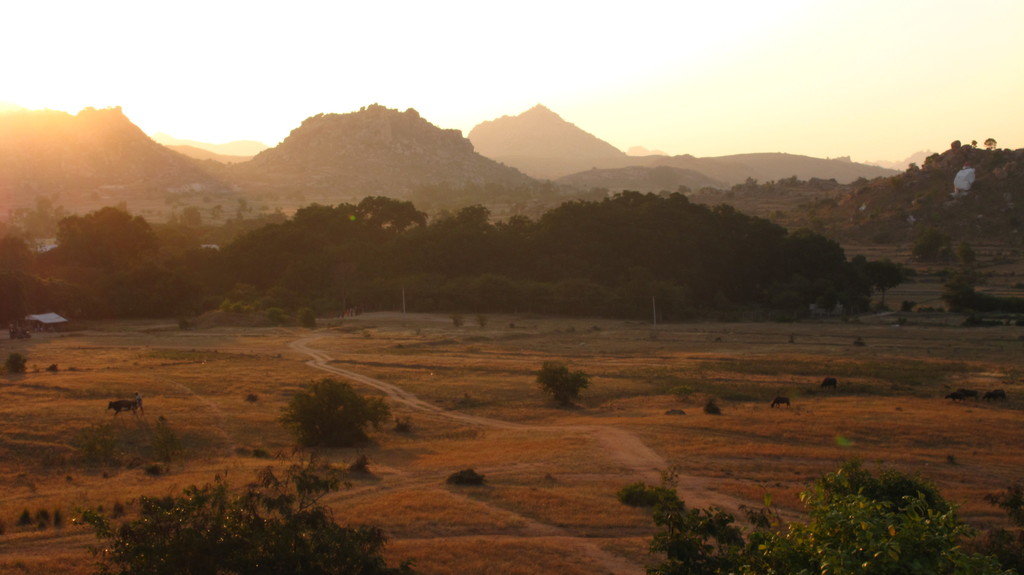
Banyan
Bengal fig
Best for: Moderate spaces: forgiving of mistakes
Situational: works if the trade-offs suit you
✓ Strong signal Care difficulty: Easy from large cuttings. Even branch sections root in monsoon
⚠ Watch out for Cracked paving, blocked drains, damaged walls nearby: usually the tree was planted too close to infrastructure. its surface roots and prop roots are unstoppable
Our take Be honest with yourself before planting a banyan: this is NOT a garden tree. It grows 20-30m tall, spreads via aerial prop roots into a grove that can cover half a hectare, and its roots destroy pipes, walls, and foundations.
Strengths
- Moderate final size, manageable indoors
- Beginner-friendly and forgiving of missed waterings
Trade-offs
- Toxic to pets if chewed
- Watch for: cracked paving, blocked drains, damaged walls nearby
Care details
| Light | Full sun |
| Water | : |
| Humidity | : |
| Temperature | Tropical/subtropical, 20-40°C; damaged below ~5°C, killed by frost |
| Toxicity | Milky latex sap irritates skin and is mildly toxic to cats and dogs if chewed, like other ficus |
| US price | $25–$70 |
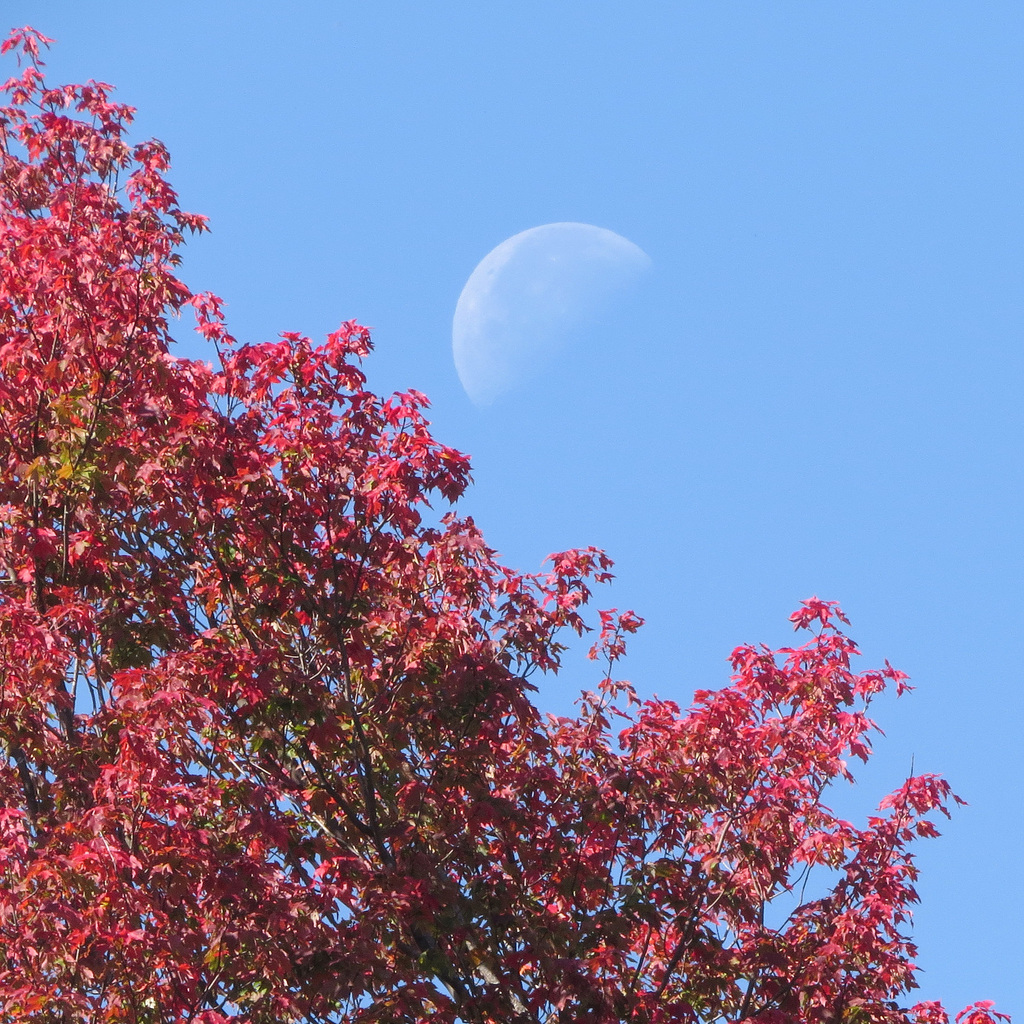
Red Maple
Soft maple
Best for: Moderate spaces: forgiving of mistakes
Situational: works if the trade-offs suit you
✓ Strong signal Care difficulty: Easy from fresh seed; named cultivars don't come true from seed
⚠ Watch out for Leaves yellow with green veins in summer: usually manganese chlorosis on alkaline or compacted soil
Our take Red maple is one of the easiest native shade trees to establish: plant a sapling in fall or early spring in full sun and slightly acidic soil, water deeply every week for two growing seasons, and it will grow 30-60cm a year to an eventual 12-18m. It tolerates wet ground unusually
Strengths
- Moderate final size, manageable indoors
- Beginner-friendly and forgiving of missed waterings
Trade-offs
- Toxic to pets if chewed
- Watch for: leaves yellow with green veins in summer
Care details
| Light | Full sun for best fall color; tolerates part shade |
| Water | : |
| Humidity | : |
| Temperature | Fully hardy, roughly -35°C to 35°C |
| Toxicity | Wilted leaves highly toxic to horses; not a significant risk to cats or dogs |
| US price | $30–$100 |

Eucalyptus
Fever tree
Best for: Moderate spaces
Situational: works if the trade-offs suit you
✓ Strong signal Care difficulty: Easy from seed; sow shallow in spring
⚠ Watch out for Sapling snaps or leans badly in wind: usually grew too fast for its roots. a blue gum classic, worsened by staking too rigidly
Our take Blue gum is spectacular but demands honesty: it can grow 2-3m a year and top 45m, sheds bark and limbs, is highly flammable, and is classified invasive in parts of California and elsewhere. Plant it only on large properties in full sun, well away from structures.
Strengths
- Moderate final size, manageable indoors
- Inexpensive to start ($15–$45 in the US)
Trade-offs
- Toxic to pets if chewed
- Watch for: sapling snaps or leans badly in wind
Care details
| Light | Full sun, no exceptions |
| Water | : |
| Humidity | : |
| Temperature | Best 10-30°C; established trees take brief frosts to about -5°C, saplings are frost-tender |
| Toxicity | Toxic to cats, dogs, and horses if eaten (eucalyptol); keep pets from chewing leaves |
| US price | $15–$45 |
Golden wattle
Wattle
Best for: Moderate spaces
Situational: works if the trade-offs suit you
✓ Strong signal Care difficulty: Easy once the seed coat is broken; germination is poor without it
⚠ Watch out for Yellowing leaves, blackened tips and sudden decline after feeding: usually phosphorus toxicity from standard garden fertiliser
Our take Golden wattle is Australia's national floral emblem and one of the fastest ways to get flowers and screening into a dry native garden. The critical care fact: like most Australian natives it is phosphorus-sensitive, and standard garden fertiliser can kill it.
Strengths
- Moderate final size, manageable indoors
- Inexpensive to start ($20–$60 in the US)
Trade-offs
- Toxic to pets if chewed
- Watch for: yellowing leaves, blackened tips and sudden decline after feeding
Care details
| Light | Full sun; it flowers poorly and grows leggy in shade |
| Water | : |
| Humidity | : |
| Temperature | : |
| Toxicity | Not considered significantly toxic to cats and dogs, though seeds and pods should not be eaten in quantity by pets or people |
| US price | $20–$60 |
Stop guessing whether that corner is bright enough
Sodate measures the actual light where your plant sits and builds its watering schedule from that reading and your season, not a fixed interval. Currently in development.
See Sodate: coming soonWhat to check before buying
- Ask where the plant was grown. Greenhouse-grown stock looks perfect for weeks on stored energy before it shows dim-room stress
- Check leaf spacing on the stem: wide gaps mean it was already stretching for light before you bought it
- Choose plain-green over variegated for genuinely dim spots. Variegated leaves have less chlorophyll and need more light
- Inspect leaf undersides and stem joints for pests, which spread faster on plants stressed by low light
- Confirm pet toxicity yourself if you have cats or dogs, rather than relying on shelf labels
Red flags to walk away from
- Size claims with no timeframe. 'Compact' on a label usually describes the current pot, not the mature plant.
- Young specimens of large species sold as tabletop plants. Monstera, rubber plant and bird of paradise are all sold this way.
- 'Dwarf' used loosely. It is a real horticultural term for some cultivars and pure marketing on others, so check the botanical name.
- 'Native' used as a marketing word with no region attached. A plant native to North America is not native to a UK or Australian garden.
Best time to buy
Any time of year works. Small plants are the least disrupted by shipping and the cheapest to replace if one fails, which makes them the sensible thing to buy online rather than in person.
Frequently asked questions
Can I keep a large plant small by keeping it in a small pot?
Partly. Restricting the pot slows growth, and pruning controls height, but a plant kept permanently root-bound is stressed and more prone to pests and disease. Choosing a genuinely small species is easier than fighting a large one.
What size pot do compact plants need?
Most of the top-scoring plants here are happy in 10-15cm pots for years. Over-potting is a real risk with small plants, because a large volume of soil stays wet far longer than small roots can use.
Do compact plants grow more slowly?
Not necessarily. Some stay small because they are slow, others because they are genetically determinate and simply stop. The growth-rate row on each profile distinguishes the two.
Why plant natives?
They support local insect and bird populations that co-evolved with them, and they are adapted to local rainfall and soil, so they usually need less intervention once established.
Can a native plant be invasive?
Not in its own range, but very much outside it. Several plants on this list are valuable natives in one country and listed as invasive in another, which each profile states explicitly.
Limitations of this ranking
Stated plainly, so you can judge how much weight to give it:
- No physical testing. Nothing here was grown, timed or measured by us. Every score is computed from the structured care data on this site, which is compiled from the botanical and horticultural sources listed below.
- Prices are researched ranges, not live quotes. They are typical retail for a standard starter size and will drift. Each plant profile carries the regional breakdown for five countries.
- Scores are relative to this directory, which holds 208 profiles. A plant absent from the directory cannot appear here, so this is not a claim about every plant in existence.
- Care data is species-level. Your light, your water and your home will move any of these plants up or down more than the gap between adjacent ranks.
- No credentialed horticulturist has reviewed this. These pages are compiled and edited against a published rubric and cited sources. Where a claim matters, the source is linked below so you can check it rather than take it on authority. Our review panel page lists every section that has no expert reviewer yet and the credential we require to fill it.
Sources
Of the 208 plant profiles in this directory, 19 meet the entry bar for compact native plants (9%). 7 of the 15 ranked here are non-toxic to cats and dogs, and the median entry price across the list is $15.
- ASPCA Toxic and Non-Toxic Plant List. Species-level toxicity to cats and dogs, used for every pet-safety score.
- GBIF (Global Biodiversity Information Facility). Accepted botanical names and taxon identifiers for every profile.
- iNaturalist. Source of the CC-licensed photographs, with photographer and licence credited per image.
- RHS Plant Finder. UK cultivation guidance, hardiness ratings and cultivar naming.
- Missouri Botanical Garden Plant Finder. Cross-checked culture notes, mature size and problem diagnosis.
Editorial disclosure: no plant on this page is sponsored, and Sodate takes no payment, commission or affiliate revenue for placement. Rankings are generated from the data by the scoring code in this site's repository, not chosen by hand. Published , last updated .