 Sodate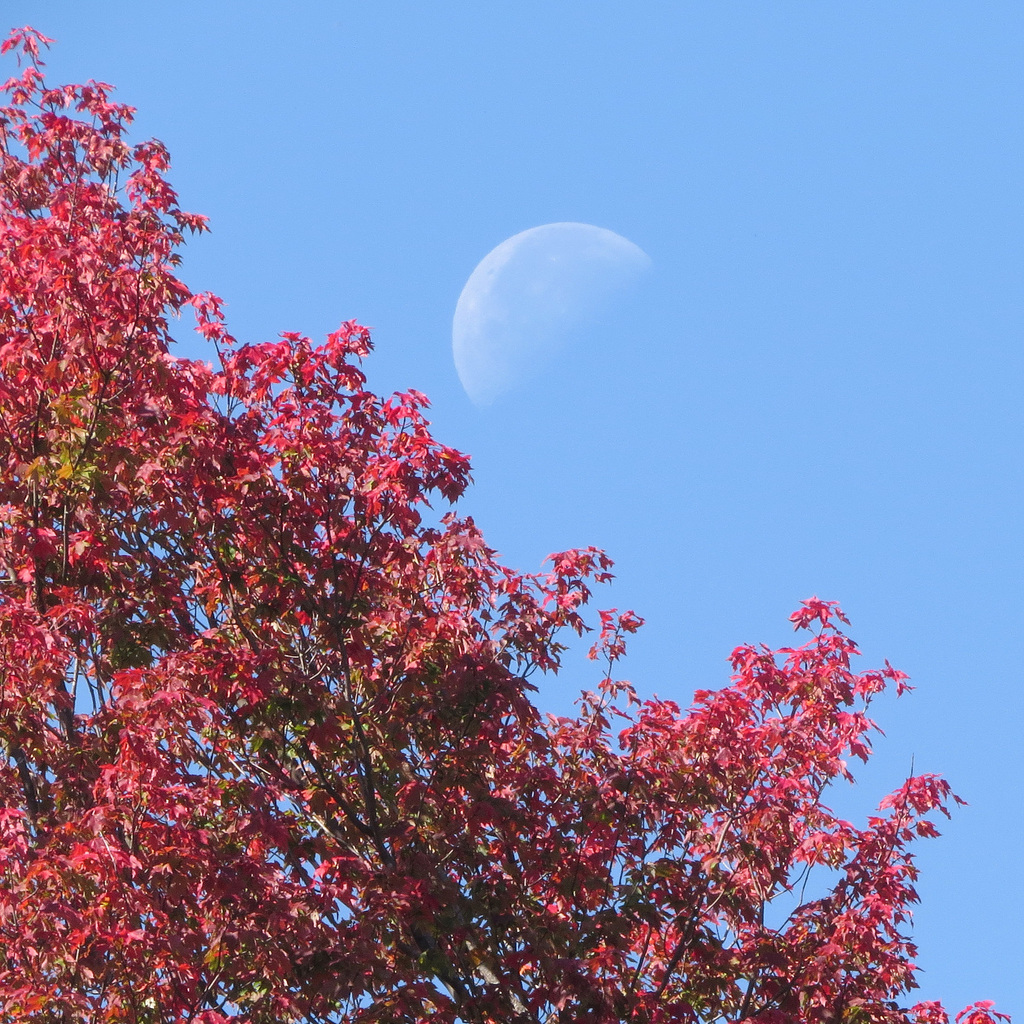
On this page
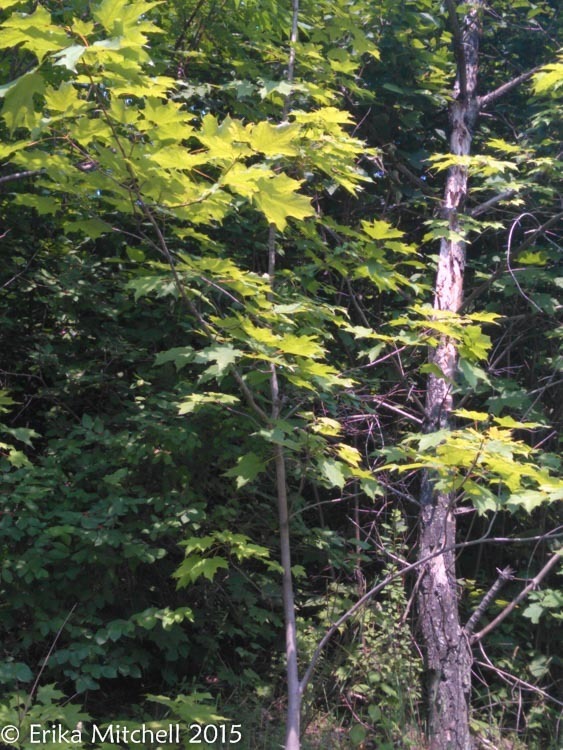
Red maple is one of the easiest native shade trees to establish: plant a sapling in fall or early spring in full sun and slightly acidic soil, water deeply every week for two growing seasons, and it will grow 30-60cm a year to an eventual 12-18m. It tolerates wet ground unusually well. One serious caveat: wilted red maple leaves are highly toxic to horses. Chlorosis on alkaline soil is its main weakness.
Key facts
- Native from eastern Canada to Florida. By some USDA counts the single most numerous tree in the eastern US forest.
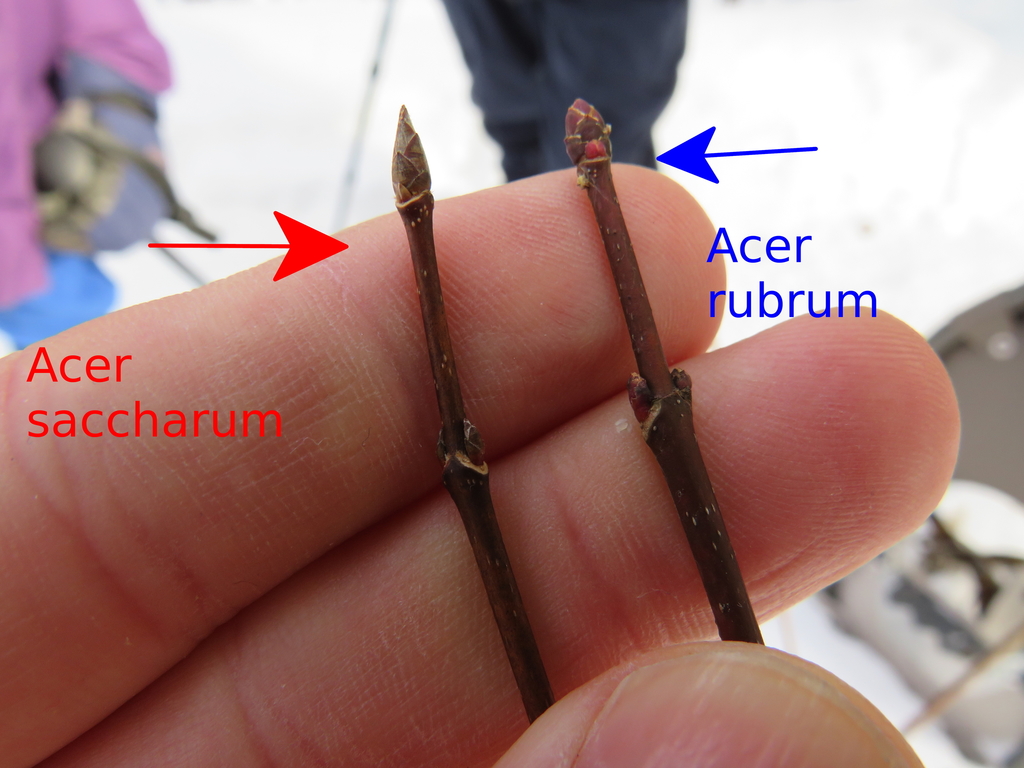
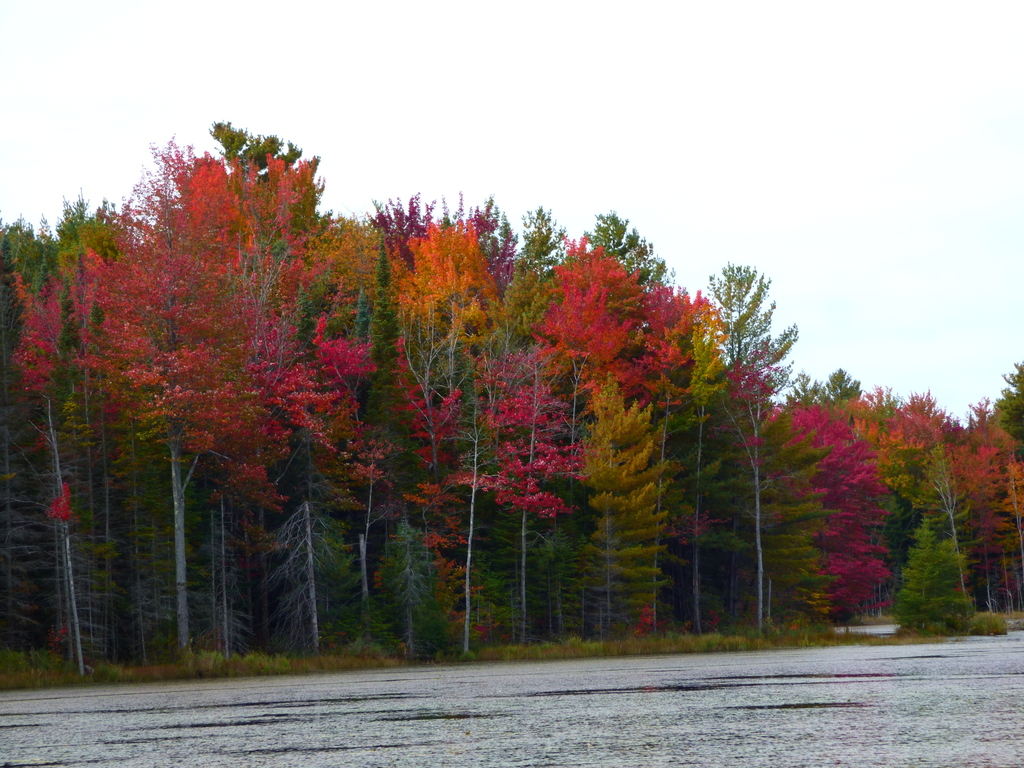
- Lives up to its name in every season: red flower clusters in late winter, red leaf stems in summer, scarlet-to-orange fall color, red twigs and buds in winter.
- One of the few large shade trees that genuinely tolerates wet, periodically flooded soil (its other common name is swamp maple).
- Wilted or dried red maple leaves are seriously toxic to horses, destroying red blood cells. Never plant one over a paddock.
Care requirements#
| Plant type | Outdoor deciduous tree |
| Growing medium | Moist, slightly acidic soil; tolerates clay and periodically wet ground |
| Light needs | Full sun for best fall color; tolerates part shade |
| Watering (establishment) | 15-20L deep soak weekly for the first two growing seasons |
| Watering (mature) | Rain-fed; water in extended drought. Shallow roots dry out faster than most big trees |
| Soil pH | 4.5-6.5 preferred; develops manganese chlorosis above ~7.0 |
| Temperature range | Fully hardy, roughly -35°C to 35°C |
| Fertilizer | None at planting; light balanced feed in spring only if growth is weak |
| Spacing | 8-10m from buildings, driveways, and septic lines, surface roots lift pavement |
| Planting time | Fall or early spring, while dormant |
| Hardiness zone (outdoor) | USDA 3-9 |
| Toxicity | Wilted leaves highly toxic to horses; not a significant risk to cats or dogs |
Growth & propagation#
| Mature size | 12-18m tall, 9-12m spread (larger in the wild) |
| Growth rate | Moderately fast, 30-60cm per year |
| Lifespan | 80-100+ years |
| Propagation methods | Seed (spring-ripening samaras germinate immediately); cultivars are grafted or from cuttings |
| Propagation difficulty | Easy from fresh seed; named cultivars don't come true from seed |
| Pruning needs | Formative pruning when young; prune in summer or winter, not spring (heavy sap bleeding) |
Common problems & troubleshooting#
| Symptom | Likely cause | Fix |
|---|---|---|
| Leaves yellow with green veins in summer | Manganese chlorosis on alkaline or compacted soil | Acidify the root zone with sulfur, mulch widely with organic matter; on strongly alkaline sites choose a different species |
| Bark splits vertically on the south/west side of young trunks | Sunscald/frost cracking on thin-barked young trees in winter | Wrap trunks of young trees in late fall for the first 2-3 winters, or shade the trunk with a board on the sunny side |
| Tree girdles and declines years after planting | Girdling roots. Very common in container-grown red maples | At planting, shave or tease apart circling roots and set the root flare at soil level, never buried |
| Grass won't grow and mower damage scars roots | Dense shallow surface root system | Replace lawn under the canopy with a wide mulch ring. It also protects the trunk from string trimmers |
| Leaves covered in small red bumps | Maple bladder gall mites | Cosmetic only; no treatment needed. The tree's health is unaffected |
Two seasons of watering makes the tree
Sodate schedules the weekly deep soaks that turn a whippy sapling into a self-sufficient shade tree, then stands down.
Seasonal care#
Varieties & cultivars#
| Variety | Distinguishing trait | Note |
|---|---|---|
| 'October Glory' | Late, long-lasting crimson fall color | Best in the southern half of its range |
| 'Red Sunset' (Franksred) | Early, reliable orange-red color, strong branching | The standard street-tree pick |
| 'Autumn Blaze' (Freeman maple) | Red maple × silver maple hybrid; very fast, drought-tolerant | Technically Acer × freemanii, sold alongside red maples everywhere |
| 'Brandywine' | Seedless male selection, red-purple fall color | No helicopter seeds to sweep up |
Buying checklist#
- Visible root flare at the top of the pot or rootball. A buried flare means trouble later
- No circling roots at the container edge; slide the pot off and look
- Single straight leader with evenly spaced branches
- Named cultivar if fall color matters. Seedling color varies from yellow to scarlet
Pricing by region#
| Region | Price range | Typical unit | Basis |
|---|---|---|---|
| US | $30 – $100 | 5-15 gal / 1-2m sapling | Nursery retail; bare-root much cheaper via state conservation sales |
| UK | $30 – $90 | 12L pot / 1.5-2m | Garden centre + online tree nurseries |
| India | $6 – $18 | potted sapling | Specialty/hill-station nurseries. Needs winter chill, unsuited to plains |
| Australia | $25 – $65 | 25-40cm pot | Cool-climate nursery retail |
| Canada | $30 – $90 | 5-15 gal sapling | Nursery retail; native and widely stocked |
USD figures are approximate conversions for comparison; switch the dropdown to see each region's actual local-currency listing price.
Often confused with#
Where it's actually grown#
Red maple saplings are grown at enormous scale by field and container nurseries in Oregon, Tennessee, and Ontario; named cultivars are budded onto seedling rootstock, and many US state forestry agencies sell cheap bare-root seedlings for conservation planting each spring.
Import & biosecurity restrictions#
| Region | Note |
|---|---|
| Australia | Live plant imports restricted under biosecurity law; buy from domestic cool-climate nurseries. |
| US | Native and unrestricted; some states' nurseries must comply with interstate pest quarantines (e.g. Asian longhorned beetle zones). |
| UK | No restriction; plant health regulations apply to imported nursery stock. |
| India | No specific restriction, but the species needs winter chill and fails in plains heat. |
| Canada | Native; CFIA movement controls apply within Asian longhorned beetle regulated areas. |
Similar plants
Ranked in these guides
Did you know?
Frequently asked questions
How fast does a red maple sapling grow?
About 30-60cm a year with regular water. A 1.5m sapling becomes a genuine shade tree in 10-15 years.
Is red maple dangerous to animals?
Wilted or dried leaves are seriously toxic to horses, causing red blood cell destruction; keep it away from paddocks. It is not a notable hazard to cats or dogs.
When should I plant a red maple?
Fall is best (roots establish until the ground freezes), early spring second-best. Avoid planting in summer heat.
Why is my red maple's fall color disappointing?
Seedling trees vary genetically, and alkaline soil or warm autumns mute the display. Named cultivars like 'October Glory' or 'Red Sunset' guarantee color.
How far from the house should I plant one?
8-10m. Red maple's shallow, vigorous surface roots can lift pavement and interfere with lawns closer in.