 Sodate
On this page
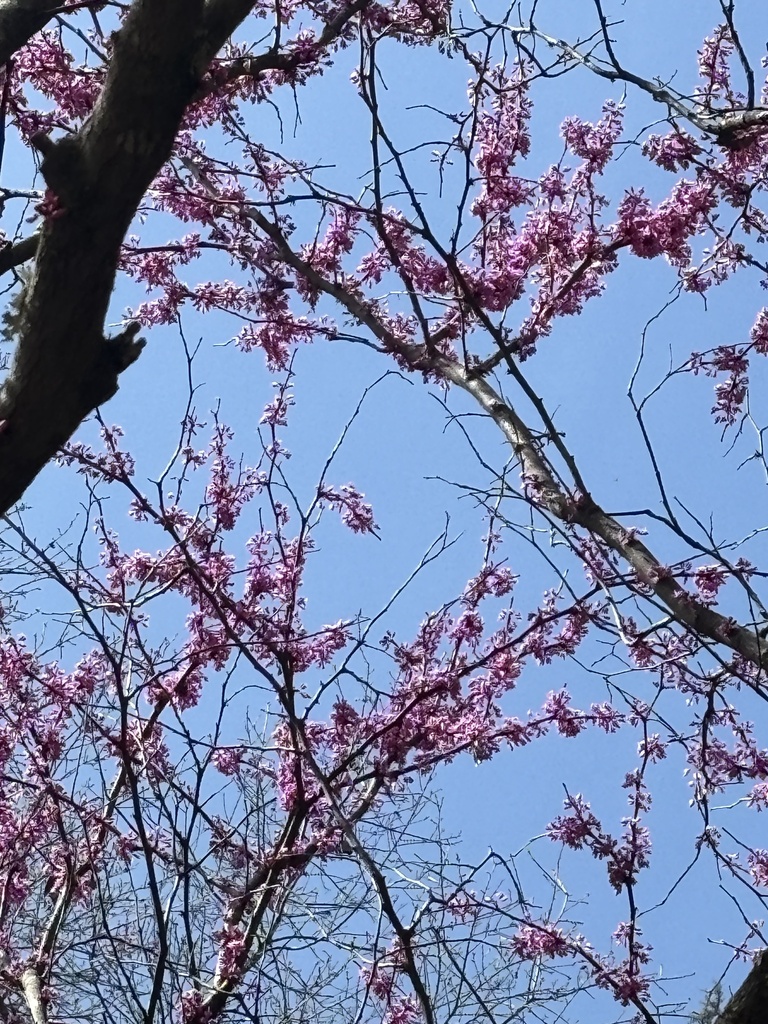
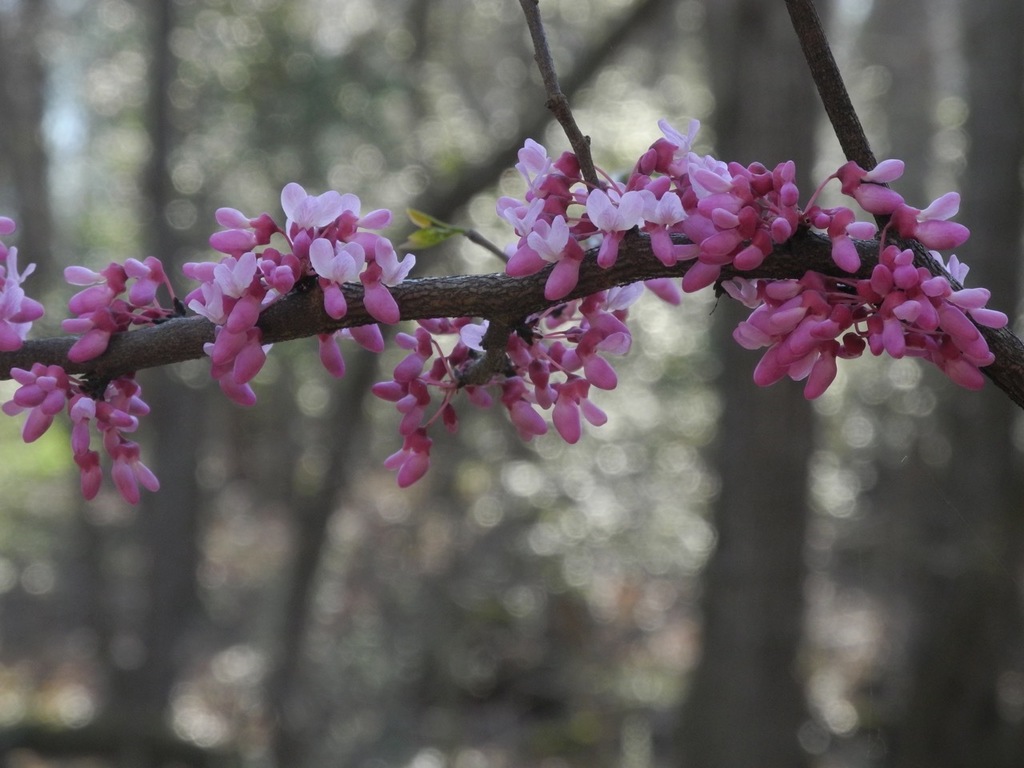
Redbud's signature trick is cauliflory: it flowers directly on bare old wood, including the trunk, before the leaves come out. The pea-like flowers are edible, mildly tart, and good raw in salads. It is a small understorey tree that suits modest gardens, feeds early-season bees when little else is out, and resents both waterlogging and being moved once established. Native to eastern North America. Non-toxic.
Key facts
- It shows cauliflory: flowers emerge directly from bare branches and the trunk itself, not just from new shoots.
- The magenta-pink flowers are edible, tasting mildly tart and slightly pea-like, and are used raw in salads.
- It blooms very early, providing an important nectar and pollen source for bees before most trees flower.
- As a legume it hosts nitrogen-fixing bacteria, which is why it establishes on poor soils.
- Non-toxic to cats, dogs and humans.
Care requirements#
| Plant type | Small deciduous flowering tree; hardy USDA 4-9 |
| Native range | Eastern and central North America, from Ontario south to northern Mexico |
| Light needs | Full sun to part shade; it flowers best in sun but naturally grows at woodland edges |
| Soil | Moist, well-drained soil of almost any type; will not tolerate waterlogging |
| Soil pH | 5.5-7.5, adaptable across acidic to slightly alkaline soils |
| Water needs | Water regularly for the first two or three years; moderately drought-tolerant once established |
| Spacing | Allow 5-8m from buildings and other trees |
| Fertilizer | Rarely needed; as a legume it fixes some of its own nitrogen |
| Pruning | Prune lightly right after flowering; heavy pruning of old wood removes next year's flower sites |
| Transplanting | Move only when young. It has a taproot and resents disturbance once established |
| Wildlife value | Key early nectar source for bees, and a host plant for several butterfly and moth species |
| Toxicity | Non-toxic to cats, dogs, and humans; flowers are edible raw |
Growth & propagation#
| Mature size | 6-9m tall with a similar or slightly wider spread |
| Growth rate | Moderate: roughly 30-60cm a year when young |
| Lifespan | 50-70 years, shorter than most native hardwoods |
| Propagation methods | Seed, which needs scarification of the hard coat plus cold stratification; named cultivars are grafted |
| Propagation difficulty | Moderate: the double dormancy of the seed catches people out |
| Flowering age | Usually begins flowering at four to six years old |
Common problems & troubleshooting#
| Symptom | Likely cause | Fix |
|---|---|---|
| Branches wilt suddenly and die back | Verticillium wilt or canker, both common in redbuds | Cut out affected branches well below the damage, sterilising tools between cuts; avoid stressing the tree with drought |
| Few or no flowers in spring | Too much shade, or old flowering wood was pruned off | Give more sun and prune only lightly, immediately after flowering |
| Tree declines after being moved | Root disturbance to an established taproot | Transplant only young trees, and plant permanently the first time |
| Yellowing leaves and root rot | Waterlogged or poorly drained soil | Plant on a slight mound or improve drainage; redbuds do not tolerate wet feet |
| Leaf scorch in midsummer | Drought and hot exposed siting | Mulch and water deeply in dry spells; a woodland-edge position with afternoon shade suits it well |
A small tree with one big spring moment
Sodate tracks establishment watering and pruning windows so a young redbud reaches its first big bloom.
Seasonal care#
Varieties & cultivars#
| Variety | Distinguishing trait | Note |
|---|---|---|
| 'Forest Pansy' | Deep purple new foliage | The most widely planted cultivar |
| 'Appalachian Red' | Unusually intense magenta-red flowers | The strongest flower colour available |
| 'Ruby Falls' | Weeping habit with purple leaves | Compact enough for very small gardens |
| 'Alba' / 'Royal White' | Pure white flowers | Same habit, different colour |
Buying checklist#
- Grafted cultivars should show a clean, well-healed graft union
- No sunken dark canker lesions on the trunk or branches
- Root ball is not circled by girdling roots
- Buy young: small redbuds transplant far more successfully than large ones
Pricing by region#
| Region | Price range | Typical unit | Basis |
|---|---|---|---|
| US | $30 – $90 | 1.5-2m sapling | Nursery + native plant sales |
| UK | $35 – $100 | 1.5-2m tree | Garden centre + tree nursery |
| India | $25 – $70 | sapling | Rare; hill-station nurseries |
| Australia | $35 – $95 | sapling | Cool-climate nursery retail |
| Canada | $32 – $95 | 1.5-2m sapling | Nursery retail |
USD figures are approximate conversions for comparison; switch the dropdown to see each region's actual local-currency listing price.
Often confused with#
Where it's actually grown#
Nursery redbuds are seed-grown or grafted by tree nurseries across the eastern and midwestern US; cultivars such as 'Forest Pansy' are all grafted clones, so seed collected from them will not come true.
Import & biosecurity restrictions#
| Region | Note |
|---|---|
| US | Native and unrestricted; widely sold as a landscape and native-garden tree. |
| Canada | Native to southern Ontario and unrestricted; hardy in zones 4-9. |
| UK | Imports need phytosanitary paperwork; grown domestically and reliably hardy, though it flowers less freely than in North America. |
| Australia | Live plant imports restricted under biosecurity law; grown domestically in cool-climate areas. |
| India | No specific restriction; only viable in Himalayan hill stations and effectively absent from the trade. |
Similar plants
Ranked in these guides
Did you know?
Frequently asked questions
Why does eastern redbud flower on its trunk?
It shows cauliflory, flowering directly from buds on old wood including the trunk. Blooming before leaf-out makes the display highly visible to early-season pollinators.
Are redbud flowers edible?
Yes. The pink pea-like flowers are edible raw, with a mildly tart flavour, and are often scattered over salads.
Is eastern redbud toxic to dogs or cats?
No, Cercis canadensis is non-toxic to cats, dogs and humans.
Why isn't my redbud flowering?
Usually too much shade, or pruning that removed the old wood the flowers form on. Prune only lightly and immediately after flowering.
How big does an eastern redbud get?
Typically 6-9m tall with a similar spread, making it a good choice for smaller gardens.