 Sodate
Home / Guides / Flowering edible plants
Best Flowering Edible Plants: 15 Ranked (2026)

The best flowering edible plants are Cauliflower, Sunflower, Basil. Sodate ranked 21 qualifying plants from a database of 208 profiles on a published 100-point rubric weighted to flowering reliability (40), care difficulty (25), pet safety (20) and cost (15). Cauliflower scores 85/100, the highest in this group.
Cauliflower, Sunflower, Basil lead this ranking of flowering edible plants. Entry requires full marks for plants documented to bloom reliably or repeatedly, rather than merely being capable of flowering. 12 of the 15 listed are non-toxic to cats and dogs. Every score is computed from the same four measures, flowering reliability, care difficulty, pet safety and cost, and the rubric is published below so you can recompute any ranking yourself.
Why trust this list
Almost any plant can flower; the useful question is whether it will flower for you, in your light, without intervention. Full marks here go only to plants documented to bloom reliably or repeatedly. The single biggest reason a flowering plant stops flowering is insufficient light, because blooms cost the plant far more energy than leaves, and they are the first thing it drops when short of it. Everything here is grown to be eaten, so the useful measures are harvest timing and yield rather than appearance. Each profile states days to harvest, the edible parts, and where known the yield per plant, which is the number that tells you whether a crop earns its space.
At a glance: all 15 ranked
| Rank | Plant | Best for | Score | Flowering reliability | Pet safety | US price |
|---|---|---|---|---|---|---|
| #1 | Cauliflower | Wanting actual flowers, not just foliage, in a home with pets | 85 | Blooms reliably | Pet-safe | $2–$8 |
| #2 | Sunflower | Wanting actual flowers, not just foliage, in a home with pets | 85 | Blooms reliably | Pet-safe | $2–$4 |
| #3 | Basil | Wanting actual flowers, not just foliage, in a home with pets | 75 | Blooms reliably | Pet-safe | $2–$5 |
| #4 | Broccoli | Wanting actual flowers, not just foliage, in a home with pets | 75 | Blooms reliably | Pet-safe | $2–$7 |
| #5 | Cabbage | Wanting actual flowers, not just foliage, in a home with pets | 75 | Blooms reliably | Pet-safe | $2–$7 |
| #6 | Cilantro | Wanting actual flowers, not just foliage, in a home with pets | 75 | Blooms reliably | Pet-safe | $2–$4.5 |
| #7 | Cucumber | Wanting actual flowers, not just foliage, in a home with pets | 75 | Blooms reliably | Pet-safe | $2–$5 |
| #8 | Kale | Wanting actual flowers, not just foliage, in a home with pets | 75 | Blooms reliably | Pet-safe | $2–$4.5 |
| #9 | Parsley | Wanting actual flowers, not just foliage, in a home with pets | 75 | Blooms reliably | Pet-safe | $3–$9 |
| #10 | Pumpkin | Wanting actual flowers, not just foliage, in a home with pets | 75 | Blooms reliably | Pet-safe | $2–$5 |
| #11 | Radish | Wanting actual flowers, not just foliage, in a home with pets | 75 | Blooms reliably | Pet-safe | $2–$4 |
| #12 | Sage | Wanting actual flowers, not just foliage, in a home with pets | 75 | Blooms reliably | Pet-safe | $5–$12 |
| #13 | Green Beans | Wanting actual flowers, not just foliage, if you forget to water | 73 | Blooms reliably | Toxic | $2–$5 |
| #14 | Chives | Wanting actual flowers, not just foliage | 63 | Blooms reliably | Toxic | $4–$10 |
| #15 | Garlic | Wanting actual flowers, not just foliage | 63 | Blooms reliably | Toxic | $10–$25 |
How we scored these
Every plant is scored out of 100 on four measures, each pulled directly from its care profile. No score is assigned by hand, so the ranking can be reproduced from the data:
Ties are broken alphabetically. Prices are researched typical retail ranges, not live quotes. Check each plant's profile for the regional breakdown. 21 plants in the directory met the entry bar; the top 15 are listed here.
All 15 flowering edible plants, ranked
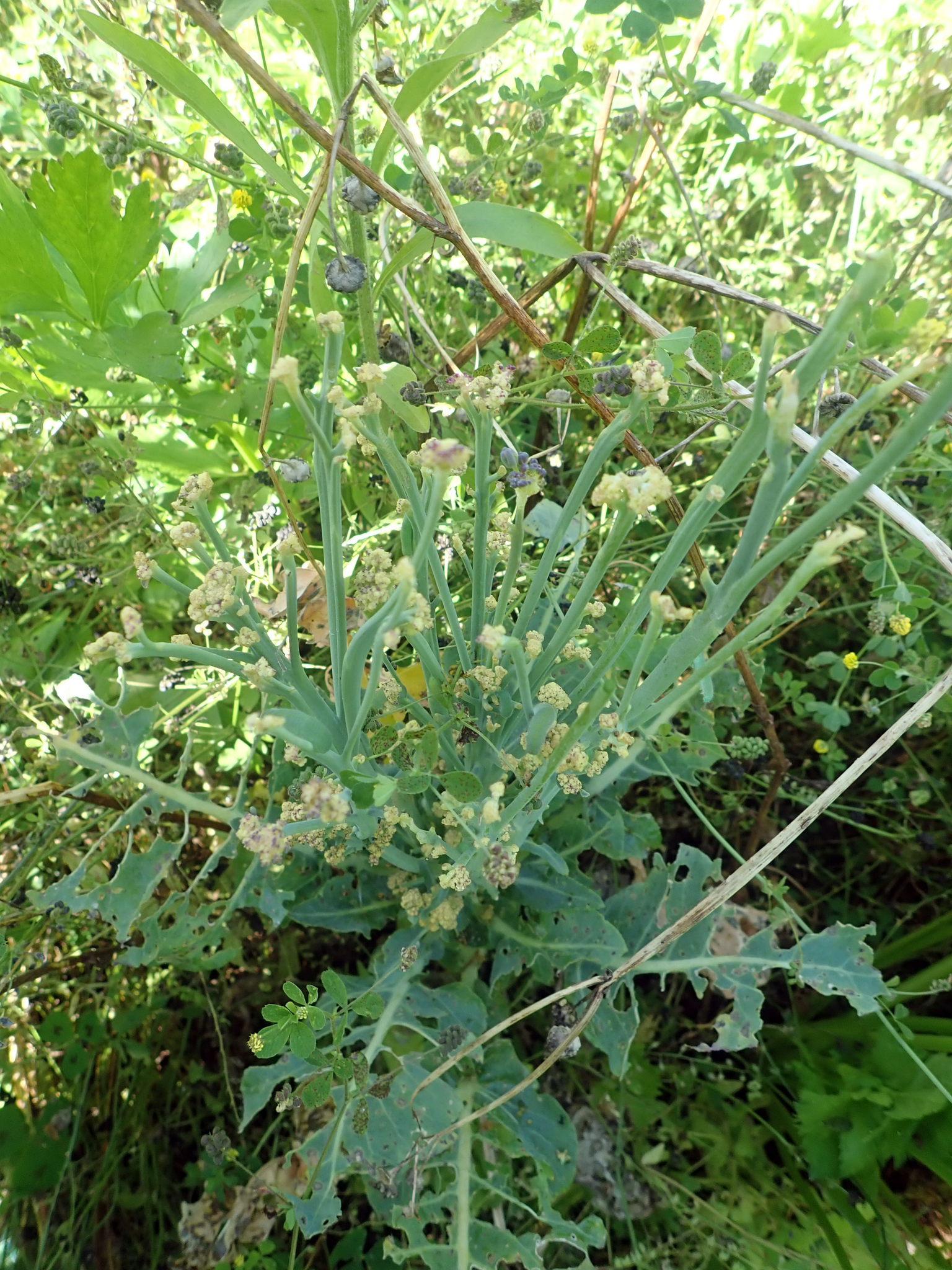
Cauliflower
Gobi (Hindi)
Best for: Wanting actual flowers, not just foliage, in a home with pets
Elite tier: top-scoring on every measure
✓ Strong signal Light tolerance: Full sun, 6+ hours daily
⚠ Watch out for Tiny golf-ball head on a small plant ('buttoning'): usually any growth check. drought, heat, cold snap, root-bound transplants, or poor soil
Our take Cauliflower is the least forgiving brassica: it needs uninterrupted, steady growth in cool weather (13-21°C), rich soil, and consistent water. Any stress produces tiny 'button' heads.
Strengths
- Blooms reliably rather than occasionally
- Non-toxic to cats and dogs
- Beginner-friendly and forgiving of missed waterings
Trade-offs
- Watch for: tiny golf-ball head on a small plant ('buttoning')
Care details
| Light | Full sun, 6+ hours daily |
| Water | Absolutely consistent. 2.5-4cm (1-1.5in) per week; even one dry week can trigger buttoning |
| Humidity | : |
| Temperature | Best at 13-21°C (55-70°F); curds spoil above 27°C and young plants button after prolonged cold below 10°C |
| Toxicity | Non-toxic; edible crop safe around pets and children |
| US price | $2–$8 |
Sunflower
Helianthus annuus
Best for: Wanting actual flowers, not just foliage, in a home with pets
Elite tier: top-scoring on every measure
✓ Strong signal Light tolerance: Full sun, 6-8+ hours. The clue is in the name
⚠ Watch out for Seeds or seedlings vanish overnight: usually birds, squirrels, mice, slugs. everything eats sunflower seedlings
Our take Sunflowers are among the easiest and fastest plants you can grow: direct-sow seed after frost into full sun, water while establishing, and tall varieties hit 2-3m and bloom in 70-100 days. They hate transplanting (taproot), so sow where they'll grow, and stake tall types in wind.
Strengths
- Blooms reliably rather than occasionally
- Non-toxic to cats and dogs
- Beginner-friendly and forgiving of missed waterings
Trade-offs
- Watch for: seeds or seedlings vanish overnight
Care details
| Light | Full sun, 6-8+ hours. The clue is in the name |
| Water | Regular water until established, then deep weekly watering; fairly drought-tolerant thanks to the taproot |
| Humidity | Unfussy; good airflow limits fungal leaf spots |
| Temperature | Germinates at 10°C+, thrives 21-32°C (70-90°F); frost kills seedlings |
| Toxicity | Non-toxic to cats, dogs, and horses; seeds edible for humans |
| US price | $2–$4 |
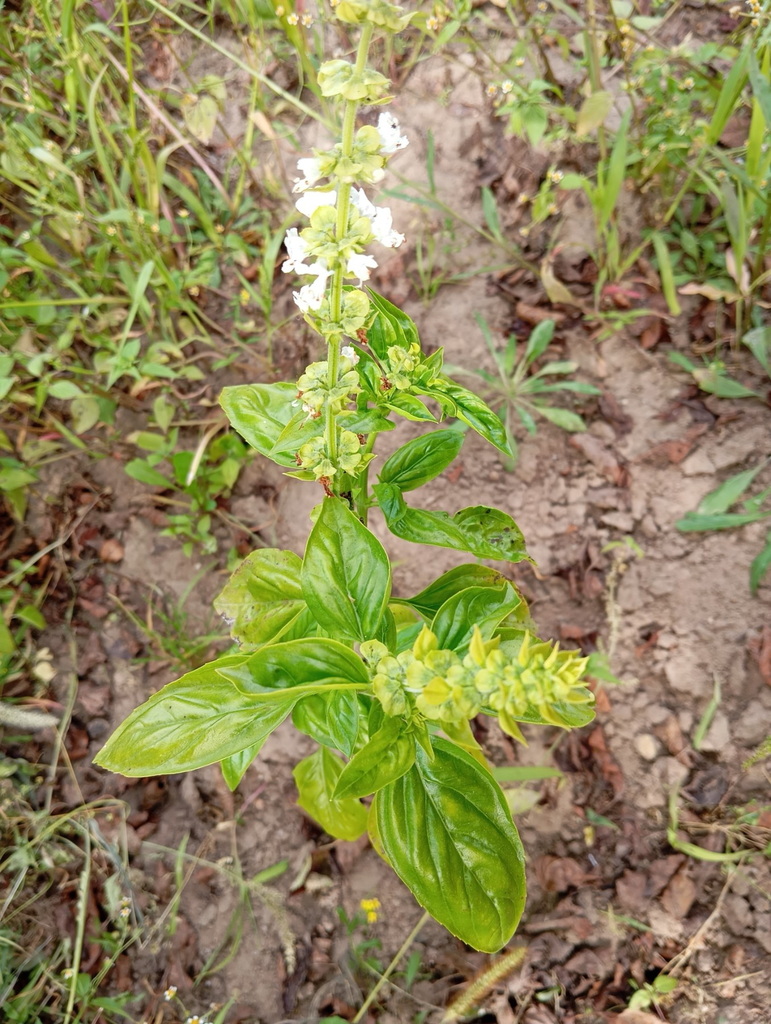
Basil
Ocimum basilicum
Best for: Wanting actual flowers, not just foliage, in a home with pets
Strong pick: one clear trade-off
✓ Strong signal Light tolerance: Full sun, 6-8 hours daily; tolerates light afternoon shade in very hot climates
⚠ Watch out for Plant bolts: flower spikes, small bitter leaves: usually heat, stress, or simply not being pinched
Our take Basil wants heat, full sun, and regular picking. Pinch stems just above a leaf pair every week or two and it branches into a bush; let it flower and leaf production stops and flavor turns bitter.
Strengths
- Blooms reliably rather than occasionally
- Non-toxic to cats and dogs
- Inexpensive to start ($2–$5 in the US)
Trade-offs
- Watch for: plant bolts: flower spikes, small bitter leaves
Care details
| Light | Full sun, 6-8 hours daily; tolerates light afternoon shade in very hot climates |
| Water | Keep soil consistently moist. Water when the top 2-3cm dries; wilts fast but recovers |
| Humidity | Tolerates a wide range; good airflow prevents fungal disease |
| Temperature | 21-30°C (70-85°F) ideal; damaged below 10°C (50°F), killed by frost |
| Toxicity | Non-toxic to cats, dogs, and humans |
| US price | $2–$5 |
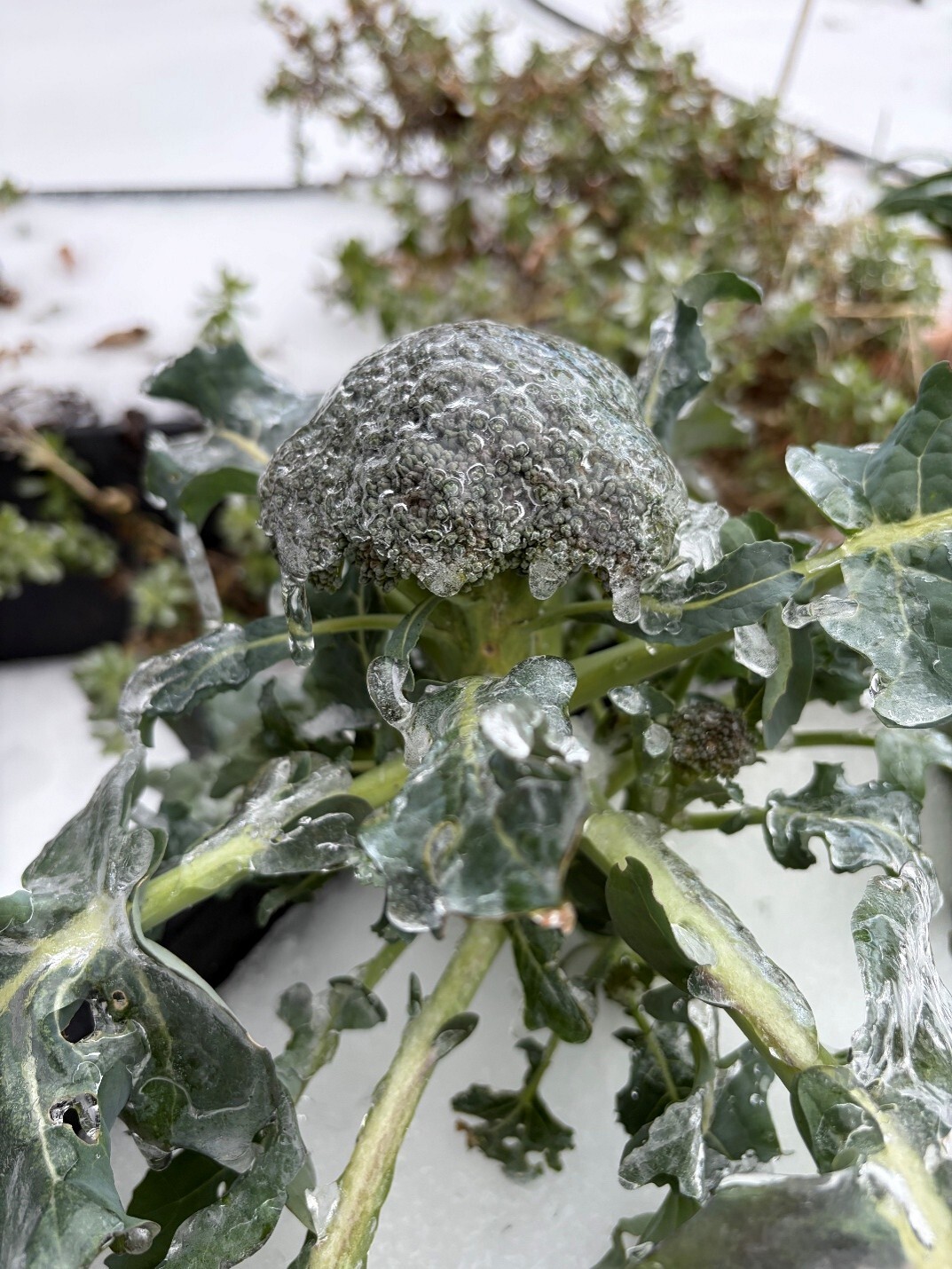
Broccoli
Brassica oleracea var. italica
Best for: Wanting actual flowers, not just foliage, in a home with pets
Strong pick: one clear trade-off
✓ Strong signal Light tolerance: Full sun, 6+ hours daily
⚠ Watch out for Holes chewed in leaves, green caterpillars underneath: usually cabbage worms and loopers (cabbage white butterfly larvae)
Our take Broccoli is the most rewarding brassica for home gardens: transplant in early spring or late summer, space 40-50cm apart in rich soil, keep water even, and net against cabbage worms. Cut the main head while buds are tight (55-85 days from transplant), then keep harvesting side sh
Strengths
- Blooms reliably rather than occasionally
- Non-toxic to cats and dogs
- Inexpensive to start ($2–$7 in the US)
Trade-offs
- Watch for: holes chewed in leaves, green caterpillars underneath
Care details
| Light | Full sun, 6+ hours daily |
| Water | Even moisture, 2.5-4cm (1-1.5in) per week; drought stress leads to small, early-bolting heads |
| Humidity | : |
| Temperature | Best at 15-21°C (60-70°F); tolerates light frost, bolts quickly above 27°C (80°F) |
| Toxicity | Non-toxic; edible crop safe around pets and children |
| US price | $2–$7 |
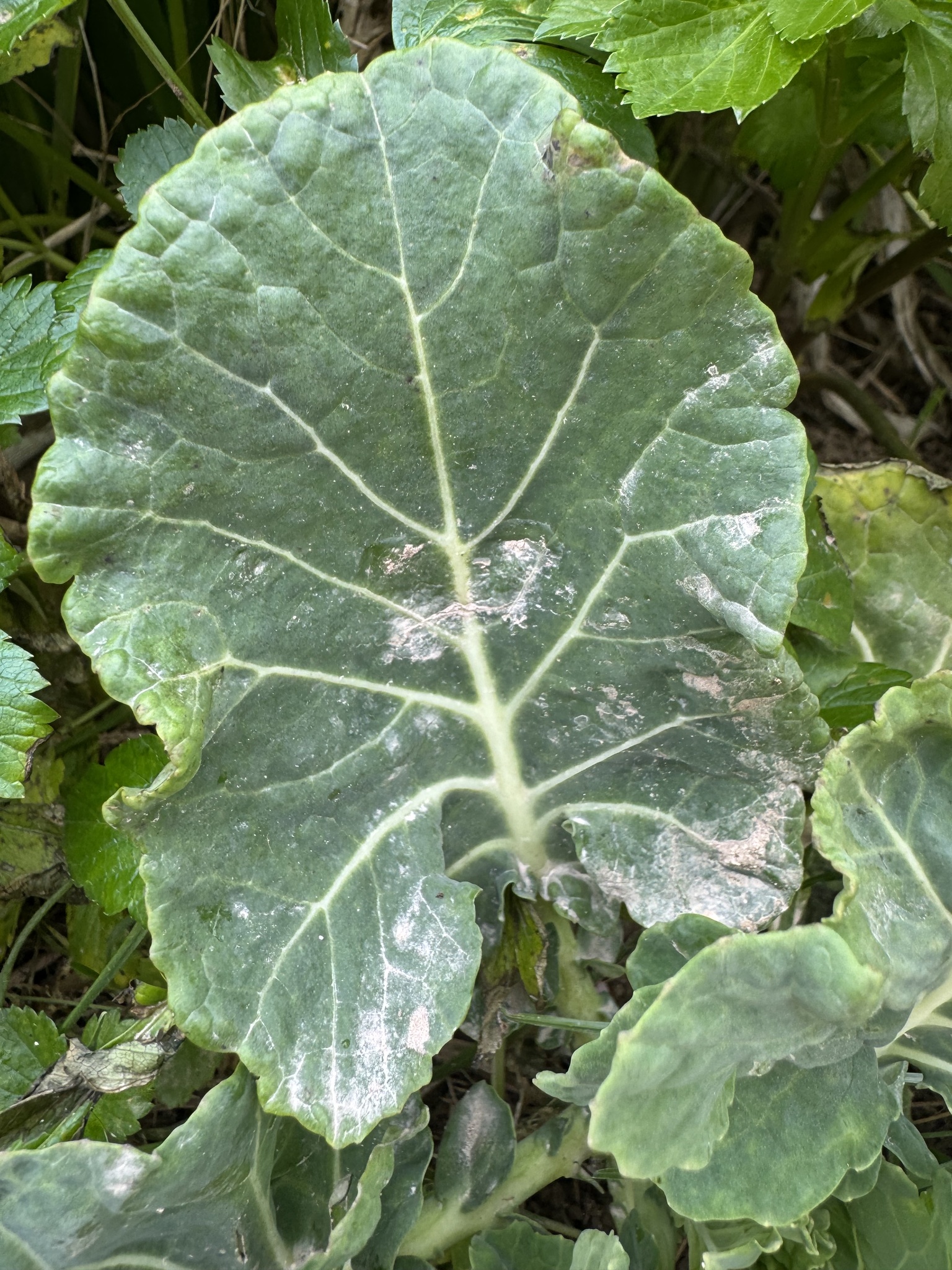
Cabbage
Brassica oleracea var. capitata
Best for: Wanting actual flowers, not just foliage, in a home with pets
Strong pick: one clear trade-off
✓ Strong signal Light tolerance: Full sun, 6+ hours daily
⚠ Watch out for Ragged holes in leaves, green droppings: usually cabbage worms (larvae of the cabbage white butterfly) or cabbage loopers
Our take Cabbage is a cool-season crop: transplant seedlings in early spring or late summer so heads mature in cool weather, spaced 30-45cm apart in rich, firm soil. Keep watering even to stop heads splitting, and cover plants with insect netting from day one.
Strengths
- Blooms reliably rather than occasionally
- Non-toxic to cats and dogs
- Inexpensive to start ($2–$7 in the US)
Trade-offs
- Watch for: ragged holes in leaves, green droppings
Care details
| Light | Full sun, 6+ hours daily |
| Water | Even, consistent moisture. About 2.5cm (1in) per week; irregular watering splits heads |
| Humidity | : |
| Temperature | Grows best at 13-21°C (55-70°F); mature plants tolerate light frost, heads turn bitter above 27°C (80°F) |
| Toxicity | Non-toxic; edible crop safe around pets and children |
| US price | $2–$7 |
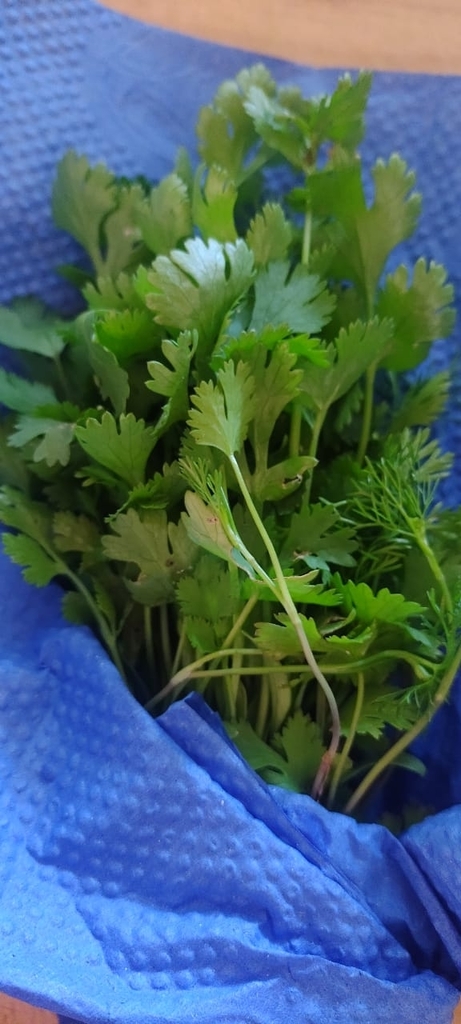
Cilantro
Coriandrum sativum
Best for: Wanting actual flowers, not just foliage, in a home with pets
Strong pick: one clear trade-off
✓ Strong signal Light tolerance: Full sun in cool seasons; light afternoon shade in summer noticeably delays bolting
⚠ Watch out for Plant shoots up a tall flower stem within weeks: usually bolting from heat, long days, drought or root disturbance
Our take Cilantro bolts fast in heat, often within six weeks of sowing, so the trick is not preventing it but sowing a fresh batch every two to three weeks and growing it in the cooler parts of the year. Direct sow rather than transplant, since it has a taproot and resents disturbance.
Strengths
- Blooms reliably rather than occasionally
- Non-toxic to cats and dogs
- Inexpensive to start ($2–$4.5 in the US)
Trade-offs
- Watch for: plant shoots up a tall flower stem within weeks
Care details
| Light | Full sun in cool seasons; light afternoon shade in summer noticeably delays bolting |
| Water | Keep evenly moist, around 25mm a week; drought stress triggers immediate bolting |
| Humidity | : |
| Temperature | 10-24°C (50-75°F); bolts rapidly above 26°C |
| Toxicity | Non-toxic to cats and dogs; leaves and seeds are both safe |
| US price | $2–$4.5 |
Cucumber
Cucumis sativus
Best for: Wanting actual flowers, not just foliage, in a home with pets
Strong pick: one clear trade-off
✓ Strong signal Light tolerance: Full sun. 6-8 hours of direct light daily
⚠ Watch out for White powdery patches spreading across leaves: usually powdery mildew. nearly inevitable on cucurbits by late season, worst in warm days/cool nights
Our take Cucumbers are one of the fastest big payoffs in a vegetable garden: sow after frost, trellis the vines, and pick fruit 50-70 days later. Then keep picking every 1-2 days, because one missed yellow overripe fruit signals the vine to slow production.
Strengths
- Blooms reliably rather than occasionally
- Non-toxic to cats and dogs
- Inexpensive to start ($2–$5 in the US)
Trade-offs
- Watch for: white powdery patches spreading across leaves
Care details
| Light | Full sun. 6-8 hours of direct light daily |
| Water | Deep and even. About 2.5cm (1in) per week, more in heat; irregular water causes bitter, misshapen fruit |
| Humidity | : |
| Temperature | Best at 21-32°C (70-90°F); growth stalls below 15°C and frost kills vines |
| Toxicity | Fruit and plant non-toxic; very bitter fruit (high cucurbitacin) can cause stomach upset and shouldn't be eaten |
| US price | $2–$5 |
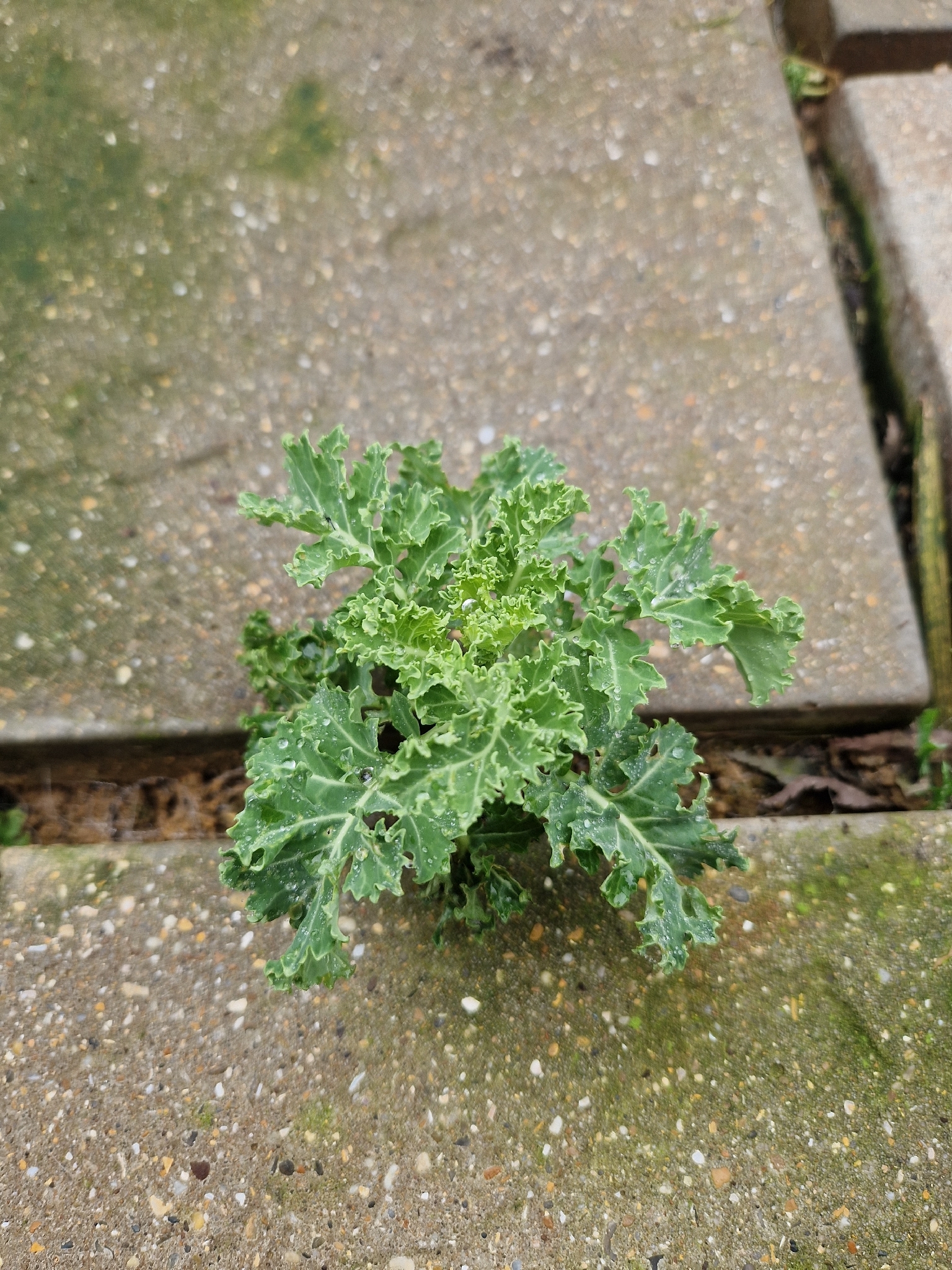
Kale
Brassica oleracea var. sabellica
Best for: Wanting actual flowers, not just foliage, in a home with pets
Strong pick: one clear trade-off
✓ Strong signal Light tolerance: Full sun to part shade. 6 hours ideal, tolerates 4
⚠ Watch out for Leaves stripped to the veins by green caterpillars: usually cabbage white butterfly larvae
Our take Kale is a cut-and-come-again brassica that crops right through winter, and it genuinely gets sweeter after frost, because cold makes the plant convert stored starch into sugars as antifreeze. Sow in late spring or summer for an autumn and winter harvest, space plants 45cm apart,
Strengths
- Blooms reliably rather than occasionally
- Non-toxic to cats and dogs
- Inexpensive to start ($2–$4.5 in the US)
Trade-offs
- Watch for: leaves stripped to the veins by green caterpillars
Care details
| Light | Full sun to part shade. 6 hours ideal, tolerates 4 |
| Water | Around 25mm a week; consistent moisture keeps leaves tender rather than tough and bitter |
| Humidity | : |
| Temperature | 7-24°C (45-75°F); survives to around -12°C and improves in flavour below freezing |
| Toxicity | Non-toxic to cats and dogs; safe in normal garden quantities |
| US price | $2–$4.5 |
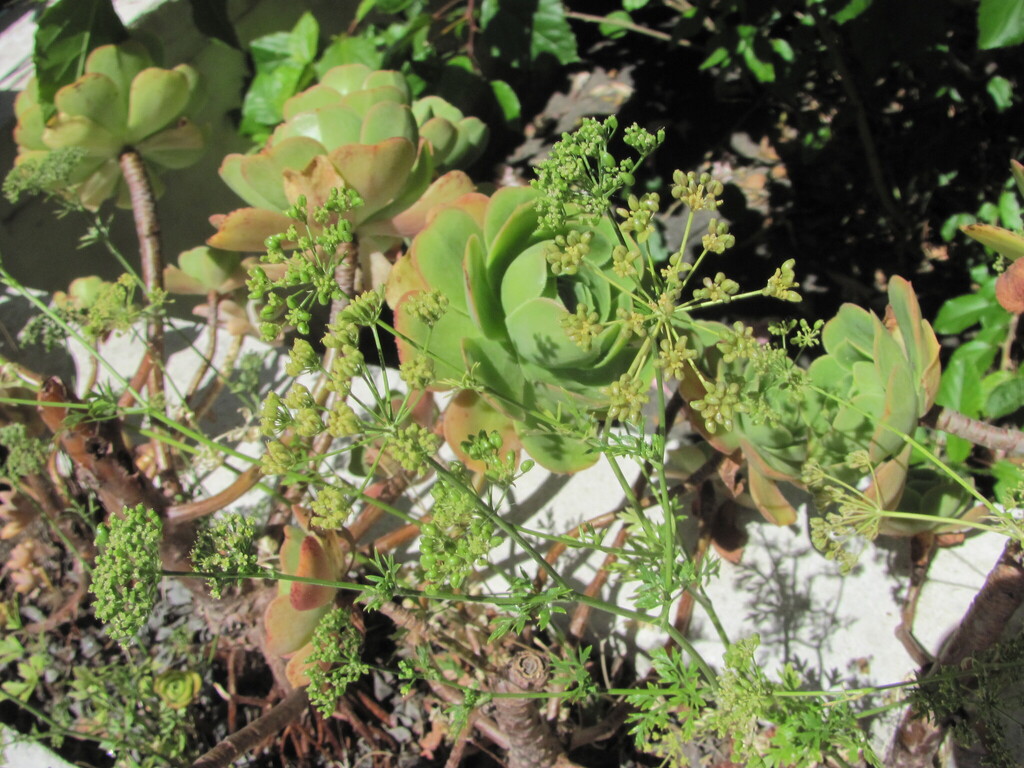
Parsley
Petroselinum crispum
Best for: Wanting actual flowers, not just foliage, in a home with pets
Strong pick: one clear trade-off
✓ Strong signal Light tolerance: Full sun to part shade. 4-6 hours; light afternoon shade is helpful in hot climates
⚠ Watch out for No seedlings after two weeks: usually normal. parsley routinely takes 3-4 weeks to germinate
Our take Parsley germinates painfully slowly, often taking three to four weeks, so soak the seed overnight and be patient rather than resowing. It is a biennial: leaves in year one, then it bolts and dies in its second spring, so sow fresh every year.
Strengths
- Blooms reliably rather than occasionally
- Non-toxic to cats and dogs
- Inexpensive to start ($3–$9 in the US)
Trade-offs
- Watch for: no seedlings after two weeks
Care details
| Light | Full sun to part shade. 4-6 hours; light afternoon shade is helpful in hot climates |
| Water | Keep consistently moist, around 25mm a week; parsley wilts and turns bitter if allowed to dry out |
| Humidity | : |
| Temperature | 10-24°C (50-75°F); germinates fastest around 20°C and very slowly in cold soil |
| Toxicity | Non-toxic to cats and dogs in normal garden amounts. Very large quantities can cause photosensitivity in dogs, so treat it as an occasional nibble |
| US price | $3–$9 |
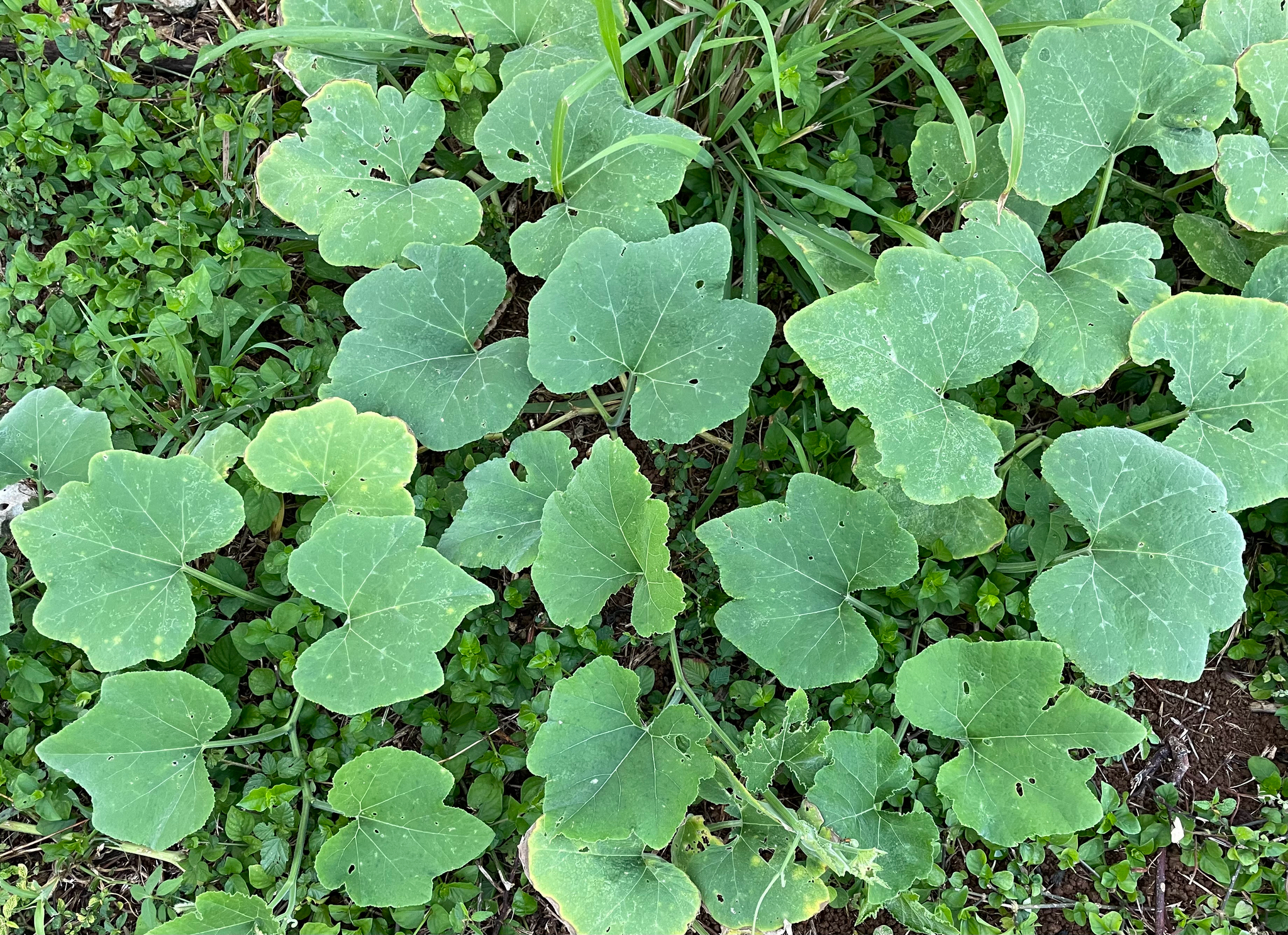
Pumpkin
Cucurbita maxima
Best for: Wanting actual flowers, not just foliage, in a home with pets
Strong pick: one clear trade-off
✓ Strong signal Light tolerance: Full sun, 6-8+ hours daily
⚠ Watch out for Tiny fruits yellowing and shrivelling at the stem: usually female flowers not pollinated, common in wet weather or where bees are scarce
Our take Pumpkins need full sun, extremely rich soil, and 2-3 square metres of sprawl per plant, which is the single thing most gardeners underestimate. Expect 90-120 days to harvest and 2-5 fruits per plant.
Strengths
- Blooms reliably rather than occasionally
- Non-toxic to cats and dogs
- Inexpensive to start ($2–$5 in the US)
Trade-offs
- Watch for: tiny fruits yellowing and shrivelling at the stem
Care details
| Light | Full sun, 6-8+ hours daily |
| Water | Deep soak 1-2 times a week at the base; keep water off the leaves to limit mildew |
| Humidity | : |
| Temperature | 18-30°C (65-86°F); growth stalls below 15°C |
| Toxicity | Non-toxic to cats and dogs; flesh, seeds and flowers are all edible |
| US price | $2–$5 |
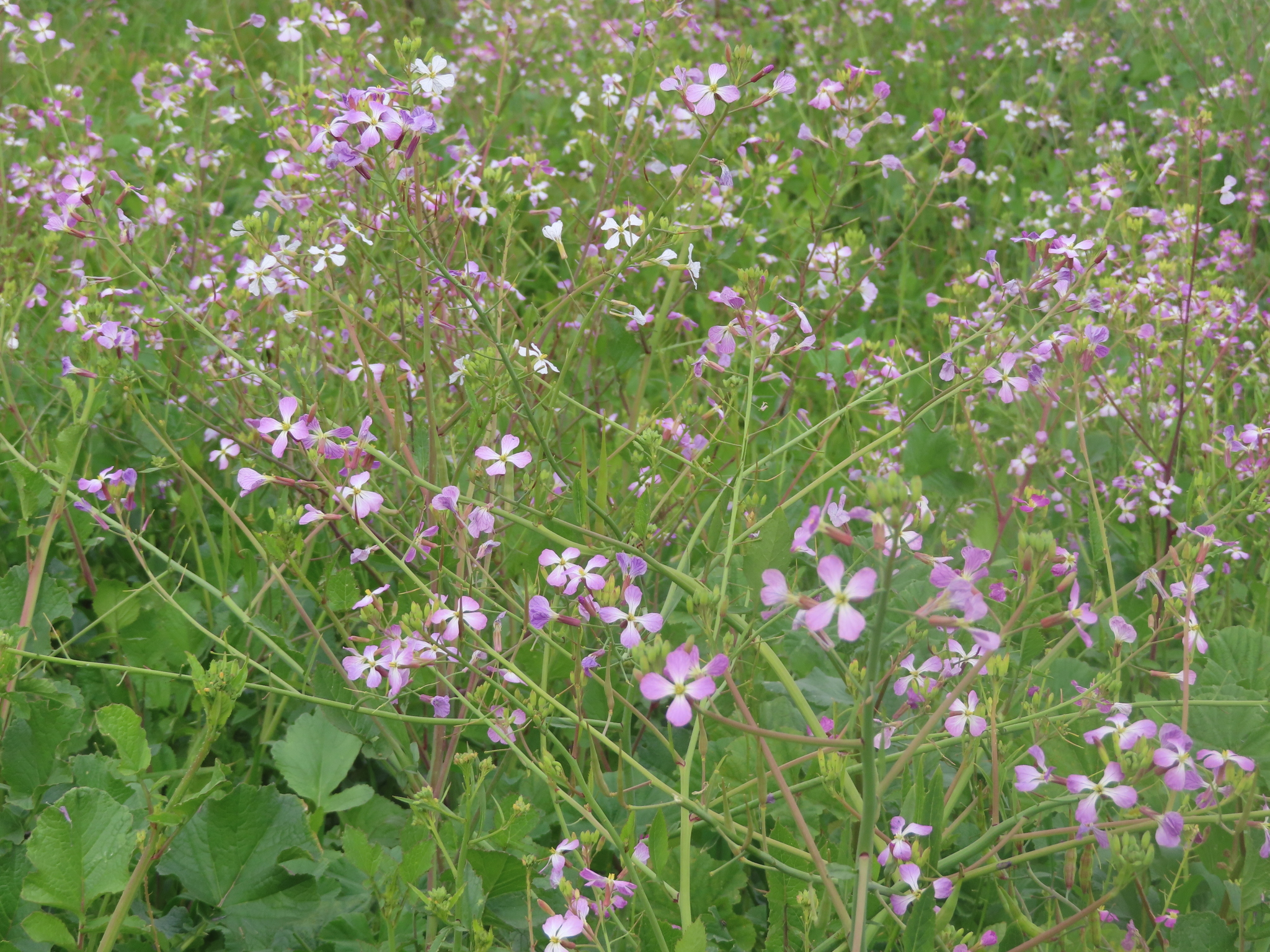
Radish
Raphanus sativus
Best for: Wanting actual flowers, not just foliage, in a home with pets
Strong pick: one clear trade-off
✓ Strong signal Light tolerance: Full sun to part shade. 4-6 hours is enough, and light shade helps in summer
⚠ Watch out for Lots of leaf but no root swelling: usually sown too thickly and never thinned, too much nitrogen, or too much shade
Our take Radish is the fastest crop in the garden, going from sown seed to pulled root in 25-30 days, which makes it the ideal first crop for a child or a nervous beginner. Direct sow thinly every two weeks, thin to 2-5cm, keep the soil evenly moist, and pull promptly before roots turn wo
Strengths
- Blooms reliably rather than occasionally
- Non-toxic to cats and dogs
- Inexpensive to start ($2–$4 in the US)
Trade-offs
- Watch for: lots of leaf but no root swelling
Care details
| Light | Full sun to part shade. 4-6 hours is enough, and light shade helps in summer |
| Water | Consistent light moisture; uneven watering causes splitting and harsh flavour |
| Humidity | : |
| Temperature | 10-21°C (50-70°F); bolts readily above 24°C |
| Toxicity | Non-toxic to cats and dogs; roots, leaves and seed pods are all edible |
| US price | $2–$4 |
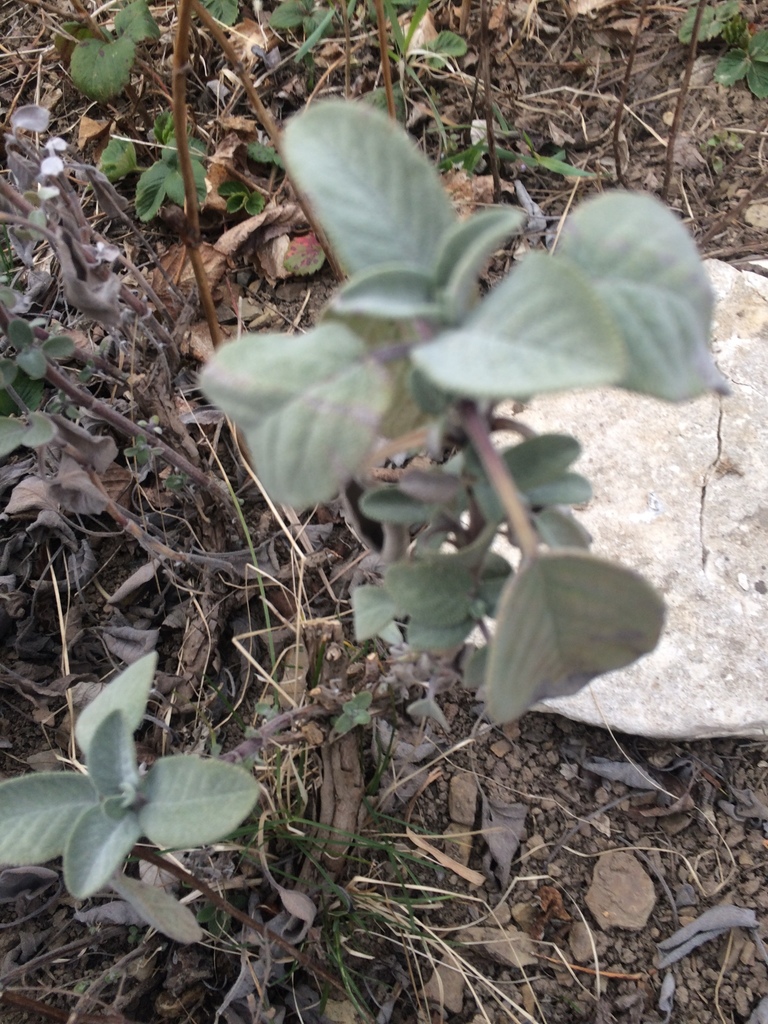
Sage
Salvia officinalis
Best for: Wanting actual flowers, not just foliage, in a home with pets
Strong pick: one clear trade-off
✓ Strong signal Light tolerance: Full sun, 6-8 hours daily. Shade produces sprawling plants with weak flavour
⚠ Watch out for Leggy woody stems with leaves only at the tips: usually never pruned, or too much shade
Our take Sage is a Mediterranean woody perennial that wants poor, gritty, free-draining soil and full sun, and it dies far more often from wet feet than from drought. Prune each spring, cutting back to just above the lowest green growth, or the plant goes leggy and woody within three year
Strengths
- Blooms reliably rather than occasionally
- Non-toxic to cats and dogs
- Inexpensive to start ($5–$12 in the US)
Trade-offs
- Watch for: leggy woody stems with leaves only at the tips
Care details
| Light | Full sun, 6-8 hours daily. Shade produces sprawling plants with weak flavour |
| Water | Very little once established. Water deeply but only when the soil is dry several centimetres down |
| Humidity | : |
| Temperature | 15-27°C (60-80°F); hardy to around -15°C in dry soil, far less so in wet soil |
| Toxicity | Non-toxic to cats and dogs in normal garden amounts; the strong aroma deters most nibbling |
| US price | $5–$12 |
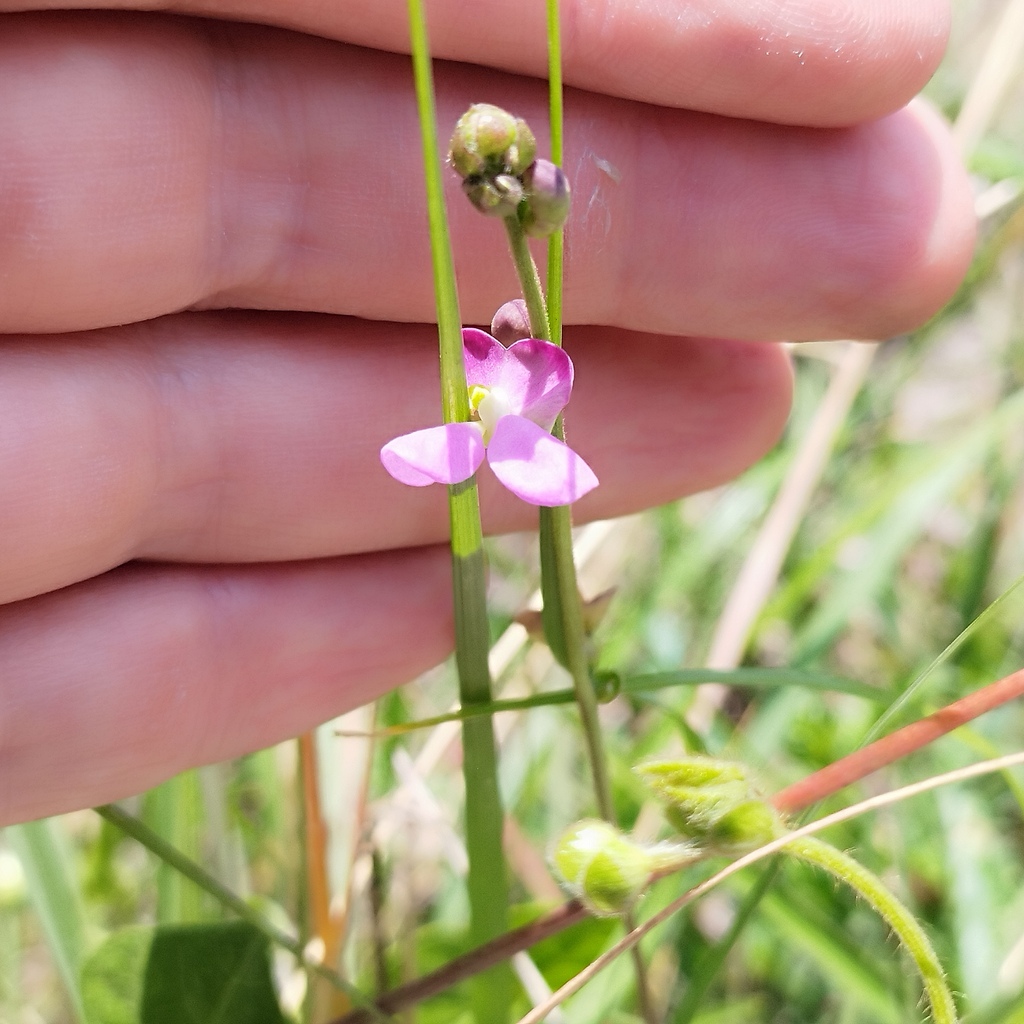
Green Beans
Phaseolus vulgaris
Best for: Wanting actual flowers, not just foliage, if you forget to water
Strong pick: one clear trade-off
✓ Strong signal Light tolerance: Full sun, 6-8 hours daily
⚠ Watch out for Seeds never emerge after sowing: usually sown into cold, wet soil. seed rotted
Our take Green beans are one of the easiest, fastest vegetables: direct sow after all frost risk into warm soil (above 16°C), 5-8cm apart for bush types. Bush beans crop in 50-60 days in a concentrated flush; pole beans need a 2m support but yield for months.
Strengths
- Blooms reliably rather than occasionally
- Beginner-friendly and forgiving of missed waterings
- Inexpensive to start ($2–$5 in the US)
Trade-offs
- Toxic to pets if chewed
- Watch for: seeds never emerge after sowing
Care details
| Light | Full sun, 6-8 hours daily |
| Water | About 2.5cm (1in) per week; critical during flowering and pod set, drought drops flowers |
| Humidity | : |
| Temperature | Grows at 18-29°C (65-85°F); frost kills plants outright, flowers drop in extreme heat |
| Toxicity | Cooked pods safe; raw mature beans (especially red kidney) contain lectins and shouldn't be eaten raw in quantity |
| US price | $2–$5 |
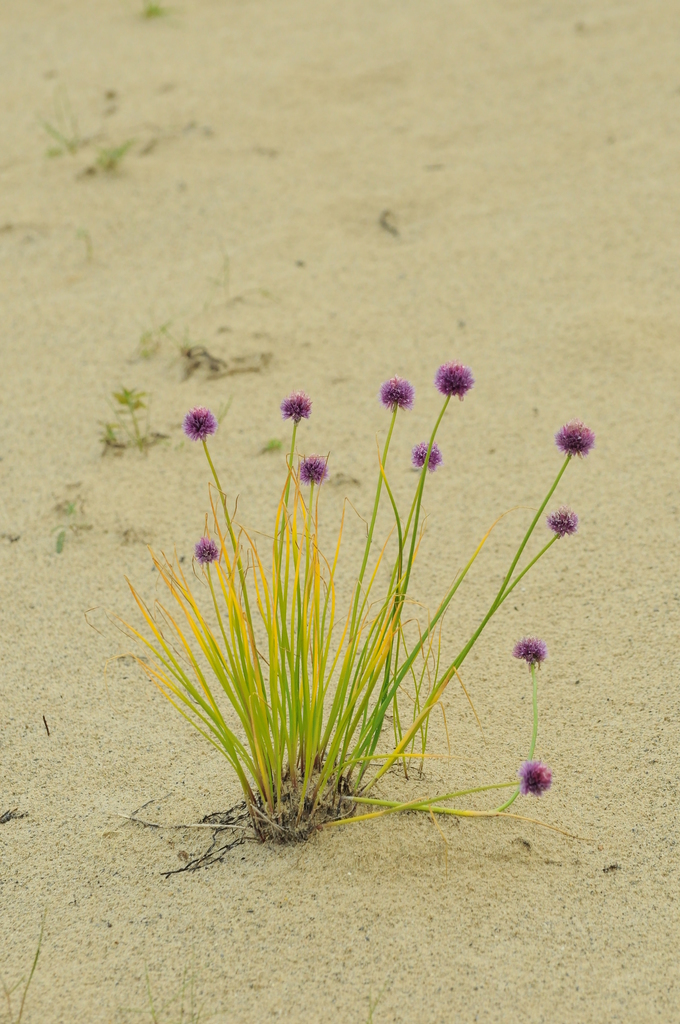
Chives
Allium schoenoprasum
Best for: Wanting actual flowers, not just foliage
Situational: works if the trade-offs suit you
✓ Strong signal Light tolerance: Full sun to part shade. 4-6 hours, and light shade is fine in hot climates
⚠ Watch out for Clump becomes thin, woody and stops producing: usually congestion after several years in the same spot
Our take Chives are a hardy perennial herb that dies back in winter and returns every spring, needing almost no attention beyond division every three or four years. Cut leaves 5cm above the ground with scissors and they regrow within weeks.
Strengths
- Blooms reliably rather than occasionally
- Inexpensive to start ($4–$10 in the US)
Trade-offs
- Toxic to pets if chewed
- Watch for: clump becomes thin, woody and stops producing
Care details
| Light | Full sun to part shade. 4-6 hours, and light shade is fine in hot climates |
| Water | Keep evenly moist, roughly weekly; pots dry out fast and need more attention |
| Humidity | : |
| Temperature | 10-24°C (50-75°F) for growth; fully dormant and hardy through winter to around -30°C |
| Toxicity | TOXIC to cats and dogs in every form, including cooked and dried, as with all alliums. Keep pots out of reach of cats in particular |
| US price | $4–$10 |
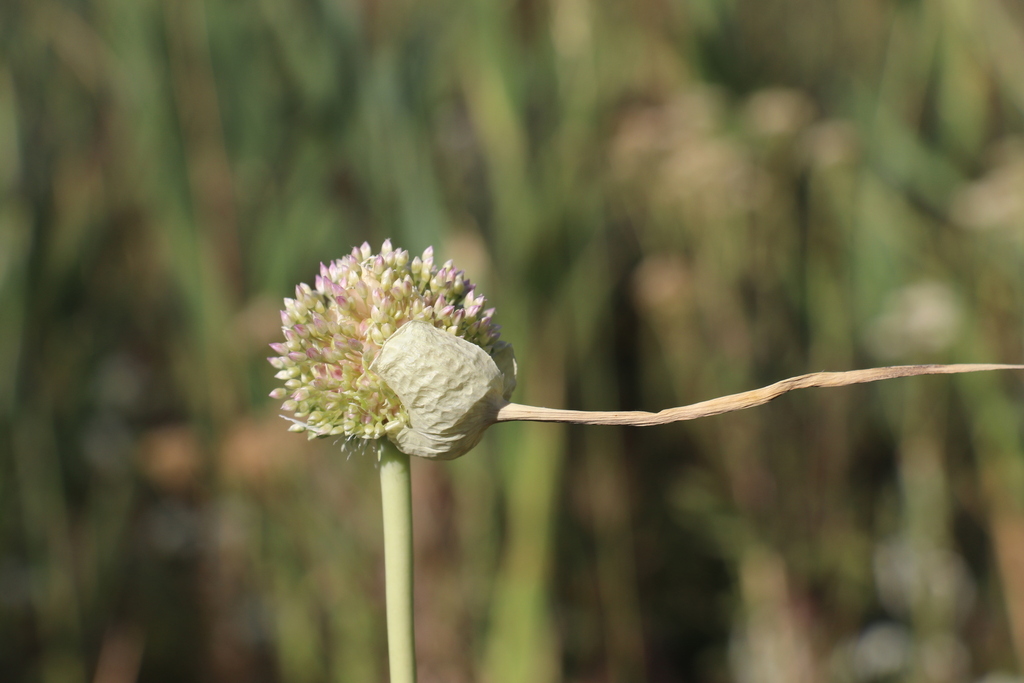
Garlic
Allium sativum
Best for: Wanting actual flowers, not just foliage
Situational: works if the trade-offs suit you
✓ Strong signal Light tolerance: Full sun, 6+ hours daily
⚠ Watch out for One large single round instead of a segmented bulb: usually insufficient cold period, usually from planting too late or in a mild climate
Our take Garlic is planted as individual cloves in autumn, pointed end up, and harvested the following summer, so it occupies a bed for eight or nine months. Hardneck types are hardier and give edible scapes but store only four to six months; softneck types store eight to twelve.
Strengths
- Blooms reliably rather than occasionally
- Inexpensive to start ($10–$25 in the US)
Trade-offs
- Toxic to pets if chewed
- Watch for: one large single round instead of a segmented bulb
Care details
| Light | Full sun, 6+ hours daily |
| Water | Around 25mm a week during spring growth, then stop watering entirely 2-3 weeks before lifting |
| Humidity | : |
| Temperature | Needs 4-8 weeks below 10°C to form separate cloves; grows on happily at 13-24°C |
| Toxicity | TOXIC to cats and dogs in every form, including cooked, dried and powdered. Also toxic to horses and livestock. Keep foliage, bulbs and kitchen scraps away from pets |
| US price | $10–$25 |
Stop guessing whether that corner is bright enough
Sodate measures the actual light where your plant sits and builds its watering schedule from that reading and your season, not a fixed interval. Currently in development.
See Sodate: coming soonWhat to check before buying
- Ask where the plant was grown. Greenhouse-grown stock looks perfect for weeks on stored energy before it shows dim-room stress
- Check leaf spacing on the stem: wide gaps mean it was already stretching for light before you bought it
- Choose plain-green over variegated for genuinely dim spots. Variegated leaves have less chlorophyll and need more light
- Inspect leaf undersides and stem joints for pests, which spread faster on plants stressed by low light
- Confirm pet toxicity yourself if you have cats or dogs, rather than relying on shelf labels
Red flags to walk away from
- Flowering plants marketed as low-light. Flowering is energy-expensive and blooms are the first casualty of a dim room.
- Plants bought in full bloom with no buds behind the open flowers. You are buying the last week of a display.
- Forced or dyed blooms, common in orchids and bromeliads. The colour is not the plant's, and it will not repeat.
- Ornamental cultivars of edible species sold without a note that the edible quality is poor. Several ornamental peppers and kales are bred for looks alone.
Best time to buy
Buy in bud, at the start of that plant's stated bloom season, which each profile lists. Buying at the end of a season means paying full price for the tail of a display.
Frequently asked questions
Why won't my plant flower?
Light, in the great majority of cases. After that, the wrong season, too much nitrogen fertiliser driving leaf growth at the expense of buds, or a plant not yet mature enough to bloom.
Should I buy a plant already in flower?
Buy one in bud rather than in full bloom. You get the whole display rather than its final week, and buds indicate the plant is happy enough to be setting them.
Do flowering plants need special fertiliser?
A high-phosphorus 'bloom' feed helps some species, but the more common problem is too much nitrogen, which pushes leafy growth instead of flowers. Follow the fertiliser row on each profile.
Do I need a garden to grow these?
Not for herbs and leafy crops, which do well in containers on a balcony or windowsill. Root crops and larger vegetables need real depth and space.
Is growing your own actually cheaper?
For herbs, substantially, because supermarket fresh herbs are expensive and short-lived. For staple vegetables, rarely, once you count seed, compost and water.
Limitations of this ranking
Stated plainly, so you can judge how much weight to give it:
- No physical testing. Nothing here was grown, timed or measured by us. Every score is computed from the structured care data on this site, which is compiled from the botanical and horticultural sources listed below.
- Prices are researched ranges, not live quotes. They are typical retail for a standard starter size and will drift. Each plant profile carries the regional breakdown for five countries.
- Scores are relative to this directory, which holds 208 profiles. A plant absent from the directory cannot appear here, so this is not a claim about every plant in existence.
- Care data is species-level. Your light, your water and your home will move any of these plants up or down more than the gap between adjacent ranks.
- No credentialed horticulturist has reviewed this. These pages are compiled and edited against a published rubric and cited sources. Where a claim matters, the source is linked below so you can check it rather than take it on authority. Our review panel page lists every section that has no expert reviewer yet and the credential we require to fill it.
Sources
Of the 208 plant profiles in this directory, 21 meet the entry bar for flowering edible plants (10%). 12 of the 15 ranked here are non-toxic to cats and dogs, and the median entry price across the list is $2.
- ASPCA Toxic and Non-Toxic Plant List. Species-level toxicity to cats and dogs, used for every pet-safety score.
- GBIF (Global Biodiversity Information Facility). Accepted botanical names and taxon identifiers for every profile.
- iNaturalist. Source of the CC-licensed photographs, with photographer and licence credited per image.
- RHS Plant Finder. UK cultivation guidance, hardiness ratings and cultivar naming.
- Missouri Botanical Garden Plant Finder. Cross-checked culture notes, mature size and problem diagnosis.
Editorial disclosure: no plant on this page is sponsored, and Sodate takes no payment, commission or affiliate revenue for placement. Rankings are generated from the data by the scoring code in this site's repository, not chosen by hand. Published , last updated .