 Sodate
Home / Guides / Compact outdoor plants
Best Compact Outdoor Plants: 15 Ranked (2026)
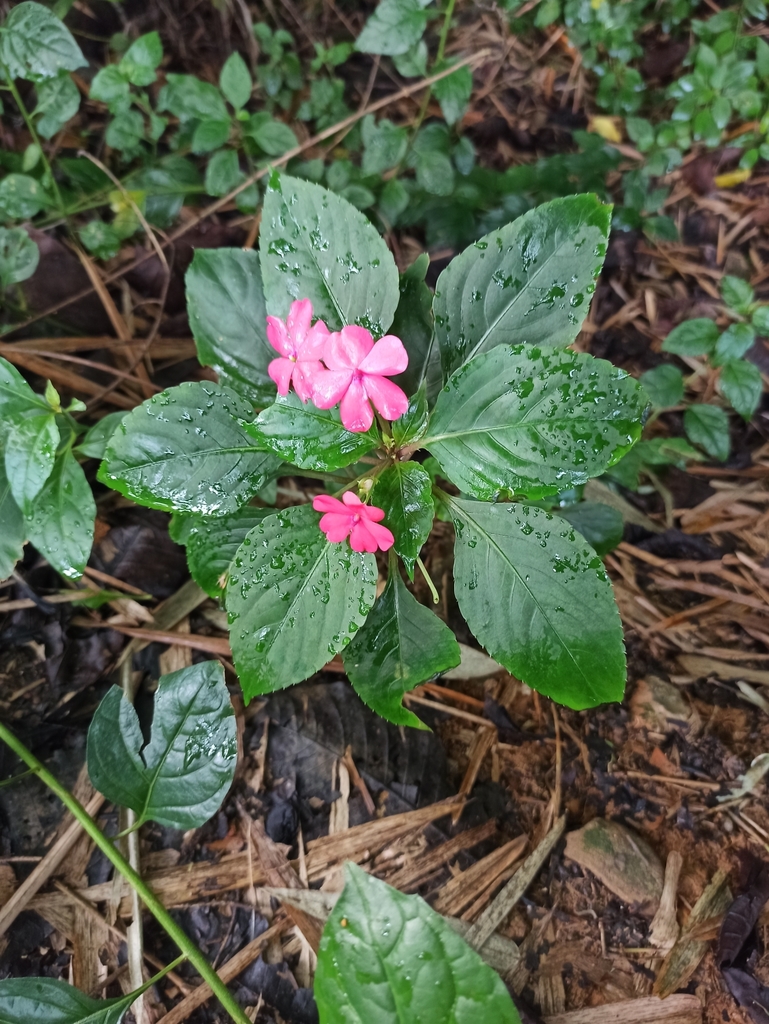
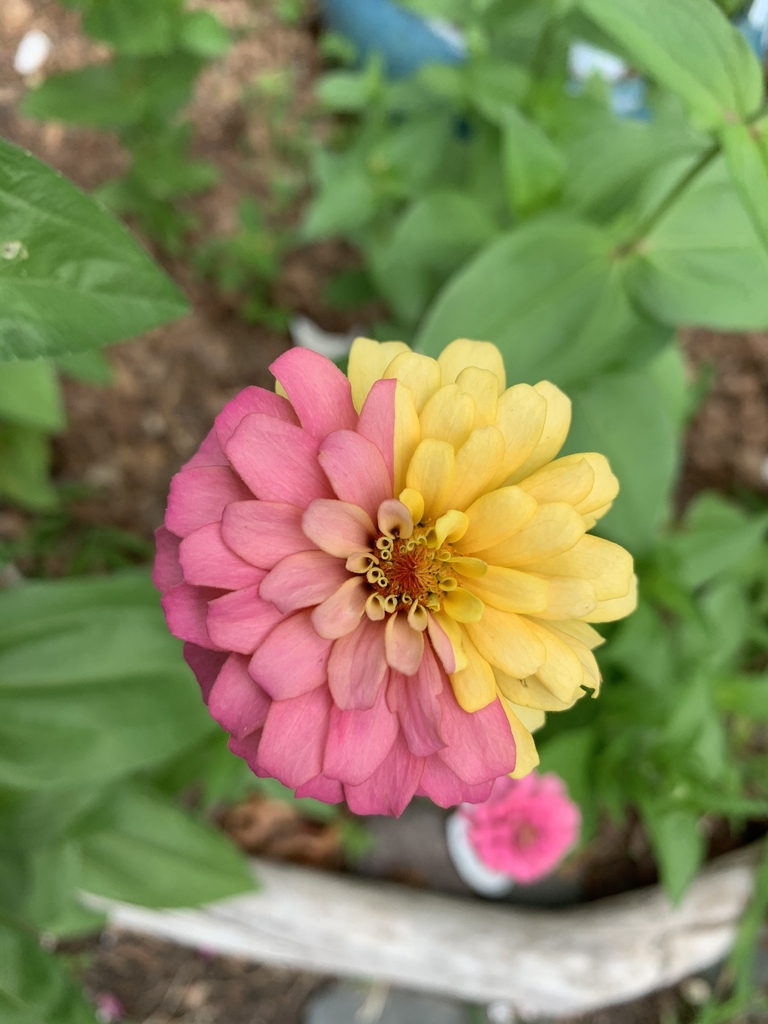
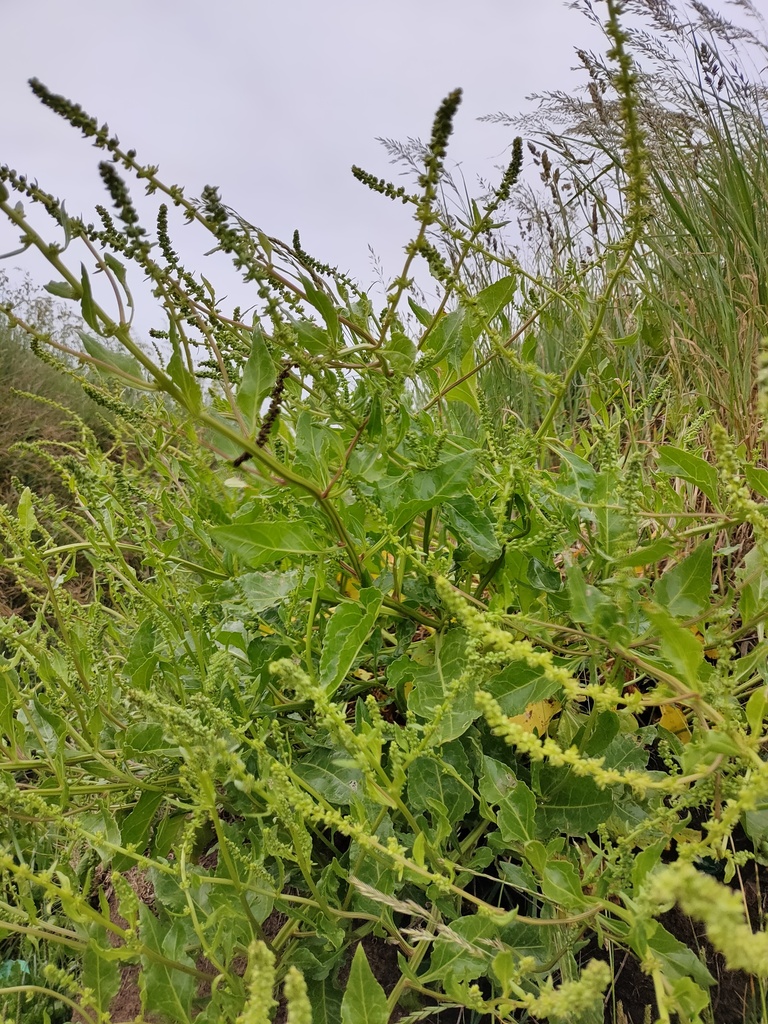
The best compact outdoor plants are Impatiens, Zinnia, Beetroot. Sodate ranked 58 qualifying plants from a database of 208 profiles on a published 100-point rubric weighted to compact size (40), care difficulty (25), pet safety (20) and cost (15). Impatiens scores 100/100, the highest in this group.
Impatiens, Zinnia, Beetroot lead this ranking of compact outdoor plants. Entry requires scored from the mature size stated in each profile, not the size of the plant in the pot you buy. 13 of the 15 listed are non-toxic to cats and dogs. Every score is computed from the same four measures, compact size, care difficulty, pet safety and cost, and the rubric is published below so you can recompute any ranking yourself.
Why trust this list
The size on the label is the size today, not the size in three years, and this is how people end up with a fiddle-leaf fig touching the ceiling. Every score here comes from the mature size in each plant's own profile, so a plant that is small in the shop but eventually two metres tall scores badly no matter how compact it looks now. These are garden and edible-crop profiles, so the binding constraints are your hardiness zone, your season and your soil rather than your window aspect. Every profile states a zone range and a spacing figure, and both matter more outdoors than any ranking on this page.
At a glance: all 15 ranked
| Rank | Plant | Best for | Score | Compact size | Pet safety | US price |
|---|---|---|---|---|---|---|
| #1 | Impatiens | Tight spaces and small containers, in a home with pets | 100 | Stays under 45cm | Pet-safe | $2–$8 |
| #2 | Zinnia | Tight spaces and small containers, in a home with pets | 90 | Stays under 45cm | Pet-safe | $2–$5 |
| #3 | Beetroot | Moderate spaces: pet-safe and beginner-friendly | 85 | Under 90cm | Pet-safe | $2–$4.5 |
| #4 | Boxwood | Tight spaces and small containers, if you forget to water | 85 | Stays under 45cm | Toxic | $15–$60 |
| #5 | Cauliflower | Moderate spaces: pet-safe and beginner-friendly | 85 | Under 90cm | Pet-safe | $2–$8 |
| #6 | Lettuce | Moderate spaces: pet-safe and beginner-friendly | 85 | Under 90cm | Pet-safe | $2–$4 |
| #7 | Sunflower | Moderate spaces: pet-safe and beginner-friendly | 85 | Under 90cm | Pet-safe | $2–$4 |
| #8 | Dahlia | Tight spaces and small containers | 78 | Stays under 45cm | Toxic | $5–$20 |
| #9 | Basil | Moderate spaces, in a home with pets | 75 | Under 90cm | Pet-safe | $2–$5 |
| #10 | Broccoli | Moderate spaces, in a home with pets | 75 | Under 90cm | Pet-safe | $2–$7 |
| #11 | Cabbage | Moderate spaces, in a home with pets | 75 | Under 90cm | Pet-safe | $2–$7 |
| #12 | Cilantro | Moderate spaces, in a home with pets | 75 | Under 90cm | Pet-safe | $2–$4.5 |
| #13 | Corn | Moderate spaces, in a home with pets | 75 | Under 90cm | Pet-safe | $2–$5 |
| #14 | Cucumber | Moderate spaces, in a home with pets | 75 | Under 90cm | Pet-safe | $2–$5 |
| #15 | Kale | Moderate spaces, in a home with pets | 75 | Under 90cm | Pet-safe | $2–$4.5 |
How we scored these
Every plant is scored out of 100 on four measures, each pulled directly from its care profile. No score is assigned by hand, so the ranking can be reproduced from the data:
Ties are broken alphabetically. Prices are researched typical retail ranges, not live quotes. Check each plant's profile for the regional breakdown. 58 plants in the directory met the entry bar; the top 15 are listed here.
All 15 compact outdoor plants, ranked
Impatiens
Sultana
Best for: Tight spaces and small containers, in a home with pets
Elite tier: top-scoring on every measure
✓ Strong signal Light tolerance: Part to full shade; scorches and stalls in hot afternoon sun
⚠ Watch out for Sudden collapse, leaves fall, white fuzz on leaf undersides: usually impatiens downy mildew
Our take Impatiens is a forgiving shade annual that flowers non-stop from late spring to first frost and is genuinely one of the easiest bedding plants to grow. It needs part to full shade, consistently moist soil, and no deadheading at all.
Strengths
- Stays genuinely small at maturity
- Non-toxic to cats and dogs
- Beginner-friendly and forgiving of missed waterings
Trade-offs
- Watch for: sudden collapse, leaves fall, white fuzz on leaf undersides
Care details
| Light | Part to full shade; scorches and stalls in hot afternoon sun |
| Water | Keep consistently moist. Check daily in containers during summer; wilts dramatically when dry |
| Humidity | : |
| Temperature | 15-25°C (60-77°F); growth stops below 10°C (50°F) |
| Toxicity | Non-toxic to cats, dogs, horses and humans |
| US price | $2–$8 |
Zinnia
Elegant zinnia
Best for: Tight spaces and small containers, in a home with pets
Elite tier: top-scoring on every measure
✓ Strong signal Light tolerance: Full sun, 6+ hours; mildew and floppiness follow shade
⚠ Watch out for White powdery film on leaves by late summer: usually powdery mildew. the defining zinnia problem, worst with overhead watering and crowding
Our take Zinnias are true annuals: sow seed directly into warm soil after the last frost and they bloom in 6-8 weeks, continuing until frost kills them. They want full sun, average soil, and water at the base only.
Strengths
- Stays genuinely small at maturity
- Non-toxic to cats and dogs
- Inexpensive to start ($2–$5 in the US)
Trade-offs
- Watch for: white powdery film on leaves by late summer
Care details
| Light | Full sun, 6+ hours; mildew and floppiness follow shade |
| Water | 1-2 deep waterings a week at the base, keep foliage dry |
| Humidity | : |
| Temperature | : |
| Toxicity | Non-toxic to cats, dogs, and humans |
| US price | $2–$5 |
Beetroot
Beta vulgaris
Best for: Moderate spaces: pet-safe and beginner-friendly
Elite tier: top-scoring on every measure
✓ Strong signal Non-toxic to cats and dogs. Verified per species, not assumed from its family
⚠ Watch out for Dense clumps of seedlings from single sowings: usually normal. each seed is a multigerm cluster of 2-4 seeds
Our take Beetroot is one of the easiest crops to get right: direct sow, thin to 8-10cm, keep moisture even, and lift at golf-ball to tennis-ball size in 50-70 days. Each 'seed' is actually a cluster of several seeds, so thinning is not optional.
Strengths
- Moderate final size, manageable indoors
- Non-toxic to cats and dogs
- Beginner-friendly and forgiving of missed waterings
Trade-offs
- Watch for: dense clumps of seedlings from single sowings
Care details
| Light | Full sun to light shade. 6 hours ideal, tolerates less |
| Water | Even moisture, around 25mm a week; drought then flood causes woody, cracked roots |
| Humidity | : |
| Temperature | 10-24°C (50-75°F); prolonged cold below 10°C after germination can trigger bolting |
| Toxicity | Non-toxic to cats and dogs; roots and leaves are both safe and edible |
| US price | $2–$4.5 |
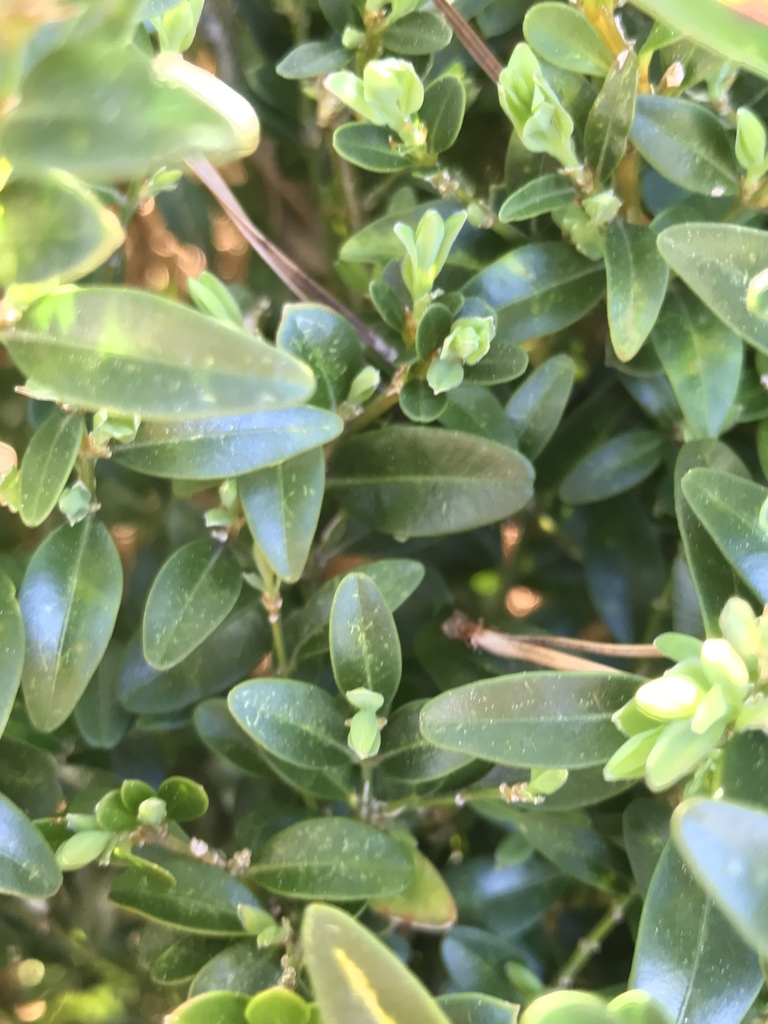
Boxwood
Buxus
Best for: Tight spaces and small containers, if you forget to water
Elite tier: top-scoring on every measure
✓ Strong signal Light tolerance: Full sun to deep shade; one of the few formal evergreens that performs in shade
⚠ Watch out for Bare brown patches, black streaks on stems, leaves dropping: usually box blight
Our take Boxwood is a slow, tough evergreen for hedges and topiary, hardy in USDA zones 5-9 (RHS H6) and happy in sun or shade. Clip in early summer once the first flush has hardened, and give a second light trim in late summer; clipping in frost or hot midday sun scorches the cut leaves.
Strengths
- Stays genuinely small at maturity
- Beginner-friendly and forgiving of missed waterings
- Inexpensive to start ($15–$60 in the US)
Trade-offs
- Toxic to pets if chewed
- Watch for: bare brown patches, black streaks on stems, leaves dropping
Care details
| Light | Full sun to deep shade; one of the few formal evergreens that performs in shade |
| Water | Water new plants weekly for the first two seasons; established hedges only in drought |
| Humidity | : |
| Temperature | Hardy to about -20°C; foliage can bronze in cold drying winds |
| Toxicity | Toxic to cats, dogs, horses and livestock. Contains buxine and related alkaloids causing vomiting, diarrhoea, colic and, in quantity, severe illness. Never dispose of clippings where animals graze. |
| US price | $15–$60 |
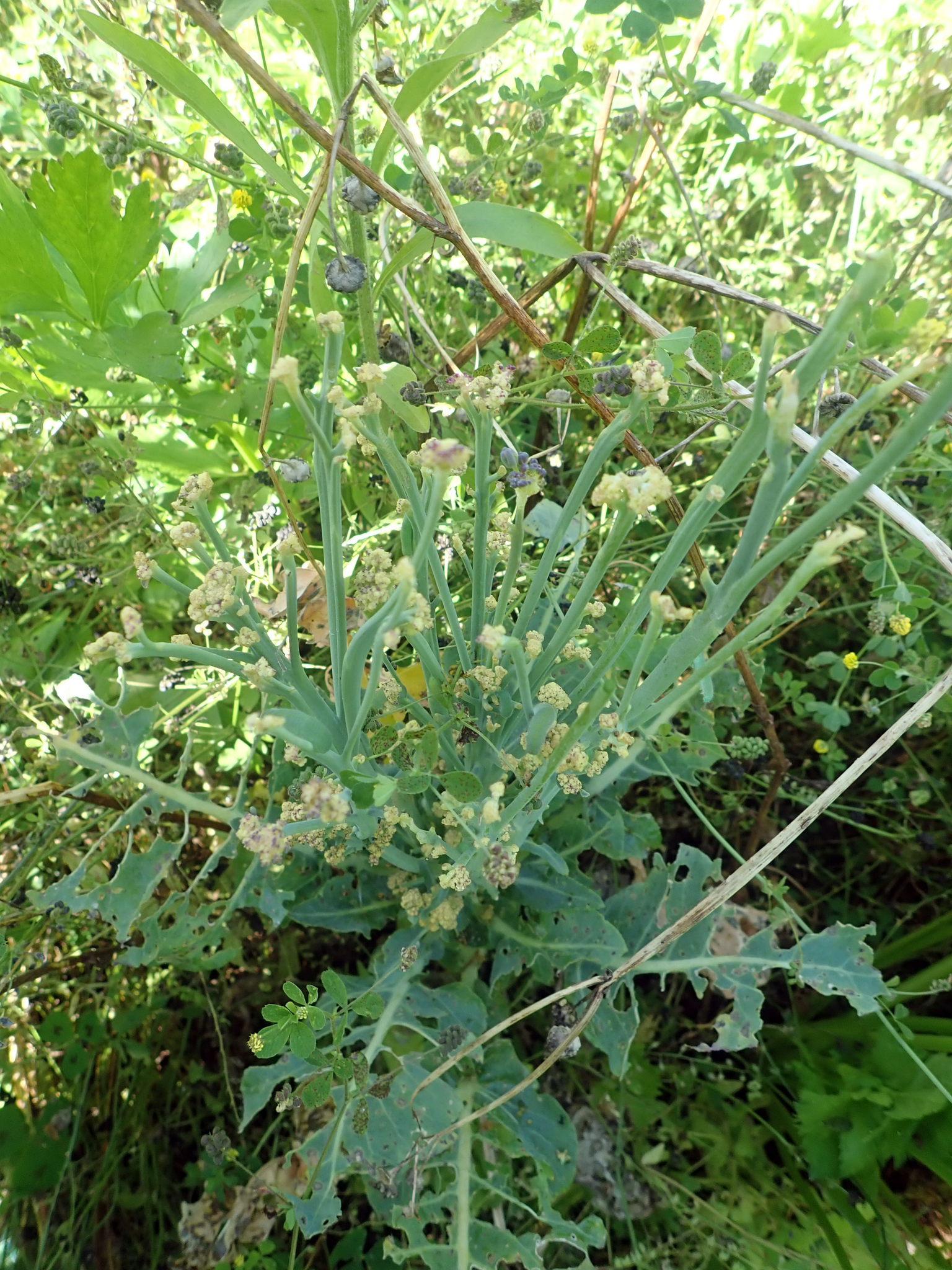
Cauliflower
Gobi (Hindi)
Best for: Moderate spaces: pet-safe and beginner-friendly
Elite tier: top-scoring on every measure
✓ Strong signal Non-toxic to cats and dogs. Verified per species, not assumed from its family
⚠ Watch out for Tiny golf-ball head on a small plant ('buttoning'): usually any growth check. drought, heat, cold snap, root-bound transplants, or poor soil
Our take Cauliflower is the least forgiving brassica: it needs uninterrupted, steady growth in cool weather (13-21°C), rich soil, and consistent water. Any stress produces tiny 'button' heads.
Strengths
- Moderate final size, manageable indoors
- Non-toxic to cats and dogs
- Beginner-friendly and forgiving of missed waterings
Trade-offs
- Watch for: tiny golf-ball head on a small plant ('buttoning')
Care details
| Light | Full sun, 6+ hours daily |
| Water | Absolutely consistent. 2.5-4cm (1-1.5in) per week; even one dry week can trigger buttoning |
| Humidity | : |
| Temperature | Best at 13-21°C (55-70°F); curds spoil above 27°C and young plants button after prolonged cold below 10°C |
| Toxicity | Non-toxic; edible crop safe around pets and children |
| US price | $2–$8 |
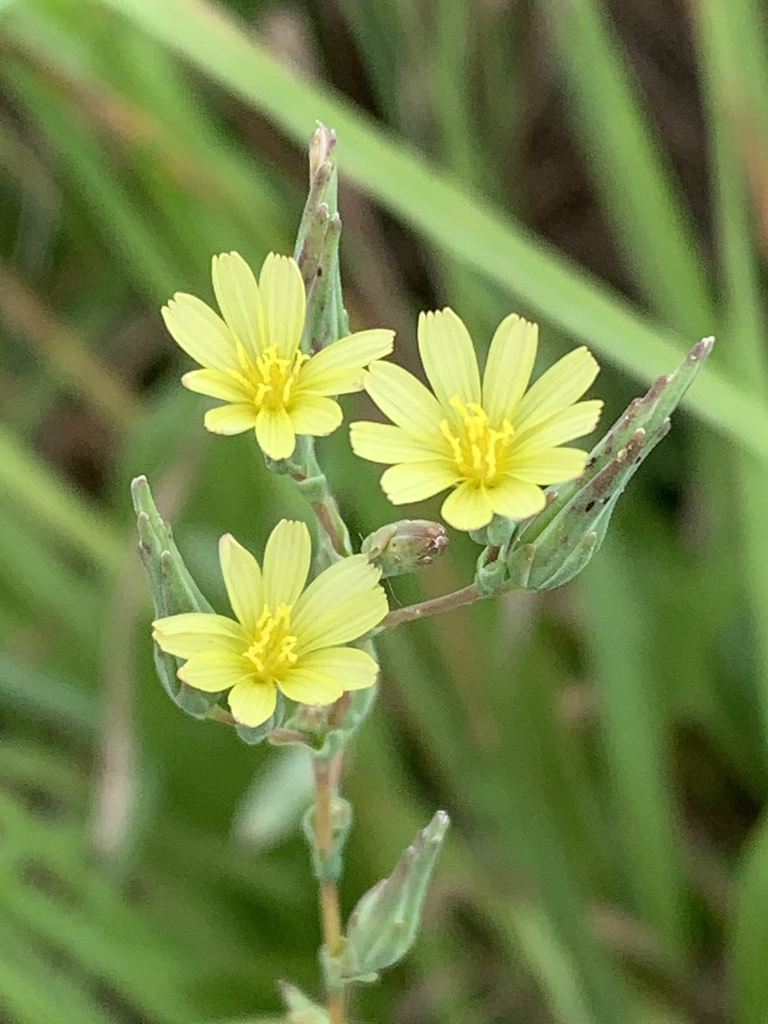
Lettuce
Lactuca sativa
Best for: Moderate spaces: pet-safe and beginner-friendly
Elite tier: top-scoring on every measure
✓ Strong signal Non-toxic to cats and dogs. Verified per species, not assumed from its family
⚠ Watch out for Seedlings razed overnight, slime trails nearby: usually slugs and snails. lettuce is their favourite food in the entire garden
Our take Lettuce is the easiest vegetable for a beginner: shallow roots, tiny space needs, and baby leaves 30 days from sowing. Grow it cool (10-21°C), keep it moist, and sow a short row every two weeks instead of one big batch.
Strengths
- Moderate final size, manageable indoors
- Non-toxic to cats and dogs
- Beginner-friendly and forgiving of missed waterings
Trade-offs
- Watch for: seedlings razed overnight, slime trails nearby
Care details
| Light | Full sun in cool weather; afternoon shade keeps it going in warm spells |
| Water | Little and often. Shallow roots dry out fast; even moisture keeps leaves sweet and crisp |
| Humidity | : |
| Temperature | Best at 10-21°C (50-70°F); germination stalls above 25°C soil and plants bolt in sustained heat |
| Toxicity | Edible and non-toxic to pets; bolted plants turn bitter but harmless |
| US price | $2–$4 |
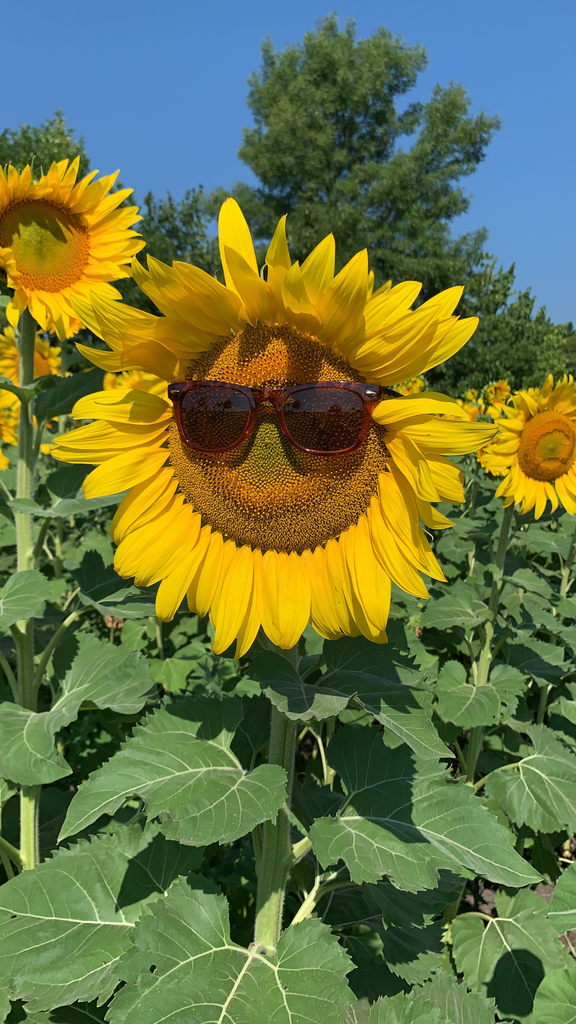
Sunflower
Helianthus annuus
Best for: Moderate spaces: pet-safe and beginner-friendly
Elite tier: top-scoring on every measure
✓ Strong signal Non-toxic to cats and dogs. Verified per species, not assumed from its family
⚠ Watch out for Seeds or seedlings vanish overnight: usually birds, squirrels, mice, slugs. everything eats sunflower seedlings
Our take Sunflowers are among the easiest and fastest plants you can grow: direct-sow seed after frost into full sun, water while establishing, and tall varieties hit 2-3m and bloom in 70-100 days. They hate transplanting (taproot), so sow where they'll grow, and stake tall types in wind.
Strengths
- Moderate final size, manageable indoors
- Non-toxic to cats and dogs
- Beginner-friendly and forgiving of missed waterings
Trade-offs
- Watch for: seeds or seedlings vanish overnight
Care details
| Light | Full sun, 6-8+ hours. The clue is in the name |
| Water | Regular water until established, then deep weekly watering; fairly drought-tolerant thanks to the taproot |
| Humidity | Unfussy; good airflow limits fungal leaf spots |
| Temperature | Germinates at 10°C+, thrives 21-32°C (70-90°F); frost kills seedlings |
| Toxicity | Non-toxic to cats, dogs, and horses; seeds edible for humans |
| US price | $2–$4 |
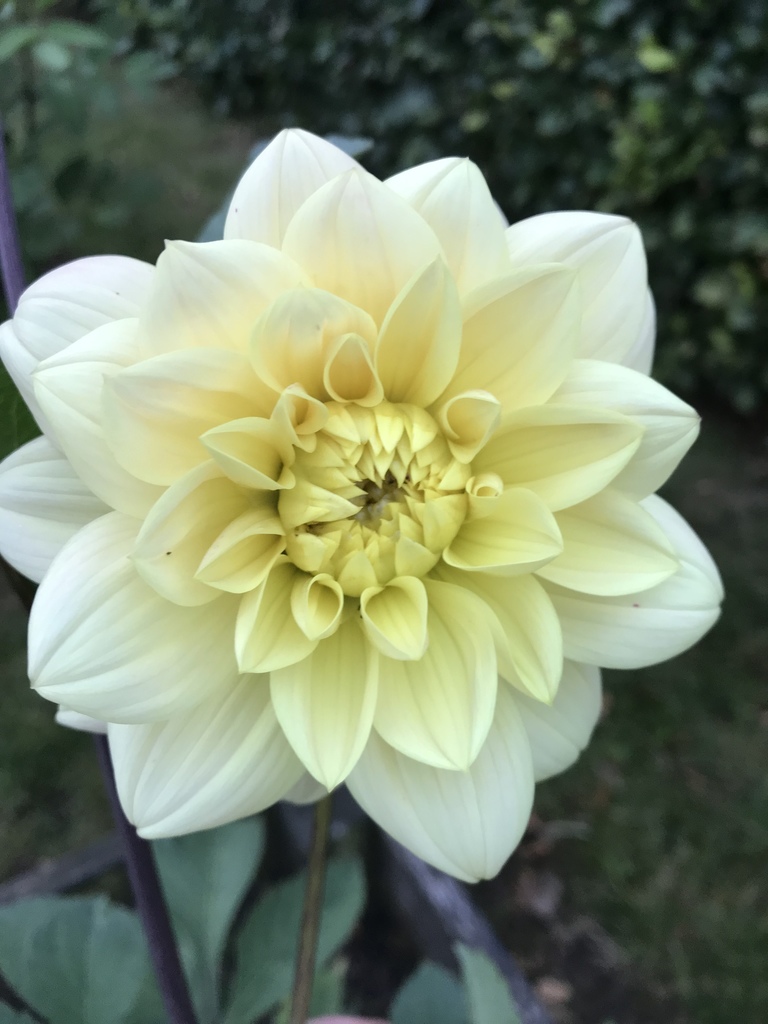
Dahlia
Dinnerplate dahlia (large types)
Best for: Tight spaces and small containers
Strong pick: one clear trade-off
✓ Strong signal Light tolerance: Full sun. 6-8 hours; blooms drop off sharply in shade
⚠ Watch out for Tubers rotted before sprouting: usually planted into cold, wet soil or watered before shoots emerged
Our take Dahlias are tender tuberous perennials, winter-hardy in the ground only in USDA zones 8-10. Plant tubers after the last frost 10-15cm deep in full sun; they bloom from midsummer until frost, and constant deadheading keeps flowers coming.
Strengths
- Stays genuinely small at maturity
- Inexpensive to start ($5–$20 in the US)
Trade-offs
- Toxic to pets if chewed
- Watch for: tubers rotted before sprouting
Care details
| Light | Full sun. 6-8 hours; blooms drop off sharply in shade |
| Water | None until shoots appear, then deeply 2-3x weekly in summer |
| Humidity | : |
| Temperature | : |
| Toxicity | Mildly toxic to cats and dogs. Skin irritation and stomach upset if chewed |
| US price | $5–$20 |
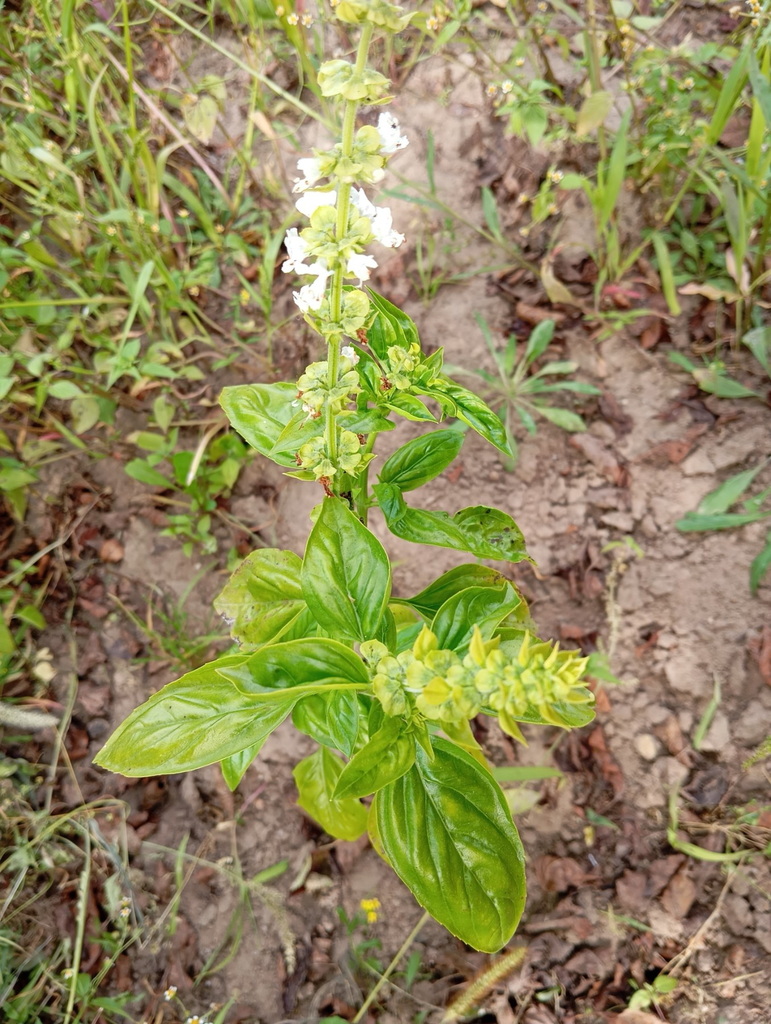
Basil
Ocimum basilicum
Best for: Moderate spaces, in a home with pets
Strong pick: one clear trade-off
✓ Strong signal Non-toxic to cats and dogs. Verified per species, not assumed from its family
⚠ Watch out for Plant bolts: flower spikes, small bitter leaves: usually heat, stress, or simply not being pinched
Our take Basil wants heat, full sun, and regular picking. Pinch stems just above a leaf pair every week or two and it branches into a bush; let it flower and leaf production stops and flavor turns bitter.
Strengths
- Moderate final size, manageable indoors
- Non-toxic to cats and dogs
- Inexpensive to start ($2–$5 in the US)
Trade-offs
- Watch for: plant bolts: flower spikes, small bitter leaves
Care details
| Light | Full sun, 6-8 hours daily; tolerates light afternoon shade in very hot climates |
| Water | Keep soil consistently moist. Water when the top 2-3cm dries; wilts fast but recovers |
| Humidity | Tolerates a wide range; good airflow prevents fungal disease |
| Temperature | 21-30°C (70-85°F) ideal; damaged below 10°C (50°F), killed by frost |
| Toxicity | Non-toxic to cats, dogs, and humans |
| US price | $2–$5 |
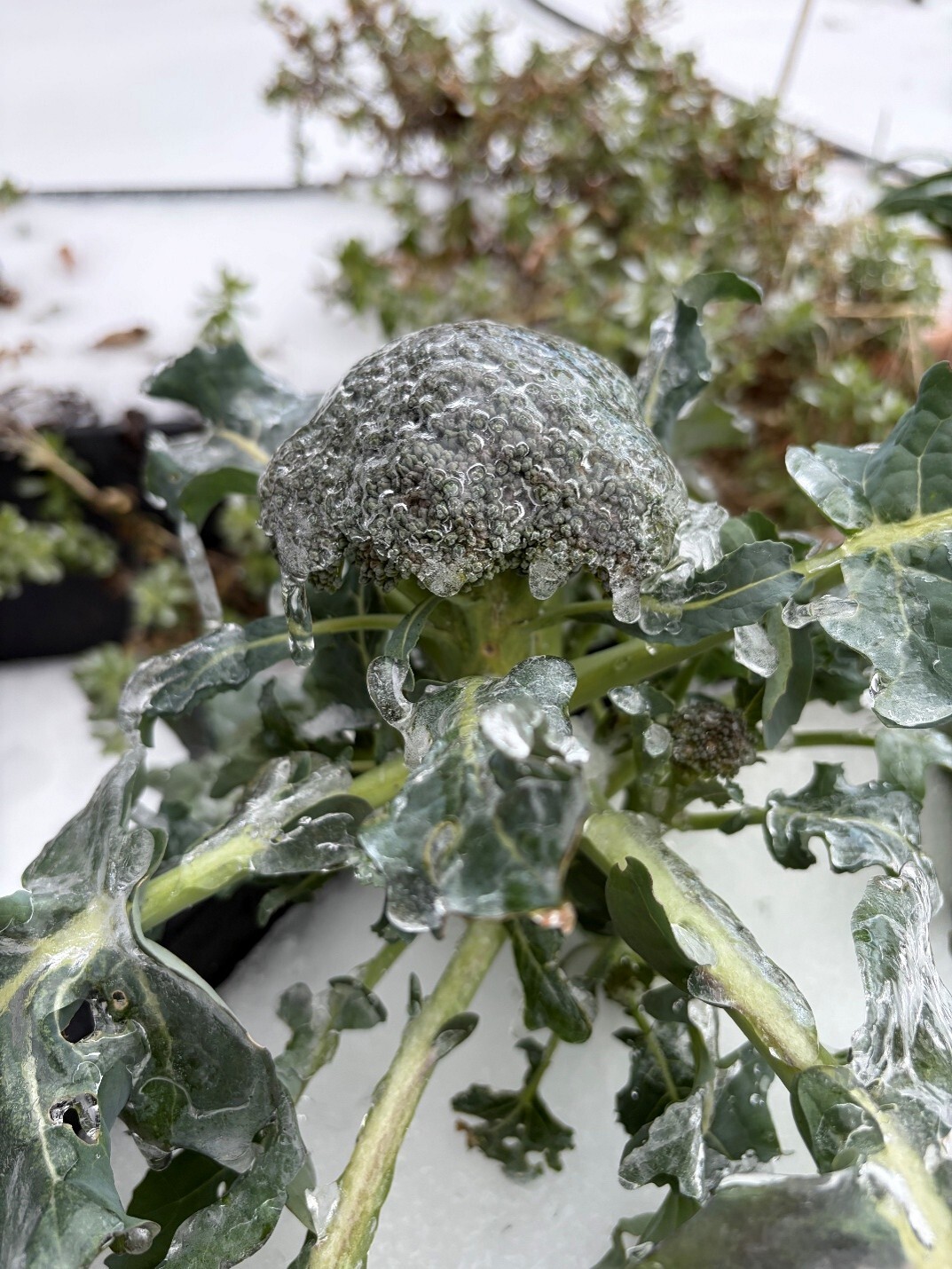
Broccoli
Brassica oleracea var. italica
Best for: Moderate spaces, in a home with pets
Strong pick: one clear trade-off
✓ Strong signal Non-toxic to cats and dogs. Verified per species, not assumed from its family
⚠ Watch out for Holes chewed in leaves, green caterpillars underneath: usually cabbage worms and loopers (cabbage white butterfly larvae)
Our take Broccoli is the most rewarding brassica for home gardens: transplant in early spring or late summer, space 40-50cm apart in rich soil, keep water even, and net against cabbage worms. Cut the main head while buds are tight (55-85 days from transplant), then keep harvesting side sh
Strengths
- Moderate final size, manageable indoors
- Non-toxic to cats and dogs
- Inexpensive to start ($2–$7 in the US)
Trade-offs
- Watch for: holes chewed in leaves, green caterpillars underneath
Care details
| Light | Full sun, 6+ hours daily |
| Water | Even moisture, 2.5-4cm (1-1.5in) per week; drought stress leads to small, early-bolting heads |
| Humidity | : |
| Temperature | Best at 15-21°C (60-70°F); tolerates light frost, bolts quickly above 27°C (80°F) |
| Toxicity | Non-toxic; edible crop safe around pets and children |
| US price | $2–$7 |
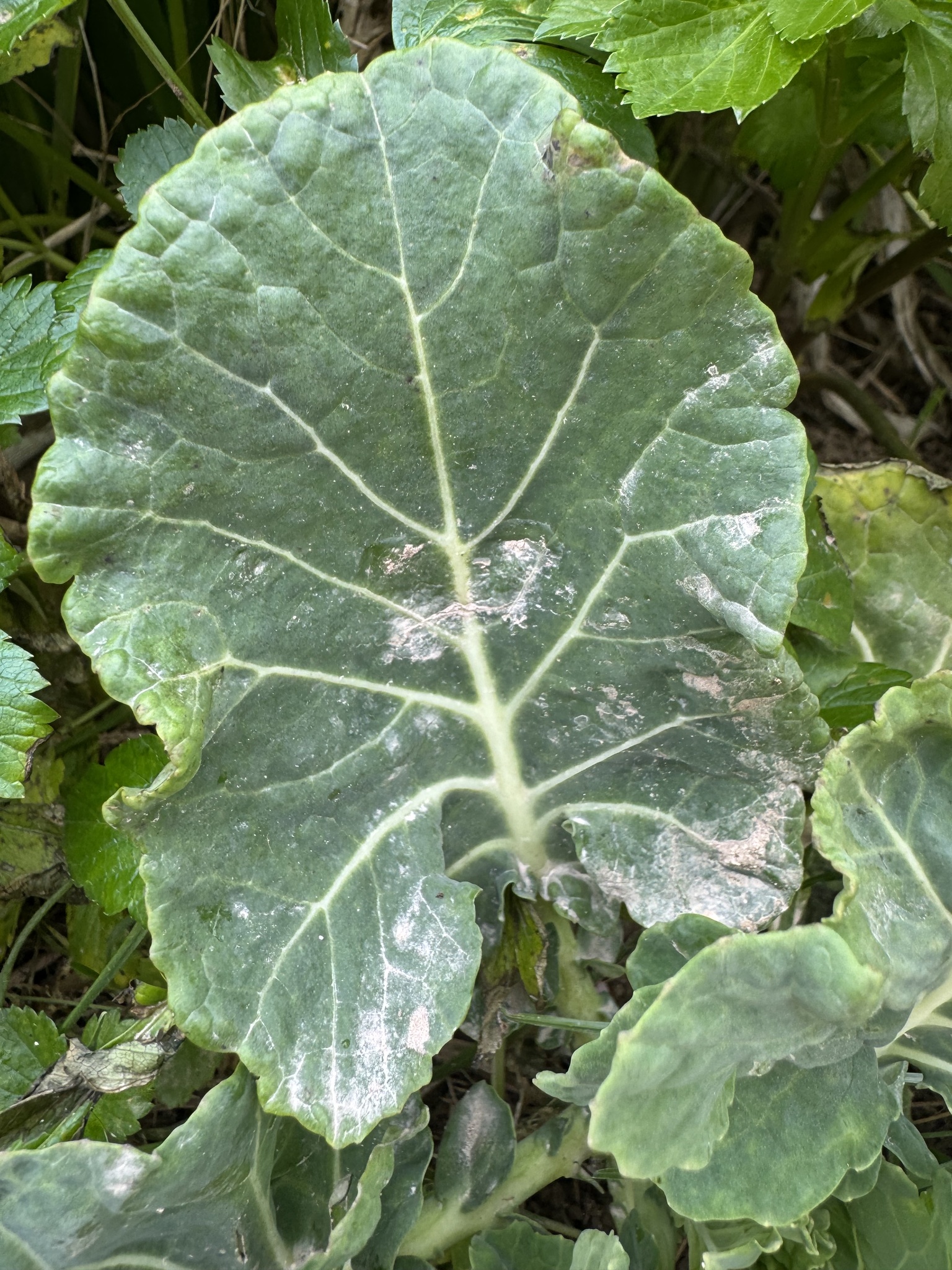
Cabbage
Brassica oleracea var. capitata
Best for: Moderate spaces, in a home with pets
Strong pick: one clear trade-off
✓ Strong signal Non-toxic to cats and dogs. Verified per species, not assumed from its family
⚠ Watch out for Ragged holes in leaves, green droppings: usually cabbage worms (larvae of the cabbage white butterfly) or cabbage loopers
Our take Cabbage is a cool-season crop: transplant seedlings in early spring or late summer so heads mature in cool weather, spaced 30-45cm apart in rich, firm soil. Keep watering even to stop heads splitting, and cover plants with insect netting from day one.
Strengths
- Moderate final size, manageable indoors
- Non-toxic to cats and dogs
- Inexpensive to start ($2–$7 in the US)
Trade-offs
- Watch for: ragged holes in leaves, green droppings
Care details
| Light | Full sun, 6+ hours daily |
| Water | Even, consistent moisture. About 2.5cm (1in) per week; irregular watering splits heads |
| Humidity | : |
| Temperature | Grows best at 13-21°C (55-70°F); mature plants tolerate light frost, heads turn bitter above 27°C (80°F) |
| Toxicity | Non-toxic; edible crop safe around pets and children |
| US price | $2–$7 |
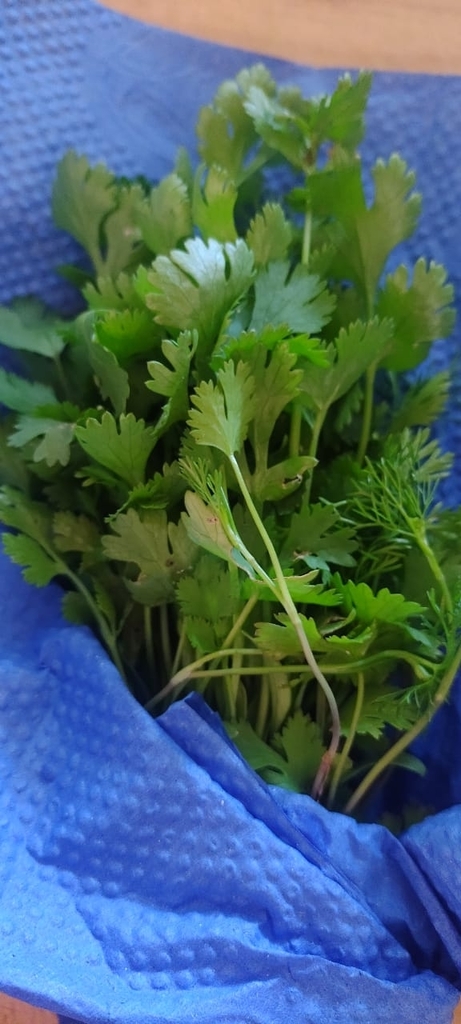
Cilantro
Coriandrum sativum
Best for: Moderate spaces, in a home with pets
Strong pick: one clear trade-off
✓ Strong signal Non-toxic to cats and dogs. Verified per species, not assumed from its family
⚠ Watch out for Plant shoots up a tall flower stem within weeks: usually bolting from heat, long days, drought or root disturbance
Our take Cilantro bolts fast in heat, often within six weeks of sowing, so the trick is not preventing it but sowing a fresh batch every two to three weeks and growing it in the cooler parts of the year. Direct sow rather than transplant, since it has a taproot and resents disturbance.
Strengths
- Moderate final size, manageable indoors
- Non-toxic to cats and dogs
- Inexpensive to start ($2–$4.5 in the US)
Trade-offs
- Watch for: plant shoots up a tall flower stem within weeks
Care details
| Light | Full sun in cool seasons; light afternoon shade in summer noticeably delays bolting |
| Water | Keep evenly moist, around 25mm a week; drought stress triggers immediate bolting |
| Humidity | : |
| Temperature | 10-24°C (50-75°F); bolts rapidly above 26°C |
| Toxicity | Non-toxic to cats and dogs; leaves and seeds are both safe |
| US price | $2–$4.5 |
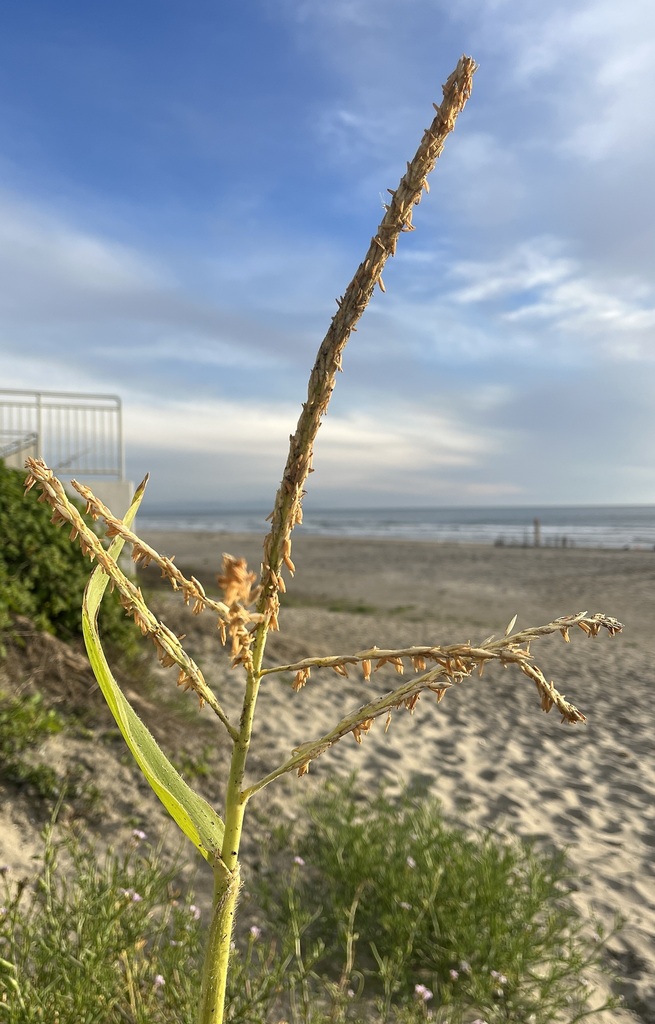
Corn
Zea mays
Best for: Moderate spaces, in a home with pets
Strong pick: one clear trade-off
✓ Strong signal Non-toxic to cats and dogs. Verified per species, not assumed from its family
⚠ Watch out for Cobs with scattered missing kernels: usually incomplete wind pollination, almost always from planting in one or two long rows
Our take Corn is wind-pollinated, so it must be planted in a block of at least four rows by four rows rather than a single long row, otherwise pollen never reaches enough silks and cobs come out with scattered gaps. Expect 60-100 days to harvest and only 1-2 usable cobs per plant, so it n
Strengths
- Moderate final size, manageable indoors
- Non-toxic to cats and dogs
- Inexpensive to start ($2–$5 in the US)
Trade-offs
- Watch for: cobs with scattered missing kernels
Care details
| Light | Full sun. 8 hours of direct light daily, no compromise |
| Water | Deep watering 1-2 times a week; critical and non-negotiable during tasselling and silking |
| Humidity | : |
| Temperature | 16-32°C (60-90°F); germination fails in cold, wet soil below 13°C |
| Toxicity | Non-toxic to cats and dogs. Whole cobs are a serious intestinal-blockage choking hazard for dogs, so bin them securely |
| US price | $2–$5 |
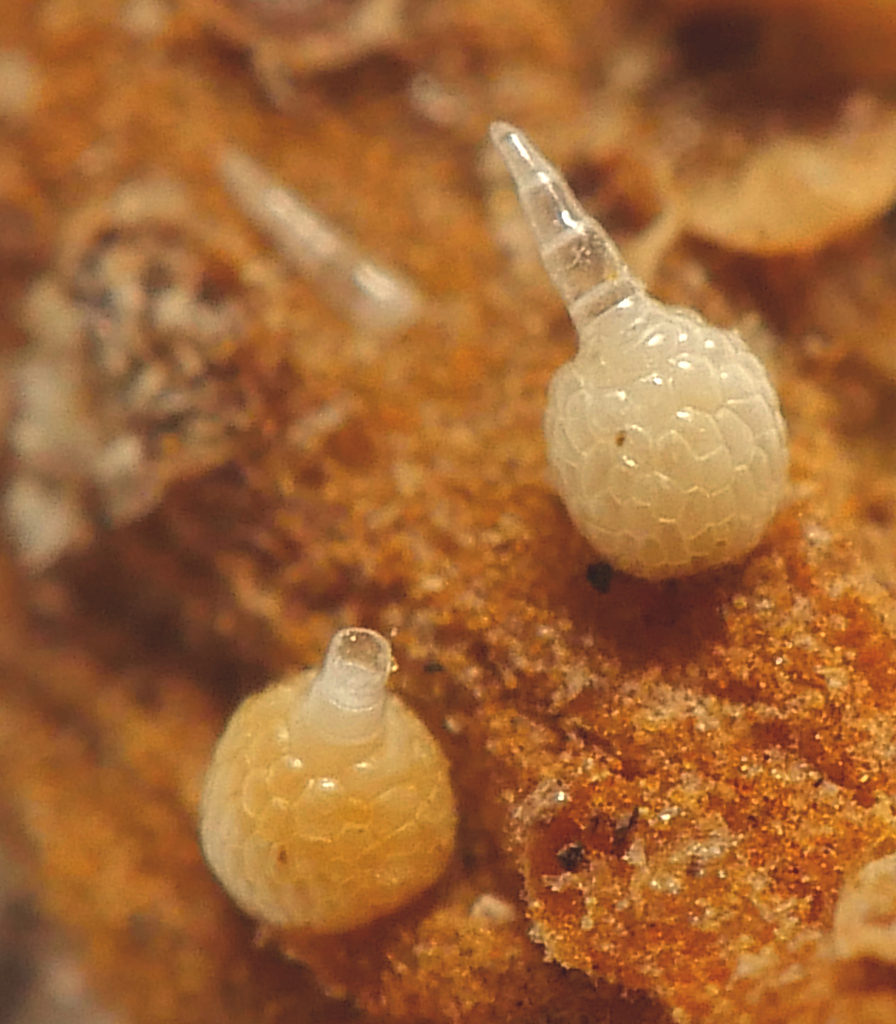
Cucumber
Cucumis sativus
Best for: Moderate spaces, in a home with pets
Strong pick: one clear trade-off
✓ Strong signal Non-toxic to cats and dogs. Verified per species, not assumed from its family
⚠ Watch out for White powdery patches spreading across leaves: usually powdery mildew. nearly inevitable on cucurbits by late season, worst in warm days/cool nights
Our take Cucumbers are one of the fastest big payoffs in a vegetable garden: sow after frost, trellis the vines, and pick fruit 50-70 days later. Then keep picking every 1-2 days, because one missed yellow overripe fruit signals the vine to slow production.
Strengths
- Moderate final size, manageable indoors
- Non-toxic to cats and dogs
- Inexpensive to start ($2–$5 in the US)
Trade-offs
- Watch for: white powdery patches spreading across leaves
Care details
| Light | Full sun. 6-8 hours of direct light daily |
| Water | Deep and even. About 2.5cm (1in) per week, more in heat; irregular water causes bitter, misshapen fruit |
| Humidity | : |
| Temperature | Best at 21-32°C (70-90°F); growth stalls below 15°C and frost kills vines |
| Toxicity | Fruit and plant non-toxic; very bitter fruit (high cucurbitacin) can cause stomach upset and shouldn't be eaten |
| US price | $2–$5 |
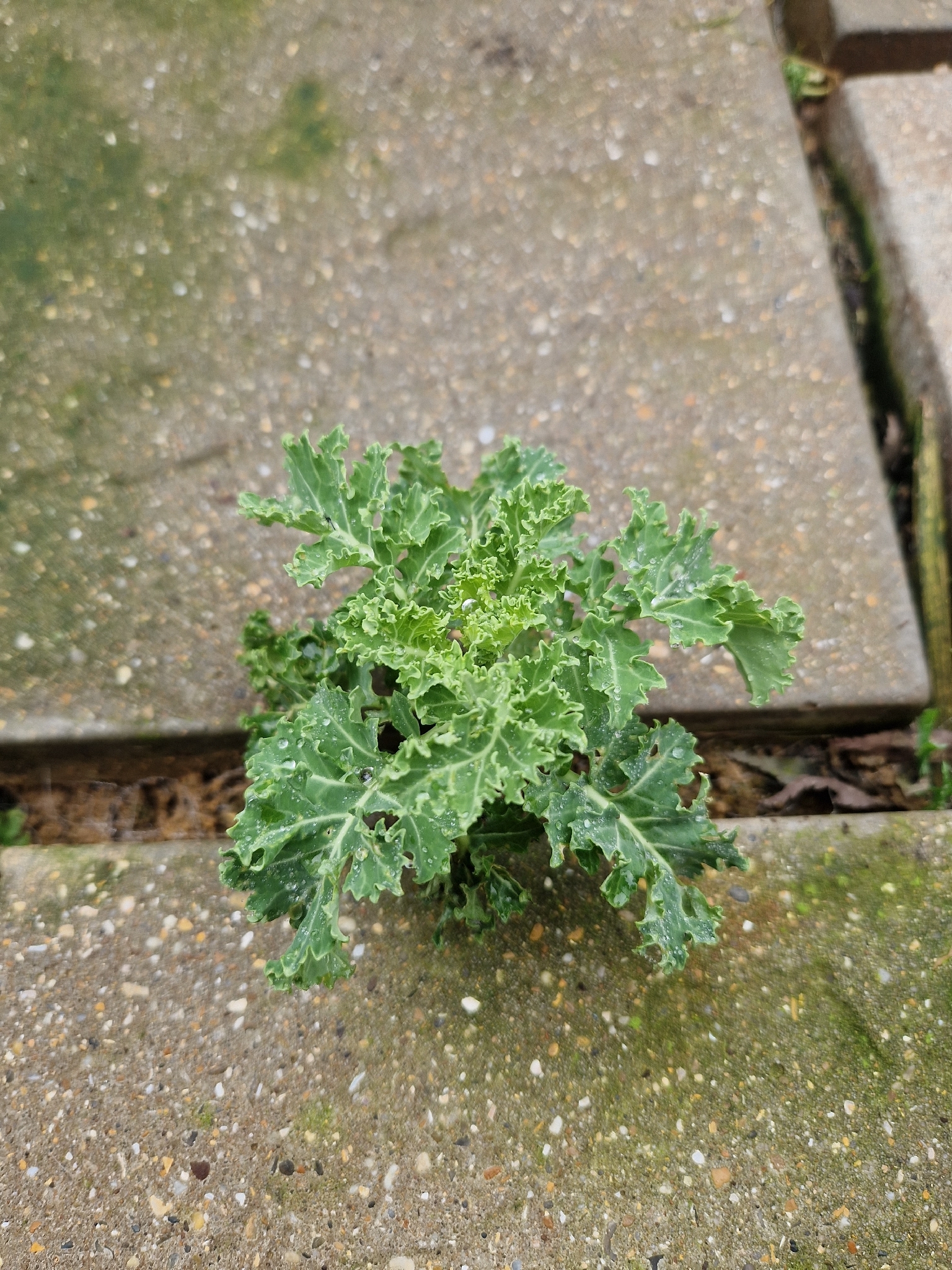
Kale
Brassica oleracea var. sabellica
Best for: Moderate spaces, in a home with pets
Strong pick: one clear trade-off
✓ Strong signal Non-toxic to cats and dogs. Verified per species, not assumed from its family
⚠ Watch out for Leaves stripped to the veins by green caterpillars: usually cabbage white butterfly larvae
Our take Kale is a cut-and-come-again brassica that crops right through winter, and it genuinely gets sweeter after frost, because cold makes the plant convert stored starch into sugars as antifreeze. Sow in late spring or summer for an autumn and winter harvest, space plants 45cm apart,
Strengths
- Moderate final size, manageable indoors
- Non-toxic to cats and dogs
- Inexpensive to start ($2–$4.5 in the US)
Trade-offs
- Watch for: leaves stripped to the veins by green caterpillars
Care details
| Light | Full sun to part shade. 6 hours ideal, tolerates 4 |
| Water | Around 25mm a week; consistent moisture keeps leaves tender rather than tough and bitter |
| Humidity | : |
| Temperature | 7-24°C (45-75°F); survives to around -12°C and improves in flavour below freezing |
| Toxicity | Non-toxic to cats and dogs; safe in normal garden quantities |
| US price | $2–$4.5 |
Stop guessing whether that corner is bright enough
Sodate measures the actual light where your plant sits and builds its watering schedule from that reading and your season, not a fixed interval. Currently in development.
See Sodate: coming soonWhat to check before buying
- Ask where the plant was grown. Greenhouse-grown stock looks perfect for weeks on stored energy before it shows dim-room stress
- Check leaf spacing on the stem: wide gaps mean it was already stretching for light before you bought it
- Choose plain-green over variegated for genuinely dim spots. Variegated leaves have less chlorophyll and need more light
- Inspect leaf undersides and stem joints for pests, which spread faster on plants stressed by low light
- Confirm pet toxicity yourself if you have cats or dogs, rather than relying on shelf labels
Red flags to walk away from
- Size claims with no timeframe. 'Compact' on a label usually describes the current pot, not the mature plant.
- Young specimens of large species sold as tabletop plants. Monstera, rubber plant and bird of paradise are all sold this way.
- 'Dwarf' used loosely. It is a real horticultural term for some cultivars and pure marketing on others, so check the botanical name.
- Plants sold outside their hardiness range by garden centres that stock nationally. Check the zone on the profile against your own.
Best time to buy
Any time of year works. Small plants are the least disrupted by shipping and the cheapest to replace if one fails, which makes them the sensible thing to buy online rather than in person.
Frequently asked questions
Can I keep a large plant small by keeping it in a small pot?
Partly. Restricting the pot slows growth, and pruning controls height, but a plant kept permanently root-bound is stressed and more prone to pests and disease. Choosing a genuinely small species is easier than fighting a large one.
What size pot do compact plants need?
Most of the top-scoring plants here are happy in 10-15cm pots for years. Over-potting is a real risk with small plants, because a large volume of soil stays wet far longer than small roots can use.
Do compact plants grow more slowly?
Not necessarily. Some stay small because they are slow, others because they are genetically determinate and simply stop. The growth-rate row on each profile distinguishes the two.
Do I need to check my hardiness zone?
Yes, before anything else for a perennial. It is the single number that decides whether a plant survives your winter, and every outdoor profile on this site states a range.
Can these be grown in containers?
Many can, but a container is effectively a colder, drier, smaller root environment. Expect to water far more often and treat the plant as one or two zones less hardy than in open ground.
Limitations of this ranking
Stated plainly, so you can judge how much weight to give it:
- No physical testing. Nothing here was grown, timed or measured by us. Every score is computed from the structured care data on this site, which is compiled from the botanical and horticultural sources listed below.
- Prices are researched ranges, not live quotes. They are typical retail for a standard starter size and will drift. Each plant profile carries the regional breakdown for five countries.
- Scores are relative to this directory, which holds 208 profiles. A plant absent from the directory cannot appear here, so this is not a claim about every plant in existence.
- Care data is species-level. Your light, your water and your home will move any of these plants up or down more than the gap between adjacent ranks.
- No credentialed horticulturist has reviewed this. These pages are compiled and edited against a published rubric and cited sources. Where a claim matters, the source is linked below so you can check it rather than take it on authority. Our review panel page lists every section that has no expert reviewer yet and the credential we require to fill it.
Sources
Of the 208 plant profiles in this directory, 58 meet the entry bar for compact outdoor plants (28%). 13 of the 15 ranked here are non-toxic to cats and dogs, and the median entry price across the list is $2.
- ASPCA Toxic and Non-Toxic Plant List. Species-level toxicity to cats and dogs, used for every pet-safety score.
- GBIF (Global Biodiversity Information Facility). Accepted botanical names and taxon identifiers for every profile.
- iNaturalist. Source of the CC-licensed photographs, with photographer and licence credited per image.
- RHS Plant Finder. UK cultivation guidance, hardiness ratings and cultivar naming.
- Missouri Botanical Garden Plant Finder. Cross-checked culture notes, mature size and problem diagnosis.
Editorial disclosure: no plant on this page is sponsored, and Sodate takes no payment, commission or affiliate revenue for placement. Rankings are generated from the data by the scoring code in this site's repository, not chosen by hand. Published , last updated .