 Sodate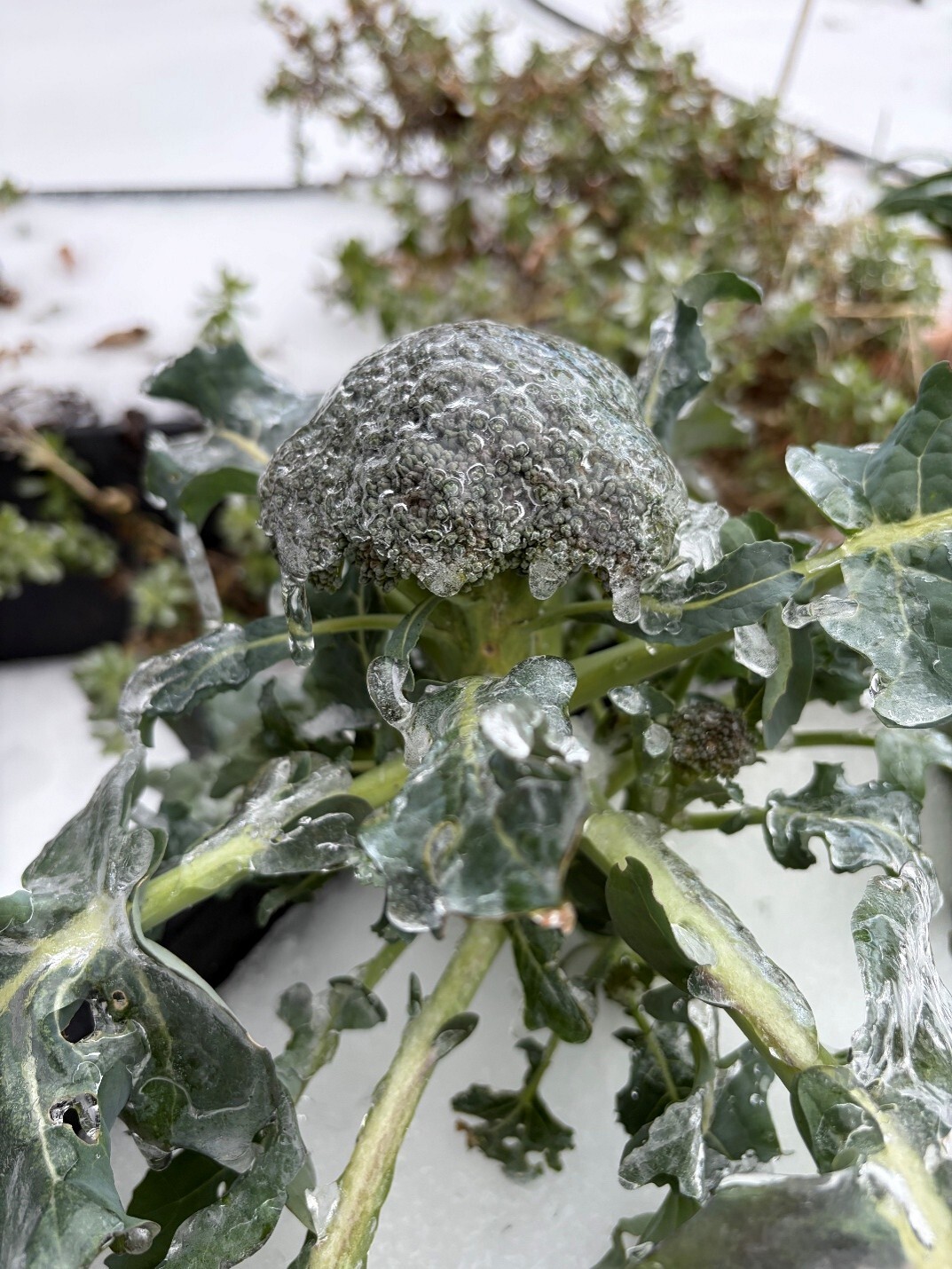
On this page
Broccoli is the most rewarding brassica for home gardens: transplant in early spring or late summer, space 40-50cm apart in rich soil, keep water even, and net against cabbage worms. Cut the main head while buds are tight (55-85 days from transplant), then keep harvesting side shoots for weeks. Heat makes heads bolt into yellow flowers fast, so time crops for cool weather. Seed packets cost $2-4, seedling six-packs $4-7.
Key facts
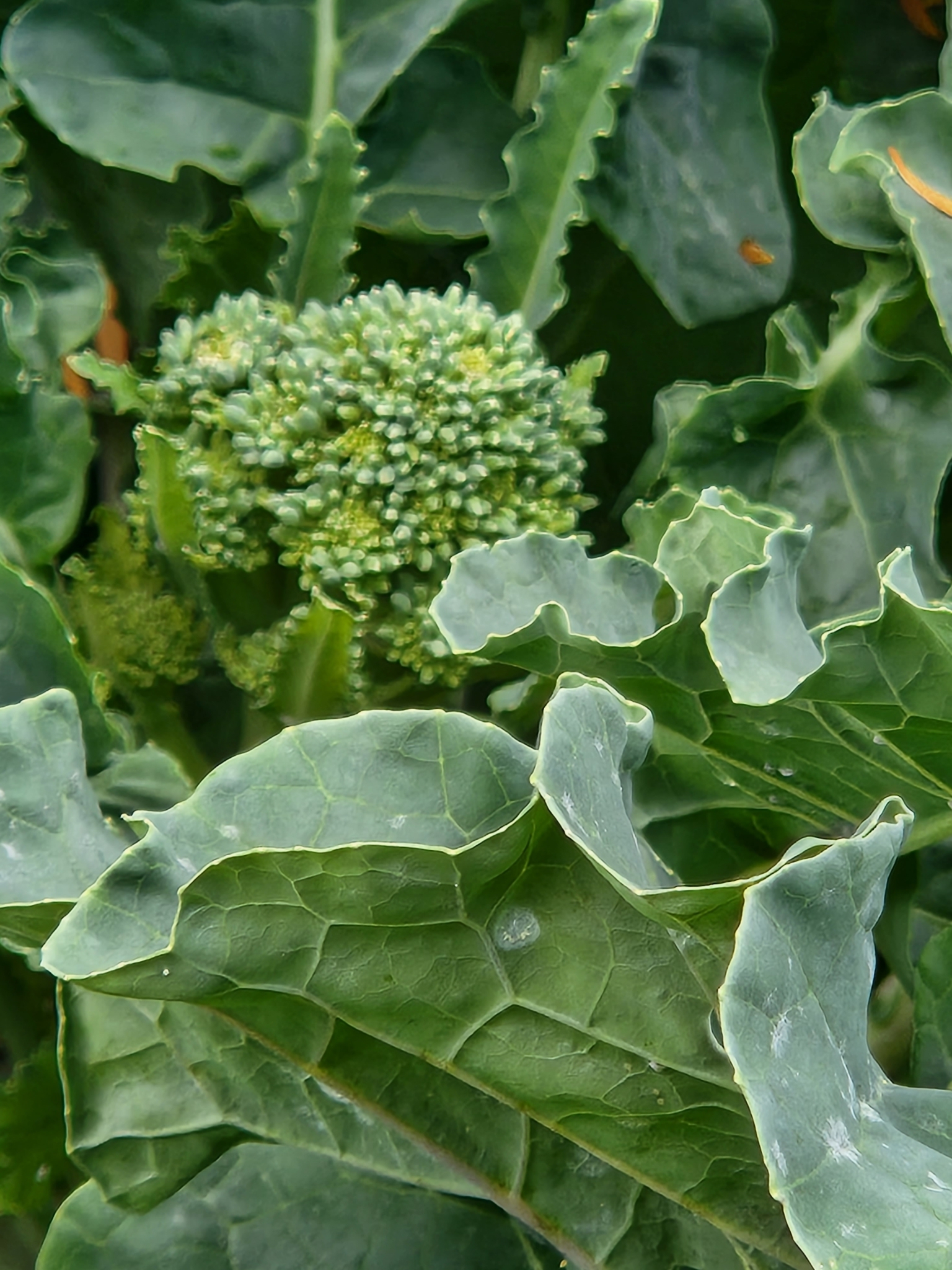
- The head is a cluster of unopened flower buds. Wait too long and it bolts into yellow flowers, so harvest while buds are tight and green.
- Unlike cauliflower, cutting the main head triggers weeks of edible side-shoot production. One plant can yield for a month or more.
- Same species as cabbage, cauliflower, and kale (Brassica oleracea), selected for its flowering stalks in Italy around the Roman era.
- Strictly cool-season: heads forming in heat above ~27°C turn loose and bitter and bolt within days.
Care requirements#
| Plant type | Outdoor cool-season annual |
| Growing medium | Rich, moisture-retentive soil with generous compost; grows well in 20-25L containers, one plant per pot |
| Light needs | Full sun, 6+ hours daily |
| Water frequency | Even moisture, 2.5-4cm (1-1.5in) per week; drought stress leads to small, early-bolting heads |
| Sowing season | Northern hemisphere: indoors Feb-Apr for spring, Jun-Jul for autumn crop. Southern hemisphere: Aug-Oct and Jan-Feb |
| Spacing | 40-50cm between plants, 50-60cm between rows; tighter spacing gives smaller but earlier heads |
| Temperature range | Best at 15-21°C (60-70°F); tolerates light frost, bolts quickly above 27°C (80°F) |
| Fertilizer | Heavy feeder: compost at planting plus nitrogen side-dress 3-4 weeks after transplant |
| Soil pH | 6.0-7.0; lime toward 7.2 where clubroot is present |
| Pest protection | Fine insect netting from transplant day against cabbage white butterflies and root fly |
| Container suitability | Good: compact varieties in 20L+ pots with attentive watering |
| Toxicity | Non-toxic; edible crop safe around pets and children |
Growth & propagation#
| Days to harvest | 55-85 days from transplant for the main head, variety dependent |
| Yield per plant | Main head 200-500g plus weeks of side shoots, total 500g-1kg+ per plant |
| Edible parts | Heads, side shoots, stems (peeled), and leaves. The whole plant is edible |
| Propagation methods | Seed only. Modules indoors, transplant at 4-5 true leaves |
| Harvest cue | Cut the main head with 10-15cm of stem while buds are tight and dark green, before any yellow shows |
| Storage | 1-2 weeks refrigerated; blanch and freeze for long storage |
Common problems & troubleshooting#
| Symptom | Likely cause | Fix |
|---|---|---|
| Holes chewed in leaves, green caterpillars underneath | Cabbage worms and loopers (cabbage white butterfly larvae) | Hand-pick, spray Bt, and exclude with fine insect netting from transplant day. Soak harvested heads in salt water to evict hidden caterpillars |
| Head buds turning yellow and opening | Bolting. The head is flowering, triggered by maturity plus heat | Harvest immediately (still edible just before opening); time future crops so heads form in cool weather |
| Wilting by day, stunted plants, swollen knotted roots | Clubroot fungus persisting in the soil | Remove and bin plants, lime soil above pH 7.2, no brassicas in that bed for 4-7 years |
| Tiny 'button' head on a young plant | Stress check. Cold snap on young transplants, drought, or root-bound seedlings | Keep conditions steady, transplant young stocky seedlings, protect early plantings from prolonged cold |
| Grey-white mealy clusters on leaves and shoots | Cabbage aphids | Blast off with water, use insecticidal soap, and encourage ladybirds; check heads carefully before cooking |
Cut every head before it bolts
Sodate watches your local heat forecast and nudges you to harvest before a warm spell turns tight buds into yellow flowers.
Seasonal care#
Varieties & cultivars#
| Variety | Distinguishing trait | Note |
|---|---|---|
| 'Calabrese' types (e.g. 'Green Magic') | Classic large single head plus side shoots, 55-70 days | The supermarket broccoli |
| Purple sprouting broccoli | Overwinters; dozens of small purple shoots in early spring | Very hardy, long season |
| 'De Cicco' | Heirloom with a small main head and prolific side shoots | Best for continuous picking |
| Broccolini (baby broccoli) | Long tender stems, small florets. A broccoli × gai lan hybrid | Often sold as 'tenderstem' |
Buying checklist#
- Seedlings stocky with 4-5 leaves, not leggy or root-bound
- Leaf undersides free of tiny yellow butterfly eggs and aphids
- Roots white with no clubroot swellings
- Match variety to season: calabrese for spring/autumn, purple sprouting for overwintering
- For containers, pick compact single-head varieties
Pricing by region#
| Region | Price range | Typical unit | Basis |
|---|---|---|---|
| US | $2 – $7 | Seed packet / seedling six-pack | Garden centre + seed catalogue retail |
| UK | $2 – $6 | Seed packet / strip of plugs | Garden centre retail |
| India | $0.25 – $1.2 | Seed packet / seedling tray share | Agri supply + local nursery |
| Australia | $2 – $6 | Seed packet / punnet | Nursery + hardware garden centre |
| Canada | $2 – $6 | Seed packet / seedling six-pack | Garden centre retail |
USD figures are approximate conversions for comparison; switch the dropdown to see each region's actual local-currency listing price.
Often confused with#
Where it's actually grown#
Broccoli transplants are raised regionally in greenhouse plug trays timed to local planting windows. Commercial seed comes from specialist dry-summer production regions in the US Pacific Northwest, Italy, and Japan, where many leading calabrese F1 hybrids were bred.
Import & biosecurity restrictions#
| Region | Note |
|---|---|
| Australia | Live seedlings cannot be imported personally under biosecurity law; seed needs a permit and phytosanitary certificate. |
| US | Domestic sale unrestricted; some states regulate brassica transplant movement over clubroot. |
| UK | Home seed imports generally fine; commercial plant material needs phytosanitary documentation. |
| India | No domestic restriction; broccoli is an expanding commercial crop in cooler hill regions and winter plains. |
| Canada | CFIA rules apply to commercial seed imports; home-garden packets clear routinely. |
Similar plants
Ranked in these guides
Did you know?
Frequently asked questions
How long does broccoli take to grow?
About 55-85 days from transplant to cutting the main head, depending on variety, plus weeks of side-shoot harvests afterwards.
Does broccoli grow back after cutting?
Yes. Cut the main head and the plant produces smaller side shoots for several weeks, often doubling the total harvest. This is broccoli's big advantage over cauliflower.
Why is my broccoli flowering?
The head is made of flower buds, and warmth plus maturity makes them open (bolt). Harvest while buds are tight and green, and time crops so heads mature in cool weather.
How do I keep worms out of my broccoli?
Cover plants with fine insect netting from transplant day so cabbage white butterflies can't lay eggs, and soak harvested heads in salted water to drive out any hidden caterpillars.
Can I grow broccoli in a pot?
Yes. One plant per 20L+ container in rich compost with very consistent watering; compact single-head varieties work best.