 Sodate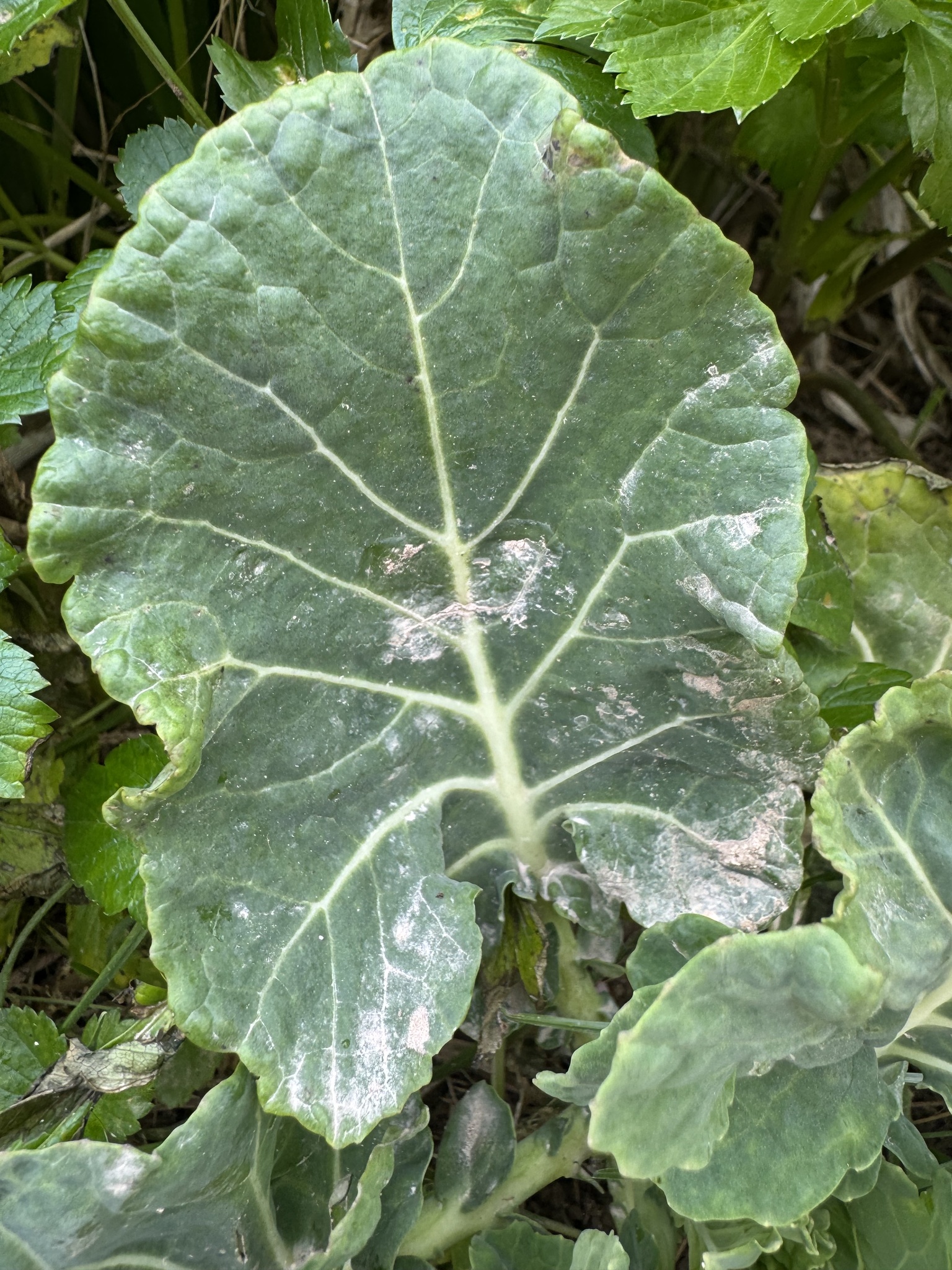
On this page
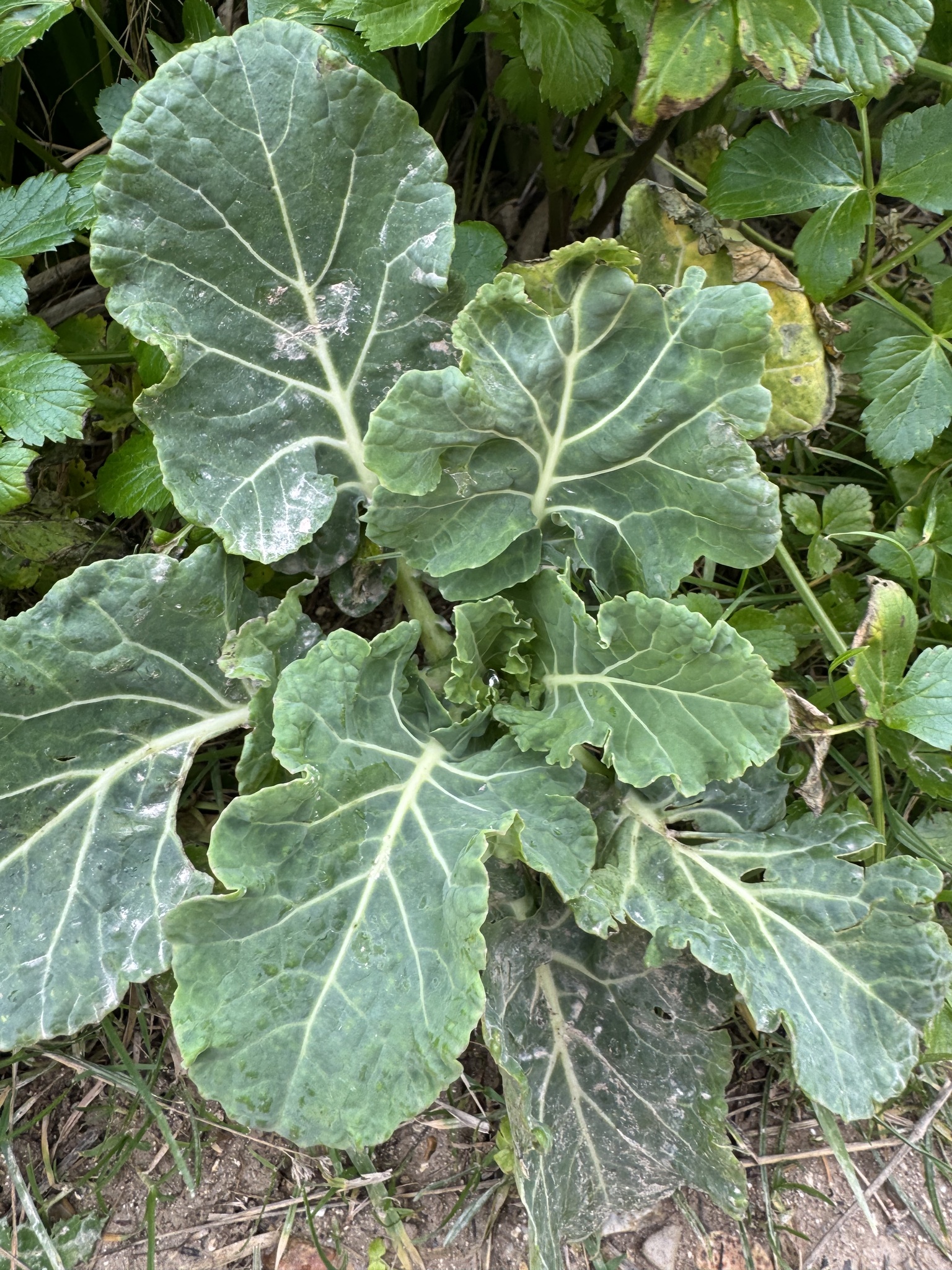
Cabbage is a cool-season crop: transplant seedlings in early spring or late summer so heads mature in cool weather, spaced 30-45cm apart in rich, firm soil. Keep watering even to stop heads splitting, and cover plants with insect netting from day one. Cabbage white butterflies will find unprotected plants. Expect one head of 1-3kg per plant in 70-100 days from transplant. A seed packet costs $2-4 and a six-pack of seedlings $4-7.
Key facts
- The same species (Brassica oleracea) as broccoli, cauliflower, kale, Brussels sprouts, and kohlrabi. All selectively bred from wild coastal cabbage.
- A cool-season crop: heads that mature in heat turn bitter and bolt, so it is grown in spring and autumn in most climates and through winter in mild ones.
- One plant produces one head, typically 1-3kg; some storage varieties keep for months in a cold cellar.
- The two most serious problems, cabbage worms and clubroot, are both preventable. Netting stops the first, rotation and liming the second.
Care requirements#
| Plant type | Outdoor cool-season biennial grown as an annual |
| Growing medium | Rich, firm, moisture-retentive soil with plenty of compost; also grows in 20L+ containers (one plant per pot) |
| Light needs | Full sun, 6+ hours daily |
| Water frequency | Even, consistent moisture. About 2.5cm (1in) per week; irregular watering splits heads |
| Sowing season | Northern hemisphere: sow indoors Feb-Apr for spring crop, Jun-Jul for autumn crop. Southern hemisphere: Aug-Oct and Jan-Feb |
| Spacing | 30-45cm between plants, 45-60cm between rows; closer spacing gives smaller heads |
| Temperature range | Grows best at 13-21°C (55-70°F); mature plants tolerate light frost, heads turn bitter above 27°C (80°F) |
| Fertilizer | Heavy feeder: compost at planting plus a nitrogen-rich feed 3-4 weeks after transplant |
| Soil pH | 6.5-7.5; lime acidic soil, which also suppresses clubroot |
| Pest protection | Fine insect netting or row cover from transplant day against cabbage white butterflies and root fly |
| Container suitability | Good: one plant per 20L+ pot, choose compact varieties |
| Toxicity | Non-toxic; edible crop safe around pets and children |
Growth & propagation#
| Days to harvest | 70-100 days from transplant (add ~4-6 weeks if counting from seed), varies by variety |
| Yield per plant | One head, 1-3kg depending on variety and spacing |
| Edible parts | The head (tight leaf ball); loose outer leaves are edible too but coarser |
| Propagation methods | Seed only. Start indoors and transplant at 4-6 leaves, or direct sow in mild climates |
| Harvest cue | Head feels firm and solid when squeezed; cut at the base with a knife, leave outer leaves and stalk to sprout small secondary heads |
| Storage | Late/storage varieties keep 3-5 months just above 0°C at high humidity; fresh heads keep weeks in the fridge |
Common problems & troubleshooting#
| Symptom | Likely cause | Fix |
|---|---|---|
| Ragged holes in leaves, green droppings | Cabbage worms (larvae of the cabbage white butterfly) or cabbage loopers | Hand-pick caterpillars, spray Bt (Bacillus thuringiensis), and prevent with fine insect netting from transplant day |
| Wilting in the day, stunted growth, swollen distorted roots when dug up | Clubroot. A soil fungus that persists for years | No cure once infected: remove and bin (don't compost) plants, lime soil to pH 7.2+, and don't grow brassicas in that bed for at least 4-7 years |
| Head splits or cracks open | Sudden heavy water after a dry spell once the head is mature | Water evenly, harvest promptly when firm, or twist the plant a quarter-turn to break some roots and slow water uptake |
| Seedlings wilt, tiny white maggots on roots | Cabbage root fly laying eggs at the stem base | Fit collar discs around stems at transplant or grow under insect netting |
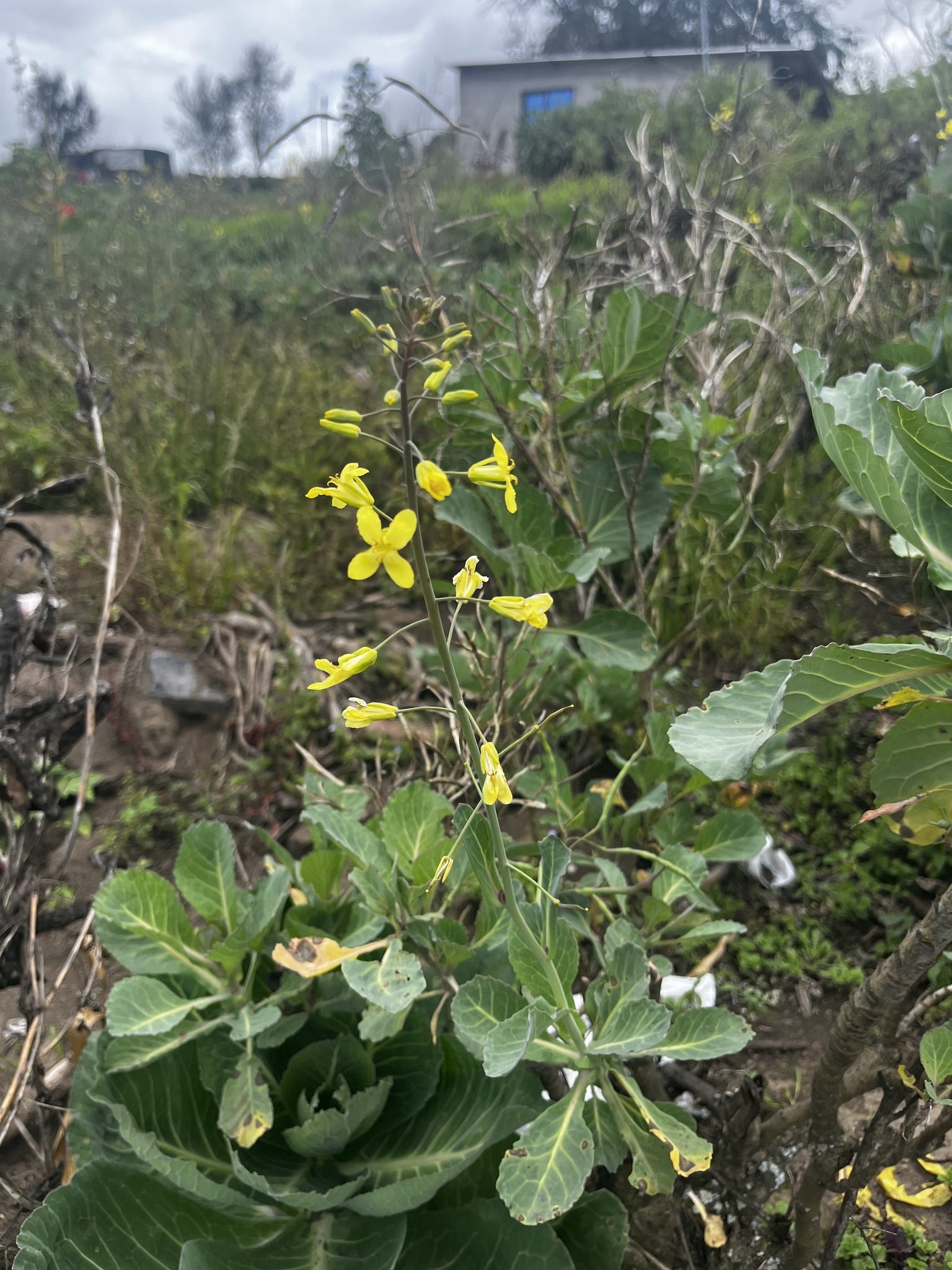
| Plant sends up a flower stalk instead of heading | Bolting from heat stress or a prolonged cold snap on young plants | Time planting so heads mature in cool weather; choose bolt-resistant varieties |
Catch split heads before they happen
Sodate tracks rainfall and your watering pattern to warn when a dry-then-soaked swing is about to crack your cabbage heads.
Seasonal care#
Varieties & cultivars#
| Variety | Distinguishing trait | Note |
|---|---|---|
| 'Golden Acre' | Compact early green cabbage, ~65 days, small heads | Good for containers and small beds |
| 'Red Express' / red types | Purple-red heads, higher anthocyanins | Slightly longer to mature |
| 'Savoy' types | Crinkled, tender leaves, very cold-hardy | Best flavor after frost |
| 'Brunswick' / late storage types | Large dense heads that store for months | Long season, 90-100+ days |
Buying checklist#
- Seedlings stocky and blue-green, not leggy or pale
- No holes or eggs on leaf undersides (check for tiny yellow cabbage-white eggs)
- Roots white and not circling the cell. And no swollen root lumps (clubroot)
- Match the variety to your window: early types for spring, storage types for autumn
- Seed packets: check the packed-for year. Brassica seed stays viable ~4 years
Pricing by region#
| Region | Price range | Typical unit | Basis |
|---|---|---|---|
| US | $2 – $7 | Seed packet / seedling six-pack | Garden centre + seed catalogue retail |
| UK | $2 – $6 | Seed packet / strip of 6-10 plugs | Garden centre retail |
| India | $0.25 – $1 | Seed packet / seedling tray share | Agri supply + local nursery |
| Australia | $2 – $6 | Seed packet / punnet of 6-8 | Nursery + hardware garden centre |
| Canada | $2 – $6 | Seed packet / seedling six-pack | Garden centre retail |
USD figures are approximate conversions for comparison; switch the dropdown to see each region's actual local-currency listing price.
Often confused with#
Where it's actually grown#
Cabbage seedlings are raised locally and regionally in greenhouse plug trays timed to each area's planting windows, since brassica transplants don't ship well. Commercial seed is produced by specialist growers in regions with dry, mild summers. Notably the Skagit Valley (Washington state), which produces a large share of the world's cabbage and beet seed.
Import & biosecurity restrictions#
| Region | Note |
|---|---|
| Australia | Live seedlings cannot be imported personally under biosecurity law; seed imports need a permit and phytosanitary certificate. Buy domestically. |
| US | Domestic seed and seedling sale unrestricted; some states regulate brassica transplant movement to limit clubroot spread. |
| UK | Home-use seed imports generally fine; commercial plant material needs phytosanitary documentation. |
| India | No domestic restriction; imported hybrid seed clears through standard customs channels. |
| Canada | CFIA rules apply to commercial seed imports; small home-garden packets typically clear without issue. |
Similar plants
Ranked in these guides
Did you know?
Frequently asked questions
How long does cabbage take to grow?
About 70-100 days from transplant to harvest depending on variety; early types can be ready in 65 days while big storage cabbages take over 100.
Why is my cabbage full of holes?
Almost always cabbage worms. Caterpillars of the white butterflies you see fluttering over the bed. Hand-pick, spray Bt, and cover plants with fine insect netting to prevent egg-laying.
Can I grow cabbage in a container?
Yes. One plant per 20L+ pot with rich compost and daily attention to watering; compact varieties like 'Golden Acre' work best.
Why did my cabbage head split?
Heavy water (rain or irrigation) after a dry spell once the head was mature. Keep moisture even, and harvest firm heads promptly rather than leaving them standing.
What is clubroot and can I fix it?
A long-lived soil disease that swells and distorts brassica roots, causing wilting and stunting. There is no cure: remove infected plants, raise soil pH above 7.2 with lime, and keep brassicas out of that bed for 4-7 years.