 Sodate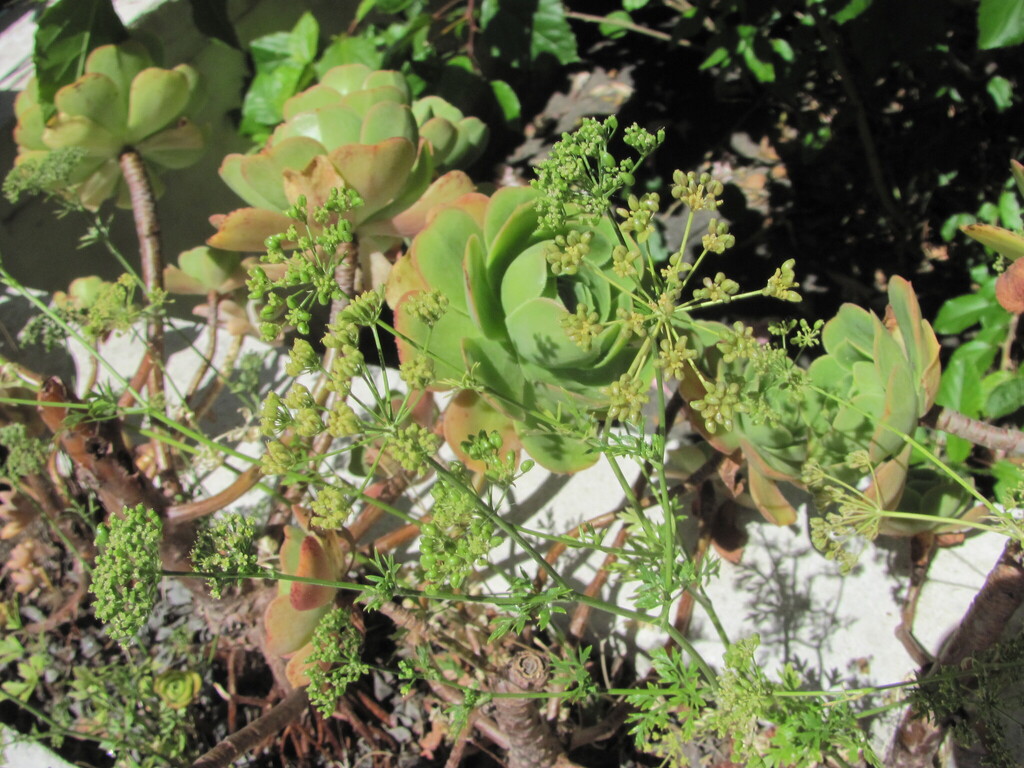
On this page
Parsley germinates painfully slowly, often taking three to four weeks, so soak the seed overnight and be patient rather than resowing. It is a biennial: leaves in year one, then it bolts and dies in its second spring, so sow fresh every year. Pick outer stems from the base and it produces for months. Excellent in pots at least 25cm deep. Non-toxic to cats and dogs, though very large quantities can cause photosensitivity in dogs.
Key facts
- Germination takes 3-4 weeks, far longer than almost any other herb, because the seed coat contains natural germination inhibitors that need soaking or rain to wash out.
- A biennial: it produces leaves in the first year, then bolts to flower and dies in its second spring, so it is resown annually.
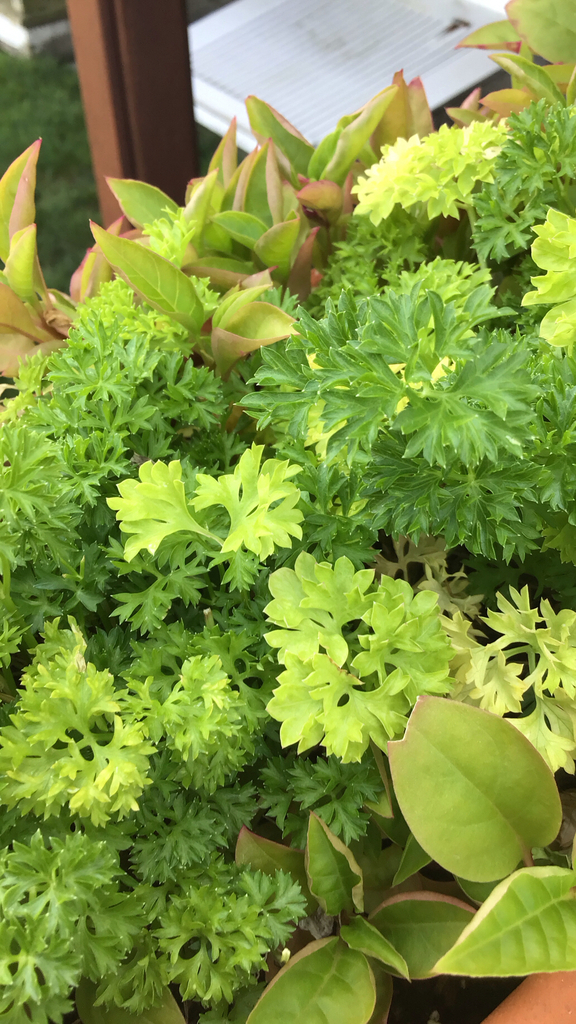
- Flat-leaf parsley has a stronger, cleaner flavour and is generally preferred for cooking, while curly parsley holds its shape better as a garnish.
- Non-toxic to cats and dogs in normal amounts, though very large repeated quantities can cause photosensitivity in dogs, so keep it as an occasional nibble rather than a staple.
Growing requirements#
| Plant type | Outdoor hardy biennial, grown as an annual for its leaves |
| Growing medium | Moist, fertile, well-drained soil or a good potting compost |
| Light needs | Full sun to part shade. 4-6 hours; light afternoon shade is helpful in hot climates |
| Water frequency | Keep consistently moist, around 25mm a week; parsley wilts and turns bitter if allowed to dry out |
| Spacing | 20-25cm between plants, 30cm between rows |
| Sowing season (northern hemisphere) | Sow March to July; earliest sowings indoors, later ones direct into warm soil |
| Sowing season (southern hemisphere) | Sow August to March in Australia and New Zealand; almost year-round in mild coastal areas |
| Temperature range | 10-24°C (50-75°F); germinates fastest around 20°C and very slowly in cold soil |
| Fertilizer | A balanced liquid feed every 3-4 weeks during heavy picking; more often in containers |
| Soil pH | 6.0-7.0 |
| Container suitability | Very good, but the pot must be at least 25cm deep, since parsley makes a surprisingly long taproot |
| Hardiness | Hardy to around -10°C; often overwinters and gives an early spring picking before bolting |
| Toxicity | Non-toxic to cats and dogs in normal garden amounts. Very large quantities can cause photosensitivity in dogs, so treat it as an occasional nibble |
Harvest, yield & propagation#
| Days to harvest | 70-90 days from sowing, of which 3-4 weeks is germination alone |
| Yield per plant | Repeated pickings over 6-8 months from a single first-year plant |
| Harvest signal | Plant has at least 10-12 well-developed stems |
| Harvest technique | Cut whole outer stems right down at the base, never shearing across the top, so the central crown keeps producing |
| Storage | Stand stems in a glass of water in the fridge for up to 2 weeks. Freezes well chopped in oil or water; dries poorly and loses most of its flavour |
| Second year | The plant bolts, flowers and dies. Let one plant flower for the beneficial hoverflies it attracts, and pull the rest |
| Propagation methods | Seed only. Soak overnight before sowing to leach out the germination inhibitors, and be patient |
| Companion plants | Tomatoes, asparagus and roses; keep it away from lettuce, which it can inhibit |
Common problems & troubleshooting#
| Symptom | Likely cause | Fix |
|---|---|---|
| No seedlings after two weeks | Normal. Parsley routinely takes 3-4 weeks to germinate | Wait. Soak seed overnight before sowing next time, keep the surface consistently moist, and resist resowing over the top |
| Plant shoots up a flower stalk and turns bitter | Bolting, either in the second spring (normal) or triggered early by drought or a cold snap | Sow fresh plants every year, keep water consistent, and pull bolted plants once you have replacements coming |
| Green and black striped caterpillars stripping the leaves | Swallowtail butterfly larvae, which feed almost exclusively on plants in this family | If you can spare the plant, leave them; they become swallowtail butterflies. Otherwise move them to a sacrificial plant |
| Yellowing lower leaves | Dry soil, hunger, or a pot too shallow for the taproot | Water consistently, feed every few weeks, and repot into something at least 25cm deep |
| Pale winding trails inside the leaves | Leaf miner larvae | Pick off and bin affected leaves; the plant grows through minor damage without trouble |
| Damp brown collapse at the base of seedlings | Damping off from overwatering in cool conditions | Sow into free-draining compost, water from below, and give seedlings good airflow |
Stop resowing seed that has not failed
Parsley takes weeks to show. Sodate knows the real germination window for your soil temperature and tells you when to genuinely give up and when to just wait.
Seasonal care#
Varieties & cultivars#
| Variety | Distinguishing trait | Note |
|---|---|---|
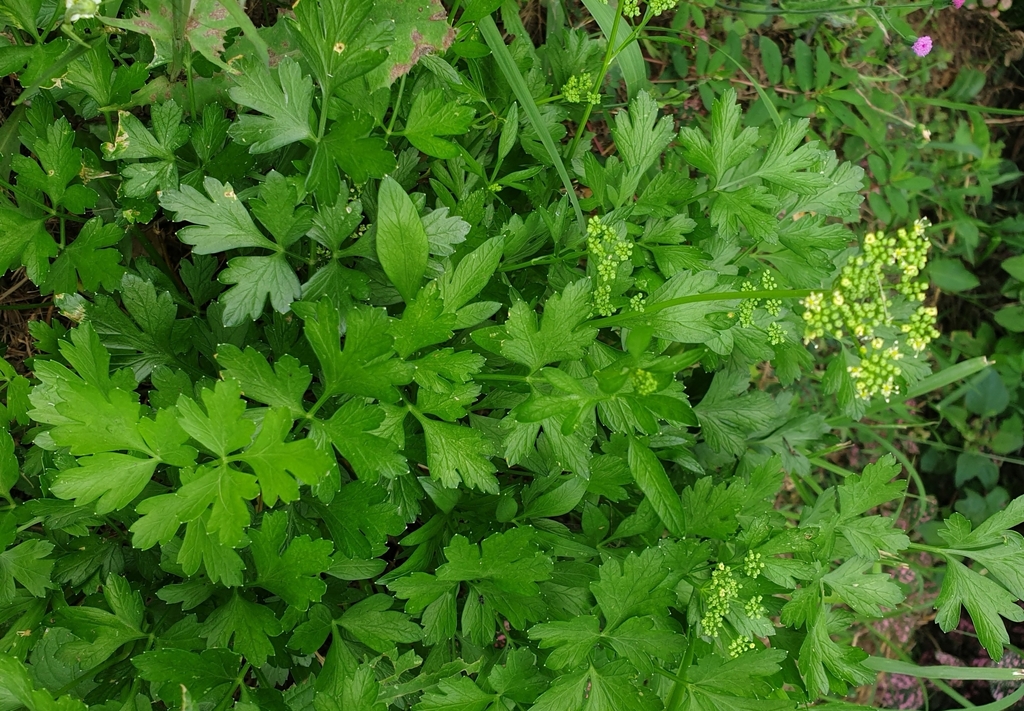
| 'Italian Giant' (flat-leaf) | Large flat leaves, strong clean flavour | The best all-round culinary parsley |
| 'Moss Curled' (curly) | Tightly curled dense foliage | Holds shape well as a garnish |
| 'Gigante d'Italia' | Very vigorous flat-leaf type | Heavy yields, good for freezing |
| Hamburg parsley (var. tuberosum) | Grown for an edible parsnip-like root | Leaves usable too, but coarser |
| 'Krausa' | Compact curly type | Well suited to pots and windowboxes |
Buying checklist#
- Decide flat-leaf for cooking or curly for garnish; the flavour difference is real
- Buy fresh seed, since parsley germination drops sharply after two years
- If buying a plant, check it is a first-year plant with no flower stalk forming
- Choose a deep pot, at least 25cm, because parsley makes a long taproot
- Consider buying two plants at different ages so you always have one in full production
Pricing by region#
| Region | Price range | Typical unit | Basis |
|---|---|---|---|
| US | $3 – $9 | Seed packet or potted herb plant | Garden centre + supermarket herb aisle |
| UK | $2.5 – $7 | Seed packet or 9-13cm potted plant | Garden centre retail |
| India | $0.5 – $2.5 | Seed packet or potted plant | Urban nursery + online retail |
| Australia | $3.5 – $10 | Seed packet or 100mm potted plant | Nursery + garden centre |
| Canada | $3 – $9 | Seed packet or potted herb plant | Garden centre retail |
USD figures are approximate conversions for comparison; switch the dropdown to see each region's actual local-currency listing price.
Often confused with#
Name confusion warning#
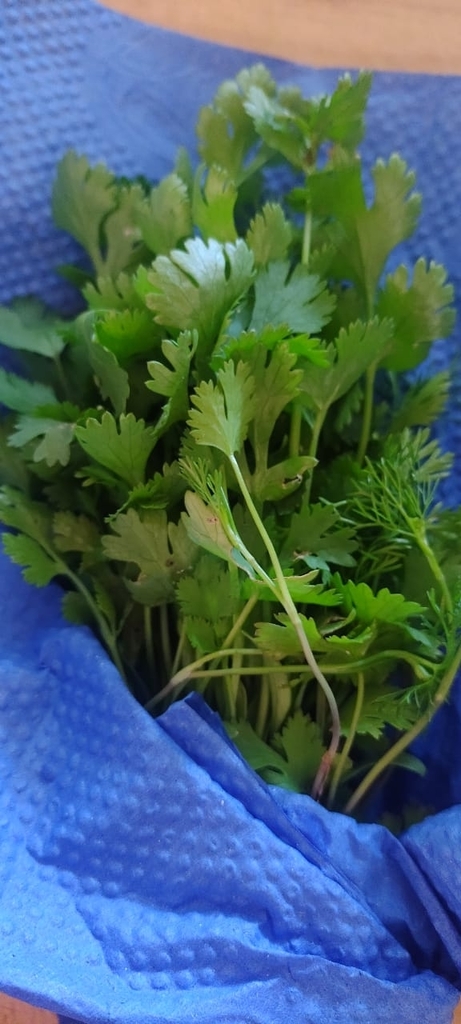
Do not confuse parsley with its lookalikes, and note the flat-leaf naming muddle. Flat-leaf parsley is sold as "Italian parsley" or "continental parsley", and at the young-leaf stage it is very easily mistaken for cilantro. More seriously, several genuinely poisonous wild plants in the carrot family resemble parsley closely, so never forage something you believe to be wild parsley. Grow it from labelled seed instead.
Where it's actually grown#
Parsley seed is grown mainly in the Netherlands, Italy, France, Hungary and the US Pacific Northwest, where dry late summers allow the second-year plants to set and ripen seed cleanly. Because parsley is a biennial, seed production ties up ground for two seasons. Potted parsley in supermarket herb aisles is a different product entirely: it is sown extremely densely for a short indoor life, and splitting one of those pots into a garden bed usually works far better than trying to keep the crowded pot alive.
Import & biosecurity restrictions#
| Region | Note |
|---|---|
| Australia | Seed imports require an import permit and phytosanitary certificate; domestic seed and plants are freely sold. |
| US | Domestic sale unrestricted; imported seed may need a USDA small-lots-of-seed permit. |
| UK | Home-garden seed and plants sold freely; commercial imports require phytosanitary documentation. |
| India | Grown as a potted and garden herb; imported seed requires customs clearance. |
| Canada | CFIA rules apply to commercial seed lots; home-garden packets normally clear without issue. |
Similar plants
Ranked in these guides
Did you know?
Frequently asked questions
Why is my parsley taking so long to germinate?
That is normal. Parsley seed routinely takes three to four weeks because its seed coat contains natural germination inhibitors that must be washed out first. Soak the seed overnight before sowing, keep the surface consistently moist, and do not resow over the top out of impatience.
Is parsley an annual or a perennial?
It is a biennial, but it is grown as an annual. It produces leaves through its first year, then in its second spring it bolts to flower, turns bitter and dies. Sow a fresh batch every year to keep a supply going.
What is the difference between flat-leaf and curly parsley?
Flat-leaf, also sold as Italian or continental parsley, has a stronger and cleaner flavour and is generally preferred for cooking. Curly parsley is milder and holds its shape better, which is why it survived so long as a garnish.
Is parsley safe for cats and dogs?
Yes in normal garden amounts. Parsley is non-toxic and small quantities are harmless. Very large repeated quantities can cause photosensitivity in dogs, so it is best treated as an occasional nibble rather than something a pet grazes on daily.
How should I pick parsley so it keeps growing?
Cut whole outer stems right down at the base of the plant, working around the outside and leaving the central crown untouched. Shearing across the top of the plant damages the growing point and slows regrowth considerably.