 Sodate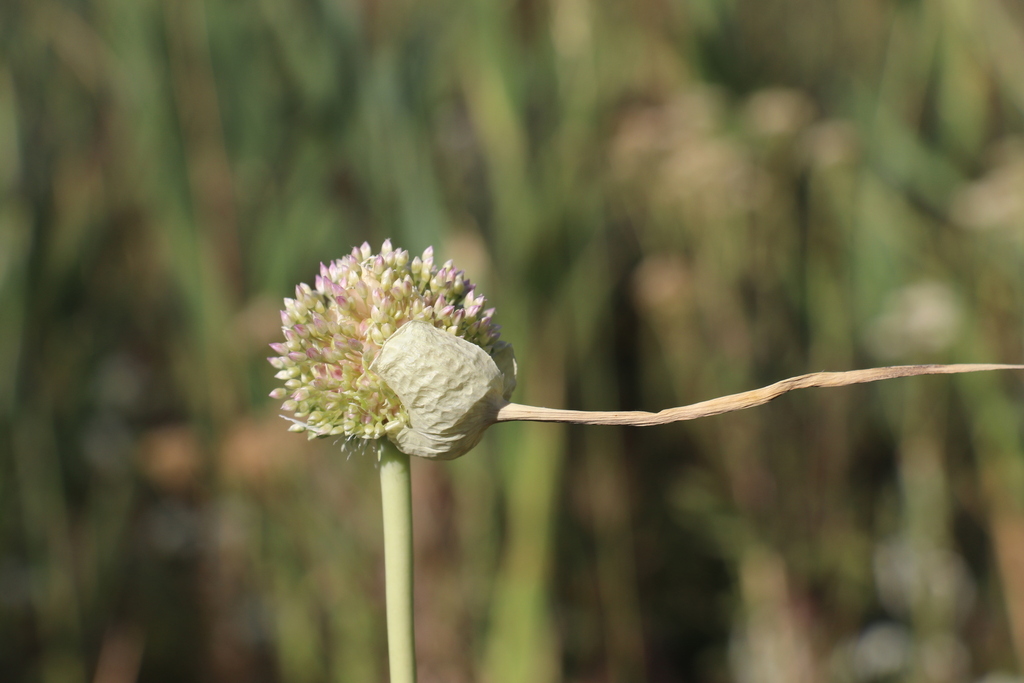
On this page
Garlic is planted as individual cloves in autumn, pointed end up, and harvested the following summer, so it occupies a bed for eight or nine months. Hardneck types are hardier and give edible scapes but store only four to six months; softneck types store eight to twelve. Lift when the lower third of leaves have yellowed, then cure for two to four weeks. Critical safety point: garlic is toxic to cats and dogs in every form, including cooked and powdered.
Key facts
- Toxic to cats and dogs in all forms. Raw, cooked, dried and powdered. Garlic damages red blood cells and is more potent by weight than onion.
- Planted from individual cloves in autumn, not from seed; each clove becomes a whole bulb by the following summer.
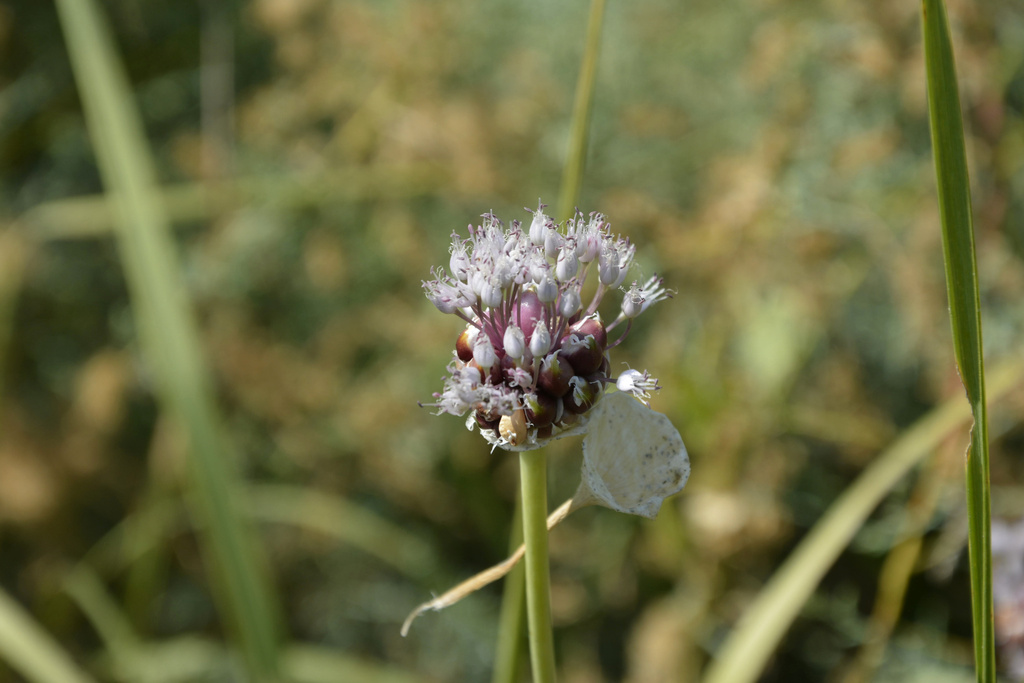
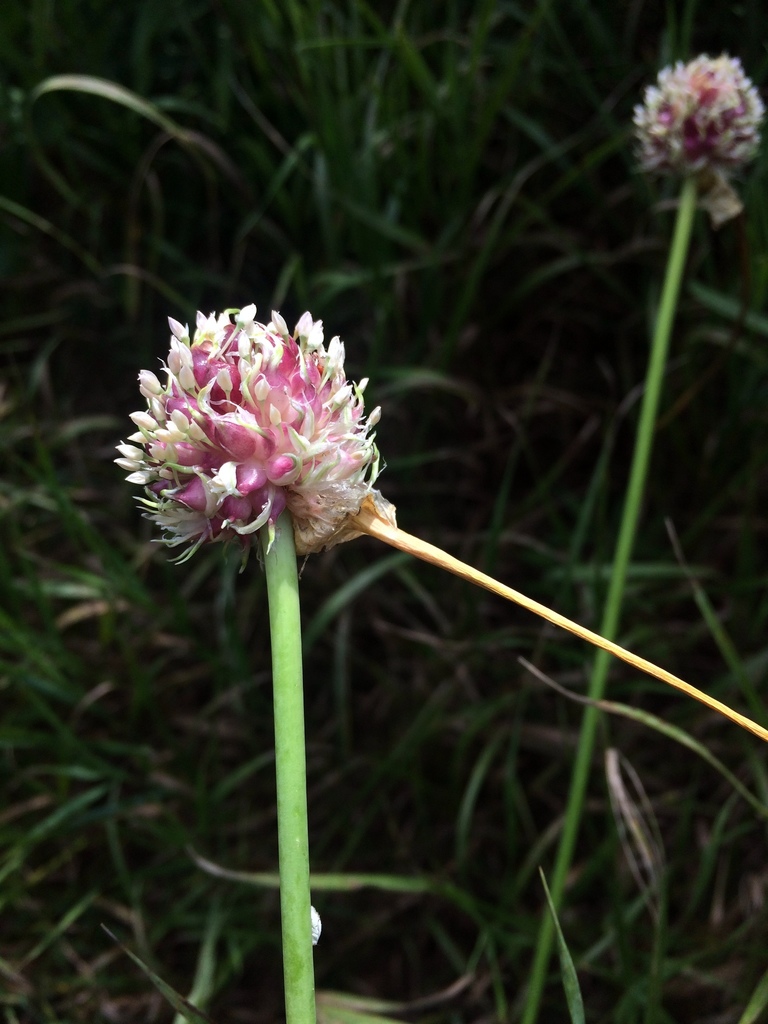
- Hardneck varieties produce a curling flower stalk called a scape, which should be snapped off to redirect energy into the bulb and is excellent eaten.
- Most garlic needs a cold period (vernalisation) of several weeks below about 10°C to split into separate cloves rather than forming a single round.
Growing requirements#
| Plant type | Outdoor hardy bulb crop; occupies the bed from autumn through to midsummer |
| Growing medium | Free-draining, fertile soil; heavy wet winter soil rots the cloves, so raised beds help |
| Light needs | Full sun, 6+ hours daily |
| Water frequency | Around 25mm a week during spring growth, then stop watering entirely 2-3 weeks before lifting |
| Spacing | 15-20cm between cloves, 30cm between rows, planted 5cm deep with the pointed end up |
| Planting season (northern hemisphere) | Plant cloves October to November, before the ground freezes; spring planting gives smaller bulbs |
| Planting season (southern hemisphere) | Plant March to May in Australia and New Zealand, for a November to January harvest |
| Temperature range | Needs 4-8 weeks below 10°C to form separate cloves; grows on happily at 13-24°C |
| Fertilizer | Nitrogen feed in early spring while leaves are growing, then stop by late spring so the bulb can mature |
| Soil pH | 6.0-7.5 |
| Container suitability | Reasonable. A pot 30cm deep holds 4-6 cloves, but bulbs are usually smaller than in open ground |
| Hardiness | Very hardy; hardneck types survive well below -20°C once established |
| Toxicity | TOXIC to cats and dogs in every form, including cooked, dried and powdered. Also toxic to horses and livestock. Keep foliage, bulbs and kitchen scraps away from pets |
Harvest, yield & propagation#
| Days to harvest | 240-270 days from autumn planting; roughly 90-120 days for a spring-planted crop |
| Yield per plant | One bulb of 40-80g per clove planted; plant 20-30 cloves for a year's kitchen supply |
| Harvest signal | The lower third to half of the leaves have yellowed and flopped while the top leaves are still green |
| Harvest technique | Loosen with a fork rather than pulling by the stem, and lift on a dry day. Never wash the bulbs |
| Curing & storage | Cure 2-4 weeks in a dry, airy, shaded spot until the necks are papery. Softneck stores 8-12 months, hardneck 4-6, at 10-15°C in a dry place |
| Scapes (hardneck only) | Snap off the curling flower stalk as soon as it makes one full loop; this increases bulb size by up to 25% and the scapes are delicious |
| Propagation methods | Individual cloves from a bulb, largest cloves outermost. Save your best bulbs each year to replant |
| Companion plants | Carrots, brassicas, tomatoes and roses; keep it well away from beans and peas, which it stunts |
Common problems & troubleshooting#
| Symptom | Likely cause | Fix |
|---|---|---|
| One large single round instead of a segmented bulb | Insufficient cold period, usually from planting too late or in a mild climate | Plant in autumn so cloves get 4-8 weeks below 10°C. In warm climates, chill seed cloves in a fridge for six weeks before planting |
| Orange-brown streaks and pustules on leaves | Garlic rust (Puccinia allii), worst in damp mild springs | Remove badly affected leaves, improve spacing and airflow, avoid overhead watering, and rotate onto fresh ground. A mild attack still allows a usable if smaller bulb |
| Bulbs rotting in the ground with a fluffy white mould at the base | White rot (Sclerotium cepivorum), a persistent soil fungus | No cure. Remove and bin affected plants, and do not grow alliums on that ground for 8-15 years, since the resting bodies survive that long |
| Bulb wrappers split and cloves separate at lifting | Left in the ground too long past maturity | Lift when the lower third of leaves yellow. Split bulbs are still edible but will not store, so use them first |
| Small bulbs despite healthy leaves | Overcrowding, competition from weeds, or scapes left on hardneck types | Space 15-20cm apart, weed diligently since garlic competes poorly, and snap off scapes as they curl |
| Cloves rotting over winter without emerging | Waterlogged soil | Plant into raised beds or ridges, add grit to heavy soil, and avoid low spots that sit wet |
Lift at the right moment, not too late
Garlic left in the ground past its window splits its wrapper and will not store. Sodate counts the yellowing leaves against your season and flags the lift date.
Seasonal care#
Varieties & cultivars#
| Variety | Distinguishing trait | Note |
|---|---|---|
| 'Music' (hardneck) | Large easy-peel cloves, strong flavour, very hardy | Produces scapes; stores 4-6 months |
| 'German Extra Hardy' (hardneck) | Extremely cold-tolerant, pungent | Best pick for harsh winters |
| 'Solent Wight' (softneck) | Excellent keeper, mild flavour | UK favourite; stores close to 12 months |
| 'California Early' (softneck) | Reliable, adapted to mild winters | Widely grown in the US and Australia |
| Elephant garlic (Allium ampeloprasum) | Huge mild cloves | Botanically a leek, not true garlic |
Buying checklist#
- Buy certified seed garlic, not supermarket bulbs, which may be sprout-inhibited or carry white rot
- Choose hardneck for cold climates and scapes, softneck for long storage and mild winters
- Look for large, firm bulbs, since big cloves produce big bulbs
- Reject anything soft, mouldy or already sprouting heavily
- Buy enough: one clove gives one bulb, so 20-30 cloves is a realistic year's supply
Pricing by region#
| Region | Price range | Typical unit | Basis |
|---|---|---|---|
| US | $10 – $25 | 0.5kg of seed garlic bulbs | Specialist grower + mail order |
| UK | $6 – $16 | 2-3 seed garlic bulbs | Garden centre retail |
| India | $0.8 – $2.5 | 0.5kg seed cloves | Agri supply + local market |
| Australia | $11 – $26 | 0.5kg certified seed garlic | Nursery + mail order |
| Canada | $12 – $28 | 0.5kg seed garlic bulbs | Specialist grower retail |
USD figures are approximate conversions for comparison; switch the dropdown to see each region's actual local-currency listing price.
Often confused with#
Name confusion warning#
"Seed garlic" means cloves for planting, not seed. Garlic is almost never grown from true seed in gardens; you plant individual cloves. Also be careful with elephant garlic, which is sold in the same catalogues but is a leek relative with a much milder flavour, so it is not a substitute if you want proper garlic pungency.
Where it's actually grown#
Seed garlic for gardeners comes from specialist growers in cool-climate regions such as the UK's Isle of Wight, France, Ontario, the US Pacific Northwest and Tasmania, where the necessary winter chill occurs naturally and white rot pressure can be managed. Certification matters more with garlic than most crops because white rot spores survive in soil for well over a decade, and a single infected bulb can make a plot unusable for alliums for a generation.
Import & biosecurity restrictions#
| Region | Note |
|---|---|
| Australia | Fresh garlic imports are subject to strict biosecurity treatment and planting material is heavily restricted; buy certified domestic seed garlic. |
| US | Domestic sale unrestricted; imported garlic for planting requires USDA permits and inspection. |
| UK | Seed garlic widely sold domestically; imports require phytosanitary certification. |
| India | Major domestic crop; imported planting material requires quarantine clearance. |
| Canada | CFIA regulates imports of garlic for planting; domestic certified stock is the practical route. |
Similar plants
Ranked in these guides
Did you know?
Frequently asked questions
Is garlic toxic to cats and dogs?
Yes, in every form. Raw, cooked, dried and powdered garlic all damage red blood cells in cats and dogs and can cause anaemia, and garlic is more potent by weight than onion. Keep pets away from the foliage and bulbs, and never feed them food containing garlic.
When should I plant garlic?
In the northern hemisphere plant cloves in October or November, before the ground freezes. In the southern hemisphere plant from March to May. Autumn planting gives the cold period the plant needs to split into separate cloves, and produces far bigger bulbs than spring planting.
What is the difference between hardneck and softneck garlic?
Hardneck types are hardier, produce a central flower stalk called a scape, have fewer larger cloves and richer flavour, but store only four to six months. Softneck types have no scape, more smaller cloves, plait well, and store eight to twelve months, which is why supermarket garlic is nearly always softneck.
Why did my garlic form one big round instead of cloves?
It did not get enough cold. Garlic needs four to eight weeks below about 10°C to divide into separate cloves. Plant in autumn, or in warm climates chill your seed cloves in a fridge for six weeks before planting. A round is perfectly edible and can be replanted for a proper bulb next year.
When do I harvest garlic?
When the lower third to half of the leaves have yellowed while the top ones are still green. Loosen with a fork rather than pulling, then cure for two to four weeks in a dry airy place before storing. Leaving it too long splits the wrapper and ruins its keeping quality.