 Sodate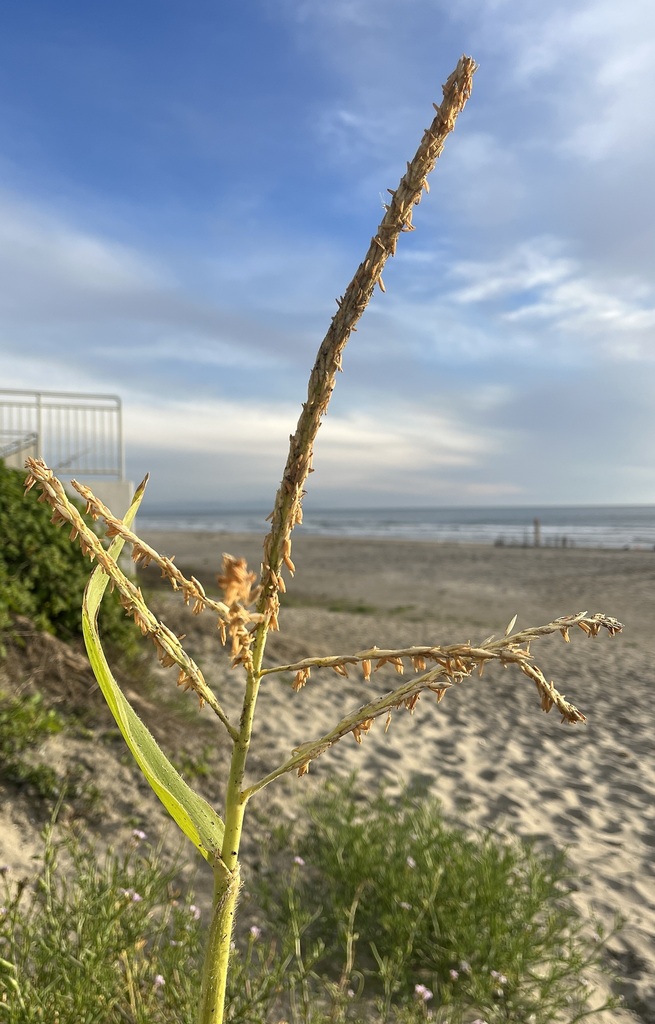
On this page
Corn is wind-pollinated, so it must be planted in a block of at least four rows by four rows rather than a single long row, otherwise pollen never reaches enough silks and cobs come out with scattered gaps. Expect 60-100 days to harvest and only 1-2 usable cobs per plant, so it needs space to be worth growing. It is heavy-feeding, thirsty at tasselling time, and non-toxic to cats and dogs. Seed packets cost $2-5 in the US.
Key facts
- Wind-pollinated, not insect-pollinated: each silk on the ear must catch a pollen grain to produce one kernel, which is why block planting matters so much.
- Domesticated from the wild Mexican grass teosinte roughly 9,000 years ago; the modern cob is one of the most heavily altered crops on earth.
- Yields only 1-2 cobs per plant, making it the most space-hungry crop per serving in a home garden.
- Sugars begin converting to starch within hours of picking, which is why supermarket sweetcorn rarely tastes like a home-grown cob.
Growing requirements#
| Plant type | Outdoor warm-season annual grass; frost-tender at both ends of the season |
| Growing medium | Deep, fertile garden soil rich in organic matter; poor container crop |
| Light needs | Full sun. 8 hours of direct light daily, no compromise |
| Water frequency | Deep watering 1-2 times a week; critical and non-negotiable during tasselling and silking |
| Spacing | 20-30cm between plants, 60-75cm between rows, planted in a block of at least 4 rows x 4 rows |
| Sowing season (northern hemisphere) | Direct sow late April to June, once soil reaches 16°C (60°F) |
| Sowing season (southern hemisphere) | Direct sow late September to December in Australia, New Zealand and southern Africa |
| Temperature range | 16-32°C (60-90°F); germination fails in cold, wet soil below 13°C |
| Fertilizer | Heavy feeder: high-nitrogen feed at planting and again when plants reach knee height |
| Soil pH | 5.8-7.0 |
| Container suitability | Poor. Possible in a half-barrel with 9-12 dwarf plants grown as a block, but yields are low |
| Hardiness | Grown as an annual everywhere; killed outright by frost |
| Toxicity | Non-toxic to cats and dogs. Whole cobs are a serious intestinal-blockage choking hazard for dogs, so bin them securely |
Harvest, yield & propagation#
| Days to harvest | 60-100 days from direct sowing, depending on variety and heat |
| Yield per plant | 1-2 cobs; plan on 12-16 plants minimum for a worthwhile picking |
| Harvest signal | Silks are brown and dry, the cob feels full to the tip, and a pierced kernel releases milky (not clear or doughy) juice |
| Harvest technique | Grip the cob, pull down and twist sharply; pick in the cool of the morning |
| Storage | Eat within hours for best sweetness. Refrigerate in the husk up to 3 days, or blanch and freeze kernels for 8-12 months |
| Edible parts | Kernels; young husks are used as tamale wrappers, and immature ears become baby corn |
| Propagation methods | Direct-sown seed only; corn resents root disturbance and transplants badly |
| Companion plants | The Three Sisters combination of corn, climbing beans and squash; avoid planting near tomatoes (shared pests) |
Common problems & troubleshooting#
| Symptom | Likely cause | Fix |
|---|---|---|
| Cobs with scattered missing kernels | Incomplete wind pollination, almost always from planting in one or two long rows | Plant in a square block of at least 4x4. As a rescue, hand-pollinate by shaking tassels over the silks on still mornings |
| Grubs tunnelling into the cob tip | Corn earworm (Helicoverpa) or European corn borer larvae | Apply a few drops of vegetable oil to the silk channel as silks brown, or use Bt spray; simply cut off the damaged tip at harvest |
| Grey-white swollen galls on cobs or stems | Corn smut fungus (Ustilago maydis) | Remove and bag galls before they burst black; rotate crops. In Mexico these galls are harvested deliberately as huitlacoche |
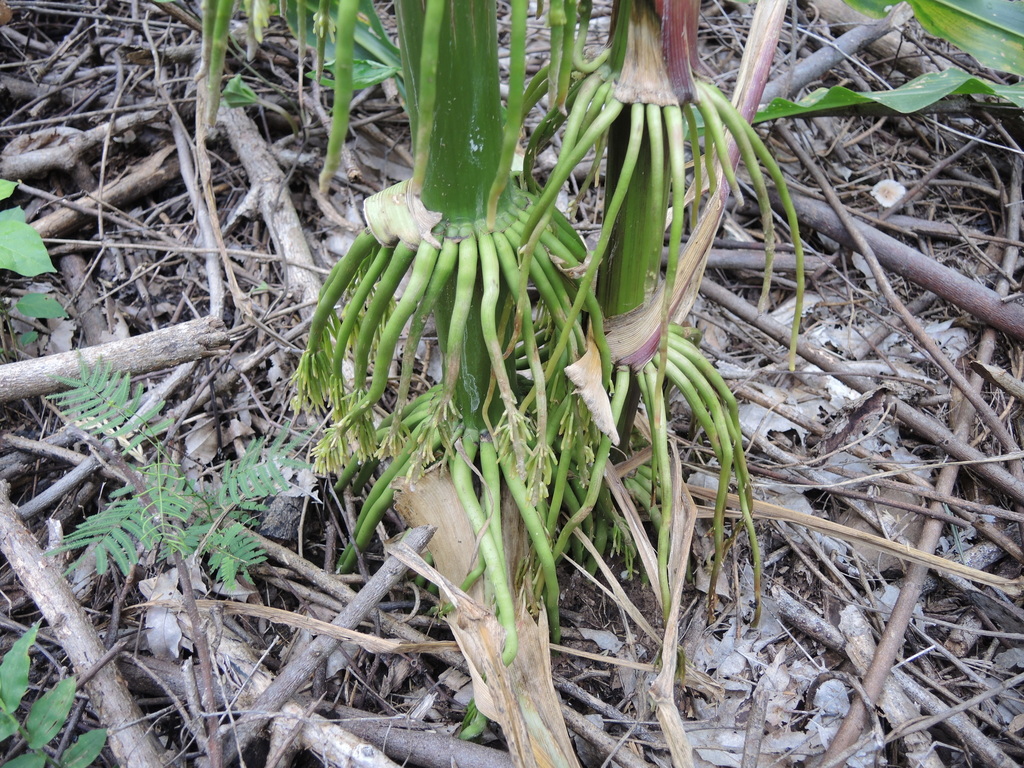
| Plants blown flat after a storm | Lodging. Shallow roots on tall plants in loose soil or too much nitrogen | Earth up soil around the stem bases when plants are knee-high; the brace roots will re-anchor them |
| Orange-brown powdery pustules on leaves | Common rust (Puccinia sorghi), worst in humid weather | Improve spacing and airflow, remove worst leaves, and choose rust-resistant varieties next season |
| Stunted, purple-tinged seedlings | Cold soil limiting phosphorus uptake | Wait for soil to reach 16°C before sowing; plants usually grow out of it once warmth arrives |
Know exactly when the cobs are ready
Sodate tracks days from silking and your local heat accumulation, so you pick at peak sugar instead of guessing and getting a starchy cob.
Seasonal care#
Varieties & cultivars#
| Variety | Distinguishing trait | Note |
|---|---|---|
| 'Golden Bantam' | Classic open-pollinated yellow sweetcorn, ~80 days | Heirloom, saveable seed |
| 'Sugar Buns' (se type) | Tender sugary-enhanced kernels, ~70 days | Good flavour, short storage |
| 'Honey & Cream' (bicolour) | Mixed yellow and white kernels | Popular home-garden pick |
| 'Swift' / supersweet (sh2) | Very high sugar, holds sweetness for days | Must be isolated from other corn types or kernels turn starchy |
| Popcorn / flint types | Hard kernels dried on the plant | Needs a long season and full drying before storage |
Buying checklist#
- Buy enough seed for a block of at least 16 plants, not a single row
- Check the sweetness type on the packet (normal, se, or supersweet sh2)
- Supersweet types must be isolated at least 8m or two weeks in flowering time from other corn
- Choose a days-to-maturity number that fits your frost-free window
- Prefer treated or vigorous seed if your spring soils are cold and wet
Pricing by region#
| Region | Price range | Typical unit | Basis |
|---|---|---|---|
| US | $2 – $5 | Seed packet (~50-100 seeds) | Seed catalogue + garden centre |
| UK | $2 – $5 | Seed packet (~40 seeds) | Garden centre retail |
| India | $0.4 – $1.2 | Seed packet (~50 seeds) | Agri supply + local nursery |
| Australia | $3 – $6 | Seed packet (~50 seeds) | Nursery + seed retail |
| Canada | $2 – $5 | Seed packet (~75 seeds) | Garden centre retail |
USD figures are approximate conversions for comparison; switch the dropdown to see each region's actual local-currency listing price.
Often confused with#
Name confusion warning#
"Corn" means different things in different countries. In the US and Australia it means this plant (maize). In the UK and Ireland, "corn" historically meant whatever the local staple grain was, usually wheat or oats, so British seed catalogues list this crop as sweetcorn or maize. In India it is makai or bhutta. If you are ordering internationally, look for Zea mays on the packet.
Where it's actually grown#
Almost all home-garden sweetcorn seed comes from specialist seed companies producing hybrid seed in isolated fields, mainly in the US Midwest, Chile, Hungary and India, since corn cross-pollinates freely on the wind and needs large isolation distances to keep a variety true. Seedlings are rarely sold commercially because corn transplants poorly, so nearly every gardener grows it from seed sown straight into the ground.
Import & biosecurity restrictions#
| Region | Note |
|---|---|
| Australia | Maize seed imports require an import permit and phytosanitary certificate; domestic seed packets are freely sold. |
| US | Domestic sale unrestricted; imported seed may need a USDA small-lots-of-seed permit. |
| UK | Home-garden seed packets sold freely; commercial imports require phytosanitary documentation. |
| India | Widely grown domestically; imported hybrid maize seed is regulated and needs customs clearance. |
| Canada | CFIA rules apply to commercial seed lots; home-garden packets normally clear without issue. |
Similar plants
Ranked in these guides
Did you know?
Frequently asked questions
Why does my corn have missing kernels?
Incomplete pollination. Corn is wind-pollinated, and a single row lets pollen blow past instead of landing on the silks. Always plant in a block of at least four rows by four rows, and hand-shake the tassels over the silks on still mornings if you need to rescue a small planting.
How many cobs does one corn plant produce?
Only one or two. That low yield per plant is why corn takes more garden space per meal than almost any other vegetable, and why 12-16 plants is a realistic minimum.
When should I sow sweetcorn?
In the northern hemisphere, direct sow from late April to June once soil reaches 16°C. In the southern hemisphere, sow from late September to December. Corn germinates badly in cold, wet soil, so waiting for warmth beats sowing early.
Is corn toxic to cats or dogs?
The plant and kernels are non-toxic. However, a whole cob is a genuine hazard for dogs, since it does not break down and can cause an intestinal blockage that needs surgery. Dispose of cobs where dogs cannot reach them.
How do I know when sweetcorn is ready to pick?
The silks turn brown and dry, the cob feels plump right to the tip, and a kernel pierced with a thumbnail releases milky juice. Clear juice means it is too early, doughy paste means you left it too long.