 Sodate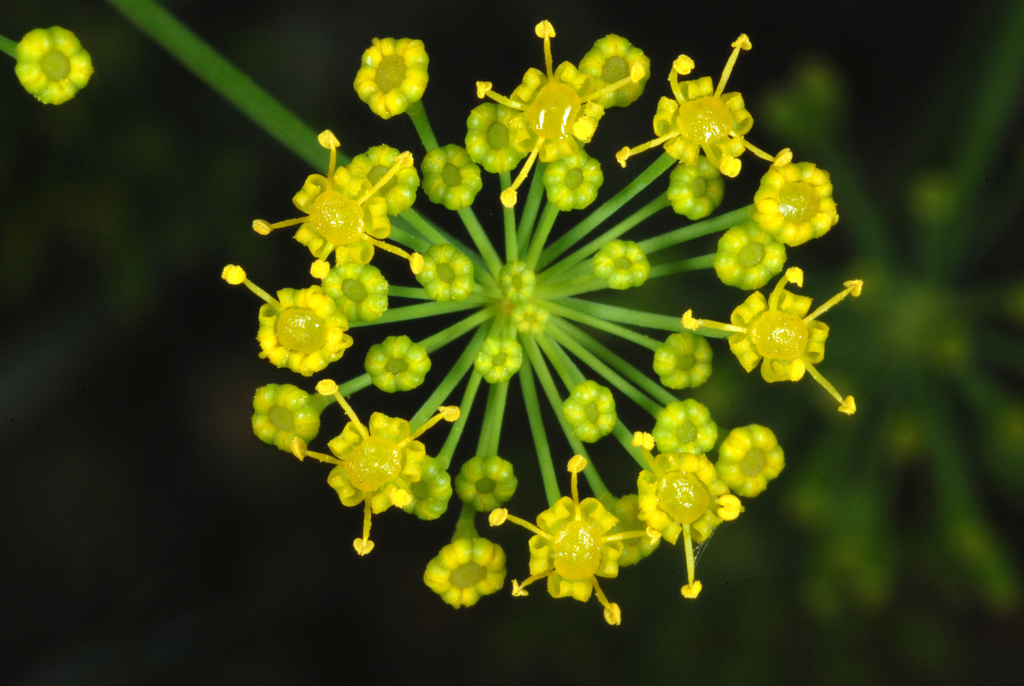
On this page
Dill is a beginner-friendly annual herb, but it must be direct-sown: the taproot means transplanted seedlings bolt straight to seed. Sow every three weeks from spring for a continuous leaf supply, in full sun and free-draining soil. It bolts in heat, so treat that as normal and keep sowing. Non-toxic to cats, dogs and people. Black-and-green striped caterpillars on it are swallowtail butterfly larvae, which is a reason to plant extra rather than a pest problem. Seed packets cost $2-$5.
Key facts
- Direct-sow only. Dill forms a long taproot and transplanted seedlings check badly and bolt to seed, so module-raised plants rarely produce much leaf.
- Bolts quickly in heat and long days, which is not a failure but its life cycle. Succession sowing every three weeks is the standard way to keep leaf coming.
- Non-toxic to cats, dogs, horses and people.
- Striped green, black and yellow caterpillars on dill are black swallowtail (or, in Europe, common swallowtail) larvae. Dill is one of their main host plants. Plant a spare row for them rather than treating them as a pest.
Care requirements#
| Plant type | Hardy annual culinary herb; self-sows readily |
| Growing medium | Light, free-draining soil of moderate fertility; deep enough for a taproot |
| Light needs | Full sun, at least 6 hours; light shade in very hot climates delays bolting |
| Water frequency | Water when the top 2-3cm dries; keep steady moisture as drought triggers early bolting |
| Sowing method | Direct sow 1cm deep where plants are to grow; thin to 15-20cm apart. Do not start in modules. |
| Hardiness zone (USDA) | Grown as an annual in zones 2-11; frost kills the top growth |
| Hardiness zone (RHS) | H3 as a plant, but grown as an annual and resown each year |
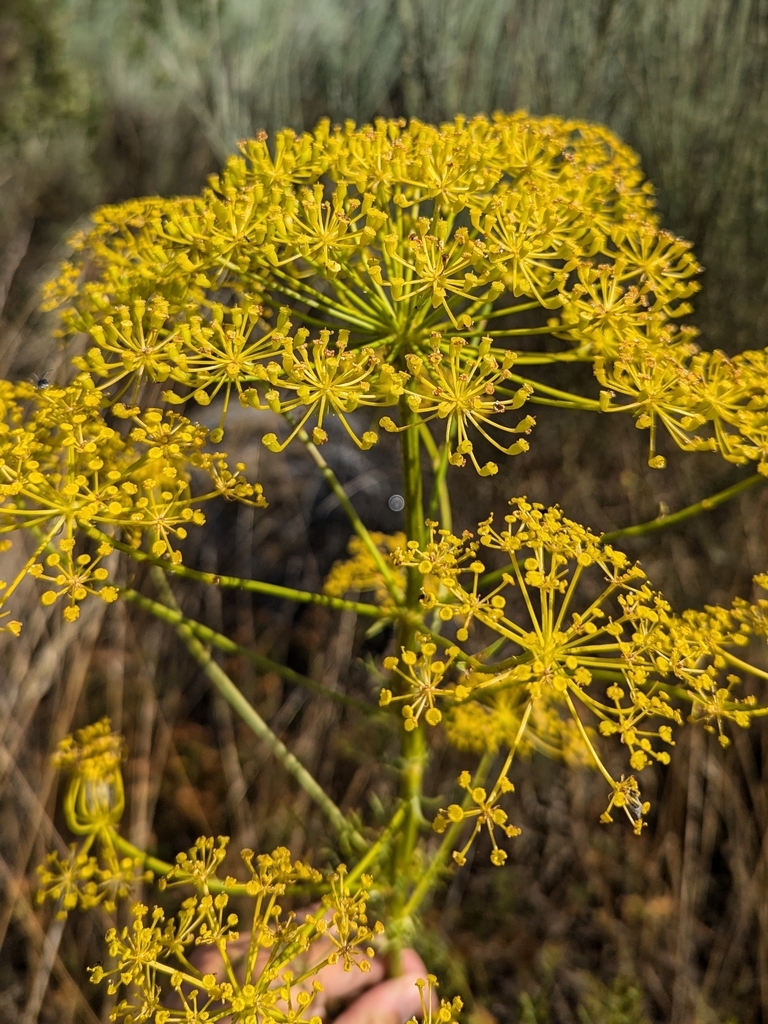
| Bloom season | Yellow umbels in midsummer, followed by seed; flowers attract hoverflies and parasitic wasps |
| Temperature range | 15-25°C (60-77°F); bolts fast above 27°C |
| Fertilizer | Little needed; rich soil produces soft floppy growth with less flavour |
| Soil pH | 5.5-6.5 (slightly acidic) |
| Toxicity | Non-toxic to cats, dogs, horses and humans |
Growth & propagation#
| Mature size | 60-120cm tall; dwarf cultivars such as 'Fernleaf' stay at 45cm |
| Growth rate | Fast: first leaf harvest about 6-8 weeks from sowing |
| Propagation methods | Seed only, sown direct; self-sown seedlings appear reliably the following spring |
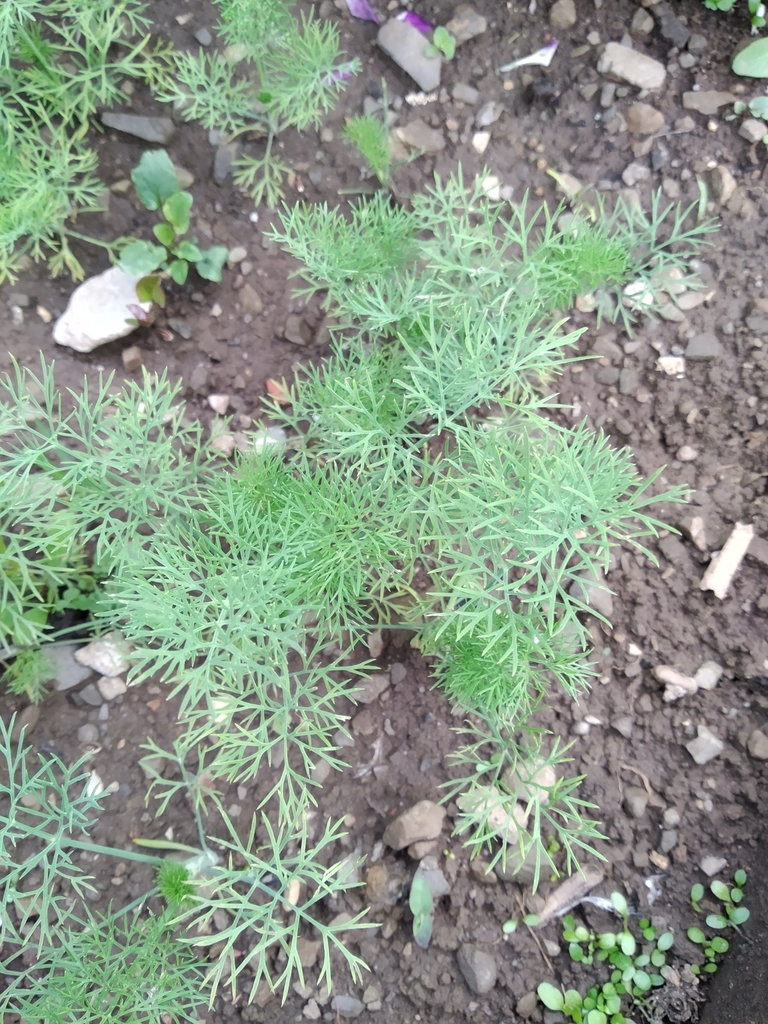
| Propagation difficulty | Beginner-friendly, provided you resist the urge to start it in trays |
| Repotting schedule | Not repotted. For containers, sow directly into a pot at least 30cm deep to fit the taproot. |
| Pruning timing | Harvest outer leaves from about 20cm tall, taking no more than a third at a time. Pinch out flower heads as they form to delay bolting and extend the leaf harvest, or let some flower for pollinators and seed. Once it flowers, leaf production essentially stops. |
Common problems & troubleshooting#
| Symptom | Likely cause | Fix |
|---|---|---|
| Plants bolt to flower within weeks of sowing | Heat, long days, transplant shock, or drought stress | Sow directly rather than transplanting, keep soil evenly moist, and sow a fresh batch every three weeks |
| Seedlings sown in modules never thrive after planting out | Taproot damage during transplanting | Always sow direct into the ground or the final container; if you must use pots, use deep root trainers and plant out very young |
| Striped caterpillars eating the foliage | Swallowtail butterfly larvae. Dill is a host plant | Leave them. Plant a spare row so you can share, or move caterpillars onto the sacrificial plants. |
| Plants flop over in wind | Tall growth in exposed sites, or over-rich soil | Sow in blocks so plants support each other, grow a dwarf cultivar, and avoid heavy feeding |
A sowing every three weeks, without remembering
Sodate keeps the succession going from your last frost date so you never run out of dill mid-season.
Seasonal care#
Varieties & cultivars#
| Variety | Distinguishing trait | Note |
|---|---|---|
| 'Fernleaf' | Dwarf, 45cm, slow to bolt | The best choice for containers and small beds |
| 'Bouquet' | Large seed heads, strong flavour | The standard for pickling and seed production |
| 'Dukat' | High leaf yield, slower bolting, sweet flavour | Grown mainly for fresh leaf |
| 'Mammoth' | Tall, 120cm, heavy seed yield | Traditional pickling dill; needs shelter or blocks for support |
Buying checklist#
- Buy seed rather than plants. Potted dill transplants poorly and often bolts within weeks
- Check the packet date, as dill seed loses viability after about three years
- Choose a dwarf cultivar for pots and a tall one for pickling seed
- If buying a pot anyway, choose the youngest, smallest plant available
Pricing by region#
| Region | Price range | Typical unit | Basis |
|---|---|---|---|
| US | $2 – $5 | seed packet | Garden centre + mail-order seed |
| UK | $2 – $5 | seed packet | Garden centre seed retail |
| India | $1 – $2 | seed packet | Seed shop retail (sold as sowa/suva) |
| Australia | $2 – $6 | seed packet | Nursery seed retail |
| Canada | $2 – $5 | seed packet | Garden centre seed retail |
USD figures are approximate conversions for comparison; switch the dropdown to see each region's actual local-currency listing price.
Often confused with#
Name confusion warning#
Dill belongs to the carrot family (Apiaceae), which also contains the deadly hemlocks. Only ever eat dill you have grown from labelled seed, never a wild lookalike.
Where it's actually grown#
Dill seed is produced commercially in India, Egypt, Hungary, Pakistan and the US Pacific Northwest. India grows very large volumes as sowa or suva, both for culinary seed and for essential oil extraction.
Import & biosecurity restrictions#
| Region | Note |
|---|---|
| Australia | Seed imports permitted under standard conditions; widely available domestically. |
| US | Unrestricted; a standard kitchen-garden herb and a commercial crop for pickling. |
| UK | No restriction; commonly grown as a summer annual, best sown after the soil warms. |
| India | No restriction; grown widely as sowa or suva, both as a leaf vegetable and for seed. |
| Canada | No restriction; a short but productive summer crop across the prairies and eastern provinces. |
Similar plants
Ranked in these guides
Did you know?
Frequently asked questions
Can I transplant dill seedlings?
Not successfully. Dill forms a long taproot and transplanted seedlings check badly and usually bolt to seed instead of producing leaf. Always sow directly where the plants are to grow, or into their final deep container.
Is dill safe for cats and dogs?
Yes. Dill is non-toxic to cats, dogs, horses and people, which makes it a safe herb for beds that pets have access to.
What are the striped caterpillars on my dill?
Swallowtail butterfly larvae. Dill is one of their preferred host plants, so their presence is a sign of a healthy garden rather than an infestation. Plant a spare row and let them feed on it.
Why does my dill flower so quickly?
Bolting is triggered by heat, long summer days, drought and transplant shock. It is normal behaviour, not a fault. Pinch out flower heads to buy time and sow a fresh batch every three weeks.
How much does dill cost?
A seed packet costs about $2-$5 in the US and £1.50-£4 in the UK, which will sow several successions across a season.