 Sodate
Home / Guides / Cold-hardy outdoor plants
Best Cold-Hardy Outdoor Plants: 11 Ranked (2026)
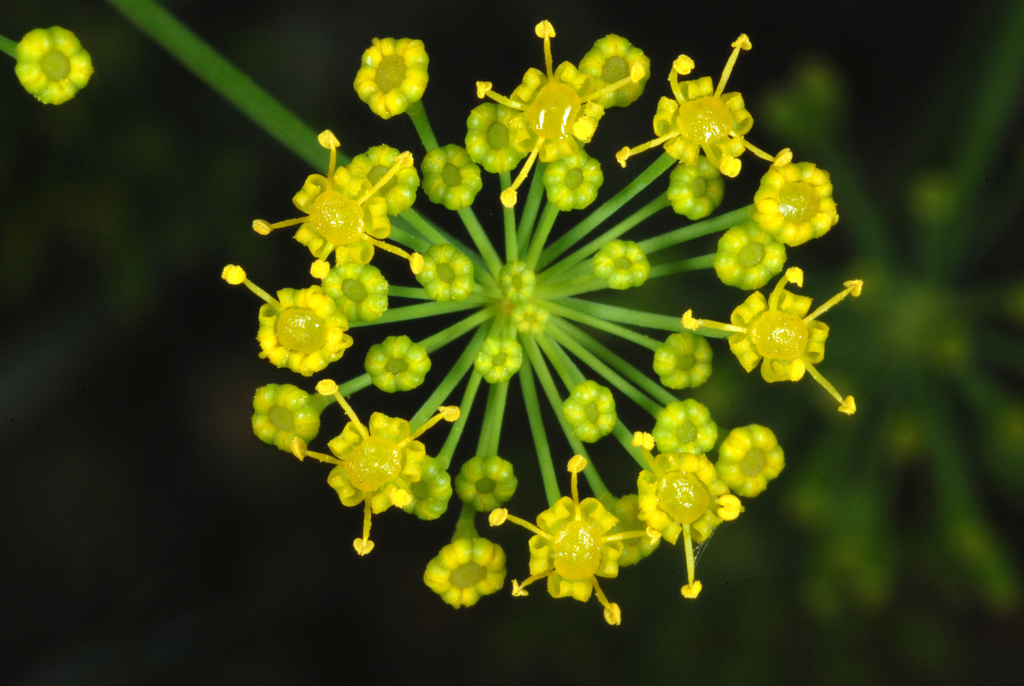
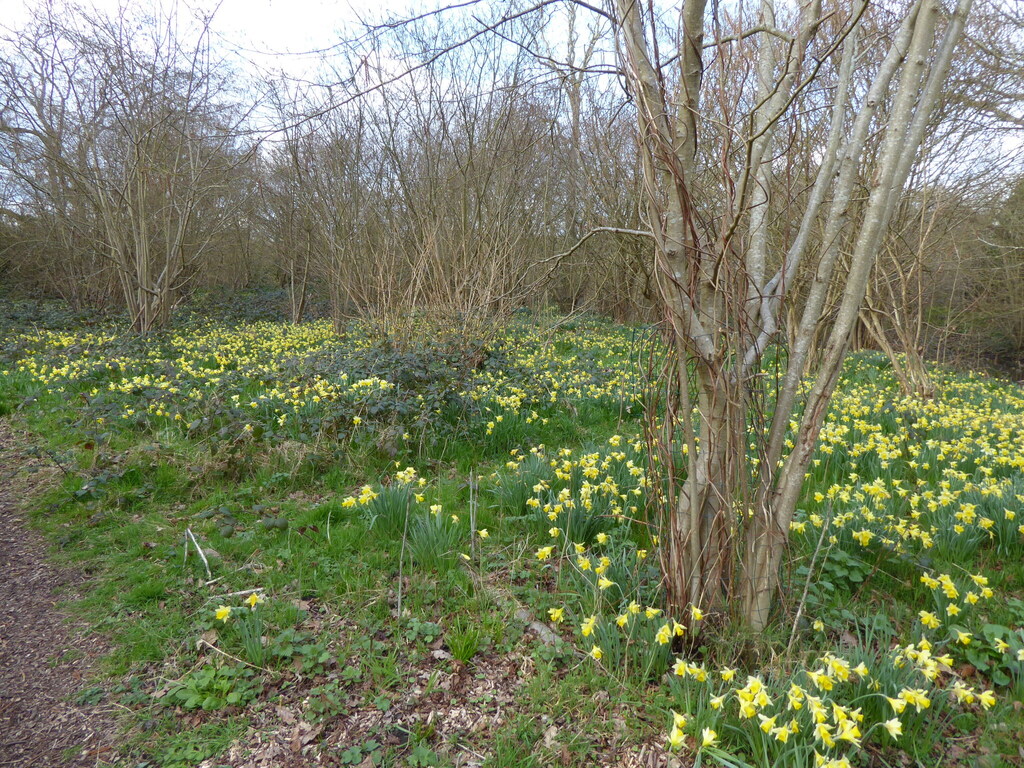
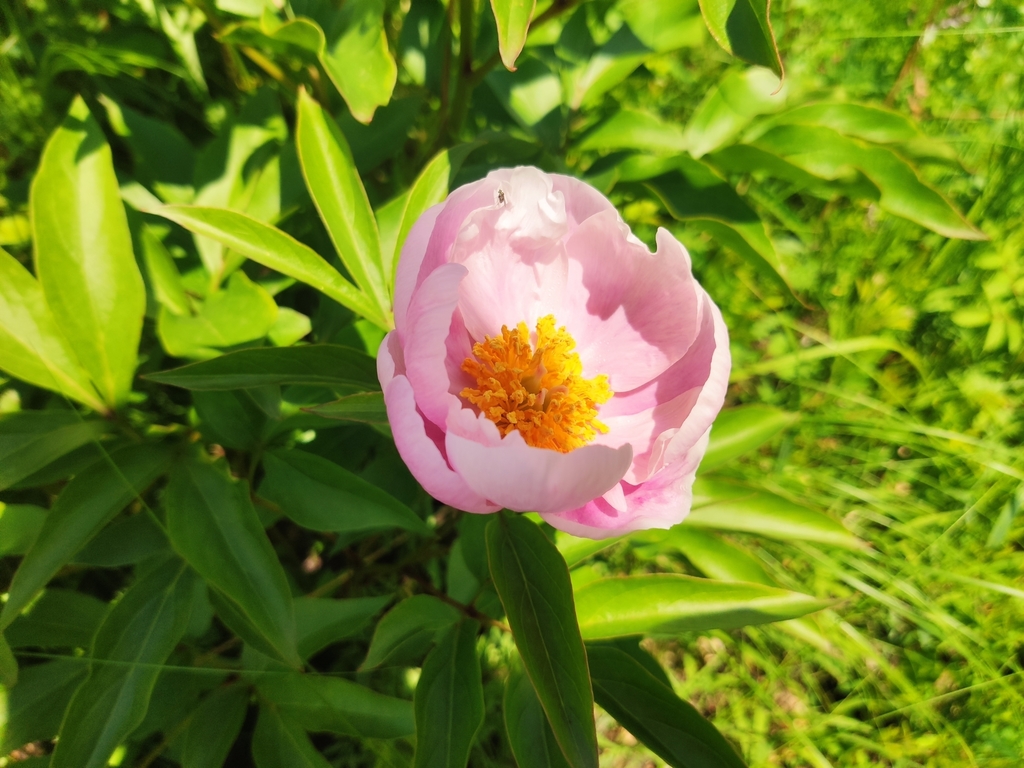
The best cold-hardy outdoor plants are Dill, Daffodil, Peony. Sodate ranked 11 qualifying plants from a database of 208 profiles on a published 100-point rubric weighted to cold hardiness (40), care difficulty (25), pet safety (20) and cost (15). Dill scores 100/100, the highest in this group.
Dill, Daffodil, Peony lead this ranking of cold-hardy outdoor plants. Entry requires scored from the USDA zone range on each profile, with full marks for plants hardy to zone 4 or below. 4 of the 11 listed are non-toxic to cats and dogs. Every score is computed from the same four measures, cold hardiness, care difficulty, pet safety and cost, and the rubric is published below so you can recompute any ranking yourself.
Why trust this list
Hardiness zones are the one plant statistic with a real, testable definition: the average annual minimum temperature a plant survives. They are also routinely omitted from retail listings, which is how people buy a plant that cannot survive their winter. Every score here comes from the zone range on the plant's own profile. Zones describe cold only, so they say nothing about whether a plant will cope with your summer heat or rainfall. These are garden and edible-crop profiles, so the binding constraints are your hardiness zone, your season and your soil rather than your window aspect. Every profile states a zone range and a spacing figure, and both matter more outdoors than any ranking on this page.
At a glance: all 11 ranked
| Rank | Plant | Best for | Score | Cold hardiness | Pet safety | US price |
|---|---|---|---|---|---|---|
| #1 | Dill | Cold winters, left in the ground, in a home with pets | 100 | Hardy to zone 4 | Pet-safe | $2–$5 |
| #2 | Daffodil | Cold winters, left in the ground, if you forget to water | 88 | Hardy to zone 4 | Toxic | $1–$2 |
| #3 | Peony | Cold winters, left in the ground, if you forget to water | 85 | Hardy to zone 4 | Toxic | $15–$40 |
| #4 | Snapdragon | Mild winters: pet-safe and beginner-friendly | 85 | Hardy to zone 7 | Pet-safe | $2–$8 |
| #5 | Tulip | Cold winters, left in the ground | 78 | Hardy to zone 4 | Toxic | $1–$2 |
| #6 | Clematis | Cold winters, left in the ground | 75 | Hardy to zone 4 | Toxic | $15–$45 |
| #7 | Climbing Rose | Mild winters, in a home with pets | 72 | Hardy to zone 7 | Pet-safe | $20–$60 |
| #8 | Boxwood | Mild winters: forgiving of mistakes | 70 | Hardy to zone 7 | Toxic | $15–$60 |
| #9 | Azalea | Mild winters | 60 | Hardy to zone 7 | Toxic | $20–$60 |
| #10 | Camellia | Mild winters, in a home with pets | 58 | Hardy to zone 7 | Pet-safe | $25–$70 |
| #11 | Chrysanthemum | Mild winters | 53 | Hardy to zone 7 | Toxic | $6–$20 |
How we scored these
Every plant is scored out of 100 on four measures, each pulled directly from its care profile. No score is assigned by hand, so the ranking can be reproduced from the data:
Ties are broken alphabetically. Prices are researched typical retail ranges, not live quotes. Check each plant's profile for the regional breakdown.
All 11 cold-hardy outdoor plants, ranked
Dill
Suva
Best for: Cold winters, left in the ground, in a home with pets
Elite tier: top-scoring on every measure
✓ Strong signal Light tolerance: Full sun, at least 6 hours; light shade in very hot climates delays bolting
⚠ Watch out for Plants bolt to flower within weeks of sowing: usually heat, long days, transplant shock, or drought stress
Our take Dill is a beginner-friendly annual herb, but it must be direct-sown: the taproot means transplanted seedlings bolt straight to seed. Sow every three weeks from spring for a continuous leaf supply, in full sun and free-draining soil.
Strengths
- Survives hard winters without protection
- Non-toxic to cats and dogs
- Beginner-friendly and forgiving of missed waterings
Trade-offs
- Watch for: plants bolt to flower within weeks of sowing
Care details
| Light | Full sun, at least 6 hours; light shade in very hot climates delays bolting |
| Water | Water when the top 2-3cm dries; keep steady moisture as drought triggers early bolting |
| Humidity | : |
| Temperature | 15-25°C (60-77°F); bolts fast above 27°C |
| Toxicity | Non-toxic to cats, dogs, horses and humans |
| US price | $2–$5 |
Daffodil
Narcissus pseudonarcissus
Best for: Cold winters, left in the ground, if you forget to water
Elite tier: top-scoring on every measure
✓ Strong signal Light tolerance: Full sun to light shade; happy under deciduous trees that leaf out after flowering
⚠ Watch out for Healthy leaves but no flowers (blindness): usually congested clumps, foliage cut too early, or too much shade
Our take Daffodils are among the most forgiving bulbs you can plant: hardy in USDA zones 3-8 (RHS H6), they naturalise in grass and come back for decades with no feeding or lifting. Plant in early to mid autumn, 10-15cm deep and twice the bulb's width apart, in sun or light shade.
Strengths
- Survives hard winters without protection
- Beginner-friendly and forgiving of missed waterings
- Inexpensive to start ($1–$2 in the US)
Trade-offs
- Toxic to pets if chewed
- Watch for: healthy leaves but no flowers (blindness)
Care details
| Light | Full sun to light shade; happy under deciduous trees that leaf out after flowering |
| Water | Rain is usually enough; water only during a dry spring while in growth |
| Humidity | : |
| Temperature | : |
| Toxicity | Highly toxic to cats, dogs, horses and humans. Bulbs are the most concentrated part and have been mistaken for onions. Store them away from food. |
| US price | $1–$2 |
Peony
Garden peony
Best for: Cold winters, left in the ground, if you forget to water
Elite tier: top-scoring on every measure
✓ Strong signal Light tolerance: Full sun, at least 6 hours; light afternoon shade is acceptable in hot regions
⚠ Watch out for Healthy leaves but no flowers: usually planted too deep, the single most common cause, or too much shade, too much nitrogen, or a clump moved too recently
Our take Peonies are forgiving once planted and famously long-lived, often flowering for fifty years or more from a single planting. The one thing to get right is depth: set the eyes just 3-5cm below the surface, because planting too deep is the main reason a peony grows leaves and never
Strengths
- Survives hard winters without protection
- Beginner-friendly and forgiving of missed waterings
- Inexpensive to start ($15–$40 in the US)
Trade-offs
- Toxic to pets if chewed
- Watch for: healthy leaves but no flowers
Care details
| Light | Full sun, at least 6 hours; light afternoon shade is acceptable in hot regions |
| Water | Deep watering weekly in dry weather during spring growth and flowering; drought-tolerant once established |
| Humidity | : |
| Temperature | : |
| Toxicity | Mildly toxic to cats and dogs; paeonol in the roots and bark causes vomiting and diarrhoea if eaten in quantity |
| US price | $15–$40 |
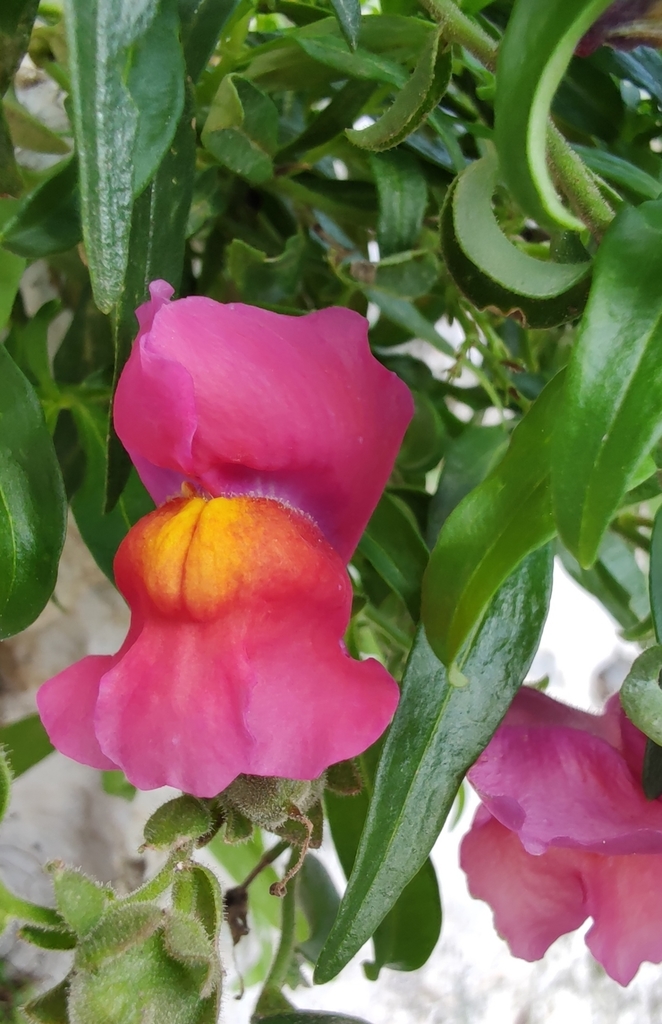
Snapdragon
Dragon flower
Best for: Mild winters: pet-safe and beginner-friendly
Elite tier: top-scoring on every measure
✓ Strong signal Non-toxic to cats and dogs. Verified per species, not assumed from its family
⚠ Watch out for Orange-brown pustules on leaves and stems: usually snapdragon rust, encouraged by overhead watering and crowding
Our take Snapdragon is a forgiving cool-season annual that flowers hardest in spring and autumn and stalls in midsummer heat. Grow it in full sun and free-draining soil, pinch the tips at 10cm for more spikes, and cut spent spikes right down to a lower leaf pair to trigger a second flush.
Strengths
- Hardy in mild winters
- Non-toxic to cats and dogs
- Beginner-friendly and forgiving of missed waterings
Trade-offs
- Watch for: orange-brown pustules on leaves and stems
Care details
| Light | Full sun; tolerates light afternoon shade in hot climates |
| Water | Water when the top 2-3cm dries; avoid wetting the foliage to reduce rust |
| Humidity | : |
| Temperature | 10-24°C (50-75°F) is ideal; bud set stalls above 27°C (80°F) |
| Toxicity | Non-toxic to cats, dogs, horses and humans |
| US price | $2–$8 |
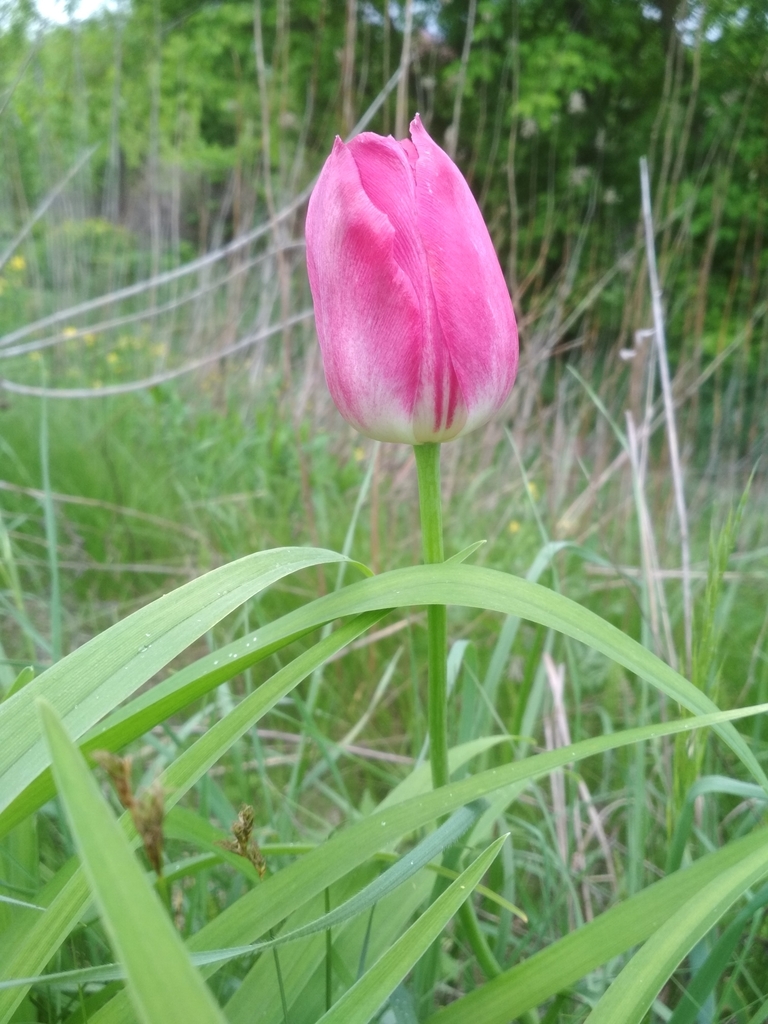
Tulip
Tulipa gesneriana
Best for: Cold winters, left in the ground
Strong pick: one clear trade-off
✓ Strong signal Light tolerance: Full sun; part shade is tolerated but stems stretch
⚠ Watch out for Leaves but no flowers in the second year: usually insufficient winter chill, foliage cut too early last season, or the bulb has split into small offsets
Our take Tulips are autumn-planted bulbs that need 12-16 weeks below about 7°C to flower, so they are reliably perennial only in USDA zones 3-7 (RHS H6). Plant bulbs 15-20cm deep and 10-15cm apart, pointed end up, in free-draining soil and full sun.
Strengths
- Survives hard winters without protection
- Inexpensive to start ($1–$2 in the US)
Trade-offs
- Toxic to pets if chewed
- Watch for: leaves but no flowers in the second year
Care details
| Light | Full sun; part shade is tolerated but stems stretch |
| Water | Water in after planting, then leave alone; bulbs rot in wet summer soil |
| Humidity | : |
| Temperature | : |
| Toxicity | Bulbs are toxic to cats and dogs (tulipalin A and B); cause vomiting, drooling and, in quantity, heart and breathing problems |
| US price | $1–$2 |
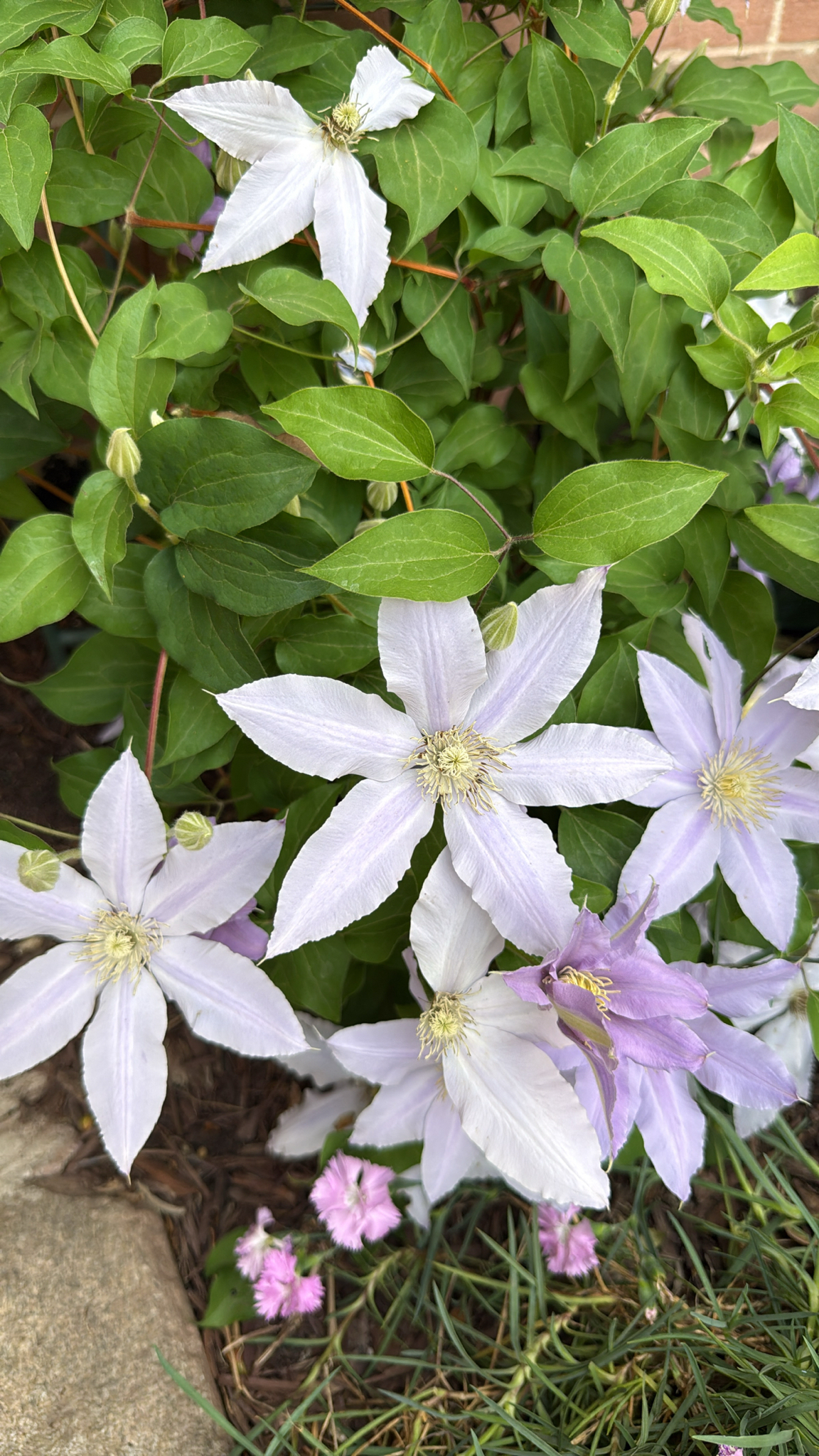
Clematis
Traveller's joy
Best for: Cold winters, left in the ground
Strong pick: one clear trade-off
✓ Strong signal Light tolerance: Top growth in full sun to part shade; root zone shaded and cool
⚠ Watch out for A healthy stem suddenly wilts and blackens from the top down: usually clematis wilt, a fungal disease affecting large-flowered hybrids
Our take Clematis is a hardy climber (USDA zones 4-9, RHS H5-H6) whose care comes down to knowing its pruning group. Group 1 flowers on old wood and is pruned lightly right after flowering; Group 2 flowers on both and gets a light tidy in late winter; Group 3 flowers on new wood and is cu
Strengths
- Survives hard winters without protection
- Inexpensive to start ($15–$45 in the US)
Trade-offs
- Toxic to pets if chewed
- Watch for: a healthy stem suddenly wilts and blackens from the top down
Care details
| Light | Top growth in full sun to part shade; root zone shaded and cool |
| Water | Deep watering weekly in dry spells; container plants need much more |
| Humidity | : |
| Temperature | : |
| Toxicity | Mildly toxic to cats and dogs (protoanemonin) causing drooling, vomiting and mouth irritation; sap can cause skin blistering, so wear gloves when pruning |
| US price | $15–$45 |
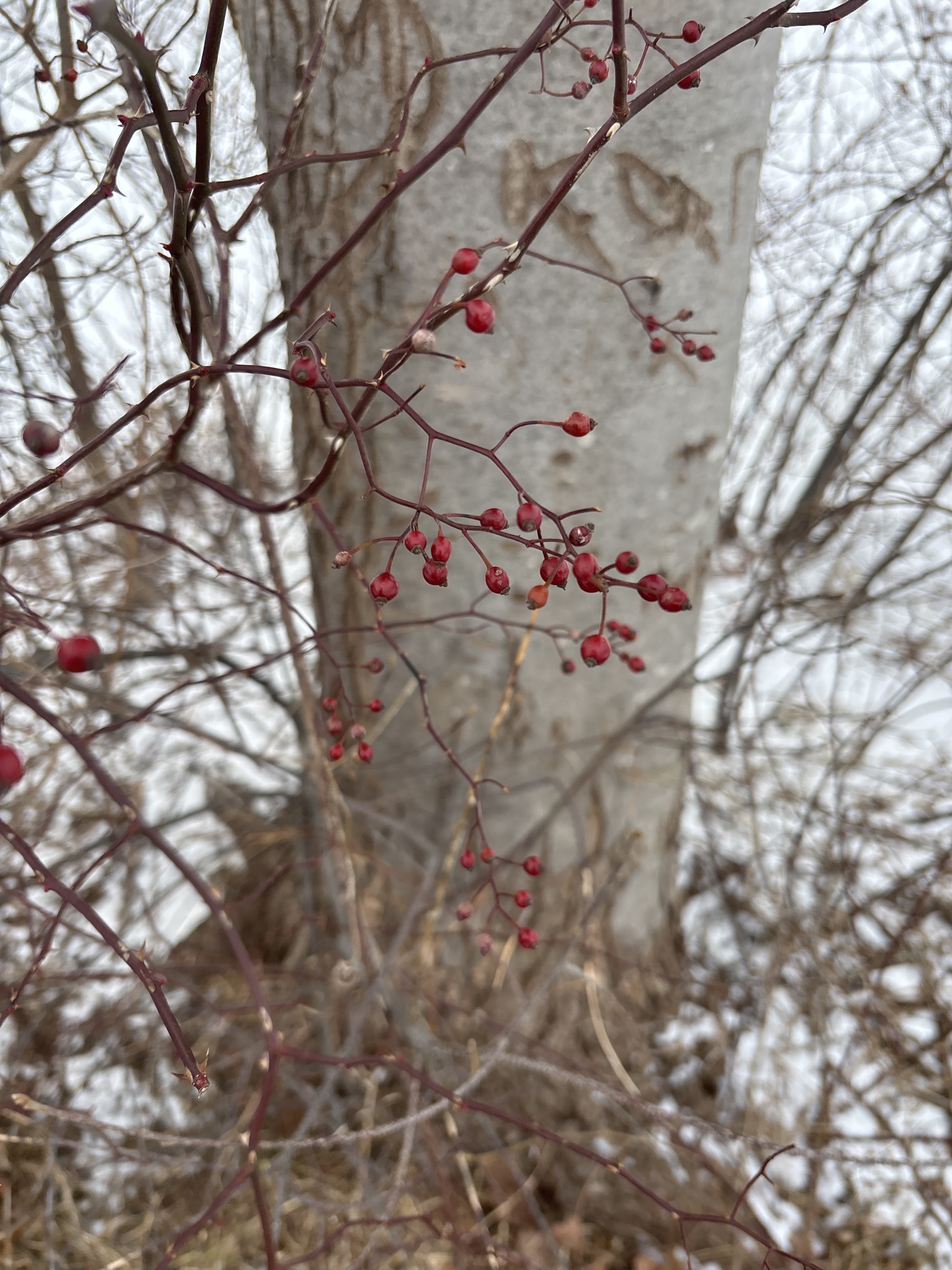
Climbing Rose
Rosa (climbing cultivars)
Best for: Mild winters, in a home with pets
Strong pick: one clear trade-off
✓ Strong signal Non-toxic to cats and dogs. Verified per species, not assumed from its family
⚠ Watch out for Flowers only at the top of tall bare canes: usually canes trained vertically
Our take Climbing roses are hardy in USDA zones 5-9 (RHS H6) and need full sun, rich soil and something to be tied onto. Pruning timing depends on the type: once-blooming climbers and ramblers flower on old wood and are pruned straight after flowering in summer, while repeat-blooming clim
Strengths
- Hardy in mild winters
- Non-toxic to cats and dogs
- Inexpensive to start ($20–$60 in the US)
Trade-offs
- Watch for: flowers only at the top of tall bare canes
Care details
| Light | Full sun, at least 6 hours; some varieties tolerate a north wall but flower less |
| Water | Deep soak weekly in dry weather, especially against walls where soil dries fast |
| Humidity | : |
| Temperature | : |
| Toxicity | Non-toxic to cats, dogs and horses; thorns are the main hazard |
| US price | $20–$60 |
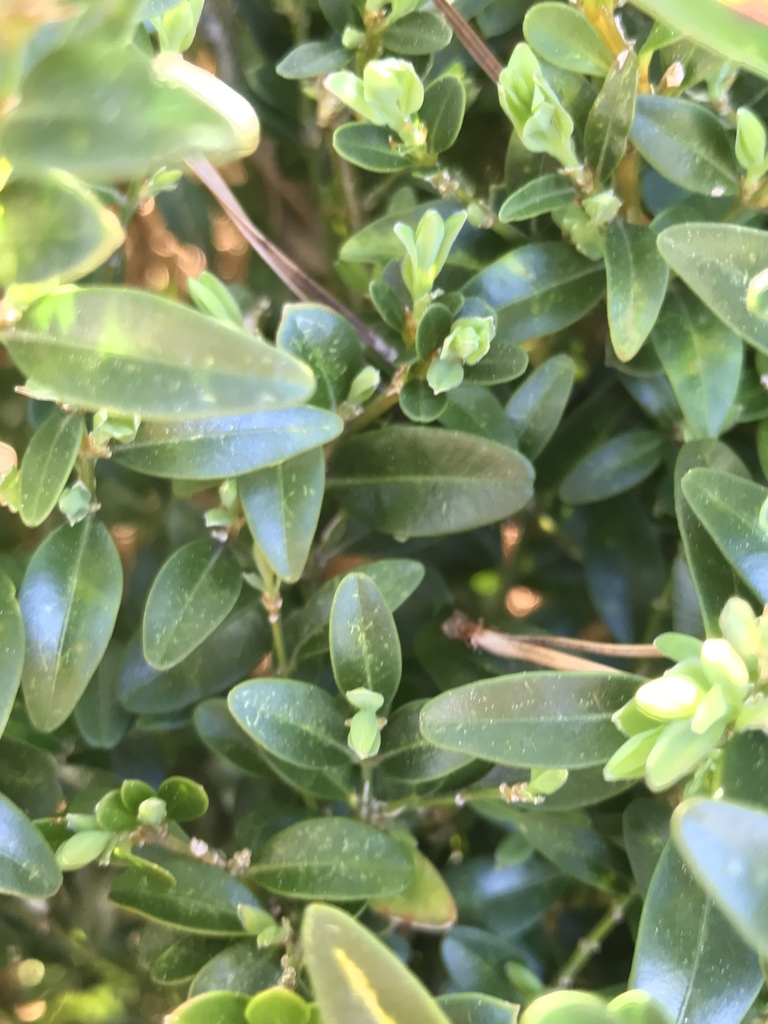
Boxwood
Buxus
Best for: Mild winters: forgiving of mistakes
Strong pick: one clear trade-off
✓ Strong signal Care difficulty: Beginner-friendly, but plants take 3-4 years to reach usable hedging size
⚠ Watch out for Bare brown patches, black streaks on stems, leaves dropping: usually box blight
Our take Boxwood is a slow, tough evergreen for hedges and topiary, hardy in USDA zones 5-9 (RHS H6) and happy in sun or shade. Clip in early summer once the first flush has hardened, and give a second light trim in late summer; clipping in frost or hot midday sun scorches the cut leaves.
Strengths
- Hardy in mild winters
- Beginner-friendly and forgiving of missed waterings
- Inexpensive to start ($15–$60 in the US)
Trade-offs
- Toxic to pets if chewed
- Watch for: bare brown patches, black streaks on stems, leaves dropping
Care details
| Light | Full sun to deep shade; one of the few formal evergreens that performs in shade |
| Water | Water new plants weekly for the first two seasons; established hedges only in drought |
| Humidity | : |
| Temperature | Hardy to about -20°C; foliage can bronze in cold drying winds |
| Toxicity | Toxic to cats, dogs, horses and livestock. Contains buxine and related alkaloids causing vomiting, diarrhoea, colic and, in quantity, severe illness. Never dispose of clippings where animals graze. |
| US price | $15–$60 |
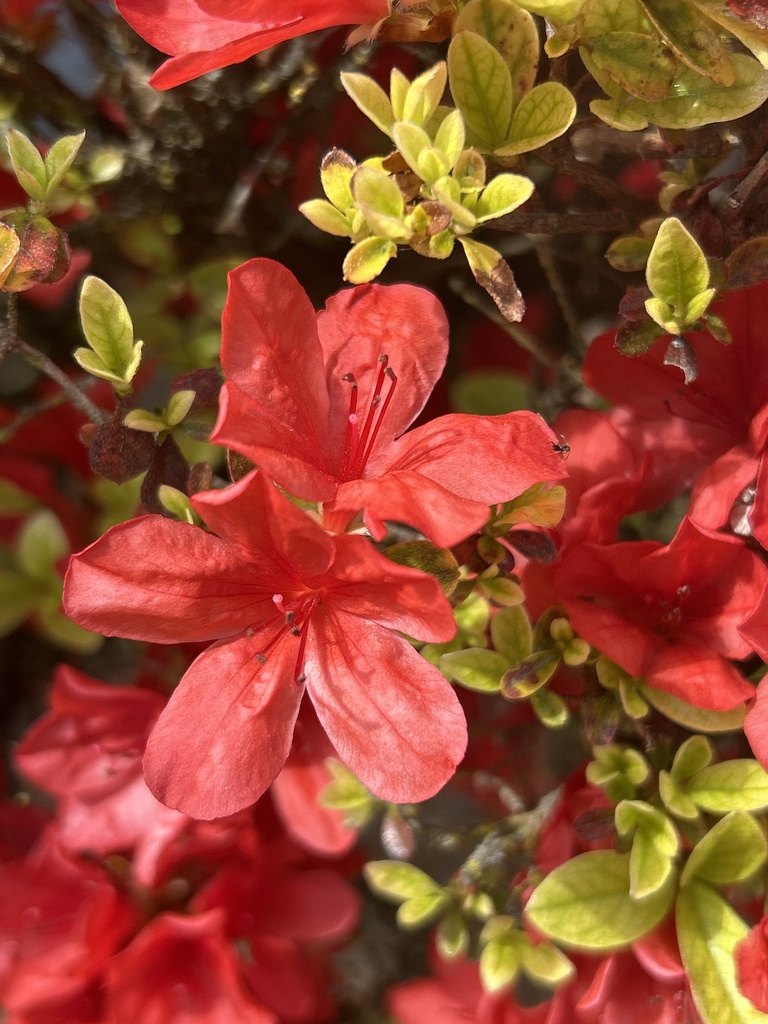
Azalea
Rhododendron indicum
Best for: Mild winters
Situational: works if the trade-offs suit you
✓ Strong signal Care difficulty: Moderate to demanding; cuttings need humidity and bottom heat and can take months
⚠ Watch out for Yellow leaves with green veins: usually lime-induced chlorosis from alkaline soil or hard tap water
Our take Azalea is highly toxic to cats, dogs and horses. The grayanotoxins in every part of the plant cause vomiting, collapse and heart arrhythmias, and can be fatal.
Strengths
- Hardy in mild winters
- Inexpensive to start ($20–$60 in the US)
Trade-offs
- Toxic to pets if chewed
- Watch for: yellow leaves with green veins
Care details
| Light | Dappled shade or morning sun with afternoon shade; hot full sun scorches the leaves |
| Water | Keep evenly moist, especially through summer bud set; use rainwater in hard-water areas |
| Humidity | : |
| Temperature | : |
| Toxicity | HIGHLY TOXIC to cats, dogs and horses. Grayanotoxins in leaves, flowers, nectar and stems cause vomiting, drooling, weakness, collapse and cardiac arrhythmias; ingestion can be fatal and needs immediate veterinary attention. |
| US price | $20–$60 |
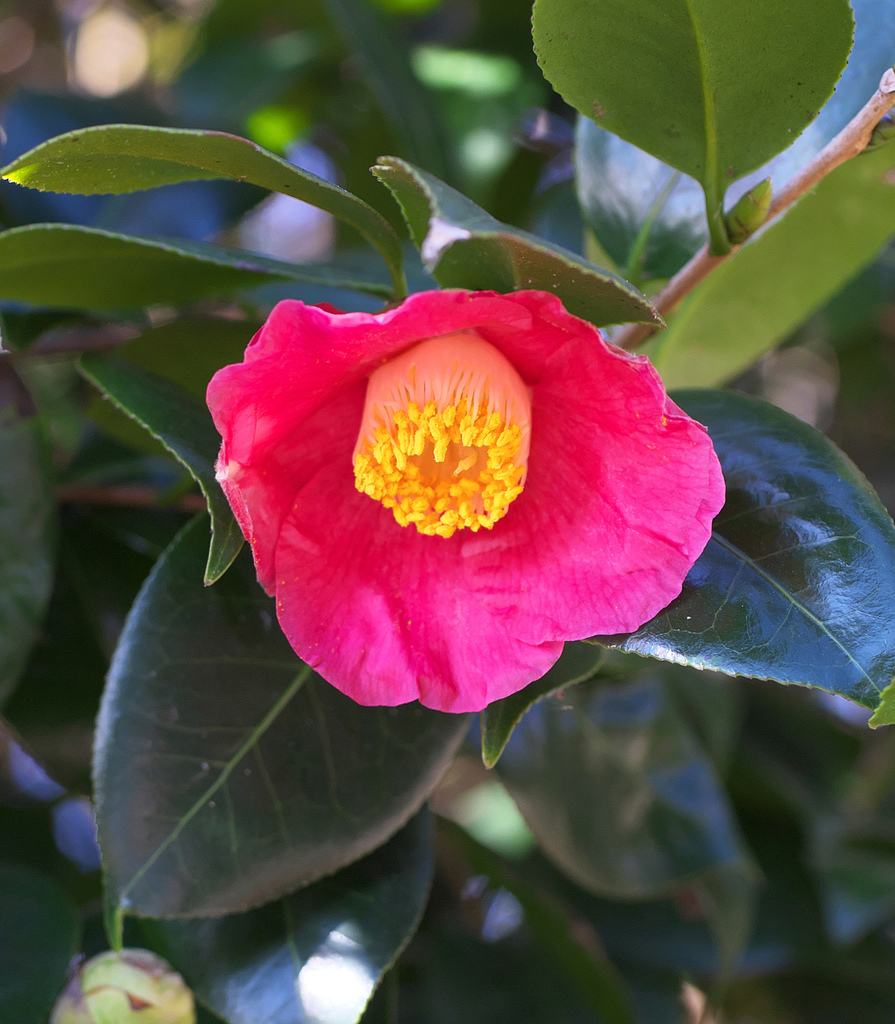
Camellia
Rose of winter
Best for: Mild winters, in a home with pets
Situational: works if the trade-offs suit you
✓ Strong signal Non-toxic to cats and dogs. Verified per species, not assumed from its family
⚠ Watch out for Yellow leaves with green veins: usually lime-induced chlorosis from alkaline soil or hard tap water
Our take Camellia is a demanding shrub with strict requirements: it needs genuinely acidic soil (pH 5.0-6.5) or ericaceous compost, dappled shade, and shelter from early morning sun, which thaws frosted buds too fast and turns them brown. Hardy in USDA zones 7-9 (RHS H5).
Strengths
- Hardy in mild winters
- Non-toxic to cats and dogs
Trade-offs
- Fussier than average: not a starter plant
- Watch for: yellow leaves with green veins
Care details
| Light | Dappled shade or morning shade with afternoon light; avoid direct early morning sun on the buds |
| Water | Keep evenly moist, especially from midsummer to autumn while buds are forming; use rainwater where tap water is hard |
| Humidity | : |
| Temperature | Hardy to about -15°C (5°F) as a plant; open flowers are damaged below -2°C |
| Toxicity | Non-toxic to cats, dogs, horses and humans |
| US price | $25–$70 |
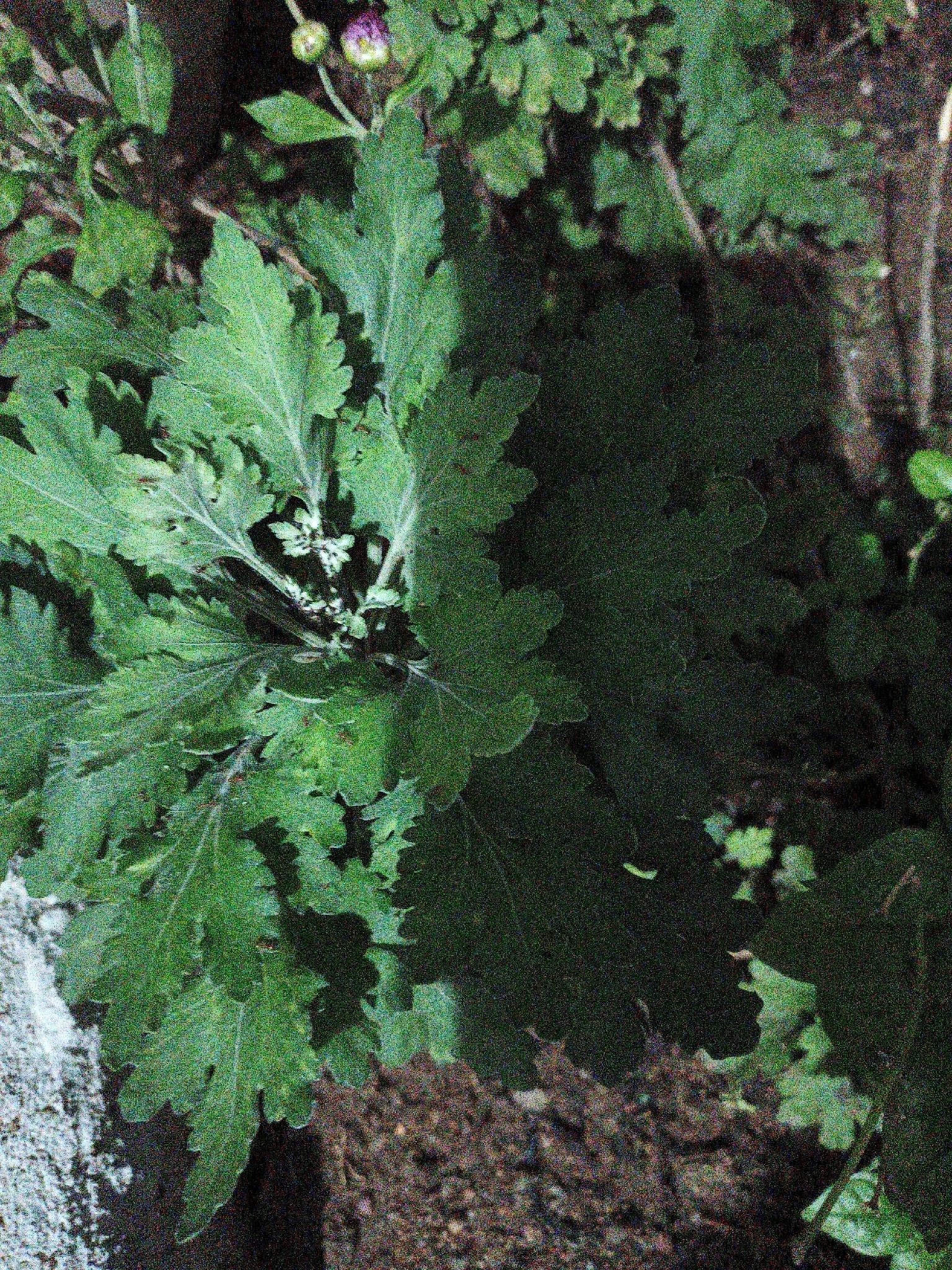
Chrysanthemum
Florist's chrysanthemum
Best for: Mild winters
Niche: only under the right conditions
✓ Strong signal Care difficulty: Beginner-friendly; spring basal cuttings root in 2-3 weeks
⚠ Watch out for Plant grows well but never flowers: usually pinched too late in the season, or exposed to artificial light at night
Our take Garden chrysanthemum is a forgiving autumn perennial, hardy in USDA zones 5-9 (RHS H4-H5), that flowers from late summer to hard frost. It is short-day: buds form only once nights lengthen, so pinch the tips every few weeks until midsummer and then stop completely.
Strengths
- Hardy in mild winters
- Inexpensive to start ($6–$20 in the US)
Trade-offs
- Toxic to pets if chewed
- Fussier than average: not a starter plant
- Watch for: plant grows well but never flowers
Care details
| Light | Full sun, at least 6 hours; keep away from night-time artificial light, which disrupts bud set |
| Water | Keep evenly moist in summer; container plants in flower may need daily watering |
| Humidity | : |
| Temperature | 16-24°C (60-75°F) growing; flowers tolerate light frost, blooms damaged below about -2°C |
| Toxicity | Toxic to cats and dogs (pyrethrins and sesquiterpene lactones); causes vomiting, diarrhoea, drooling, incoordination and contact dermatitis |
| US price | $6–$20 |
Stop guessing whether that corner is bright enough
Sodate measures the actual light where your plant sits and builds its watering schedule from that reading and your season, not a fixed interval. Currently in development.
See Sodate: coming soonWhat to check before buying
- Ask where the plant was grown. Greenhouse-grown stock looks perfect for weeks on stored energy before it shows dim-room stress
- Check leaf spacing on the stem: wide gaps mean it was already stretching for light before you bought it
- Choose plain-green over variegated for genuinely dim spots. Variegated leaves have less chlorophyll and need more light
- Inspect leaf undersides and stem joints for pests, which spread faster on plants stressed by low light
- Confirm pet toxicity yourself if you have cats or dogs, rather than relying on shelf labels
Red flags to walk away from
- Any perennial sold without a zone range. It is the one number that decides whether the plant survives your winter.
- 'Hardy' used as a general word for tough. In this context it means cold-hardy to a specific zone and nothing else.
- Zone ratings quoted from a US source for a UK or Australian garden without conversion. The RHS and USDA scales are not interchangeable.
- Plants sold outside their hardiness range by garden centres that stock nationally. Check the zone on the profile against your own.
Best time to buy
Plant in autumn where winters are mild, so roots establish before spring, or in spring where winters are hard, so the plant has a full season before its first freeze.
Frequently asked questions
What do USDA hardiness zones actually mean?
The average annual minimum winter temperature in an area. A plant rated to zone 5 is expected to survive winters that bottom out around -29 to -23C. It tells you nothing about summer heat, humidity or drainage.
Can I grow a plant one zone outside its rating?
Often, in a sheltered spot, against a wall, or with winter mulch over the roots. It is a real technique and a real gamble, and the risk rises sharply beyond one zone.
Does hardiness matter for container plants?
It matters more. Roots in a pot are exposed to air temperature on all sides rather than insulated by ground, so a container plant is effectively growing a zone or two colder than the same plant in the ground.
Do I need to check my hardiness zone?
Yes, before anything else for a perennial. It is the single number that decides whether a plant survives your winter, and every outdoor profile on this site states a range.
Can these be grown in containers?
Many can, but a container is effectively a colder, drier, smaller root environment. Expect to water far more often and treat the plant as one or two zones less hardy than in open ground.
Limitations of this ranking
Stated plainly, so you can judge how much weight to give it:
- No physical testing. Nothing here was grown, timed or measured by us. Every score is computed from the structured care data on this site, which is compiled from the botanical and horticultural sources listed below.
- Prices are researched ranges, not live quotes. They are typical retail for a standard starter size and will drift. Each plant profile carries the regional breakdown for five countries.
- Scores are relative to this directory, which holds 208 profiles. A plant absent from the directory cannot appear here, so this is not a claim about every plant in existence.
- Care data is species-level. Your light, your water and your home will move any of these plants up or down more than the gap between adjacent ranks.
- No credentialed horticulturist has reviewed this. These pages are compiled and edited against a published rubric and cited sources. Where a claim matters, the source is linked below so you can check it rather than take it on authority. Our review panel page lists every section that has no expert reviewer yet and the credential we require to fill it.
Sources
Of the 208 plant profiles in this directory, 11 meet the entry bar for cold-hardy outdoor plants (5%). 4 of the 11 ranked here are non-toxic to cats and dogs, and the median entry price across the list is $15.
- USDA Plant Hardiness Zone Map. The zone definitions every hardiness score is derived from.
- RHS Hardiness Ratings. UK equivalent ratings, which are not interchangeable with USDA zones.
- ASPCA Toxic and Non-Toxic Plant List. Species-level toxicity to cats and dogs, used for every pet-safety score.
- GBIF (Global Biodiversity Information Facility). Accepted botanical names and taxon identifiers for every profile.
- iNaturalist. Source of the CC-licensed photographs, with photographer and licence credited per image.
- RHS Plant Finder. UK cultivation guidance, hardiness ratings and cultivar naming.
- Missouri Botanical Garden Plant Finder. Cross-checked culture notes, mature size and problem diagnosis.
Editorial disclosure: no plant on this page is sponsored, and Sodate takes no payment, commission or affiliate revenue for placement. Rankings are generated from the data by the scoring code in this site's repository, not chosen by hand. Published , last updated .