 Sodate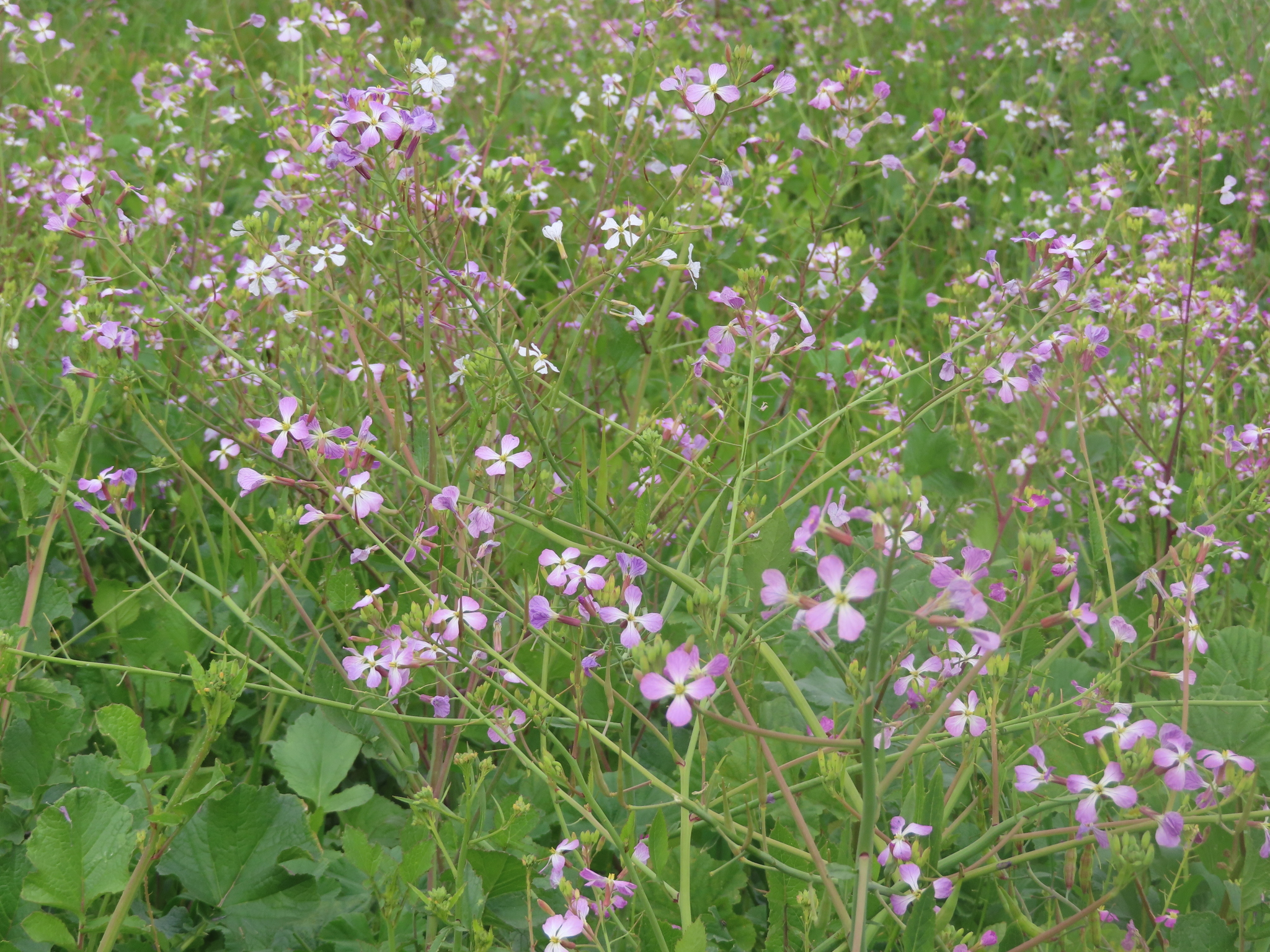
On this page
Radish is the fastest crop in the garden, going from sown seed to pulled root in 25-30 days, which makes it the ideal first crop for a child or a nervous beginner. Direct sow thinly every two weeks, thin to 2-5cm, keep the soil evenly moist, and pull promptly before roots turn woody and hot. It grows well in shallow containers, is non-toxic to cats and dogs, and a seed packet costs $2-4.
Key facts
- The fastest common garden vegetable at 25-30 days from sowing, which is why it is the standard choice for school gardens and children's first plots.
- A brassica, not a root like carrot or beet, which is why it suffers flea beetle and clubroot rather than carrot fly.
- Bolts to flower quickly in heat and long days, so summer sowings often produce leaf and no root.
- The seed pods of unharvested plants are edible, crunchy and peppery. 'rat-tail' radishes are grown specifically for them.
Growing requirements#
| Plant type | Outdoor cool-season annual root vegetable; fast and frost-tolerant |
| Growing medium | Light, stone-free soil or standard potting mix; only 15cm depth needed for round types |
| Light needs | Full sun to part shade. 4-6 hours is enough, and light shade helps in summer |
| Water frequency | Consistent light moisture; uneven watering causes splitting and harsh flavour |
| Spacing | Sow 1cm deep, thin to 2-3cm apart for round types and 5-8cm for long winter types; rows 15cm apart |
| Sowing season (northern hemisphere) | March to September, with the best crops from spring and early autumn sowings; avoid high summer |
| Sowing season (southern hemisphere) | August to April in Australia and New Zealand; year-round in mild coastal areas |
| Temperature range | 10-21°C (50-70°F); bolts readily above 24°C |
| Fertilizer | Little needed. Excess nitrogen produces enormous leaves and a stringy root |
| Soil pH | 6.0-7.0 |
| Container suitability | Excellent. A 15-20cm deep windowbox or pot grows a full crop, and shallow trays work for salad types |
| Hardiness | Tolerates light frost; spring and autumn are its best seasons |
| Toxicity | Non-toxic to cats and dogs; roots, leaves and seed pods are all edible |
Harvest, yield & propagation#
| Days to harvest | 25-30 days for round salad types; 50-70 days for daikon and winter radishes |
| Yield per plant | One root each, so sow densely and successionally rather than expecting repeat picking |
| Harvest signal | Shoulders of the root visible at soil level and roughly 2-3cm across; do not wait for larger |
| Harvest technique | Grasp the leaf base and pull straight up. Pull promptly: two extra days can make a root woody and unpleasantly hot |
| Storage | Twist off the leaves, then refrigerate roots in a bag for 1-2 weeks. Daikon keeps a month or more |
| Edible parts | Roots, young leaves (cooked or in soup), and the green seed pods |
| Propagation methods | Direct-sown seed only; radish transplants very poorly |
| Companion plants | Sow between slower carrots and parsnips to mark rows, and near cucumbers as a flea beetle trap crop |
Common problems & troubleshooting#
| Symptom | Likely cause | Fix |
|---|---|---|
| Lots of leaf but no root swelling | Sown too thickly and never thinned, too much nitrogen, or too much shade | Thin ruthlessly to 2-3cm within a week of germination, cut back nitrogen, and move to a sunnier spot |
| Roots woody, hollow and fiercely hot | Left in the ground too long, or grown through a hot dry spell | Harvest promptly at 25-30 days and keep soil evenly moist; sow in spring and autumn rather than midsummer |
| Plant shoots up a flower stalk with no root | Bolting from heat and long days | Avoid midsummer sowings, use light afternoon shade, and choose bolt-resistant summer varieties. Let a few bolt and eat the seed pods |
| Leaves peppered with tiny round holes | Flea beetles, which love all brassicas | Cover with fine insect mesh from the day of sowing, and keep soil moist since dry conditions worsen the damage |
| Roots split lengthwise | Heavy watering or rain after the soil dried out | Water little and often rather than in occasional soakings, and mulch lightly to even out moisture |
| Tunnels through the root | Cabbage root fly maggots | Use insect mesh or collars, and rotate radishes off ground that grew brassicas last season |
Never miss the two-day picking window
Radishes go from perfect to woody in about 48 hours. Sodate counts days from sowing against your real temperatures and tells you the day to pull.
Seasonal care#
Varieties & cultivars#
| Variety | Distinguishing trait | Note |
|---|---|---|
| 'French Breakfast' | Oblong red root with a white tip, ~25 days | Mild and reliable |
| 'Cherry Belle' | Round, bright red, ~22-25 days | Classic beginner choice |
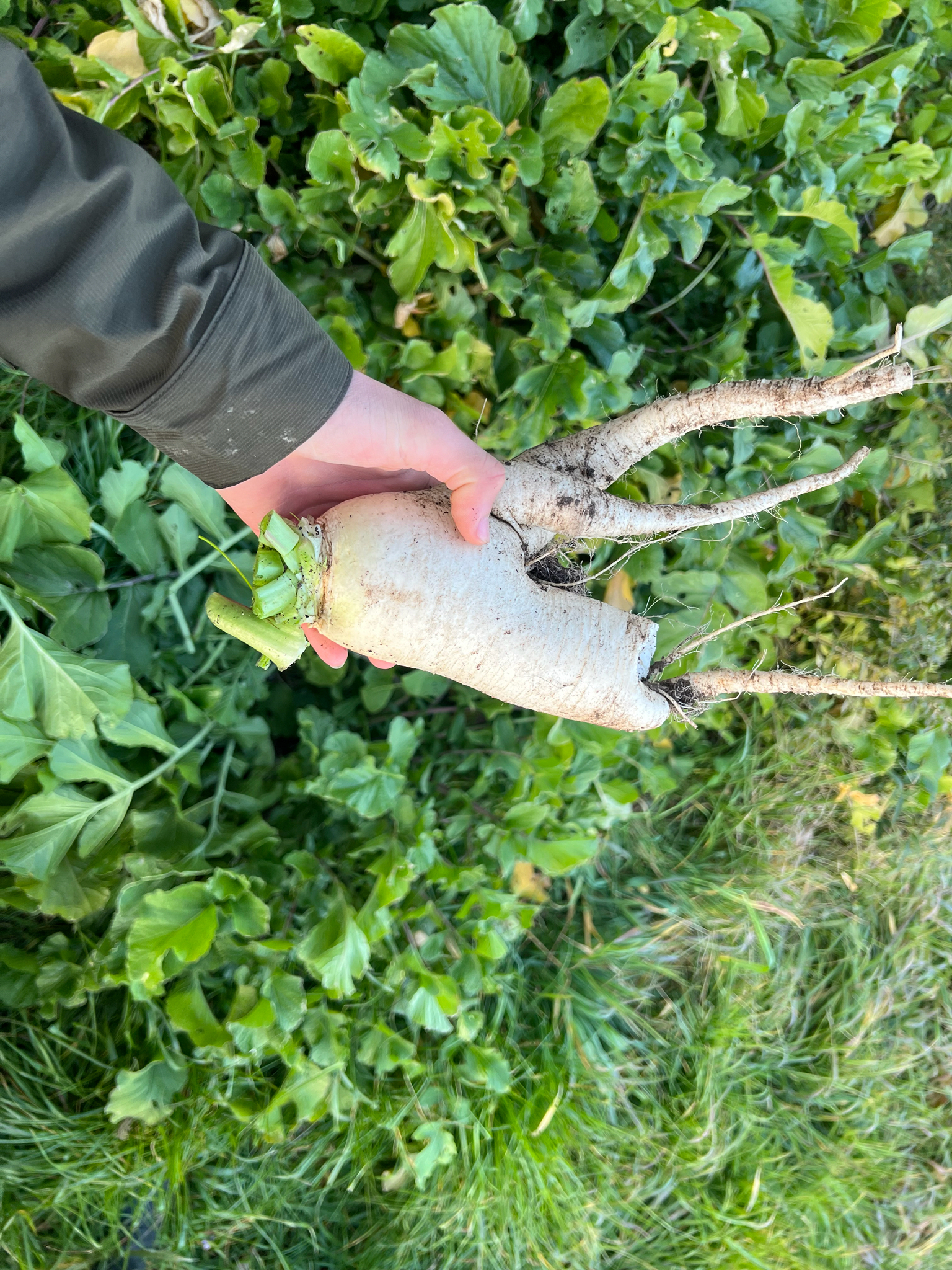
| 'Daikon' / 'Mooli' | Long white root up to 30cm, 50-70 days | Needs deep loose soil |
| 'Watermelon' radish | Pale green skin with vivid pink flesh, ~60 days | An autumn-sown winter type |
| 'Rat-Tail' radish | Grown for edible seed pods, not the root | Thrives in heat where others bolt |
Buying checklist#
- Choose a fast salad type (about 25 days) for beginners and children
- Check whether the variety is a quick round type or a long winter daikon needing deep soil
- Buy a generous seed count. Radishes are sown densely and successionally
- Look for bolt-resistant varieties if you plan summer sowings
- Mixed-colour packets are good fun for a child's plot but harvest at slightly different rates
Pricing by region#
| Region | Price range | Typical unit | Basis |
|---|---|---|---|
| US | $2 – $4 | Seed packet (~300-1000 seeds) | Seed catalogue + garden centre |
| UK | $1.5 – $4 | Seed packet (~400 seeds) | Garden centre retail |
| India | $0.2 – $0.7 | Seed packet (~500 seeds) | Agri supply + local nursery |
| Australia | $2.5 – $5 | Seed packet (~300 seeds) | Nursery + seed retail |
| Canada | $2 – $4.5 | Seed packet (~400 seeds) | Garden centre retail |
USD figures are approximate conversions for comparison; switch the dropdown to see each region's actual local-currency listing price.
Often confused with#
Name confusion warning#
"Radish" covers wildly different vegetables. A 25-day round salad radish and a 30cm daikon are both Raphanus sativus, but they need completely different soil depth, spacing and timing. In India and much of Asia "radish" usually means the long white mooli or daikon, while in Europe and North America it usually means the small round red type. Check the pictured root and the days to maturity, not just the name.
Where it's actually grown#
Radish seed is produced in large volumes in the US Pacific Northwest, the Netherlands, Italy, China and India, where dry harvest weather allows the seed pods to ripen and thresh cleanly. Because radish seed is cheap, abundant and stores well for four to five years, it is one of the few crops where buying a large bulk packet genuinely makes sense for a home gardener sowing successionally all season.
Import & biosecurity restrictions#
| Region | Note |
|---|---|
| Australia | Brassica seed imports need an import permit and phytosanitary certificate; domestic packets are freely sold. |
| US | Domestic sale unrestricted; imported seed may need a USDA small-lots-of-seed permit. |
| UK | Home-garden seed packets sold freely; commercial imports require phytosanitary documentation. |
| India | Major domestic crop as mooli; imported hybrid seed requires customs clearance. |
| Canada | CFIA rules apply to commercial seed lots; home-garden packets normally clear without issue. |
Similar plants
Ranked in these guides
Did you know?
Frequently asked questions
How long do radishes take to grow?
Round salad radishes are ready 25-30 days after sowing, which makes them the fastest common vegetable in the garden and the best possible first crop for a child. Long daikon or winter types take 50-70 days.
Why do my radishes have leaves but no root?
Almost always overcrowding. Radishes must be thinned to 2-3cm apart within a week of germinating or they compete themselves into all leaf and no root. Too much nitrogen and too much shade do the same thing.
Can I grow radishes in a pot?
Yes, they are one of the best container crops. Round types need only 15-20cm of depth, so a windowbox works fine. Long daikon types need a deep pot of at least 40cm.
Why are my radishes so hot and woody?
They were left in the ground too long, or grown through hot dry weather. Pull them promptly at around 25-30 days, keep soil moisture even, and sow in spring and autumn rather than midsummer.
Are radishes safe for cats and dogs?
Yes. Radish roots, leaves and pods are non-toxic to cats and dogs, although the peppery roots may cause mild stomach upset if a pet eats a large amount.