 Sodate
On this page
Roses are tougher than their reputation: give them 6+ hours of sun, rich well-drained soil, deep weekly watering at the base (not overhead), and one hard annual prune in late winter. Black spot and aphids are the main headaches. Airflow and resistant varieties prevent most of it. Flowers and hips are non-toxic to pets; thorns are the only hazard. Bare-root plants cost $15-30, potted shrubs $20-60.
Key facts
- Modern repeat-blooming roses flower on new wood in flushes from late spring to frost. The hard late-winter prune is what fuels the new flowering shoots.
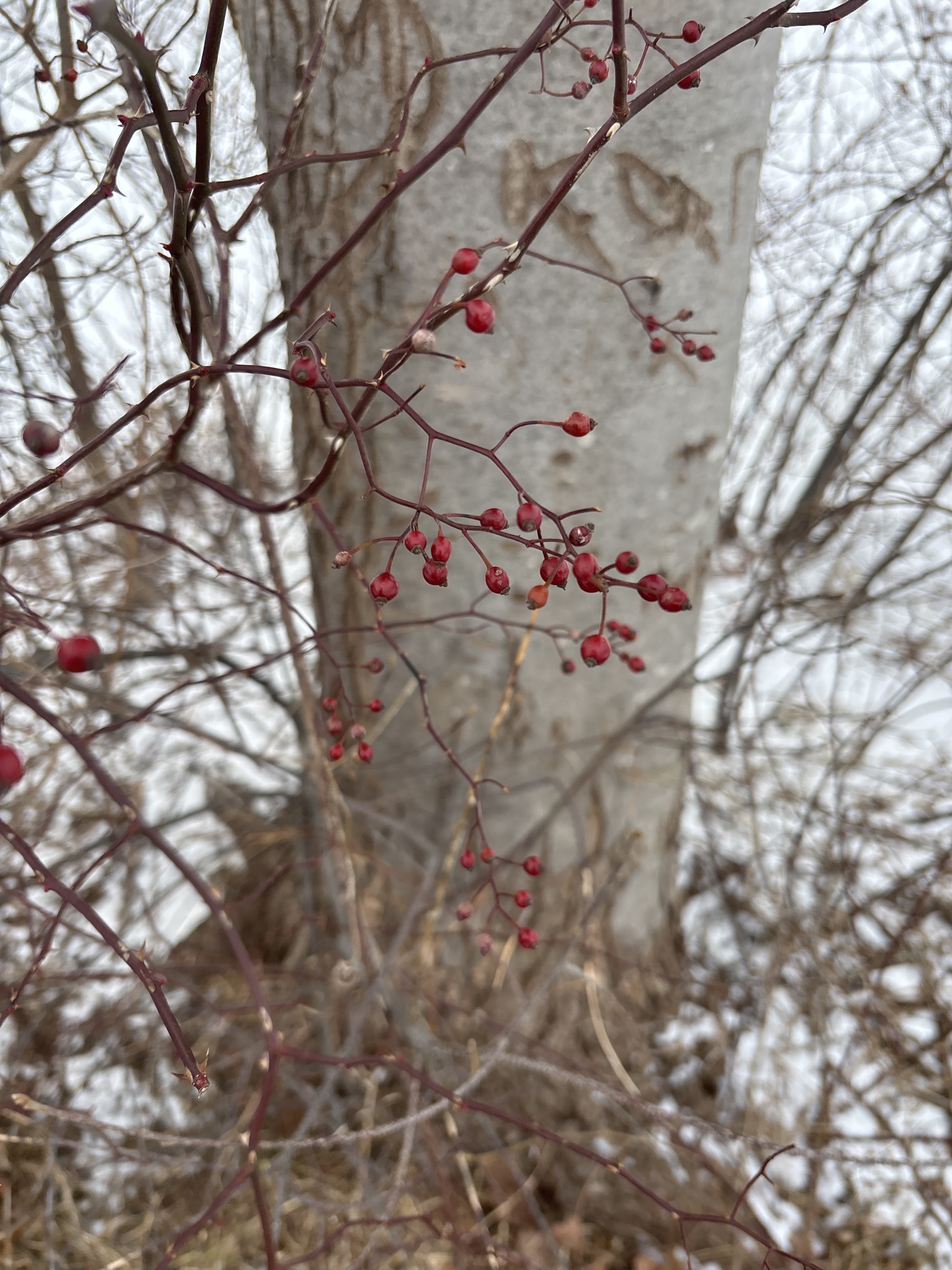
- Rose petals and hips are non-toxic to cats and dogs; rose hips are among the richest natural sources of vitamin C.
- Most named roses are grafted onto a wildly vigorous rootstock. Shoots from below the graft union ('suckers') will take over if not removed.
- Bred for around 5,000 years, beginning in China; the repeat-blooming trait entered European roses from Chinese cultivars only in the late 1700s.
Care requirements#
| Plant type | Outdoor deciduous shrub or climber; hardy USDA 4-9 depending on variety |
| Growing medium | Rich, well-drained loam with plenty of compost; 40L+ containers for patio roses |
| Light needs | Full sun, minimum 6 hours daily. Shade means fewer flowers and more disease |
| Water frequency | Deep watering 1-2 times a week at the base; avoid wetting foliage |
| Humidity | Tolerant, but humid, still air drives black spot and mildew, spacing and airflow matter |
| Temperature range | Thrives 15-28°C; fully winter-dormant and frost-hardy once established |
| Fertilizer | Balanced rose feed in early spring and after the first flush; stop by late summer |
| Soil pH | 6.0-7.0 |
| Drainage needs | Good: roses hate waterlogged clay; mound or raise beds if needed |
| Spacing | 60cm-1m between shrubs for airflow |
| Mulching | 5-8cm of mulch in spring keeps roots moist and suppresses black spot spore splash |
| Toxicity | Non-toxic to cats and dogs; thorns can cause physical injury |
Growth & propagation#
| Mature size | Patio roses 40-60cm; shrub roses 1-1.5m; climbers 2.5-6m |
| Growth rate | Fast: a pruned shrub regrows and flowers within 8-10 weeks |
| Bloom season | First flush late spring; repeat flushes until frost in modern varieties |
| Propagation methods | Hardwood or semi-ripe cuttings; commercial plants are budded onto rootstock |
| Pruning schedule | Hard prune in late winter (cut to outward-facing buds); deadhead all season |
| Deadheading | Cut spent blooms back to the first strong leaf to trigger the next flush |
Common problems & troubleshooting#
| Symptom | Likely cause | Fix |
|---|---|---|
| Black spots on leaves, then yellowing and drop | Black spot fungus (Diplocarpon rosae), spread by water splash | Remove and bin (don't compost) affected leaves, mulch, water at the base, spray fungicide early season; choose resistant varieties |
| Clusters of small green/pink insects on buds and shoots | Aphids feeding on soft new growth | Squash or hose off, encourage ladybirds, use insecticidal soap for heavy infestations |
| White powdery coating on leaves and buds | Powdery mildew, worst in warm days/cool nights with dry roots | Water deeply at the roots, improve airflow, apply sulfur or potassium bicarbonate spray |
| Vigorous shoots with different leaves from the base | Rootstock suckers growing from below the graft union | Trace to their origin and rip (don't cut) them off, cutting stimulates regrowth |
| Buds ball up brown and fail to open | Botrytis 'balling' in prolonged wet weather, mainly on many-petalled varieties | Remove balled buds promptly; little else helps beyond drier weather and airflow |
Prune and feed on cue
Sodate schedules the late-winter prune, spring feed, and deep-watering rhythm that decide how well your roses bloom.
Seasonal care#
Varieties & cultivars#
| Variety | Distinguishing trait | Note |
|---|---|---|
| Hybrid tea (e.g. 'Peace') | One large classic bloom per long stem | The florist's rose shape |
| Floribunda (e.g. 'Iceberg') | Clusters of blooms, near-continuous flowering | Best for massed garden colour |
| English/David Austin (e.g. 'Gertrude Jekyll') | Old-rose fragrance and form with modern repeat bloom | Premium priced |
| Climbers (e.g. 'New Dawn') | Long canes trained on walls and arches | Flower best with canes tied near-horizontal |
| 'Knock Out' series | Exceptional black-spot resistance, self-cleaning | The low-maintenance landscape standard in the US |
Buying checklist#
- At least 3 strong, green, unwrinkled canes on bare-root plants
- Graft union firm and undamaged, with no suckers from below it
- Leaves (on potted plants) free of black spot and powdery mildew
- Check the label for disease resistance ratings and mature size
- Bare-root (winter) is cheaper and establishes as well as potted stock
Pricing by region#
| Region | Price range | Typical unit | Basis |
|---|---|---|---|
| US | $20 – $60 | 2-3 gal potted shrub | Garden centre + online rose nursery |
| UK | $19 – $50 | Potted or bare-root shrub | Garden centre + specialist (Austin roses at the top end) |
| India | $0.6 – $4 | Potted plant | Local nursery + online |
| Australia | $16 – $46 | Potted or bare-root shrub | Nursery + garden centre |
| Canada | $18 – $52 | Potted shrub | Garden centre retail |
USD figures are approximate conversions for comparison; switch the dropdown to see each region's actual local-currency listing price.
Often confused with#
Where it's actually grown#
Commercial garden roses are field-grown for 1-2 years then sold bare-root or potted; major production is concentrated in Oregon and Texas (US), the Netherlands and UK (Europe), and Maharashtra and Karnataka (India). Nearly all named varieties are budded onto vigorous rootstock like 'Dr. Huey' or Rosa laxa.
Import & biosecurity restrictions#
| Region | Note |
|---|---|
| Australia | Live rose imports tightly restricted under biosecurity law; new varieties enter via quarantine, but consumers buy domestic stock. |
| US | Domestic sale unrestricted; imported plants inspected. Patented varieties cannot legally be propagated for sale. |
| UK | Post-Brexit, EU plant imports need phytosanitary certificates; strong domestic bare-root industry. |
| India | No restriction; large domestic nursery and cut-flower rose industry. |
| Canada | CFIA phytosanitary requirements for imports; hardy Canadian-bred series (Explorer, Parkland) suit cold zones. |
Similar plants
Ranked in these guides
Did you know?
Frequently asked questions
Are roses toxic to cats and dogs?
No. Rose petals, leaves, and hips are non-toxic to cats and dogs. The thorns are the only hazard, causing scratches or mouth injuries if chewed.
When should I prune roses?
Give the main hard prune in late winter, just as buds begin to swell, cutting to outward-facing buds. Deadhead spent flowers through the season to keep new flushes coming.
How do I get rid of black spot on roses?
Remove and bin affected leaves, mulch the soil, water at the base rather than overhead, and improve airflow; apply fungicide early in the season and choose resistant varieties like the Knock Out series.
How much does a rose bush cost?
In the US, potted shrubs run $20-$60 and bare-root plants $15-$30; premium branded varieties like David Austin roses sit at the top of the range.
Why is my rose growing wild shoots with different leaves?
Those are suckers from the rootstock below the graft union. Trace each one to its origin and tear it off. Cutting them just encourages regrowth, and left alone they take over the plant.