 Sodate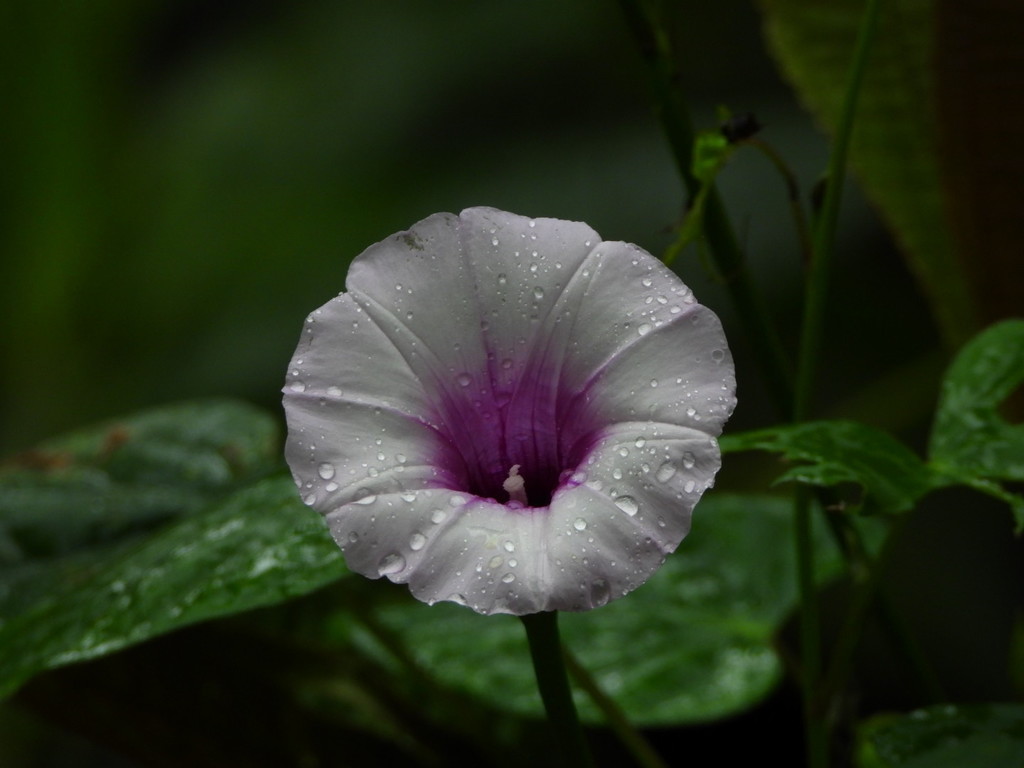
On this page
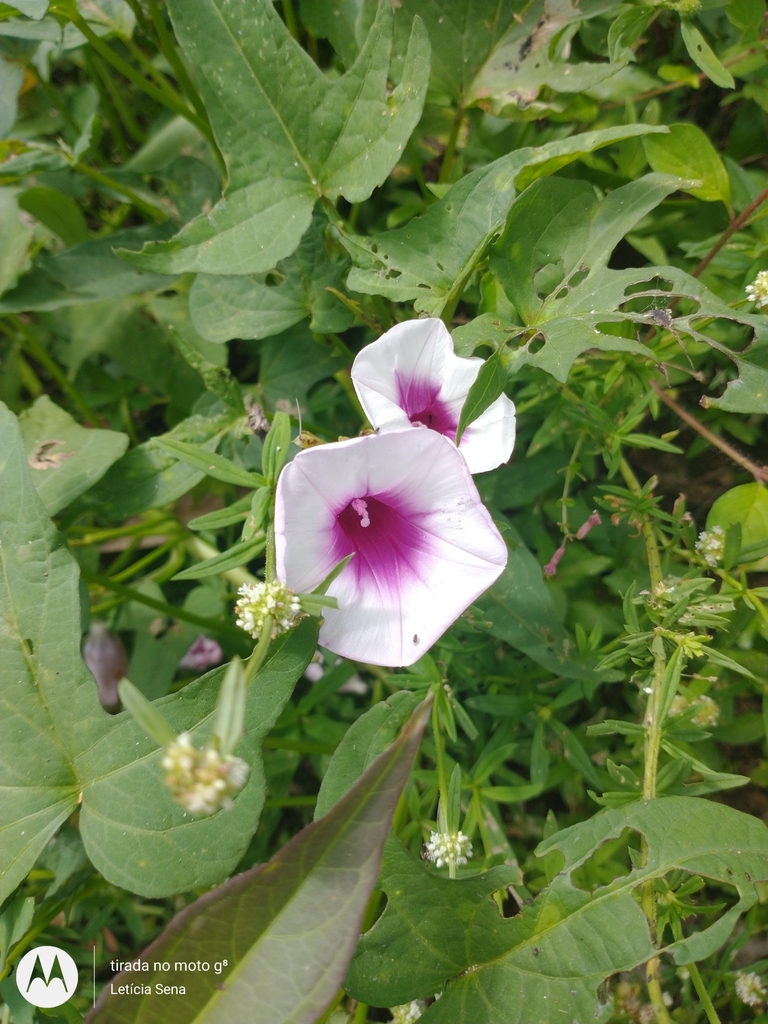
Sweet potato is a morning glory relative, not a potato, and it is grown from slips (rooted shoots pulled from a sprouting root) rather than from seed. It needs 90-120 frost-free warm days, loose sandy soil, and 30-45cm spacing on ridges. Expect 1-2kg of roots per plant. Curing at warm humid temperatures for a week is what converts starch to sugar, so freshly dug roots taste disappointing. Roots and leaves are both edible and non-toxic to cats and dogs.
Key facts
- Not related to the potato. It sits in the morning glory family (Convolvulaceae), while the potato is a nightshade, and the two share no growing requirements.
- Grown from slips, which are shoots sprouted from a mature root and pulled off with their own roots attached.
- Completely frost-tender at both ends. The vine dies at the first touch of frost and the roots must be lifted before soil turns cold.
- Curing at 27-30°C and high humidity for 5-10 days converts starch to sugar and heals skin nicks; uncured roots are bland and store poorly.
Growing requirements#
| Plant type | Outdoor tender perennial grown as a warm-season annual; killed by any frost |
| Growing medium | Loose, sandy, free-draining soil on raised ridges; heavy clay produces stringy forked roots |
| Light needs | Full sun, 6-8+ hours daily |
| Water frequency | Around 25mm a week while establishing, then reduce; taper off in the final 3-4 weeks to firm the skins |
| Spacing | 30-45cm between slips, 90cm between ridges; vines will trail 1.5-3m |
| Planting season (northern hemisphere) | Plant slips late May to June, once soil is above 18°C and all frost risk is gone |
| Planting season (southern hemisphere) | Plant slips October to December in Australia and New Zealand; year-round in the frost-free tropics |
| Temperature range | 21-32°C (70-90°F); growth stops below 15°C and roots are damaged near 10°C |
| Fertilizer | Low nitrogen, higher potassium. Rich nitrogen produces spectacular vines and almost no roots |
| Soil pH | 5.5-6.5 |
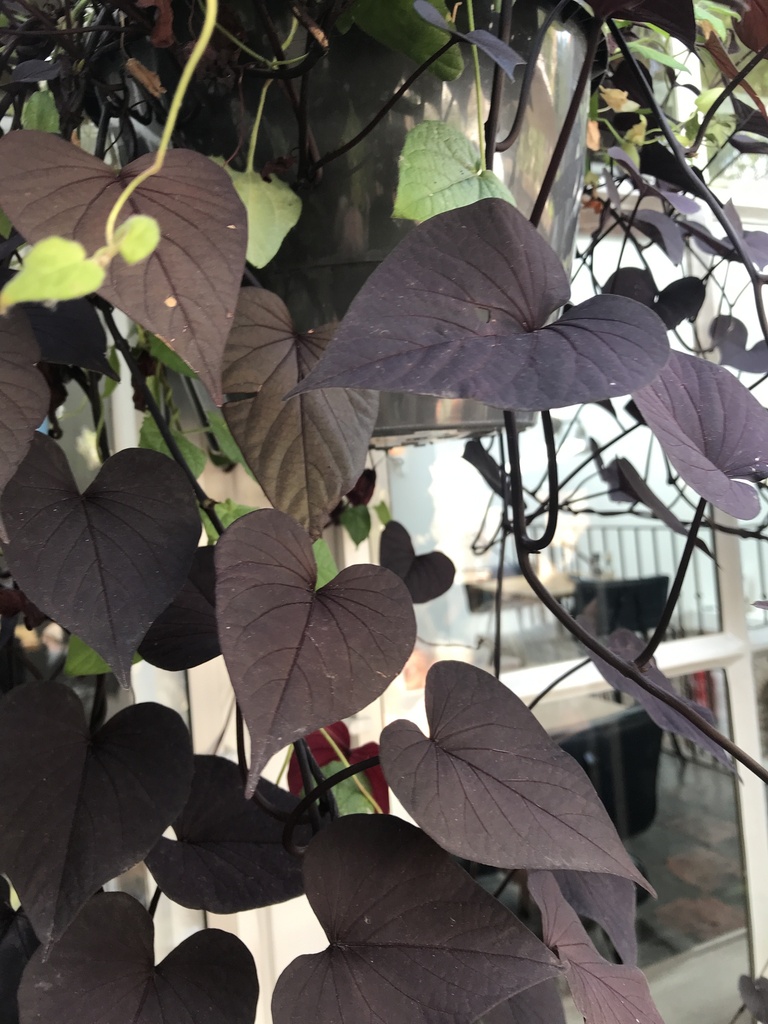
| Container suitability | Good. A 40-60L tub or grow bag suits 1-2 slips and gives 1-2kg; the trailing vine also looks ornamental |
| Hardiness | Perennial only in frost-free tropics; grown as an annual elsewhere |
| Toxicity | Non-toxic to cats and dogs. The roots and the young leaves are both edible for people |
Harvest, yield & propagation#
| Days to harvest | 90-120 days from planting slips, depending on variety and heat |
| Yield per plant | 1-2kg of roots, typically 3-6 usable roots |
| Harvest signal | Leaves begin to yellow, or the first frost is forecast; lift before soil temperatures drop toward 10°C |
| Harvest technique | Cut the vines away, then fork carefully from well outside the crown. The skins are very thin at lifting and bruise easily |
| Curing & storage | Cure 5-10 days at 27-30°C and 85-90% humidity, then store at 13-16°C. Cured roots keep 6-10 months. Never refrigerate: cold storage causes hard cores and off flavours |
| Edible parts | Storage roots and the young leaves and shoot tips, which are cooked as greens across Africa and Asia |
| Propagation methods | Slips. Suspend a healthy root half-submerged in water or bury it in damp compost, then twist off the 15-20cm shoots once they root |
| Companion plants | Bush beans and dill; keep the vine away from smaller crops it will smother |
Common problems & troubleshooting#
| Symptom | Likely cause | Fix |
|---|---|---|
| Huge leafy vine but almost no roots | Excess nitrogen, or a season that never got hot enough | Feed low-nitrogen high-potassium, and use black plastic mulch to raise soil temperature in cooler regions |
| Long thin stringy roots instead of fat ones | Compacted or heavy clay soil | Grow on raised ridges of loosened sandy soil, or switch to deep containers of light mix |
| Winding tunnels just under the skin | Sweet potato weevil (Cylas formicarius), a major pest in warm regions | Use certified clean slips, rotate beds, hill soil over exposed roots to block egg-laying, and never replant infested stock |
| Roots rot in storage within weeks | Skipped curing, or storage that is too cold | Always cure warm and humid for 5-10 days after lifting, then hold at 13-16°C, never in a fridge |
| Cracked or split roots | Heavy rain or watering after a dry spell late in the season | Keep moisture even with mulch, and taper watering off in the last few weeks |
| Slips wilting badly after planting | Normal transplant shock, worsened by cold soil | Plant into warm soil, water daily for the first week, and shade slips for a couple of days; they recover fast |
Time the lift before the first cold snap
Sodate watches your soil temperature trend and frost forecast, so you lift sweet potatoes at full size but before cold damages the roots in the ground.
Seasonal care#
Varieties & cultivars#
| Variety | Distinguishing trait | Note |
|---|---|---|
| 'Beauregard' | Orange flesh, ~90 days, high yielding | The most widely grown home variety |
| 'Georgia Jet' | Fast, ~90 days, tolerates cooler seasons | Best pick for shorter summers |
| 'Bonita' | White flesh, drier and less sweet | Popular where a starchier texture is preferred |
| 'Purple' / Okinawan types | Deep purple flesh, dense texture | Longer season, striking colour |
| 'Northern Star' | Bred for short cool seasons | Suited to the UK and northern Europe |
Buying checklist#
- Buy slips, not seed. Sweet potato is not grown from seed in the garden
- Choose certified weevil-free and virus-free slips from a reputable supplier
- Slips should be 15-20cm with fresh green leaves and visible white roots at the base
- Match days to maturity to your frost-free window; 90-day types suit cooler regions
- Order slips to arrive close to your planting date, since they do not hold well in transit packaging
Pricing by region#
| Region | Price range | Typical unit | Basis |
|---|---|---|---|
| US | $12 – $25 | Bundle of 12-25 slips | Mail-order nursery retail |
| UK | $10 – $22 | Pack of 5-10 slips | Garden centre + mail order |
| India | $1 – $3.5 | Bundle of 20-25 vine cuttings | Agri supply + local market |
| Australia | $12 – $26 | Bundle of 10-20 slips | Nursery + mail order |
| Canada | $13 – $26 | Bundle of 12-25 slips | Mail-order nursery retail |
USD figures are approximate conversions for comparison; switch the dropdown to see each region's actual local-currency listing price.
Often confused with#
Name confusion warning#
Sweet potato is not a potato, and it is not a yam. In the US, orange-fleshed sweet potatoes are widely sold as "yams", a labelling habit dating from the 20th century that has nothing to do with the true yam genus Dioscorea. In India, sweet potato is shakarkandi while potato is aloo. When ordering planting material, look for Ipomoea batatas and the word "slips".
Where it's actually grown#
Sweet potato slips are raised in warm-climate propagation nurseries, principally in the US south (North Carolina, Louisiana, Mississippi), Queensland, and parts of India and East Africa, where mother roots can be bedded down and forced early in the season. Because sweet potato weevil and viral load both travel in planting material, reputable suppliers sell from certified virus-tested foundation stock, and this is worth paying for over slips raised from a supermarket root.
Import & biosecurity restrictions#
| Region | Note |
|---|---|
| Australia | Sweet potato planting material imports are restricted under biosecurity law, and interstate movement is regulated for weevil control; buy certified domestic slips. |
| US | Domestic slip sales are unrestricted, though some states regulate movement to control sweet potato weevil. |
| UK | Slips are sold by mail-order nurseries; imports require phytosanitary certification. |
| India | Widely grown domestically from vine cuttings; imported planting material requires quarantine clearance. |
| Canada | CFIA import rules apply to plant material; domestic mail-order slips are the practical route. |
Similar plants
Ranked in these guides
Did you know?
Frequently asked questions
Is sweet potato related to potato?
No. Sweet potato is in the morning glory family (Convolvulaceae) and potato is in the nightshade family (Solanaceae). They are grown completely differently: sweet potato is frost-tender and heat-loving, while potato is a cool-season crop with toxic foliage.
How do I grow sweet potato slips?
Suspend a healthy sweet potato root half in water, or bury it in damp compost, and keep it warm and bright. Shoots appear in a few weeks. Once each shoot is 15-20cm long, twist it off, root it in water for a few days, and plant it out into warm soil.
Why do my sweet potatoes taste bland after harvest?
They have not been cured. Holding freshly lifted roots at around 27-30°C in high humidity for five to ten days converts starch to sugar and toughens the skin. Uncured roots are starchy and also store badly.
Can sweet potatoes be grown in containers?
Yes. A 40-60 litre tub or grow bag will support one or two slips and produce one to two kilograms of roots, and the trailing vine is attractive enough to earn its place on a sunny patio.
Are sweet potato plants toxic to pets?
No. Unlike potato foliage, sweet potato leaves and vines are non-toxic to cats and dogs, and the young leaves are eaten as a cooked green in many parts of Africa and Asia.