 Sodate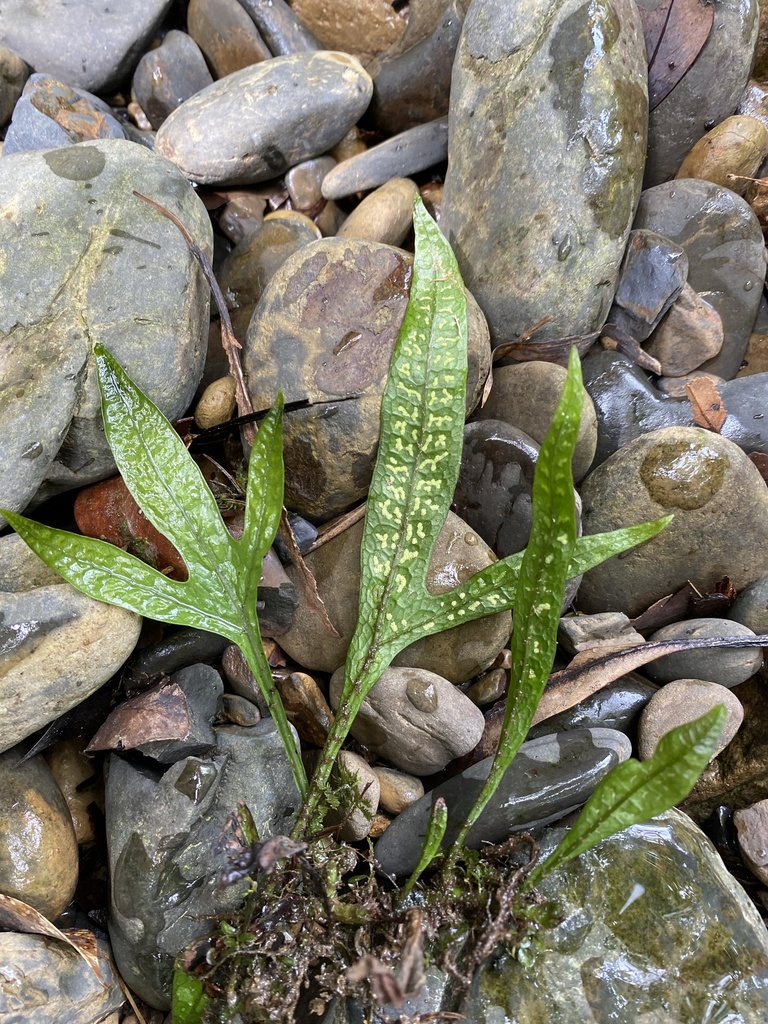
On this page
The one rule that decides everything: attach the rhizome, never bury it. Tie or glue the brown horizontal stem to rock or driftwood and the plant thrives for years; bury that rhizome in gravel and it rots. Beyond that, java fern is nearly effortless. Low to moderate light, no CO2, no substrate, feeds from the water column, tolerates 18-28°C and a wide range of hardness, and is safe with all fish. New plantlets even sprout from old leaves. $5-12 a plant.
Key facts
- The rhizome (the brown creeping stem the leaves grow from) must stay exposed to open water. Attached to rock, wood, or décor. Burying it in gravel or sand suffocates and rots it, the number one way java fern dies.
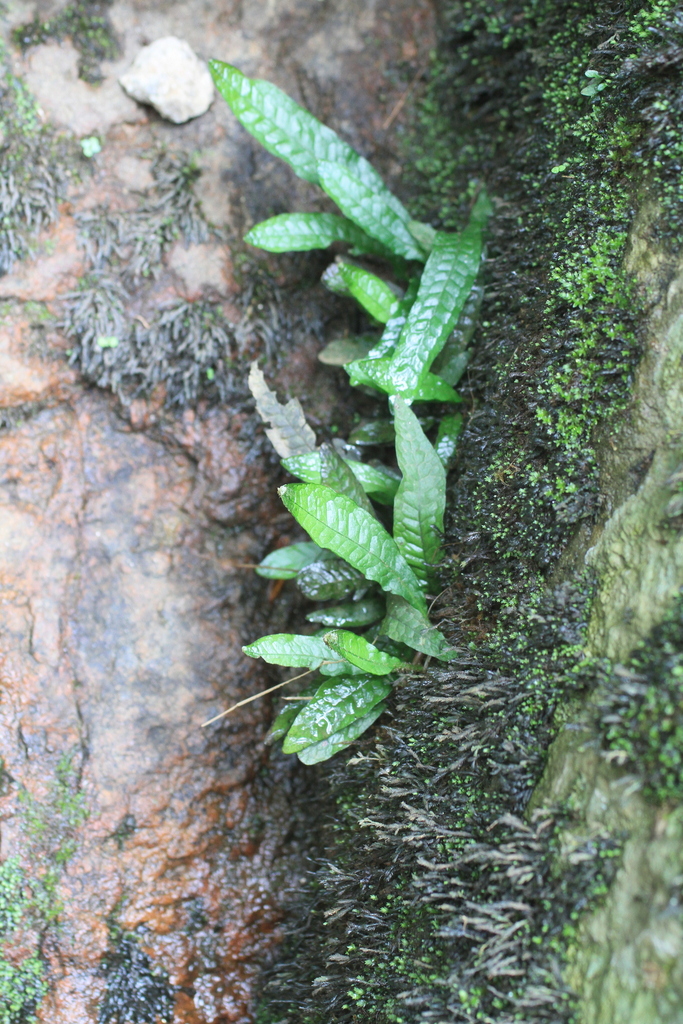
- An epiphyte in the wild, growing attached to rocks and roots along Southeast Asian streams. It never grows in soil at any point in its life.
- Thrives in low light where most plants fail, and its tough, slightly bitter leaves are ignored by goldfish, cichlids, and other plant-shredders.
- Reproduces by growing tiny plantlets from the tips and undersides of older leaves. Pull them off when they have a few leaves and roots, and attach them elsewhere.
Care requirements#
| Plant type | Epiphytic aquatic fern. Grows attached to hardscape, never in substrate |
| Attachment | THE core rule: tie (cotton thread/fishing line) or superglue-gel the rhizome to rock or driftwood; leave the rhizome fully exposed |
| Growing medium | None: if you must place it near substrate, rest the rhizome on top, never under it |
| Water temperature | 18-28°C (64-82°F) |
| Lighting | Low to moderate light over the tank; strong direct light encourages algae on the slow-growing leaves |
| Nutrients | Feeds through leaves and rhizome from the water column; occasional all-in-one liquid fertilizer speeds growth, root tabs do nothing |
| Water hardness | Undemanding: pH 6.0-7.5 ideal, tolerates harder alkaline water; dGH 3-15 |
| Flow preference | Gentle to moderate; in nature it grows near flowing streams and appreciates some circulation |
| CO2 | Not required; growth is naturally slow either way |
| Tankmates | Safe with everything. Fish, shrimp, snails; too tough and bitter for plant-eaters |
| Maintenance | Remove old blackening leaves at the base; split plantlets off mother leaves when rooted |
| Toxicity | Non-toxic to fish, shrimp, cats, and dogs |
Growth & propagation#
| Mature size | Leaves 15-30cm tall; clumps spread slowly along the rhizome |
| Growth rate | Slow: a new leaf every few weeks; be patient after planting |
| Propagation methods | Rhizome division, and adventitious plantlets that sprout on older leaves |
| Propagation difficulty | Easy: cut the rhizome into pieces with 3+ leaves each, or detach rooted plantlets |
| Establishment | Roots grip the hardscape within 4-8 weeks, after which ties can be removed |
| Lifespan | Many years; clumps just keep extending along the rhizome |
Common problems & troubleshooting#
| Symptom | Likely cause | Fix |
|---|---|---|
| Rhizome brown, mushy, plant falling apart | Rhizome buried in substrate and rotting | Dig it out immediately, trim mushy sections back to firm tissue, and attach the survivor to rock or wood with the rhizome exposed |
| Black or brown spots spreading on leaves | Either normal plantlet formation (bumps in rows near leaf tips) or nutrient deficiency (random smudgy patches) | Rows of bumps sprouting roots are baby plants, leave them. Diffuse blackening calls for liquid fertilizer and removing the worst leaves |
| Leaves melting after purchase | Transition shock, especially from emersed-grown farm stock | Keep the rhizome healthy and wait. New submerged-form leaves grow within weeks even if old ones melt away |
| Black beard algae coating the leaves | Slow-growing leaves under too much light with fluctuating CO2 | Reduce light hours/intensity, improve flow, and spot-treat leaves; the plant itself is fine |
| No growth for months | Normal slowness, or zero nutrients in a very clean tank | Dose a liquid fertilizer weekly and check the light isn't extremely dim; then be patient. Slow is this plant's speed |
Set it, tie it, forget it
Sodate tracks the rare jobs a java fern actually has. The occasional dose and plantlet split.
Seasonal care#
Varieties & cultivars#
| Variety | Distinguishing trait | Note |
|---|---|---|
| 'Windelov' (lace java fern) | Finely branched, lacy leaf tips | The most popular fancy form |
| 'Narrow leaf' | Slim, elongated leaves | Good for smaller tanks |
| 'Trident' | Forked, trident-shaped leaves | Compact collector favorite |
Buying checklist#
- Look for a firm green-brown rhizome with dark roots. Mushy rhizome means a dying plant
- Leaves should be dark green and leathery; a few black plantlet bumps are a bonus, not a flaw
- Skip specimens sold planted with the rhizome buried in gravel in the shop tank
- Buy attached-to-wood pieces if you want zero work. They cost a few dollars more
Pricing by region#
| Region | Price range | Typical unit | Basis |
|---|---|---|---|
| US | $5 – $12 | potted/loose plant | Chain and local fish store retail; pre-attached wood costs more |
| UK | $5 – $13 | potted plant | Aquatics retail |
| India | $1 – $4 | loose clump | Aquarium shops + online |
| Australia | $6 – $13 | potted plant | Domestic aquarium retail |
| Canada | $5 – $12 | potted plant | Fish store retail |
USD figures are approximate conversions for comparison; switch the dropdown to see each region's actual local-currency listing price.
Often confused with#
Where it's actually grown#
Mass-produced by aquatic plant farms in Southeast Asia (Singapore, Malaysia, Thailand) and European nurseries like those in Denmark and the Netherlands, mostly grown emersed in greenhouses. Which is why new imports often 'melt' and regrow their submerged-form leaves at home.
Import & biosecurity restrictions#
| Region | Note |
|---|---|
| US | Unrestricted for aquarium trade; standard never-release rules apply. |
| UK | No restriction; sold in every aquatics shop. |
| India | No restriction; widely available and well suited to unheated tanks in most of India. |
| Australia | Live plant imports restricted under biosecurity law; permitted species come through licensed importers, and domestic stock is plentiful. |
| Canada | No specific restriction; commercial imports go through CFIA channels. |
Similar plants
Ranked in these guides
Did you know?
Frequently asked questions
Why can't I bury java fern's rhizome?
The rhizome is a creeping stem, not a root. Buried in substrate it can't exchange gases, so it suffocates and rots, killing the whole plant. Tie or glue it onto rock or driftwood instead.
Does java fern need CO2 or strong light?
No. It grows fine in low light without CO2 injection; strong light mostly just invites algae onto its slow-growing leaves.
What are the black bumps on my java fern leaves?
Rows of bumps near leaf tips or edges are adventitious plantlets, baby ferns. Leave them until they have a few leaves and roots, then detach and attach them elsewhere.
Is java fern safe with goldfish and cichlids?
Yes. Its tough, bitter leaves are one of the few things notorious plant-destroyers reliably leave alone, and it's non-toxic to all tankmates and pets.
How do I attach java fern to driftwood?
Tie the rhizome on with cotton thread or fishing line, or dab cyanoacrylate gel (aquarium-safe superglue) on the rhizome; roots grip on their own within 4-8 weeks.