 Sodate
Home / Guides / Cheap soil-free and mounted plants
Best Cheap Soil-Free Plants: 15 Ranked (2026)
The best cheap soil-free and mounted plants are Aquatic bladderwort, Upright air plant, Duckweed. Sodate ranked 23 qualifying plants from a database of 208 profiles on a published 100-point rubric weighted to entry price (40), care difficulty (25), pet safety (20) and cost (15). Aquatic bladderwort scores 100/100, the highest in this group.
Aquatic bladderwort, Upright air plant, Duckweed lead this ranking of cheap soil-free and mounted plants. Entry requires scored on the typical US entry price researched for each profile, with full marks at $10 or under. 15 of the 15 listed are non-toxic to cats and dogs. Every score is computed from the same four measures, entry price, care difficulty, pet safety and cost, and the rubric is published below so you can recompute any ranking yourself.
Why trust this list
Plant prices vary enormously for reasons that have nothing to do with how good the plant is: rarity, variegation, trend cycles and pot size all inflate the ticket. The plants here are cheap because they are easy to propagate commercially, which usually also means they are easy for you to propagate, and that is the real saving. Prices are researched typical retail ranges for the US, and every profile carries the equivalent for the UK, India, Australia and Canada. This group grows without conventional potting soil: air plants, mounted epiphytes, water-grown cuttings and aquatic species. The care model is genuinely different rather than a variation on potted care, because there is no soil buffer holding water between waterings, so the schedule is less forgiving and the drying-out is much faster.
At a glance: all 15 ranked
| Rank | Plant | Best for | Score | Entry price | Pet safety | US price |
|---|---|---|---|---|---|---|
| #1 | Aquatic bladderwort | Filling a space on a budget, in a home with pets | 100 | $10 or under | Pet-safe | $5–$12 |
| #2 | Upright air plant | Filling a space on a budget, in a home with pets | 100 | $10 or under | Pet-safe | $5–$12 |
| #3 | Duckweed | Filling a space on a budget, in a home with pets | 90 | $10 or under | Pet-safe | $0–$5 |
| #4 | Harris's air plant | Filling a space on a budget, in a home with pets | 90 | $10 or under | Pet-safe | $6–$18 |
| #5 | Hornwort | Filling a space on a budget, in a home with pets | 90 | $10 or under | Pet-safe | $3–$8 |
| #6 | Java fern | Filling a space on a budget, in a home with pets | 90 | $10 or under | Pet-safe | $5–$12 |
| #7 | Living stones | Filling a space on a budget, in a home with pets | 90 | $10 or under | Pet-safe | $4–$15 |
| #8 | Octopus air plant | Filling a space on a budget, in a home with pets | 90 | $10 or under | Pet-safe | $5–$12 |
| #9 | Pink quill plant | Filling a space on a budget, in a home with pets | 90 | $10 or under | Pet-safe | $10–$25 |
| #10 | Red-blushing air plant | Filling a space on a budget, in a home with pets | 90 | $10 or under | Pet-safe | $5–$12 |
| #11 | Resurrection fern | Filling a space on a budget, in a home with pets | 90 | $10 or under | Pet-safe | $10–$30 |
| #12 | Silver puffball air plant | Filling a space on a budget, in a home with pets | 90 | $10 or under | Pet-safe | $6–$14 |
| #13 | Sky plant | Filling a space on a budget, in a home with pets | 90 | $10 or under | Pet-safe | $4–$10 |
| #14 | Spanish moss | Filling a space on a budget, in a home with pets | 90 | $10 or under | Pet-safe | $5–$15 |
| #15 | String of hearts | Filling a space on a budget, in a home with pets | 90 | $10 or under | Pet-safe | $8–$25 |
How we scored these
Every plant is scored out of 100 on four measures, each pulled directly from its care profile. No score is assigned by hand, so the ranking can be reproduced from the data:
Ties are broken alphabetically. Prices are researched typical retail ranges, not live quotes. Check each plant's profile for the regional breakdown. 23 plants in the directory met the entry bar; the top 15 are listed here.
All 15 cheap soil-free and mounted plants, ranked
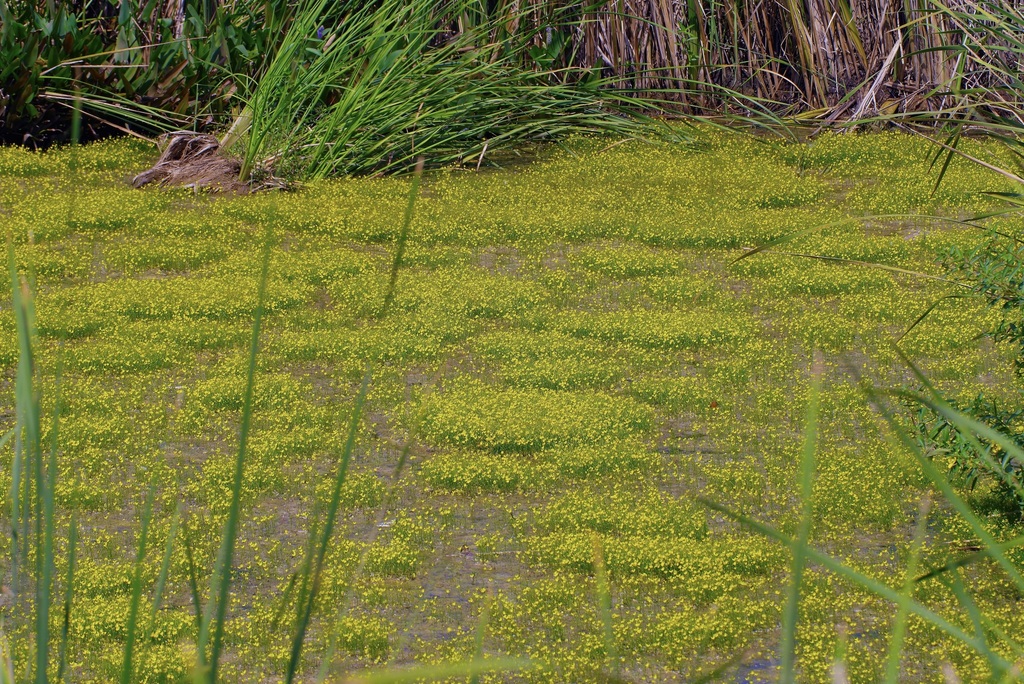
Aquatic bladderwort
Utricularia gibba
Best for: Filling a space on a budget, in a home with pets
Elite tier: top-scoring on every measure
✓ Strong signal Light tolerance:
⚠ Watch out for Mat thinning and turning brown: usually water too hard/alkaline or too little light
Our take Bladderwort is the easiest carnivorous plant you can keep: it floats free in ponds or tanks, needs no substrate, no soil, and no feeding. Its microscopic bladder traps vacuum up daphnia, cyclops, and mosquito larvae on their own.
Strengths
- Genuinely cheap to start
- Non-toxic to cats and dogs
- Beginner-friendly and forgiving of missed waterings
Trade-offs
- Watch for: mat thinning and turning brown
Care details
| Light | : |
| Water | : |
| Humidity | : |
| Temperature | : |
| Toxicity | Non-toxic to fish, cats, dogs, and humans |
| US price | $5–$12 |
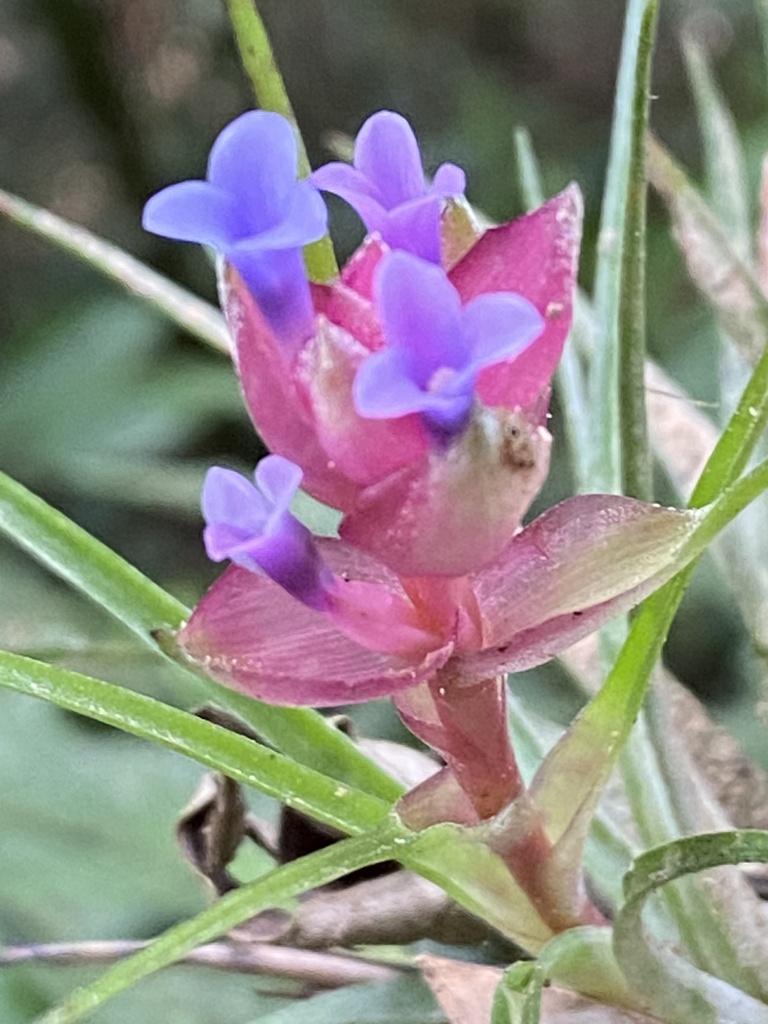
Upright air plant
Pink-spike air plant
Best for: Filling a space on a budget, in a home with pets
Elite tier: top-scoring on every measure
✓ Strong signal Light tolerance: Bright indirect light; soft-leaf forms take less sun, hard-leaf forms take more
⚠ Watch out for Centre leaves pull out easily, base darkens: usually crown rot from water sitting in the dense rosette
Our take Stricta is one of the fastest and most forgiving air plants: bright indirect light, a 20-30 minute weekly soak, then shake and dry upside down so no water sits in the rosette. Unlike blushing species, it blooms with a distinct pink bract spike and blue flowers, and it clumps quic
Strengths
- Genuinely cheap to start
- Non-toxic to cats and dogs
- Beginner-friendly and forgiving of missed waterings
Trade-offs
- Wants higher humidity than most homes provide
- Watch for: centre leaves pull out easily, base darkens
Care details
| Light | Bright indirect light; soft-leaf forms take less sun, hard-leaf forms take more |
| Water | : |
| Humidity | 40-60% ideal; increase watering frequency in heated winter rooms |
| Temperature | 10-32°C (50-90°F); protect from frost |
| Toxicity | Non-toxic to cats, dogs, and humans |
| US price | $5–$12 |
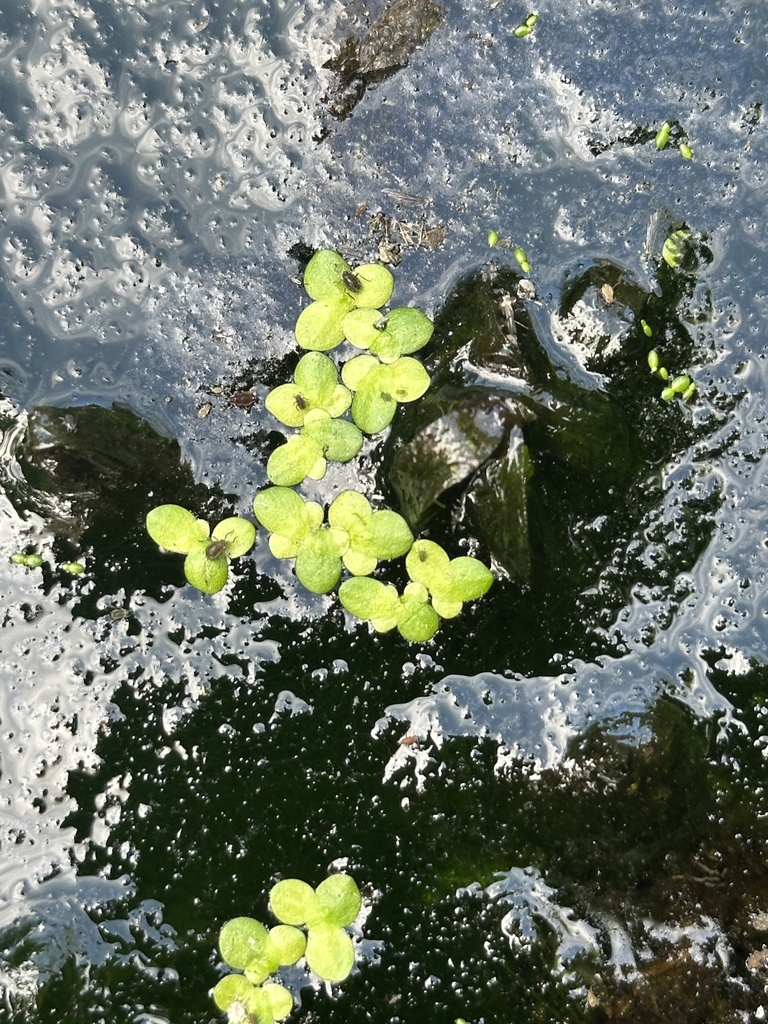
Duckweed
Water lentil
Best for: Filling a space on a budget, in a home with pets
Elite tier: top-scoring on every measure
✓ Strong signal Light tolerance:
⚠ Watch out for Complete green carpet, gasping fish: usually unchecked coverage blocking light and oxygen exchange
Our take Duckweed is legal in most places, costs almost nothing (fish shops often give it away), and is genuinely useful: it strips nitrates, shades algae out, and feeds goldfish, koi, and poultry. The catch is control, not care.
Strengths
- Genuinely cheap to start
- Non-toxic to cats and dogs
- Inexpensive to start ($0–$5 in the US)
Trade-offs
- Watch for: complete green carpet, gasping fish
Care details
| Light | : |
| Water | : |
| Humidity | : |
| Temperature | : |
| Toxicity | Non-toxic; eaten by fish, ducks, and poultry, and researched as a protein crop |
| US price | $0–$5 |
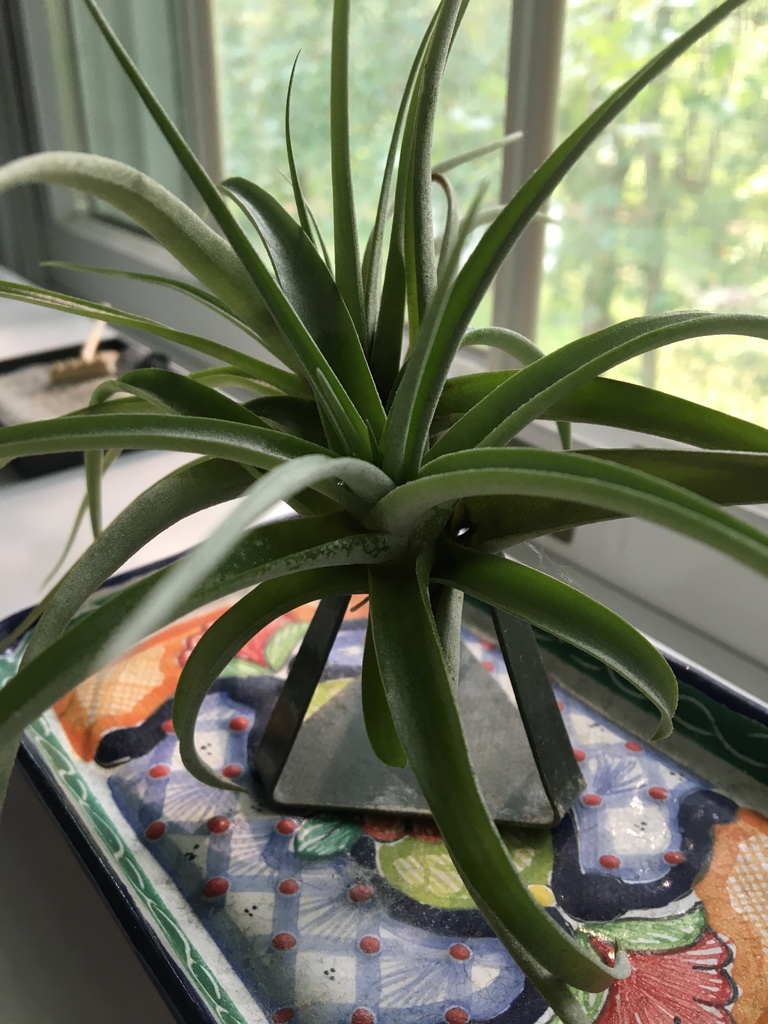
Harris's air plant
Silver air plant
Best for: Filling a space on a budget, in a home with pets
Elite tier: top-scoring on every measure
✓ Strong signal Light tolerance: Bright indirect light with some gentle morning sun; the silver coating handles more light than green tillandsias
⚠ Watch out for Base turns brown-black and the centre pulls out: usually rot from water left sitting in the crown after soaking
Our take T. harrisii is a soft silvery air plant grown with no soil: soak it for 20-30 minutes weekly, shake it out, and dry it upside down.
Strengths
- Genuinely cheap to start
- Non-toxic to cats and dogs
- Inexpensive to start ($6–$18 in the US)
Trade-offs
- Wants higher humidity than most homes provide
- Watch for: base turns brown-black and the centre pulls out
Care details
| Light | Bright indirect light with some gentle morning sun; the silver coating handles more light than green tillandsias |
| Water | : |
| Humidity | 40-60%; being a dry-valley species it tolerates lower humidity than most tillandsias |
| Temperature | 10-32°C (50-90°F); protect from frost |
| Toxicity | Non-toxic to cats, dogs, and humans |
| US price | $6–$18 |
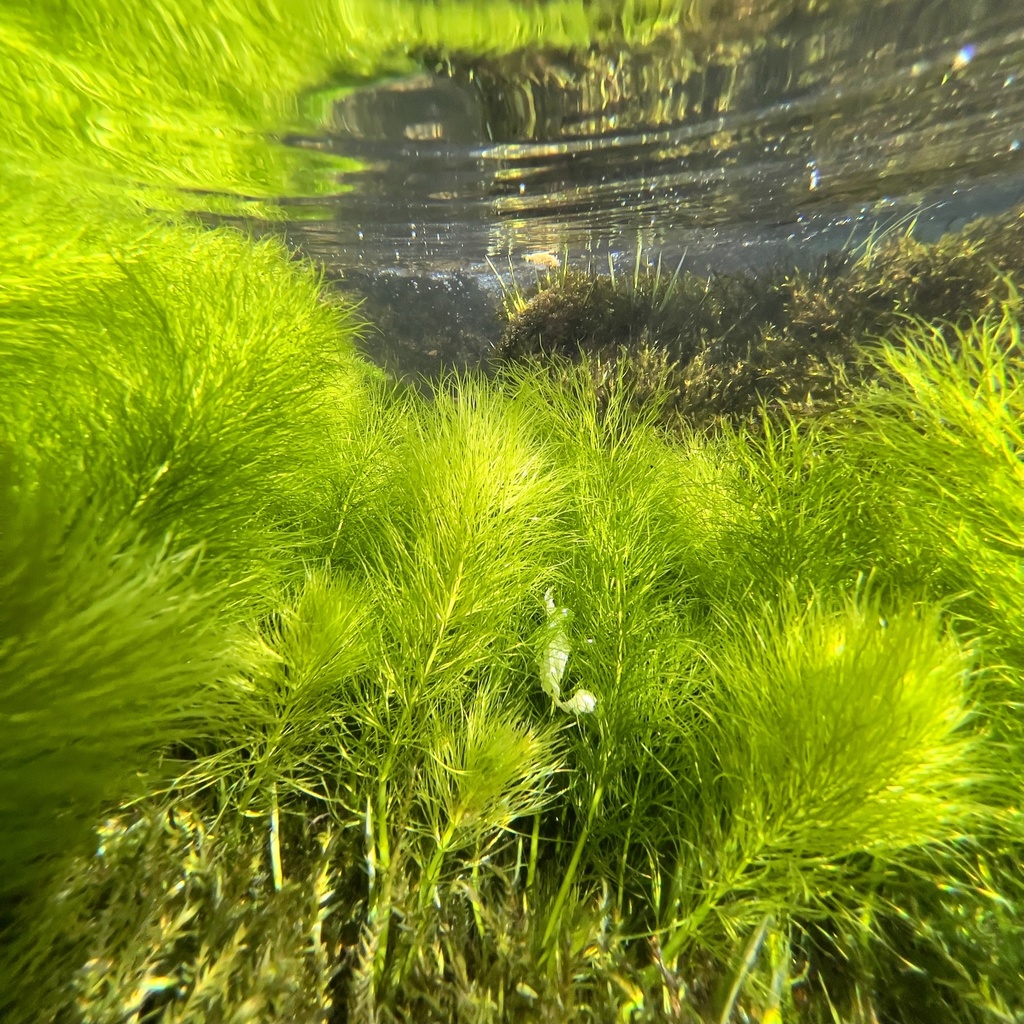
Hornwort
Ceratophyllum
Best for: Filling a space on a budget, in a home with pets
Elite tier: top-scoring on every measure
✓ Strong signal Light tolerance:
⚠ Watch out for Needles shedding everywhere: usually adjustment shock. the classic hornwort move after a change in light, temperature, or water
Our take Hornwort is the fastest nutrient sponge in the aquarium hobby: rootless, coldwater-tolerant, and capable of growing several centimetres a week while stripping nitrates and starving algae. Float it free or anchor the stem base loosely under a rock or in a weight.
Strengths
- Genuinely cheap to start
- Non-toxic to cats and dogs
- Inexpensive to start ($3–$8 in the US)
Trade-offs
- Watch for: needles shedding everywhere
Care details
| Light | : |
| Water | : |
| Humidity | : |
| Temperature | : |
| Toxicity | Non-toxic to fish, shrimp, cats, and dogs |
| US price | $3–$8 |
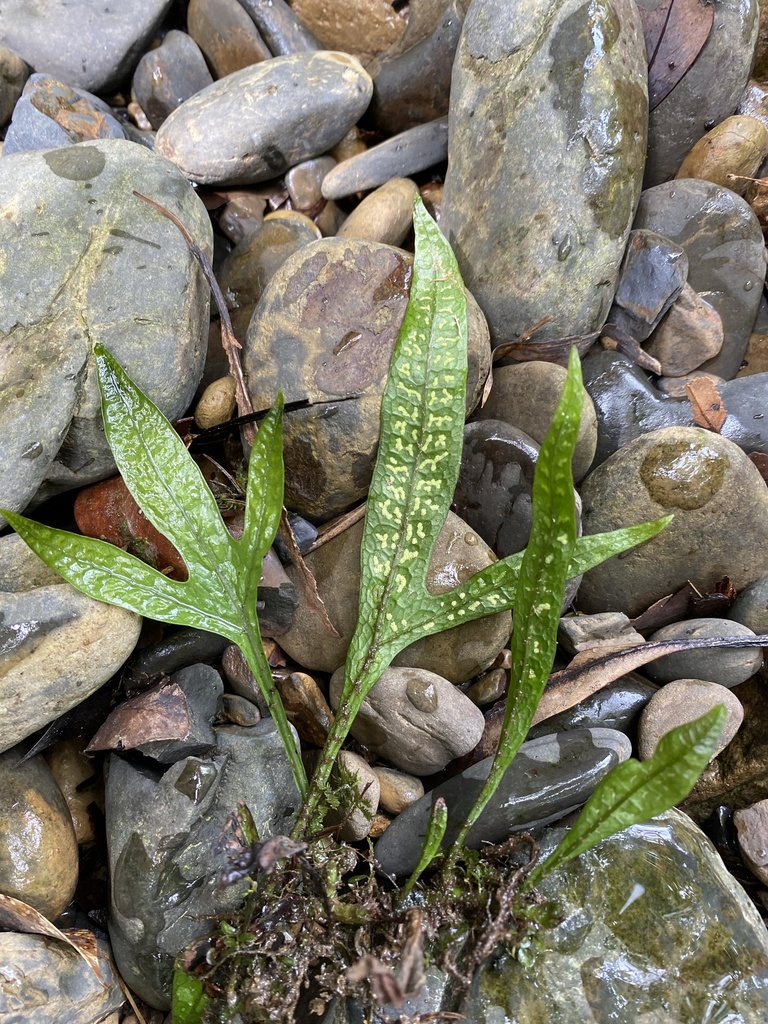
Java fern
Windelov fern (lace variety)
Best for: Filling a space on a budget, in a home with pets
Elite tier: top-scoring on every measure
✓ Strong signal Light tolerance:
⚠ Watch out for Rhizome brown, mushy, plant falling apart: usually rhizome buried in substrate and rotting
Our take The one rule that decides everything: attach the rhizome, never bury it. Tie or glue the brown horizontal stem to rock or driftwood and the plant thrives for years; bury that rhizome in gravel and it rots.
Strengths
- Genuinely cheap to start
- Non-toxic to cats and dogs
- Inexpensive to start ($5–$12 in the US)
Trade-offs
- Watch for: rhizome brown, mushy, plant falling apart
Care details
| Light | : |
| Water | : |
| Humidity | : |
| Temperature | : |
| Toxicity | Non-toxic to fish, shrimp, cats, and dogs |
| US price | $5–$12 |
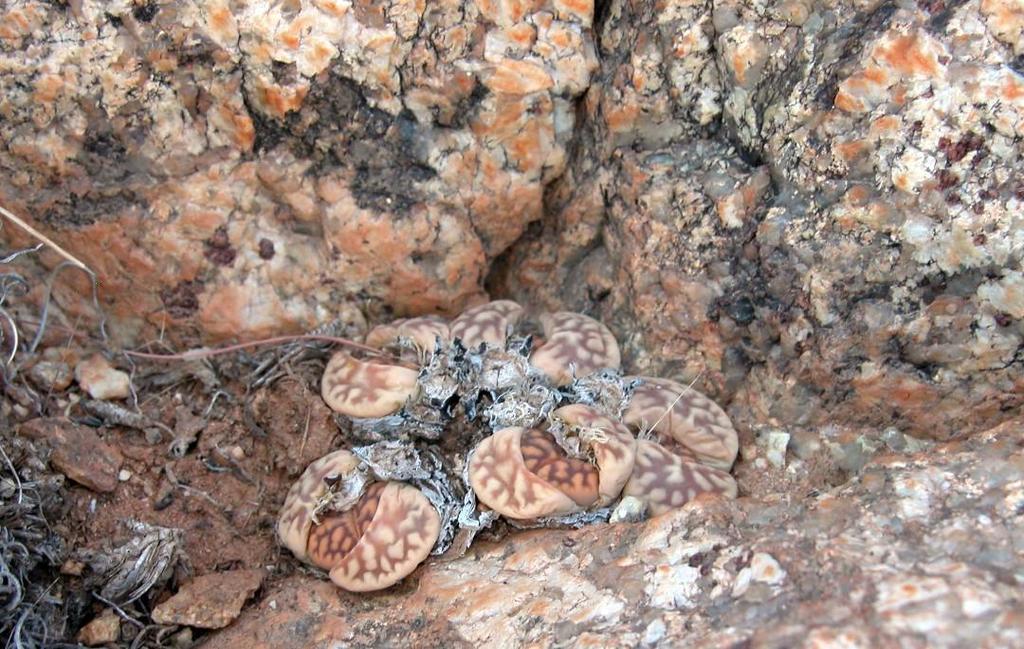
Living stones
Flowering stones
Best for: Filling a space on a budget, in a home with pets
Elite tier: top-scoring on every measure
✓ Strong signal Light tolerance: 4-5+ hours of direct sun (south window in the northern hemisphere); shade-grown lithops stretch and lose their camouflag
⚠ Watch out for Body turns mushy, translucent, and collapses: usually watered during dormancy or leaf change, fatal overwatering
Our take The entire skill of lithops is NOT watering. Water modestly in spring and autumn only, stop completely in summer (dormancy) and again from late autumn through spring while the old leaves shrivel to feed the new pair.
Strengths
- Genuinely cheap to start
- Non-toxic to cats and dogs
- Inexpensive to start ($4–$15 in the US)
Trade-offs
- Watch for: body turns mushy, translucent, and collapses
Care details
| Light | 4-5+ hours of direct sun (south window in the northern hemisphere); shade-grown lithops stretch and lose their camouflage colors |
| Water | : |
| Humidity | Low; never mist |
| Temperature | 18-32°C (65-90°F) growing; keep above 5°C (40°F) and bone dry in winter |
| Toxicity | Non-toxic to cats, dogs, and humans |
| US price | $4–$15 |
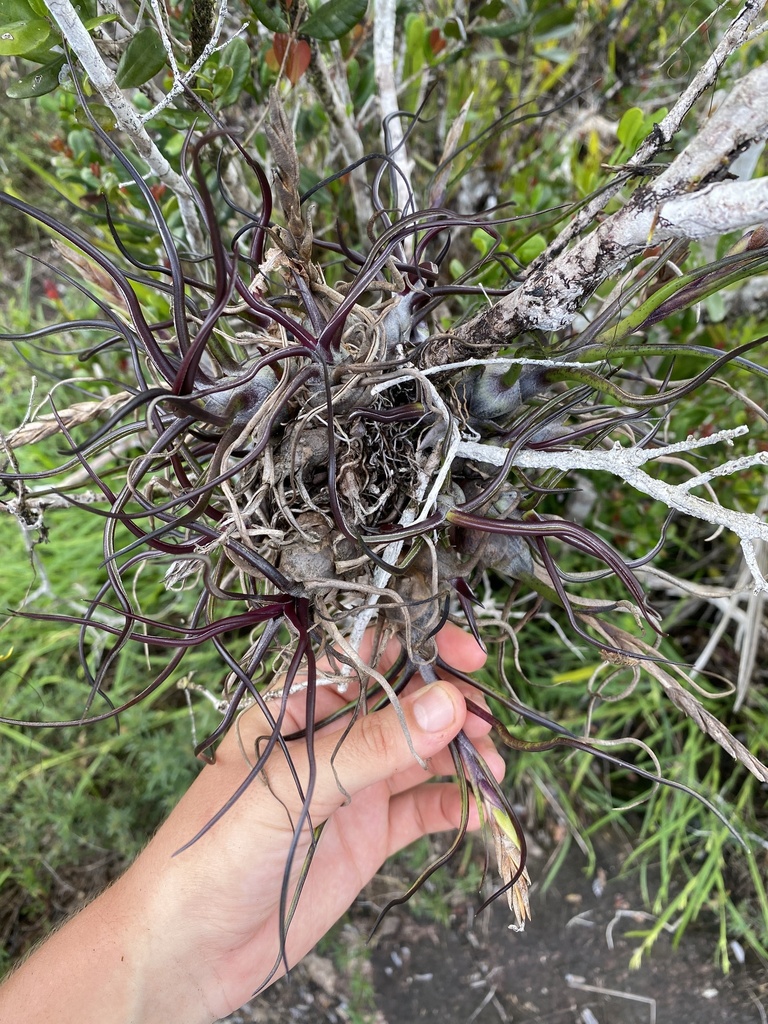
Octopus air plant
Bulbous air plant
Best for: Filling a space on a budget, in a home with pets
Elite tier: top-scoring on every measure
✓ Strong signal Light tolerance: Bright indirect light; less sun-tolerant than silvery species
⚠ Watch out for Bulb darkens, softens, and the centre pulls out: usually water trapped in the hollow bulb. bulbosa's classic failure mode
Our take The octopus plant has few trichomes and glossy leaves, so it likes more humidity than silvery tillandsias: bright indirect light, a weekly 20-30 minute soak plus misting between, and a hard shake-dry upside down afterwards. Water trapped in the hollow bulb is its number-one kille
Strengths
- Genuinely cheap to start
- Non-toxic to cats and dogs
- Inexpensive to start ($5–$12 in the US)
Trade-offs
- Watch for: bulb darkens, softens, and the centre pulls out
Care details
| Light | Bright indirect light; less sun-tolerant than silvery species |
| Water | : |
| Humidity | 50-70% ideal: the most humidity-loving of the common bulbous tillandsias; thrives in bright bathrooms |
| Temperature | 12-32°C (54-90°F); protect from frost |
| Toxicity | Non-toxic to cats, dogs, and humans |
| US price | $5–$12 |
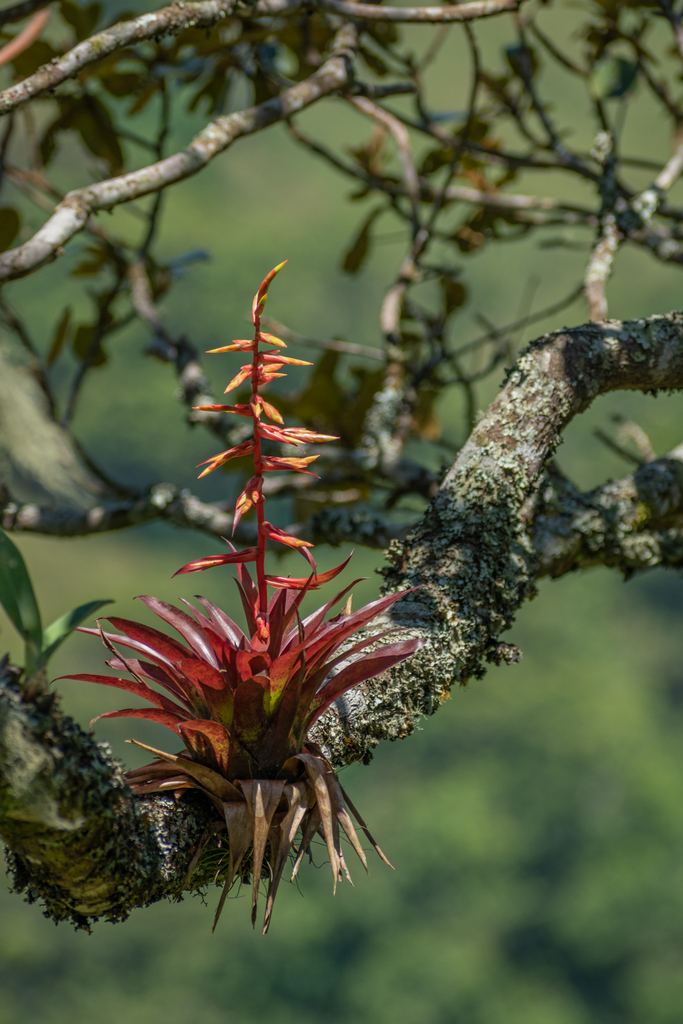
Pink quill plant
Pink quill bromeliad
Best for: Filling a space on a budget, in a home with pets
Elite tier: top-scoring on every measure
✓ Strong signal Light tolerance: Bright indirect light; a little gentle morning sun deepens the bract colour, harsh midday sun scorches leaves
⚠ Watch out for Base rots and the rosette collapses: usually grown in dense potting soil or watered like a normal houseplant
Our take Here is the contrast that trips people up: almost every tillandsia is grown bare with no medium at all, but T. cyanea is a potted plant.
Strengths
- Genuinely cheap to start
- Non-toxic to cats and dogs
- Inexpensive to start ($10–$25 in the US)
Trade-offs
- Watch for: base rots and the rosette collapses
Care details
| Light | Bright indirect light; a little gentle morning sun deepens the bract colour, harsh midday sun scorches leaves |
| Water | : |
| Humidity | 50-70% preferred; brown leaf tips are the first sign the air is too dry |
| Temperature | 16-27°C (60-80°F); protect from cold draughts and never below 10°C |
| Toxicity | Non-toxic to cats, dogs, and humans |
| US price | $10–$25 |
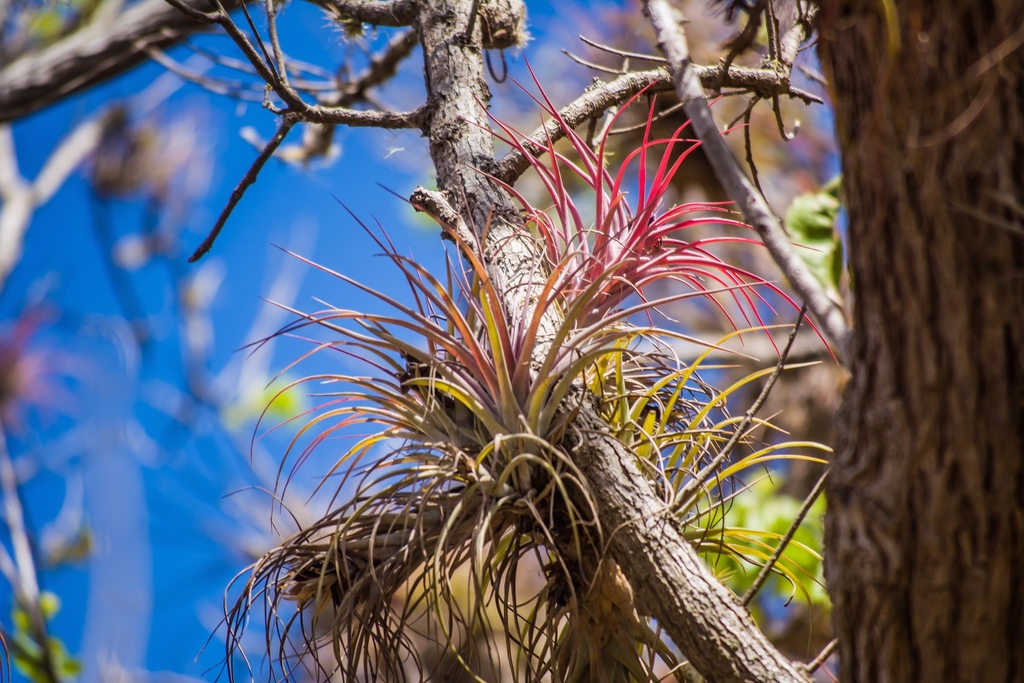
Red-blushing air plant
Flame air plant
Best for: Filling a space on a budget, in a home with pets
Elite tier: top-scoring on every measure
✓ Strong signal Light tolerance: Bright indirect light; soft leaves scorch in hot direct sun, but good light is needed for the red flush
⚠ Watch out for Centre turns brown-black and leaves shed from the middle: usually crown rot. water sat in the dense rosette
Our take Brachycaulos has soft, almost trichome-free green leaves, so it wants more water and humidity than silvery species but less direct sun: bright indirect light, a 20-30 minute weekly soak plus misting in dry rooms, and a thorough upside-down dry so no water sits in the dense rosett
Strengths
- Genuinely cheap to start
- Non-toxic to cats and dogs
- Inexpensive to start ($5–$12 in the US)
Trade-offs
- Watch for: centre turns brown-black and leaves shed from the middle
Care details
| Light | Bright indirect light; soft leaves scorch in hot direct sun, but good light is needed for the red flush |
| Water | : |
| Humidity | 50-70% ideal; among the more humidity-hungry common species |
| Temperature | 12-32°C (54-90°F); protect from frost |
| Toxicity | Non-toxic to cats, dogs, and humans |
| US price | $5–$12 |
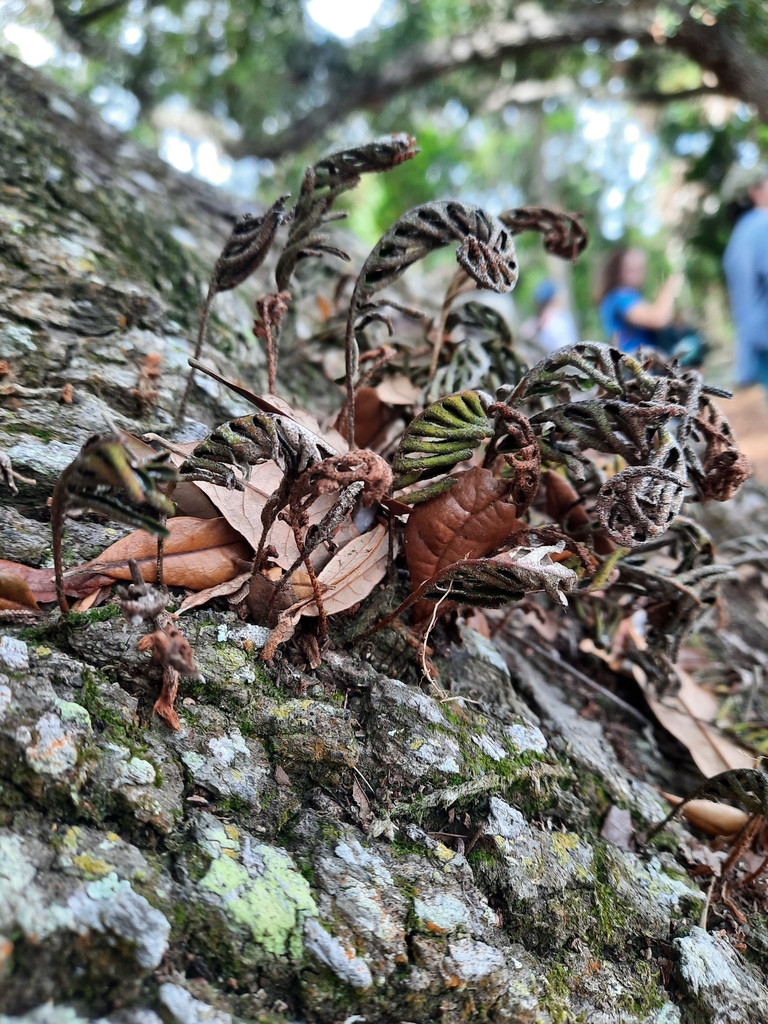
Resurrection fern
Miracle fern
Best for: Filling a space on a budget, in a home with pets
Elite tier: top-scoring on every measure
✓ Strong signal Light tolerance: Dappled shade to bright indirect light, as under an oak canopy; avoid direct afternoon sun
⚠ Watch out for Fern is brown, curled and looks dead: usually normal desiccation dormancy
Our take The signature fact: this fern dries to a brown, curled, apparently dead mat and revives to full green within a few hours of rain, and it can repeat that cycle for decades. It grows epiphytically on oak and cypress bark in the US Southeast, never in soil, taking nothing from its h
Strengths
- Genuinely cheap to start
- Non-toxic to cats and dogs
- Inexpensive to start ($10–$30 in the US)
Trade-offs
- Wants higher humidity than most homes provide
- Watch for: fern is brown, curled and looks dead
Care details
| Light | Dappled shade to bright indirect light, as under an oak canopy; avoid direct afternoon sun |
| Water | : |
| Humidity | Ambient outdoor humidity is ideal; indoors it needs 50%+ or it will spend most of its life curled |
| Temperature | Tolerates freezing to well over 35°C (95°F); very hardy across its native range |
| Toxicity | Non-toxic to cats, dogs, and humans |
| US price | $10–$30 |
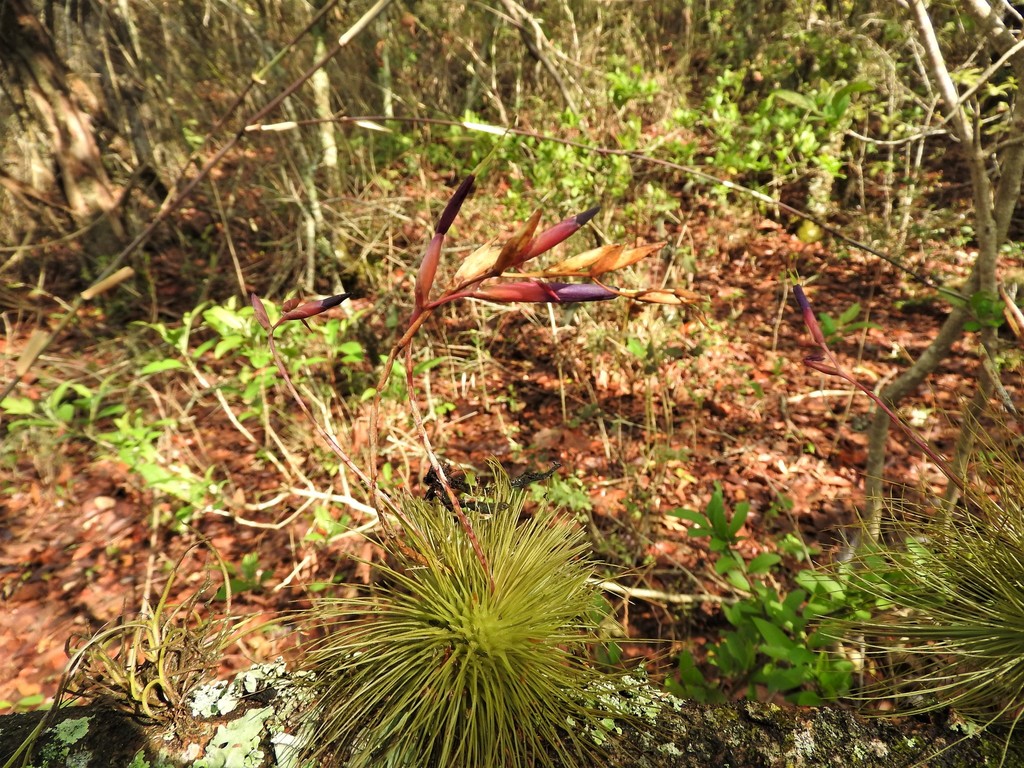
Silver puffball air plant
Dandelion air plant
Best for: Filling a space on a budget, in a home with pets
Elite tier: top-scoring on every measure
✓ Strong signal Light tolerance: Bright indirect light with some gentle morning sun
⚠ Watch out for Whole sections of fine leaves shed at a touch: usually rot in the bulb from trapped water
Our take Fuchsii's hair-fine leaves have almost no water storage, so it dehydrates faster than any chunky species: bright indirect light, a short 15-20 minute soak weekly (or frequent misting), and a quick upside-down dry. The fine crown rots if water lodges in the bulb.
Strengths
- Genuinely cheap to start
- Non-toxic to cats and dogs
- Inexpensive to start ($6–$14 in the US)
Trade-offs
- Wants higher humidity than most homes provide
- Watch for: whole sections of fine leaves shed at a touch
Care details
| Light | Bright indirect light with some gentle morning sun |
| Water | : |
| Humidity | 40-60%; mist more often in heated rooms |
| Temperature | 10-30°C (50-86°F); protect from frost |
| Toxicity | Non-toxic to cats, dogs, and humans |
| US price | $6–$14 |
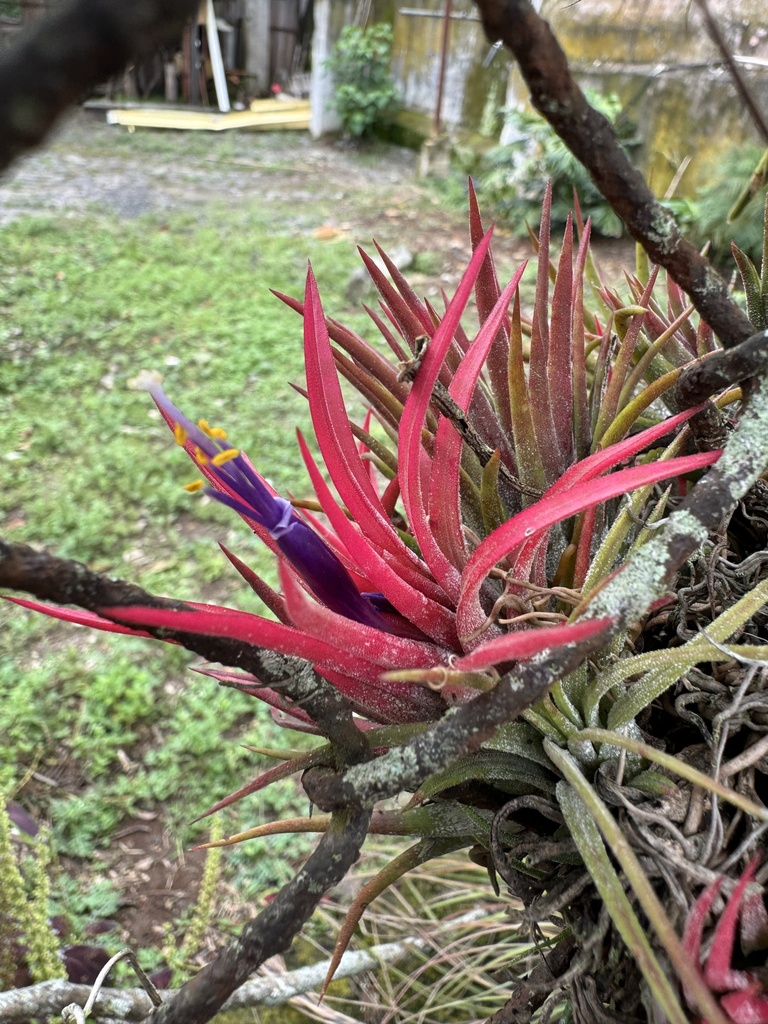
Sky plant
Ionantha air plant
Best for: Filling a space on a budget, in a home with pets
Elite tier: top-scoring on every measure
✓ Strong signal Light tolerance: Bright indirect light; tolerates some gentle morning sun; avoid hot midday glass
⚠ Watch out for Base turns brown/black and leaves fall out from the center: usually rot from water sitting in the rosette or no airflow after soaking
Our take T. ionantha is the classic beginner air plant: no soil, no pot.
Strengths
- Genuinely cheap to start
- Non-toxic to cats and dogs
- Inexpensive to start ($4–$10 in the US)
Trade-offs
- Wants higher humidity than most homes provide
- Watch for: base turns brown/black and leaves fall out from the center
Care details
| Light | Bright indirect light; tolerates some gentle morning sun; avoid hot midday glass |
| Water | : |
| Humidity | 40-60% ideal; increase watering frequency in dry, heated rooms |
| Temperature | 10-32°C (50-90°F); protect from frost |
| Toxicity | Non-toxic to cats, dogs, and humans |
| US price | $4–$10 |
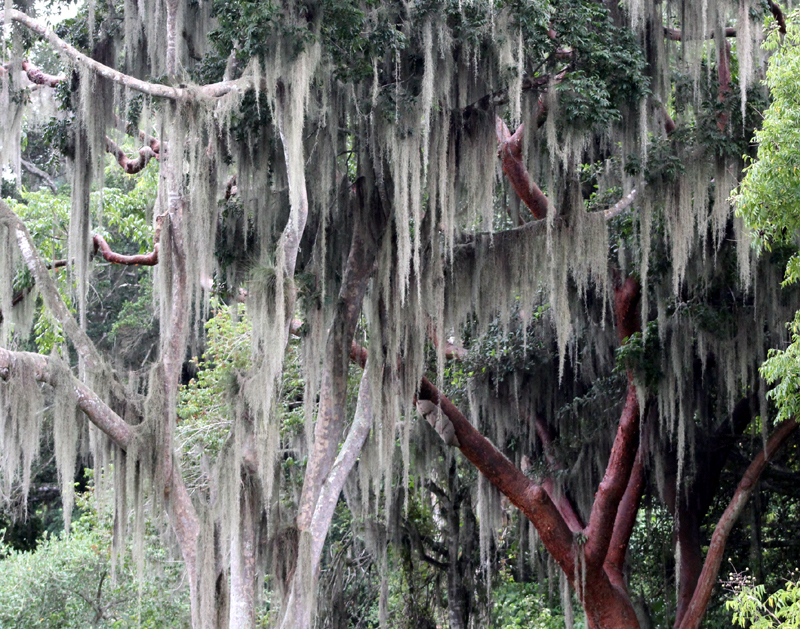
Spanish moss
Tillandsia usneoides
Best for: Filling a space on a budget, in a home with pets
Elite tier: top-scoring on every measure
✓ Strong signal Light tolerance: Bright indirect light or dappled sun; scorches in hot direct afternoon sun indoors
⚠ Watch out for Strands turn crispy, pale, and snap when bent: usually under-watering. the most common indoor failure
Our take Spanish moss is the highest-water air plant most people will own: mist thoroughly 3-4 times a week (daily in dry homes), or dunk the whole curtain weekly, and hang it where air moves so it dries between waterings. Bright indirect light, no soil, no pot, just drape it.
Strengths
- Genuinely cheap to start
- Non-toxic to cats and dogs
- Inexpensive to start ($5–$15 in the US)
Trade-offs
- Wants higher humidity than most homes provide
- Watch for: strands turn crispy, pale, and snap when bent
Care details
| Light | Bright indirect light or dappled sun; scorches in hot direct afternoon sun indoors |
| Water | : |
| Humidity | Loves 50%+; ideal over a kitchen sink or in a bright bathroom |
| Temperature | 10-35°C (50-95°F); survives brief light frosts outdoors when established |
| Toxicity | Non-toxic to cats, dogs, and humans |
| US price | $5–$15 |
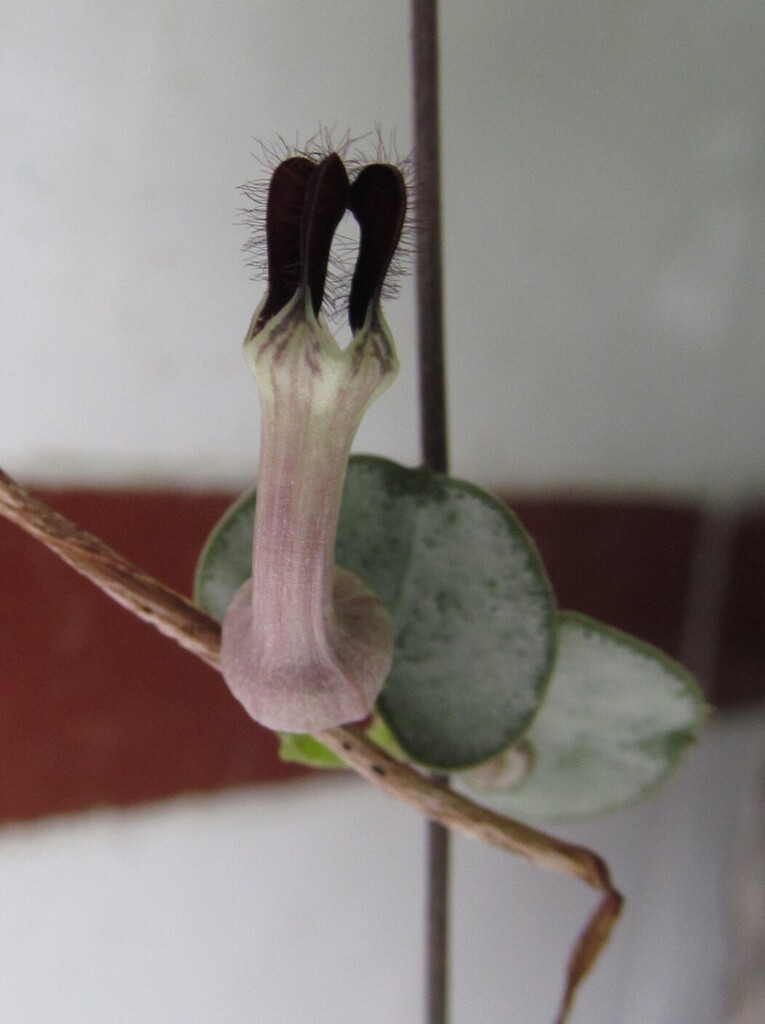
String of hearts
Hearts entangled
Best for: Filling a space on a budget, in a home with pets
Elite tier: top-scoring on every measure
✓ Strong signal Light tolerance: Bright light with 2-3 hours of gentle direct sun; a south or west window slightly set back is ideal
⚠ Watch out for Leaves yellow and drop, stems mushy near the soil: usually overwatering. the tuberous caudex is rotting
Our take Treat it like a succulent that happens to trail: bright light with some gentle direct sun, water only when the pot has dried out (every 1-2 weeks in summer, monthly in winter), and a gritty, fast-draining mix in a smallish pot. Strong light keeps the marbling silver and the leave
Strengths
- Genuinely cheap to start
- Non-toxic to cats and dogs
- Inexpensive to start ($8–$25 in the US)
Trade-offs
- Watch for: leaves yellow and drop, stems mushy near the soil
Care details
| Light | Bright light with 2-3 hours of gentle direct sun; a south or west window slightly set back is ideal |
| Water | Only when the soil has dried fully. Every 1-2 weeks in the growing season, every 3-4 weeks in winter |
| Humidity | Ordinary household humidity; no misting needed |
| Temperature | 18-27°C (65-80°F); keep above 10°C (50°F) |
| Toxicity | Non-toxic to cats, dogs, and humans |
| US price | $8–$25 |
Stop guessing whether that corner is bright enough
Sodate measures the actual light where your plant sits and builds its watering schedule from that reading and your season, not a fixed interval. Currently in development.
See Sodate: coming soonWhat to check before buying
- Ask where the plant was grown. Greenhouse-grown stock looks perfect for weeks on stored energy before it shows dim-room stress
- Check leaf spacing on the stem: wide gaps mean it was already stretching for light before you bought it
- Choose plain-green over variegated for genuinely dim spots. Variegated leaves have less chlorophyll and need more light
- Inspect leaf undersides and stem joints for pests, which spread faster on plants stressed by low light
- Confirm pet toxicity yourself if you have cats or dogs, rather than relying on shelf labels
Red flags to walk away from
- Variegated versions at several times the price of the plain form. Variegated plants also need more light and grow more slowly.
- Small plants in oversized decorative pots. You are paying for ceramic, and the plant is likely to sit wet in too much soil.
- Trend pricing. Several plants on this list sold for many times their current price during their fashionable years, and nothing about the plant changed.
- Air plants sold glued into shells or ornaments. The glue blocks the base and the plant cannot be soaked properly, so it dies slowly.
Best time to buy
Late summer and early autumn, when garden centres clear stock before winter, is when this group is discounted hardest. Check the roots and the growing point rather than the leaves, because end-of-season plants are often tatty on top and perfectly healthy below.
Frequently asked questions
Why are some houseplants so expensive?
Rarity, slow propagation and demand cycles, not quality of care. A plant that is slow to propagate commercially stays expensive; one that roots from a cutting in three weeks does not.
Is a cheap plant a lower-quality plant?
No. Most of the cheapest plants here are cheap precisely because they are vigorous and propagate easily, which are the same traits that make them forgiving to own.
Where is the cheapest place to buy plants?
Cuttings from someone who already owns one, which cost nothing. After that, general nurseries and supermarkets undercut specialist plant shops substantially on the common species listed here.
How is soil-free care different?
There is no reservoir. Potting soil holds water for days between waterings, and a mounted or bare-root plant does not, so watering is more frequent and drying between waterings is essential rather than optional.
Do these plants need fertiliser?
Yes, and it is easy to forget because there is no soil to amend. Most need a dilute feed added to their soaking or misting water during growth, at a fraction of normal strength.
Limitations of this ranking
Stated plainly, so you can judge how much weight to give it:
- No physical testing. Nothing here was grown, timed or measured by us. Every score is computed from the structured care data on this site, which is compiled from the botanical and horticultural sources listed below.
- Prices are researched ranges, not live quotes. They are typical retail for a standard starter size and will drift. Each plant profile carries the regional breakdown for five countries.
- Scores are relative to this directory, which holds 208 profiles. A plant absent from the directory cannot appear here, so this is not a claim about every plant in existence.
- Care data is species-level. Your light, your water and your home will move any of these plants up or down more than the gap between adjacent ranks.
- No credentialed horticulturist has reviewed this. These pages are compiled and edited against a published rubric and cited sources. Where a claim matters, the source is linked below so you can check it rather than take it on authority. Our review panel page lists every section that has no expert reviewer yet and the credential we require to fill it.
Sources
Of the 208 plant profiles in this directory, 23 meet the entry bar for cheap soil-free and mounted plants (11%). 15 of the 15 ranked here are non-toxic to cats and dogs, and the median entry price across the list is $5.
- ASPCA Toxic and Non-Toxic Plant List. Species-level toxicity to cats and dogs, used for every pet-safety score.
- GBIF (Global Biodiversity Information Facility). Accepted botanical names and taxon identifiers for every profile.
- iNaturalist. Source of the CC-licensed photographs, with photographer and licence credited per image.
- RHS Plant Finder. UK cultivation guidance, hardiness ratings and cultivar naming.
- Missouri Botanical Garden Plant Finder. Cross-checked culture notes, mature size and problem diagnosis.
Editorial disclosure: no plant on this page is sponsored, and Sodate takes no payment, commission or affiliate revenue for placement. Rankings are generated from the data by the scoring code in this site's repository, not chosen by hand. Published , last updated .