 Sodate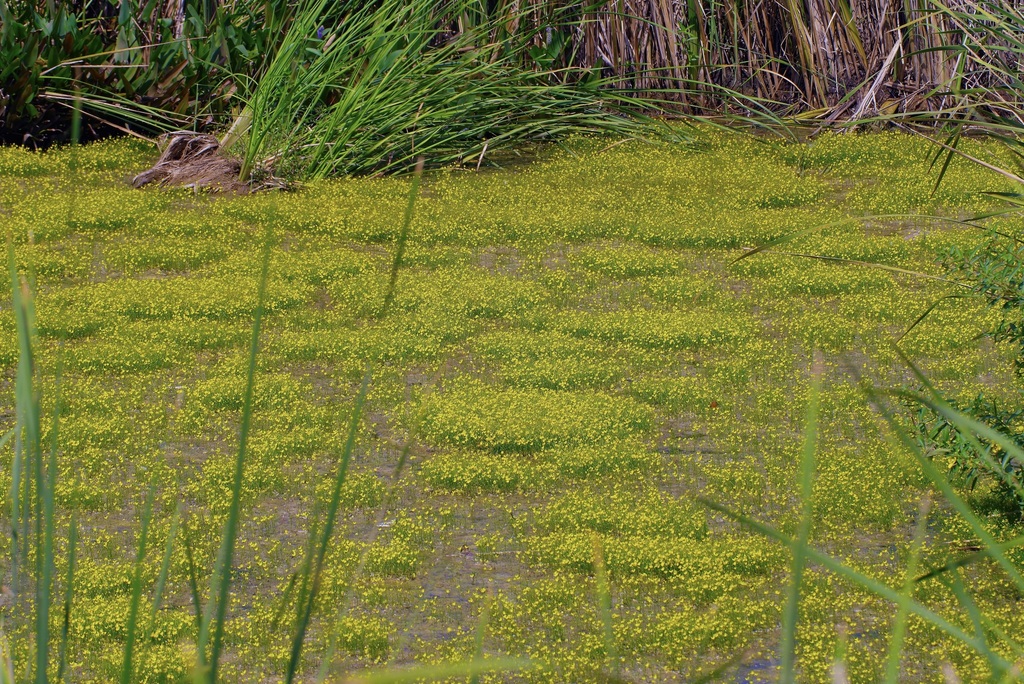
On this page
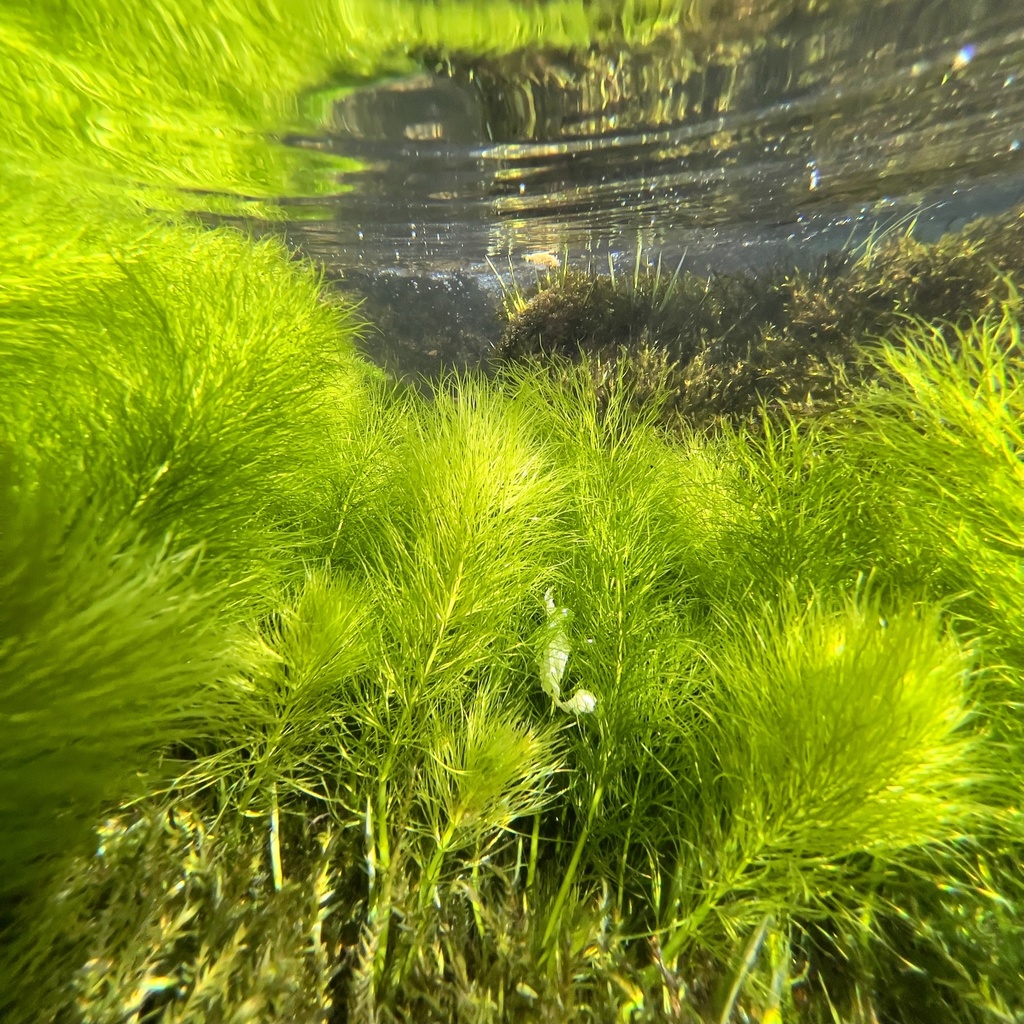
Bladderwort is the easiest carnivorous plant you can keep: it floats free in ponds or tanks, needs no substrate, no soil, and no feeding. Its microscopic bladder traps vacuum up daphnia, cyclops, and mosquito larvae on their own. Give it soft-to-moderate water, decent light, and micro-life to eat. It grows fast and tangles into mats, so thin it like any floater. Cheap ($5-12 a portion) and fascinating under a hand lens.
Key facts
- Carnivorous by suction: each 1-2mm bladder pumps water out to create a vacuum, and when prey brushes the trigger hairs the trapdoor snaps inward in around a quarter of a millisecond. Among the fastest movements known in plants.
- Never needs feeding: in any pond or established tank there are enough water fleas, cyclops, and mosquito larvae to keep it fed; it also photosynthesises normally.
- No roots, no substrate: it is a free-floating or loosely tangling mesh of green threads that can also weave through other plants near the surface.
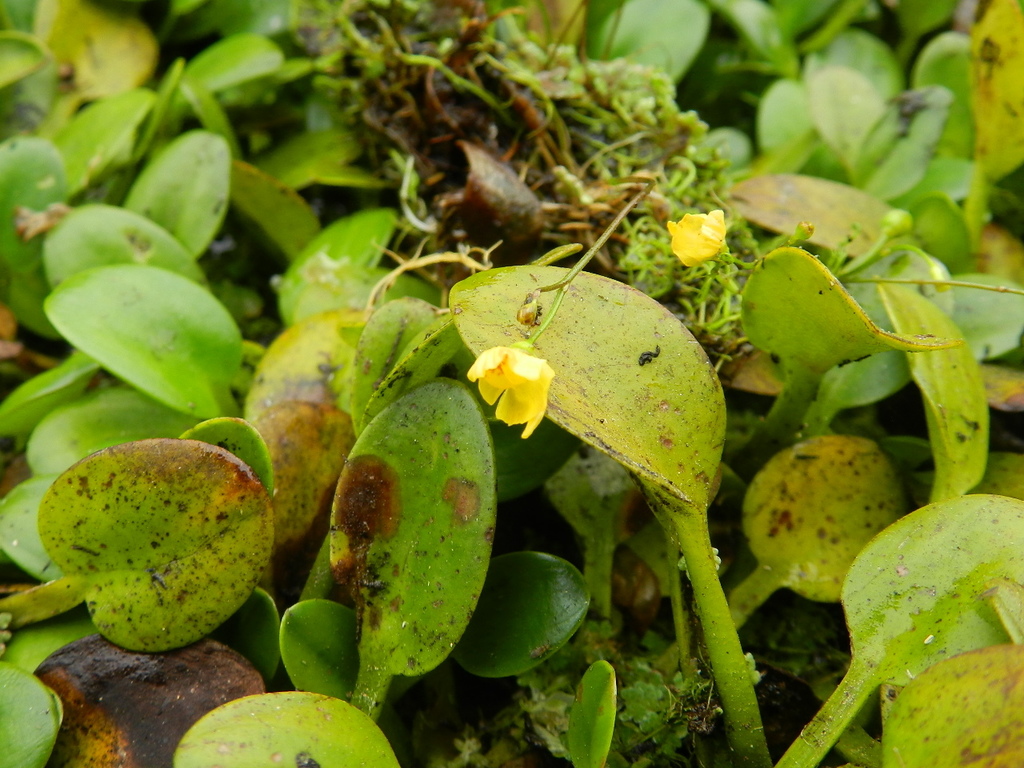
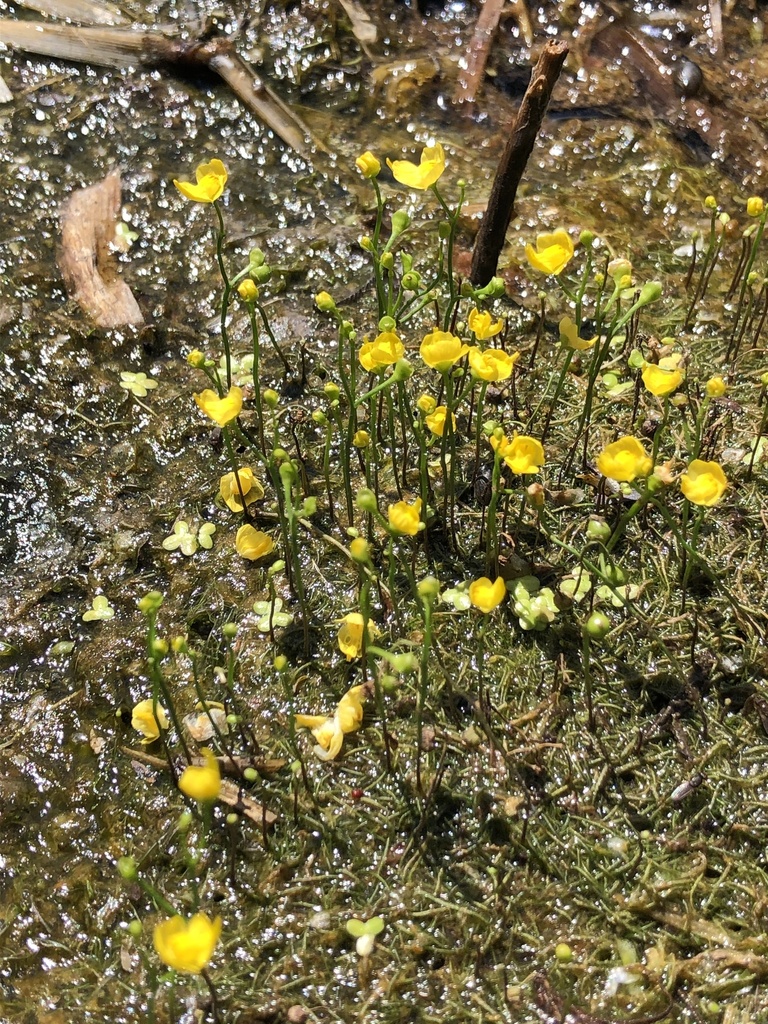
- In summer it sends 1-2cm yellow snapdragon-like flowers above the water. The usual way people discover their 'algae tangle' is actually a carnivore.
Care requirements#
| Plant type | Free-floating carnivorous aquatic (suspends just below the surface or tangles loosely in other plants) |
| Growing medium | None: no roots; never plant it in substrate |
| Water temperature | 18-28°C (64-82°F); tolerant of pond temperature swings, not frost-hardy in the tropical strains sold |
| Light | Moderate to high light over the tank/pond; more light = denser growth and better flowering |
| Water chemistry | Prefers soft, slightly acidic water (pH 5.5-7.0, low KH); tolerates moderate hardness but sulks in liquid-rock water |
| Nutrients | Feeds itself on micro-invertebrates (daphnia, cyclops, mosquito larvae); no fertilizer or manual feeding needed |
| Flow preference | Still to gentle flow; strong current shreds the thread mats |
| Tankmates | Safe with fish; traps are too small for anything beyond newly hatched fry and the tiniest shrimplets |
| Thinning | Grows fast: pull out handfuls when the mat thickens, as with any floater |
| Water changes | Normal aquarium routine; avoid heavy fertilizer dosing which favors algae over it |
| Winter (ponds) | Temperate bladderwort species form winter resting buds; the commonly sold U. gibba is best brought indoors below ~15°C |
| Toxicity | Non-toxic to fish, cats, dogs, and humans |
Growth & propagation#
| Mature size | Thread-like stems 10-30cm long forming loose floating mats |
| Growth rate | Fast in warm, bright, prey-rich water |
| Propagation methods | Fragmentation: any pinched-off strand grows into a new plant |
| Propagation difficulty | Trivial; sharing a golf-ball tangle starts a new colony |
| Flowering | Small yellow two-lipped flowers on emergent stalks in summer |
| Trap turnover | Bladders blacken as they digest prey and are continuously replaced by new growth |
Common problems & troubleshooting#
| Symptom | Likely cause | Fix |
|---|---|---|
| Mat thinning and turning brown | Water too hard/alkaline or too little light | Move toward softer, slightly acidic water (rainwater/RO top-ups) and increase light |
| Strands disintegrating | Strong current or heavy surface agitation | Move it to a calm corner or a still species tank/tub |
| Algae smothering the threads | Excess fertilizer/nitrate in the water favoring algae | Cut dosing, do water changes, and add algae grazers that won't eat the plant (snails) |
| No flowers | Insufficient light or the mat never reaches the surface | High light and a still surface; flowering usually follows a warm, bright spell |
| It's weaving through and choking other plants | Normal habit. It scrambles through anything near the surface | Thin regularly and keep it corralled in a floating ring or its own tub |
A pet that feeds itself
Sodate tracks the thinning and water changes; the bladderwort handles its own meals.
Seasonal care#
Buying checklist#
- Confirm you're getting Utricularia gibba (aquatic), not a terrestrial bladderwort that needs wet peat instead of open water
- Look for bright yellow-green threads with visible dark bladders. Brown, mushy tangles are dying
- Ask whether it was grown submerged; emersed-grown stock takes a couple of weeks to re-adapt
- Check it isn't carrying hair algae, which is nearly impossible to separate from the threads later
Pricing by region#
| Region | Price range | Typical unit | Basis |
|---|---|---|---|
| US | $5 – $12 | golf-ball portion | Carnivorous plant nurseries + hobbyist sales |
| UK | $5 – $13 | portion | Carnivorous plant nurseries |
| India | $1 – $4 | portion | Online exotic-plant sellers |
| Australia | $5 – $13 | portion | Domestic carnivorous plant growers |
| Canada | $5 – $12 | portion | Carnivorous plant nurseries + hobbyist sales |
USD figures are approximate conversions for comparison; switch the dropdown to see each region's actual local-currency listing price.
Often confused with#
Name confusion warning#
"Bladderwort" covers 240+ species with opposite needs. Many Utricularia sold online are terrestrial or epiphytic species grown in wet peat, not open water. For a pond or tank you want a truly aquatic species, Utricularia gibba is the common one, so confirm the species name before buying. Note U. gibba itself is considered a weedy invader in some regions (e.g. New Zealand), so never release it.
Where it's actually grown#
Traded almost entirely through carnivorous-plant nurseries and hobbyist swaps rather than mainstream aquarium chains; it multiplies so fast from fragments that most stock is a few generations from someone's tub pond.
Import & biosecurity restrictions#
| Region | Note |
|---|---|
| US | Native across much of the US and unrestricted; never release cultivated stock into natural water anyway. |
| UK | No sale restriction; keep contained. Related aquatic invasives have made UK regulators wary of pond dumping. |
| India | No restriction; grows readily in warm Indian conditions in tubs and tanks. |
| Australia | Live plant imports restricted under biosecurity law; buy from domestic carnivorous plant growers (U. gibba occurs natively). |
| Canada | No specific restriction; CFIA rules apply to commercial imports as with any live plant. |
Similar plants
Ranked in these guides
Did you know?
Frequently asked questions
Do I need to feed aquatic bladderwort?
No. Its bladder traps automatically catch daphnia, cyclops, and mosquito larvae present in any pond or established tank, and it photosynthesises like a normal plant.
How do bladderwort traps work?
Each tiny bladder pumps water out to create a vacuum; when prey touches the trigger hairs, the trapdoor springs open and sucks the animal in within about half a millisecond.
Is bladderwort safe with fish and shrimp?
Safe with fish, the 1-2mm traps can only take micro-prey, but it can catch newly hatched fry and the tiniest shrimplets, so breeders may want to keep it out of fry tanks.
Does bladderwort need substrate or planting?
No. It has no roots at all and must float free or tangle loosely near the surface; never bury it in gravel.
How much does aquatic bladderwort cost?
A golf-ball-sized portion typically costs $5-12 from carnivorous plant nurseries, and any fragment grows into a new colony.