 Sodate
On this page
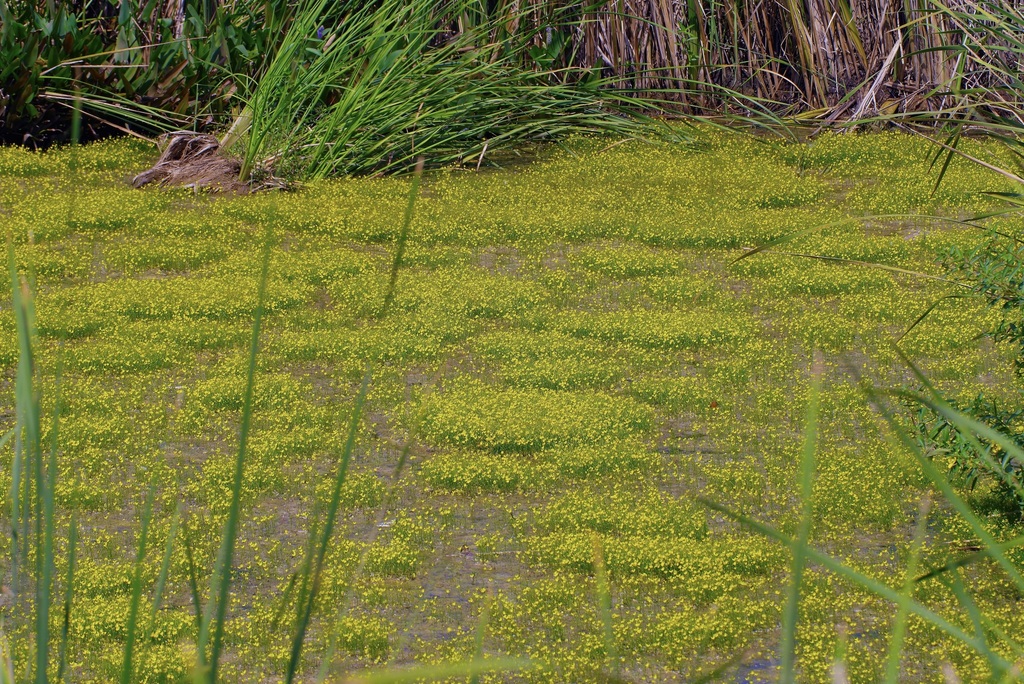
Duckweed is legal in most places, costs almost nothing (fish shops often give it away), and is genuinely useful: it strips nitrates, shades algae out, and feeds goldfish, koi, and poultry. The catch is control, not care. It can double in under a week and will carpet any still, nutrient-rich surface. Skim regularly, keep it out of filters, and never dump it into natural water: escaped mats can smother small ponds and ditches.
Key facts
- Among the fastest-multiplying plants known. Fronds bud clones and populations can double in 2-7 days in warm, rich water.
- Legal in most jurisdictions (it is native across much of the world), but it still carries a pond-takeover risk: a full carpet blocks light and gas exchange and can deoxygenate small ponds.
- It grows with zero equipment: no substrate, no CO2, no dosing in most setups. It lives entirely off dissolved nutrients, which is why it is used in wastewater treatment.
- Effectively free: a golf-ball portion from a fish shop (often given away) seeds an entire pond in weeks.
Care requirements#
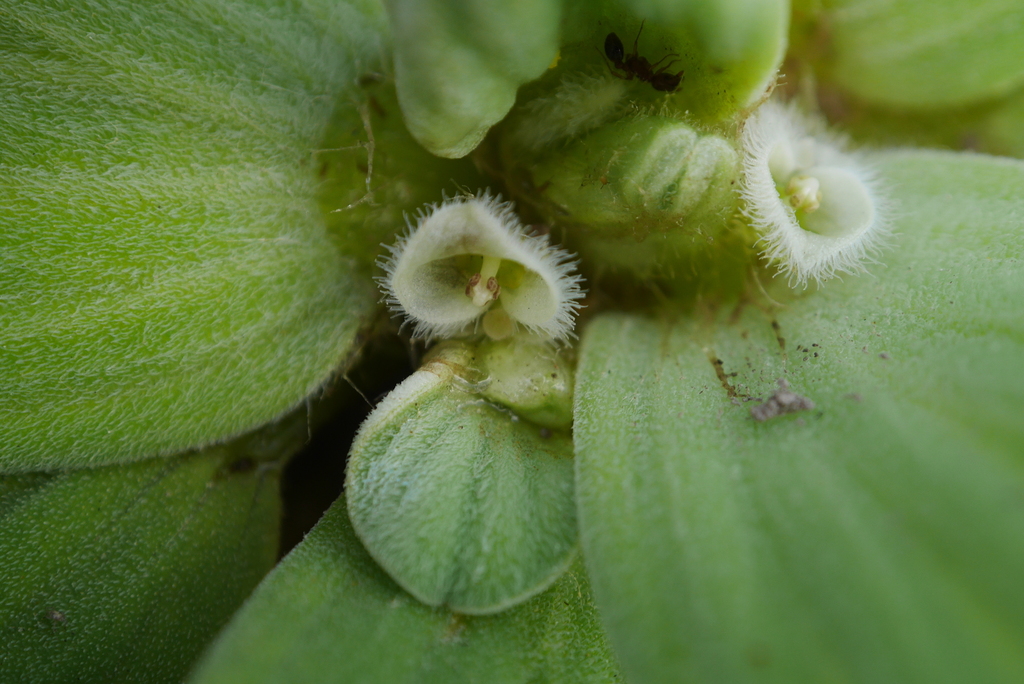
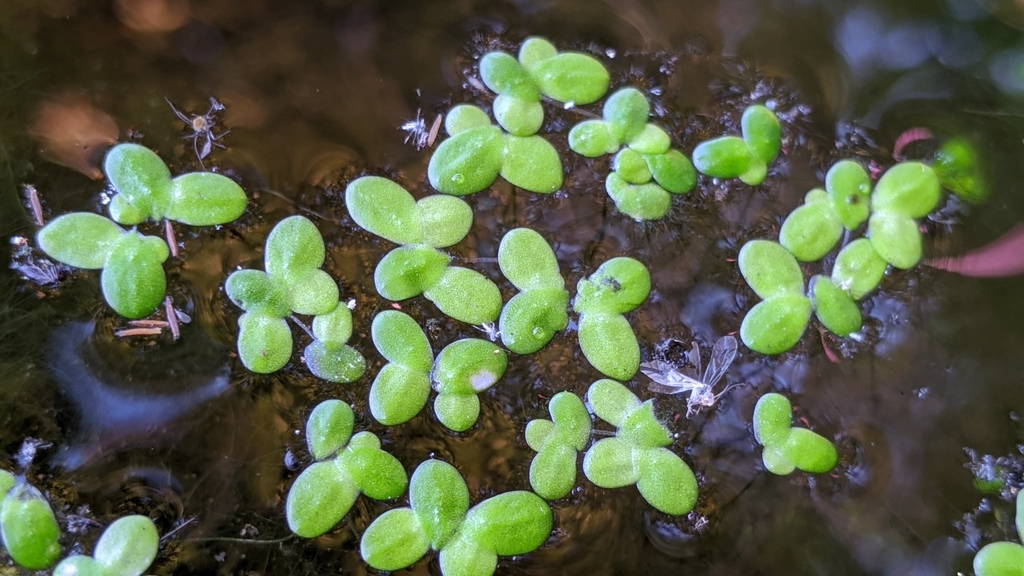
| Plant type | Free-floating aquatic; tiny 2-5mm fronds with a single hanging rootlet |
| Growing medium | None: floats on the surface and absorbs nutrients directly from the water |
| Water temperature | 6-33°C tolerated; fastest growth 20-28°C (68-82°F) |
| Light | Moderate to bright light over the tank or pond; grows in almost anything above dim |
| Nutrients | Feeds on nitrates/phosphates in the water; needs no dosing in any tank with fish |
| Water hardness | Very tolerant, soft to hard; pH ~5.5-8.5 |
| Flow preference | Still surface essential. Current and surface agitation push it under and shred it |
| Filter protection | Keep intakes screened with a sponge prefilter; duckweed clogs filters fast |
| Containment | Corral with airline tubing or a floating ring if you want only partial coverage |
| Harvesting | Skim with a net weekly (more in summer); feed to fish/poultry or compost |
| Winter (ponds) | Hardy: forms sinking resting buds (turions) that overwinter on the bottom and refloat in spring |
| Toxicity | Non-toxic; eaten by fish, ducks, and poultry, and researched as a protein crop |
Growth & propagation#
| Mature size | Individual fronds 2-5mm; colonies of 2-4 fronds |
| Growth rate | Explosive: doubling in 2-7 days under good conditions |
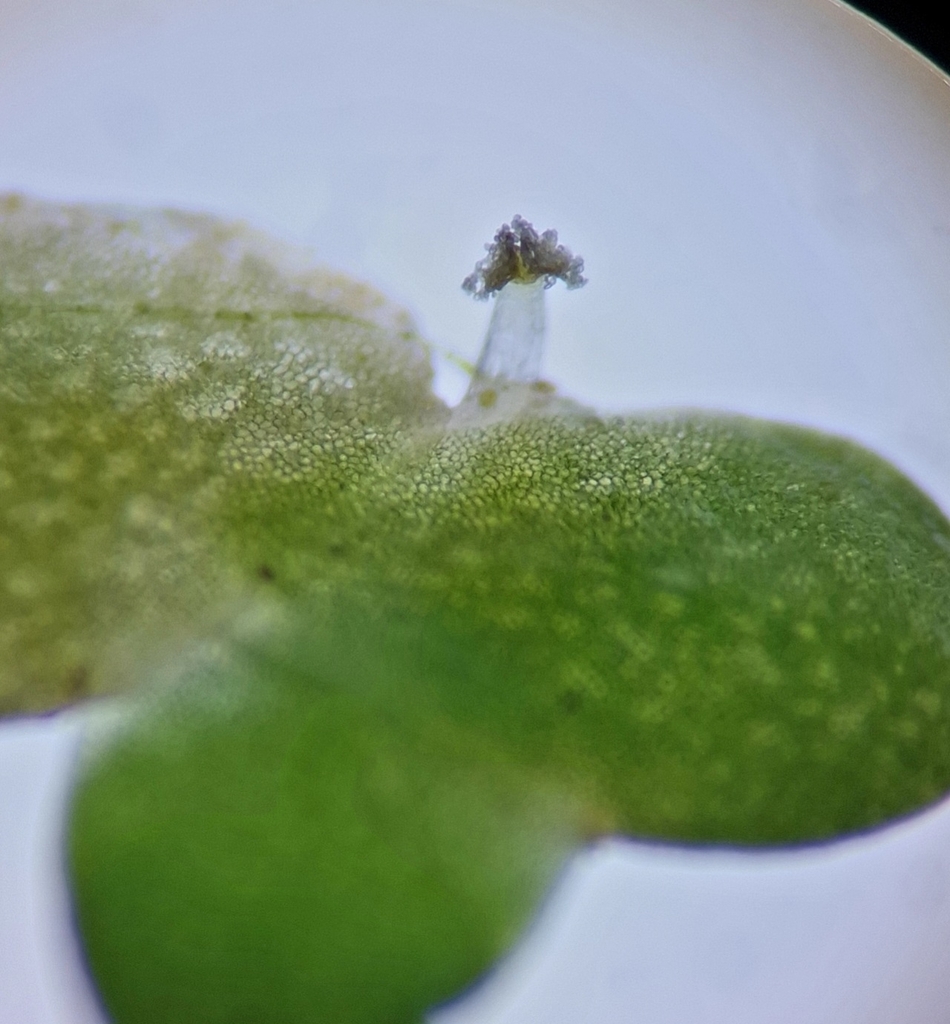
| Propagation methods | Vegetative budding (cloning); flowers exist but are vanishingly rare and unnecessary |
| Propagation difficulty | Unavoidable: a few fronds become a carpet |
| Coverage | Can fully carpet a still pond in a few weeks in summer |
| Lifespan | Individual fronds live weeks; the clonal colony is effectively immortal |
Common problems & troubleshooting#
| Symptom | Likely cause | Fix |
|---|---|---|
| Complete green carpet, gasping fish | Unchecked coverage blocking light and oxygen exchange | Skim hard down to ~30-50% coverage and keep a weekly skimming routine |
| Duckweed disappearing from the tank | Surface agitation, strong flow, or hungry fish (goldfish and koi devour it) | Calm the surface with a spray-bar adjustment or corral a protected patch; accept it as live food |
| Fronds turning pale or white | Nutrient depletion. It has stripped the water column | Thin the population, or in plant-only tubs add a weak liquid fertilizer |
| Filter flow dropping | Fronds sucked into the intake | Fit a sponge prefilter or intake guard; skim more often |
| It's in every tank I own | Fronds hitchhike on nets, hands, and plants | Dedicate a net, rinse equipment, and quarantine new plants. Once in, eradication is genuinely hard |
Skim on schedule, not on panic
Sodate reminds you to skim the duckweed weekly. The difference between free fish food and a green ceiling.
Seasonal care#
Buying checklist#
- Check local rules first. Legal most places, but a few jurisdictions regulate aquatic plant release; never dump it in natural water
- You barely need to buy it: fish shops often give portions away or sell for $1-4
- Ask for a clean, snail-free culture, or quarantine and rinse it before adding to your tank
- Only add it if you accept permanent residency. Full removal later is very difficult
Pricing by region#
| Region | Price range | Typical unit | Basis |
|---|---|---|---|
| US | $0 – $5 | portion/cup | Fish-shop giveaway or online portion with shipping |
| UK | $0 – $5 | portion | Aquarium shops and pond forums |
| India | $0 – $1 | portion | Aquarium shops; abundant in local ponds |
| Australia | $2 – $7 | portion | Aquarium retail (native Lemna species sold domestically) |
| Canada | $0 – $5 | portion | Fish-shop giveaway or online portion |
USD figures are approximate conversions for comparison; switch the dropdown to see each region's actual local-currency listing price.
Often confused with#
Where it's actually grown#
Almost never commercially farmed for the hobby. Shop stock is skimmed from holding tanks and grower ponds, and most hobbyists get theirs free from other fishkeepers; dedicated duckweed farms exist only for animal feed, wastewater treatment, and protein research.
Import & biosecurity restrictions#
| Region | Note |
|---|---|
| US | Native and unregulated in most states; a few states regulate aquatic plant sale/transport generally. Never release cultures into natural water regardless. |
| UK | Native and legal; 'Be Plant Wise' guidance still applies. Compost surplus, never tip pond water into waterways. |
| India | Native/naturalised and unrestricted; widely present in ponds and tanks already. |
| Australia | Live plant imports prohibited under biosecurity law, but native Lemna species are sold domestically by aquarium retailers. |
| Canada | Native and legal; keep cultures out of storm drains and natural ponds all the same. |
Similar plants
Ranked in these guides
Did you know?
Frequently asked questions
Is duckweed legal to keep?
Yes in most places, Lemna minor is native across much of the world, but never release it into natural water, and check local aquatic-plant rules if you're unsure.
Will duckweed take over my pond?
It can carpet a still, nutrient-rich pond in a few weeks, which blocks light and oxygen; weekly skimming to keep at least half the surface open prevents this.
Is duckweed good for fish?
Yes. It strips nitrates, shades out algae, gives fry cover, and goldfish, koi, and many other fish eat it readily as a free live food.
How do I get rid of duckweed?
Persistent manual skimming plus hungry fish (goldfish/koi) works in tanks and small ponds, but total eradication is hard because a single missed frond restarts the colony.
How much does duckweed cost?
Almost nothing. Fish shops often give it away, and online portions run a few dollars, mostly for the shipping.