 Sodate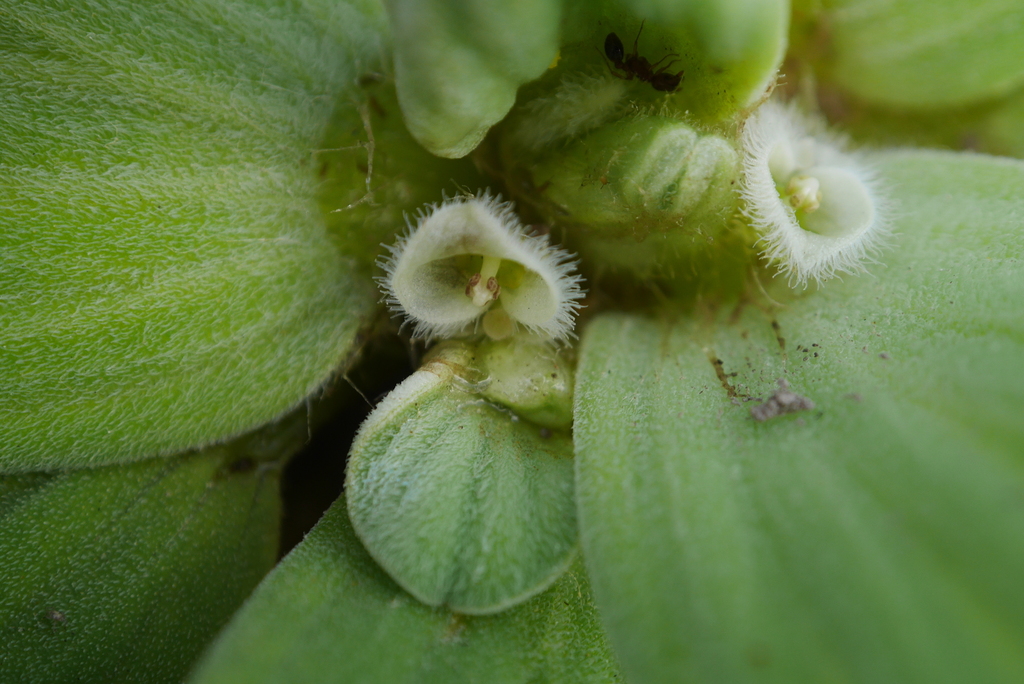
On this page
Check legality first: water lettuce is prohibited in several US states (including Florida, Texas, California, and Louisiana) and restricted elsewhere because it forms waterway-choking mats across warm climates. Where legal, it is an easy floating annual for contained ponds: warm water (22-30°C), partial to full sun, no substrate, and ruthless weekly thinning in summer. Never let it reach natural water. Typically $3-8 per plant where sold.
Key facts
- Invasive across the tropics and subtropics worldwide; mats block light, deoxygenate water, and clog irrigation and boat channels much like water hyacinth.
- Banned or regulated in several US states, including Florida, Texas, California, and Louisiana, and restricted in other countries; always check your local invasive list before buying.
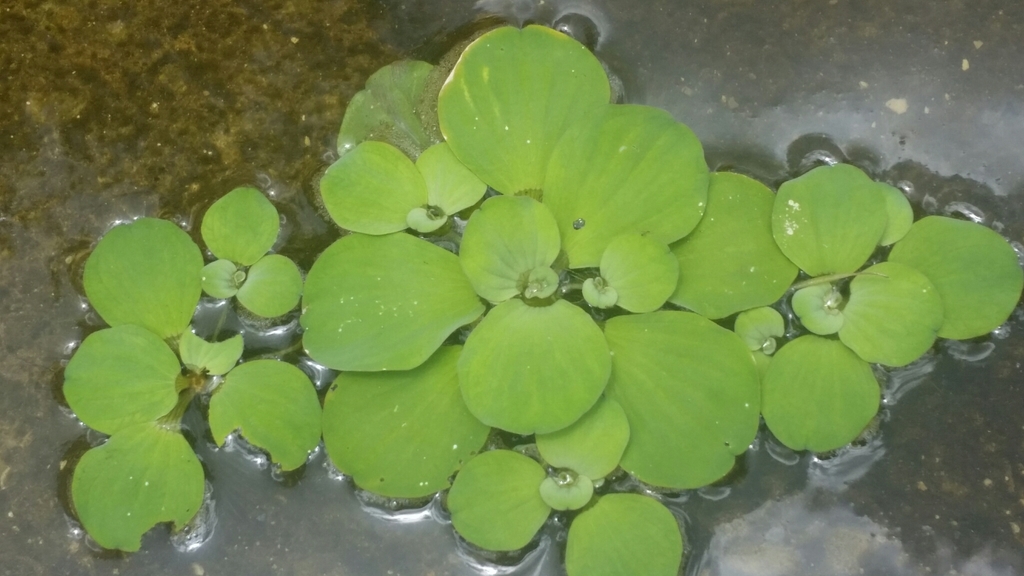
- Free-floating: velvety rosettes sit on the surface with feathery roots trailing below, feeding straight from the water column. No soil or pot anywhere in its life.
- Where legal it earns its keep by shading ponds, suppressing algae, and giving fish cover, provided you keep coverage under about half the surface.
Care requirements#
| Plant type | Free-floating aquatic; perennial in the tropics, annual where it frosts |
| Legality check | Verify your state/country's invasive plant rules before purchase. Banned in several US states |
| Growing medium | None: floats free; trailing roots absorb nutrients from the water |
| Water temperature | 22-30°C (72-86°F) ideal; declines below ~15°C and dies at frost |
| Light | Partial to full sun outdoors; under strong midday sun leaves can scorch. Light afternoon shade in hot climates |
| Nutrients | Feeds on dissolved nitrogen/phosphorus; thrives in fish ponds, may yellow in very clean water without feeding |
| Water hardness | Adaptable, soft to moderately hard; pH ~6.0-7.5 preferred |
| Flow preference | Still water; rosettes get swamped and rot in splashing or strong current |
| Containment | Closed ponds/tubs only, no overflow to drains or streams; corral with a floating ring near pumps |
| Thinning | Remove excess rosettes weekly in summer; trash or compost them well away from water |
| Humidity (indoor tubs) | Needs high humidity indoors; dry room air browns the leaf edges |
| Toxicity | Contains calcium oxalate. Mildly irritating if chewed by pets; not a serious poisoning risk but keep out of reach |
Growth & propagation#
| Mature size | Rosettes 10-25cm across in ponds (smaller in aquaria) |
| Growth rate | Very fast in warm, rich water. Cover can double in a couple of weeks |
| Propagation methods | Stolons producing daughter rosettes; also seeds in warm climates |
| Propagation difficulty | Automatic: snap daughter plants off the runner once they have roots |
| Flowering | Tiny, inconspicuous cream flowers hidden in the leaf axils |
| Lifespan | Perennial where frost-free; killed by cold |
Common problems & troubleshooting#
| Symptom | Likely cause | Fix |
|---|---|---|
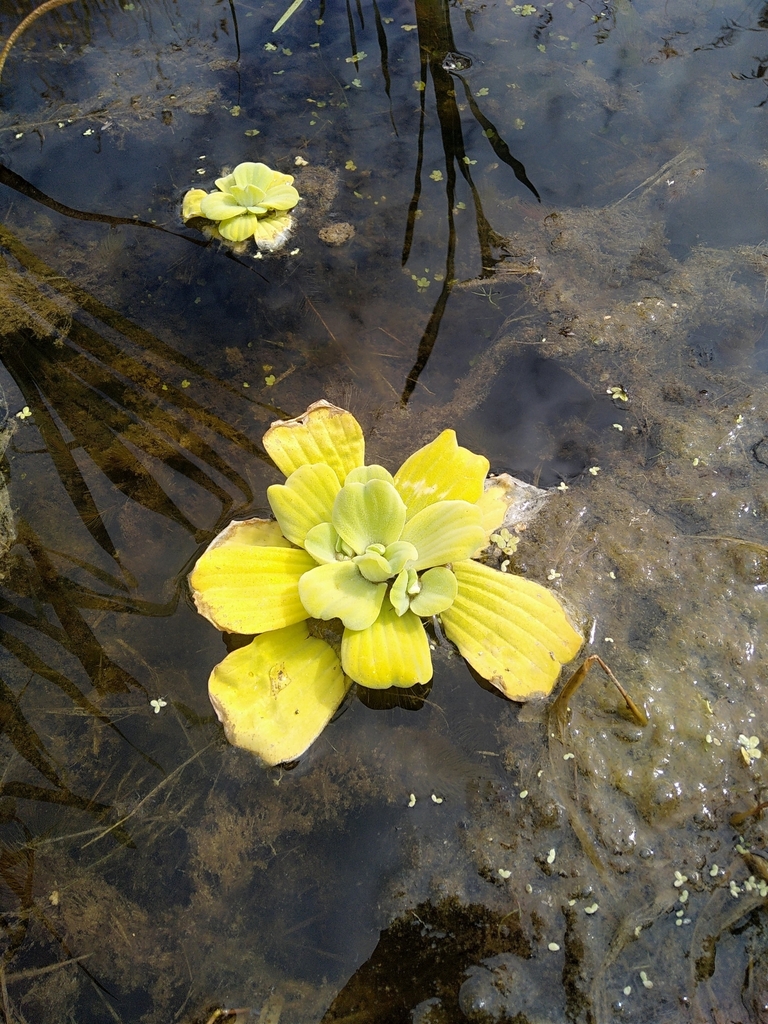
| Yellowing, small rosettes | Nutrient-starved water (common in new or very clean ponds) | Add a few fish or dose a corralled area lightly with aquatic fertilizer |
| Brown, crispy leaf edges | Leaf scorch from intense midday sun or dry indoor air | Give light afternoon shade outdoors; indoors raise humidity or cover the tub partially |
| Rosettes rotting at the crown | Water splashing into the crown from fountains/pumps | Move plants away from splash zones or corral them with a floating ring |
| Total surface takeover | Its normal growth habit in warm nutrient-rich water | Thin weekly to under ~50% coverage; never dispose of pulled plants into waterways |
| Plants collapse in autumn | Water temperature dropping below ~15°C | Treat as annual, or overwinter a few rosettes indoors in a warm, bright, humid tub |
Thin it before it wins
Sodate schedules the weekly summer thinning that keeps floating plants an asset instead of a takeover.
Seasonal care#
Varieties & cultivars#
| Variety | Distinguishing trait | Note |
|---|---|---|
| 'Ruffled' / 'Curly' water lettuce | Compact rosettes with wavy leaf margins | Aquarium-trade selection, stays smaller |
| Dwarf water lettuce | Miniature rosettes 5-10cm across | The usual form sold for aquariums |
Buying checklist#
- FIRST: check your state/country's prohibited aquatic plant list. It is banned in several US states
- Buy locally; interstate shipping may be illegal depending on the states involved
- Ensure your pond or tub has no overflow route to storm drains or natural water
- Pick rosettes with firm, velvety pale-green leaves and clean white-to-tan roots, avoid yellow, mushy crowns
Pricing by region#
| Region | Price range | Typical unit | Basis |
|---|---|---|---|
| US | $3 – $8 | per rosette (where legal) | Pond shops and aquarium retail in permitted states |
| UK | $4 – $9 | per rosette | Seasonal pond retail; sold as a non-hardy annual |
| India | $0 – $1 | per rosette | Aquarium shops; also naturalised/invasive in many waterways |
| Australia | $0 – $0 | n/a | Declared weed in most states; sale and possession banned |
| Canada | $3 – $7 | per rosette | Pond/aquarium retail; not winter-hardy anywhere in Canada |
USD figures are approximate conversions for comparison; switch the dropdown to see each region's actual local-currency listing price.
Often confused with#
Name confusion warning#
Sold under many names, restricted under all of them. Labels like "water cabbage", "Nile cabbage", or "dwarf water lettuce" all refer to Pistia stratiotes, which is prohibited in several US states (Florida, Texas, California, Louisiana among them) and a declared weed in Australia. The aquarium "dwarf" form is the same regulated species.
Where it's actually grown#
Commercial stock is propagated in outdoor nursery ponds and greenhouse tubs in warm regions and by aquarium-plant farms in Southeast Asia; in restricted jurisdictions no legal commercial supply exists.
Import & biosecurity restrictions#
| Region | Note |
|---|---|
| US | Prohibited or regulated in several states, including Florida, Texas, California, and Louisiana; interstate shipment into those states is illegal. Check your state's aquatic weed list before ordering online. |
| UK | Legal to sell but flagged as a potential invasive; not winter-hardy, but never release into ponds or waterways. 'Be Plant Wise' disposal rules apply. |
| India | No sale ban, but already invasive in warm lakes, tanks, and backwaters; keep strictly to closed containers and never discard into open water. |
| Australia | Declared noxious weed in most states; import, sale, and possession banned with significant penalties. |
| Canada | Generally saleable as it cannot overwinter, but some provinces list it as regulated. Verify provincially and never release. |
Similar plants
Did you know?
Frequently asked questions
Is water lettuce legal in my state?
Not everywhere: it is prohibited in several US states, including Florida, Texas, California, and Louisiana, and banned in Australia. Check your state or national invasive species list before buying.
Is water lettuce safe for fish and pets?
It is safe in ponds with fish and provides useful shade and cover; the leaves contain calcium oxalate that can irritate a pet's mouth if chewed, but it is not considered seriously toxic.
Why is my water lettuce turning yellow?
Usually nutrient-poor water. It feeds entirely from the water column, so in very clean ponds it starves. A few fish or a light dose of aquatic fertilizer fixes it.
Can water lettuce survive winter?
No, it dies below about 15°C water temperature and cannot survive frost; treat it as an annual or overwinter a few rosettes in a warm, bright indoor tub.
How fast does water lettuce spread?
In warm, nutrient-rich water it can double its coverage in roughly two weeks via runners, which is why weekly thinning and full containment are non-negotiable.