 Sodate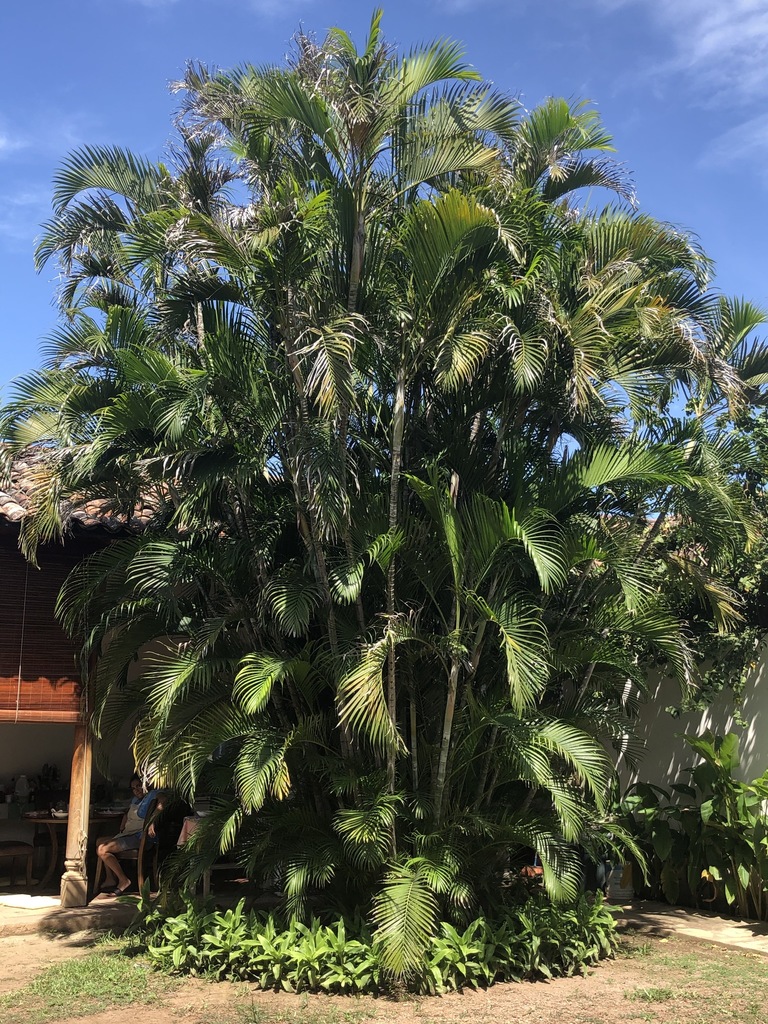
On this page
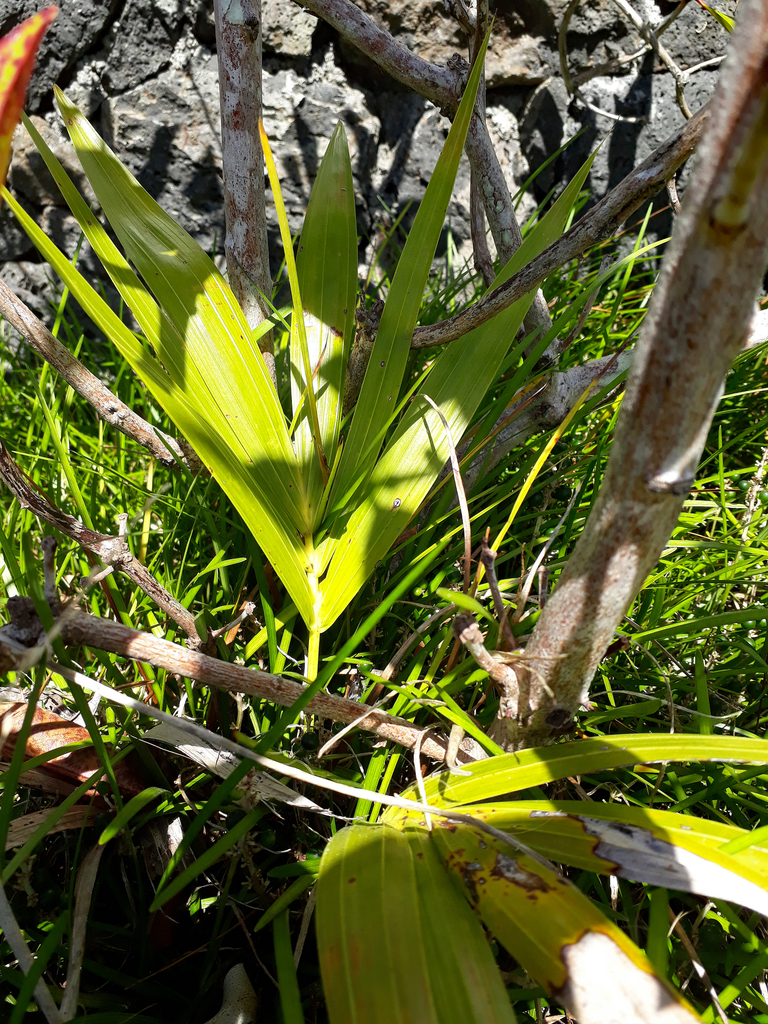
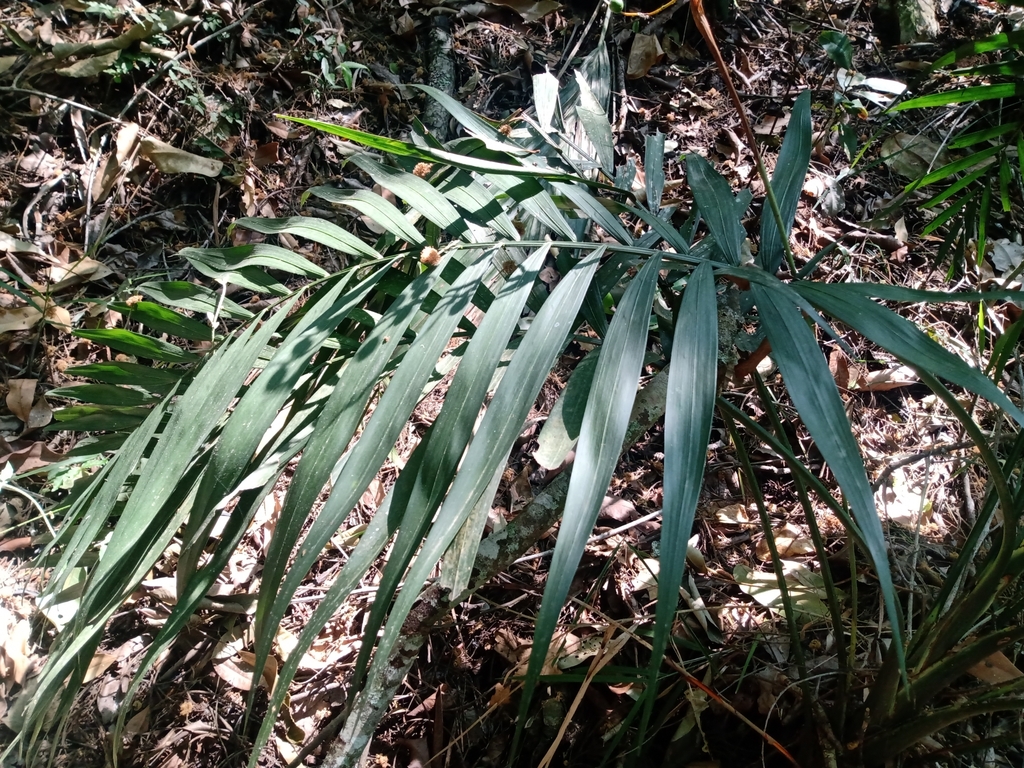
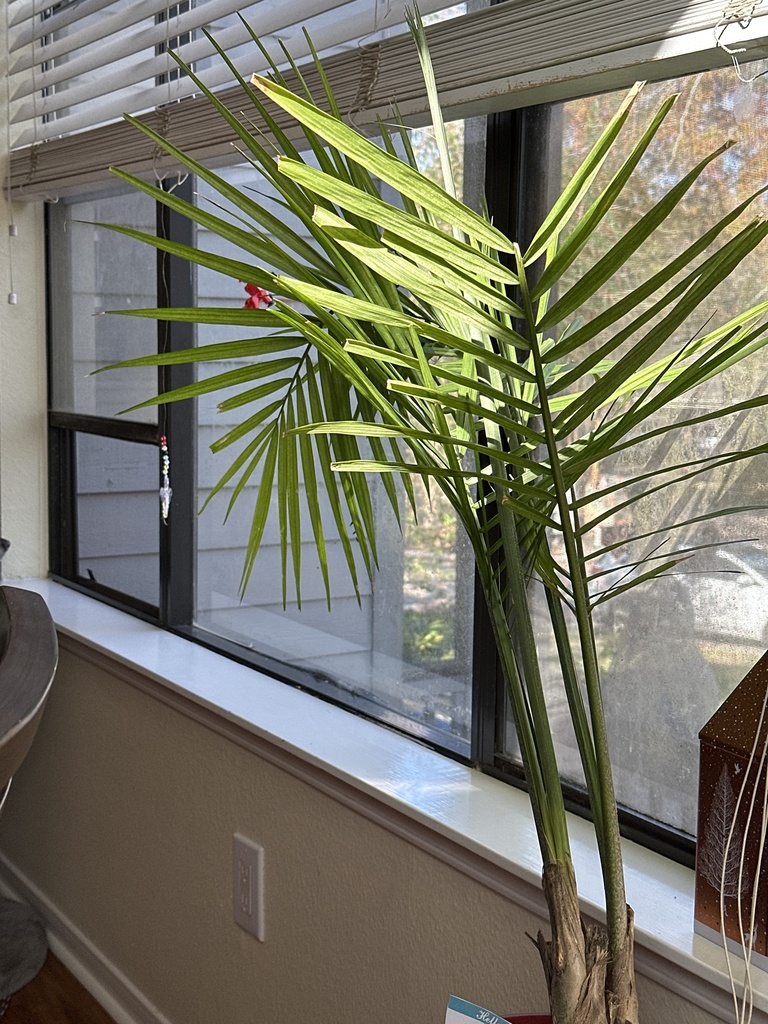
Areca palm needs bright indirect light, consistent moisture (never fully dry, never soggy), and higher humidity than most homes naturally provide. It's non-toxic to pets, slow to grow from seed so almost always bought as an established plant, and typically costs $30-$80 for a floor-sized specimen.
Key facts
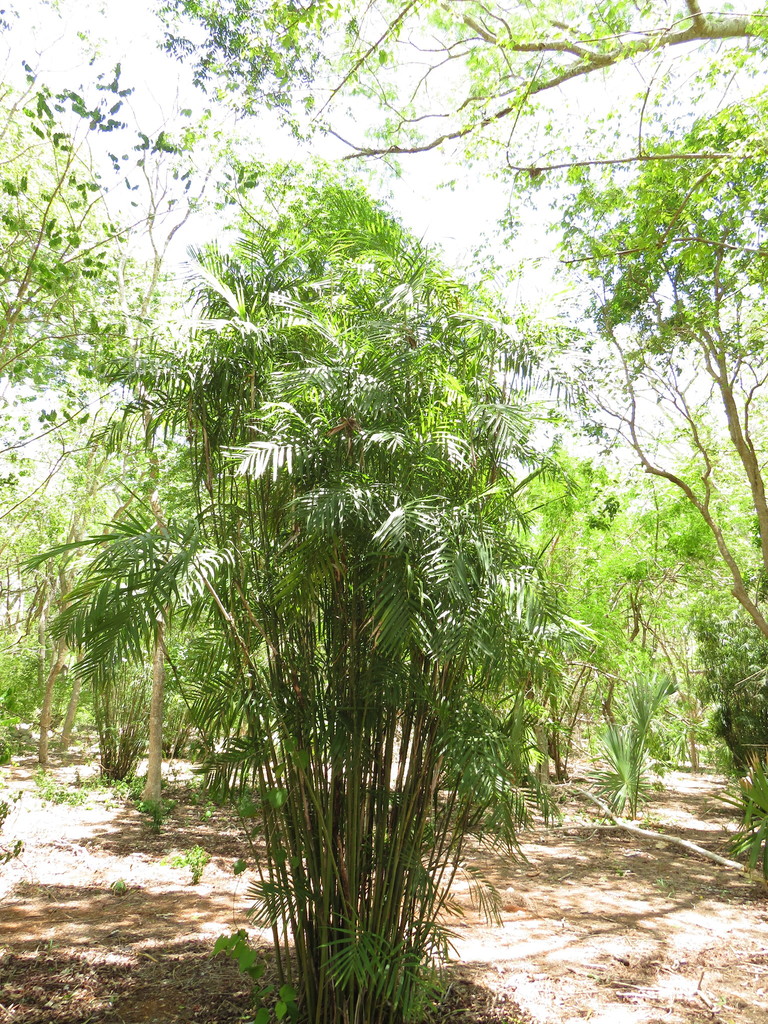
- Native to Madagascar, where it grows in clumps along riverbanks and in humid forest understory.
- One of the few common houseplants that is completely non-toxic to cats and dogs.
- Sensitive to fluoride and boron in tap water, which cause brown leaf-tip burn over time in some water supplies.
- Grows slowly from seed, which is why almost all areca palms sold are nursery-grown from multi-year-old stock, not started fresh.
Care requirements#
| Plant type | Indoor (can grow outdoors year-round in USDA 10-11) |
| Growing medium | Soil, well-draining potting mix |
| Light needs | Bright, indirect light; tolerates some direct morning sun |
| Water frequency | Every 5-7 days; keep soil consistently moist but never soggy |
| Humidity | 50%+ preferred; dry air causes brown leaf tips |
| Temperature range | 18-24°C (65-75°F); avoid cold drafts below 15°C (60°F) |
| Fertilizer | Balanced palm-specific feed monthly through spring-summer |
| Soil pH | 6.1-7.5 (adaptable, slightly acidic to neutral) |
| Drainage needs | High: waterlogged roots cause yellowing and rot |
| Pot recommendation | Heavy pot for stability given the plant's top-heavy clumping growth |
| Hardiness zone (outdoor) | USDA 10-11 |
| Toxicity | Non-toxic to cats, dogs, and humans |
Growth & propagation#
| Mature height / spread | 2-3.5m indoors, up to 6m outdoors in ideal climates |
| Growth rate | Slow to moderate. A few new fronds per year indoors |
| Propagation methods | Division of offshoot clumps at repotting; rarely propagated from seed at home |
| Propagation difficulty | Difficult: most growers buy an established plant rather than propagate |
| Repotting schedule | Every 2-3 years, or when roots fill the pot |
| Pruning needs | Remove only fully brown or dead fronds; don't trim green fronds |
Common problems & troubleshooting#
| Symptom | Likely cause | Fix |
|---|---|---|
| Brown, crispy leaf tips | Low humidity, fluoride/boron in tap water, or underwatering | Increase humidity, switch to filtered or rain water, water more consistently |
| Yellowing fronds | Overwatering or nutrient deficiency | Check drainage and reduce watering frequency; feed with a palm-specific fertilizer |
| Fine webbing and stippled leaves | Spider mites, common in dry indoor air | Increase humidity, rinse fronds, treat with insecticidal soap |
| Slow or stunted growth | Insufficient light or being rootbound | Move to brighter indirect light; repot if roots are circling |
| Black spots on fronds | Fungal leaf spot from overly wet foliage | Avoid wetting leaves when watering; improve air circulation |
Never guess when to water this again
Sodate reads your actual light and season, then builds this palm's watering quests around them, not a fixed schedule.
Seasonal care#
Buying checklist#
- Fronds are full, green, and free of brown tips or yellowing
- No visible pests (check frond undersides for spider mites)
- Multiple canes/stems present for a fuller, more established clump
- Soil is moist but not waterlogged at time of purchase
Pricing by region#
| Region | Price range | Typical unit | Basis |
|---|---|---|---|
| US | $30 – $80 | 6-10in pot, tabletop size | Nursery + big-box retail |
| UK | $25 – $65 | 17-24cm pot | Garden centre retail |
| India | $4 – $12 | 8-10in pot | Urban nursery retail |
| Australia | $28 – $75 | 200mm pot | Nursery + garden centre |
| Canada | $30 – $78 | 6-10in pot | Garden centre retail |
USD figures are approximate conversions for comparison; switch the dropdown to see each region's actual local-currency listing price.
Often confused with#
Where it's actually grown#
Areca palms are slow-growing from seed, so most nursery stock is grown over several years in large-scale operations in Florida, Southeast Asia, or Central America before reaching retail. A plant's size at purchase reflects years of growing time, which is part of why larger specimens cost significantly more.
Import & biosecurity restrictions#
| Region | Note |
|---|---|
| Australia | Live plant imports restricted under biosecurity law; widely available from domestic nurseries. |
| US | Domestic sale unrestricted; grows outdoors year-round only in USDA 10-11 (South Florida, Hawaii). |
| UK | No specific restriction; must be grown indoors given the UK climate. |
| India | No restriction; widely available and well-suited to tropical/subtropical Indian climates. |
| Canada | CFIA permits required for commercial imports; grown strictly as a houseplant given the climate. |
Similar plants
Ranked in these guides
Did you know?
Frequently asked questions
Is areca palm pet-safe?
Yes, it's one of the few common houseplants that is completely non-toxic to cats and dogs.
How much does an areca palm cost?
A tabletop-sized plant typically runs $30-$80 in the US; larger floor specimens cost significantly more given years of growing time.
Why are my areca palm's leaf tips turning brown?
Usually low humidity, fluoride or boron in tap water, or inconsistent watering. Try filtered water and increase humidity.
How fast does areca palm grow?
Slowly to moderately indoors, producing just a few new fronds per year, which is why most plants sold are already several years old.
Does areca palm purify the air?
It was one of the plants tested in NASA's 1989 Clean Air Study, but the practical effect in a real room is much smaller than the sealed-chamber test suggests.