 Sodate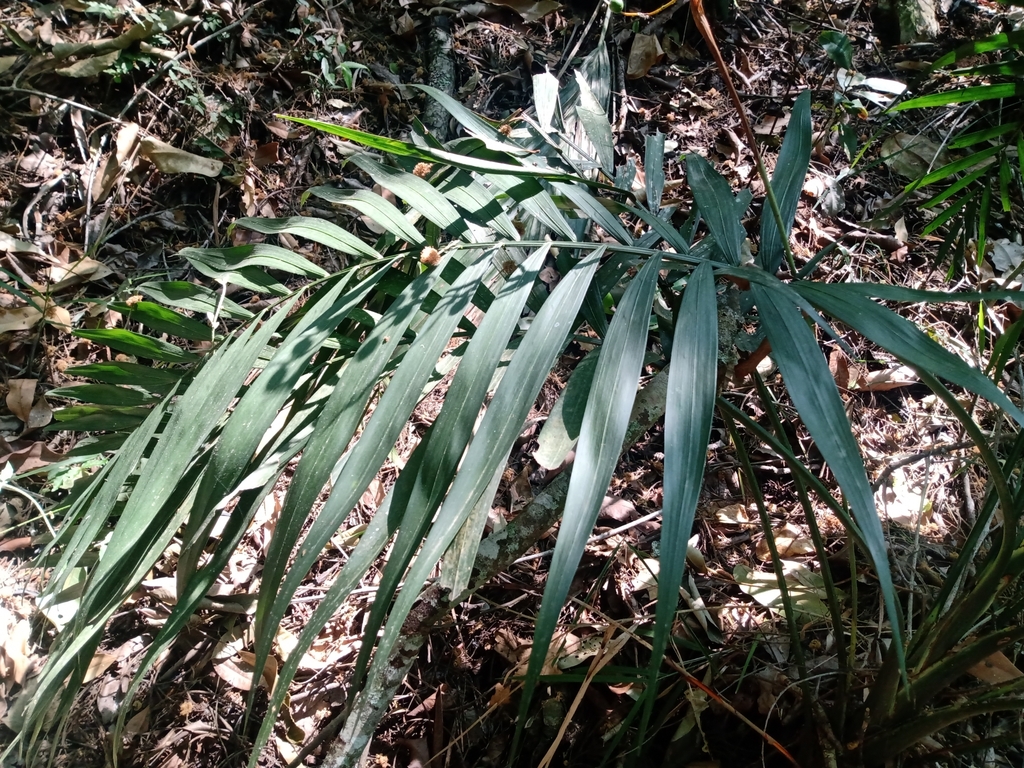
On this page
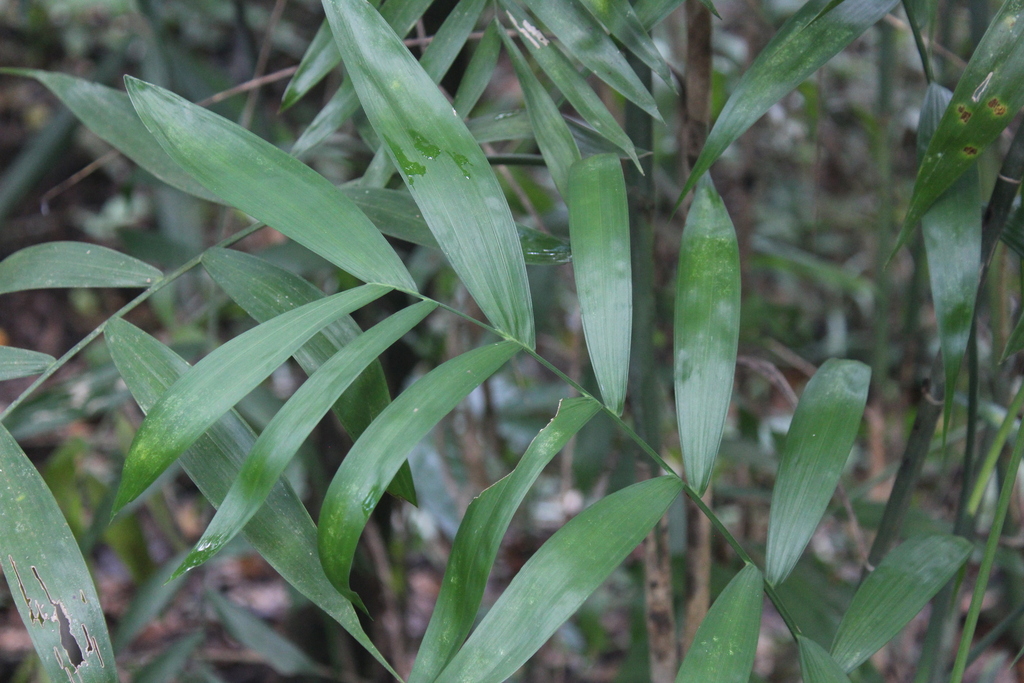
The parlor palm is the easiest true palm to keep indoors: it tolerates low light, average humidity, and irregular watering, and it is completely pet-safe. It grows slowly to about 1-1.2m, wants water only when the top of the soil dries, and its main enemies are soggy soil and spider mites in dry winter air. Typically $10-$25.
Key facts
- A true pet-safe palm: non-toxic to cats and dogs, one of the safest statement plants for pet households.
- Tolerates lower light than nearly any other palm because it evolved on shaded rainforest floors under dense canopy.
- A Victorian classic: its tolerance of dim, drafty 19th-century parlors is exactly what earned it the name.
- Very slow growing; a plant can take years to reach its indoor maximum of about 1.2m, and nurseries pot several seedlings together for a full look.
Care requirements#
| Plant type | Indoor houseplant (outdoor understory plant in USDA 10-12) |
| Growing medium | Standard peat-based potting mix with added perlite |
| Light needs | Bright indirect light is ideal; genuinely tolerates low light; avoid direct sun which yellows fronds |
| Water frequency | When the top 2-3cm of soil dries, roughly every 7-10 days; less in winter |
| Humidity | Average home humidity is fine; higher humidity deters spider mites |
| Temperature range | 18-27°C (65-80°F); keep above 10°C (50°F) |
| Fertilizer | Weak liquid feed monthly in spring-summer; palms are sensitive to overfeeding |
| Soil pH | 5.5-6.5 |
| Drainage needs | Good; roots rot quickly in waterlogged soil |
| Pot recommendation | Snug pot with drainage; parlor palms prefer being slightly rootbound |
| Hardiness zone (outdoor) | USDA 10-12 |
| Toxicity | Non-toxic to cats, dogs, and humans |
Growth & propagation#
| Mature size | 60-120cm indoors; to 2m in habitat |
| Growth rate | Slow; a few new fronds per year |
| Propagation methods | Seed only; stems cannot be cut and rooted like most houseplants |
| Propagation difficulty | Hard for home growers; seed needs warmth and months to germinate, so most people simply buy new plants |
| Repotting schedule | Every 2-3 years at most; fragile roots dislike disturbance |
| Pruning needs | Trim only fully brown fronds at the base; never cut the growing tip, palms cannot branch |
Common problems & troubleshooting#
| Symptom | Likely cause | Fix |
|---|---|---|
| Brown frond tips | Dry air, tap water salts, or overfeeding | Trim tips just inside the brown, water more consistently, flush the pot occasionally, and halve fertilizer strength |
| Yellowing fronds all over | Overwatering or poor drainage | Let the top few cm dry between waterings and make sure the pot drains freely; remove any rotted roots |
| Fine webbing, speckled pale fronds | Spider mites, the parlor palm's most common pest in dry winter air | Shower the plant, treat weekly with insecticidal soap, and raise humidity |
| Bleached or scorched patches on fronds | Direct sun through glass | Move out of direct rays into bright indirect or medium light |
| No visible growth for months | Normal; this palm is genuinely slow, especially in low light and winter | Be patient, feed lightly in spring-summer, and expect only a handful of new fronds per year |
The palm that forgives, watered right anyway
Sodate paces waterings to how fast your parlor palm's soil actually dries, so roots never sit wet.
Seasonal care#
Varieties & cultivars#
| Variety | Distinguishing trait | Note |
|---|---|---|
| Chamaedorea elegans 'Bella' | Compact seed strain sold as the standard parlor palm | Most retail plants are this form |
Buying checklist#
- Multiple green stems in the pot (nurseries plant clumps; fuller is better)
- Fronds deep green, not yellowed or brown-tipped
- No webbing or speckling under fronds (spider mites)
- Soil moist but not swampy; a sour smell means root rot
Pricing by region#
| Region | Price range | Typical unit | Basis |
|---|---|---|---|
| US | $10 – $25 | 6in pot | Big-box + nursery retail |
| UK | $8 – $25 | 12-17cm pot | Garden centre retail |
| India | $1 – $5 | 6in pot | Urban nursery + online |
| Australia | $8 – $23 | 130-200mm pot | Nursery + garden centre |
| Canada | $9 – $26 | 6in pot | Garden centre retail |
USD figures are approximate conversions for comparison; switch the dropdown to see each region's actual local-currency listing price.
Often confused with#
Where it's actually grown#
Commercial parlor palms are grown from seed, much of it still wild-collected or plantation-grown in southern Mexico and Guatemala, then raised in foliage nurseries in Florida, the Netherlands, and China; seedlings are bunched several to a pot for a full retail look.
Import & biosecurity restrictions#
| Region | Note |
|---|---|
| Australia | Live plant imports restricted under biosecurity law; grown domestically. |
| US | Domestic sale unrestricted; major production in Florida. |
| UK | No specific restriction; houseplant only. |
| India | No restriction; common in nurseries and offices. |
| Canada | CFIA permits required for commercial imports; houseplant only. |
Similar plants
Ranked in these guides
Did you know?
Frequently asked questions
Is the parlor palm safe for cats and dogs?
Yes, it's non-toxic to both, making it one of the best larger plants for pet households.
Can a parlor palm live in low light?
Yes, it tolerates low light better than almost any palm, though it grows faster and fuller in bright indirect light.
Why are my parlor palm's tips turning brown?
Usually dry air, fluoride or salts in tap water, or overfeeding. Trim the tips, water consistently, and fertilize at half strength.
How big does a parlor palm get indoors?
Usually 60-120cm after several years; it's a genuinely slow grower.
How much does a parlor palm cost?
A 6-inch pot typically runs $10-$25 in the US; large floor-sized specimens cost $50 and up because of their age.