 Sodate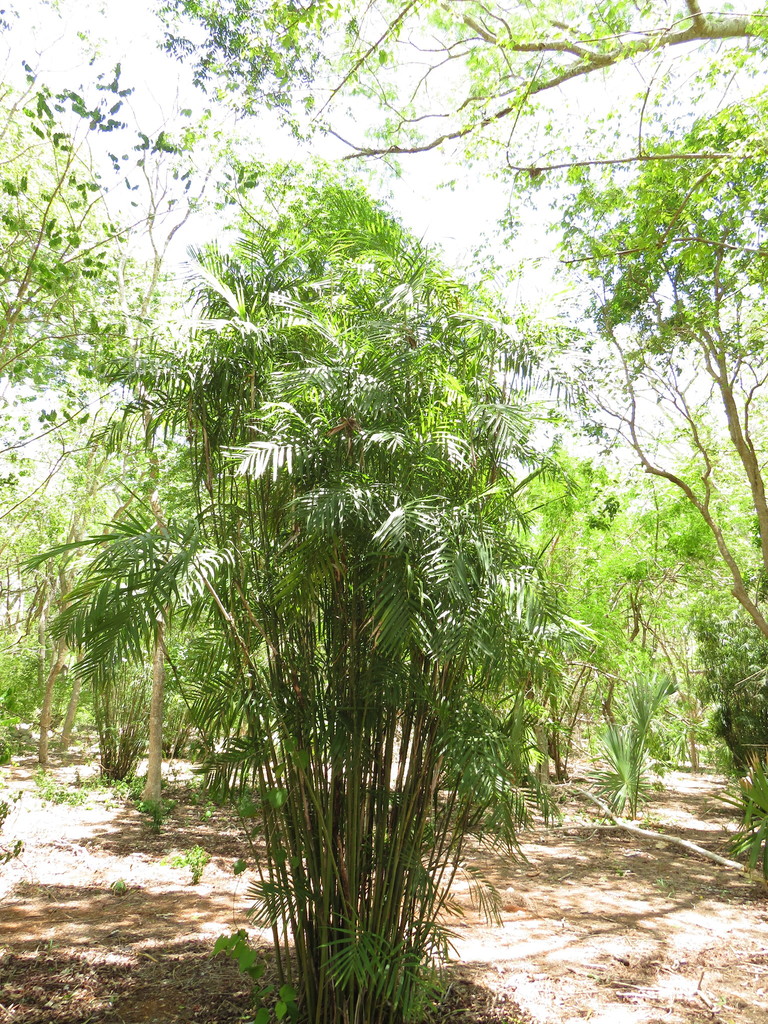
On this page
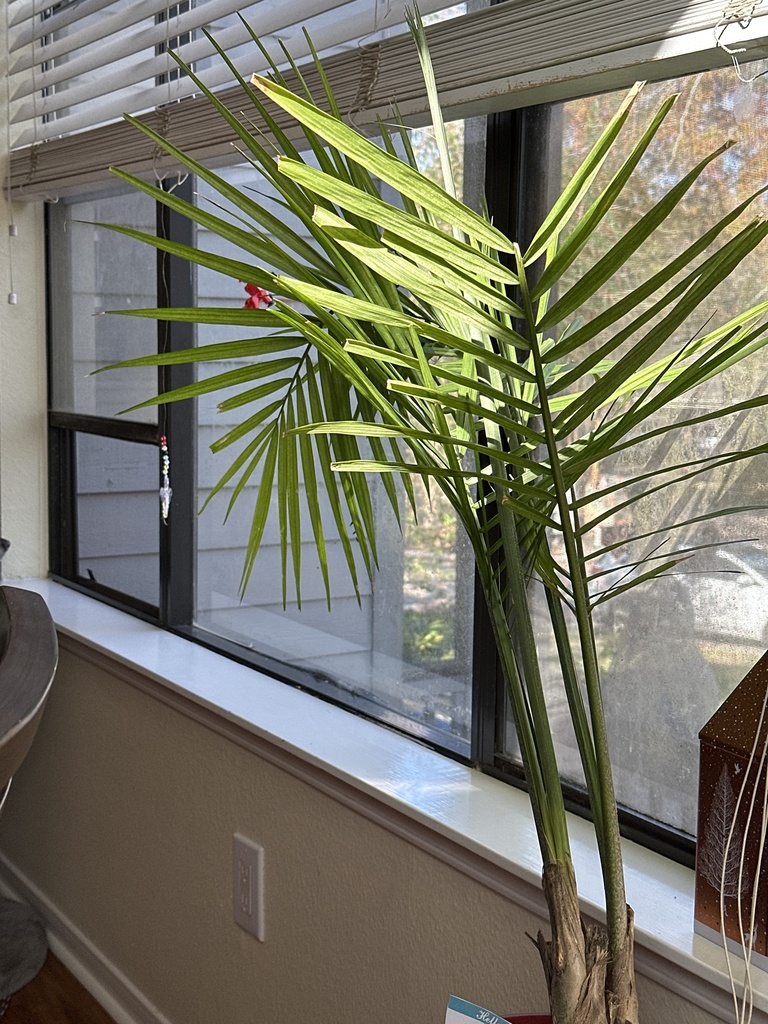
The bamboo palm is one of the easiest true palms for real indoor conditions: it tolerates medium and even lowish light, grows as a dense multi-stemmed clump rather than a single trunk, and is non-toxic to pets. Keep the soil lightly moist, watch for spider mites in dry rooms, and it will slowly fill out into a living screen. Typically $30-$80.
Key facts
- A true understory palm from Mexico and Central America, adapted to filtered forest light. Which is why it handles medium indoor light gracefully.
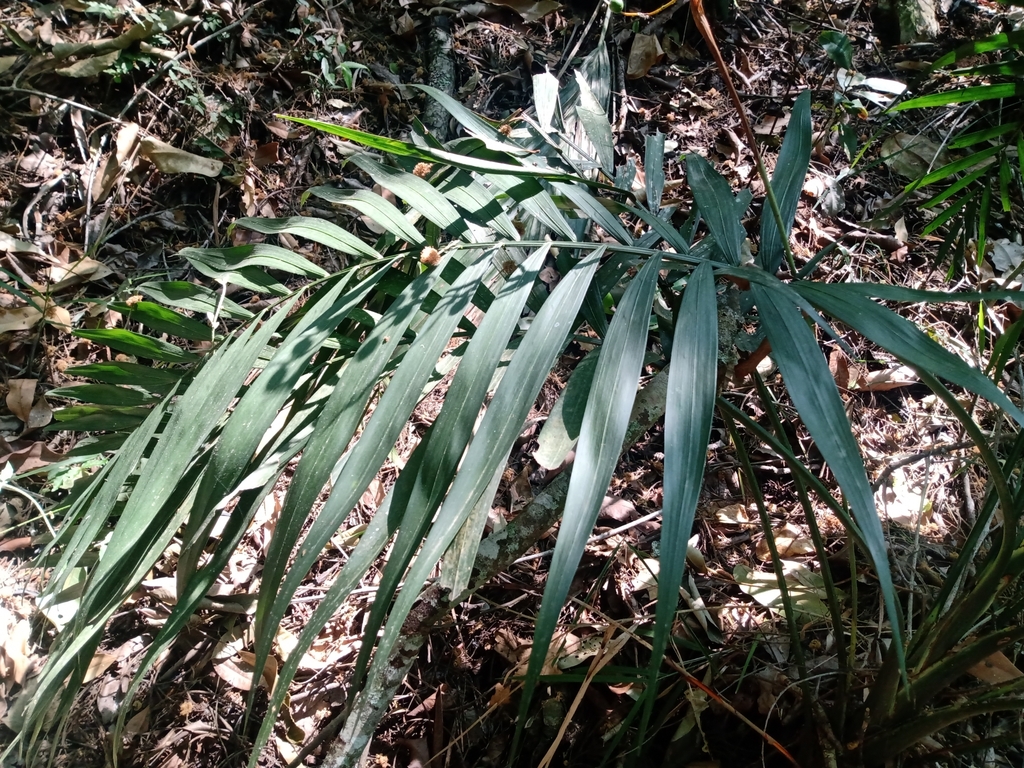
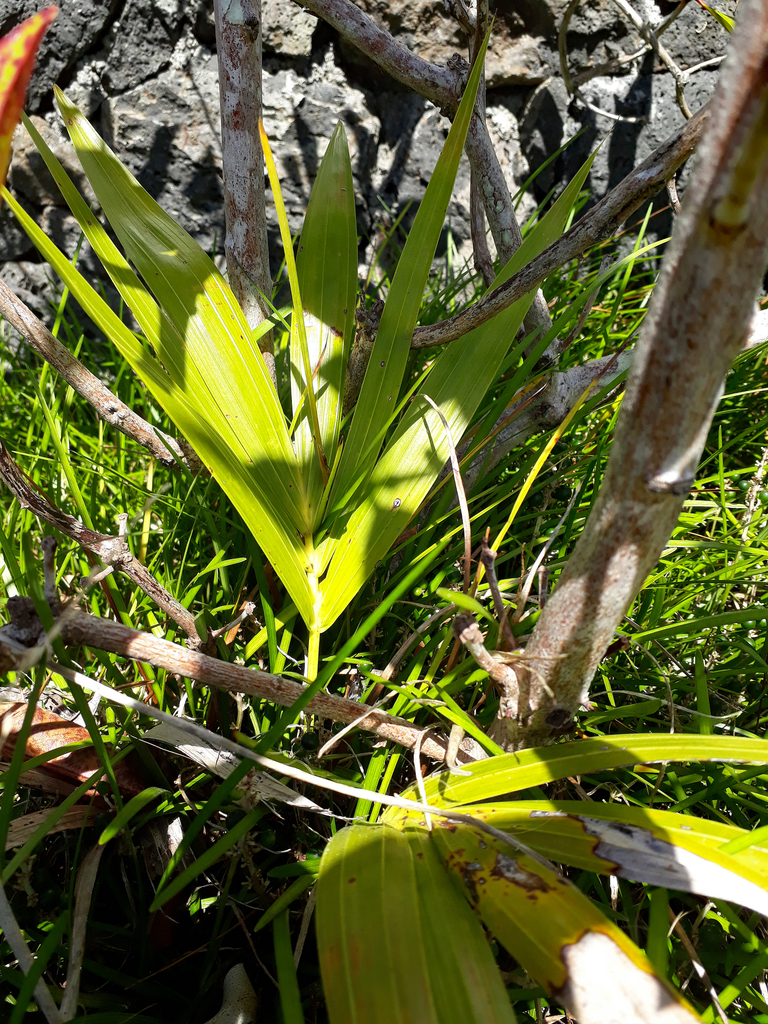
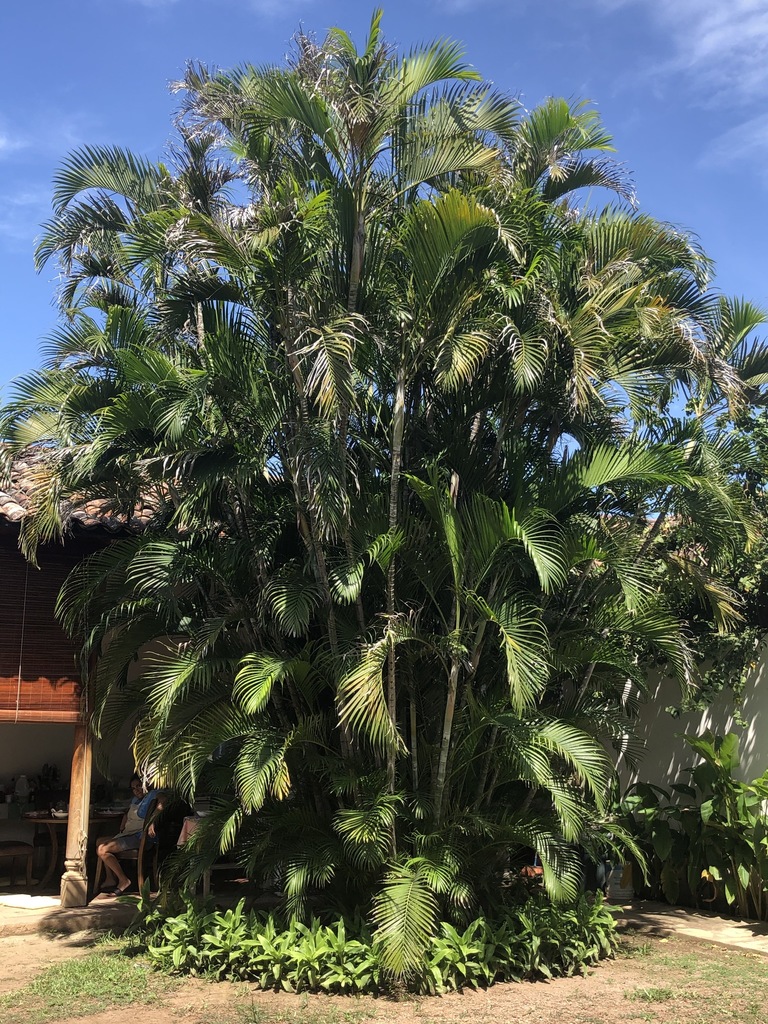
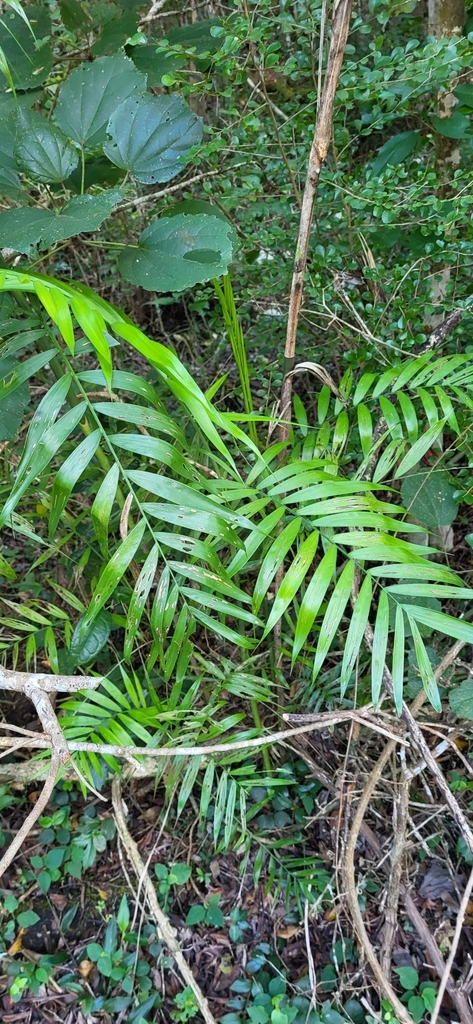
- Grows as a spreading clump of slender, ringed canes that genuinely resemble bamboo, though it is unrelated to bamboo.
- A cousin of the parlor palm (both Chamaedorea) but taller and denser, reaching 1.2-2m indoors.
- Non-toxic to cats and dogs, like all true palms.
Care requirements#
| Plant type | Indoor (outdoors year-round in USDA 10-11) |
| Growing medium | Standard peat/coir potting mix with perlite for drainage |
| Light needs | Medium to bright indirect light; tolerates lower light better than most palms except kentia; avoid direct sun |
| Water frequency | When the top 2-3cm of soil dries. Roughly weekly in summer, every 10-14 days in winter; keep lightly moist |
| Humidity | Average household humidity is fine; 40%+ reduces tip browning |
| Temperature range | 18-27°C (65-80°F); protect below 10°C (50°F) |
| Fertilizer | Balanced liquid feed monthly at half strength in spring-summer |
| Soil pH | 6.0-7.0 |
| Drainage needs | Good: moist soil is fine, waterlogged soil rots the canes |
| Pot recommendation | Roomy pot with drainage; clumps appreciate width more than depth |
| Hardiness zone (outdoor) | USDA 10-11 |
| Toxicity | Non-toxic to cats, dogs, and humans |
Growth & propagation#
| Mature size | 1.2-2m tall indoors, spreading clump 0.6-1m wide |
| Growth rate | Moderate: new canes emerge from the base each season |
| Propagation methods | Division of the clump when repotting; also grown from seed commercially |
| Propagation difficulty | Moderate: divisions with several canes and intact roots establish reliably |
| Repotting schedule | Every 2-3 years in spring, or when canes crowd the pot edge |
| Pruning needs | Cut dead or yellowed canes and fronds at the base; thinning old canes keeps the clump fresh |
Common problems & troubleshooting#
| Symptom | Likely cause | Fix |
|---|---|---|
| Fine webbing and dusty, speckled fronds | Spider mites. The number-one bamboo palm pest in dry indoor air | Shower the foliage, treat weekly with insecticidal soap or horticultural oil, and raise humidity |
| Brown frond tips | Dry air, salt buildup from fertilizer or tap water, or missed waterings | Water more consistently, flush the pot occasionally, and trim tips for appearance |
| Yellowing fronds across the plant | Overwatering or a pot without drainage | Let the top layer dry before rewatering and ensure water drains freely from the pot |
| Pale, washed-out fronds | Too much direct sun | Move out of the direct beam; this palm prefers filtered light |
| Whole canes dying back one at a time | Natural aging of old canes, or rot at the base if soil stays wet | Cut dead canes at soil level; if bases are mushy, repot into fresh, draining mix |
Steady water, steady palm
Sodate keeps the bamboo palm's 'lightly moist, never soggy' rhythm on autopilot so the fronds stay green top to bottom.
Seasonal care#
Varieties & cultivars#
| Variety | Distinguishing trait | Note |
|---|---|---|
| Chamaedorea elegans (parlor palm) | Smaller, single-stemmed cousin usually under 1.2m | Often sold alongside; the classic desktop palm |
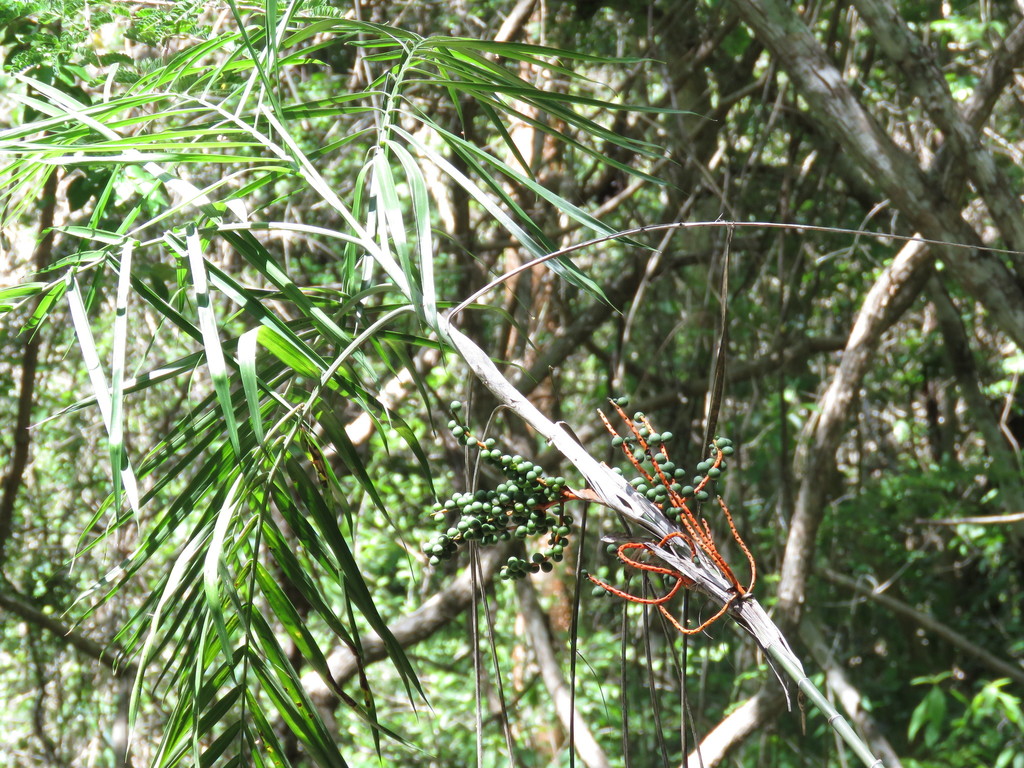
| Chamaedorea microspadix (hardy bamboo palm) | Similar cane habit but frost-hardier, with red fruit | The choice for cooler outdoor spots (roughly USDA 8b+) |
Buying checklist#
- Multiple healthy canes with new shoots emerging at the base
- Frond undersides free of webbing and speckling (spider mites)
- Canes firm at soil level with no mushiness or sour smell
- Even green color: pale or yellow plants have been stressed in transit
Pricing by region#
| Region | Price range | Typical unit | Basis |
|---|---|---|---|
| US | $30 – $80 | 10in pot, 3-4ft | Big-box + nursery retail |
| UK | $25 – $75 | 19-24cm pot | Garden centre + houseplant retail |
| India | $3 – $15 | 8-12in pot | Urban nursery + online (very common) |
| Australia | $25 – $85 | 200-250mm pot | Nursery + garden centre |
| Canada | $30 – $85 | 10in pot | Garden centre retail |
USD figures are approximate conversions for comparison; switch the dropdown to see each region's actual local-currency listing price.
Often confused with#
Name confusion warning#
Not a bamboo. Despite the name, this is a palm, unrelated to true bamboos (which are grasses). "Bamboo palm" is also occasionally used loosely for other cane-forming Chamaedorea species, so check the botanical name if the exact species matters to you.
Where it's actually grown#
Commercial bamboo palms are grown from seed in high-volume foliage nurseries in Florida, Central America, and Southeast Asia, typically sown several seedlings to a pot to produce dense, screen-like clumps quickly.
Import & biosecurity restrictions#
| Region | Note |
|---|---|
| Australia | Live plant imports restricted under biosecurity law; supplied by domestic nurseries. |
| US | Domestic sale unrestricted; a staple of the Florida foliage industry. |
| UK | No specific restriction; imported via EU nurseries with plant passports. |
| India | No restriction; among the most common nursery palms in India and very inexpensive. |
| Canada | CFIA permits required for commercial imports; widely available. |
Similar plants
Ranked in these guides
Did you know?
Frequently asked questions
Is the bamboo palm safe for cats and dogs?
Yes, it is non-toxic to cats, dogs, and humans, like all true palms.
Is a bamboo palm actually bamboo?
No. It is a palm whose ringed green canes merely resemble bamboo; true bamboos are grasses.
Can a bamboo palm grow in low light?
It handles medium and moderately low light better than most palms, though growth slows and clumps stay thinner in dim spots.
How big does a bamboo palm get indoors?
Typically 1.2-2m tall as a spreading clump, gaining new canes from the base each year.
Why does my bamboo palm keep getting spider mites?
Dry indoor air is the trigger; rinse the foliage monthly, keep humidity up, and treat early with insecticidal soap.