 Sodate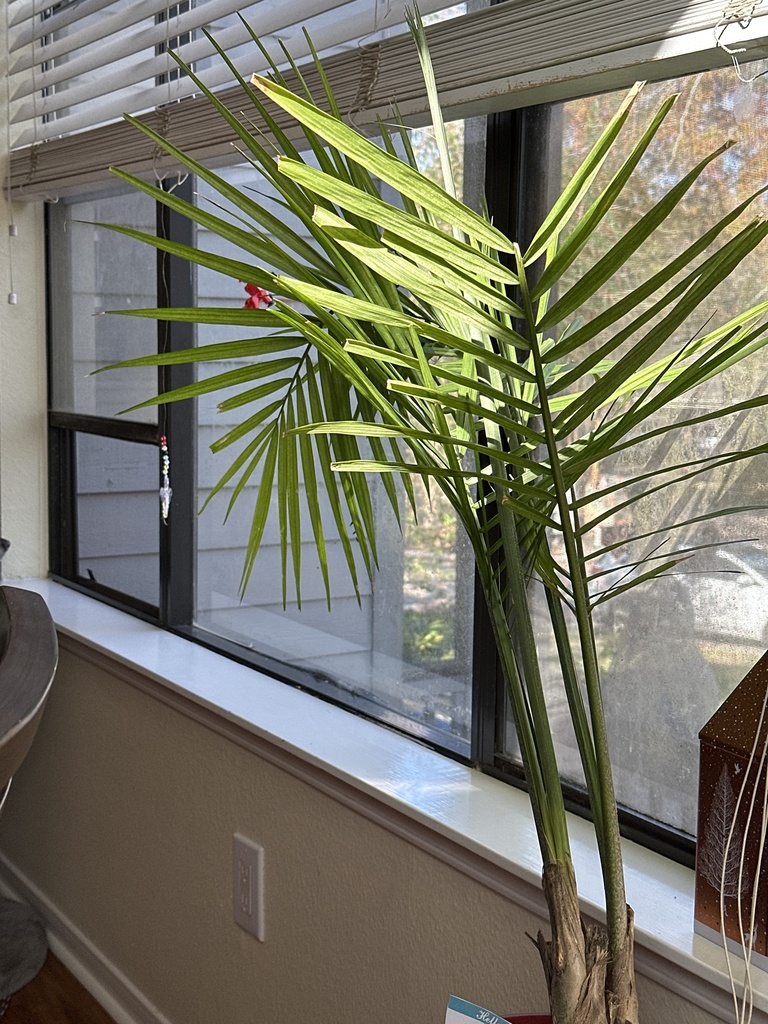
On this page
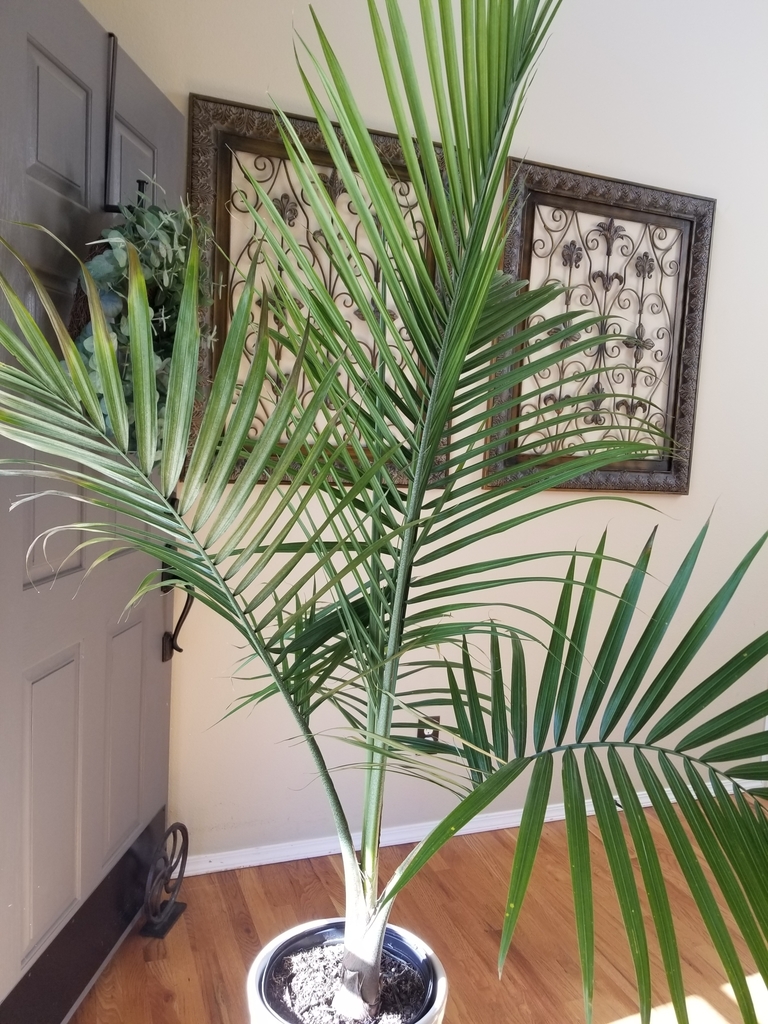
Honest verdict: the majesty palm is a riverbank palm that wants very bright light, constantly moist soil, and high humidity, more than most homes provide, which is why so many decline within a year of purchase. It is cheap ($25-$60 for a big plant) and pet-safe, but if you want an easy indoor palm, buy a kentia, parlor, or bamboo palm instead. If you do take one on, give it your brightest window and never let the root ball fully dry.
Key facts
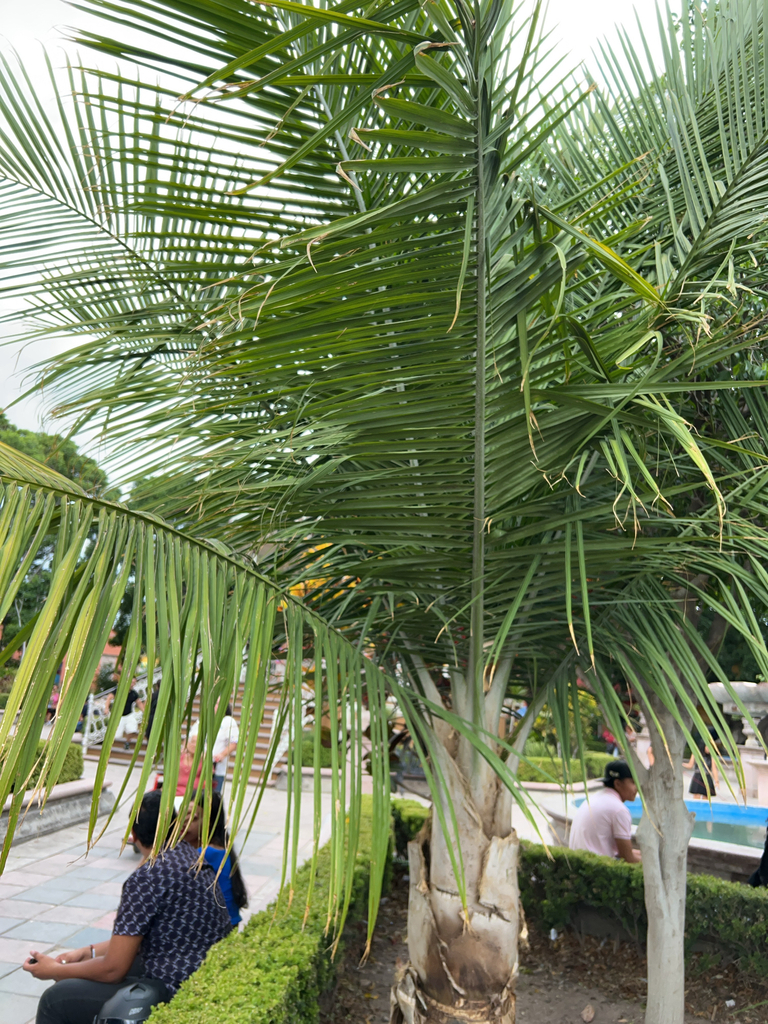
- Grows along riverbanks in Madagascar with its roots near water. The origin of its constant thirst and humidity needs indoors.
- One of the most commonly returned or discarded houseplants: it is farmed fast and cheap in Florida, but typical living rooms are too dark and dry for it.
- Needs the brightest spot you have (some direct sun is fine) plus evenly moist soil; miss either and fronds yellow and brown steadily.
- Non-toxic to cats and dogs, like all true palms.
Care requirements#
| Plant type | Indoor (outdoors year-round in USDA 10-11) |
| Growing medium | Rich, moisture-retentive but draining mix. Peat/coir with perlite; it tolerates wetter soil than most palms |
| Light needs | Very bright light, including some gentle direct sun; this is not a low-light palm despite how it is often sold |
| Water frequency | Keep soil evenly moist at all times. Often 1-2 times a week; never let the root ball dry out fully |
| Humidity | High (50%+); dry air quickly browns frond tips and invites spider mites |
| Temperature range | 18-29°C (65-85°F); protect from cold drafts and anything below 4°C (40°F) |
| Fertilizer | Light monthly feeding in spring-summer; it is prone to magnesium and iron deficiency (yellowing), so an occasional palm fertilizer with micronutrients helps |
| Soil pH | 5.5-7.0 |
| Drainage needs | Moderate: moist is good, stagnant is not; the pot must still drain |
| Pot recommendation | Plastic or glazed pot (holds moisture better than terracotta) with drainage holes |
| Hardiness zone (outdoor) | USDA 10-11 |
| Toxicity | Non-toxic to cats, dogs, and humans |
Growth & propagation#
| Mature size | 1.5-3m indoors; 12m+ in the ground in the tropics |
| Growth rate | Fast in good conditions. Which is precisely why nurseries sell it so cheaply |
| Propagation methods | Seed only; not practical at home |
| Propagation difficulty | Very hard. Buy plants rather than propagating |
| Repotting schedule | Every 1-2 years; it roots quickly and dries out faster once root-bound |
| Pruning needs | Cut fully brown fronds at the base; browning lower fronds are constant on indoor plants |
Common problems & troubleshooting#
| Symptom | Likely cause | Fix |
|---|---|---|
| Steady yellowing and browning fronds from the bottom up | The classic indoor decline: not enough light combined with dry air and irregular watering | Move to the brightest window in the house, keep soil consistently moist, and raise humidity; stabilize before expecting new healthy growth |
| Crispy brown tips on most fronds | Low humidity or the root ball drying out between waterings | Water more frequently and run a humidifier nearby; trim tips for looks |
| Fine webbing, speckled pale fronds | Spider mites. Majesty palms in dry rooms are magnets for them | Shower the plant, treat weekly with insecticidal soap, and raise humidity to prevent re-infestation |
| Overall yellow-green color despite good watering | Nutrient deficiency (magnesium/iron), common in fast-grown nursery stock | Feed with a palm fertilizer containing micronutrients during the growing season |
| Sudden decline after bringing it home | Shock moving from a bright, humid Florida greenhouse to a dim, dry room | Give it the brightest, most humid spot available immediately; some frond loss is nearly unavoidable |
The palm that punishes missed waterings
Sodate keeps majesty palm waterings on a short, consistent leash. The single biggest factor in whether yours survives its first year.
Seasonal care#
Buying checklist#
- Fronds are deep green, not yellow-green (pale plants are already stressed or underfed)
- No webbing or speckling on frond undersides. Spider mites often ship with the plant
- Soil is moist at purchase; a bone-dry majesty palm has already been damaged
- Be realistic about your space: without a very bright window, this plant will decline no matter how well you water
Pricing by region#
| Region | Price range | Typical unit | Basis |
|---|---|---|---|
| US | $25 – $60 | 10in pot, 3-4ft | Big-box retail (mass-grown in Florida) |
| UK | $25 – $75 | 21-24cm pot | Garden centre + houseplant retail |
| India | $4 – $18 | 10-12in pot | Urban nursery + online |
| Australia | $25 – $80 | 200-250mm pot | Nursery + garden centre |
| Canada | $25 – $70 | 10in pot | Big-box + garden centre retail |
USD figures are approximate conversions for comparison; switch the dropdown to see each region's actual local-currency listing price.
Often confused with#
Where it's actually grown#
Almost all majesty palms in North American shops are field- or shade-house-grown fast and cheap in central Florida, then shipped young. They arrive lush from near-ideal conditions, which is exactly why they struggle when moved into ordinary living rooms.
Import & biosecurity restrictions#
| Region | Note |
|---|---|
| Australia | Live plant imports restricted under biosecurity law; sold from domestic nursery production. |
| US | Domestic sale unrestricted; the bulk of world supply is grown in Florida. |
| UK | No specific restriction; imported via EU nurseries with plant passports. |
| India | No restriction; grown domestically and inexpensive. |
| Canada | CFIA permits required for commercial imports; widely sold seasonally. |
Similar plants
Ranked in these guides
Did you know?
Frequently asked questions
Is the majesty palm hard to keep alive indoors?
Honestly, yes. It needs very bright light, constantly moist soil, and high humidity, which most homes lack, and it declines steadily without them.
Is majesty palm safe for cats and dogs?
Yes, it is non-toxic to cats, dogs, and humans.
Why is my majesty palm turning yellow and brown?
Almost always a combination of too little light, dry air, and uneven watering; move it to your brightest window and keep the soil evenly moist.
How often should I water a majesty palm?
Whenever the surface begins to dry. Often once or twice a week; unlike most palms it should never dry out completely.
What is an easier alternative to the majesty palm?
Kentia, parlor, and bamboo palms all tolerate real indoor conditions far better; kentia is the closest in looks.