 Sodate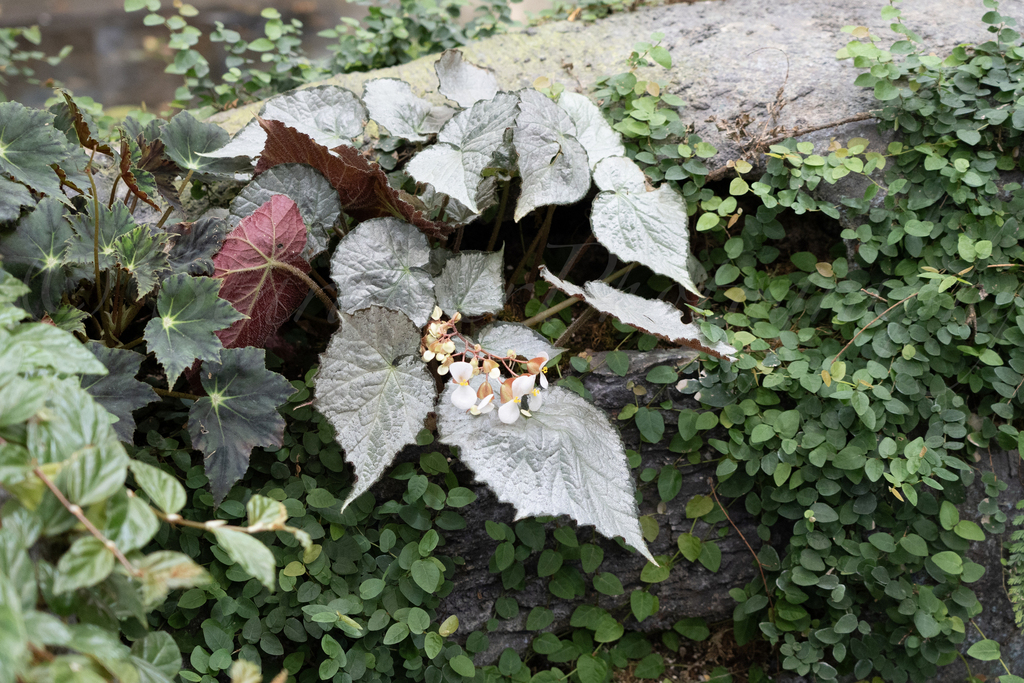
On this page
Rex begonia is a humidity-loving foliage plant with some of the most dramatic leaves in the houseplant world. Give it bright indirect light, 50%+ humidity, and water when the top inch of soil dries. But never mist the leaves, which invites powdery mildew. Toxic to cats and dogs. Typically $8-$25 in the US.
Key facts
- Native to forest floors of northeast India (Assam), where the original species was collected in the 1850s; nearly all plants sold today are rex-cultorum hybrids.
- Grows from a creeping rhizome at the soil surface. It's shallow-rooted and prefers a wide, shallow pot over a deep one.
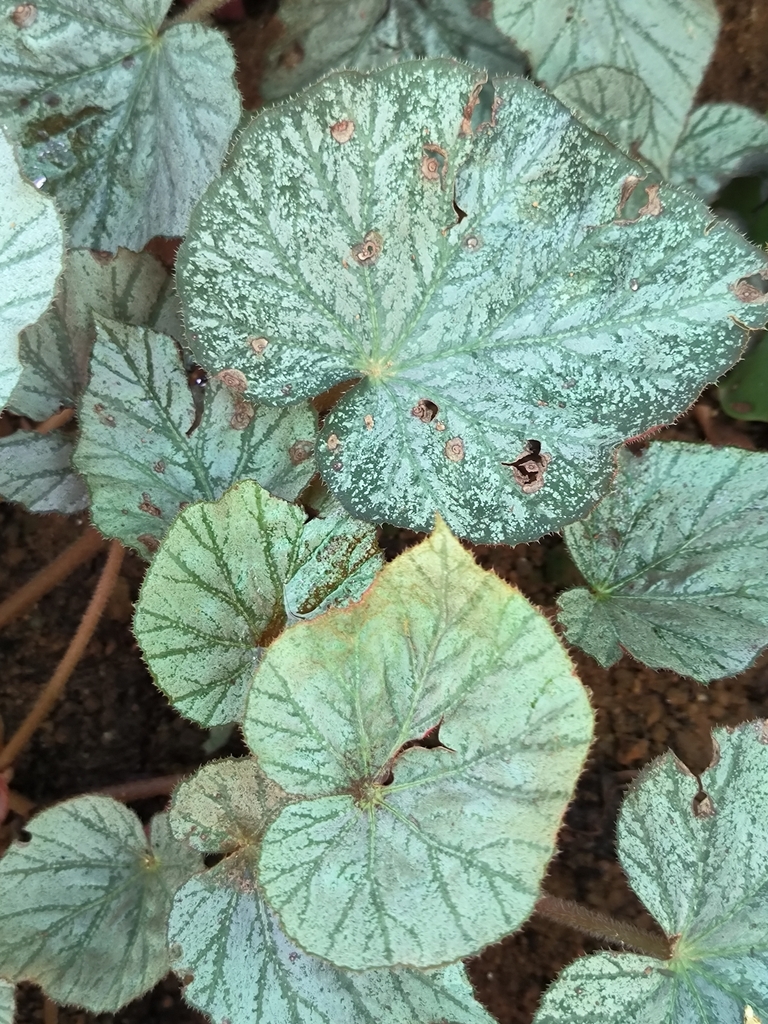
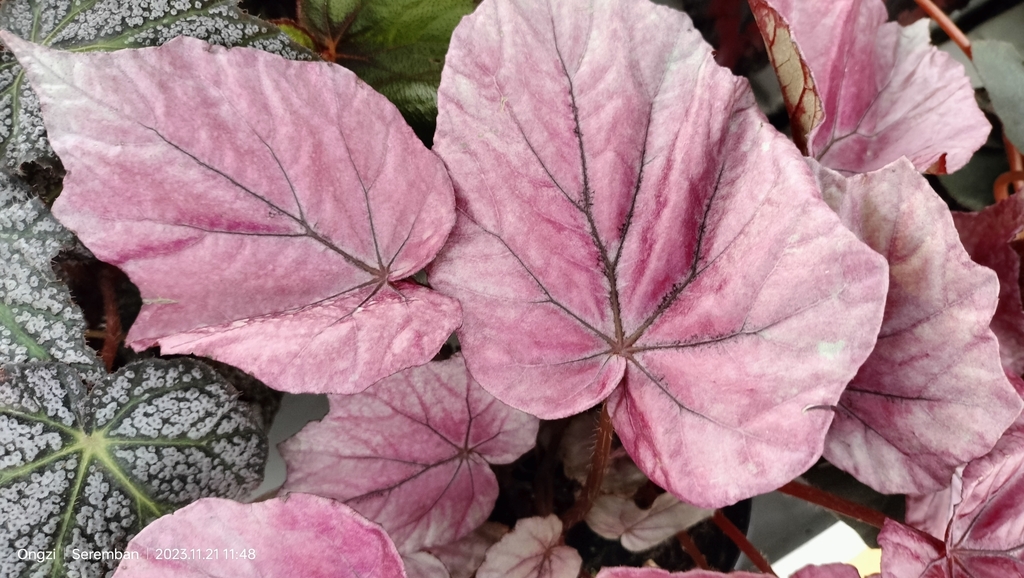
- The metallic sheen on the leaves comes from air pockets between cell layers that reflect light, an adaptation to dim forest-floor conditions.
- Toxic to cats and dogs. The highest concentration of calcium oxalates is in the rhizome and roots.
Care requirements#
| Plant type | Indoor (outdoors only in frost-free shade, USDA 10-12) |
| Growing medium | Light, airy peat- or coir-based mix with perlite; African violet mix works well |
| Light needs | Bright indirect light; an east window is ideal; direct sun bleaches the leaf colors |
| Water frequency | When the top 2-3cm of soil is dry. Roughly weekly; water the soil, never the leaves |
| Humidity | 50-70%; use a pebble tray or humidifier. Do NOT mist, it triggers powdery mildew |
| Temperature range | 16-24°C (60-75°F); below 13°C growth stalls and leaves drop |
| Fertilizer | Quarter-strength balanced liquid feed every 2-4 weeks in spring-summer |
| Soil pH | 5.5-6.5 (slightly acidic) |
| Drainage needs | High: the rhizome rots quickly in soggy soil |
| Pot recommendation | Wide, shallow pot with drainage; the rhizome creeps sideways, not down |
| Hardiness zone (outdoor) | USDA 10-12 (shade) |
| Toxicity | Toxic to cats and dogs (soluble calcium oxalates, concentrated in the rhizome) |
Growth & propagation#
| Mature size | 30-45cm tall and wide indoors |
| Growth rate | Moderate in spring-summer; many plants go semi-dormant and shed leaves in winter |
| Propagation methods | Leaf cuttings (whole leaf or wedges laid on moist mix), rhizome division |
| Propagation difficulty | Moderate: leaf cuttings root reliably in high humidity but take 6-10 weeks |
| Repotting schedule | Every 1-2 years in spring, going wider rather than deeper |
| Pruning needs | Remove spent leaves at the base; pinch flower stems to keep energy in the foliage |
Common problems & troubleshooting#
| Symptom | Likely cause | Fix |
|---|---|---|
| White powdery patches on leaves | Powdery mildew. Rex begonias are highly susceptible, especially with misting or poor airflow | Remove affected leaves, stop misting, improve air circulation; treat with potassium bicarbonate or neem if it spreads |
| Crispy brown leaf edges | Low humidity or dry air from heating vents | Move away from vents, add a pebble tray or humidifier; aim for 50%+ RH |
| Sudden leaf drop in winter | Normal semi-dormancy triggered by short days and cool temperatures | Reduce watering, keep the rhizome barely moist, and wait. It regrows from the rhizome in spring |
| Mushy stems at the soil line | Rhizome/stem rot from overwatering or water sitting on the crown | Cut away rot, dust with cinnamon or fungicide, repot in fresh airy mix, water less |
| Faded, washed-out leaf color | Too much direct sun | Move to bright indirect light; new leaves will emerge with full color |
Humidity plants need rhythm, not guesswork
Sodate learns each plant's real drying pace so your rex begonia gets water before it crisps, not after.
Seasonal care#
Varieties & cultivars#
| Variety | Distinguishing trait | Note |
|---|---|---|
| 'Escargot' | Leaves spiral into a snail-shell whorl of silver and green | The most famous rex cultivar |
| 'Fireworks' | Silver leaves with purple-black veins and magenta edges | Compact and widely available |
| 'Red Kiss' | Near-black leaves with a metallic red ring | Strong contrast, good under grow lights |
Buying checklist#
- Leaves show no white powdery patches (mildew travels home with you)
- Rhizome at the soil surface is firm, not soft or blackened
- Multiple growing points along the rhizome, not a single stem
- Compact growth with fresh unfurling leaves at the tips
Pricing by region#
| Region | Price range | Typical unit | Basis |
|---|---|---|---|
| US | $8 – $25 | 4-6in pot | Garden center + online houseplant retail |
| UK | $8 – $23 | 9-12cm pot | Garden centre retail |
| India | $2 – $6 | 4in pot | Urban nursery + online |
| Australia | $8 – $20 | 100-130mm pot | Nursery + garden centre |
| Canada | $7 – $22 | 4-6in pot | Garden centre retail |
USD figures are approximate conversions for comparison; switch the dropdown to see each region's actual local-currency listing price.
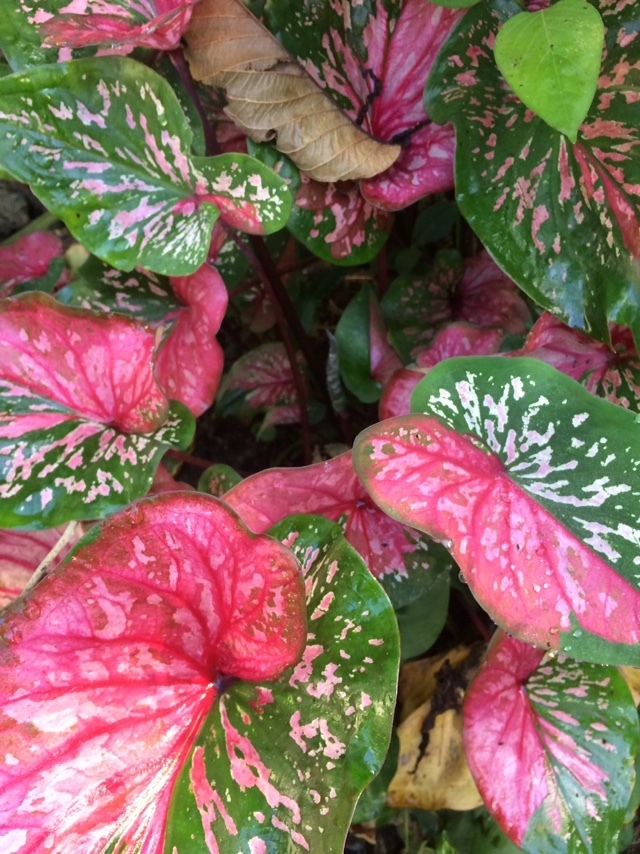
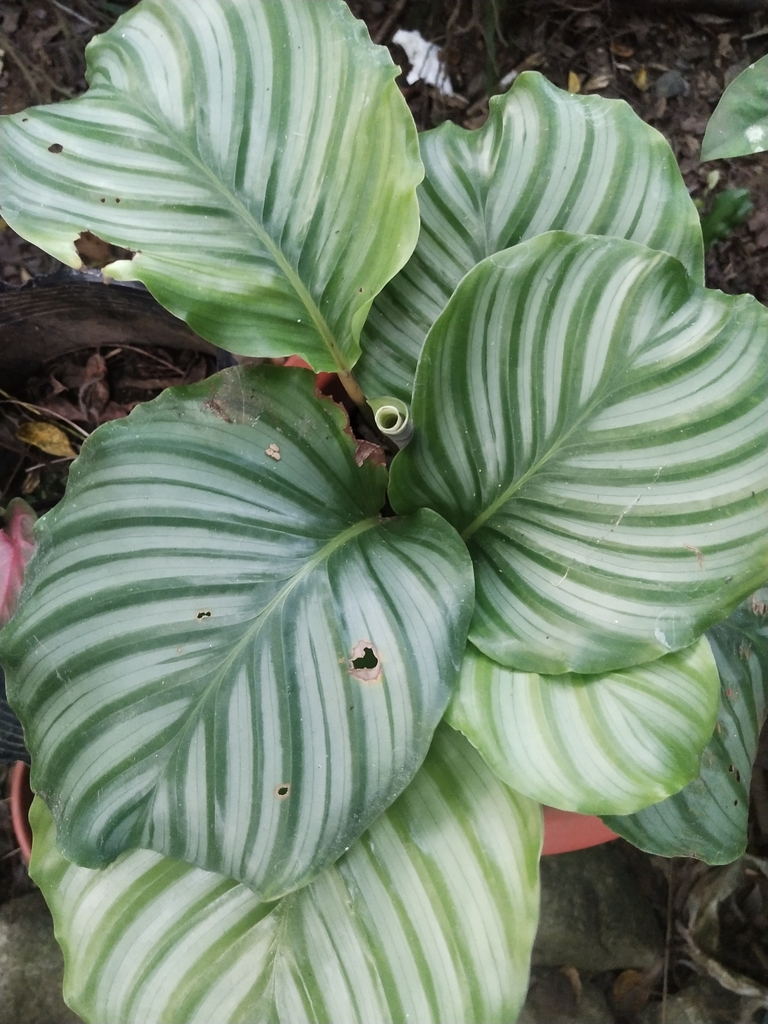
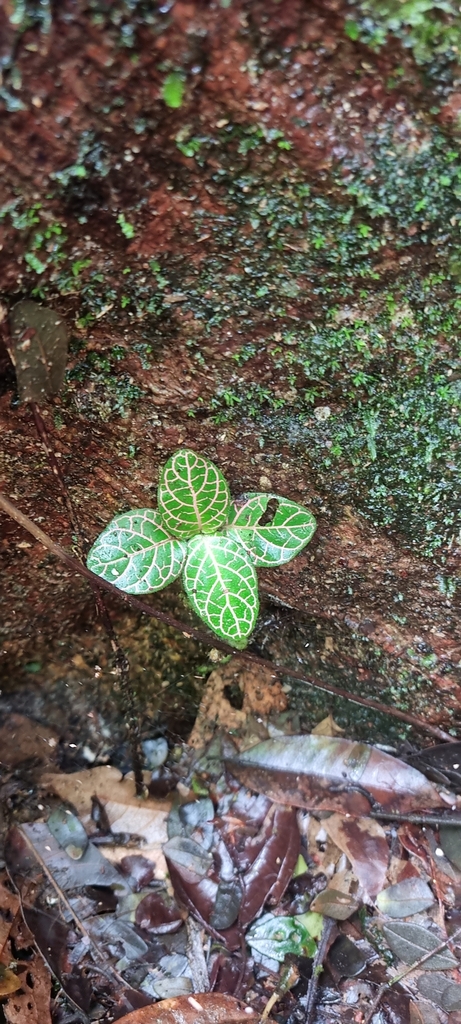
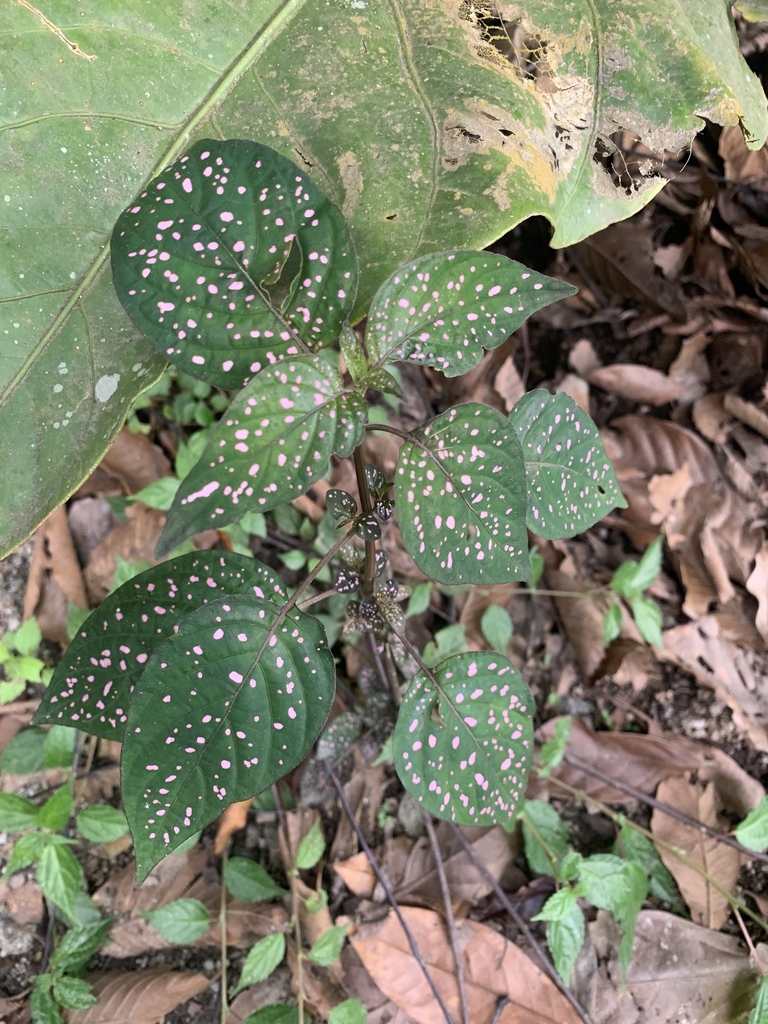
Often confused with#
Where it's actually grown#
Commercial rex begonias are propagated by tissue culture and leaf cuttings in large foliage greenhouses in Florida, the Netherlands, and Ontario, with breeding programs (notably the Jurassic and Shadow King series) releasing new patterned cultivars every year.
Import & biosecurity restrictions#
| Region | Note |
|---|---|
| Australia | Live plant imports restricted under biosecurity law; buy domestically propagated stock. |
| US | Domestic sale unrestricted; mass-produced in Florida greenhouses. |
| UK | No specific restriction; post-Brexit imports from the EU need phytosanitary certificates, so most retail stock is UK- or Netherlands-grown. |
| India | No restriction; grows well in humid Indian climates but suffers in dry summer heat. |
| Canada | CFIA permits required for commercial imports; widely greenhouse-grown domestically. |
Similar plants
Ranked in these guides
Did you know?
Frequently asked questions
Is rex begonia toxic to cats and dogs?
Yes. It contains soluble calcium oxalates, most concentrated in the rhizome and roots, causing drooling, vomiting, and mouth irritation if chewed.
Why is my rex begonia losing all its leaves in winter?
Many rex begonias go semi-dormant when days shorten and temperatures drop. Keep the rhizome barely moist and it typically regrows in spring.
Should I mist my rex begonia?
No. Rex begonias want high ambient humidity but wet leaves invite powdery mildew. Use a pebble tray or humidifier instead.
How do I propagate a rex begonia?
Lay a healthy leaf (or leaf wedges with a main vein) on moist potting mix in a humid container; plantlets form at the cut veins in 6-10 weeks.
How much does a rex begonia cost?
A standard 4-6 inch plant runs $8-$25 in the US; named cultivars and large specimens cost more.