 Sodate
On this page
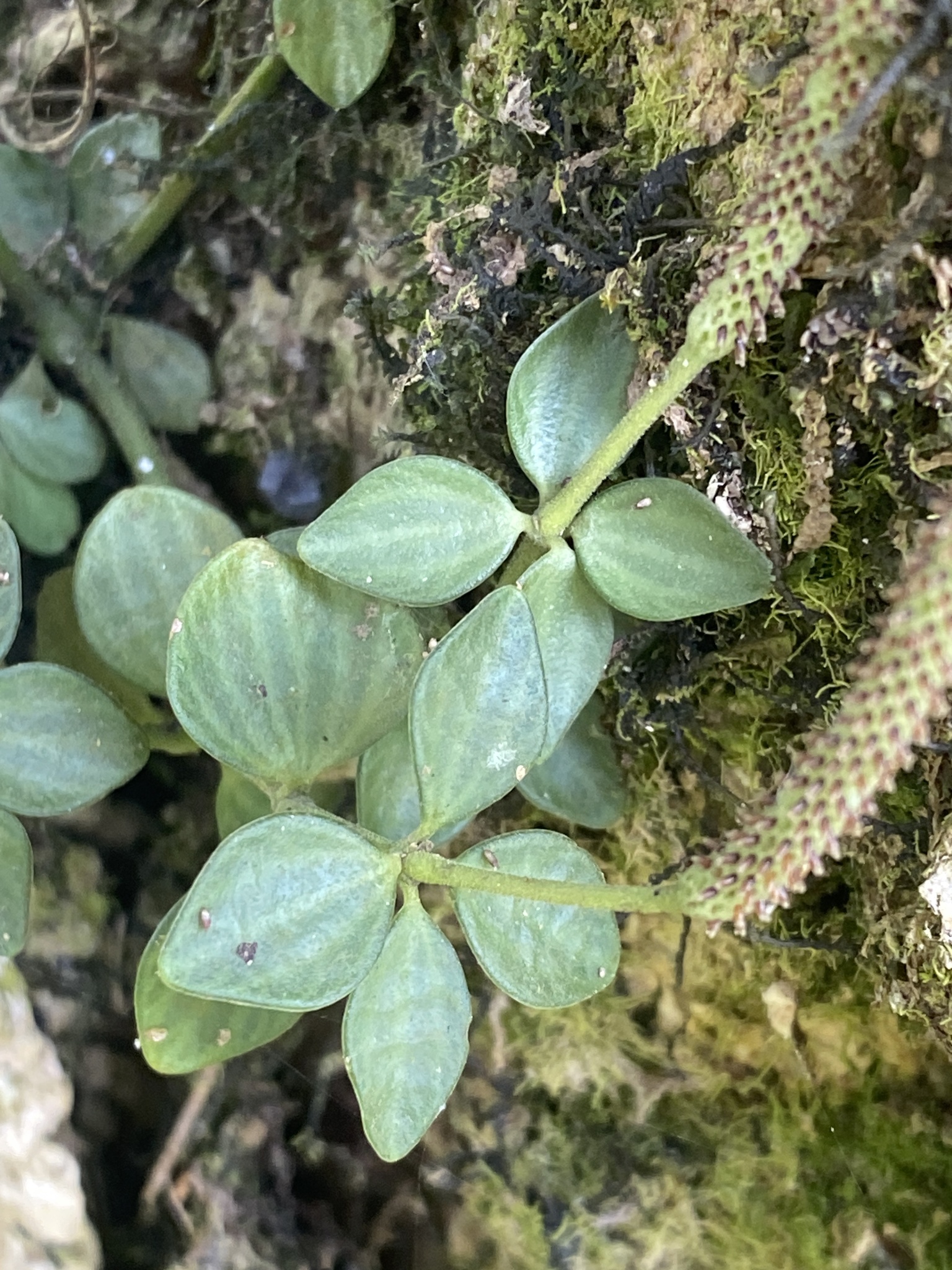
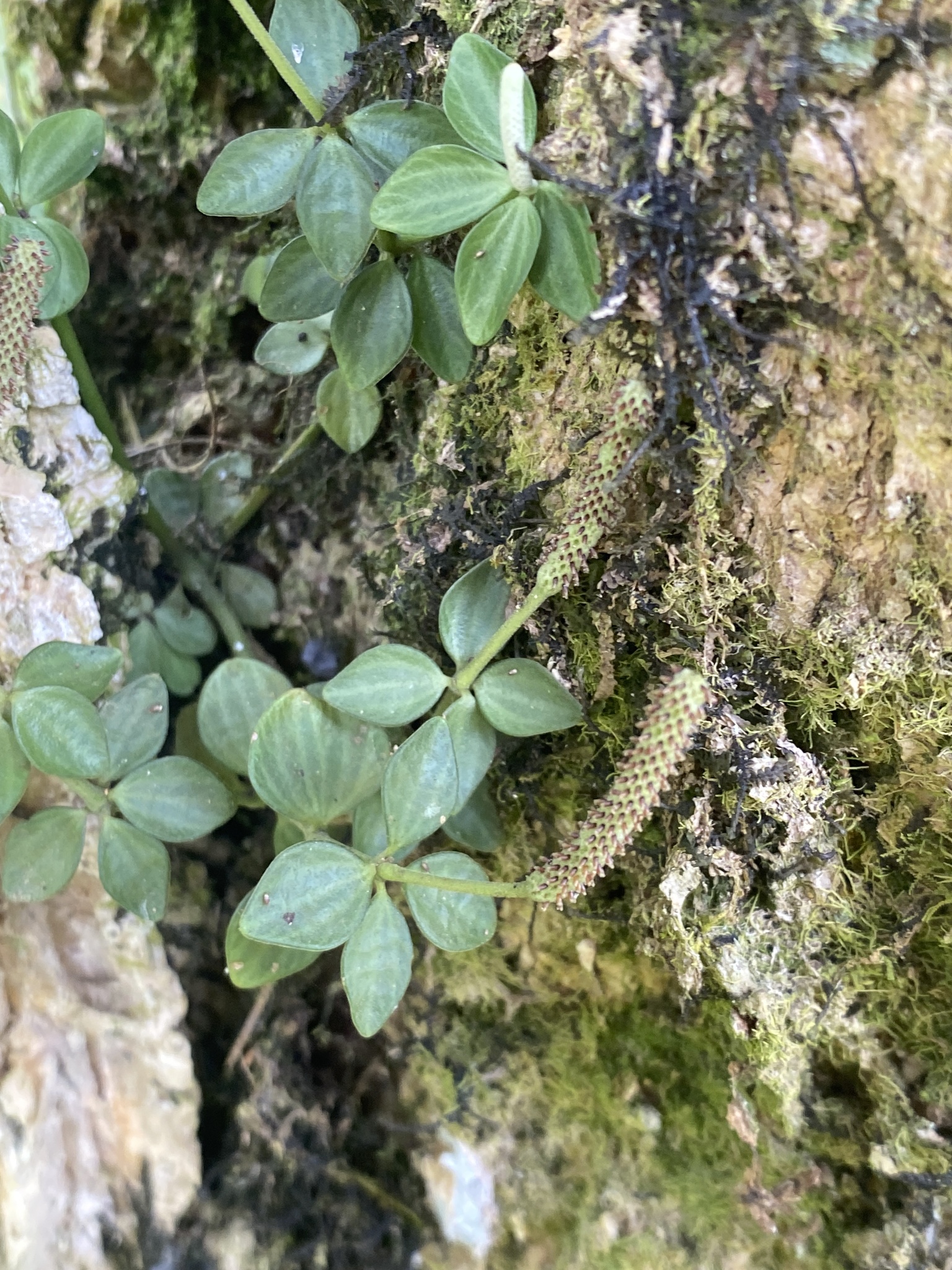
Hope is the trailing peperomia: thick coin-shaped leaves in whorls of three or four on stems that reach 30-45cm. It is a hybrid, not a species, so it is propagated only from cuttings. Being semi-succulent, it needs far less water than people expect, every 10-14 days, and it is non-toxic to cats and dogs. Prices run $10-$25. Genus guide: Peperomia.
Key facts
- Hope is a deliberate hybrid of Peperomia deppeana and Peperomia quadrifolia, which is where the distinctive whorls of three to four leaves per node come from. Most peperomias produce leaves in opposite pairs or singly.
- Its leaves are thick water stores, so Hope behaves much more like a succulent than the broad-leaved peperomias and tolerates being forgotten far better than being overwatered.
- Non-toxic to cats, dogs and humans, which makes it one of the few genuinely pet-safe trailing plants for hanging baskets, unlike pothos or philodendron.
- It is often mistaken for a string-of-pearls or Pilea relative, but it is a true Peperomia in the pepper family, Piperaceae.
Care requirements (and how Hope differs from other peperomias)#
| Plant type | Indoor trailing semi-succulent hybrid; epiphytic habit in its parents' native range |
| Genus page | Peperomia (baby rubber plant). Genus care and pet-safety baseline |
| Growing medium | Very free-draining: houseplant mix with an equal part of perlite, or a cactus mix with added bark |
| Light needs | Bright indirect light. In low light the internodes stretch and the tidy whorls space out into a sparse vine |
| Water frequency | Every 10-14 days, longer than for broad-leaved peperomias, because the thick coin leaves store water. Let the pot dry out most of the way first |
| Humidity | 40%+; ordinary room humidity is fine and no misting is needed |
| Temperature range | 18-26°C (65-79°F); keep above 12°C |
| Fertilizer | Half-strength balanced liquid feed every 8 weeks in spring and summer only |
| Soil pH | 6.0-6.6 |
| Drainage needs | Very high. The fine stems rot at soil level within days in a soggy pot |
| Pot recommendation | Small hanging pot or shallow bowl; terracotta helps it dry out between waterings |
| Toxicity | Non-toxic to cats, dogs and humans |
Growth & propagation#
| Mature size | Trails to 30-45cm, occasionally longer; the plant itself stays only 10-15cm tall |
| Growth rate | Moderate in spring and summer, faster than the caperata cultivars |
| Propagation methods | Stem cuttings: take a 5-8cm piece with two or three whorls, strip the lowest whorl, and root in water or moist mix |
| Propagation difficulty | Beginner-friendly: cuttings root within two to three weeks |
| Hybrid status | Hope is a cultivated hybrid and does not come true from seed, so every plant in the trade is a cutting descendant |
| Repotting schedule | Every 2-3 years; it prefers a snug pot and resents excess wet soil around the roots |
Common problems & troubleshooting#
| Symptom | Likely cause | Fix |
|---|---|---|
| Long bare stems with widely spaced whorls | Insufficient light causing the internodes to stretch | Move to bright indirect light and pinch the stems back; use the trimmings as cuttings to refill the pot |
| Stems collapse and go black where they meet the soil | Stem rot from overwatering. The commonest way Hope dies | Cut healthy sections above the rot and re-root them; repot survivors into a much grittier mix |
| Leaves shrivel and go slightly wrinkly | Underwatering, which is far less serious than overwatering | Water thoroughly; the leaves plump back up within a day or two |
| Leaves dropping off at the slightest touch | Cold shock or a sudden move from a warm greenhouse to a cold room | Keep it consistently above 15°C and away from draughty windows; the plant usually resprouts from the remaining nodes |
| Bare, empty centre with all growth at the trailing ends | Natural habit made worse by never pinching | Pinch tips regularly and lay a few rooted cuttings back into the middle of the pot |
It wants less water than you think
Sodate spaces Hope's watering quests around its succulent leaves, not a generic houseplant schedule.
Seasonal care#
Varieties & cultivars#
| Variety | Distinguishing trait | Note |
|---|---|---|
| Peperomia 'Hope' (this plant) | Small thick coin leaves in whorls of 3-4 on trailing stems | A deppeana x quadrifolia hybrid |
| Peperomia rotundifolia (Trailing Jade) | Tiny round leaves in opposite pairs on thread-fine stems | Similar look but much smaller leaves and finer stems |
| Peperomia prostrata (String of Turtles) | Patterned turtle-shell leaves on delicate trailing stems | Same pet-safety, but far fussier about watering |
| Peperomia obtusifolia | Thick glossy upright plain green leaves | The genus' easiest member. See the base guide |
Buying checklist#
- Leaves are arranged in whorls of three or four per node. Pairs mean you are looking at Peperomia rotundifolia instead
- Whorls sit close together along the stem; wide gaps mean it was grown in poor light
- Stems are firm at soil level with no dark, soft patches
- Leaves are plump and firm, not wrinkled or floppy
- Mix is dry-ish; a saturated nursery pot is a rot risk you take home with you
Pricing by region#
| Region | Price range | Typical unit | Basis |
|---|---|---|---|
| US | $10 – $25 | 4-6in hanging pot | Nursery + online plant shop retail |
| UK | $9 – $22 | 12cm pot | Garden centre retail |
| India | $3 – $10 | 4in pot | Urban nursery retail |
| Australia | $12 – $28 | 125mm pot | Nursery retail |
| Canada | $11 – $27 | 4-6in pot | Garden centre retail |
USD figures are approximate conversions for comparison; switch the dropdown to see each region's actual local-currency listing price.
Often confused with#
Name confusion warning#
Peperomia 'Hope' is routinely mislabelled as Peperomia rotundifolia or 'Trailing Jade' in shops. Count the leaves per node: Hope carries three or four in a whorl, rotundifolia carries two.
Where it's actually grown#
Hope is propagated exclusively from cuttings, since it is a sterile-in-practice garden hybrid, and is grown at scale in Dutch, Central American and Southeast Asian greenhouses before being finished regionally. There is no wild population of this plant anywhere.
Import & biosecurity restrictions#
| Region | Note |
|---|---|
| Australia | Live plant imports restricted under biosecurity law; readily available from domestic growers. |
| US | Domestic sale unrestricted; imports need a USDA phytosanitary certificate. |
| UK | Plant health certificates required for imports; domestic sale unrestricted. |
| India | No restriction; grows quickly in warm Indian indoor conditions but must be kept out of direct sun. |
| Canada | CFIA import permit required for commercial imports; domestic sale unrestricted. |
Similar plants
Ranked in these guides
Did you know?
Frequently asked questions
How is Peperomia Hope different from other peperomias?
Hope is the trailing one. It is a hybrid of Peperomia deppeana and quadrifolia with small thick coin-shaped leaves in whorls of three or four, and it grows down over the pot edge rather than upright in a rosette.
Is Peperomia Hope safe for cats and dogs?
Yes. Peperomia 'Hope' is non-toxic to cats, dogs and humans, which makes it one of the few genuinely pet-safe trailing plants for a hanging basket.
How often should I water Peperomia Hope?
Roughly every 10-14 days, and less in winter. Its thick leaves store water, so let the pot dry out most of the way before watering again.
Why are my Hope's leaves spaced so far apart?
Low light. The stems stretch between nodes searching for brightness. Move it to bright indirect light and pinch the stems back to encourage tighter new growth.
Is Peperomia Hope the same as Trailing Jade?
No, although they are often mislabelled as each other. Trailing Jade is Peperomia rotundifolia, with much smaller leaves in opposite pairs; Hope has chunky leaves in whorls of three or four.