 Sodate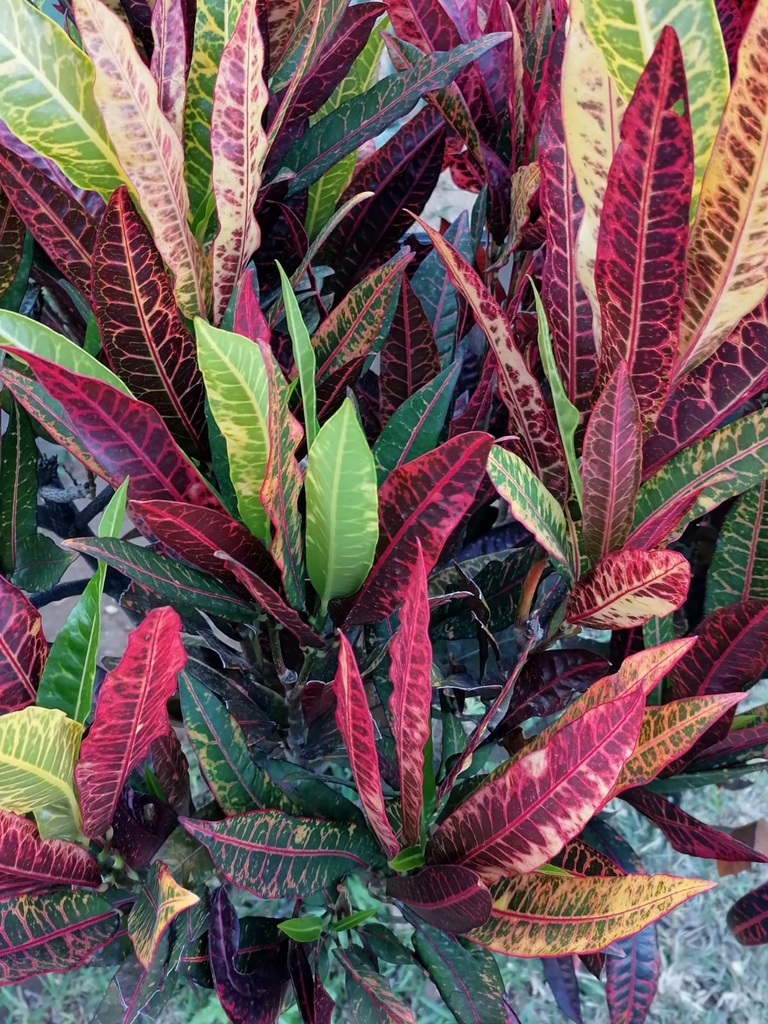
On this page
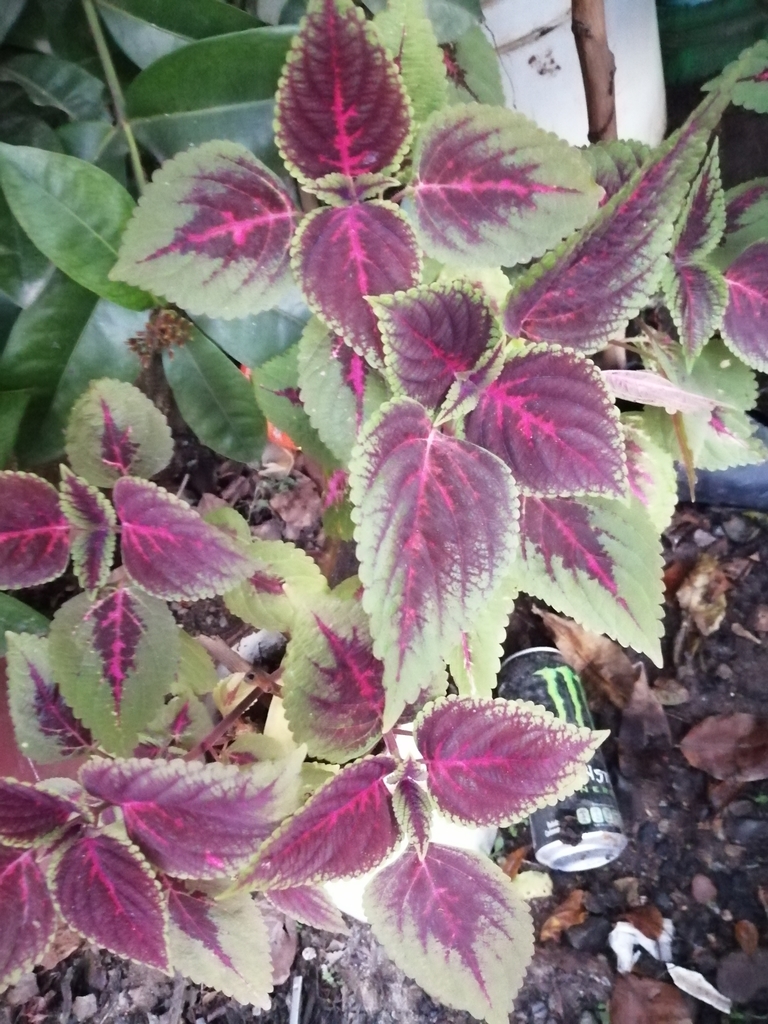
Croton delivers the loudest foliage color of any common houseplant, but only in bright light: in a dim corner it fades to plain green. It is notorious for dropping leaves after any move or change in conditions, which is normal and usually temporary. Keep it warm, evenly moist, and away from pets: the milky sap is toxic. Typically $10-$30.
Key facts
- Famous for dropping leaves when moved: a relocated or newly purchased croton often sheds heavily, then regrows once it settles. This is stress, not death.
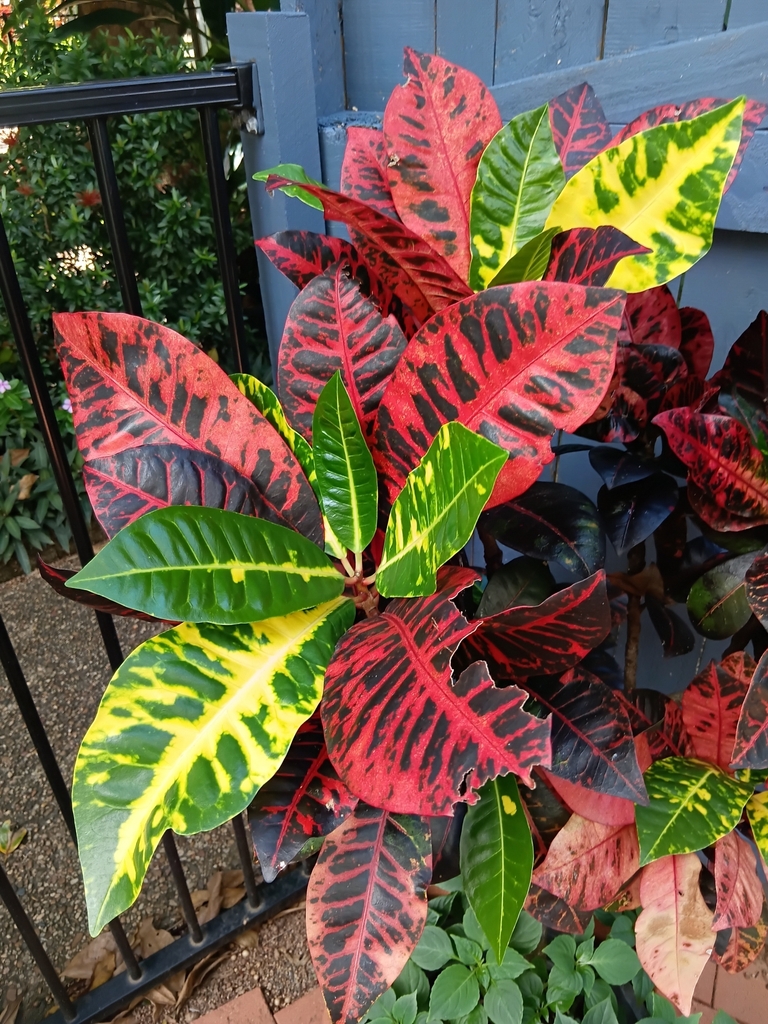
- Leaf color intensity is directly tied to light: bright light keeps reds and oranges vivid, low light turns new growth mostly green.
- A member of the Euphorbiaceae family: the milky white sap is toxic to cats, dogs, and humans and can irritate skin.
- Outdoors in USDA zones 10-12 it grows into a shrub up to 3m tall; indoors it usually stays under 1m.
Care requirements#
| Plant type | Indoor houseplant; outdoor shrub in USDA 10-12 |
| Growing medium | Rich, well-draining potting mix with some perlite |
| Light needs | Bright light, including a few hours of direct morning sun; color fades in low light |
| Water frequency | When the top 2-3cm of soil dries, roughly weekly; keep evenly moist, never soggy |
| Humidity | Moderate to high (50%+); dry air encourages spider mites |
| Temperature range | 18-29°C (65-85°F); leaf drop below 13°C (55°F); avoid cold drafts |
| Fertilizer | Balanced liquid feed monthly in spring and summer |
| Soil pH | 5.5-6.5, slightly acidic |
| Drainage needs | Good drainage essential; roots rot in standing water |
| Pot recommendation | Plastic or glazed pot with drainage; terracotta dries too fast for its moisture needs |
| Hardiness zone (outdoor) | USDA 10-12 |
| Toxicity | Toxic to cats, dogs, and humans; milky sap can irritate skin |
Growth & propagation#
| Mature size | 60-100cm indoors; up to 3m as an outdoor shrub |
| Growth rate | Slow to moderate; 15-30cm per year in good light |
| Propagation methods | Stem cuttings rooted in water or moist soil; air layering for thick stems |
| Propagation difficulty | Moderate; cuttings root best with warmth and humidity, wear gloves for the sap |
| Repotting schedule | Every 2 years in spring; expect some leaf drop afterward |
| Pruning needs | Pinch or cut back leggy stems in spring to force branching |
Common problems & troubleshooting#
| Symptom | Likely cause | Fix |
|---|---|---|
| Sudden heavy leaf drop | Relocation, drafts, or temperature swings; croton's signature stress response | Pick a bright, stable spot and leave it there; keep watering normally and new leaves follow in a few weeks |
| New leaves mostly green, colors fading | Insufficient light | Move to a brighter window with some direct morning sun; existing green leaves won't recolor but new growth will |
| Fine webbing and stippled, dusty leaves | Spider mites, croton's most common pest in dry indoor air | Shower the foliage, treat with insecticidal soap or neem weekly, and raise humidity |
| Wilting despite moist soil, brown leaf edges | Cold exposure or root damage from waterlogging | Move above 15°C, check roots, trim rot, and repot in fresh draining mix |
| Leaves drooping and dull, soil bone-dry | Underwatering; crotons want consistent moisture | Water thoroughly until it drains; set a regular schedule instead of waiting for wilt |
Consistent watering, calmer croton
Sodate reminds you before the soil swings from soggy to bone-dry, the exact fluctuation that makes crotons drop leaves.
Seasonal care#
Varieties & cultivars#
| Variety | Distinguishing trait | Note |
|---|---|---|
| 'Petra' | Broad oval leaves veined in yellow, orange, and red | The most common commercial croton |
| 'Mammy' | Narrow, twisted, curling leaves in red and yellow | Compact habit, good for small spaces |
| 'Gold Dust' | Green leaves speckled with yellow spots | Tolerates slightly lower light than colorful forms |
| 'Zanzibar' | Very narrow, grass-like multicolored leaves | Airier look than typical crotons |
Buying checklist#
- Dense foliage down to the base of the stems, not bare lower stems
- Vivid, saturated color on recent growth
- No fine webbing or stippling under leaves (spider mites)
- Expect and accept some leaf drop in the first weeks home; it's normal
Pricing by region#
| Region | Price range | Typical unit | Basis |
|---|---|---|---|
| US | $10 – $30 | 6in pot | Big-box + nursery retail |
| UK | $10 – $32 | 12-17cm pot | Garden centre retail |
| India | $1 – $4 | 6in pot | Local nursery; grown widely as a garden shrub |
| Australia | $10 – $26 | 140-200mm pot | Nursery + garden centre |
| Canada | $11 – $29 | 6in pot | Garden centre retail |
USD figures are approximate conversions for comparison; switch the dropdown to see each region's actual local-currency listing price.
Often confused with#
Name confusion warning#
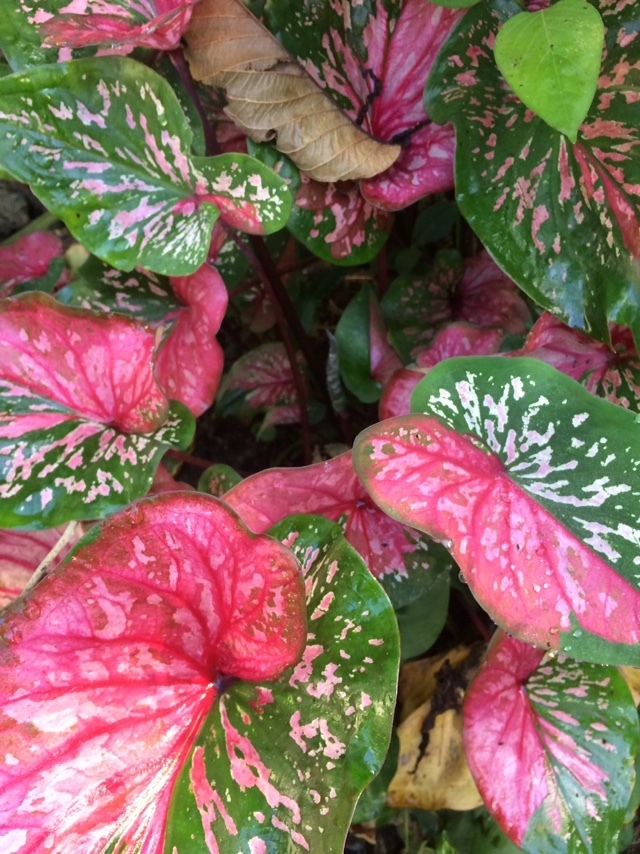
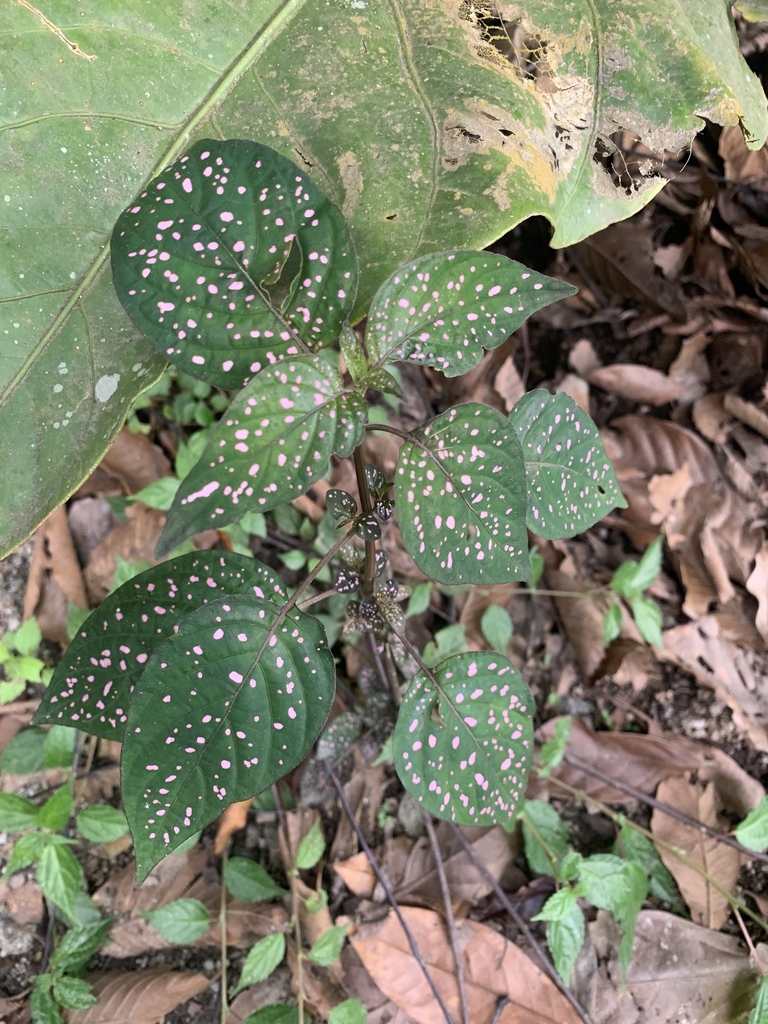
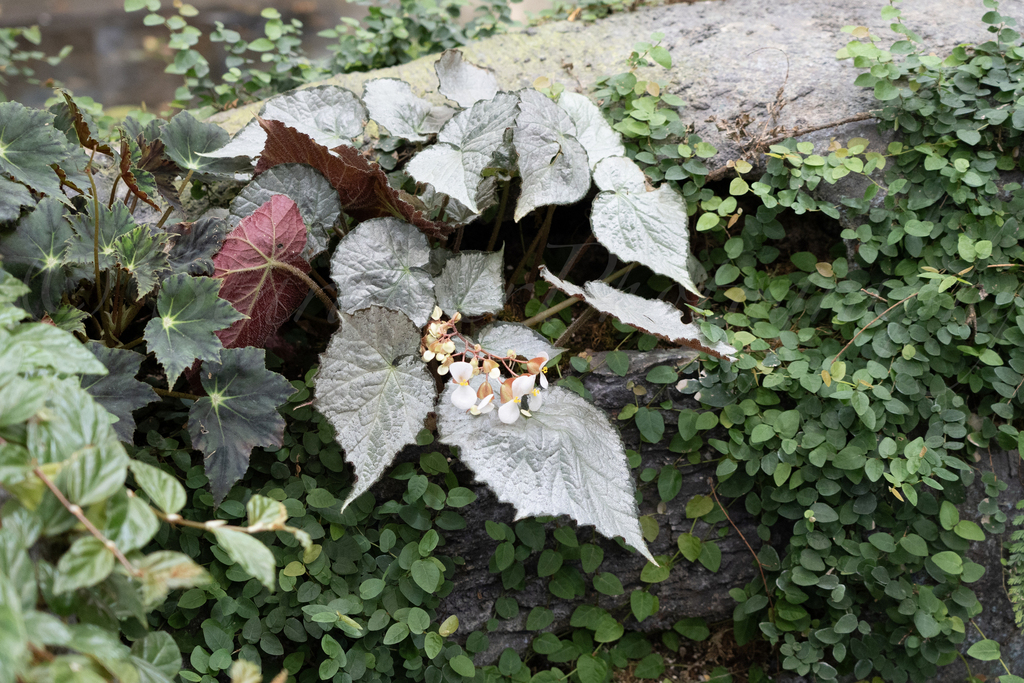
Two different "crotons." The houseplant croton is Codiaeum variegatum, not the genus Croton, a separate group of mostly weedy Euphorbiaceae. Plant databases and toxicity lookups can point to the wrong plant if you search the bare word "croton."
Where it's actually grown#
Nearly all retail crotons are grown from cuttings in large tropical foliage nurseries, with Florida (especially the Apopka area) supplying North America and Costa Rica, Sri Lanka, and Indonesian growers feeding the European and Asian markets.
Import & biosecurity restrictions#
| Region | Note |
|---|---|
| Australia | Live plant imports restricted under biosecurity law; widely grown domestically in QLD and northern NSW. |
| US | Domestic sale unrestricted; grown outdoors only in Florida, Hawaii, and far-south Texas. |
| UK | No specific restriction; sold as a houseplant, cannot survive outdoors. |
| India | No restriction; a staple hedge and garden shrub across the country. |
| Canada | CFIA permits required for commercial imports; houseplant only. |
Similar plants
Did you know?
Frequently asked questions
Why is my croton dropping leaves?
Almost always stress from a move, draft, or temperature change; crotons famously shed after relocation. Keep conditions stable and it typically regrows within weeks.
Is croton toxic to cats and dogs?
Yes. The milky sap is toxic to pets and humans, causing mouth irritation and vomiting if chewed, and it can irritate skin.
Why is my croton losing its color?
Not enough light. New leaves emerge mostly green in dim spots; give it bright light with some direct morning sun to keep colors vivid.
How much does a croton cost?
A standard 6-inch pot runs $10-$30 in the US; in India it is a common garden shrub costing ₹100-₹350.
Can croton grow outdoors?
Only in frost-free climates (USDA 10-12), where it becomes a shrub up to 3m tall. Anywhere colder it must live indoors.