 Sodate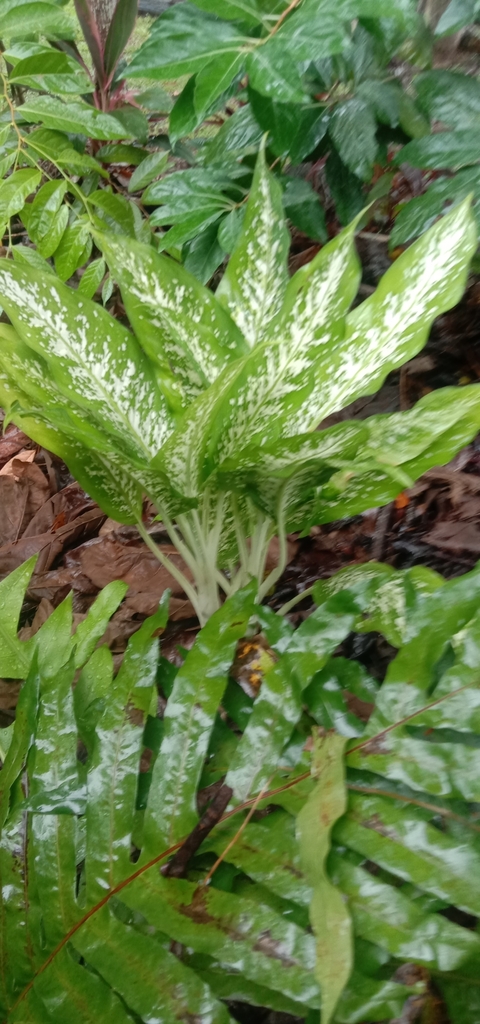
On this page
Dieffenbachia needs bright indirect light and water when the top 2 inches of soil dry out. Its sap is significantly toxic. Chewing a leaf causes painful mouth and throat swelling in humans and pets, giving the plant its common name. It's easy to grow otherwise, propagates from stem cuttings, and typically costs $15-$40.
Key facts
- Native to the Caribbean and tropical South America, where it grows as forest understory.
- Named 'dumb cane' because chewing the sap causes temporary swelling of the mouth and throat severe enough to prevent speech.
- The sap contains calcium oxalate crystals and proteolytic enzymes, making it one of the more seriously toxic common houseplants. More so than typical mild aroid toxicity.
- Older canes naturally shed their lower leaves over time, leaving a bare stem with a leafy top, similar to a small palm.
Care requirements#
| Plant type | Indoor (can grow outdoors year-round in USDA 10-12) |
| Growing medium | Soil, well-draining potting mix |
| Light needs | Bright, indirect light; tolerates medium light with slower growth |
| Water frequency | Every 7-10 days; water when the top 2in of soil is dry |
| Humidity | 50%+ preferred; tolerates average home humidity |
| Temperature range | 18-27°C (65-80°F); avoid below 15°C (60°F) |
| Fertilizer | Balanced liquid feed monthly through spring-summer |
| Soil pH | 5.5-6.5 (slightly acidic) |
| Drainage needs | High: waterlogged soil causes root and stem rot |
| Pot recommendation | Any well-draining pot; terracotta helps prevent overwatering |
| Hardiness zone (outdoor) | USDA 10-12 |
| Toxicity | Seriously toxic to pets and humans if chewed. Causes painful mouth and throat swelling |
Growth & propagation#
| Mature height | 1-1.8m indoors |
| Growth rate | Moderate: several new leaves per growing season |
| Propagation methods | Stem/cane cuttings, air layering, or top cuttings |
| Propagation difficulty | Moderate: cuttings root in water or soil within 3-4 weeks |
| Repotting schedule | Every 1-2 years, or when roots fill the pot |
| Pruning needs | Cut back leggy canes to encourage bushier regrowth from the base |
Common problems & troubleshooting#
| Symptom | Likely cause | Fix |
|---|---|---|
| Yellow lower leaves | Natural aging or overwatering | If only the oldest leaves yellow, this is normal; if widespread, reduce watering |
| Brown leaf edges | Low humidity or inconsistent watering | Increase humidity, water more consistently |
| Leggy stem with few leaves | Insufficient light | Move to brighter indirect light; cut back and propagate the top to restart bushier growth |
| Soft, mushy stem base | Root or stem rot from overwatering | Remove affected tissue, repot in fresh dry mix, water sparingly |
| Small brown bumps on stems | Scale insects | Wipe off with isopropyl-alcohol swab; treat with insecticidal soap weekly |
Never guess when to water this again
Sodate reads your actual light and season, then builds this plant's watering quests around them, not a fixed schedule.
Seasonal care#
Varieties & cultivars#
| Variety | Distinguishing trait | Note |
|---|---|---|
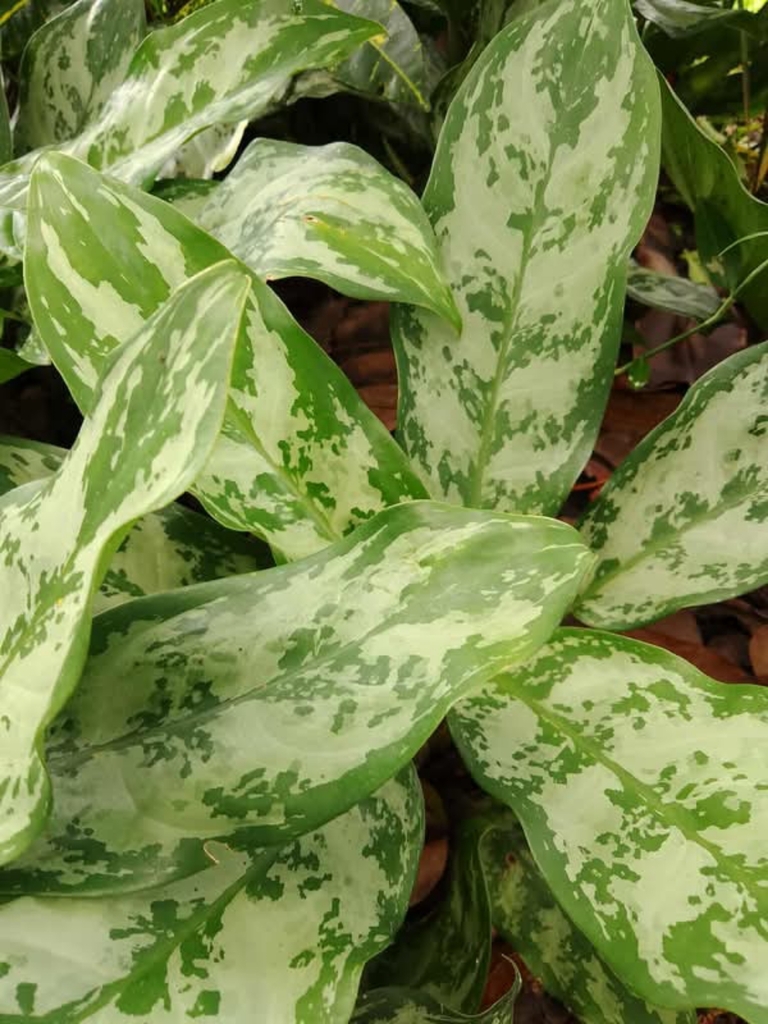
| 'Tropic Snow' | Heavy white/cream variegation on green leaves | One of the most popular variegated types |
| 'Camille' | Bright chartreuse-yellow leaf centers with green margins | Compact growth habit |
| 'Compacta' | Smaller, denser growth habit | Good for smaller spaces |
Buying checklist#
- Leaves are firm, richly colored, and free of yellowing or brown spots
- No visible pests on leaf undersides or stem joints
- Stem is sturdy, not soft or mushy at the base
- Ask staff to confirm toxicity if buying for a home with pets or young children
Pricing by region#
| Region | Price range | Typical unit | Basis |
|---|---|---|---|
| US | $15 – $40 | 6-8in pot | Nursery + big-box retail |
| UK | $12 – $32 | 17cm pot | Garden centre retail |
| India | $2 – $6 | 6-8in pot | Urban nursery retail |
| Australia | $14 – $38 | 150-200mm pot | Nursery + garden centre |
| Canada | $15 – $37 | 6-8in pot | Garden centre retail |
USD figures are approximate conversions for comparison; switch the dropdown to see each region's actual local-currency listing price.
Often confused with#
Where it's actually grown#
Dieffenbachia is propagated commercially from cane cuttings in large-scale tropical nurseries, primarily in Florida, Central America, and Southeast Asia, then shipped to regional garden centres and big-box retailers worldwide.
Import & biosecurity restrictions#
| Region | Note |
|---|---|
| Australia | Live plant imports restricted under biosecurity law; widely available domestically. |
| US | Domestic sale unrestricted; grows outdoors year-round only in South Florida, Hawaii, and similar zones. |
| UK | No specific restriction; grown strictly as a houseplant given the UK climate. |
| India | No restriction; grows well in warm Indian climates. |
| Canada | CFIA permits required for commercial imports; grown as a houseplant given the climate. |
Similar plants
Ranked in these guides
Did you know?
Frequently asked questions
Why is dieffenbachia called dumb cane?
Chewing its sap causes painful swelling of the mouth and tongue severe enough to temporarily prevent speech, which is where the common name comes from.
How much does dieffenbachia cost?
A standard 6-8 inch potted plant typically runs $15-$40 in the US.
Is dieffenbachia safe around pets?
No, it's seriously toxic if chewed, causing painful mouth and throat swelling in pets and humans alike. Keep it well out of reach.
Why is my dieffenbachia losing its lower leaves?
This is normal aging as the plant matures into a small palm-like form with a bare lower stem, unless leaves are yellowing more broadly, which points to overwatering.
How do I propagate dieffenbachia?
Take stem or cane cuttings with at least one node and root them in water or moist soil; roots typically form within 3-4 weeks.